Michigan Gardeners Are Planting Winterberry Bushes For Winter Color And Backyard Birds
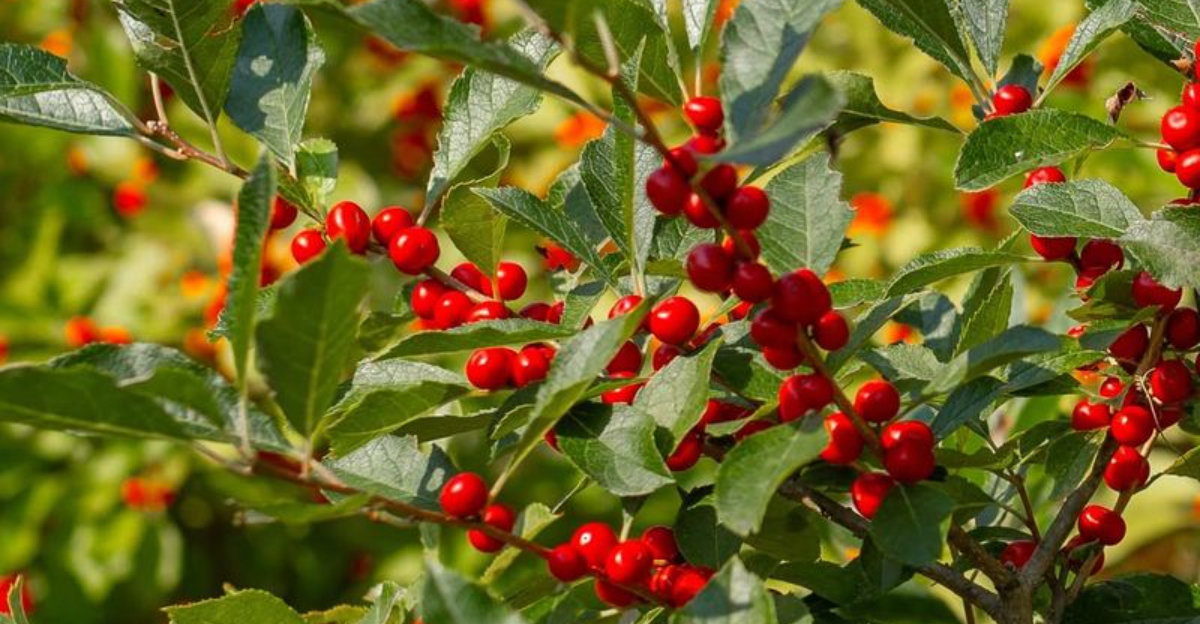
Winter in Michigan can leave gardens looking gray and lifeless, but a winterberry bush changes that entirely.
With bright red berries and striking branches, this deciduous shrub adds a pop of color while providing much-needed food for backyard birds during the cold months. Who says your garden has to hibernate in winter?
Winterberries are hardy, low-maintenance, and thrive in Michigan’s climate, making them perfect for yards, borders, and even containers.
Planting one attracts cardinals, bluebirds, and other feathered visitors, bringing life and activity to your winter landscape.
Beyond their beauty, these shrubs support local wildlife and provide visual interest even under snow. Color, wildlife, and winter cheer—all in one bush!
For Michigan gardeners, a winterberry bush isn’t just decorative—it’s a way to support birds, brighten the yard, and enjoy a lively, festive garden in the coldest months. Bring winter color and wildlife to your yard today!
Winterberry Thrives In Michigan’s Cold Winters
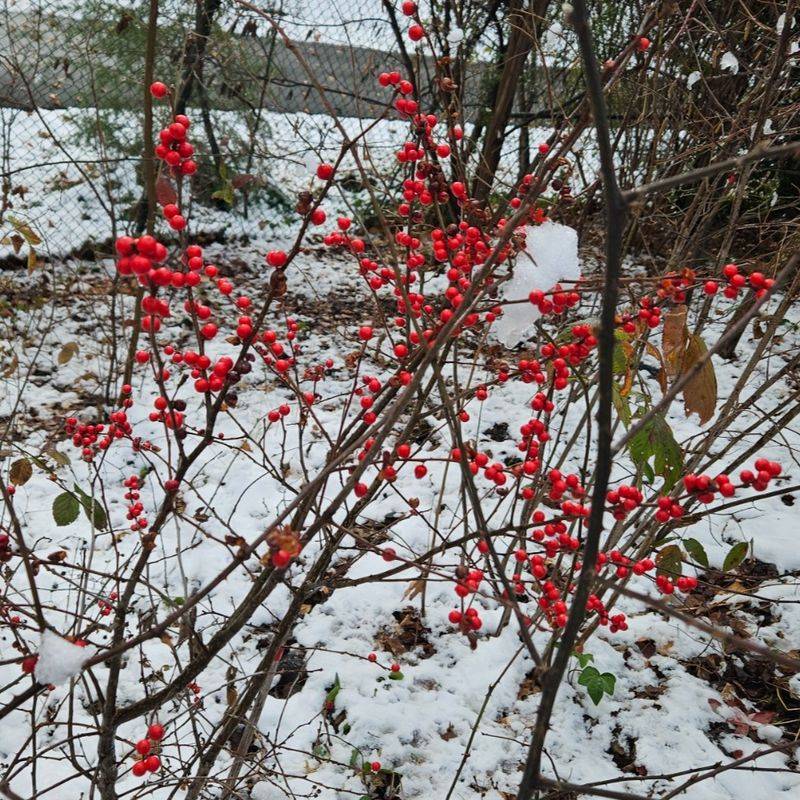
Cold hardiness matters when you’re choosing plants for Michigan gardens, and winterberry delivers exactly what northern growers need.
This native deciduous holly evolved right here in North America, which means it naturally handles freezing temperatures, heavy snow loads, and the harsh winds that sweep across the Great Lakes region every winter.
While tender shrubs struggle or require protection, winterberry stands strong through subzero nights without any special care or wrapping.
Michigan falls into USDA hardiness zones 4 through 6, and winterberry performs beautifully across this entire range.
The shrub’s roots establish deeply in the ground, anchoring it against winter storms while storing energy for the next growing season.
Snow piles up around the branches without causing breakage, and ice storms rarely cause significant damage to the flexible stems. Gardeners appreciate how winterberry requires no winter protection whatsoever.
You won’t need to wrap burlap around it, build windbreaks, or worry about frost damage to emerging buds in early spring.
The plant simply does what it was designed to do, surviving and thriving through Michigan’s toughest weather while keeping those bright berries on display from November straight through March, long after most other ornamental plants have finished their show for the year.
Bright Red Berries Add Color When Landscapes Are Bare
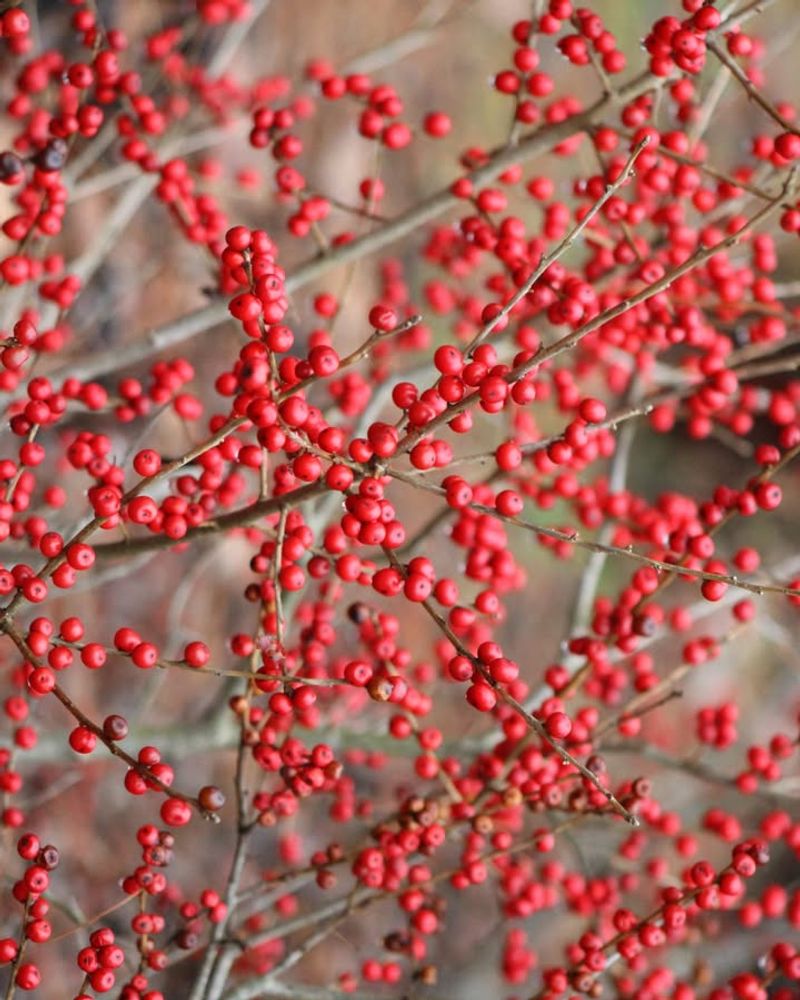
Gray skies, white snow, and brown tree trunks dominate Michigan’s winter scenery, creating a landscape that can feel drained of life and vibrancy.
Winterberry changes that picture completely with clusters of glossy red berries that practically glow against the neutral backdrop.
These brilliant fruits appear after the leaves drop in autumn, revealing themselves fully just when your yard needs color most desperately.
The berries aren’t just red—they’re an intense, fire-engine shade that catches your eye from across the yard or even from inside your house looking out the window. When snow falls and blankets the ground, the contrast becomes even more dramatic.
Imagine looking out on a snowy morning and seeing those bright red clusters standing out like holiday decorations that nature provided free of charge.
Your Michigan Garden Changes Every Week. Your Plan Should Too.
Gardening in Michigan changes quickly throughout the season. Every Friday you’ll receive a simple weekly plan showing exactly what to plant, prune, fertilize, harvest, and protect so you never miss the right timing.
Each berry measures about a quarter-inch across, and they grow in dense clusters along the stems, creating substantial visual impact.
A single mature winterberry bush can produce thousands of berries, transforming an otherwise boring corner of your property into a focal point that brings joy every time you glance outside.
Neighbors will notice the difference too, often stopping to ask what that stunning red plant is and where they can get one for their own yards.
Native Status Makes It Low-Maintenance
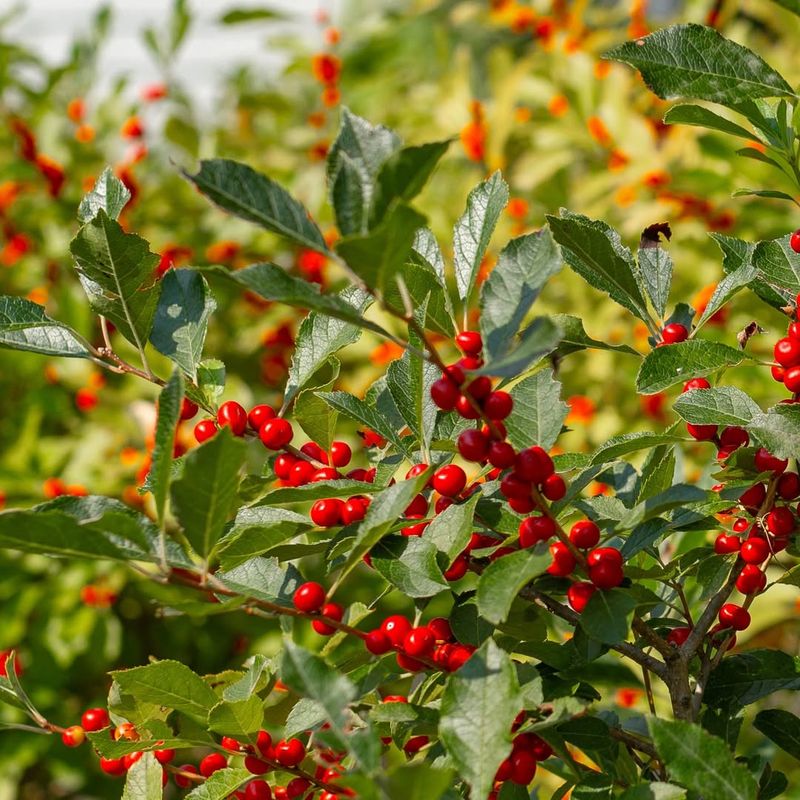
Winterberry isn’t some exotic import that needs constant fussing—it’s a Michigan native that evolved right alongside the state’s other plants, insects, and wildlife.
Native plants always have an advantage because they’re already adapted to local soil chemistry, rainfall patterns, temperature swings, and seasonal cycles.
When you choose winterberry, you’re working with nature instead of fighting against it, which translates directly into less work for you and better results in your landscape.
Michigan soils vary considerably across the state, but winterberry handles most conditions without requiring amendments or special preparations.
The shrub naturally resists local pests and diseases because it developed defenses against them over thousands of years.
You won’t need to spray pesticides or fungicides regularly like you might with non-native ornamentals that lack these built-in protections. Watering requirements stay minimal once the roots establish, typically within the first growing season.
Fertilizing isn’t necessary in most situations because the plant thrives in average Michigan soil without extra feeding.
This low-maintenance nature appeals especially to gardeners who want beautiful results without spending every weekend on yard work, and to those who prefer sustainable, environmentally friendly landscaping practices that don’t rely on synthetic chemicals or excessive resource consumption to keep plants looking their best throughout the seasons.
Birds Depend On Winterberry As Late-Season Food
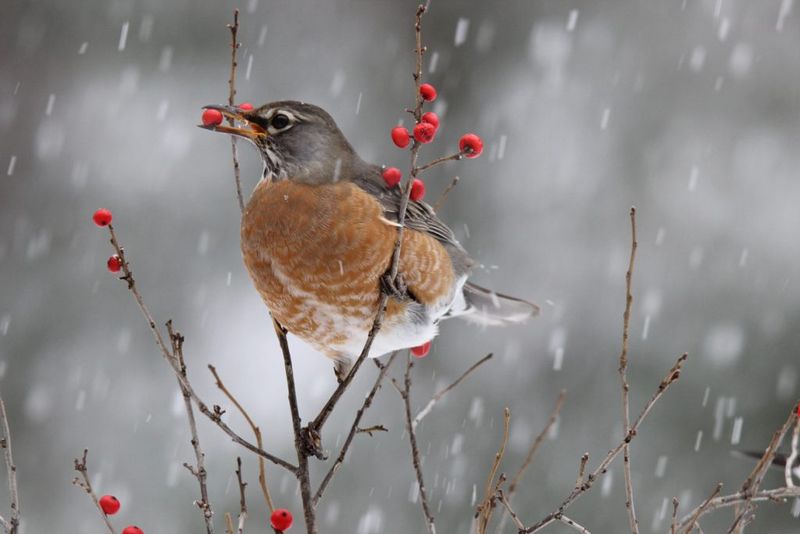
When snow covers the ground and temperatures plunge, finding food becomes a survival challenge for Michigan’s resident and migrating birds.
Insects disappear, seeds get buried under ice and snow, and many berry-producing plants have already been stripped clean by hungry wildlife.
Winterberry provides critical nutrition exactly when birds need it most, offering high-energy fruits that help robins, cedar waxwings, bluebirds, and mockingbirds make it through the harshest weeks of winter.
The berries contain fats and sugars that give birds the calories they need to maintain body temperature during freezing nights.
Interestingly, winterberry fruits actually improve in palatability after several freeze-thaw cycles, which means birds often leave them alone during early winter but return to feast on them later when other food sources have completely vanished.
This timing works perfectly for both the plant and the birds. Watching birds flock to your winterberry bushes adds entertainment and connection to nature right outside your window.
Cedar waxwings arrive in flocks, their sleek crests and yellow tail bands flashing as they devour berries in organized feeding frenzies. Robins that stay north for winter depend heavily on these fruits.
By planting winterberry, you’re not just decorating your yard—you’re creating a genuine wildlife habitat that supports Michigan’s bird populations when they face their toughest seasonal challenges.
It Handles Wet And Clay-Heavy Soils Well
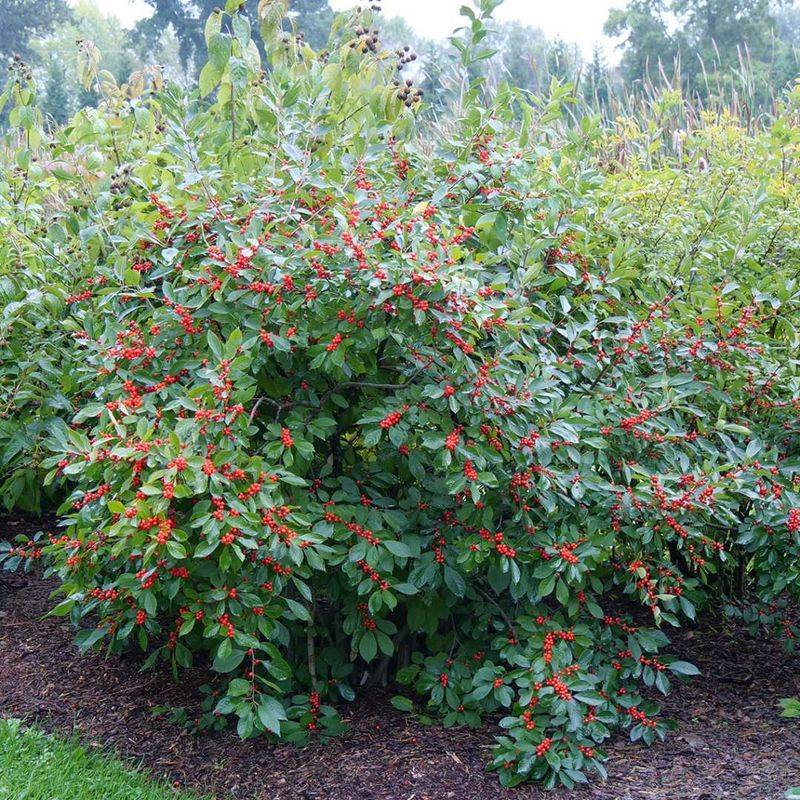
Many Michigan properties struggle with poor drainage, heavy clay soil, or low-lying areas that stay soggy for weeks after rain or snowmelt.
These challenging conditions limit plant choices significantly because most shrubs prefer well-drained soil and will develop root rot or simply refuse to grow in constantly wet ground.
Winterberry actually prefers moist to wet conditions, making it the perfect solution for those problem spots where other plants have failed repeatedly.
In its natural habitat, winterberry grows in swamps, wetland edges, and along stream banks where water levels fluctuate seasonally.
This evolutionary background means the plant’s roots can handle extended periods of saturation without suffering damage.
Clay soil, which many Michigan gardeners curse for being dense and slow-draining, works just fine for winterberry as long as water doesn’t remain standing permanently.
Gardeners can finally turn those frustrating wet corners of their property into attractive landscape features instead of muddy eyesores.
Plant winterberry in that low spot near the downspout, along the drainage swale, or in the backyard area that stays damp most of the year.
The shrub will not only survive but actually thrive in conditions that would stress or eliminate most other ornamental plants, giving you beautiful winter color in exactly the locations where you thought nothing would ever grow successfully.
It Works In Sun Or Partial Shade
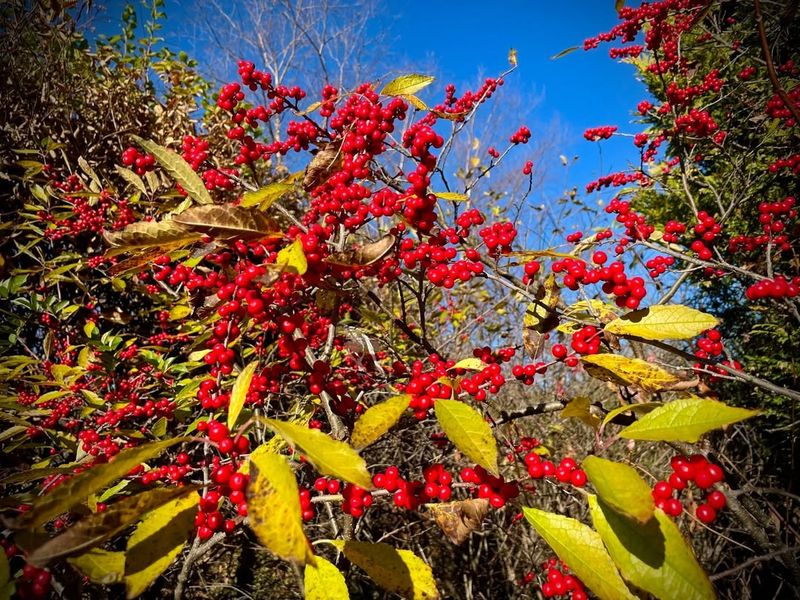
Finding plants that perform well in varying light conditions gives you flexibility when designing your landscape, and winterberry delivers this versatility beautifully.
Full sun exposure produces the heaviest berry production and the most compact, dense growth habit, making it ideal for open yards or spots that receive six or more hours of direct sunlight daily.
But unlike many sun-loving shrubs that struggle in shadier locations, winterberry adapts successfully to partial shade as well.
Michigan yards often include areas with mixed light conditions—perhaps morning sun but afternoon shade from the house, or dappled light filtering through taller trees.
Winterberry grows happily in these situations, though berry production may be somewhat lighter than in full sun locations.
The plant’s natural woodland edge habitat means it evolved to handle variable light, giving it an advantage over more finicky ornamentals that demand specific exposure.
This adaptability means you can plant winterberry in multiple locations throughout your property to create a cohesive design.
Use it in the sunny front yard for maximum berry display, then repeat the same plant in the partially shaded side yard to tie the landscape together visually.
You won’t need to maintain separate plant lists for different light zones or worry about whether a particular spot gets enough sun.
Winterberry simply adjusts and performs, making your planning easier and your results more consistent across the entire property.
Minimal Pruning Keeps Berry Production Strong
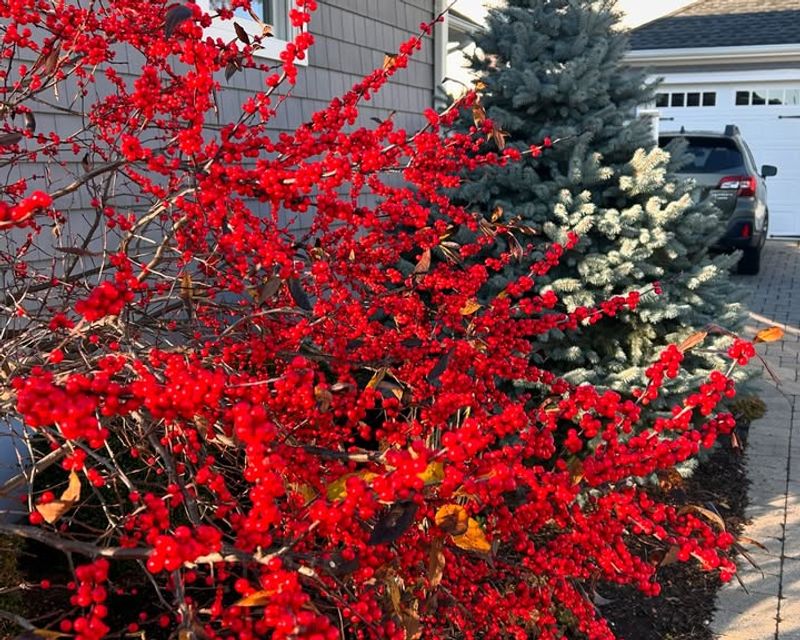
Some shrubs demand regular pruning to maintain their shape, control their size, or encourage flowering and fruiting.
Winterberry takes the opposite approach, preferring a hands-off maintenance style that saves you time and effort while actually improving berry production.
The plant naturally grows into an attractive rounded or upright form depending on the variety, and excessive pruning can actually reduce the berry display you’re trying to encourage.
Winterberry produces its flowers and subsequent berries on growth from the previous year, which means that wood needs to mature before it becomes productive.
When you prune heavily, you remove these fruiting stems and force the plant to spend energy growing new vegetative growth instead of producing berries.
Light pruning to remove damaged, crossing, or awkwardly placed branches works fine, but wholesale shaping or size reduction should be avoided if you want maximum winter color.
This minimal-pruning requirement fits perfectly with modern low-maintenance landscaping philosophy.
Simply let the plant grow naturally, removing only truly problematic branches every few years as needed.
The shrub will reward your restraint with increasingly heavy berry crops as it matures, creating more dramatic winter displays with each passing year.
Gardeners who already feel overwhelmed by landscape maintenance tasks appreciate having one less plant demanding regular attention while still delivering outstanding ornamental value throughout the coldest months.
It Pairs Well With Evergreens For Winter Contrast
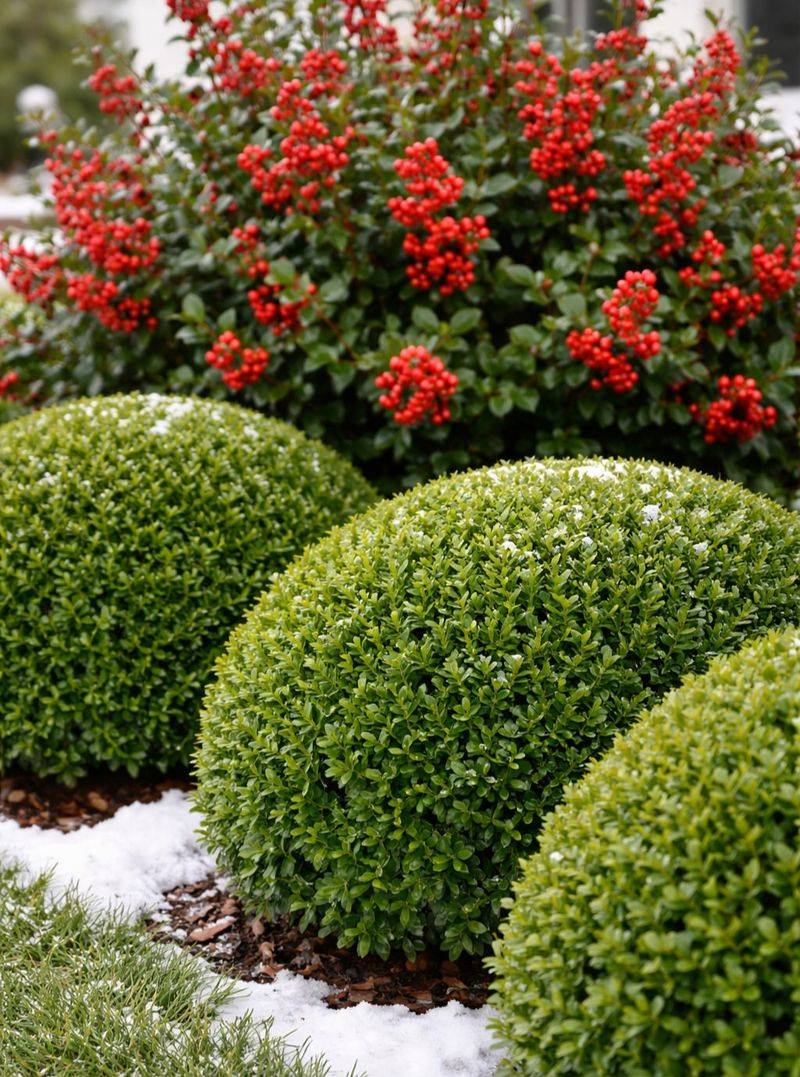
Landscape design becomes especially important during winter when so many deciduous plants lose their leaves and visual interest.
Winterberry’s bright red berries create stunning combinations when planted near evergreen shrubs and trees, which provide contrasting green foliage that makes the red stand out even more dramatically.
Michigan gardeners are discovering that strategic pairings transform winter gardens from dull to dazzling with relatively simple plant selections.
Consider planting winterberry in front of a dark green spruce or pine backdrop, where the red berries will pop against the dense evergreen needles like natural holiday decorations.
Boxwood, which maintains its compact green form all winter, makes an excellent lower companion that frames winterberry’s colorful display.
Juniper varieties with blue-green or golden foliage create interesting color harmonies when grouped with winterberry’s vivid red.
These combinations work throughout the growing season too, with winterberry’s summer green leaves blending nicely with evergreen companions before revealing the dramatic berry show after leaf drop.
The layered effect of different plant heights and textures adds depth and sophistication to your landscape design.
Visitors often comment that these winter combinations look professionally designed, when really you’ve just chosen two or three compatible plants that naturally complement each other.
The result feels cohesive and intentional, transforming your yard into a genuine four-season garden that maintains beauty and interest even during Michigan’s longest, coldest months.
It Supports Local Wildlife Without Becoming Invasive
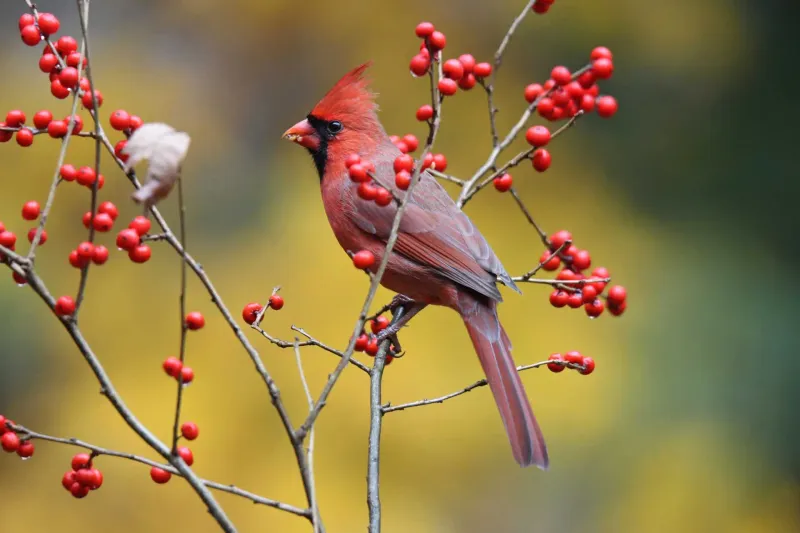
Choosing plants that benefit wildlife sounds wonderful until you accidentally introduce an aggressive spreader that takes over your property and escapes into natural areas.
Michigan has learned painful lessons from invasive species like autumn olive and buckthorn, which were originally planted for wildlife value but now dominate forests and crowd out native vegetation.
Winterberry provides all the wildlife benefits without any of the invasive behavior, making it the responsible choice for ecologically minded gardeners.
As a native species, winterberry fits naturally into Michigan’s existing ecosystems without disrupting them.
The plant spreads slowly through underground suckers, creating gradual colonies that remain manageable in home landscapes.
It doesn’t produce aggressive seedlings that pop up throughout your yard or neighboring properties.
Birds do spread the seeds, but germination rates in typical garden conditions remain low, and any unwanted seedlings are easily removed during routine maintenance.
Beyond birds, winterberry supports native bees and other pollinators during its spring flowering period, adding another layer of ecological value.
The shrub creates habitat structure that provides shelter for small mammals and nesting sites for birds during warmer months.
You can feel good about planting winterberry knowing you’re genuinely helping local wildlife populations while improving your property’s appearance, all without creating future problems for yourself, your neighbors, or Michigan’s natural areas that deserve protection from invasive species threats.