Plant These 10 Perennials In January For Months Of Color In California Gardens
January may feel quiet in California gardens, but it’s actually the perfect time to plant perennials that will reward you with months of vibrant color.
By planting early, gardeners give these hardy plants time to establish strong roots before spring, setting the stage for a stunning, low-maintenance landscape.
Start now, and watch your garden burst into life for months! These perennials thrive in California’s climate, offering long-lasting blooms, rich textures, and low upkeep.
From cheerful daisies to fragrant salvias, each plant adds beauty, attracts pollinators, and keeps your garden lively throughout the season. Proper placement, soil preparation, and watering help them establish quickly and flourish.
Planting in January gives you a head start on a colorful, thriving garden. California gardeners who plan and plant these perennials now will enjoy a vibrant, eye-catching landscape that keeps on giving.
Color, beauty, and pollinator-friendly blooms, all starting this January!
1. California Poppy (Eschscholzia Californica)
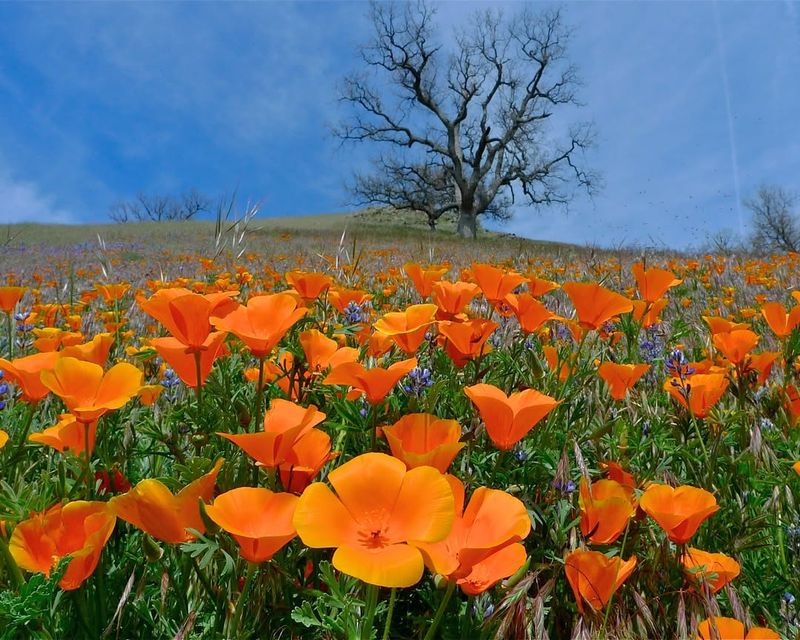
Golden petals dancing in the breeze make California poppies the ultimate symbol of the Golden State, and January is your prime opportunity to get these beauties established in your garden.
Planting them during the cool season allows their delicate root systems to spread out and anchor deeply into the soil without stress.
This early start means your poppies will be ready to explode with color when spring warmth arrives, creating carpets of orange, yellow, and cream that can last for months.
The secret to success with California poppies lies in their preference for cool germination temperatures and their ability to establish roots during winter dormancy.
When you plant them in January, they take advantage of natural rainfall and moderate temperatures to build a strong foundation.
This preparation translates into vigorous growth and extended flowering periods that can stretch from March well into June, depending on your microclimate and care routine.
These native wildflowers are incredibly low-maintenance once settled, thriving in poor soils and requiring minimal water after establishment.
Their cheerful blooms open during sunny days and close at night, creating a dynamic display that changes throughout the day.
January planting gives them the head start they need to naturalize beautifully, self-seeding for years of effortless color in your California landscape.
2. Penstemon (Beardtongue)
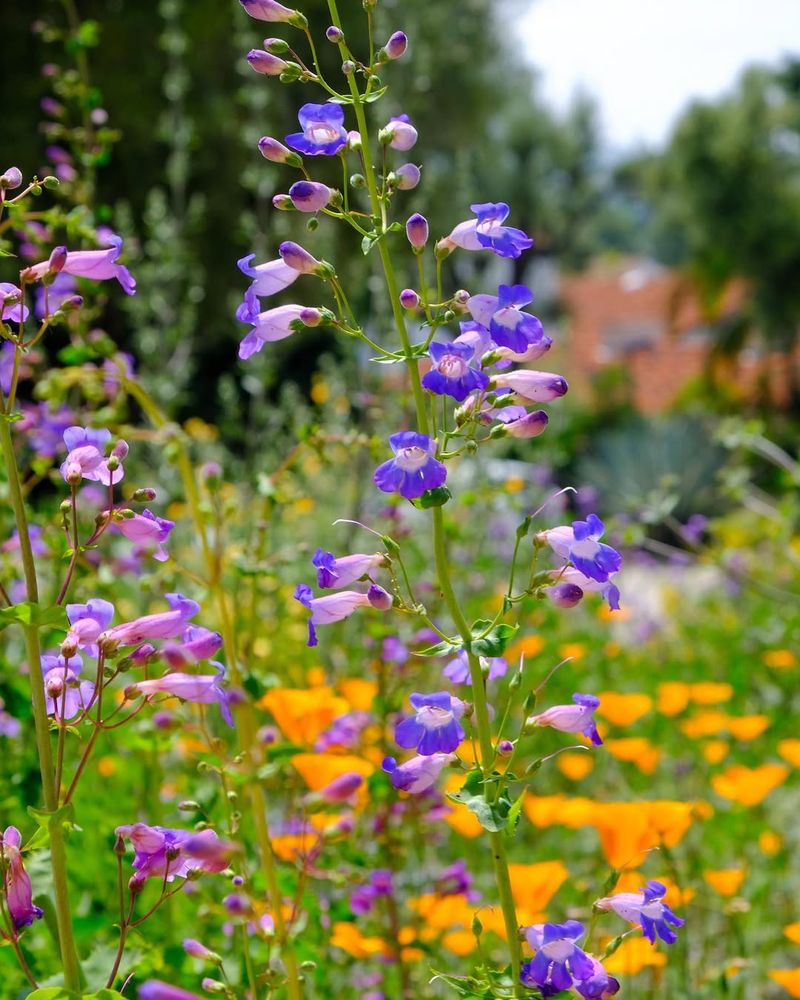
Hummingbirds will thank you for adding penstemon to your January planting list, as these tubular flowers provide essential nectar sources when pollinators need them most.
Winter planting gives penstemon varieties the cool conditions they prefer for root development, allowing them to establish without the stress of hot weather.
California gardeners can choose from numerous native and adapted species that thrive in local conditions, from coastal areas to inland valleys, each offering unique color combinations and bloom times.
The advantage of getting penstemon into the ground during January becomes obvious when spring arrives and established plants burst forth with robust flower spikes.
Plants that root during cool weather develop stronger, more extensive underground systems that support heavier flowering and better drought tolerance.
This early establishment means you’ll see fuller, more impressive displays of red, purple, pink, or white blooms that can continue for several months, especially if you practice light deadheading to encourage repeat flowering.
Your California Garden Changes Every Week. Your Plan Should Too.
Gardening in California changes quickly throughout the season. Every Friday you’ll receive a simple weekly plan showing exactly what to plant, prune, fertilize, harvest, and protect so you never miss the right timing.
Penstemon varieties adapted to California conditions are remarkably resilient, handling our dry summers with grace once they’ve had time to settle in.
Their vertical flower spikes add architectural interest to garden beds while attracting a parade of beneficial insects and birds.
January planting ensures your penstemon will be a strong, established feature by the time summer heat tests their endurance, rewarding you with color that lasts from spring through fall.
3. Coreopsis (Tickseed)
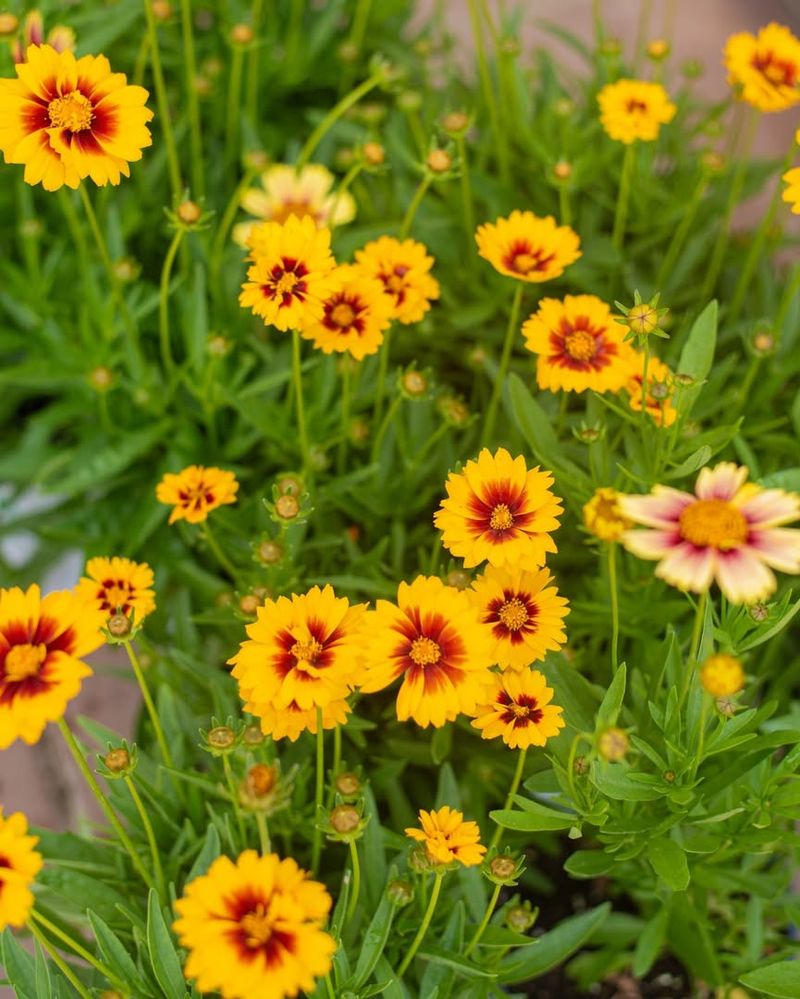
Cheerful daisy-like flowers in shades of yellow, gold, and burgundy make coreopsis a garden favorite that delivers serious flower power with minimal fuss.
Planting these sun-loving perennials in January gives them a crucial advantage: time to develop deep, extensive root systems before California’s summer heat arrives.
This underground preparation is the key to their legendary drought tolerance and their ability to bloom continuously for months without constant attention or heavy watering schedules.
Cool-season planting allows coreopsis to focus energy on root growth rather than flower production, creating plants that are substantially stronger and more resilient.
When temperatures rise and other plants start to struggle, your January-planted coreopsis will already have roots reaching deep into the soil for moisture and nutrients.
This translates into plants that require less supplemental water, resist heat stress better, and produce more abundant blooms from late spring through summer and into fall with proper deadheading.
The tickseed family includes both native California species and cultivated varieties that have been bred for extended bloom periods and compact growth habits.
All share an easygoing nature that makes them perfect for gardeners who want maximum impact with minimal maintenance.
Their bright flowers attract butterflies and beneficial insects while providing long-lasting cut flowers for indoor arrangements.
January planting sets the stage for a summer garden filled with golden sunshine, even during the hottest months.
4. Gaillardia (Blanket Flower)
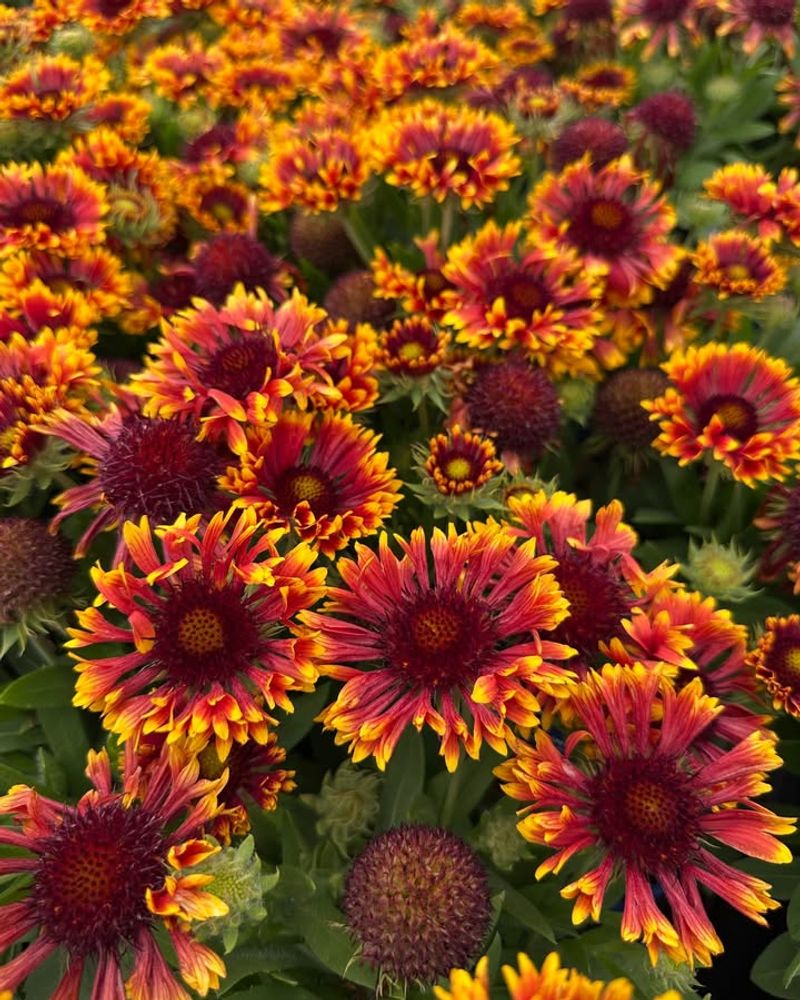
Bold rings of red, orange, and yellow make blanket flowers look like miniature sunsets blooming in your garden, and their tough-as-nails constitution makes them ideal for California’s challenging climate.
January planting might seem counterintuitive for such warm-colored flowers, but cool-season establishment is actually the secret to developing the drought resistance that makes gaillardia such a reliable performer.
Plants that root during winter develop extensive underground systems that allow them to thrive during summer without constant irrigation or pampering.
The blanket flower’s ability to bloom continuously from late spring through the first frosts of fall makes it an exceptional value in the perennial garden.
When planted in January, these prairie natives have time to acclimate to your specific garden conditions and build the strong foundations needed to support months of heavy flowering.
The cool temperatures and natural winter moisture encourage root exploration without forcing the plant to simultaneously support flower production, resulting in healthier, more vigorous specimens by the time warm weather arrives.
Gaillardia varieties available to California gardeners range from compact dwarf forms perfect for container gardens to larger cultivars that create impressive drifts of color in border plantings.
All share remarkable heat tolerance and an appetite for full sun that makes them perfect companions for other Mediterranean-climate plants.
Their nectar-rich flowers attract butterflies and bees while providing cheerful color that brightens the landscape during the warmest months when many other perennials take a rest.
5. Lavender (Cold-Hardy Varieties)
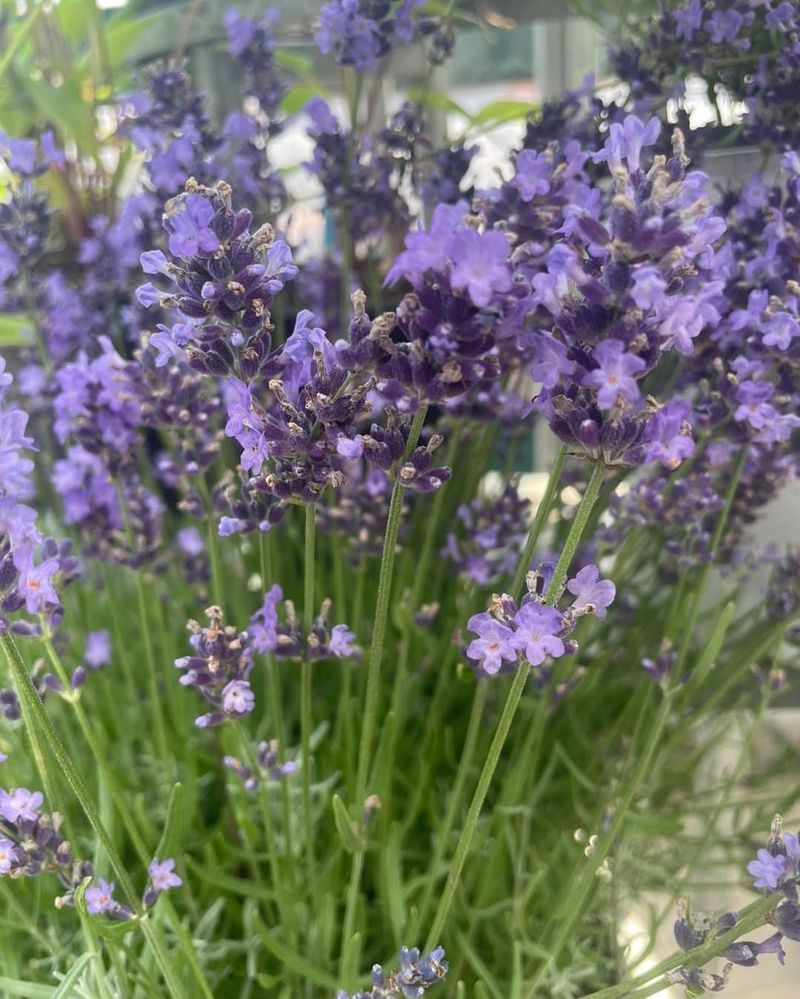
Few plants capture the essence of Mediterranean gardening quite like lavender, with its fragrant purple spikes and silvery foliage creating sensory experiences that delight gardeners and pollinators alike.
California’s mild winter temperatures provide an excellent opportunity to establish cold-hardy lavender varieties during January, when cool conditions encourage root development without the stress of summer heat.
This timing allows plants to settle in gradually, building the strong foundations needed to support the heavy flowering and intense fragrance production that make lavender such a garden treasure.
Planting lavender during the cooler months takes advantage of natural rainfall patterns and moderate temperatures that help young plants establish without the constant watering that can lead to root problems.
As roots spread through cool, moist soil, they develop the extensive systems that will later support drought tolerance and vigorous growth.
By the time summer arrives, your January-planted lavender will be well-established and ready to produce abundant flower spikes that attract bees, butterflies, and admiration from everyone who passes by your garden.
Choosing cold-hardy varieties ensures success across California’s diverse climate zones, from coastal gardens to inland valleys where occasional frosts occur.
English lavender and certain hybrid varieties combine excellent cold tolerance with the long bloom periods and intense fragrance that make lavender indispensable in California landscapes.
January planting gives these aromatic perennials the best possible start, leading to years of beautiful blooms, delightful scents, and endless harvesting opportunities for dried arrangements and crafts.
6. Yarrow (Achillea)

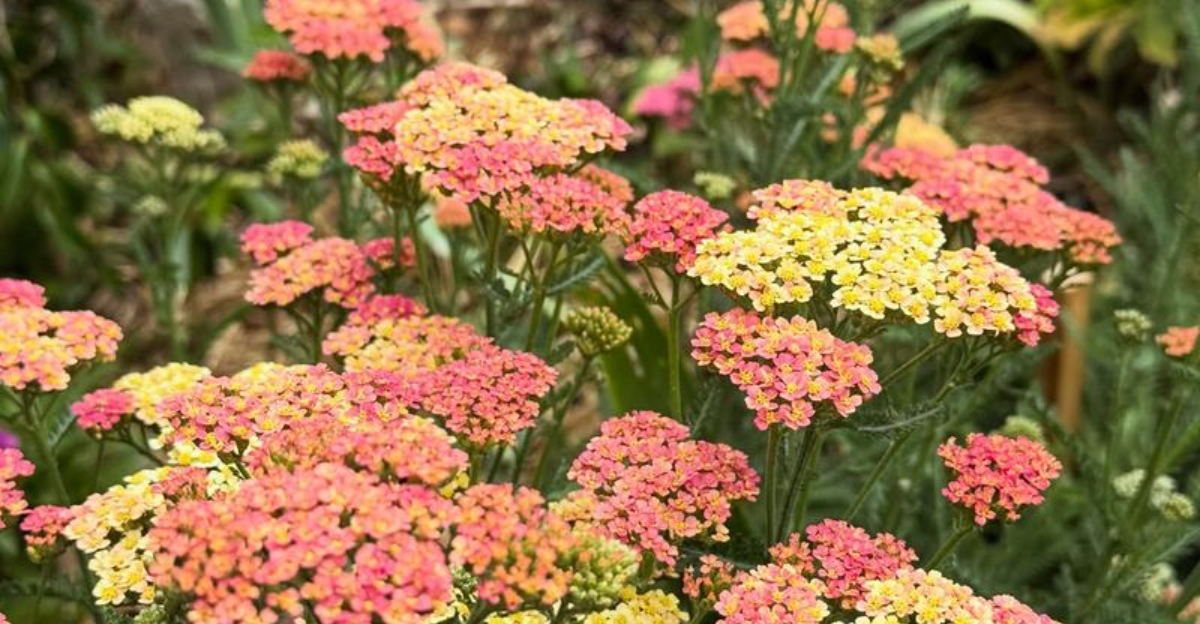
Flat-topped flower clusters in shades ranging from pure white to deep red make yarrow a versatile performer that adapts beautifully to California garden conditions.
January planting gives this tough perennial the cool-season establishment period it prefers, allowing roots to spread extensively before warm weather triggers active growth and flowering.
This winter preparation is crucial for developing the drought tolerance and resilience that make yarrow such a reliable choice for low-water landscapes and gardens where toughness matters as much as beauty.
The yarrow family includes numerous species and cultivars that offer different heights, colors, and growth habits, all sharing remarkable adaptability to California’s climate challenges.
Plants established during January develop deep root systems that tap into soil moisture reserves, reducing irrigation needs once summer arrives.
When temperatures warm and growth accelerates, these well-rooted plants produce sturdy stems topped with long-lasting flower clusters that attract beneficial insects, butterflies, and other pollinators throughout the growing season.
Yarrow’s ferny foliage remains attractive even when plants aren’t blooming, providing textural interest in garden beds and borders.
The flowers are exceptional for cutting and drying, holding their color beautifully for arrangements that last months or even years.
Once established from January planting, yarrow requires minimal maintenance beyond occasional deadheading to encourage continuous blooming from late spring through fall.
Its ability to thrive in poor soils and tolerate neglect makes it perfect for busy gardeners who want maximum color with minimum effort in their California landscapes.
7. Salvia (Perennial Types)
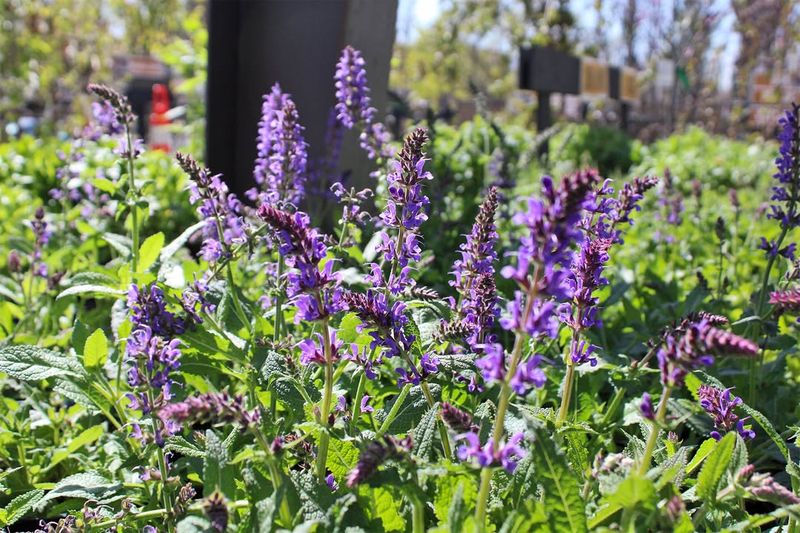
Salvias reign supreme in California gardens, offering unmatched diversity in colors, sizes, and bloom times while providing essential nectar for hummingbirds, bees, and butterflies throughout the growing season.
January presents an ideal planting window for perennial salvia varieties, as cool temperatures allow plants to establish roots without the stress of supporting heavy flower production.
This early start translates into robust plants that begin flowering earlier in spring and continue producing waves of blooms well into fall, creating months of color and pollinator activity in your landscape.
California gardeners can choose from an incredible array of salvia species, from native varieties like white sage and hummingbird sage to cultivated selections bred for extended bloom periods and compact growth habits.
All benefit from cool-season planting that encourages strong root development before summer heat arrives.
Plants rooted during January develop the extensive underground systems needed to support the continuous flowering that makes salvias such valuable garden performers, producing new flower spikes as older ones finish to create an ever-changing display.
The vertical flower spikes of salvias add architectural interest to garden designs while their aromatic foliage releases pleasant scents when brushed or touched.
Many varieties show excellent drought tolerance once established, making them perfect for water-wise landscapes where beauty shouldn’t require constant irrigation.
January planting ensures your salvias will be strong, established contributors to your garden ecosystem by the time peak blooming season arrives, providing food for pollinators and endless enjoyment for gardeners who appreciate plants that deliver reliable performance year after year.
8. Dianthus (Perennial Pinks)
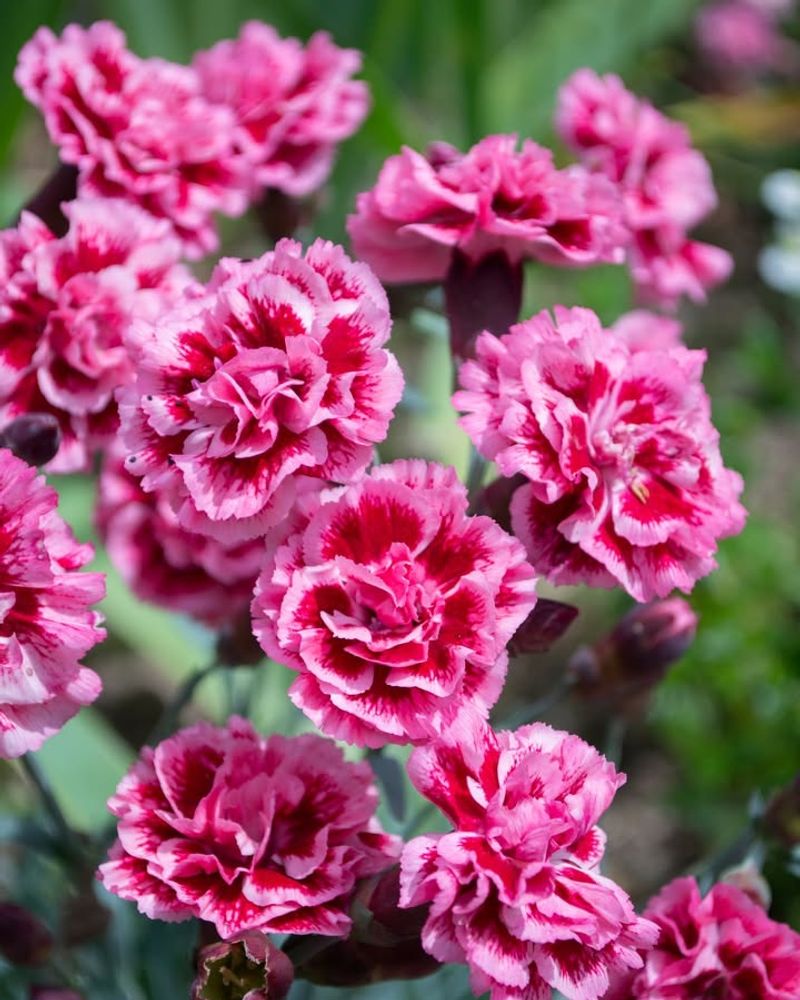
Ruffled petals and spicy-sweet fragrance make perennial dianthus a cottage garden classic that thrives in California’s mild climate.
Cool planting conditions are exactly what these charming perennials prefer, making January an ideal time to get them established in your garden.
The moderate temperatures and natural moisture of California winters allow dianthus to develop strong root systems without stress, preparing them to burst into bloom as soon as spring warmth arrives and continue flowering for months with proper care and deadheading.
Perennial pinks come in an array of colors from pure white through every shade of pink to deep burgundy, many featuring contrasting centers or picotee edges that add extra visual interest.
Their blue-green foliage remains attractive year-round, creating neat mounds that work beautifully as edging plants or in rock gardens where their compact growth habit shines.
January-planted dianthus have time to settle in and adjust to your garden’s specific conditions, resulting in healthier plants that produce more flowers and show better resistance to the occasional challenges that all garden plants face.
The fragrance of dianthus flowers adds another dimension to their appeal, with many varieties releasing clove-scented perfumes that intensify during warm afternoons.
These blooms make excellent cut flowers, lasting well in arrangements while filling rooms with their sweet scent.
Once established from January planting, perennial dianthus require minimal maintenance beyond occasional trimming to remove spent blooms and encourage repeat flowering.
Their ability to thrive in California’s climate while providing early spring color makes them invaluable additions to any garden seeking reliable beauty with old-fashioned charm.
9. Verbena (Perennial Varieties)
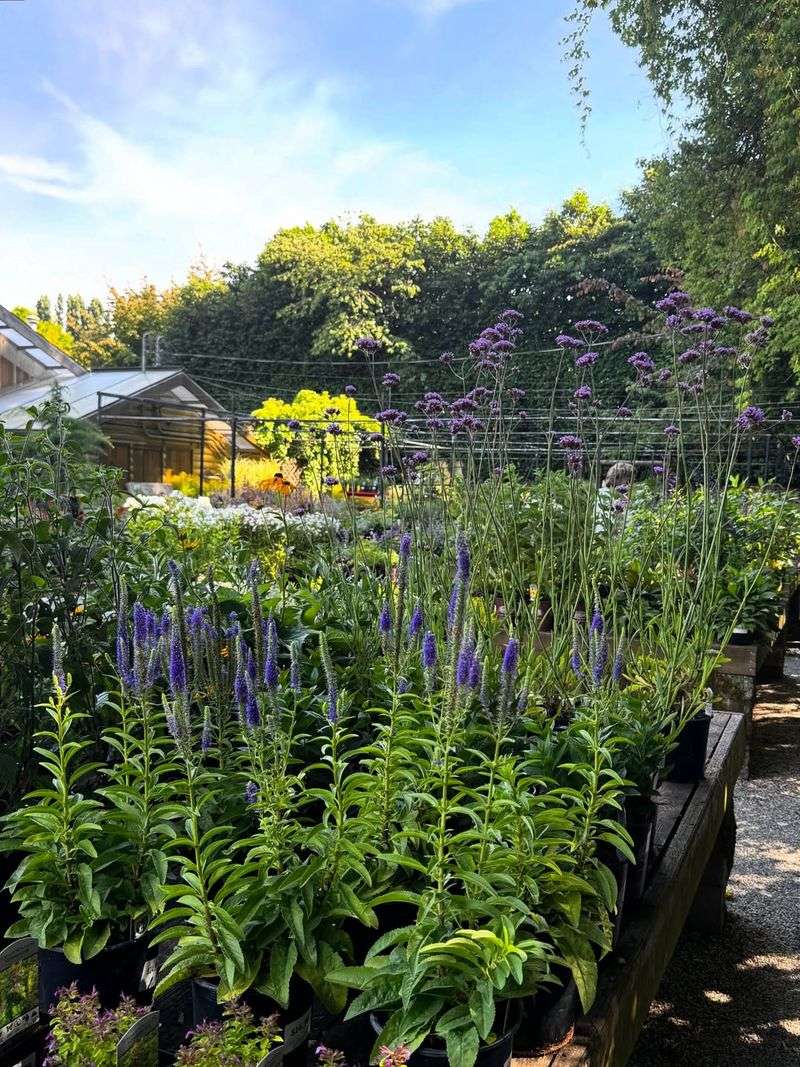
Clusters of tiny flowers in vibrant purples, reds, pinks, and whites make perennial verbena a powerhouse bloomer that attracts butterflies like few other plants can.
Winter planting during January gives these spreading perennials the cool-season establishment period that promotes exceptional root development, setting the stage for the extended flowering displays that make verbena so valuable in California gardens.
Plants that root during cooler months develop more extensive underground systems, translating into better drought tolerance and more vigorous growth once temperatures rise and the main blooming season arrives.
Perennial verbena varieties adapted to California conditions offer incredible versatility, working equally well in traditional garden beds, containers, or as groundcovers where their spreading habit creates carpets of color.
January planting allows them to settle in gradually, building strength without the stress of supporting flower production during establishment.
This patient approach results in plants that begin blooming earlier in spring and continue producing flowers well into late summer or even fall, especially in coastal areas where temperatures remain moderate throughout the growing season.
The nectar-rich flowers of verbena serve as magnets for butterflies, bees, and other beneficial insects, making these perennials excellent choices for pollinator gardens and landscapes designed to support local ecosystems.
Their relatively low water needs once established make them perfect for California’s water-conscious gardening approach, while their continuous blooming habit ensures your garden maintains color throughout the warmest months.
January planting gives verbena the foundation needed to become a reliable, long-lasting feature that delivers beauty and ecological benefits season after season in your California landscape.
10. Ice Plant (Delosperma)

Succulent leaves topped with daisy-like flowers in electric shades of pink, purple, orange, and yellow make ice plant an eye-catching groundcover that thrives in California’s challenging conditions.
January planting allows these drought-tolerant perennials to establish roots during cool weather, avoiding the heat stress that can challenge newly planted succulents during summer months.
This timing is particularly important for ice plant, as strong root systems developed during winter enable the plants to handle intense sun and minimal water while producing the abundant blooms that make them such spectacular additions to California landscapes.
The spreading growth habit of ice plant makes it ideal for covering slopes, filling gaps in rock gardens, or creating colorful groundcovers that suppress weeds while requiring minimal maintenance.
Plants established during January have several months to spread and fill in before summer heat arrives, resulting in fuller coverage and more impressive floral displays when blooming season peaks.
The succulent foliage stores water efficiently, reducing irrigation needs once plants are settled, while the vibrant flowers open during sunny days to create dazzling shows of color that brighten even the driest garden areas.
Ice plant varieties available to California gardeners include both hardy types that tolerate occasional frosts and tender selections best suited to coastal and mild-winter regions.
All share remarkable resilience and an ability to thrive in poor soils where other plants struggle, making them perfect for challenging sites that need color without constant care.
January planting ensures your ice plant will be well-rooted and ready to produce months of vibrant seasonal color, transforming difficult areas into stunning features that showcase the beauty possible in water-wise California gardens.