That Cottony White Stuff On Arizona Plants Looks Like Mold, But It’s Not
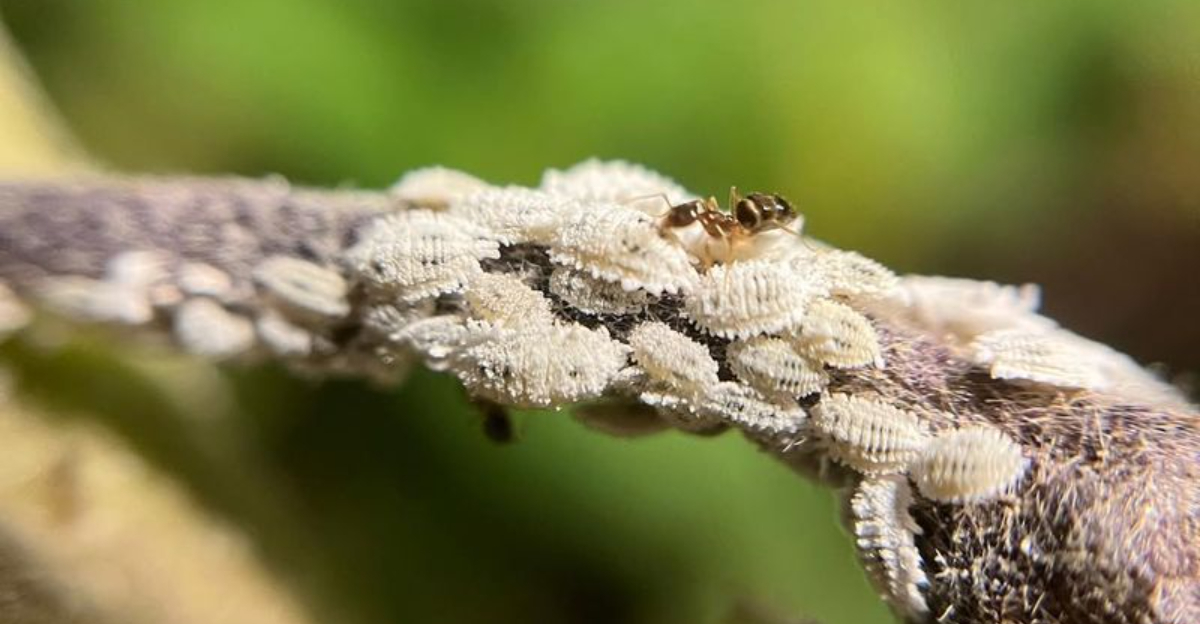
If you’ve spotted fluffy white patches on your Arizona plants, it’s easy to panic and assume mold or disease.
But in many cases, that cottony coating isn’t harmful at all—it’s actually a natural phenomenon caused by harmless insects or plant secretions. What looks like a problem might just be nature doing its thing!
Arizona gardeners often encounter this on succulents, shrubs, and even fruit trees. Common culprits include woolly aphids or mealybugs, whose cotton-like wax protects them, or harmless plant fibers that appear when stems or leaves grow.
Recognizing the difference between a harmless coating and a true disease is key to proper care and avoiding unnecessary pesticides. Not every white patch is dangerous—sometimes it’s just part of your plant’s life cycle.
By understanding what causes the cottony appearance, gardeners can take appropriate action—or simply admire the curious quirks of nature without stress. Your plants may be quirky, but they’re often healthy.
An Insect Infestation, Not A Disease
Many gardeners panic when they spot white cottony clusters on their plants, assuming some terrible fungal disease has invaded their garden.
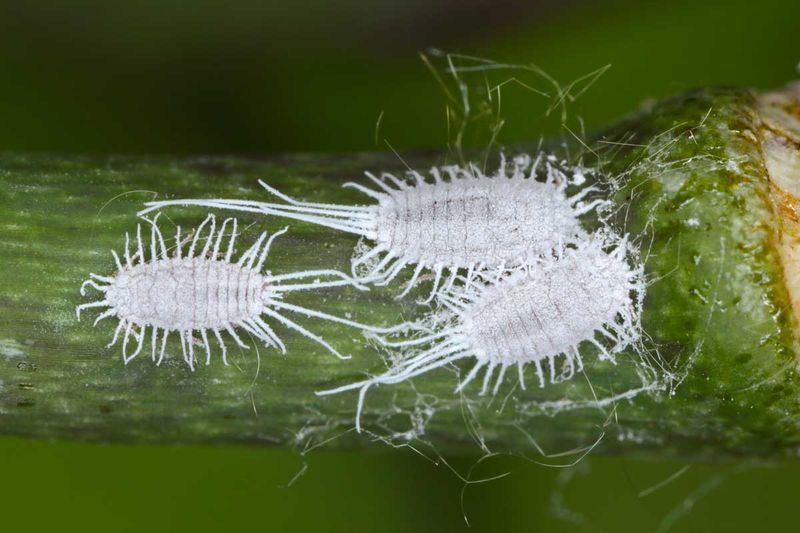
The truth might surprise you because those fuzzy white masses are actually living creatures called mealybugs.
These tiny insects have developed an incredible survival strategy that makes them look like harmless plant fuzz.
Mealybugs attach themselves firmly to plant stems, nestle into leaf joints where branches meet, and hide on the undersides of leaves where they’re harder to spot.
While they stay relatively still once they find a good feeding spot, they’re constantly draining vital fluids from your plants.
Their small size makes individual bugs hard to see, but their collective presence creates those distinctive white patches that catch your attention.
Understanding that you’re dealing with insects rather than a fungal problem completely changes how you should respond.
Fungicides won’t work against mealybugs because they’re living creatures with different biology than mold or mildew. Instead, you’ll need pest control methods specifically designed to target these sap-sucking insects.
Recognizing the difference early saves you time, money, and frustration while giving your plants a better chance at recovery.
The White Cotton Is A Wax Coating They Produce
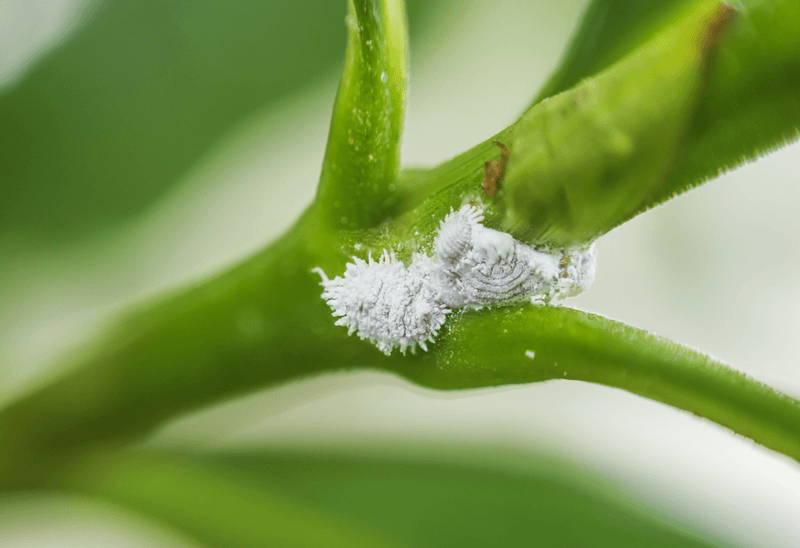
Mealybugs might seem like simple pests, but they’ve evolved a remarkable defense mechanism that helps them survive in harsh environments.
The fluffy white substance covering their bodies isn’t cotton at all—it’s actually a waxy coating they secrete from special glands.
This biological armor serves multiple critical functions that make mealybugs particularly well-adapted to Arizona’s challenging climate.
Arizona’s intense desert heat would normally shrivel up soft-bodied insects within hours, but the waxy coating acts like a personal air conditioning system.
It reflects sunlight, insulates the bug’s body, and most importantly, prevents moisture from escaping through their skin.
This protection against dehydration lets mealybugs thrive in conditions that would eliminate other pests. The coating also confuses predators who might otherwise snack on these protein-rich insects.
Your Arizona Garden Changes Every Week. Your Plan Should Too.
Gardening in Arizona changes quickly throughout the season. Every Friday you’ll receive a simple weekly plan showing exactly what to plant, prune, fertilize, harvest, and protect so you never miss the right timing.
Birds, beneficial insects, and other garden hunters often overlook mealybugs because the fuzzy appearance doesn’t trigger their hunting instincts the same way a recognizable bug shape would.
Some predators even avoid the waxy coating because it can gum up their mouthparts. This clever disguise gives mealybugs precious time to feed and reproduce before natural enemies discover them.
They Thrive In Warm, Dry Environments
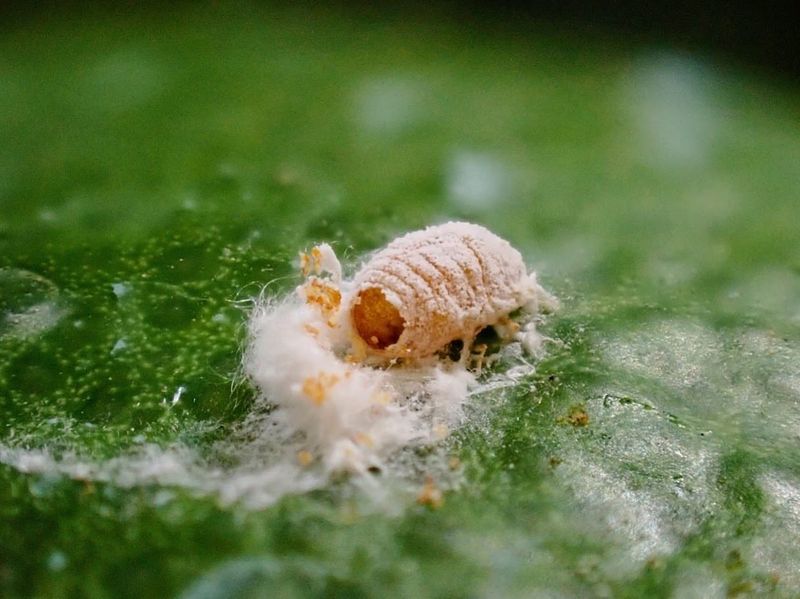
Arizona gardeners face unique challenges because the state’s climate creates a perfect breeding ground for mealybugs.
While many pests struggle with the intense heat and low humidity, mealybugs absolutely flourish under these conditions.
Temperatures that reach well over 100 degrees Fahrenheit during summer months don’t slow them down one bit—in fact, warmth speeds up their life cycle considerably.
The combination of consistent heat and minimal rainfall means mealybugs can reproduce at alarming rates throughout most of the year.
A female mealybug can lay several hundred eggs during her lifetime, and in warm weather, those eggs hatch quickly into hungry nymphs ready to start feeding.
What might take weeks in cooler climates can happen in just days when Arizona temperatures soar.
Low humidity also plays into their favor because it reduces the growth of natural fungal enemies that would normally attack mealybugs in more humid regions.
Without these natural controls keeping populations in check, Arizona mealybugs can explode into massive infestations if left unchecked.
This means Arizona gardeners need to be extra vigilant about inspecting their plants regularly, especially during the hottest months when mealybug populations can double or triple in surprisingly short timeframes.
They Weaken Plants By Draining Sap
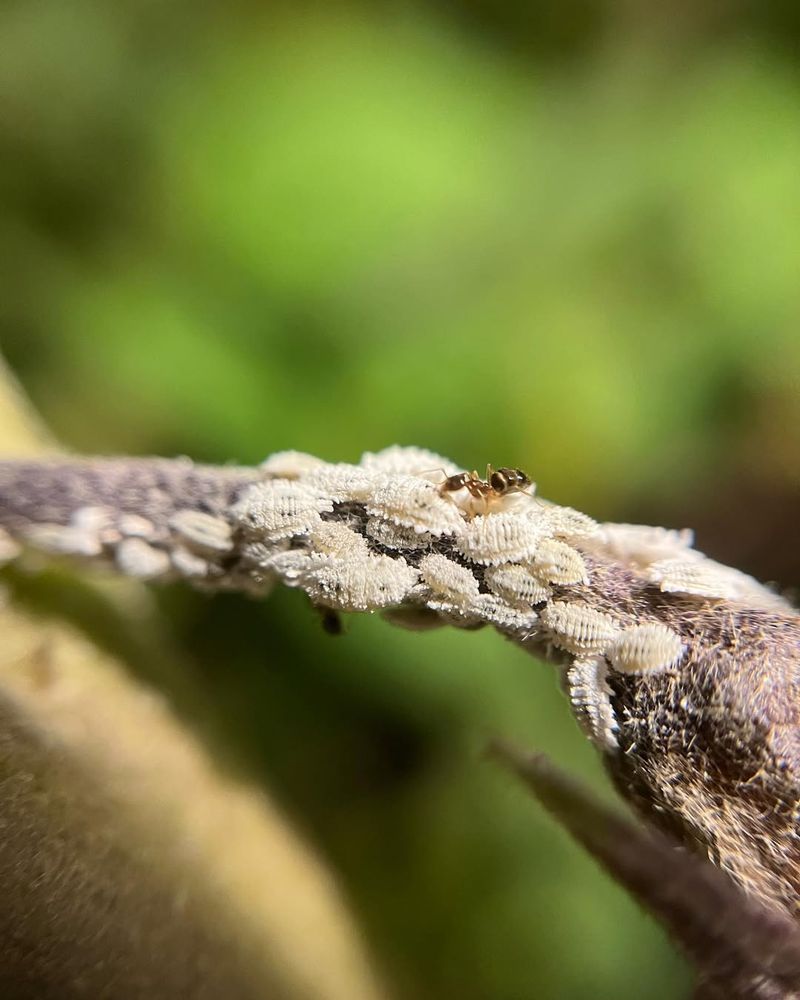
Mealybugs might be small, but their feeding habits can seriously compromise plant health over time.
Each tiny insect uses a needle-like mouthpart to pierce plant tissue and suck out the nutritious sap flowing through the plant’s vascular system.
Imagine someone constantly draining your energy supply, that’s essentially what happens when mealybugs set up camp on your favorite plants.
As the infestation grows, more and more bugs tap into the plant’s circulatory system simultaneously. The plant tries to keep up with the increased demand, but eventually starts showing visible signs of stress.
Leaves begin turning yellow because the plant can’t deliver enough nutrients to keep them green and healthy.
New growth slows down or stops entirely as the plant conserves whatever resources remain. Heavy infestations create even more dramatic symptoms that can alarm any gardener.
Leaves may curl, become distorted, or eventually drop from the plant as it tries to shed damaged tissue. Young shoots might wilt or fail to develop properly because mealybugs often target tender new growth where sap flows most abundantly.
The good news is that plants have remarkable resilience, and once you remove the mealybugs, most vegetation can recover with proper care and attention to their basic needs.
Sticky Residue (Honeydew) Is A Major Warning Sign
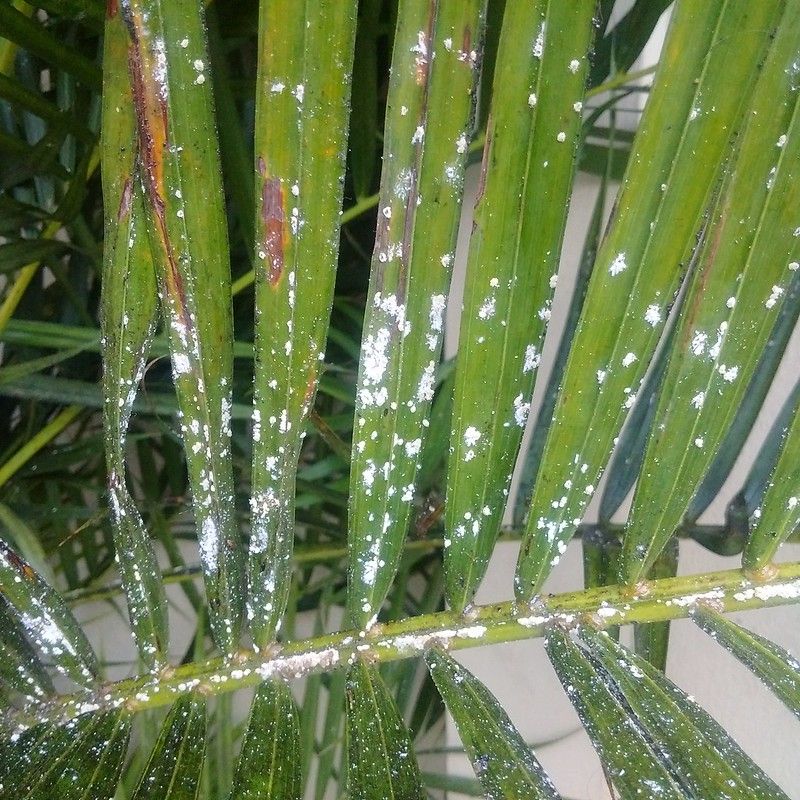
Walking past your plants and noticing a sticky film on leaves or the ground below should immediately raise your suspicion about mealybugs.
This sugary substance, called honeydew, is actually mealybug waste—a byproduct of their constant sap consumption.
Since plant sap contains more sugar than protein, mealybugs must process enormous quantities to get enough nutrients, and they excrete the excess sugar as this sticky liquid.
Honeydew creates problems that extend far beyond just making your plants feel gross to touch. The sugary coating attracts armies of ants who quickly discover this reliable food source and establish trails leading directly to your infested plants.
These ants become unwitting bodyguards for the mealybugs, aggressively defending their sugar suppliers from beneficial insects that might otherwise help control the population.
Perhaps even more troublesome is what happens when a dark fungus called sooty mold discovers the honeydew.
This black fungal growth feeds on the sugary residue and spreads across leaf surfaces like a dark blanket, blocking sunlight from reaching the plant tissue underneath.
While sooty mold doesn’t directly harm plants the way mealybugs do, it interferes with photosynthesis and makes your garden look absolutely terrible.
Cleaning up honeydew becomes crucial for preventing these secondary problems from compounding your mealybug troubles.
Indoor And Outdoor Plants Are Both Affected
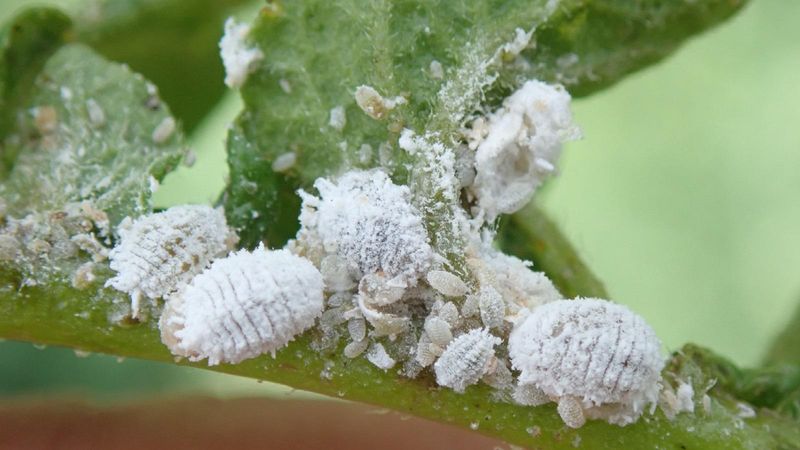
Mealybugs show no preference between your carefully tended houseplants and your outdoor garden specimens—they’ll happily infest both with equal enthusiasm.
Arizona gardeners frequently discover these pests on citrus trees, where the bugs nestle into fruit stems and leaf clusters.
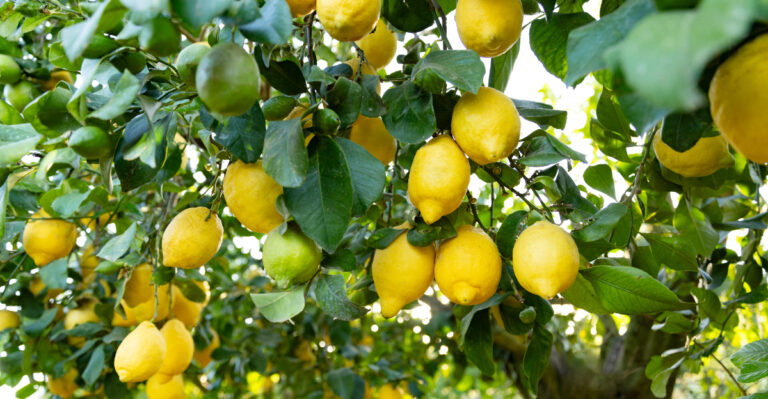
Lemon, orange, and grapefruit trees become particularly vulnerable during fruiting season when mealybugs can damage both foliage and developing fruit.
Succulents represent another favorite target for these persistent pests. The thick, water-storing leaves of jade plants, echeveria, and other succulent varieties provide excellent hiding spots in their tightly packed rosettes and leaf joints.
Hibiscus bushes with their lush tropical foliage often harbor mealybug colonies that go unnoticed until populations explode.
Rose gardens aren’t immune either, as mealybugs find plenty of hiding spots among thorny canes and developing buds.
Indoor plants face special challenges because they lack the natural predators that might help control outdoor infestations.
Houseplants like pothos, philodendron, African violets, and orchids frequently develop mealybug problems, especially if they spend summers outside and get brought back indoors.
The warm, stable temperatures inside Arizona homes create year-round breeding conditions, making indoor infestations potentially more persistent than outdoor ones that might face seasonal population fluctuations.
Ants Often Protect Mealybugs
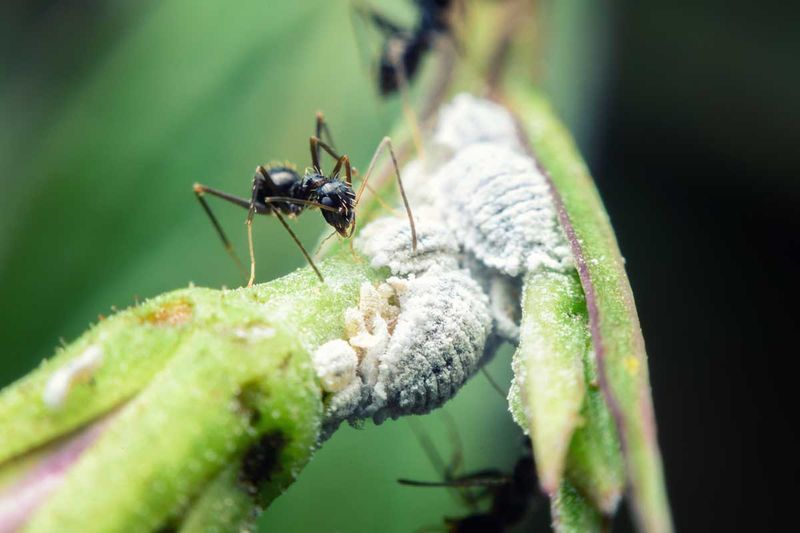
The relationship between ants and mealybugs represents one of nature’s most fascinating yet frustrating partnerships for gardeners.
Ants have essentially domesticated mealybugs in a process that mirrors human agriculture, carefully tending their sugar-producing livestock with surprising dedication.
They patrol the area around mealybug colonies like tiny ranchers, attacking any beneficial insects that approach their precious honeydew source.
Ladybugs, lacewings, and parasitic wasps that would normally help control mealybug populations often get driven away or even eliminated by aggressive ant guards.
Some ant species will actually relocate mealybugs to fresh, uninfested plants, spreading the problem throughout your garden.
They’ll even protect mealybug eggs and young nymphs, ensuring the next generation survives to continue producing honeydew.
This protective behavior makes mealybug control significantly more challenging because you’re essentially fighting two pests instead of one.
Many gardeners find that controlling the ant population becomes just as important as treating the mealybugs themselves.
Breaking up ant trails with barriers, eliminating ant nests near affected plants, and removing the honeydew that attracts them all become necessary steps.
Without addressing the ant problem, your mealybug treatments may fail repeatedly as ants continuously defend and redistribute the pests across your garden.
Early Treatment Is Much Easier Than Late Control
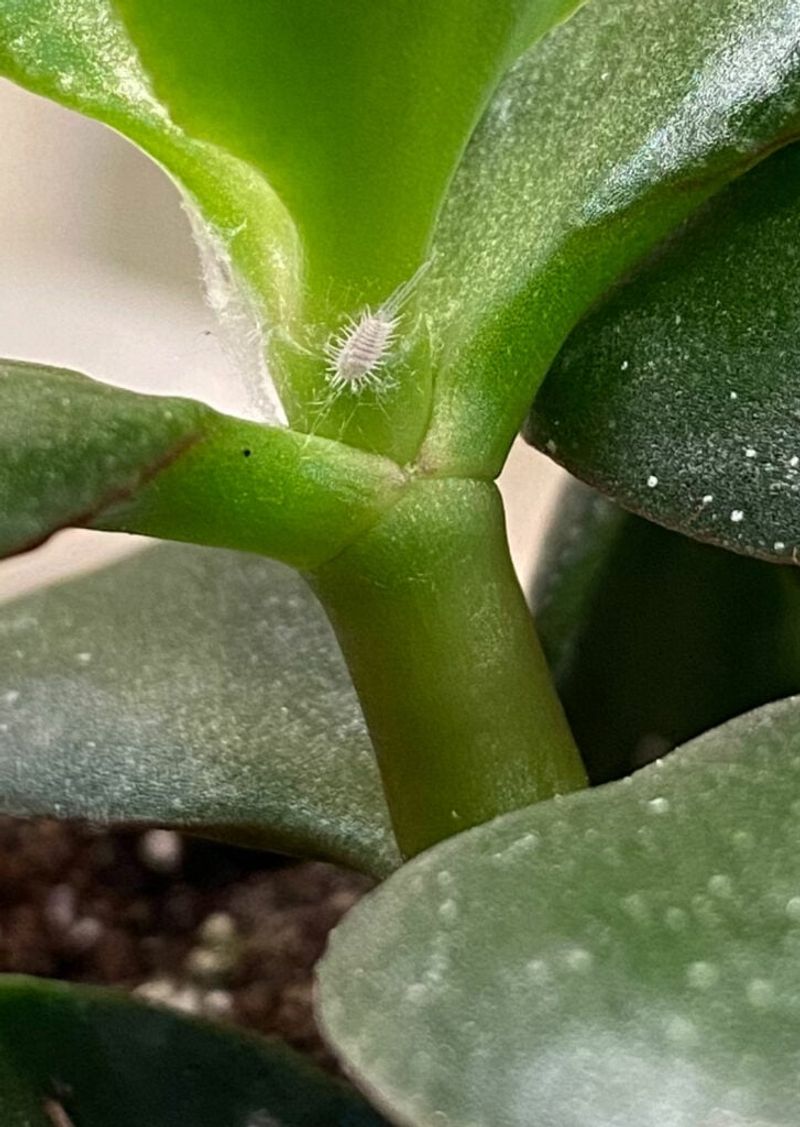
Catching a mealybug infestation in its beginning stages can save you countless hours of frustration and prevent serious damage to your plants.
When you spot just a few white cottony spots, you can often handle the problem with simple, non-toxic methods that work remarkably well.
A cotton swab dipped in rubbing alcohol applied directly to visible mealybugs dissolves their waxy coating and eliminates them on contact.
Small infestations also respond beautifully to insecticidal soap sprays, which work by breaking down the protective coating and dehydrating the insects.
You can easily reach all the affected areas when populations remain manageable, ensuring thorough coverage of stems, leaf joints, and undersides where mealybugs hide.
These gentle treatments pose minimal risk to beneficial insects and won’t harm your plants when used according to directions. However, waiting too long transforms a minor nuisance into a major battle.
Large mealybug populations produce so many offspring that you’ll struggle to keep up with new generations hatching faster than you can treat them. The waxy coating becomes thicker on mature colonies, making treatments less effective.
Multiple applications become necessary, and you might need stronger chemical controls that you’d prefer to avoid.
Regular inspection of your plants—perhaps while watering or pruning—helps you spot problems early when solutions remain simple and success comes easily.
Healthy Plants Recover Well After Removal
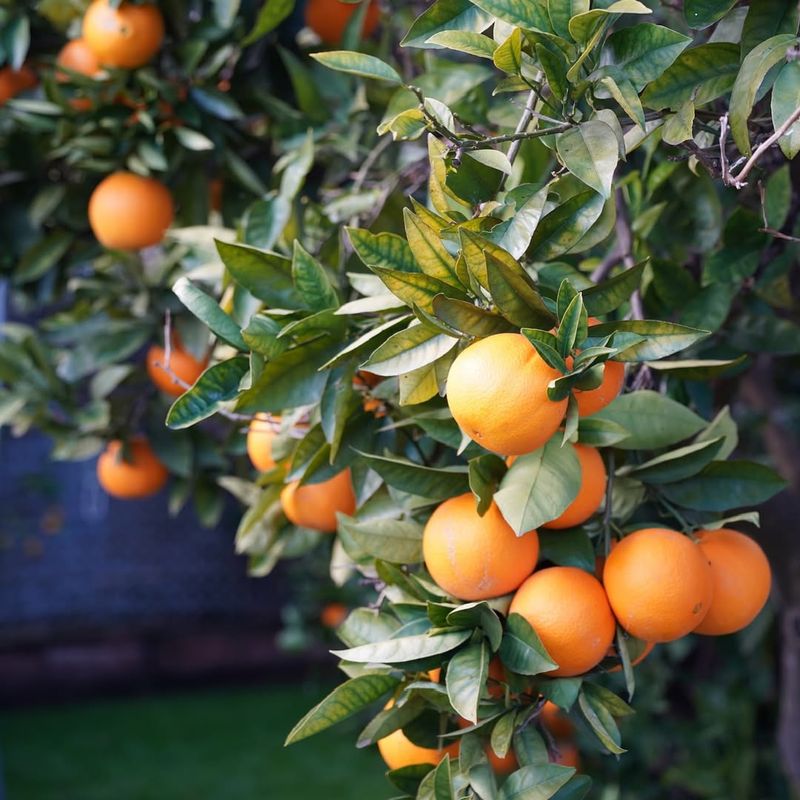
Plants possess amazing regenerative abilities that often surprise gardeners who’ve just battled through a mealybug infestation.
Once you successfully eliminate these sap-sucking pests, most plants begin showing improvement within just a few weeks.
New growth emerges looking vibrant and healthy, free from the yellowing and distortion that characterized infested foliage.
The plant can finally direct its energy toward growth and development instead of constantly trying to compensate for nutrient loss.
Supporting your plant’s recovery requires some attention to basic care practices that help rebuild its strength.
Proper watering becomes especially important—not too much, which could stress already-compromised roots, but enough to keep soil consistently moist as the plant works to restore itself.
A balanced fertilizer applied at half-strength can provide gentle nutritional support without overwhelming the recovering plant with too many nutrients at once.
Most Arizona plants demonstrate remarkable resilience, bouncing back from even severe infestations when given proper post-treatment care. Citrus trees push out fresh green leaves and resume normal fruit development.
Succulents produce new growth from their centers, gradually replacing damaged outer leaves. Even heavily stressed houseplants typically recover their former glory with patience and consistent care.
This resilience should encourage gardeners to take action against mealybugs rather than giving up on affected plants, knowing that successful treatment usually leads to complete recovery.