11 Low-Maintenance Perennials Perfect For West Virginia Yards
West Virginia gardens can be stunning, but busy homeowners often need plants that thrive without constant attention. Low-maintenance perennials are the perfect solution, offering beauty, structure, and long-lasting blooms with minimal care.
Your garden can look gorgeous year after year without endless work! These perennials are hardy, resilient, and well-suited to West Virginia’s climate.
From flowering varieties that provide seasonal color to evergreen species that add year-round texture, these plants require less pruning, watering, and fertilizing, making them ideal for both beginners and seasoned gardeners.
With proper placement and soil preparation, they flourish while keeping upkeep low. Less work, more beauty, these perennials do the heavy lifting for you.
For West Virginia homeowners, choosing the right low-maintenance perennials means a vibrant, thriving yard that’s easy to care for and impresses neighbors season after season. Create a gorgeous, effortless garden that practically takes care of itself!
1. Black-Eyed Susan (Rudbeckia)
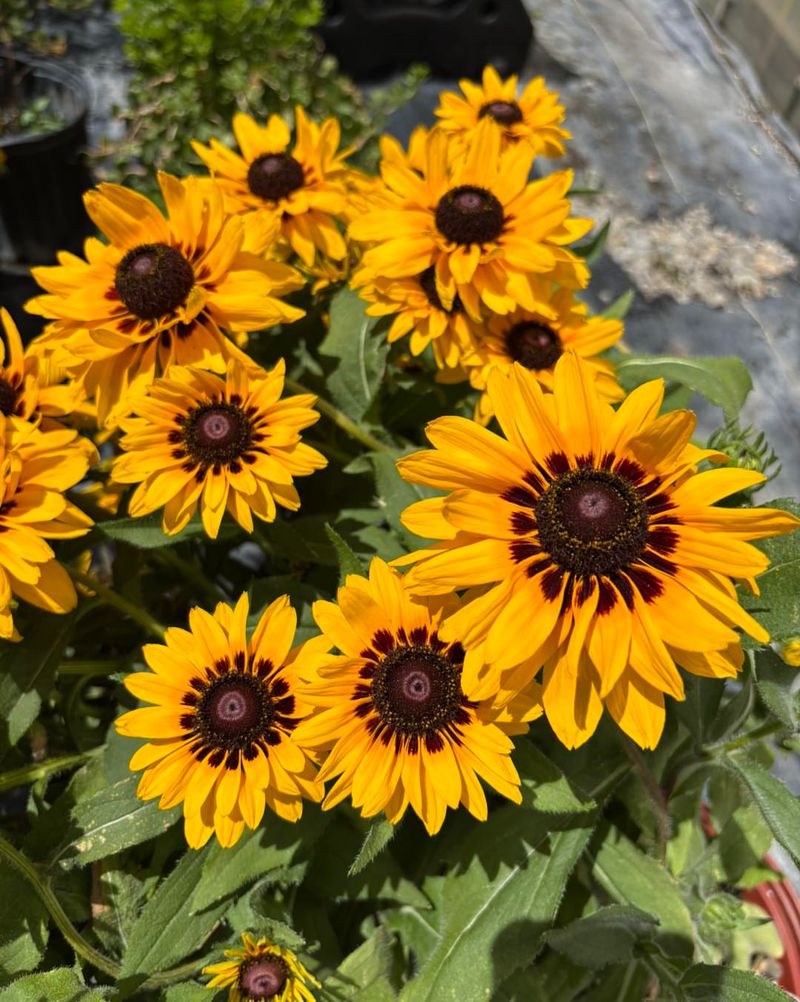
Bright golden petals with dark chocolate centers make black-eyed Susans one of the most recognizable wildflowers across West Virginia landscapes.
These cheerful bloomers bring serious staying power to any garden bed without demanding constant attention or fussy care routines.
Once established in your yard, they’ll return year after year, spreading naturally and filling empty spaces with waves of sunny color from midsummer through early autumn.
West Virginia’s humid summers and variable rainfall patterns don’t faze these tough natives one bit.
Black-eyed Susans handle clay soils, rocky patches, and even periods of neglect with remarkable resilience.
Their deep root systems seek out moisture during dry spells, meaning you won’t need to drag hoses around every evening just to keep them looking fresh and vibrant.
Deer and rabbits typically leave black-eyed Susans alone, which is a huge bonus for gardeners battling wildlife munching through their flower beds.
Butterflies and bees absolutely adore these blooms, turning your yard into a pollinator haven without any extra effort on your part.
The spent flowers develop into seedheads that feed goldfinches and other songbirds throughout winter, adding ecological value beyond the growing season.
Dividing clumps every few years keeps plants vigorous, but even if you forget this task, black-eyed Susans keep performing beautifully.
Their adaptability to full sun or partial shade gives you flexibility in placement throughout your landscape design.
2. Coneflower (Echinacea)
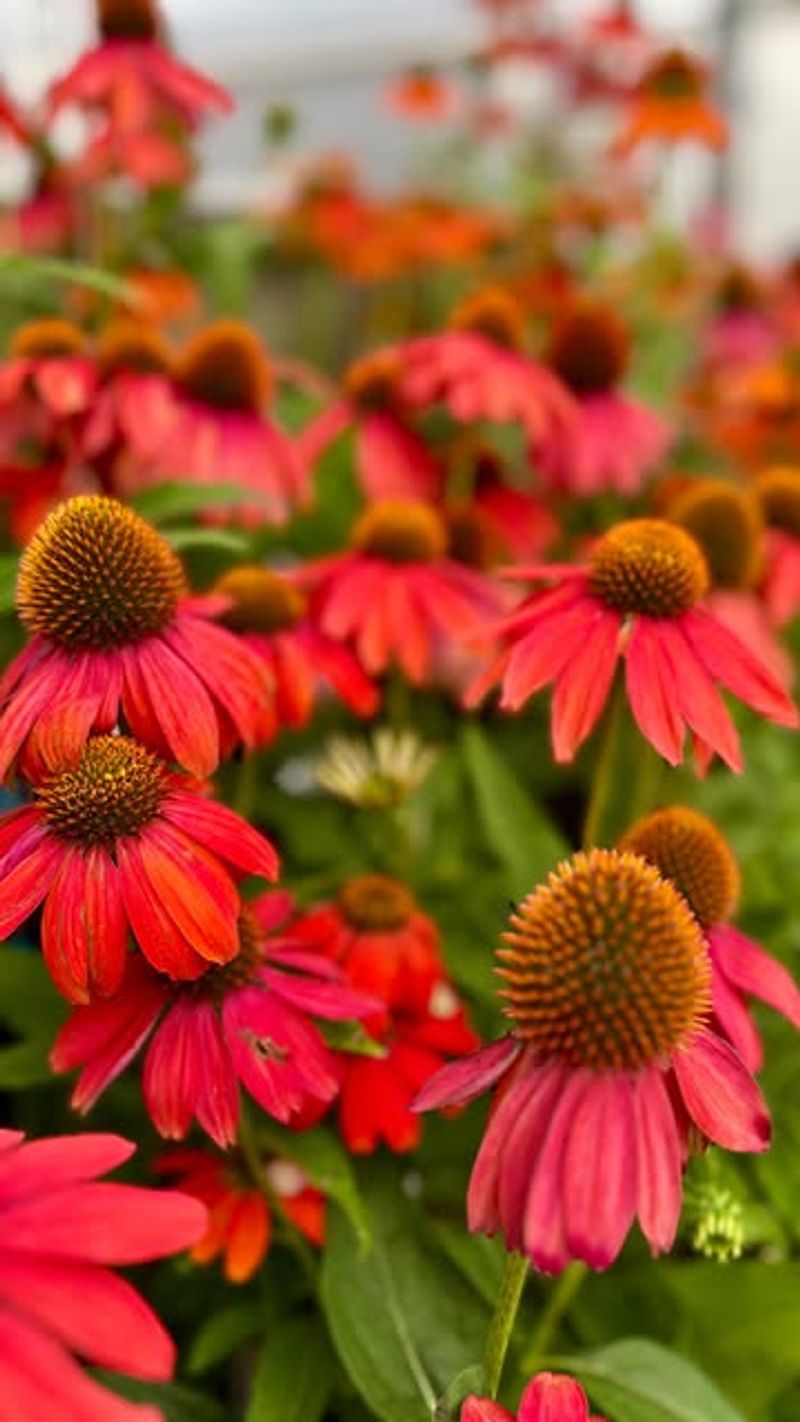
Coneflowers stand tall and proud in West Virginia gardens, displaying their distinctive raised centers surrounded by colorful petals that range from classic pink to vibrant orange and pure white.
These prairie natives bring an architectural quality to flower beds while asking almost nothing in return except decent drainage and occasional sunshine.
Their drought tolerance makes them perfect for hillside plantings where irrigation systems can’t reach and hand-watering becomes a tedious chore.
Appalachian soils often lean toward acidic and rocky compositions, but coneflowers adapt beautifully to these conditions without requiring soil amendments or special fertilizers.
Their robust root systems anchor them firmly against summer thunderstorms and winter freezes alike.
After the first growing season, these perennials become incredibly self-sufficient, thriving on natural rainfall and requiring intervention only during extreme drought conditions.
Your West Virginia Garden Changes Every Week. Your Plan Should Too.
Gardening in West Virginia changes quickly throughout the season. Every Friday you’ll receive a simple weekly plan showing exactly what to plant, prune, fertilize, harvest, and protect so you never miss the right timing.
Pollinators treat coneflowers like five-star restaurants, with bees, butterflies, and hummingbirds visiting throughout the blooming period from early summer into fall.
The cone-shaped seedheads remain attractive long after petals fade, providing winter interest and natural bird feeders for finches and chickadees.
This ecological bonus means your garden continues supporting wildlife even during dormant months.
Cutting back spent blooms encourages additional flowering, but even neglected plants continue performing admirably season after season.
Their upright growth habit prevents flopping, eliminating the need for staking or support structures that complicate garden maintenance.
3. Daylily (Hemerocallis)
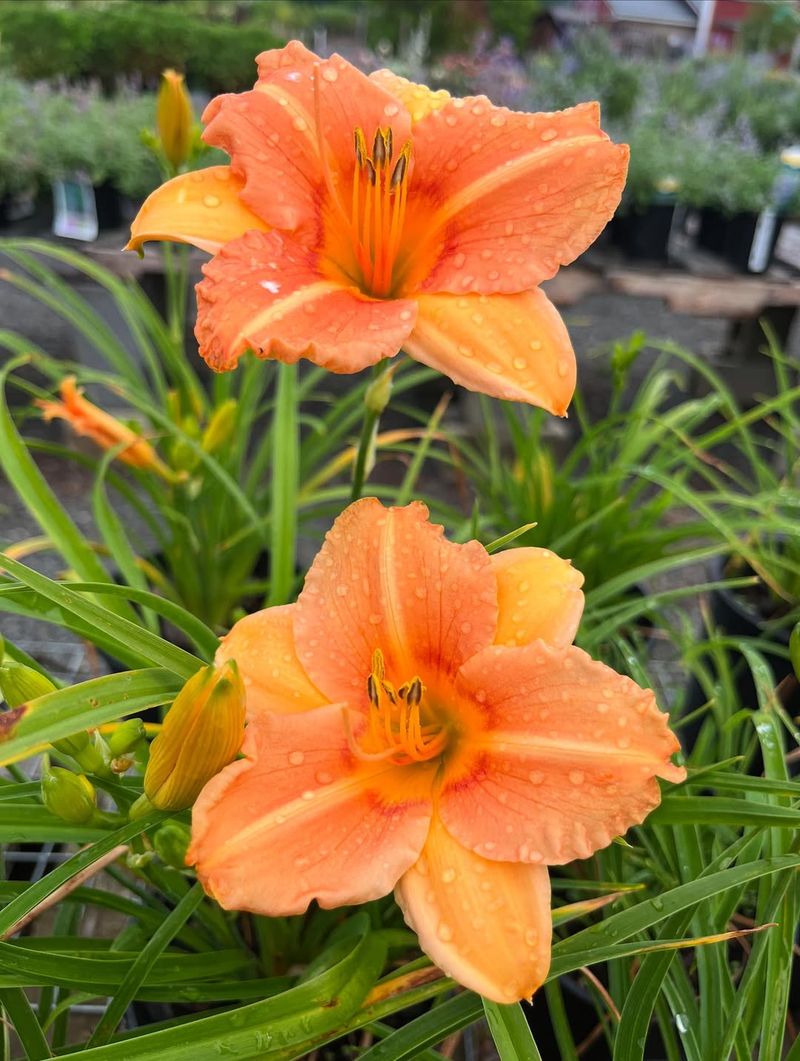
Each daylily bloom lasts just twenty-four hours, but these incredible perennials produce so many buds that the show continues for weeks without interruption.
Their trumpet-shaped flowers come in practically every color imaginable except true blue, giving gardeners endless options for creating custom color schemes throughout their landscapes.
The best part? Daylilies thrive in conditions that would stress out more temperamental flowering plants, making them absolute champions for busy gardeners.
West Virginia’s temperature swings from steamy July afternoons to frigid January nights don’t intimidate daylilies in the slightest.
Their fleshy roots store nutrients and moisture, allowing plants to weather both droughts and downpours with equal grace.
Poor soil quality rarely affects their performance, though they’ll reward any amendments with even more spectacular blooming displays.
Planting daylilies on slopes helps prevent erosion while adding stunning visual appeal to challenging landscape areas.
Their dense foliage emerges early in spring and remains attractive throughout the growing season, providing textural interest even when flowers aren’t present.
This fountain-like growth habit suppresses weeds naturally, reducing the time you’ll spend pulling unwanted plants from garden beds.
Dividing clumps every three to five years reinvigorates older plantings, but even undivided specimens continue blooming reliably year after year.
Their adaptability to both full sun and partial shade locations makes them versatile problem-solvers for various garden situations throughout your property.
4. Hostas
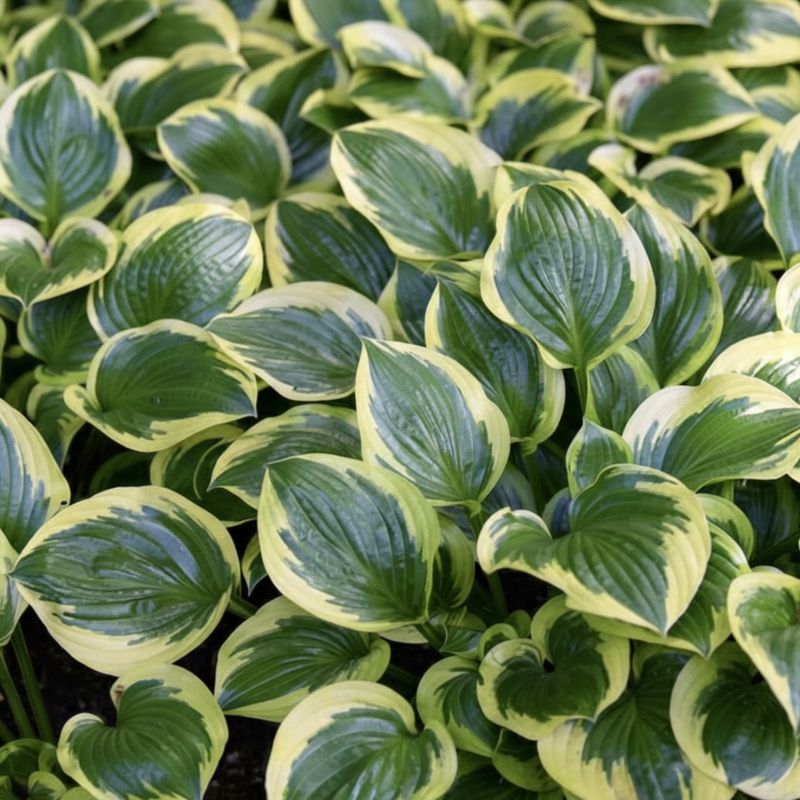
Shaded areas beneath trees and along north-facing walls transform into lush, textured gardens when hostas take up residence.
These foliage superstars come in sizes ranging from tiny four-inch specimens to massive three-foot giants, with leaf colors spanning from chartreuse to deep blue-green and variegated patterns that look hand-painted.
While they do produce flower spikes in summer, gardeners primarily grow hostas for their spectacular leaves that create living tapestries in low-light conditions.
West Virginia’s woodland environments provide ideal conditions for hostas, which naturally thrive in the dappled shade and moisture-retentive soils found beneath mature trees.
Once established, these perennials require minimal watering except during prolonged dry spells, and they never need fertilizing if planted in decent soil with organic matter.
Their spreading habit fills empty spaces gradually, creating dense groundcover that outcompetes weeds and reduces maintenance time significantly.
Slugs occasionally nibble hosta leaves, but damage rarely affects overall plant health or appearance dramatically.
Deer find hostas tasty, so gardeners in areas with heavy browsing pressure might need protective measures, though many varieties show better resistance than others.
The trade-off for this potential issue is having a shade perennial that literally thrives on neglect once roots establish.
Dividing mature clumps every few years provides free plants for expanding your collection or sharing with friends. Even without division, hostas continue performing beautifully for decades in the same location.
5. Bee Balm (Monarda)
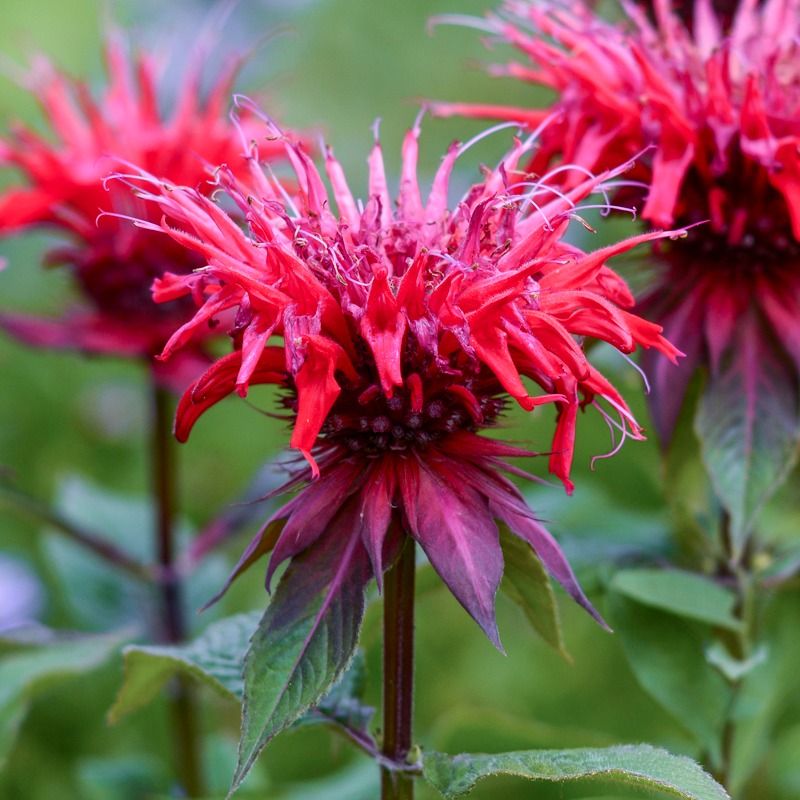
Hummingbirds zoom straight toward bee balm’s shaggy, tubular flowers like tiny missiles targeting their favorite fuel station.
These native perennials produce blooms in shades of red, pink, purple, and white, creating spectacular midsummer displays that attract every pollinator within flying distance.
Their minty-scented foliage releases fragrance when brushed against, adding an aromatic dimension to garden paths and borders where other plants remain scentless.
Modern bee balm varieties resist the powdery mildew problems that plagued older cultivars, making them far more suitable for West Virginia’s humid summer conditions.
These improved selections maintain clean, attractive foliage throughout the growing season without requiring fungicide applications or constant monitoring for disease symptoms.
Their vigorous growth habit means they fill assigned spaces quickly, though gardeners should provide adequate room since bee balm spreads enthusiastically through underground runners.
Full sun locations with decent air circulation produce the healthiest, most floriferous bee balm plantings.
These perennials tolerate clay soils and average fertility levels without complaint, though consistent moisture during establishment helps plants develop strong root systems.
Once settled into their spots, bee balm handles brief dry periods without wilting dramatically or requiring emergency watering sessions.
Cutting back plants after initial flowering often encourages a second, lighter bloom flush later in the season.
Dividing clumps every three years prevents overcrowding and maintains vigorous growth, though even neglected plantings continue performing admirably for wildlife and gardeners alike.
6. Sedum (Stonecrop)
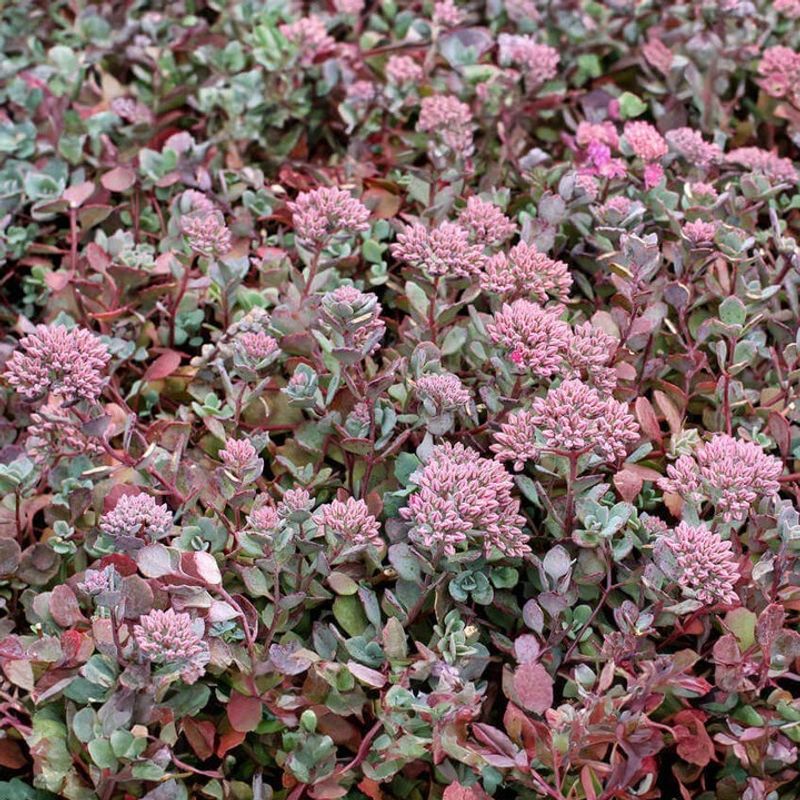
Succulent leaves store moisture like tiny water reservoirs, allowing sedums to laugh in the face of drought conditions that leave other perennials wilting pathetically.
These fleshy-leaved plants come in low-growing groundcover forms and taller upright varieties that develop massive flower heads resembling broccoli florets.
Their ability to thrive in the poorest, rockiest soils makes them perfect for challenging spots where nothing else will grow successfully.
West Virginia gardeners appreciate how sedums transform from spring’s fresh green growth through summer’s developing flower buds to autumn’s rust and burgundy tones.
Even after frost arrives, the dried flower heads remain architecturally interesting throughout winter, providing textural contrast against snow and feeding overwintering birds.
This four-season interest makes sedums exceptional value plants that earn their garden real estate year-round.
Full sun and excellent drainage are sedum’s only real requirements, making them ideal candidates for rock gardens, slope plantings, and raised beds with sandy or gravelly soil.
They actually perform poorly in rich, heavily amended soils with high moisture retention, so skip the compost and fertilizer when planting these tough customers.
Their drought tolerance eliminates watering chores once plants establish, freeing up time for other garden tasks.
Butterflies and bees swarm sedum flowers in late summer and early fall when many other nectar sources have finished blooming.
This late-season pollinator support makes sedums ecologically valuable beyond their ornamental contributions to landscape designs.
7. Phlox (Garden Phlox)
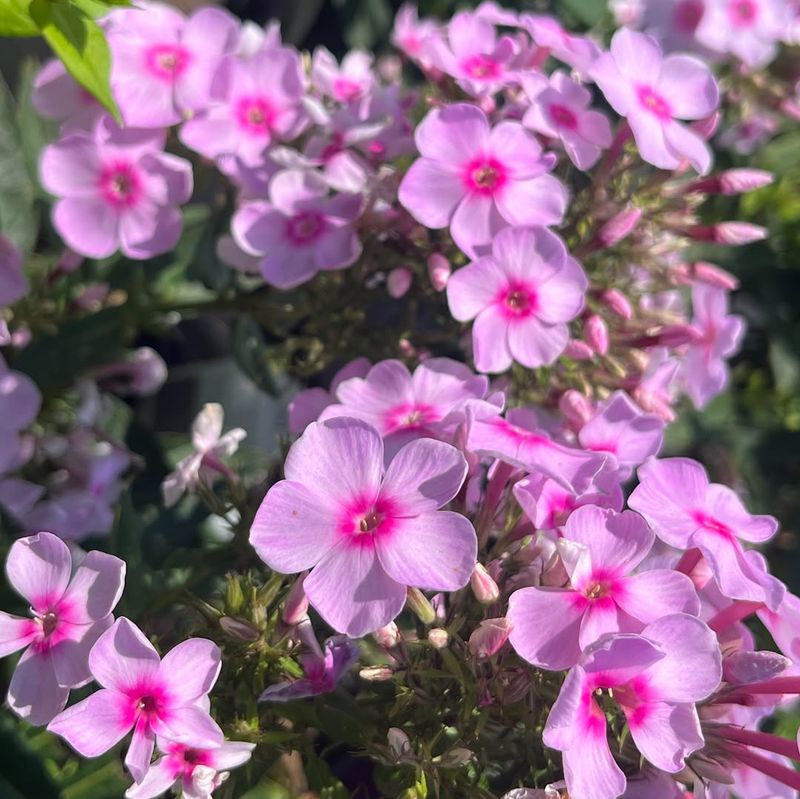
Sweet fragrance drifts across evening gardens when garden phlox blooms reach their peak, filling the air with perfume that attracts night-flying moths and delights human noses alike.
These cottage garden classics produce dense clusters of flowers atop tall stems, creating vertical color accents that draw eyes upward through landscape compositions.
Modern mildew-resistant varieties have revolutionized phlox growing in humid regions, eliminating the frustrating leaf diseases that once made these beauties high-maintenance headaches.
West Virginia’s summer humidity previously spelled trouble for garden phlox, but newer cultivars shrug off moisture-related fungal issues that plagued their ancestors.
Selecting disease-resistant varieties means enjoying beautiful blooms without spraying fungicides or watching foliage deteriorate into unsightly messes by late summer.
These improved selections maintain attractive, healthy leaves from spring emergence through fall frost, providing long-lasting garden presence.
Planting phlox with adequate spacing promotes air circulation that further discourages disease problems while giving each plant room to develop its full, bushy form.
They prefer consistently moist soil but tolerate brief dry spells once established, making them adaptable to typical West Virginia rainfall patterns.
Full sun to light shade locations suit garden phlox perfectly, with afternoon shade helping preserve flower color in the hottest summer weeks.
Removing spent flower clusters encourages additional blooming and prevents excessive self-seeding, though volunteer seedlings rarely match parent plant colors.
Dividing clumps every few years maintains vigor, but even undivided plants continue performing beautifully for many seasons.
8. Yarrow (Achillea)
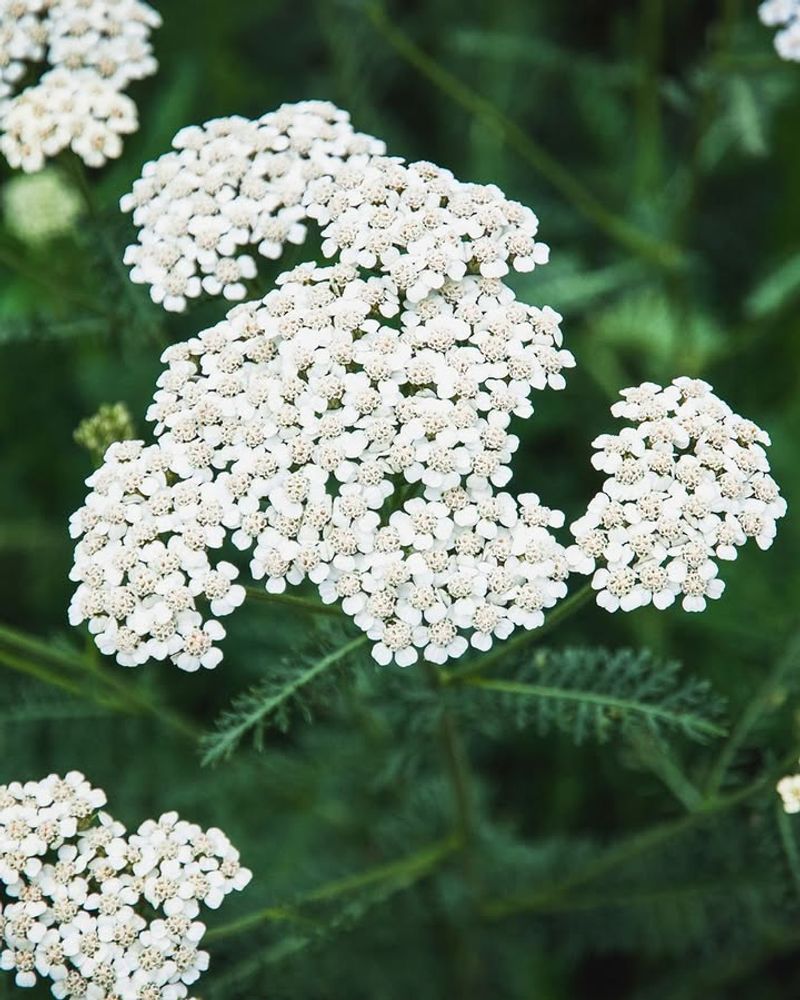
Flat-topped flower clusters sit atop yarrow’s sturdy stems like colorful landing pads for beneficial insects throughout the longest, hottest days of summer.
These tough-as-nails perennials bloom in shades ranging from classic white to golden yellow, soft pink, and vibrant red, holding their color for weeks without fading or requiring removal.
Their ferny, aromatic foliage adds fine texture to garden compositions while remaining attractive even when plants aren’t flowering.
Drought tolerance ranks among yarrow’s most valuable characteristics, making it perfect for West Virginia gardens that experience periodic dry spells during summer months.
Once established, yarrow survives on natural rainfall alone, never demanding supplemental irrigation or showing stress during rainless weeks.
Poor, lean soils actually produce sturdier, more compact plants than rich, amended beds, so gardeners can skip fertilizers and soil improvements entirely when planting yarrow.
Full sun exposure brings out the best flowering performance, though yarrow tolerates light shade without completely refusing to bloom.
Their upright growth habit eliminates staking needs, and plants rarely flop even during heavy thunderstorms.
This structural integrity keeps gardens looking tidy without requiring gardener intervention or support systems.
Cutting fresh yarrow flowers for bouquets doesn’t harm plants and actually encourages additional bloom production throughout the season.
The flowers also dry beautifully, providing everlasting arrangements that preserve summer’s colors well into winter months.
Dividing clumps every three to four years prevents overcrowding, though yarrow continues performing even without this maintenance task.
9. Coral Bells (Heuchera)
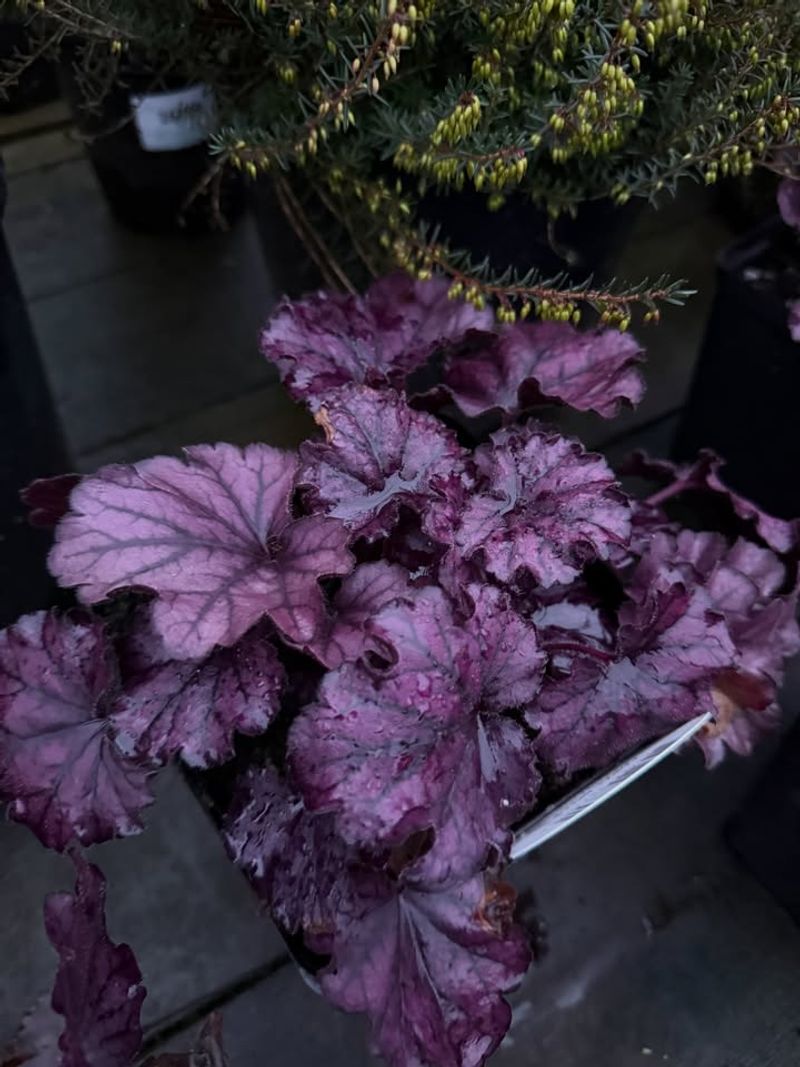
Foliage that looks dipped in wine, brushed with caramel, or splashed with silver makes coral bells the jewelry of the perennial garden.
These compact plants form neat mounds of rounded leaves that provide color and texture from spring’s first emergence through winter’s final frosts.
While delicate flower wands appear in late spring, gardeners primarily grow coral bells for their stunning leaves that outshine many flowering perennials in visual impact.
Versatility defines coral bells, as they adapt equally well to shaded woodland gardens and sunny border positions throughout West Virginia landscapes.
This flexibility allows gardeners to use them as problem-solvers in challenging locations where other perennials struggle to perform.
Their modest size makes them perfect for edging pathways, filling containers, or tucking into small spaces between larger plants where every square inch of garden real estate counts.
West Virginia’s temperature fluctuations don’t faze coral bells, which handle both summer heat and winter cold without suffering damage or losing their colorful foliage.
Evergreen or semi-evergreen habits in milder winters mean these plants provide year-round garden interest, brightening landscapes even during dormant months when most perennials disappear completely.
Consistent moisture produces the healthiest growth, but established plants tolerate brief dry periods without permanent harm.
Dividing mature clumps every three to four years prevents woody centers from developing and maintains vigorous growth.
Even without division, coral bells continue displaying their gorgeous foliage season after season with minimal care requirements.
10. Russian Sage (Salvia Yangii)
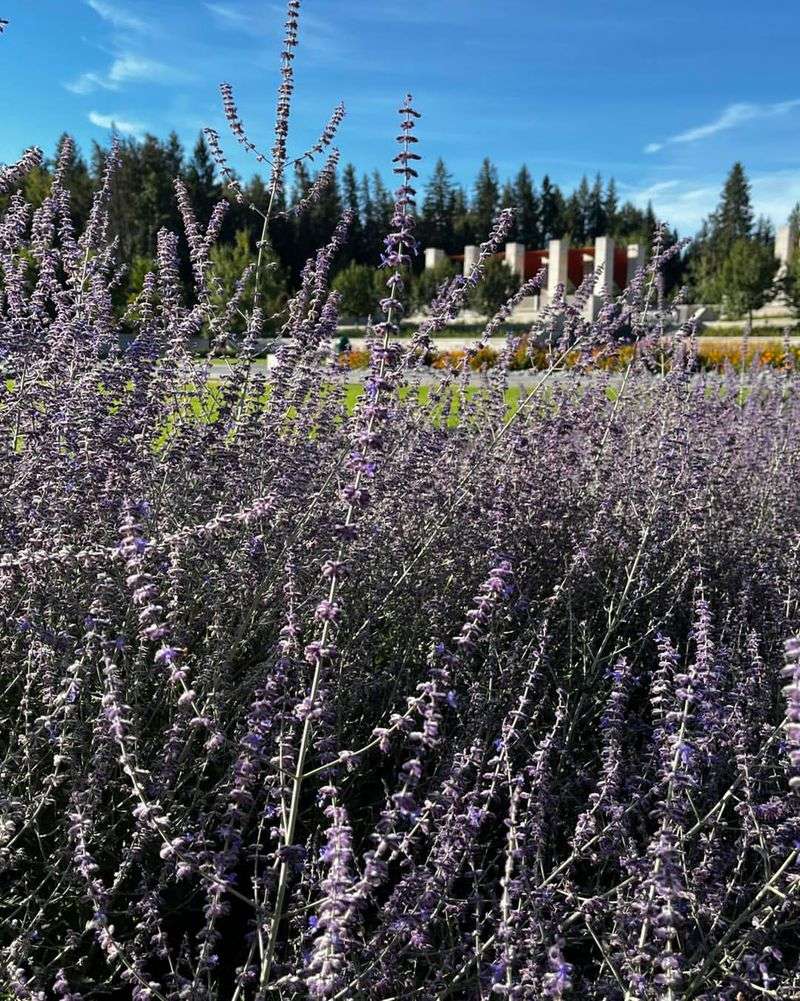
Silver-gray foliage and lavender-blue flower spikes create a misty, romantic effect when Russian sage sways in summer breezes.
This woody perennial brings an airy, ethereal quality to garden designs while demanding almost nothing from busy gardeners.
Its drought tolerance borders on extreme, making it perfect for hot, dry slopes and areas where dragging hoses becomes impractical or impossible.
West Virginia’s clay soils and rocky hillsides suit Russian sage perfectly, as it actually prefers lean, well-drained conditions over rich, moisture-retentive garden beds.
Poor soil produces compact, sturdy plants that don’t require staking, while overly fertile conditions create floppy growth that needs support structures.
This preference for neglect makes Russian sage ideal for low-input landscapes where minimal maintenance is the primary goal.
Full sun exposure brings out Russian sage’s best performance, with plants developing into substantial three-to-four-foot specimens covered in flowers from midsummer through frost.
The aromatic foliage releases a pleasant scent when brushed against, adding sensory interest to pathways and borders.
Deer and rabbits avoid Russian sage completely, sparing gardeners from frustrating browsing damage that ruins other perennials.
Cutting plants back to six inches in early spring maintains compact form and encourages vigorous new growth.
This single annual pruning session represents the only real maintenance Russian sage requires, making it one of the most hands-off perennials available. Even without pruning, plants continue blooming and performing admirably year after year.
11. Ferns (Native Woodland Types)
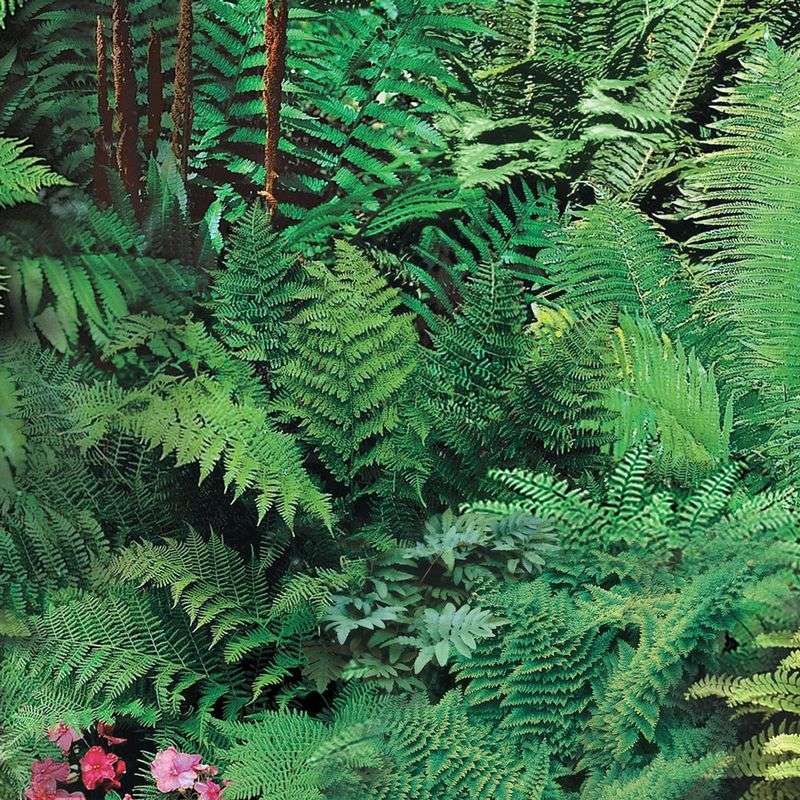
Ancient elegance defines native ferns that unfurl their delicate fronds each spring, transforming shaded areas into lush, green sanctuaries.
West Virginia’s native species like Christmas fern, lady fern, and maidenhair fern evolved specifically for Appalachian conditions, making them supremely adapted to local soils, rainfall patterns, and temperature ranges.
Their graceful presence adds sophistication to woodland gardens while requiring virtually no maintenance once established in appropriate locations.
Shaded, moisture-retentive sites beneath mature trees provide ideal conditions for native ferns, which thrive in the same environments where many flowering perennials struggle or refuse to grow.
Their preference for acidic soils aligns perfectly with West Virginia’s naturally occurring soil chemistry, eliminating any need for amendments or pH adjustments.
After the first growing season, ferns become entirely self-sufficient, surviving on natural rainfall and leaf litter without requiring supplemental watering or fertilizing.
Evergreen species like Christmas fern provide year-round garden interest, maintaining their fronds through winter months when other perennials disappear completely.
Deciduous types create beautiful seasonal displays, with fresh spring growth followed by summer’s lush maturity and autumn’s golden transformation before dormancy.
This natural cycling requires zero intervention from gardeners, who simply enjoy the show without lifting pruners or applying treatments.
Native ferns spread slowly through spores and rhizomes, gradually filling shaded areas without becoming invasive or requiring constant control measures.
Their pest and disease resistance means these ancient plants continue thriving for decades without demanding attention or care.