Who’s Responsible When A Neighbor’s Tree Falls Into Your Yard In Pennsylvania?
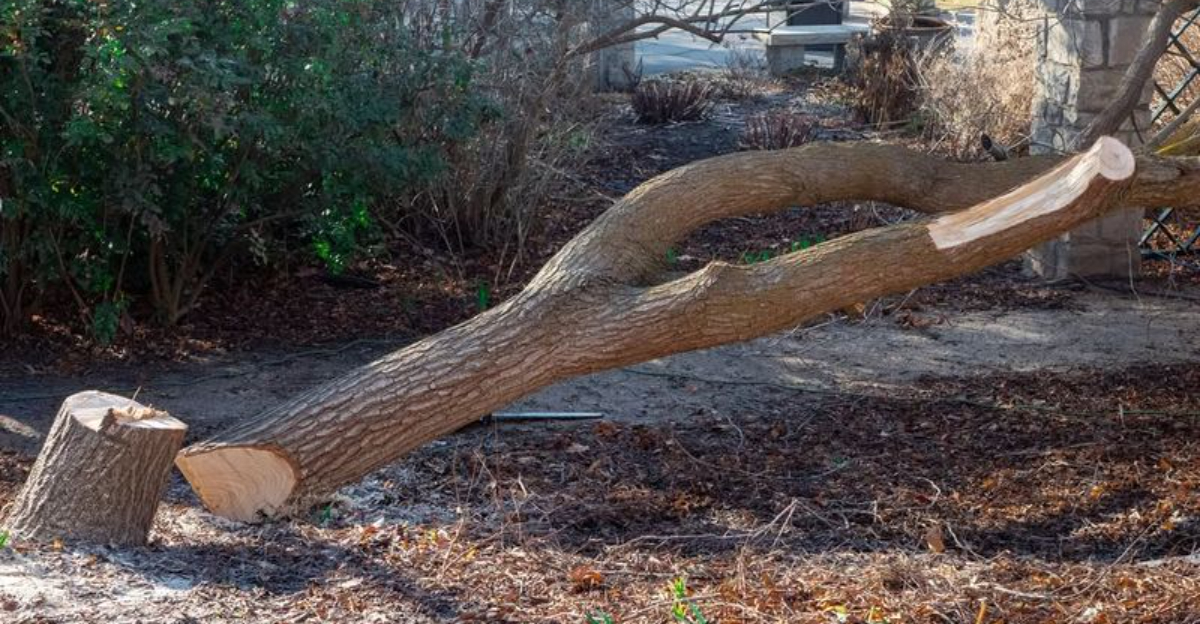
A fallen tree in your Pennsylvania yard can be stressful, especially when it belongs to a neighbor. Determining responsibility isn’t always straightforward—liability depends on whether the tree was healthy, neglected, or damaged by natural events.
One fallen tree can lead to property damage and a legal headache if you don’t know the rules!
If a healthy tree falls due to a storm or natural causes, homeowners typically handle cleanup on their own property. However, if the tree was dead, diseased, or clearly neglected, the neighbor may be liable for damages.
Insurance, prior warnings, and local ordinances all play a role in who is responsible for removal and repair. Not every tree accident automatically makes your neighbor liable—circumstances matter.
Pennsylvania homeowners who understand these rules can address fallen trees safely, involve insurance when necessary, and avoid disputes. Knowledge and preparation keep your yard—and relationships—intact!
The Tree Owner Is Not Automatically Responsible
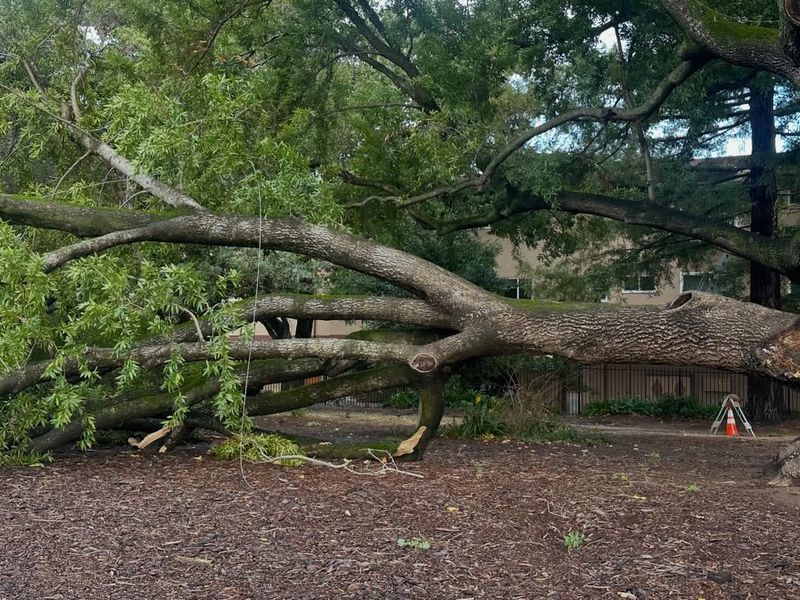
Just because a tree originates from your neighbor’s property doesn’t mean they’re automatically on the hook for damages when it falls into your yard. Pennsylvania law takes a balanced approach that considers multiple factors before assigning blame.
The legal system recognizes that trees are natural organisms subject to unpredictable forces, and ownership alone doesn’t create instant liability.
Many homeowners assume their neighbor must pay simply because the tree came from their side of the property line. This misconception leads to unnecessary disputes and frustration.
The reality is more nuanced, requiring an examination of the tree’s condition before it fell and whether the owner took reasonable care.
Pennsylvania courts evaluate each situation individually, looking at circumstances surrounding the incident. Weather conditions, tree health, and the owner’s knowledge all play crucial roles.
This approach protects property owners from unfair liability while still holding negligent parties accountable.
Understanding this fundamental principle helps set realistic expectations when dealing with fallen tree situations. Rather than immediately blaming your neighbor, it’s wiser to document everything and assess whether negligence was involved.
This knowledge empowers you to approach the situation calmly and make informed decisions about next steps.
Negligence Can Make The Tree Owner Liable
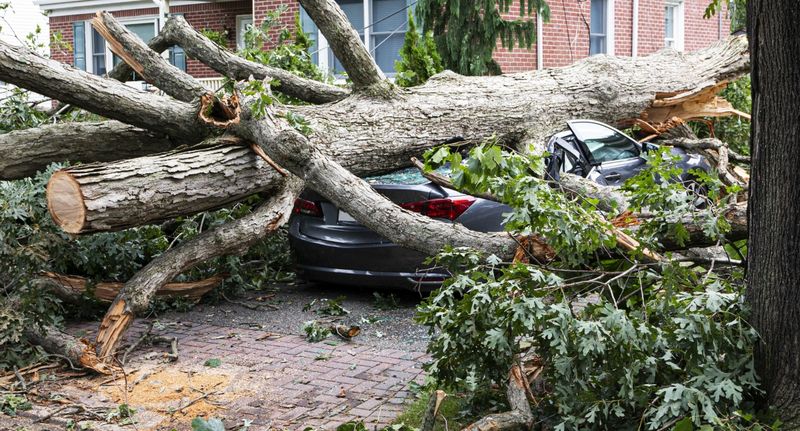
When a tree shows obvious signs of trouble and the owner ignores these warnings, negligence enters the picture and changes everything. A tree with visible rot, large cavities, fungal growth, or significant lean presents clear hazards that responsible property owners should address.
Failing to remove or treat a dangerous tree creates liability when it eventually falls and causes damage.
Pennsylvania law expects property owners to maintain their trees with reasonable care and attention. This doesn’t mean hiring arborists for every tree, but it does require responding to obvious problems.
If neighbors or passersby could clearly see the tree was compromised, courts will likely find the owner should have known about the danger.
Proving negligence requires demonstrating the tree’s poor condition before it fell. Photos, witness statements, and expert opinions from arborists provide crucial evidence.
Your Pennsylvania Garden Changes Every Week. Your Plan Should Too.
Gardening in Pennsylvania changes quickly throughout the season. Every Friday you’ll receive a simple weekly plan showing exactly what to plant, prune, fertilize, harvest, and protect so you never miss the right timing.
Look for signs like missing bark, mushrooms growing at the base, or extensive hollow areas that would have been visible before the incident.
Once negligence is established, the tree owner becomes responsible for resulting damages including property repairs, debris removal, and related costs. This shifts the financial burden from your insurance to theirs.
Understanding what constitutes negligence helps you evaluate whether pursuing a claim against your neighbor makes sense.
You Must Prove The Neighbor Knew Or Should Have Known
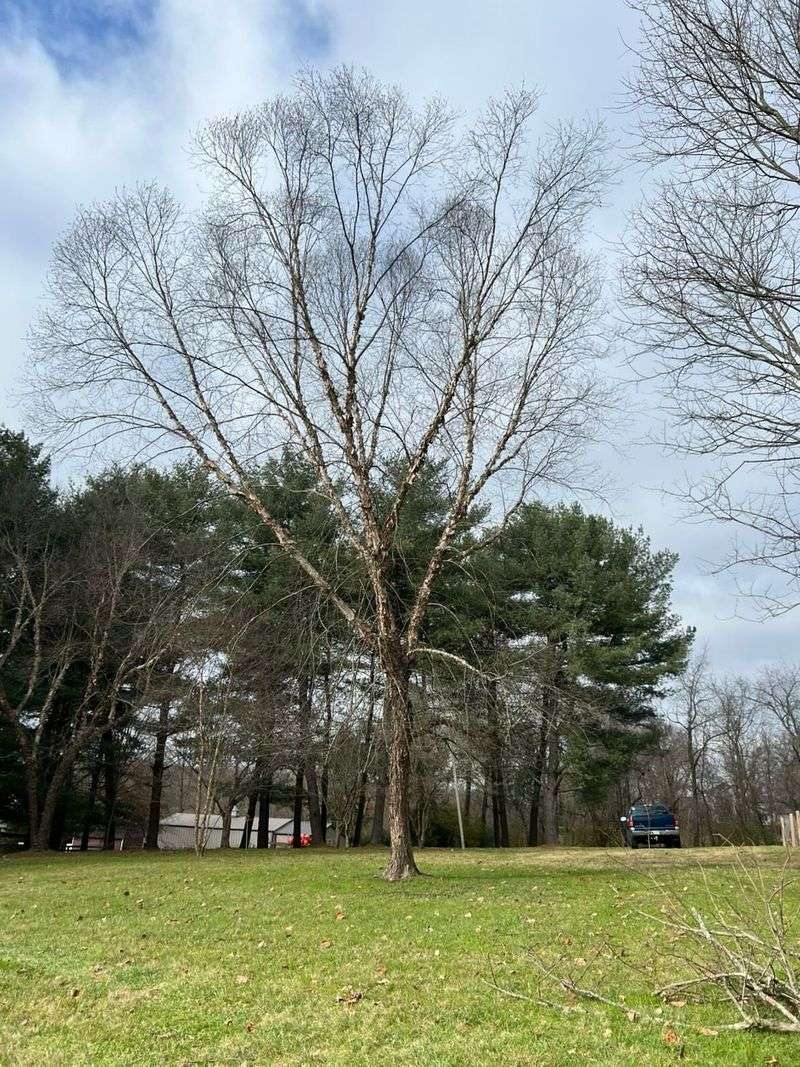
Establishing liability hinges on demonstrating your neighbor either knew about the tree’s dangerous condition or reasonably should have discovered it. This knowledge requirement protects property owners from being held responsible for hidden defects that no reasonable person would have detected.
However, it also means you need solid evidence to support any claim against your neighbor.
Visible signs of decay provide the strongest evidence that a neighbor should have known about problems. Cracks in the trunk, significant dead branches, peeling bark, or fungal growth are all indicators that would alert a reasonably attentive homeowner.
If these signs were obvious from normal vantage points, courts will likely conclude the owner should have taken action.
Prior complaints or warnings dramatically strengthen your case by proving actual knowledge. If you or others notified the neighbor about concerns before the tree fell, this documentation becomes invaluable.
Written communications work best, creating a clear paper trail that courts can review.
Professional assessments from arborists also help establish what a reasonable property owner should have known. An expert can examine the fallen tree and determine whether its condition would have been apparent through basic observation.
This expert testimony often proves decisive in liability disputes, making it worth the investment when significant damages are involved.
Damage On Your Property Is Usually Your Responsibility First
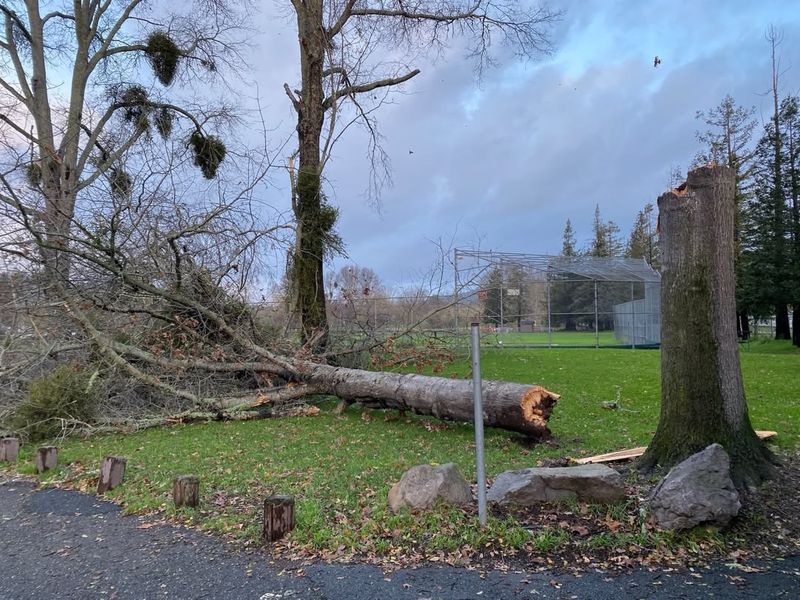
Pennsylvania follows a property-line approach where damage occurring on your side typically falls under your responsibility initially, regardless of where the tree originated.
Your homeowner’s insurance policy generally covers damage to fences, structures, landscaping, and other property elements when trees fall. This system allows for quick repairs without waiting for liability determinations.
Filing a claim with your own insurance company usually provides the fastest path to getting your property restored. Insurance adjusters will assess the damage, and your policy will cover repairs minus your deductible.
This approach works efficiently for most situations, especially when storms or acts of God caused the tree to fall.
However, starting with your insurance doesn’t mean you’ve given up rights to pursue the neighbor later. If you subsequently prove negligence, your insurance company may seek reimbursement from the neighbor’s insurer through a process called subrogation.
You might also recover your deductible if negligence is established.
Understanding this initial responsibility helps you take prompt action rather than waiting for your neighbor to accept liability. Delays in addressing damage can lead to additional problems like water intrusion or pest issues.
Getting repairs started quickly through your insurance protects your property while preserving your right to pursue negligence claims if appropriate evidence emerges.
Your Neighbor Handles Damage On Their Side
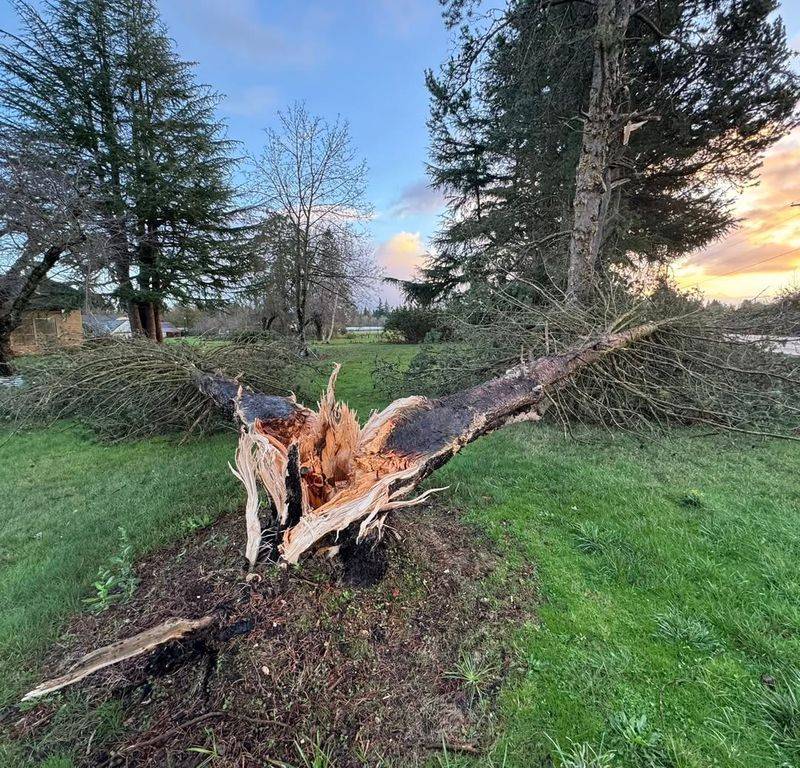
The property-line principle works both ways, meaning your neighbor remains responsible for any damage the fallen tree caused on their own property. Even if the same tree created problems on both sides of the fence, each owner typically handles their respective damages.
This clear division simplifies many situations by eliminating debates about cross-property responsibility. Your neighbor’s insurance will cover their own structures, landscaping, and property features damaged by their tree.
They can’t expect you to contribute to repairs on their side, just as you can’t automatically expect them to pay for damage on yours. This mutual responsibility creates fairness in most storm-related incidents.
Understanding this division helps prevent unrealistic expectations and unnecessary conflicts. Some neighbors mistakenly believe that because the tree came from one property, all damages everywhere should be that owner’s problem.
Pennsylvania law doesn’t support this view except in negligence cases.
Communication with your neighbor about how each of you plans to handle your respective damages can prevent misunderstandings. If both properties sustained significant damage, you might discover you’re both filing insurance claims and dealing with similar frustrations.
This shared experience sometimes leads to cooperative debris removal efforts that benefit everyone involved, even though legal responsibility remains divided by the property line.
You Own The Fallen Portion Once It Lands In Your Yard
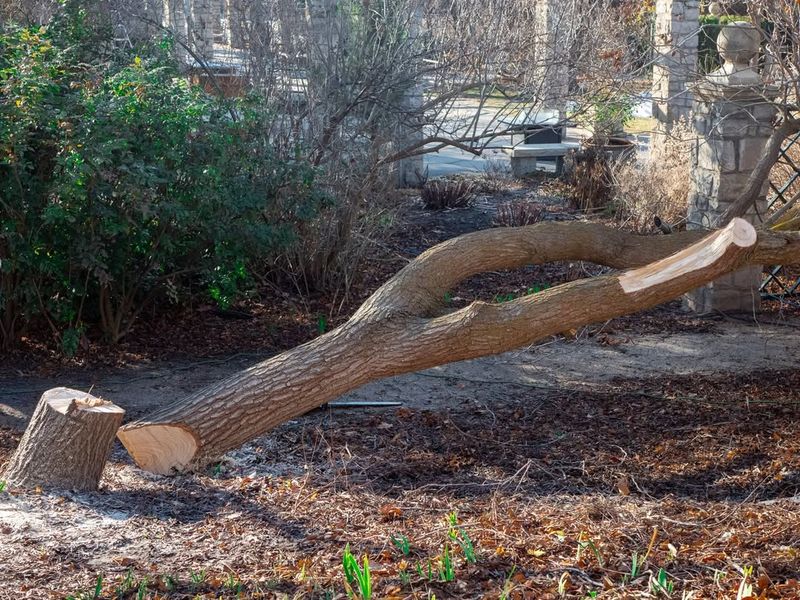
Pennsylvania law treats branches, trunk sections, and other tree parts that fall onto your property as legally yours once they land. This ownership principle applies regardless of where the tree originated, giving you both the right and responsibility to remove, keep, or dispose of the debris.
Your neighbor cannot force you to return the wood, nor can they enter your property to remove it without permission. This rule surprises many people who assume the tree owner retains rights to the fallen portions.
However, the law prioritizes property rights and recognizes that debris on your land becomes your concern. If you want to keep valuable wood for firewood or other purposes, you’re entitled to do so.
Conversely, you cannot simply push the debris back over the property line or demand your neighbor remove it from your yard.
Removal costs typically fall on you, though your homeowner’s insurance may cover this expense depending on your policy. Many insurers include debris removal as part of storm damage coverage.
Some neighbors reach friendly agreements about debris removal, especially when large trees create extensive cleanup needs. Your neighbor might appreciate access to valuable wood, or they might have equipment that makes removal easier.
These cooperative arrangements can benefit both parties, but remember that legally, the decision about what happens to debris on your property remains yours to make.
Prior Written Notice Strengthens Your Case
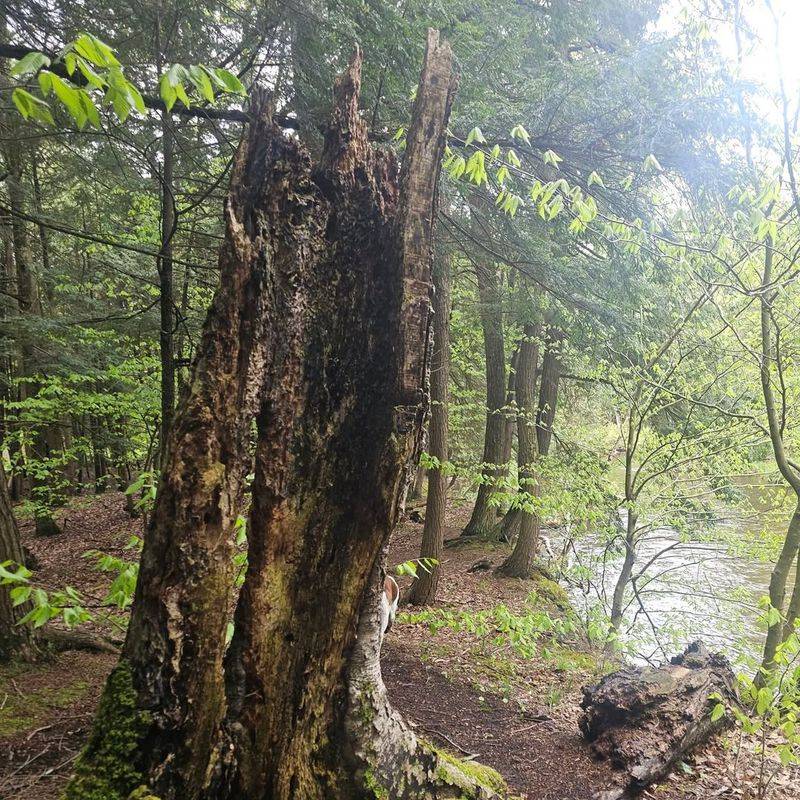
Documenting concerns about a dangerous tree before it falls creates powerful evidence of your neighbor’s knowledge and potential negligence. Written communication provides a timestamped record that proves you warned the owner about hazards.
This documentation transforms a liability case from speculation about what someone should have known into proof of actual knowledge.
Send your notice via certified mail with return receipt requested, ensuring you have proof of delivery. Include specific details about the tree’s location, visible problems, and your concerns about potential damage.
Photographs accompanying the letter provide additional documentation that courts find compelling.
The notice doesn’t need fancy legal language—a straightforward explanation of your concerns works well. Mention specific observations like leaning, rot, large branches overhanging your property, or other visible issues.
Request that your neighbor have the tree inspected by a professional and take appropriate action. Keep copies of all correspondence and delivery confirmations in a safe place.
If the tree eventually falls and causes damage, this documentation dramatically improves your chances of establishing negligence and recovering costs.
Even if your neighbor responds dismissively or takes no action, your written notice creates a record that demonstrates their awareness.
Many neighbors actually appreciate the heads-up and address the problem, preventing incidents altogether and maintaining good relationships.
Local Ordinances Or HOAs May Add Extra Rules
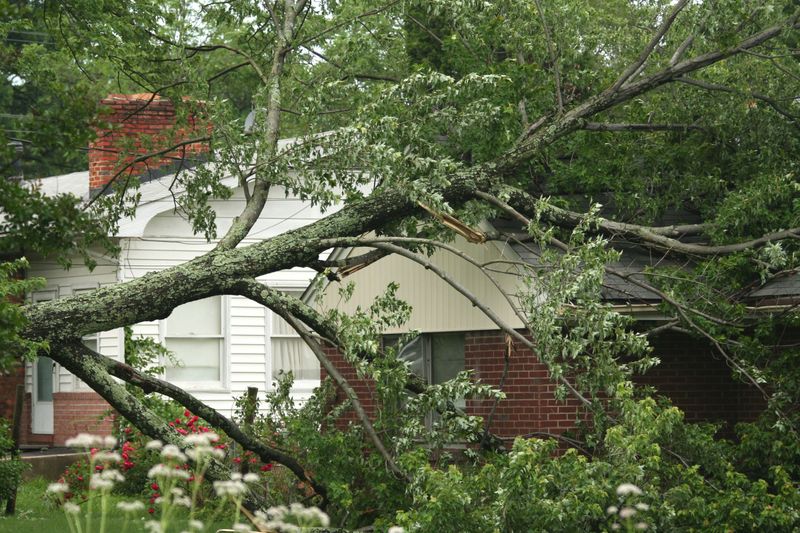
Pennsylvania municipalities and homeowner associations often establish their own regulations regarding tree maintenance and hazard removal that go beyond state law. These local rules can create additional responsibilities for property owners and provide extra protection for neighbors concerned about dangerous trees.
Checking your local ordinances and HOA covenants reveals whether enhanced requirements apply in your area.
Some communities mandate that property owners remove trees identified as hazardous by municipal inspectors or certified arborists. These ordinances typically include enforcement mechanisms like fines for non-compliance.
When local rules require hazard removal, they strengthen your position if you’re dealing with a neighbor’s dangerous tree.
HOA regulations frequently address tree maintenance, especially in planned communities where appearance and safety standards are priorities.
Your association’s governing documents might specify inspection requirements, maintenance obligations, or procedures for reporting hazardous trees. Following these procedures creates additional documentation supporting liability claims.
Contact your municipal code enforcement office or HOA board to learn about applicable rules in your area. Some communities offer inspection services or maintain lists of qualified arborists.
These resources help you understand your rights and your neighbor’s obligations beyond general Pennsylvania law.
When local rules exist, they can provide additional leverage for encouraging neighbors to address problematic trees before they cause damage, creating safer neighborhoods for everyone.