Why Eastern Oregon Fruit Trees Require More Winter Protection
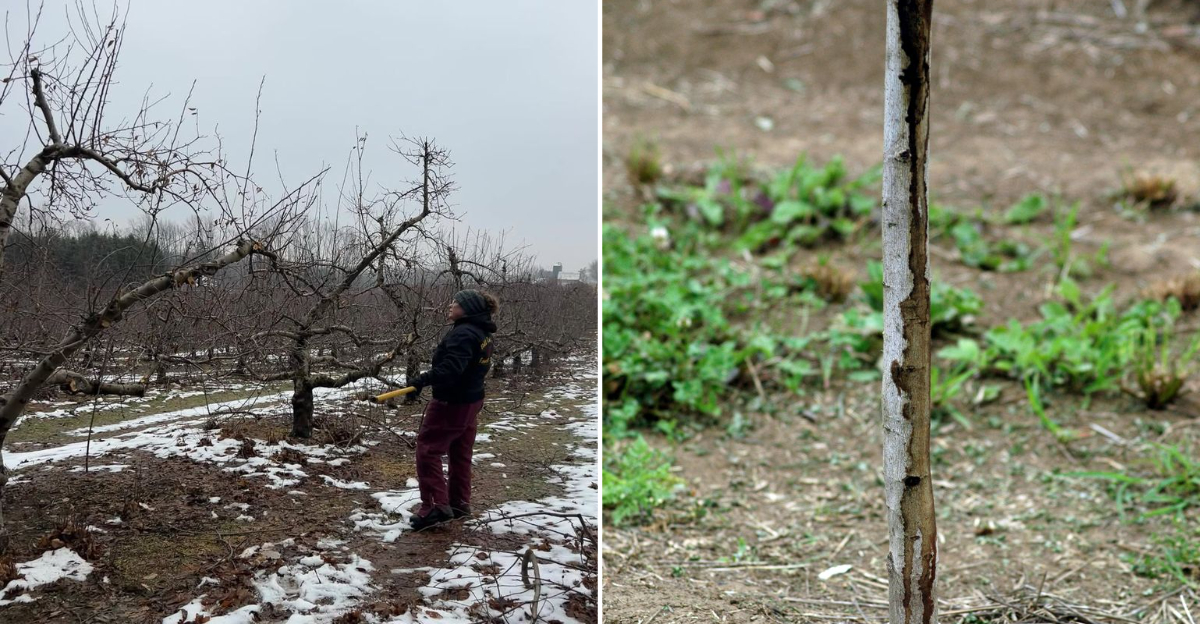
Fruit trees in Eastern Oregon live a tougher winter life than most people realize. While the rest of the state deals with rain and mild cold snaps, Eastern Oregon brings sharp temperature drops, dry air, strong winds, and sudden freezes that can catch trees off guard.
One week things seem fine, and the next, winter reminds everyone who’s in charge.
It’s easy to assume fruit trees can “handle winter” on their own. After all, they lose their leaves and go dormant, right?
But dormancy doesn’t mean invincible. Cold nights, sunscald on clear days, and frozen soil can quietly stress trunks, branches, and roots.
The damage often doesn’t show up until spring, when buds fail to open or growth looks weak and uneven.
If you’ve ever wondered why your fruit trees struggle more than expected, or why a neighbor’s tree bounced back better after winter, protection usually plays a big role. Eastern Oregon’s climate simply asks more from trees than milder regions do.
With a little extra care and smart winter prep, fruit trees can come through the season stronger and healthier.
Make sure why protection matters as it makes it much easier to give your trees what they need, and avoid unpleasant surprises once growing season arrives.
Why Eastern Oregon Winters Are Harder On Fruit Trees
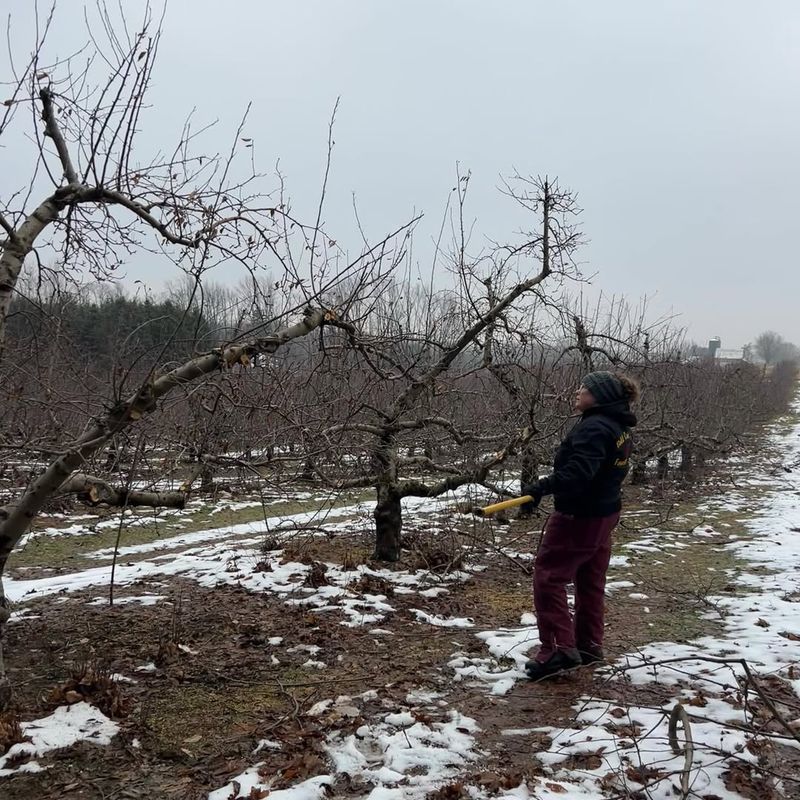
Eastern Oregon sits in a high desert climate zone where winter conditions are far more extreme than most fruit tree varieties naturally tolerate.
Temperatures regularly plunge well below zero, sometimes hitting minus ten or even minus twenty degrees Fahrenheit during cold snaps that last for days.
Your trees evolved in regions with milder winters or more consistent snow cover, so they lack the natural defenses needed for this harsh environment.
West of the Cascades, winter temperatures rarely drop below the mid-twenties, and Pacific moisture keeps the air relatively humid. In contrast, Eastern Oregon combines severe cold with bone-dry air and intense sunshine that reflects off snow.
This combination stresses trees in ways they simply did not evolve to handle.
Your fruit trees also face rapid temperature swings that confuse their dormancy cycles. A warm afternoon in January can trick buds into breaking dormancy early, only to be killed by a hard freeze that night.
These wild fluctuations cause more damage than steady cold because trees cannot adjust quickly enough.
Protecting your orchard means understanding that Eastern Oregon winters are uniquely challenging, requiring strategies that go beyond what growers in milder regions ever need to consider.
How Cold Temperatures Damage Buds And Bark
Extreme cold kills the delicate flower buds that would have become your fruit crop next season.
When temperatures drop below what a bud can tolerate, ice crystals form inside the cells and rupture them from within.
You will not see this damage right away, but come spring, those buds turn brown and never open. A single brutal night can wipe out an entire year of potential harvest.
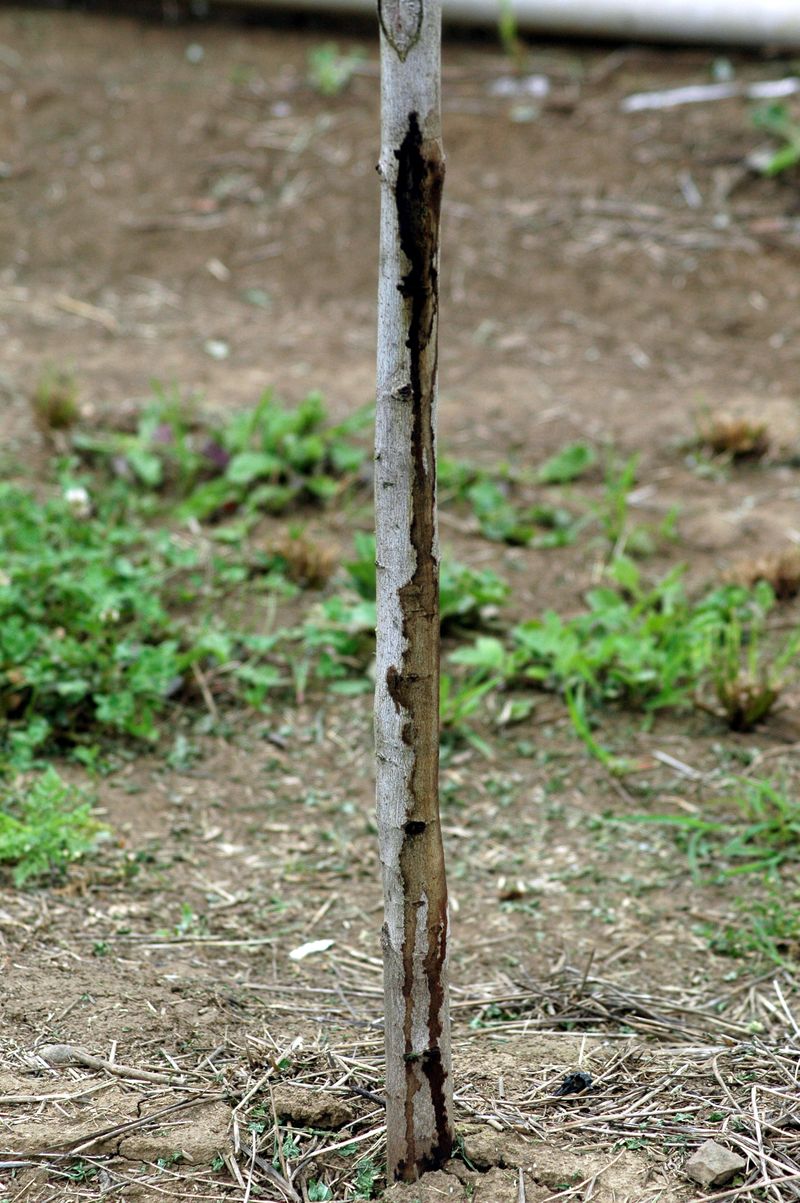
Bark damage happens differently but causes equally serious problems. Sunny winter afternoons warm the south and west sides of tree trunks, causing the bark and cambium layer underneath to break dormancy slightly.
Your Oregon Garden Changes Every Week. Your Plan Should Too.
Gardening in Oregon changes quickly throughout the season. Every Friday you’ll receive a simple weekly plan showing exactly what to plant, prune, fertilize, harvest, and protect so you never miss the right timing.
When the sun sets and temperatures plummet, that active tissue freezes and withers. This creates vertical cracks called frost cracks or sunscald that you will notice as dark, sunken areas on the trunk.
Young trees suffer the most because their thin bark offers little insulation. Older trees with thick, corky bark handle temperature swings better, but they are not immune.
Once bark splits, disease and insects can invade, weakening the tree for years.
Wrapping trunks with white tree guards or painting them with diluted white latex paint reflects sunlight and keeps bark temperatures more stable, preventing this cycle of warming and freezing that causes so much damage.
Wind Exposure And Winter Drying Problems
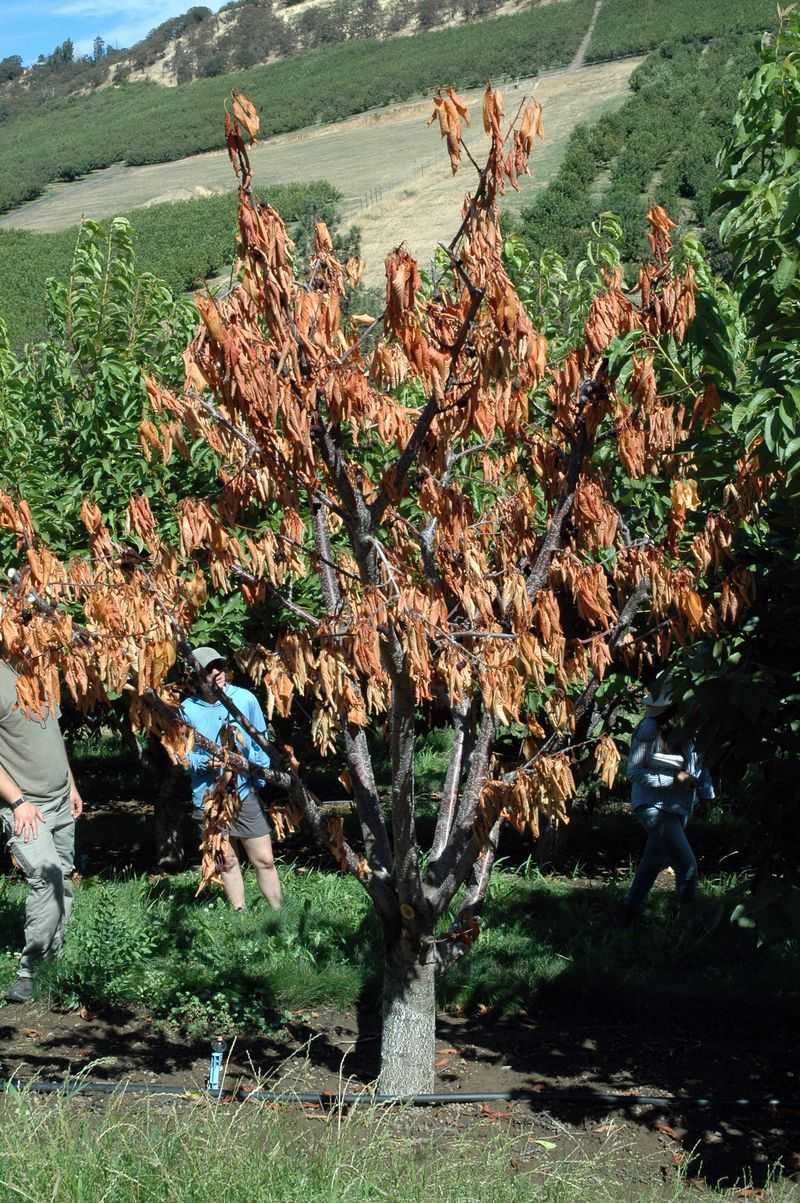
Winter winds in Eastern Oregon are relentless and incredibly drying, pulling moisture from tree bark and buds faster than roots can replace it.
Even though your trees are dormant, they still lose water through their bark and any exposed tissue.
When the ground is frozen solid, roots cannot absorb moisture to replace what the wind strips away. This desiccation stress weakens trees and can kill branches or even entire young trees by spring.
High desert winds also blast trees with sand and ice particles that abrade bark and damage delicate buds.
You will notice the windward side of your trees often looks more stressed, with rougher bark and fewer surviving buds.
This mechanical damage compounds the drying effect, creating weak spots where disease can enter.
Windbreaks make an enormous difference in protecting your orchard. Planting evergreen hedges, installing temporary burlap screens, or even stacking straw bales on the windward side reduces wind speed and creates a calmer microclimate around your trees.
Oregon State University research shows that even a modest windbreak can reduce water loss by thirty to fifty percent, which translates directly into healthier trees and better fruit production the following season.
Snow Load And Ice Damage Risks
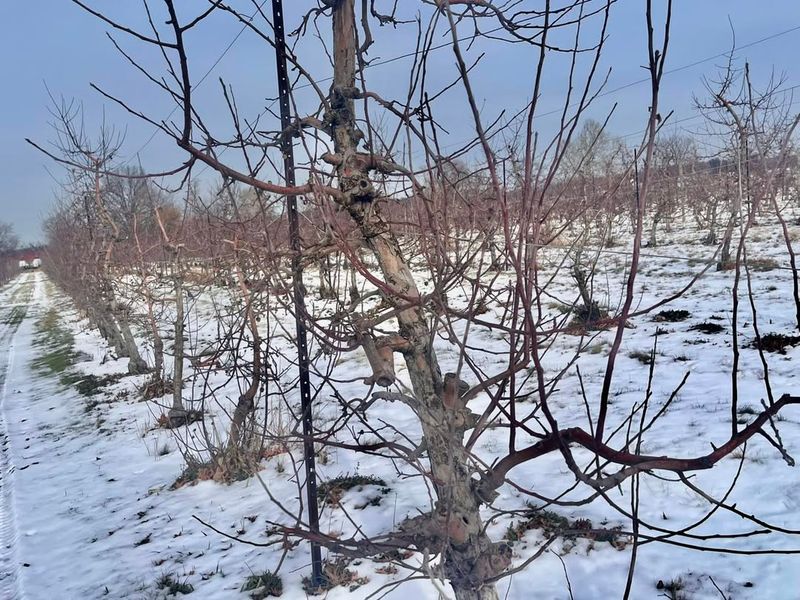
Heavy, wet snow can accumulate on branches faster than you expect, especially during spring storms when snow is dense and sticky.
The weight bends branches past their breaking point, snapping them or tearing them partially away from the trunk.
These wounds heal slowly and often become entry points for fire blight and other diseases that plague fruit trees. Young trees with narrow branch angles are especially vulnerable because their wood has not developed the strength to support heavy loads.
Ice storms create even worse problems. When freezing rain coats every twig and branch with a thick layer of ice, the added weight can destroy the tree structure you have spent years training.
You might walk out after an ice storm to find major scaffold branches shattered and your tree reduced to a ragged stump.
Proactive pruning in late summer helps by removing weak or narrow-angled branches before winter arrives. Training young trees to wide, strong branch angles also reduces breakage risk.
During active storms, gently shaking snow off branches with a long pole prevents dangerous accumulation. Never try to knock ice off branches because frozen wood is brittle and breaks easily.
Instead, let ice melt naturally and assess damage afterward, making clean pruning cuts to help your tree recover properly.
Soil Freezing And Root Stress
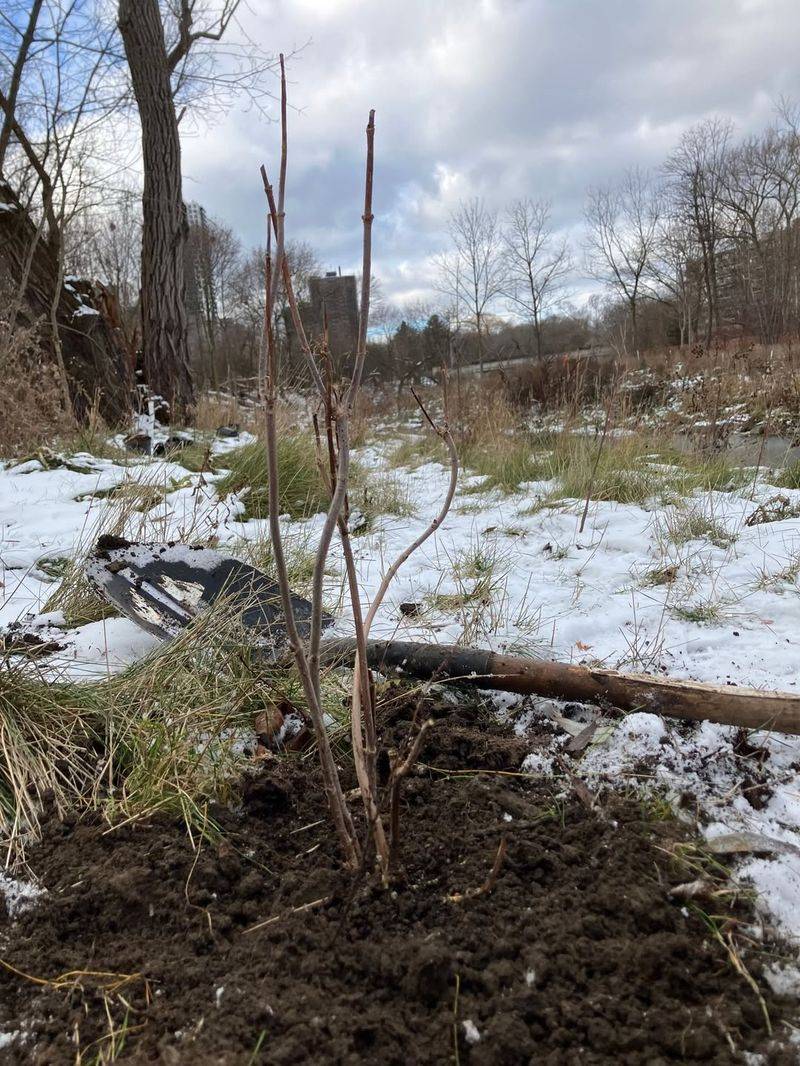
When soil freezes deep into the ground, your fruit tree roots cannot absorb water or nutrients, even on sunny winter days when the tree might need moisture.
Eastern Oregon soils often freeze to depths of twelve inches or more during prolonged cold spells, locking roots into a state of suspended animation.
This is especially hard on newly planted trees whose roots have not yet spread deep enough to reach unfrozen soil layers.
Repeated freeze-thaw cycles cause another problem by heaving young trees right out of the ground. As soil freezes, it expands, pushing upward.
When it thaws, it contracts, creating air pockets around roots. Over the course of a winter, this cycle can lift a young tree several inches, exposing the root crown to killing cold and drying winds.
Mulching around your trees in late fall insulates the soil and moderates temperature swings. A four to six inch layer of wood chips, straw, or shredded leaves keeps soil temperatures more stable, reduces the depth of freezing, and prevents heaving.
Keep mulch pulled back a few inches from the trunk to avoid creating habitat for rodents. Well-mulched trees come through winter with less root stress and break dormancy faster in spring, giving them a head start on the growing season.
Which Fruit Trees Need The Most Protection
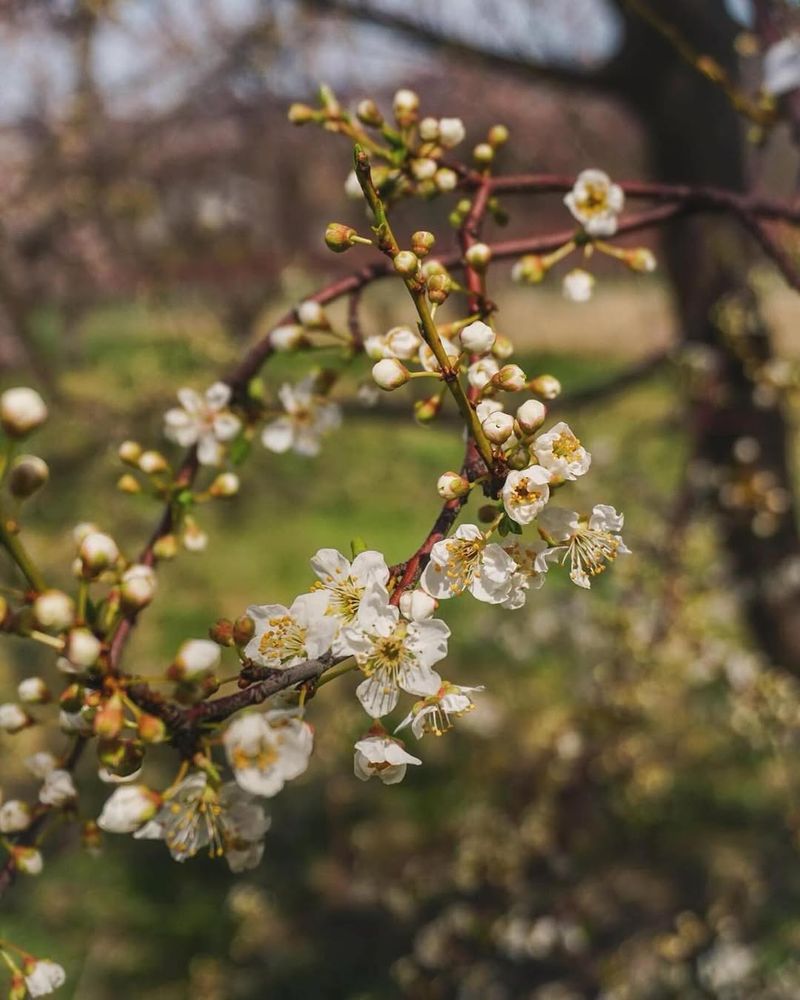
Apricots and peaches bloom so early that their flower buds are extremely vulnerable to late winter and early spring freezes.
Even though the trees themselves might survive Eastern Oregon winters, the buds often wither off before they can open, leaving you with no fruit.
These stone fruits need the most careful siting and protection, ideally planted on north-facing slopes that delay bloom until after the last hard freeze.
Sweet cherries also struggle with cold damage, particularly to their buds and graft unions. Many sweet cherry varieties are only hardy to around minus ten degrees, and Eastern Oregon regularly gets colder than that.
Tart cherries handle cold better but still benefit from windbreaks and trunk protection.
Apples and pears are your most reliable fruit trees in this climate, with many varieties tolerating temperatures well below zero.
However, even hardy apples need protection when young, and certain varieties with European parentage are less cold-tolerant than others.
Asian pears generally handle cold better than European types. Before planting, check the hardiness rating for your specific variety and choose those rated for USDA zone 5 or colder.
Wrapping trunks, mulching roots, and providing windbreaks will help all your fruit trees, but prioritize protection efforts on your most vulnerable stone fruits and less hardy varieties.
Simple Winter Protection Methods That Work
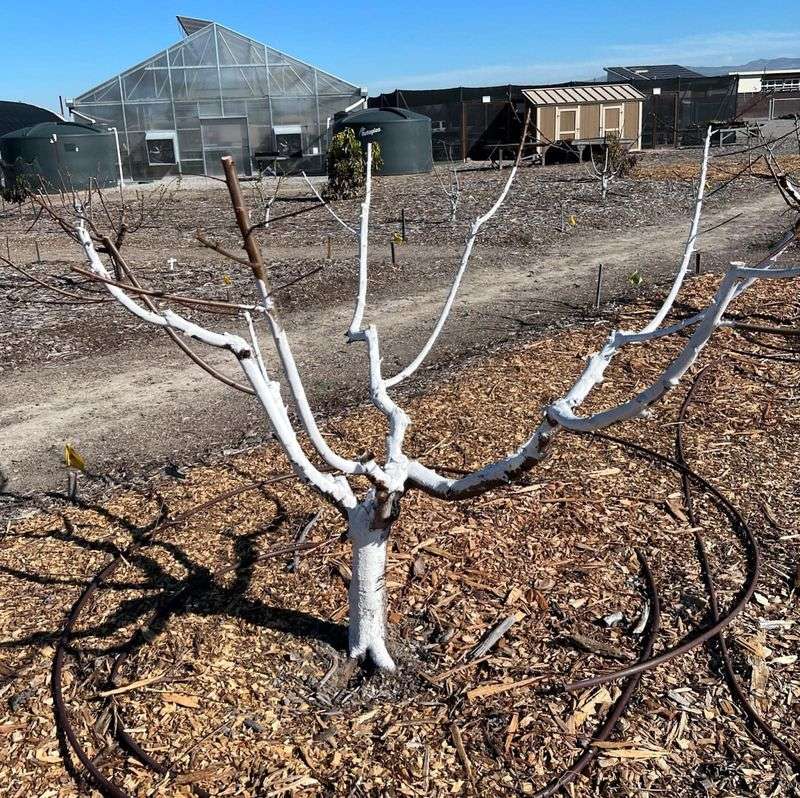
Wrapping young tree trunks with white tree guards or painting them with diluted white latex paint prevents sunscald and frost cracking.
The white surface reflects sunlight and keeps bark temperatures stable, eliminating the deadly freeze-thaw cycle that splits bark.
This simple step takes fifteen minutes per tree and prevents years of damage. Use commercial tree wrap or even white plastic spiral guards, checking them each fall to make sure they are still secure.
Mulching the root zone with four to six inches of organic material insulates soil, reduces freezing depth, and prevents frost heaving. Apply mulch in late fall after the ground has cooled but before it freezes hard.
Wood chips, straw, and shredded leaves all work well. Keep mulch a few inches away from the trunk to discourage rodents from nesting and chewing bark.
Windbreaks are your best investment for long-term orchard health. Even a simple burlap screen on stakes reduces wind speed and drying stress dramatically.
For permanent protection, plant evergreen hedges or install solid fences on the windward side of your orchard. Water trees deeply in late fall before the ground freezes, giving them moisture reserves to draw on during winter.
These methods are proven effective in Eastern Oregon conditions and recommended by Oregon State University Extension for cold-climate fruit growing.
What To Do Before Spring Growth Begins
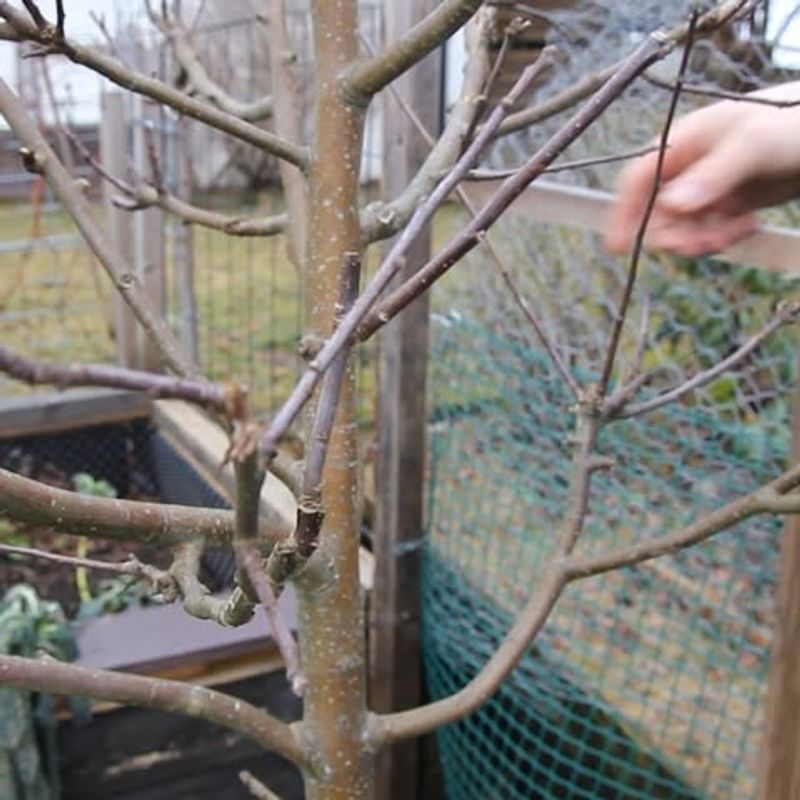
As soon as the weather allows you to work comfortably outside, usually late February or early March, inspect your trees carefully for winter damage. Look for frost cracks in bark, broken branches, and buds that turned brown instead of staying plump and green.
Cut away any damaged wood with clean, sharp pruning tools, making cuts just above a healthy bud or back to the branch collar.
Removing damaged tissue prevents disease from spreading and helps your tree focus energy on healthy growth.
Check trunk wraps and remove them once the danger of hard freezes has passed, usually by mid-March. Leaving wraps on too long can trap moisture and create habitat for insects and disease.
Gently pull back mulch from around the trunk as soil warms, allowing the root crown area to dry out and warm up naturally.
Apply a balanced fertilizer in early spring once soil temperatures reach about forty-five degrees and roots become active again. Avoid fertilizing in late fall because that encourages tender new growth that will be killed by winter cold.
Watch the weather carefully as buds begin to swell, and be ready to protect blossoms if late frosts threaten. Even a simple bedsheet draped over a small tree on a frosty night can save your fruit crop.
Taking these spring steps helps your trees recover from winter stress and sets them up for a productive growing season.