ZZ Plant Care Guide For Growing Indoors In Oregon
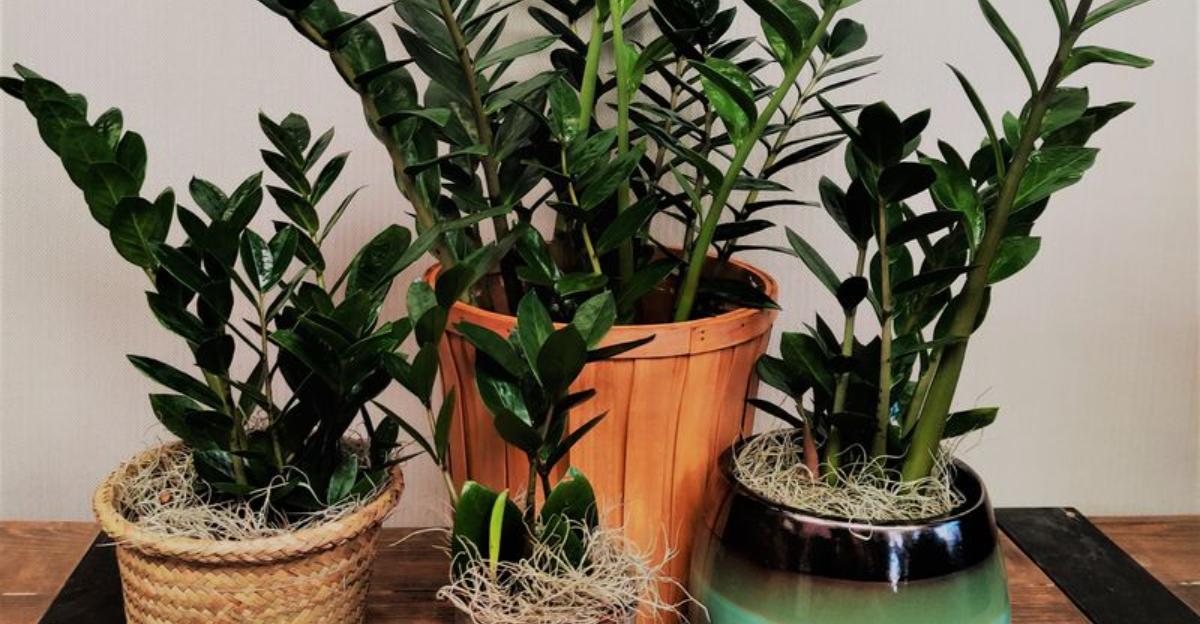
The ZZ plant has a reputation for being almost impossible to mess up — and honestly, it’s earned it. Thick, glossy leaves, slow but steady growth, and a calm “I’ve got this” attitude make it a favorite for Oregon homes, especially during long stretches of cloudy weather.
If you’ve ever wanted a houseplant that doesn’t panic when you forget to water or move it around a bit, the ZZ plant is a solid choice. It handles low light, cooler indoor temperatures, and inconsistent routines better than most.
That makes it perfect for apartments, offices, and those corners that never seem to get full sun.
Still, even easy plants have preferences. Give a ZZ plant the right setup, and it will reward you with stronger growth, richer color, and that clean, modern look people love.
Ignore a few basics, and it may slow down or look less vibrant, not dramatic, just quietly unimpressed.
If you’re growing a ZZ plant in Oregon or thinking about getting one, you’re in the right place. This care guide covers simple, practical tips to help your plant stay healthy indoors all year long, no matter how gray the weather gets outside.
1. Why ZZ Plants Are Perfect For Oregon Homes
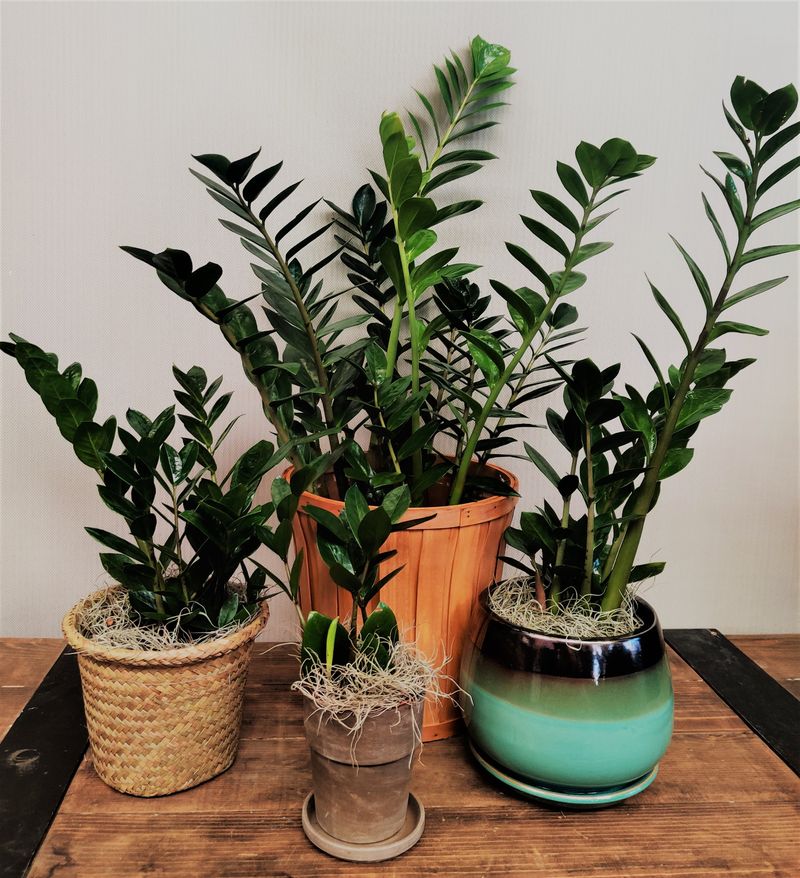
Most houseplants demand bright light and warm rooms, but ZZ plants break that mold entirely. They evolved in East Africa under tree canopies, which means they’re built to handle shade and inconsistent moisture.
That makes them ideal for Oregon’s gray winter months when your living room might not see direct sun for weeks at a time.
Your home probably runs cooler than tropical plant lovers would like, especially if you keep the thermostat around 65 degrees to save on heating bills. ZZ plants don’t mind that at all.
They tolerate temperatures down to about 55 degrees without stress, so you won’t need to crank up the heat or worry about cold corners near windows.
Another bonus is how forgiving they are with watering schedules. If you forget to water for a couple of weeks, your ZZ plant won’t wilt or drop leaves.
The thick rhizomes underground store water like little reservoirs, so the plant can coast through dry spells without drama. That resilience makes them perfect for busy households, first-time plant parents, or anyone who travels occasionally and can’t stick to a rigid watering routine.
2. Understanding Light Needs In Cloudy Oregon Winters
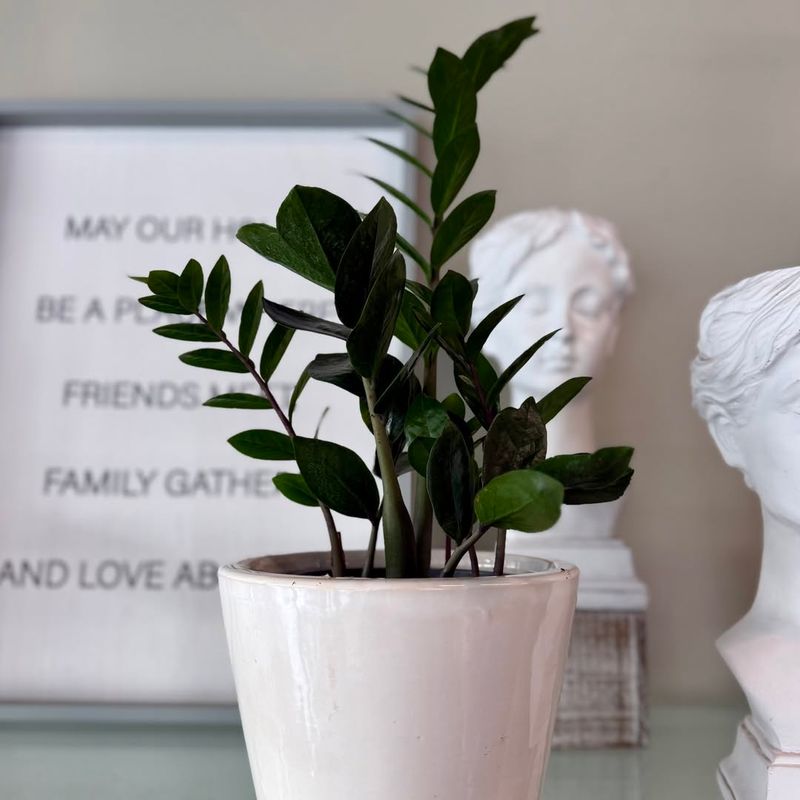
ZZ plants can survive in remarkably low light, but they do best with bright indirect light when you can give it to them. During Oregon’s cloudy winter months, placing your plant near an east or west-facing window usually works well.
The soft filtered light that comes through on overcast days is enough to keep the plant healthy and encourage slow, steady growth.
If your only option is a north-facing window or a room with no direct window access, your ZZ plant will still hang in there. Growth will slow down, and new shoots may take longer to emerge, but the plant won’t decline or lose its vibrant color.
Your Oregon Garden Changes Every Week. Your Plan Should Too.
Gardening in Oregon changes quickly throughout the season. Every Friday you’ll receive a simple weekly plan showing exactly what to plant, prune, fertilize, harvest, and protect so you never miss the right timing.
Just avoid putting it in a completely dark hallway or windowless bathroom for months on end, as even ZZ plants need some ambient light to photosynthesize.
Come spring and summer, you might notice your ZZ plant perking up as daylight hours increase. You don’t need to move it closer to a window or change your care routine.
The plant will naturally respond to the longer days by pushing out fresh stems and deepening its green color, all without any extra effort on your part.
3. How Often To Water A ZZ Plant Indoors
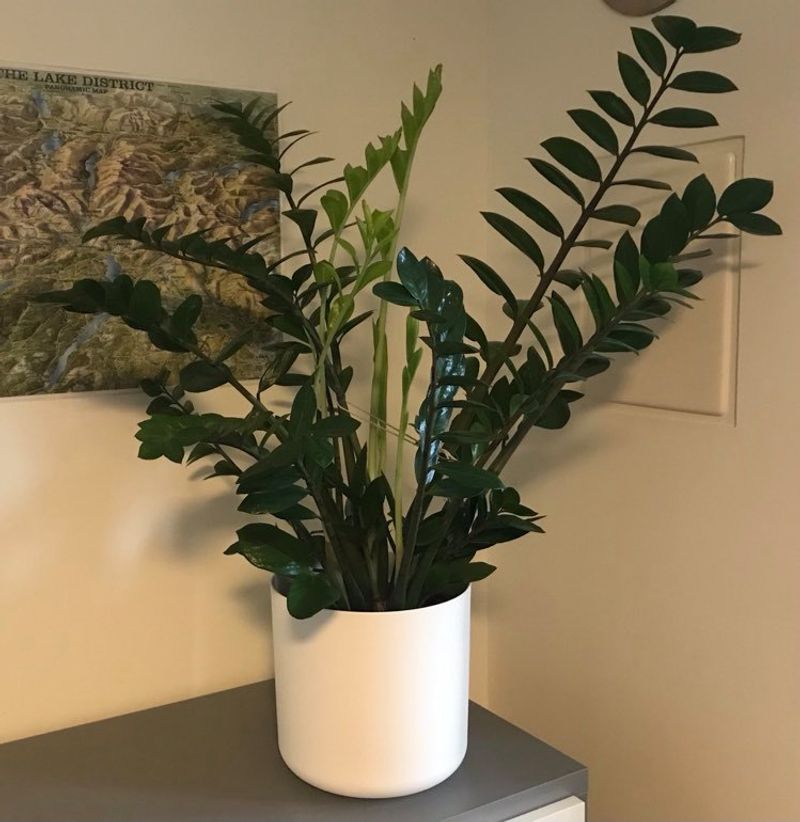
Overwatering kills more ZZ plants than anything else, and Oregon’s cool indoor temps can make the problem worse. When your home stays on the cooler side, soil takes longer to dry out, so you’ll water less often than someone living in a warmer climate.
A good rule of thumb is to let the top two to three inches of soil dry completely before adding more water.
In winter, you might only water once every three to four weeks. That might feel too infrequent, but trust the plant’s biology.
Those thick underground rhizomes hold plenty of moisture, so the plant isn’t thirsty even when the soil feels dry. Stick your finger down into the pot to check moisture levels, or use a moisture meter if you prefer a more precise reading.
During spring and summer, you may need to water every two to three weeks as the plant grows more actively and daylight increases. Always use room-temperature water and pour it slowly until you see a little bit drain out the bottom.
Then dump out any water sitting in the saucer so the roots don’t sit in soggy conditions, which can lead to root rot.
4. Choosing The Right Pot And Soil
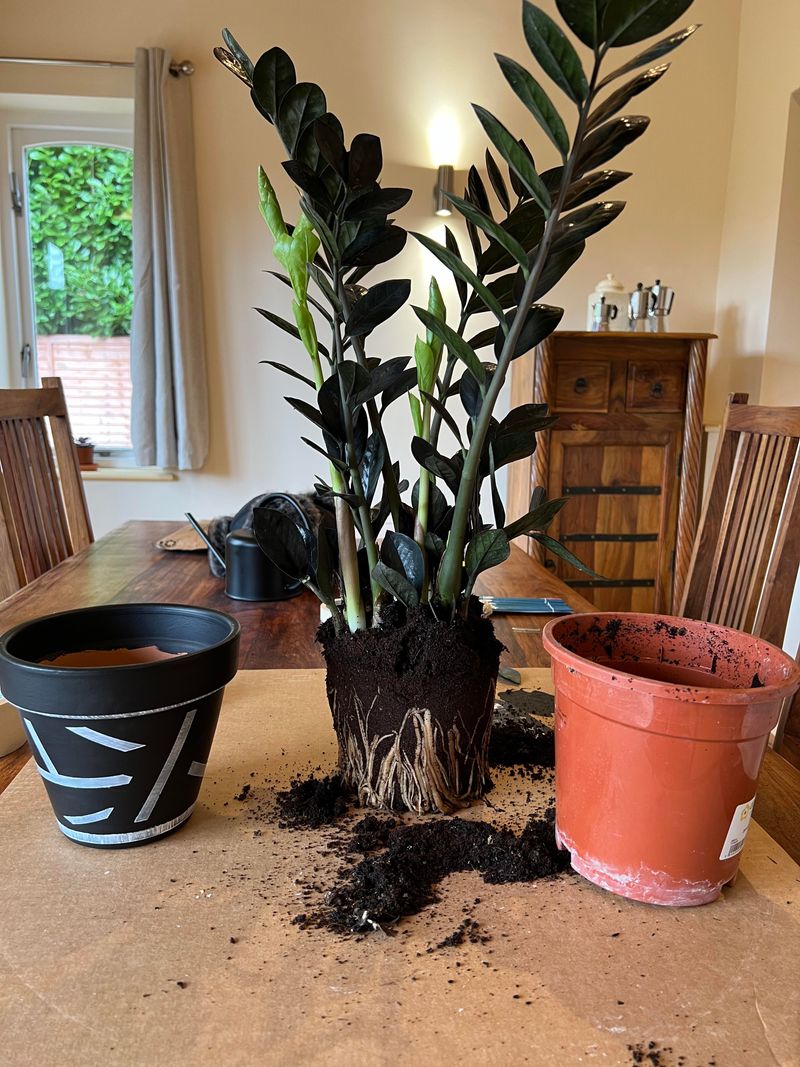
ZZ plants prefer pots with drainage holes at the bottom. Without drainage, excess water pools around the roots and creates the perfect environment for rot.
Terracotta pots work especially well in Oregon because the porous clay allows moisture to evaporate faster, which helps prevent overwatering in our cooler, damper climate.
As for soil, standard potting mix works fine, but you’ll get better results if you add a little extra drainage material. Mix in some perlite, pumice, or coarse sand to keep the soil loose and airy.
This mimics the well-draining conditions ZZ plants enjoy in their native habitat and helps water move through the pot instead of sitting around the roots.
Avoid heavy garden soil or mixes that contain a lot of moisture-retaining additives like vermiculite. Those types of soil stay wet too long in cool Oregon homes and increase the risk of root problems.
If you’re repotting, choose a pot that’s only one or two inches larger in diameter than the current one. ZZ plants don’t mind being slightly rootbound, and a too-large pot holds more soil and moisture than the plant can use.
5. Temperature And Humidity Preferences
ZZ plants handle typical Oregon indoor temperatures without any fuss. They’re comfortable anywhere between 60 and 75 degrees, which covers most homes year-round.
If your house dips into the mid-50s on cold winter nights, your plant will tolerate that just fine as long as it’s not sitting right next to a drafty window or door.
Humidity is rarely an issue in Oregon, especially during fall and winter when our homes naturally stay a bit more humid from rain and cooler outdoor air. ZZ plants don’t need high humidity to thrive, so you won’t need to run a humidifier or mist the leaves.
In fact, misting can sometimes cause water to sit on the leaves too long, which may encourage fungal spots or dust buildup.
During summer, when you might run fans or open windows more often, your indoor humidity can drop a bit. Even then, ZZ plants adapt without complaint.
If you notice the leaf tips browning slightly, it’s usually a sign of inconsistent watering rather than low humidity. Just keep your watering routine steady, and your plant will stay glossy and green all year long.
6. Feeding ZZ Plants Without Overdoing It
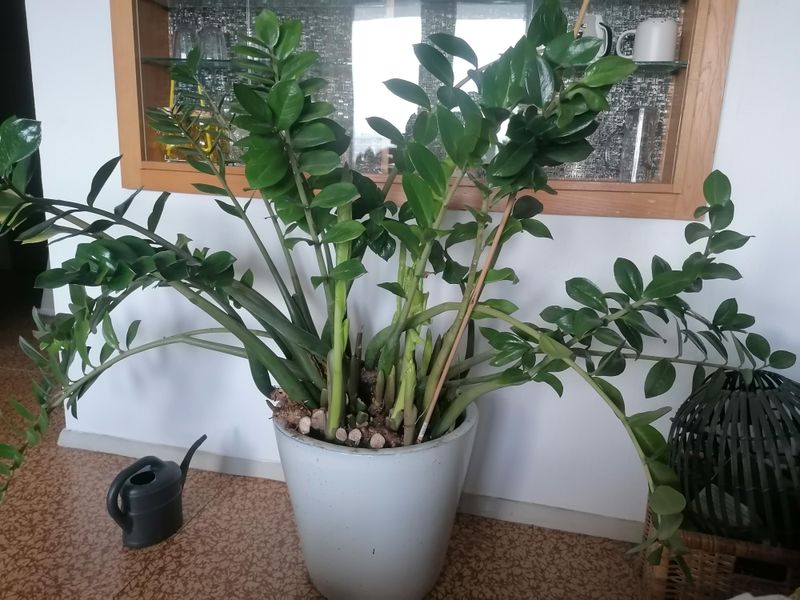
ZZ plants grow slowly and don’t need much fertilizer to stay healthy. In fact, feeding them too often or with too strong a dose can cause more harm than good.
The roots are sensitive to salt buildup from fertilizers, and Oregon’s cooler indoor temps mean the plant isn’t actively growing for much of the year.
A good approach is to fertilize only during the growing season, which in Oregon typically runs from late April through September. Use a balanced liquid houseplant fertilizer diluted to half the recommended strength, and apply it once every four to six weeks.
That’s enough to support healthy new growth without overwhelming the plant’s system.
From October through March, skip fertilizing altogether. Your ZZ plant will be in a semi-dormant state during the cooler, darker months, and it won’t use much nutrients.
Feeding during this time just leads to salt accumulation in the soil, which can burn the roots or cause leaf tips to turn brown. If you’re not sure whether to fertilize, it’s always safer to wait and let the plant coast on its own reserves.
7. Common Problems Oregon Growers Face
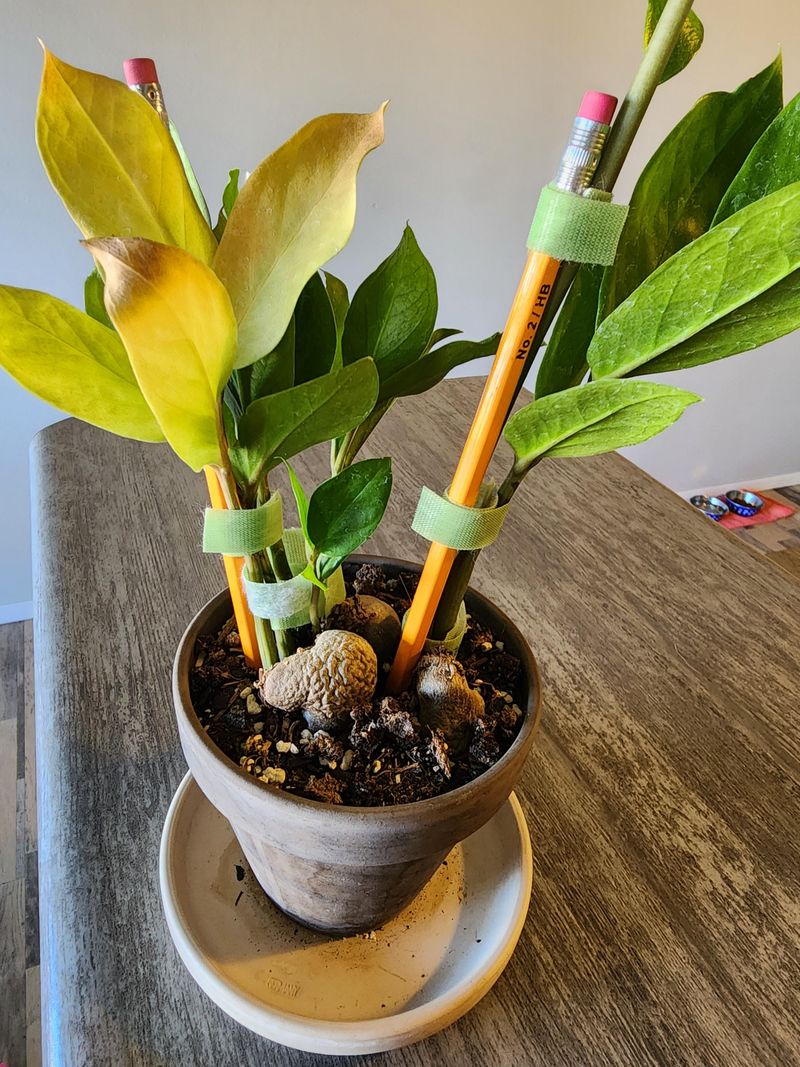
Yellowing leaves usually mean you’re watering too often or the soil isn’t draining well. In Oregon’s cooler homes, wet soil lingers longer, so it’s easy to accidentally overwater even when you think you’re being careful.
If you notice yellow leaves, check the soil moisture and let it dry out completely before watering again. Trim off any mushy or yellow stems at the base to prevent rot from spreading.
Brown leaf tips can show up if your tap water is high in chlorine or fluoride, which some Oregon municipal systems use. Letting your water sit out overnight before using it can help those chemicals evaporate.
Alternatively, switch to filtered or distilled water if the problem persists.
Slow or stunted growth is normal during winter, but if your plant hasn’t grown at all in over a year, it might be rootbound or sitting in soil that’s too compacted. Check the roots by gently sliding the plant out of its pot.
If you see thick rhizomes circling the bottom, it’s time to repot. Otherwise, just be patient and give the plant time to adjust to your home’s rhythm.
8. How To Encourage Healthy New Growth
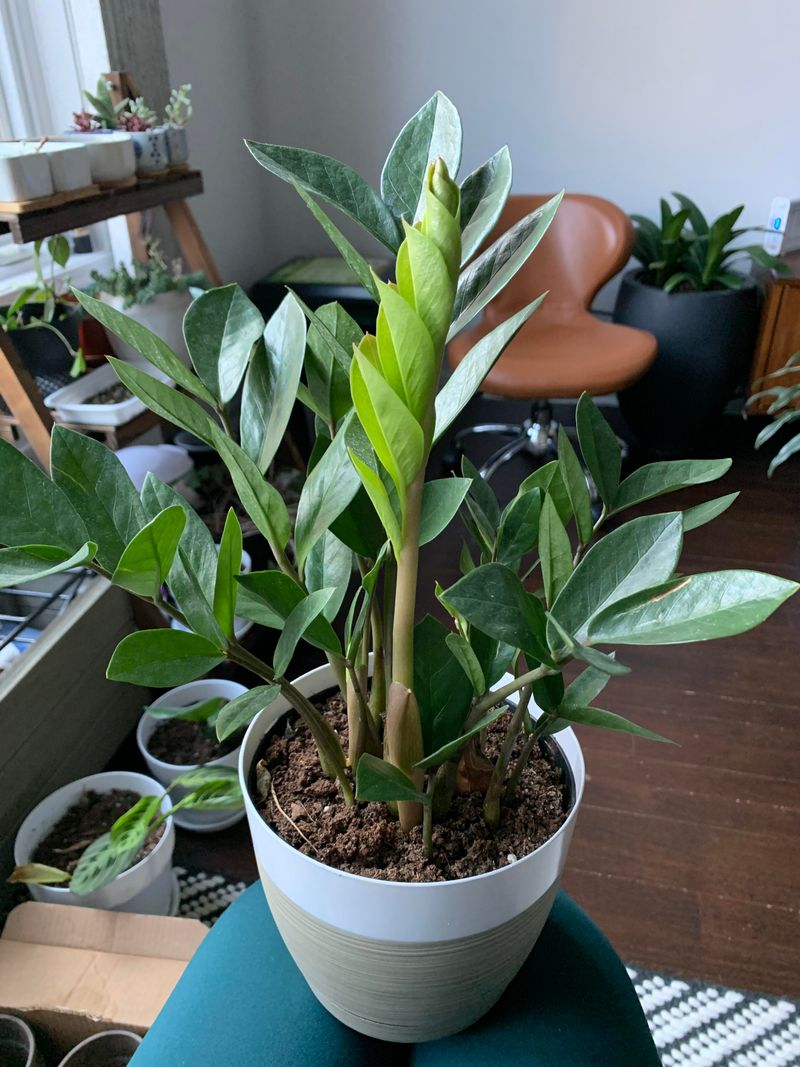
ZZ plants grow from underground rhizomes, sending up new stems when conditions are right.
You’ll usually see fresh shoots emerge in late spring or early summer when daylight increases and your home warms up a bit.
These new stems start out light green and gradually darken as they mature, adding fresh fullness to the plant.
To support this growth, make sure your plant is getting enough light. Move it closer to a window during the growing season if it’s been sitting in a dim corner all winter.
You don’t need to blast it with direct sun, but a little more brightness will signal the plant to put energy into new shoots.
Consistent watering also helps. During the active growing months, keep the soil lightly moist but never soggy.
Pair that with a diluted fertilizer application every four to six weeks, and your ZZ plant will reward you with several new stems over the course of the season. Don’t expect rapid growth like you’d see with a pothos or philodendron.
ZZ plants take their time, but that slow, steady growth is part of what makes them so low-maintenance and long-lived.