Why Arizona Gardeners Propagate Roses Now
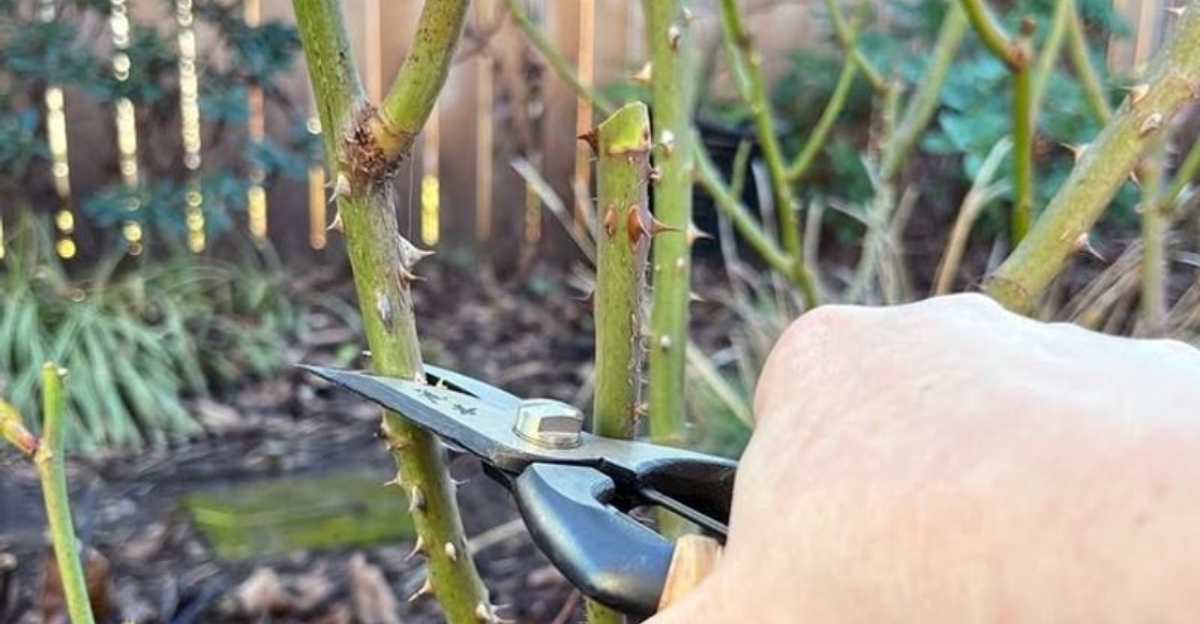
Arizona gardeners know timing is everything, and right now is one of the best moments to propagate roses. Warm days, mild nights, and strong sunlight create the perfect conditions for new cuttings to take root.
Start now, grow more roses later. This simple step can multiply your favorite plants fast.
Propagating roses saves money and builds a fuller garden at the same time. More roses, less spending.
And yes, beginners can do this too. With just a few basic tools and the right method, healthy new plants can form in weeks.
Arizona’s climate gives gardeners a big advantage when it comes to root growth and fast establishment. When you act at the right time, cuttings stay strong and adapt quickly.
If you want bigger rose displays, stronger plants, and better results this season, now is the moment to get started. The sooner you begin, the better your garden will look later.
1. Perfect Temperature Conditions Support Root Development
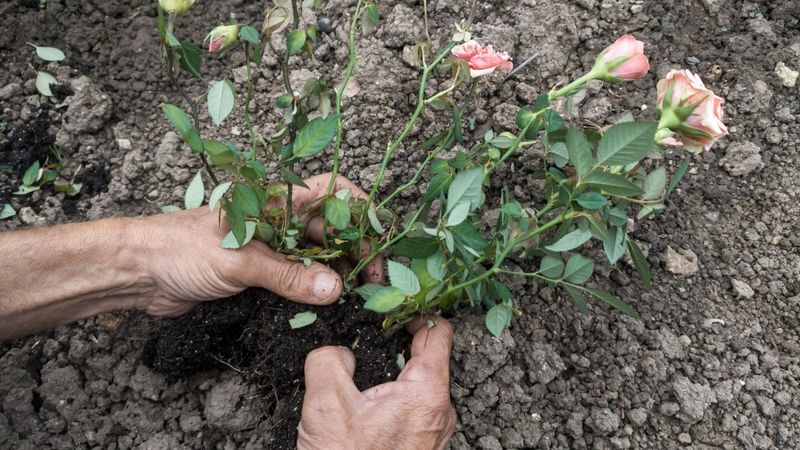
Arizona’s fall and early winter months bring temperatures that create ideal conditions for rose cuttings to develop strong root systems.
When daytime highs settle between 70 and 85 degrees Fahrenheit, and nighttime temperatures drop into the comfortable 50s and 60s, rose cuttings experience less stress compared to the scorching summer months.
This temperature range allows the plant tissue to focus energy on growing roots rather than struggling to survive extreme heat.
The cooler weather also means less water evaporation from both the soil and the cutting itself. In Arizona’s typically dry climate, this becomes especially important because new cuttings need consistent moisture to establish themselves.
When you propagate during these moderate months, you won’t need to water as frequently, and the cuttings face less risk of drying out before roots form.
Root development happens more reliably when temperatures stay steady without dramatic swings. The stable conditions from October through February give cuttings several months to establish strong root systems before the intense heat returns.
By the time summer arrives in Arizona, your propagated roses will have mature roots capable of accessing deeper soil moisture.
Many gardeners in Phoenix and Tucson report higher success rates when they take cuttings during this cooler period. The plants seem to transition more smoothly from cutting to independent plant.
This timing takes advantage of Arizona’s unique climate patterns, turning what could be a challenging environment into an opportunity for successful propagation.
2. Lower Disease Pressure During Cooler Months
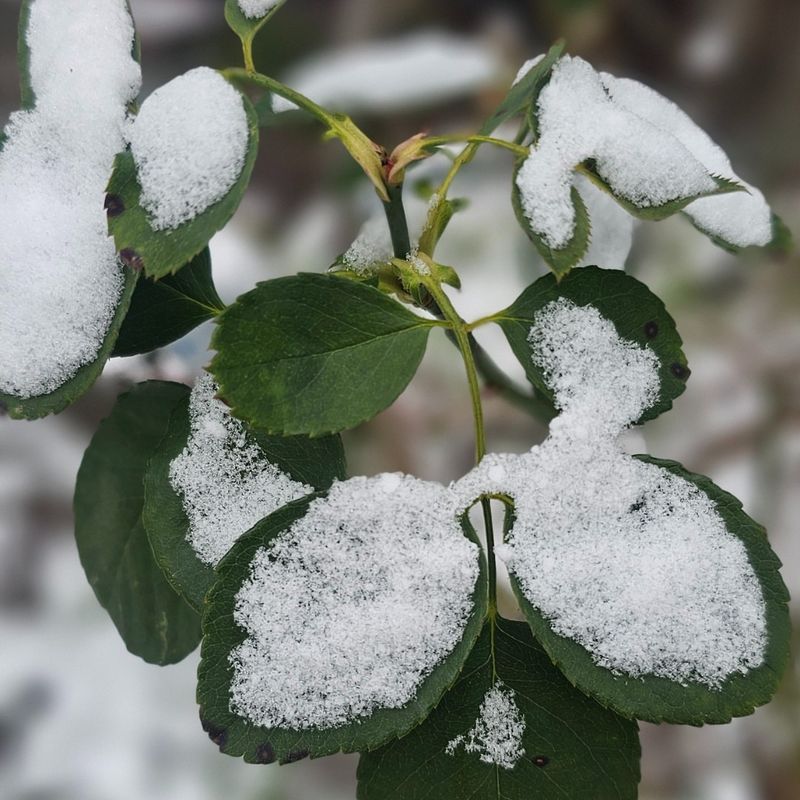
Fungal diseases and bacterial infections pose significantly less threat to rose cuttings during Arizona’s cooler seasons. When temperatures drop and humidity levels remain low, the pathogens that typically attack vulnerable new growth become far less active.
This natural reduction in disease pressure gives your cuttings a much better chance of surviving those critical first weeks when they’re most vulnerable.
Black spot, powdery mildew, and other common rose diseases thrive in warm, humid conditions.
Arizona gardeners who propagate during summer months often struggle with these issues because the combination of heat and irrigation creates perfect conditions for disease. Propagating now means you avoid this problematic window entirely.
Your Arizona Garden Changes Every Week. Your Plan Should Too.
Gardening in Arizona changes quickly throughout the season. Every Friday you’ll receive a simple weekly plan showing exactly what to plant, prune, fertilize, harvest, and protect so you never miss the right timing.
Fresh cuttings have open wounds where you made the cut, and these spots can become entry points for infections.
Cooler temperatures slow down bacterial and fungal growth, giving the cutting time to callus over and begin root development before pathogens can establish themselves. This natural protection reduces the need for chemical treatments or constant monitoring.
The dry air common throughout Arizona during fall and winter actually works in your favor when propagating roses. While you need to maintain soil moisture around the cuttings, the overall low humidity in the environment discourages disease organisms from spreading.
Gardeners in Scottsdale and Mesa find that cuttings taken during these months require far less intervention and show healthier growth patterns compared to summer attempts.
3. Mother Plants Enter Dormancy For Safe Cutting
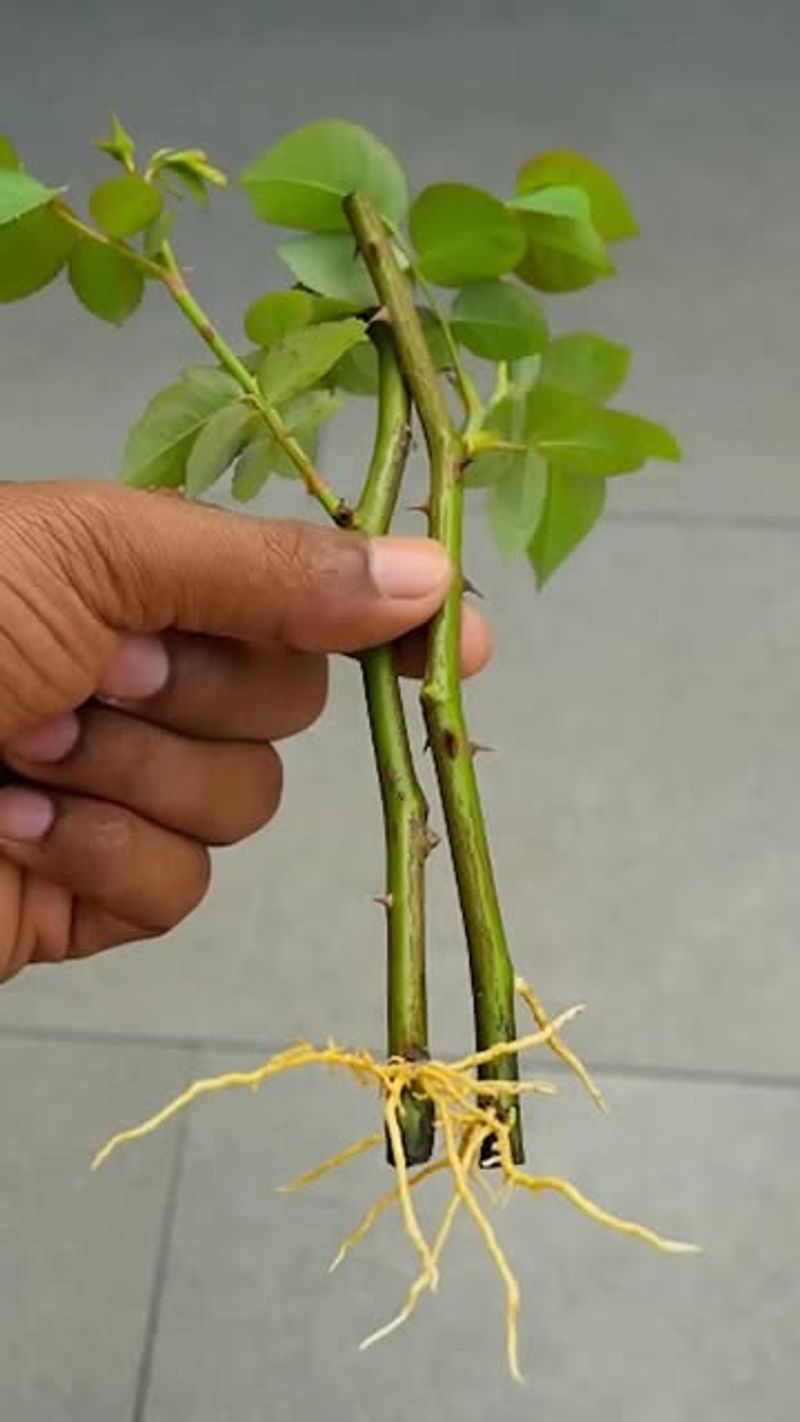
Timing your propagation to coincide with the mother plant’s natural dormancy period protects both the parent rose and increases cutting success.
As Arizona roses slow their growth during cooler months, they redirect energy from producing new blooms to strengthening their root systems and storing nutrients. Taking cuttings during this phase causes minimal stress to the established plant.
When you remove stems from an actively growing rose during hot months, the plant must work hard to heal the wound while also managing heat stress and maintaining flowers. This double burden can weaken even healthy roses.
Propagating during dormancy means the mother plant can easily spare a few stems without compromising its health or next season’s bloom production.
Dormant or semi-dormant stems also contain different hormone levels that actually favor root development in cuttings. The plant tissue holds stored energy and growth hormones that help new roots form more readily.
Arizona gardeners working with roses that enter partial dormancy during winter months can take advantage of this natural biological state.
The wood on dormant stems tends to be more mature and firm, which generally produces stronger cuttings compared to the soft, succulent growth of summer. These hardwood cuttings root more slowly but create more robust plants.
Throughout Arizona, from Flagstaff to Yuma, gardeners find that cuttings taken from semi-dormant plants establish themselves more reliably and grow into healthier specimens over time.
4. Extended Root Establishment Before Summer Heat
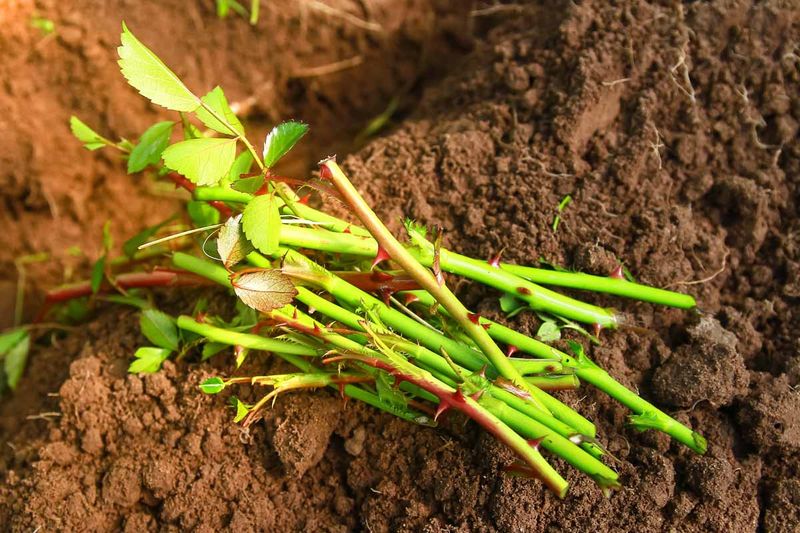
Starting propagation now gives your new rose plants several months to develop extensive root systems before facing Arizona’s brutal summer temperatures.
Roses that enter summer with well-established roots can access moisture from deeper soil layers and withstand heat stress much more effectively than newly rooted plants.
This head start often makes the difference between a thriving rose and one that barely survives its first summer.
Root development happens gradually, and roses need time to grow beyond the initial small roots into a network capable of supporting the entire plant.
When you propagate in fall or early winter, your cuttings have from four to six months of moderate weather to focus entirely on root growth.
By May or June, when temperatures in Phoenix and Tucson regularly exceed 100 degrees, your propagated roses will have roots reaching 12 to 18 inches deep.
Young plants with shallow roots struggle terribly during Arizona summers because surface soil dries out quickly despite regular watering. These plants show stress symptoms like wilting, leaf drop, and stunted growth.
Contrast this with roses propagated earlier that have had time to establish deep roots. These plants remain vigorous throughout summer, continue producing blooms, and require less frequent watering.
The extended establishment period also allows you to gradually acclimate your new plants to outdoor conditions.
You can start cuttings in a protected area, then slowly expose them to more sun and heat as they strengthen. This gentle transition prepares propagated roses for the challenges ahead.
5. Water Conservation Through Adapted Plants
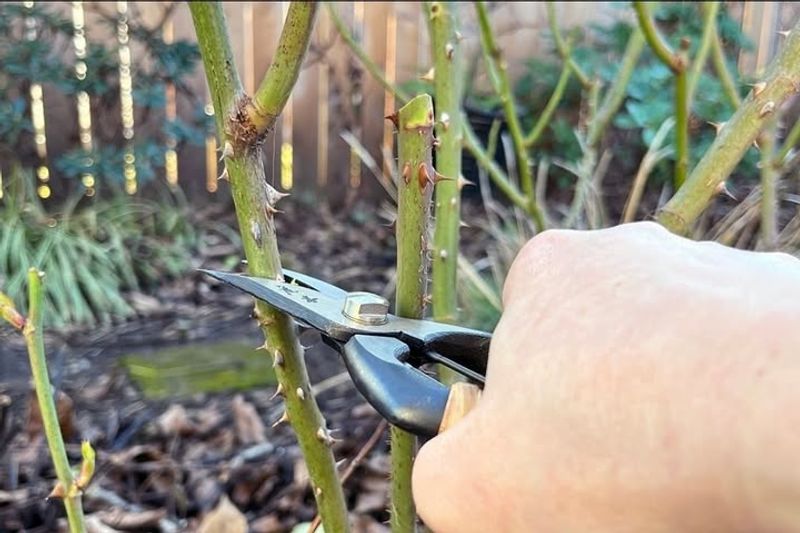
Roses propagated from plants already thriving in Arizona gardens inherit traits that help them use water more efficiently in desert conditions.
When you take cuttings from a mother plant that has successfully adapted to local soil, water availability, and climate patterns, you’re essentially cloning those survival characteristics.
This creates roses naturally better suited to water-wise gardening practices increasingly important throughout Arizona.
Purchasing roses from nurseries often means getting plants bred and raised in different climates with different water availability. These roses may expect regular moisture and struggle to adjust to Arizona’s water conservation needs.
Propagated roses from local parent plants already understand the environment and have developed strategies for thriving with less frequent watering.
The adaptation goes beyond just drought tolerance. Locally propagated roses develop root systems that efficiently explore Arizona’s specific soil types, whether that’s caliche-laden ground in Phoenix or sandy soils in other regions.
They’ve learned to maximize every drop of water you provide, sending roots where moisture accumulates and developing leaf structures that minimize water loss.
As water costs rise and conservation becomes more critical across Arizona, having roses that perform well without excessive irrigation makes practical and environmental sense.
Gardeners in Tempe and Chandler report that their propagated roses need 30 to 40 percent less supplemental watering compared to nursery purchases.
These adapted plants still produce beautiful blooms while respecting Arizona’s precious water resources and helping you maintain a sustainable garden.
6. Cost Savings And Variety Expansion Opportunities
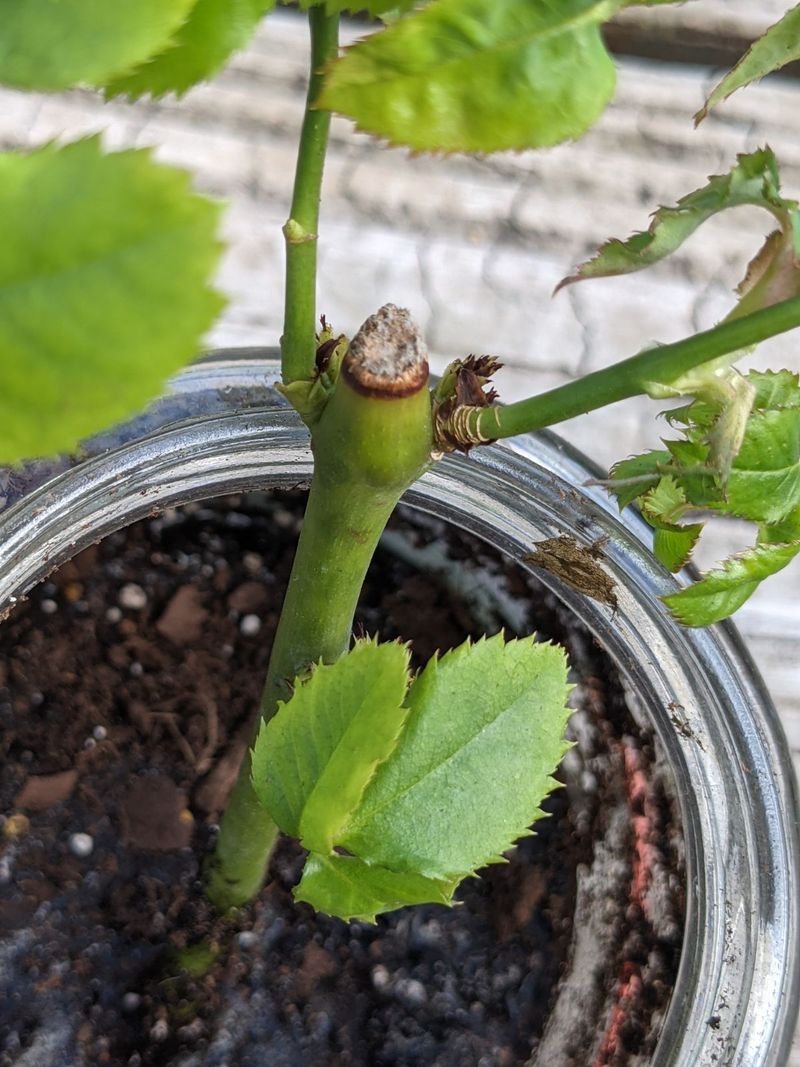
Propagating roses costs practically nothing compared to purchasing established plants from nurseries, and this becomes especially valuable when you want to expand your garden or try multiple varieties.
A single healthy rose bush can provide dozens of cuttings over several years, essentially giving you free plants that would otherwise cost $15 to $40 each.
For Arizona gardeners working with larger spaces or wanting to create rose hedges, this financial advantage adds up quickly.
Beyond saving money, propagation lets you share favorite varieties with friends and neighbors throughout Arizona. When you discover a rose that performs exceptionally well in your specific microclimate, you can easily multiply it and spread those successful genetics.
This community sharing helps identify which varieties truly excel in different Arizona regions, creating a network of proven performers.
Many heirloom and antique rose varieties aren’t readily available at local nurseries but exist in established Arizona gardens. Propagation provides the only practical way to obtain these plants.
Gardeners passionate about preserving older varieties or seeking roses with specific characteristics like intense fragrance or particular colors can access these through propagation when commercial sources don’t carry them.
The process also lets you experiment without significant financial risk. Want to try growing roses in a challenging spot or test a new training method?
Use propagated plants rather than expensive nursery purchases. If the experiment fails, you’ve lost only time and effort, not a substantial investment.
This freedom to experiment helps Arizona gardeners discover innovative approaches to rose growing in desert conditions.