9 Best Plants For Attracting Birds And Pollinators In Oregon
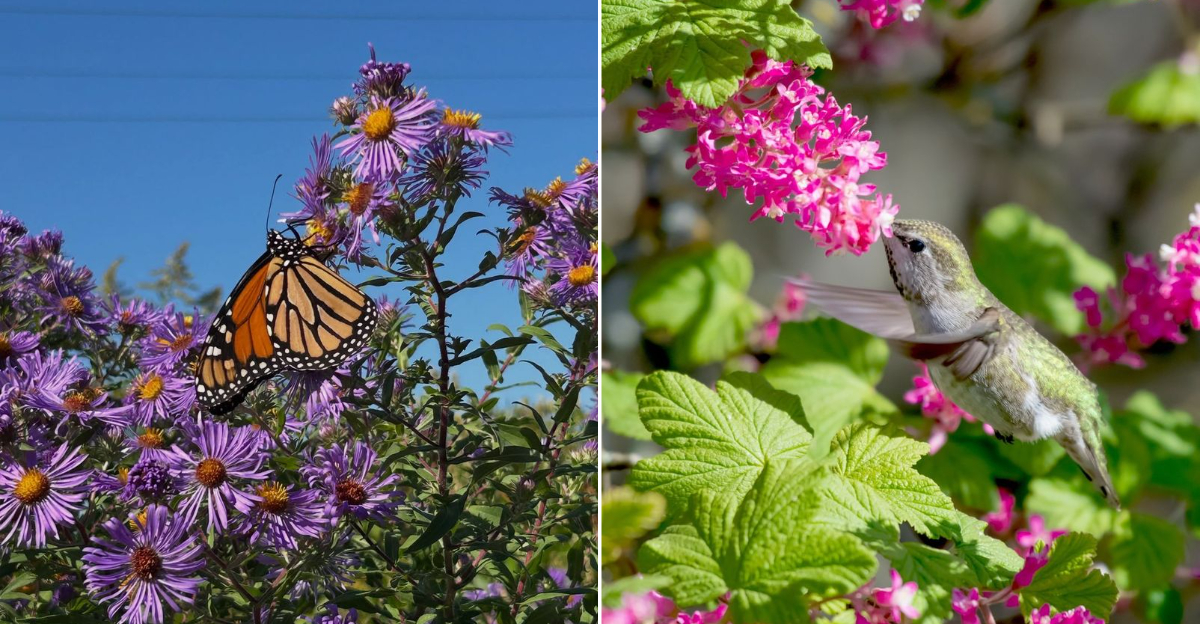
Ever notice a little flurry of wings or a hummingbird hovering near your garden and think, “Where did you come from?”
It’s one of those tiny, happy moments that can make even a quiet afternoon feel lively. If you’ve been wanting to invite more of those feathered friends and some buzzing pollinators into your yard, you’re not alone.
A few carefully chosen plants can make a big difference, and the good news is you don’t need a huge space or a green thumb to get started.
Oregon’s climate gives us some fantastic options that thrive locally and keep birds and pollinators coming back season after season.
From bright blooms that catch the eye of bees to berries that songbirds can’t resist, there are plenty of choices that are both beautiful and helpful for wildlife.
Think of it as a little experiment in your own backyard. Which flowers will attract the most hummingbirds?
Which shrubs become a favorite spot for butterflies? It’s easy, enjoyable, and a great way to connect with nature even if your gardening experience is mostly “I hope this survives the winter.”
Let’s take a look at nine plants that can bring your garden to life and make your outdoor space a welcoming home for pollinators and birds alike.
1. Red Flowering Currant
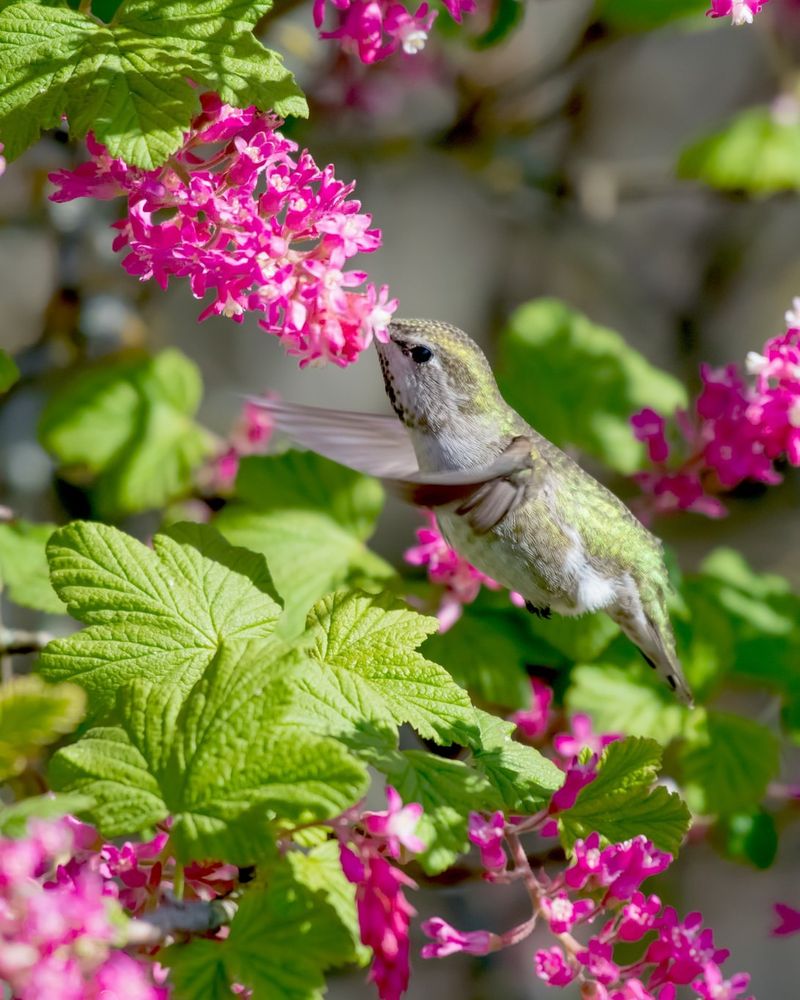
Early spring brings a burst of pink and red blooms that hummingbirds absolutely adore. Red flowering currant is one of Oregon’s native shrubs, and it starts blooming when many other plants are still waking up from winter.
This early timing makes it a critical food source for migrating hummingbirds who arrive hungry and ready to refuel.
The tubular flowers dangle in clusters, making them easy for hummingbirds to spot and access. Bees and butterflies also visit these blossoms, collecting nectar and pollen.
After the flowers fade, small berries appear that birds like robins and waxwings love to snack on.
This shrub grows well in partial shade or full sun, making it adaptable to different spots in your yard. It can reach about six to ten feet tall, so it works nicely as a backdrop or a natural privacy screen.
Red flowering currant doesn’t need much water once established, which is great for Oregon’s dry summers.
Planting this shrub means you’re supporting native wildlife with minimal effort. It’s hardy, beautiful, and serves multiple purposes throughout the seasons.
Whether you’re new to gardening or experienced, red flowering currant is a reliable choice that brings color and life to your outdoor space.
2. Oregon Grape
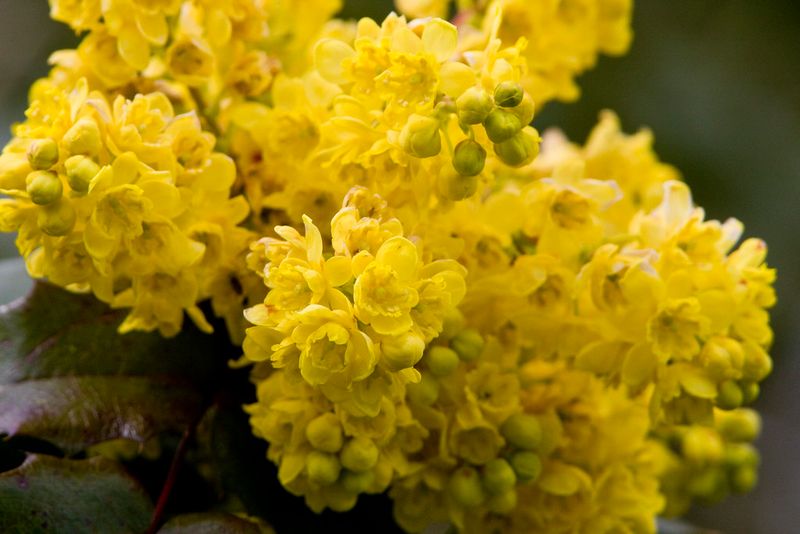
Bright yellow flowers appear in early spring, standing out against glossy, holly-like leaves that stay green all year. Oregon grape is the state flower and a fantastic addition to any wildlife garden.
The blooms attract early-season bees who are just starting to emerge from their winter rest.
After flowering, clusters of blue-purple berries develop that birds find irresistible. Robins, towhees, and band-tailed pigeons all enjoy these tart fruits.
The berries are also edible for humans, though they’re quite sour and better suited for jams or jellies.
Your Oregon Garden Changes Every Week. Your Plan Should Too.
Gardening in Oregon changes quickly throughout the season. Every Friday you’ll receive a simple weekly plan showing exactly what to plant, prune, fertilize, harvest, and protect so you never miss the right timing.
This evergreen shrub tolerates shade well, making it perfect for those tricky spots under trees where other plants struggle. Oregon grape grows low to the ground, usually staying under three feet tall, so it works great as ground cover or along pathways.
It’s drought-tolerant once established and requires very little maintenance.
The spiky leaves provide shelter for small birds and insects, adding another layer of habitat value. Oregon grape also has a long history of use by indigenous peoples for food and medicine.
Planting this native shrub connects your garden to Oregon’s natural heritage while supporting local wildlife populations throughout the year.
3. Salal
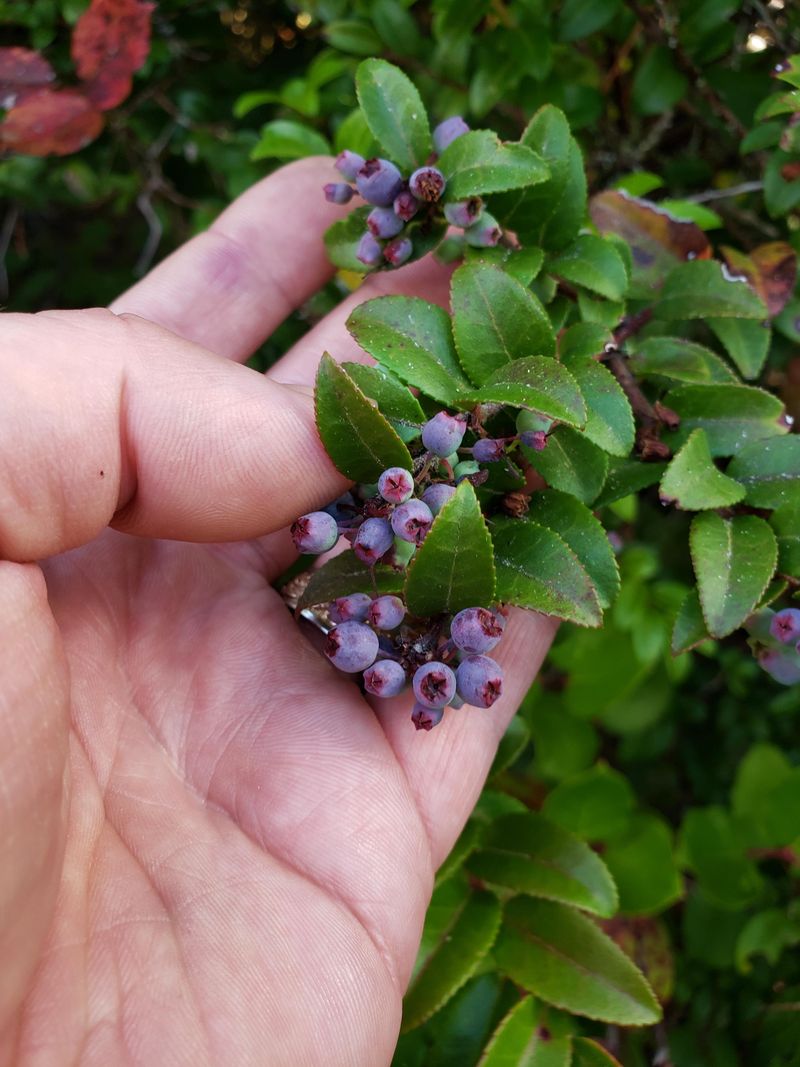
Clusters of small, bell-shaped pink or white flowers dangle beneath shiny evergreen leaves in late spring. Salal is a Pacific Northwest native that thrives in shady, moist conditions where many other plants won’t grow.
Bees and hummingbirds both visit these delicate blooms for nectar.
The real wildlife value shows up in late summer when dark purple berries ripen. These berries are a favorite of band-tailed pigeons, thrushes, and other songbirds.
Black bears also enjoy them, though you probably won’t see bears in most urban gardens.
Salal grows as a dense shrub, usually reaching three to six feet tall, and it spreads slowly to form thick patches. This makes it excellent for creating natural hedges or filling in difficult shady areas.
The evergreen foliage provides year-round cover for small birds and beneficial insects.
Indigenous peoples of the Pacific Northwest have harvested salal berries for thousands of years, and the leaves are still used in floral arrangements today. This plant requires minimal care once established and handles Oregon’s wet winters and dry summers with ease.
Adding salal to your garden means you’re planting a piece of regional history while supporting local ecosystems.
4. Western Columbine
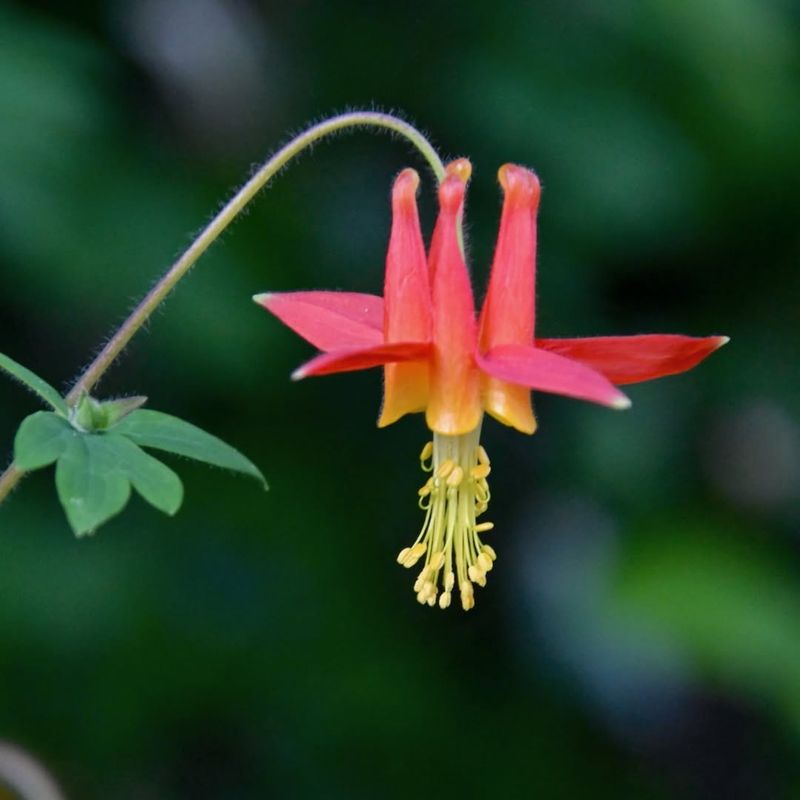
Nodding red and yellow flowers with distinctive spurs create a striking display that hummingbirds can’t resist. Western columbine is a native perennial wildflower that blooms from late spring through early summer.
The unique flower shape is perfectly designed for hummingbird beaks, making it one of their favorite nectar sources.
This plant grows well in partial shade and prefers slightly moist soil, making it ideal for woodland garden settings. Western columbine typically reaches about two to three feet tall, with delicate foliage that adds texture even when not in bloom.
Bumblebees also visit these flowers, though they sometimes chew through the spurs to reach the nectar.
After flowering, seed pods develop that finches and other small birds enjoy. The seeds also self-sow readily, so you might find new columbine plants popping up in your garden each year.
This natural reseeding helps establish a sustainable population without extra effort on your part.
Western columbine has been a favorite of gardeners and wildlife alike for generations. It’s deer-resistant and relatively easy to grow from seed or transplants.
Adding this colorful native to your garden brings vertical interest and attracts some of Oregon’s most beautiful pollinators throughout the growing season.
5. Camas
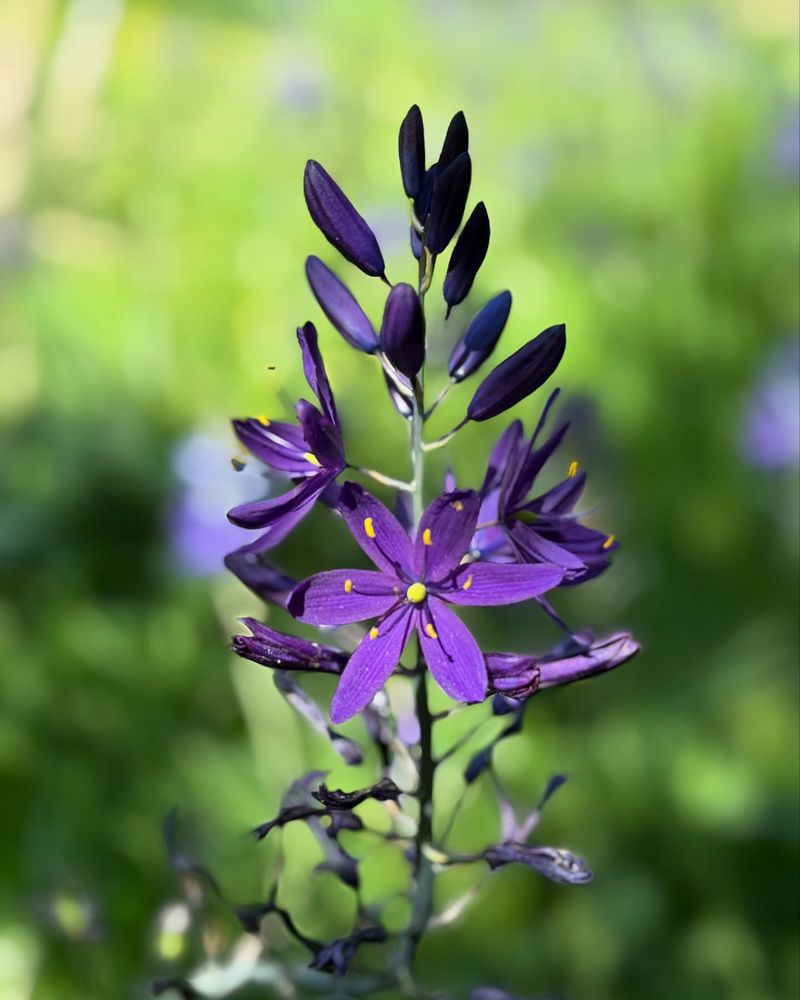
Spikes of star-shaped blue-purple flowers create stunning displays in late spring, resembling a miniature field of lavender. Camas is a native bulb that once covered vast meadows throughout Oregon’s valleys.
These flowers attract a wide variety of native bees, butterflies, and other pollinators who appreciate the abundant nectar and pollen.
Camas grows best in areas that are moist in spring but dry out by summer, mimicking its natural meadow habitat. The plants reach about one to two feet tall when blooming.
After flowering, the foliage gradually fades as the bulbs go dormant for the summer months.
Indigenous peoples of the Pacific Northwest cultivated and harvested camas bulbs as a major food source for thousands of years. The bulbs are edible when properly cooked, though they’re toxic if eaten raw.
Today, camas is valued more for its ecological and ornamental benefits than as a food crop.
Planting camas helps restore native meadow ecosystems and supports specialist pollinators that have evolved alongside these flowers. The bulbs naturalize over time, spreading to create larger patches each year.
If you have a spot that stays moist in spring, camas is an excellent choice that connects your garden to Oregon’s natural and cultural history.
6. Serviceberry
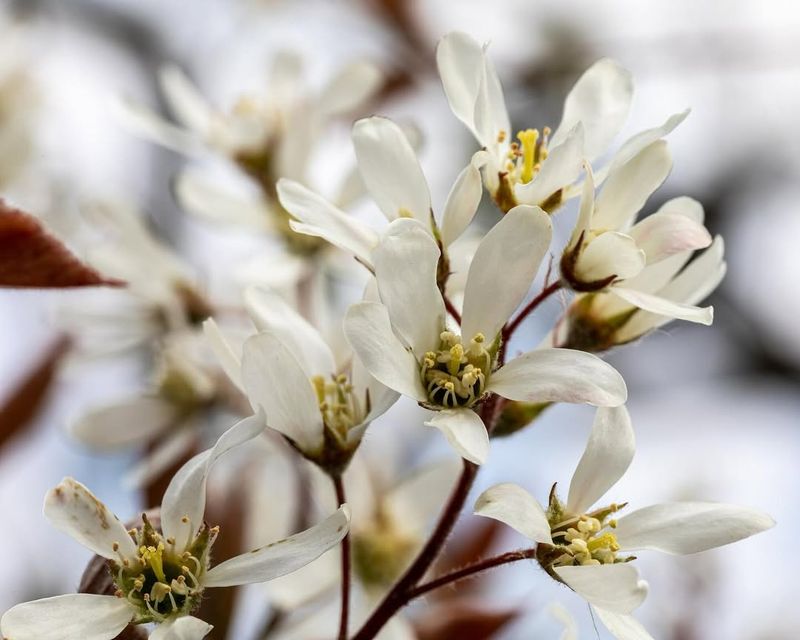
Clouds of white blossoms appear in early spring, often before the leaves fully emerge, creating a stunning display. Serviceberry is a small native tree or large shrub that provides food and habitat throughout the year.
The early flowers attract native bees and other pollinators who are active on warm spring days.
By early summer, small purple berries ripen that taste similar to blueberries with a hint of almond. Birds go crazy for these fruits, including robins, cedar waxwings, and thrushes.
Humans can also eat them fresh or use them in pies, jams, and baked goods.
Serviceberry typically grows ten to twenty feet tall, making it perfect for smaller yards or as an understory tree. The leaves turn beautiful shades of orange and red in fall, adding seasonal interest.
In winter, the smooth gray bark and branching structure provide visual appeal even without leaves.
This tree is relatively low-maintenance and adapts to various soil types as long as drainage is decent. Serviceberry also tolerates both sun and partial shade, giving you flexibility in placement.
Planting this native means you’re creating a four-season food source for wildlife while enjoying fresh berries yourself. It’s a true multi-purpose addition to any Oregon garden.
7. Penstemons
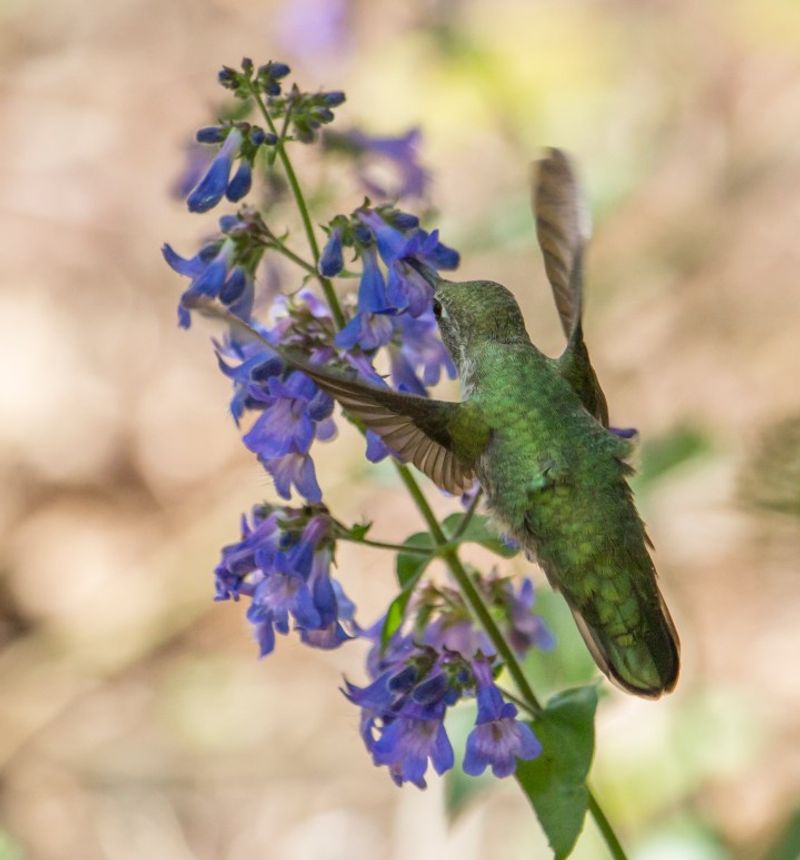
Tubular flowers in shades of blue, purple, pink, or red line sturdy stems that rise above low-growing foliage. Penstemons are a diverse group of native wildflowers that bloom from late spring through summer.
Hummingbirds are especially fond of these flowers, often visiting them repeatedly throughout the day.
Different penstemon species grow in various habitats across Oregon, from coastal areas to high mountain meadows. Most prefer well-drained soil and full sun, making them excellent choices for rock gardens or dry slopes.
The flowers attract not only hummingbirds but also bumblebees, butterflies, and other beneficial insects.
Penstemons typically grow one to three feet tall, depending on the species, and form clumps that expand slowly over time. The foliage stays low and tidy, with flower stalks rising above in dramatic spikes.
After blooming, the seed heads provide food for finches and other seed-eating birds.
These plants are drought-tolerant once established, making them perfect for Oregon’s dry summer months. Many penstemon species are also deer-resistant, which is a bonus if you live in areas where deer browse gardens.
Planting a variety of penstemon species extends the bloom period and provides consistent nectar sources for pollinators. They’re tough, beautiful, and truly embody the spirit of Oregon’s native flora.
8. Oceanspray
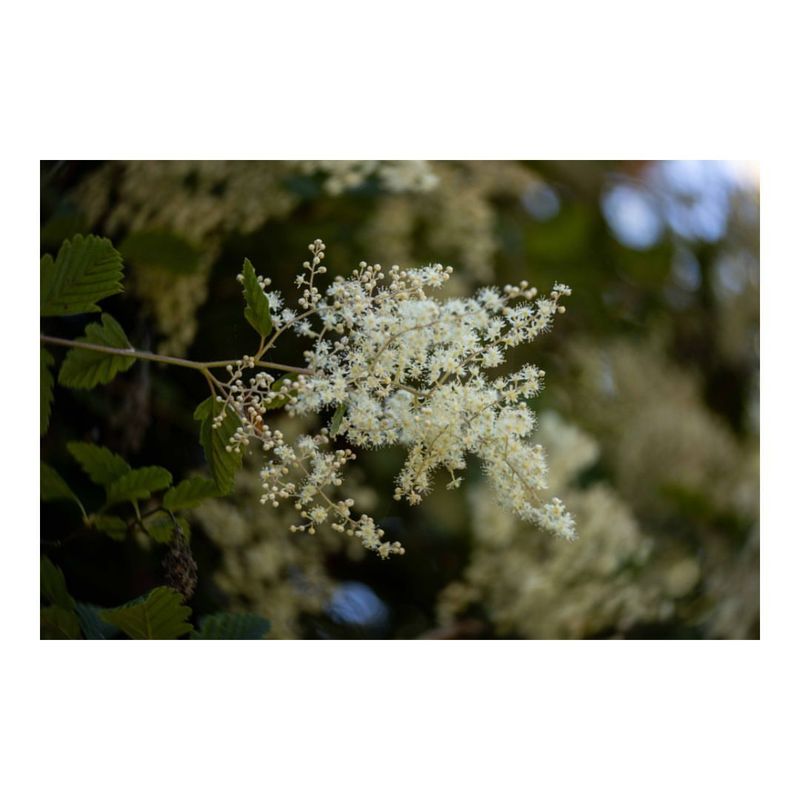
Cascading clusters of creamy white flowers create a foamy appearance that gives this shrub its common name. Oceanspray blooms in late spring and early summer, producing masses of tiny flowers that attract butterflies, bees, and other pollinators.
The sweet fragrance adds another sensory dimension to your garden during bloom time.
This native shrub grows vigorously, reaching six to twelve feet tall and spreading into thickets if given space. The arching branches create a graceful form that works well as a backdrop or informal hedge.
After flowering, the dried flower clusters persist into fall, turning rusty brown and adding winter interest.
Birds use oceanspray for nesting sites and shelter throughout the year. The dense branching structure provides excellent cover for small songbirds raising their young.
While the plant doesn’t produce fleshy berries, the seeds provide some food for birds, and the insects attracted to the flowers become prey for insect-eating species.
Oceanspray tolerates a wide range of conditions, from full sun to partial shade and various soil types. It’s drought-tolerant once established but also handles moist areas reasonably well.
Indigenous peoples used the straight, tough stems for making arrows and other tools. Planting oceanspray adds structure, beauty, and wildlife value to your Oregon garden with minimal maintenance required.
9. Douglas Aster
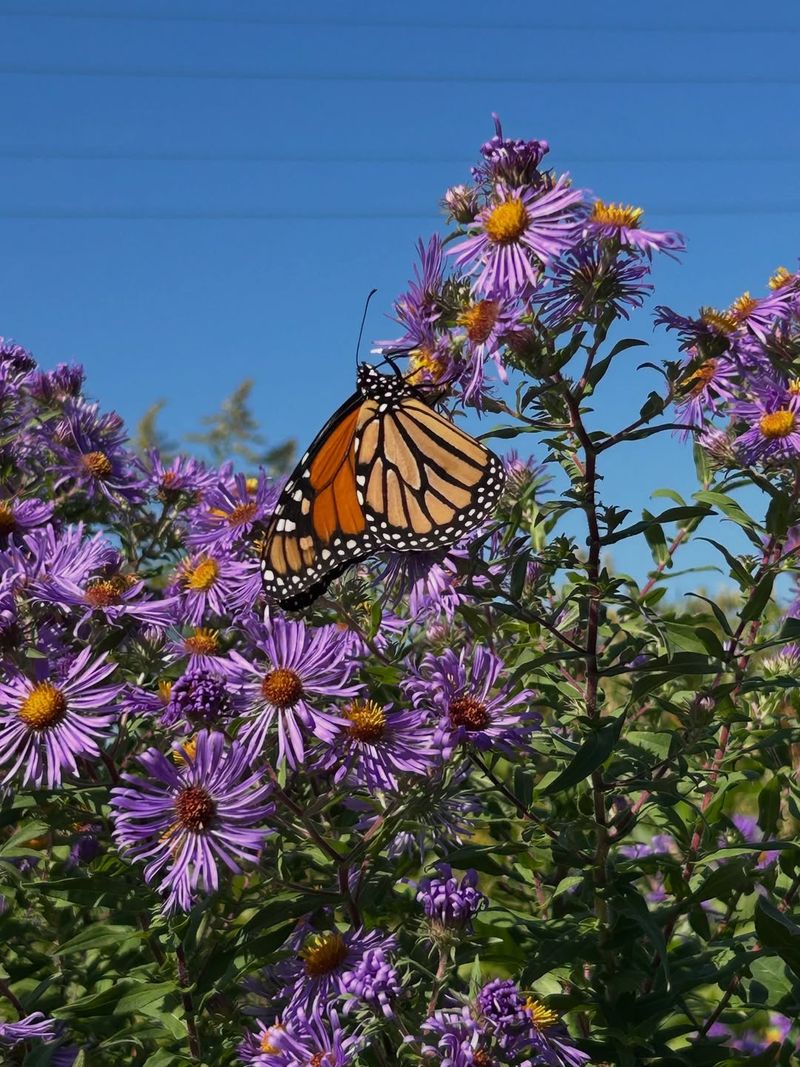
Purple daisy-like flowers with bright yellow centers bloom in late summer and fall when many other plants have finished flowering. Douglas aster is a native perennial that provides critical nectar for pollinators preparing for winter.
Butterflies, including monarchs during migration, visit these flowers in large numbers.
Native bees and honeybees also rely on asters as one of the last major nectar sources before cold weather arrives. The flowers bloom in abundance, covering the plant in a purple haze that brightens up the garden as summer fades.
After blooming, the seed heads provide food for finches, sparrows, and other small birds.
Douglas aster grows one to three feet tall and spreads to form patches over time. It prefers moist soil and can handle partial shade, making it suitable for woodland edges or rain garden settings.
The plant may self-sow, creating naturalized drifts that look beautiful in informal garden designs.
This aster is easy to grow and requires little maintenance beyond occasional watering during dry spells. It’s also resistant to most pests and diseases, making it a reliable performer year after year.
Planting Douglas aster extends your garden’s bloom season into fall and provides essential support for pollinators when they need it most. It’s a simple way to make a big difference for wildlife.