How You Can Reuse Old Planters To Upgrade Your Oregon Garden
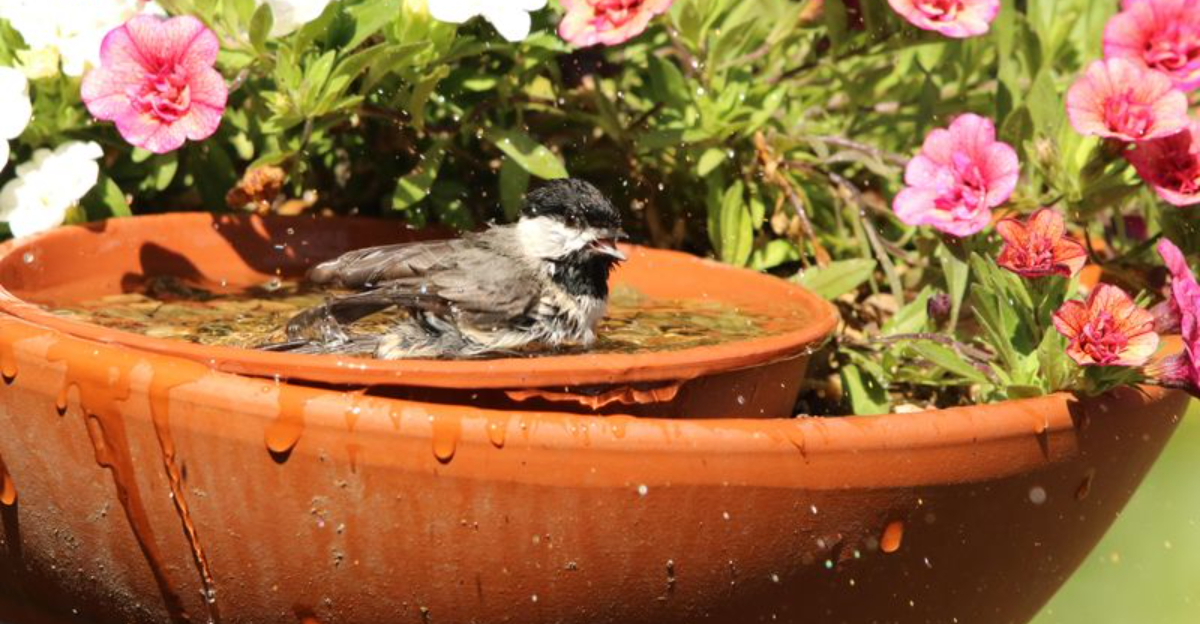
Ever glance at that old, cracked planter tucked in the corner of your yard and wonder if it’s finally time to toss it? Before you do, consider this: with a little creativity, those old planters can get a second life and actually upgrade your Oregon garden.
It’s amazing what a fresh coat of paint, a clever arrangement, or a small tweak can do to turn something forgotten into a charming focal point.
Repurposing planters is not just about saving money. It is also a way to add personality and style to your outdoor space while being kind to the environment.
You can stack them, hang them, or even transform them into mini herb gardens, pollinator havens, or colorful displays that make your yard feel more lively and intentional.
Whether you are a longtime gardener or just starting out, giving old planters new life is an easy and fun way to experiment without starting from scratch.
Let’s explore some practical and creative ways to reuse planters that will bring extra charm and function to your Oregon garden while keeping things simple and enjoyable.
1. Turn Them Into A Vertical Herb Garden
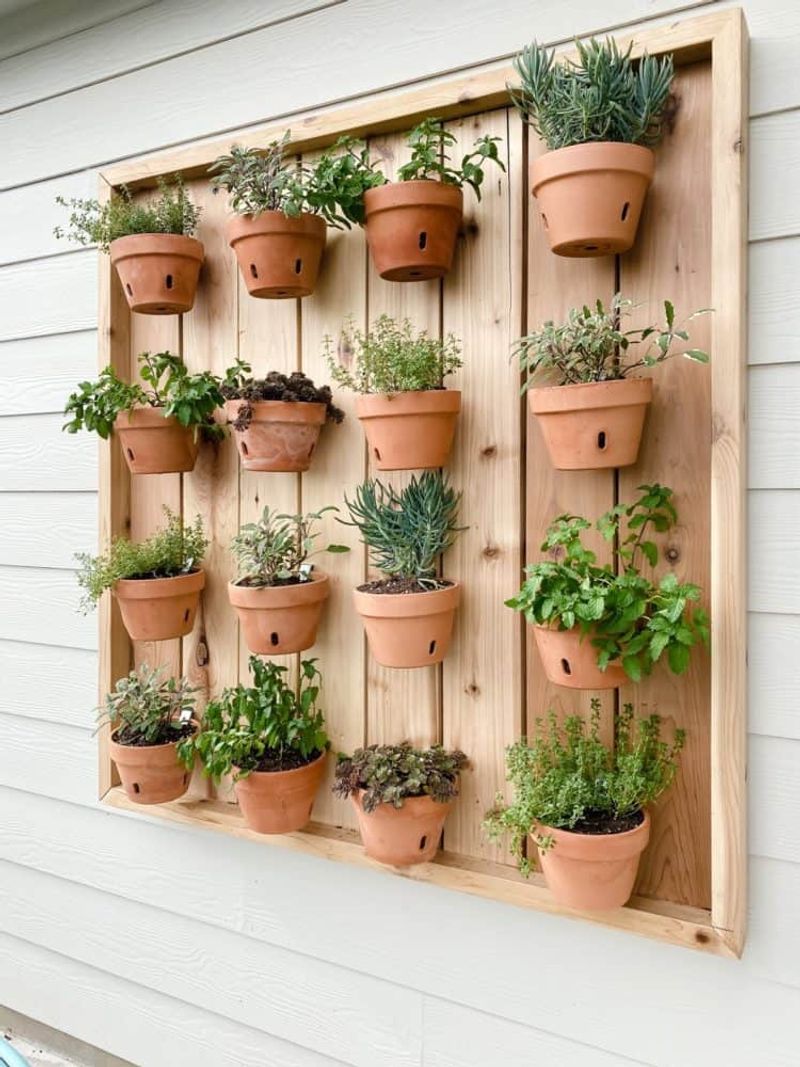
Stack several old planters of different sizes along a wall or fence to create a tiered herb garden that saves space and looks fantastic. This works especially well in Oregon where herbs like rosemary, thyme, and oregano flourish in our moderate climate.
Arrange the planters on shelves, hang them on hooks, or secure them to a wooden pallet for a rustic vertical display.
The beauty of a vertical herb garden is that it brings fresh flavors right to your kitchen door without taking up valuable ground space. You can mix and match colors and textures by planting different herbs in each container.
Chipped or cracked planters add charm rather than detract from the overall look.
Make sure to position your vertical garden where it gets at least six hours of sunlight daily. Herbs need good drainage, so even if your old planters have cracks or holes, that actually works in your favor.
Water from the top and watch it trickle down through the levels, keeping everything hydrated.
This setup also makes harvesting incredibly easy since everything is at eye level or within arm’s reach. You can snip fresh basil for pasta or mint for tea without bending over or searching through a crowded garden bed.
Plus, the vertical arrangement keeps pests away and improves air circulation around each plant.
2. Create A Charming Garden Tool Organizer
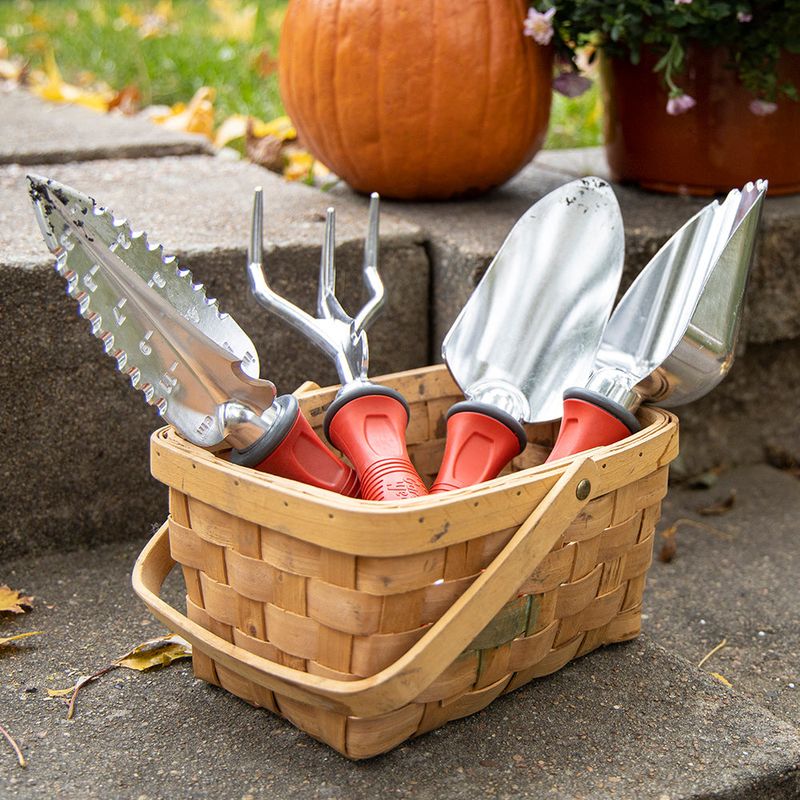
Old planters make excellent storage containers for garden tools, seed packets, gloves, and other supplies. Place a few sturdy planters near your potting bench or garden shed to keep everything organized and easy to find.
Larger pots can hold rakes, shovels, and hoes, while smaller ones are perfect for hand trowels, pruners, and twine.
This approach keeps your tools from getting scattered around the yard and protects them from weather damage. Instead of digging through a cluttered shed, you can grab what you need in seconds.
Your Oregon Garden Changes Every Week. Your Plan Should Too.
Gardening in Oregon changes quickly throughout the season. Every Friday you’ll receive a simple weekly plan showing exactly what to plant, prune, fertilize, harvest, and protect so you never miss the right timing.
Group similar items together so you always know where to look.
If your planters have drainage holes, you can still use them by placing a piece of cardboard or landscape fabric at the bottom to prevent small items from falling through. Decorate the outside with paint or stencils to add a personal touch that matches your garden aesthetic.
Bright colors make the organizers easy to spot from across the yard.
Consider placing one planter near each garden bed for zone-specific tools. That way, you do not have to walk back and forth to the shed every time you need something.
This simple system saves time and keeps your garden space tidy and functional throughout the growing season.
3. Build A Water Feature Fountain
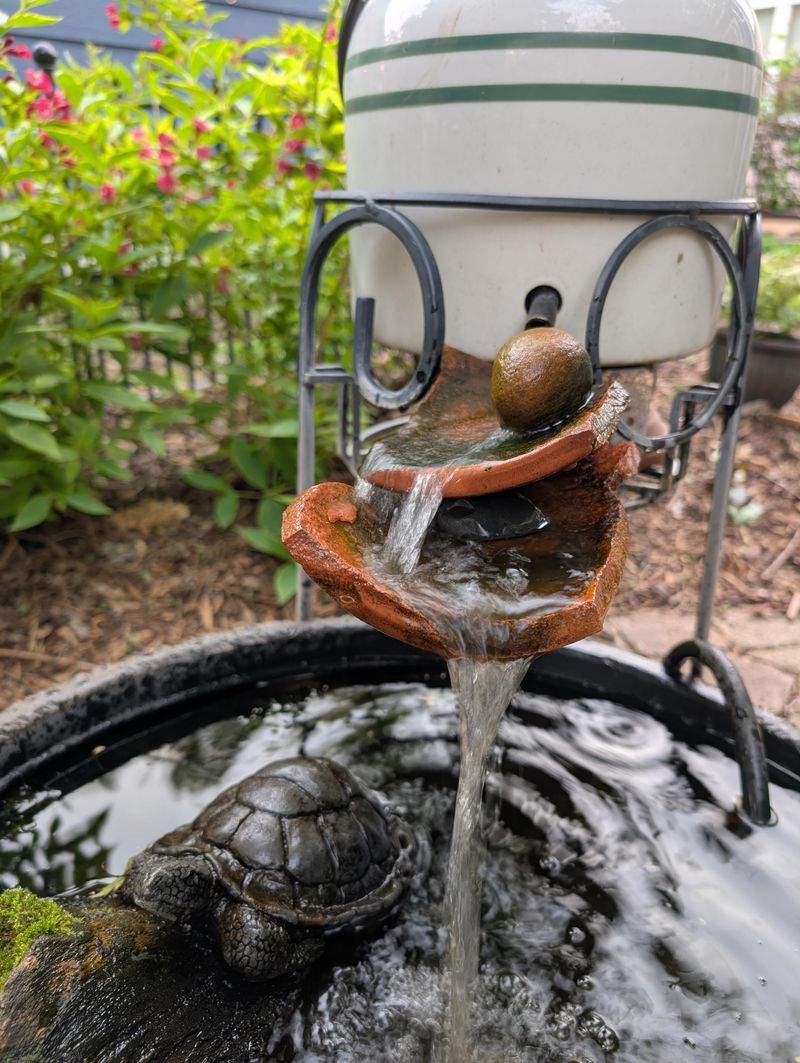
Transform a large cracked planter into a soothing water fountain that adds tranquility to your outdoor space. Stack two or three planters of decreasing sizes, drill holes for tubing, and add a small submersible pump to create a gentle cascade.
The sound of trickling water attracts birds and creates a peaceful atmosphere perfect for Oregon evenings.
Even planters with significant cracks work well for this project since you need openings for the water tubing anyway. Seal any unwanted gaps with waterproof caulk or silicone to control the water flow.
Position your fountain on a stable base near a power source for the pump.
You can customize the look by adding river rocks, glass beads, or aquatic plants around the base and between the tiers. The natural patina on older terracotta planters adds character that new materials cannot match.
Fill the bottom reservoir with water, turn on the pump, and enjoy the instant ambiance.
This project requires minimal investment since you already have the main containers. Small fountain pumps are affordable and energy-efficient, running on just a few watts of power.
Maintenance is simple too, just refill the water occasionally and clean the pump filter every few weeks to keep everything running smoothly.
4. Design A Fairy Garden Display
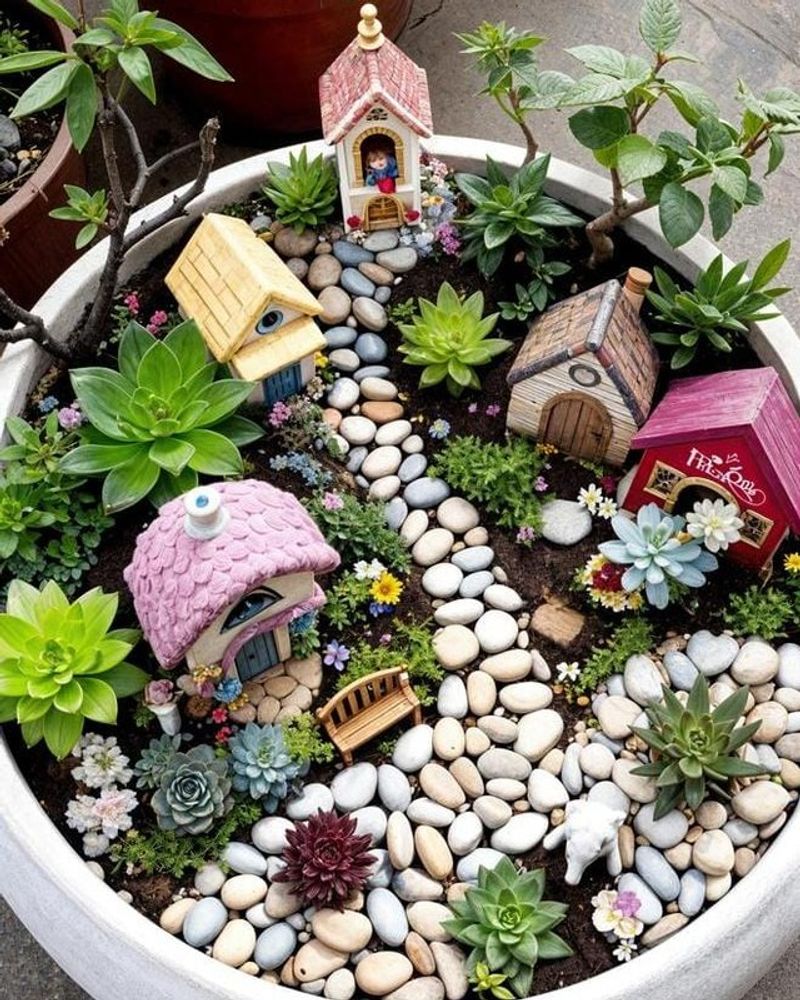
Give children (or the young at heart) a magical corner of the garden by turning an old planter into a miniature fairy garden. Use the container as the base and fill it with small plants, tiny accessories, and whimsical decorations.
Succulents work wonderfully because they stay small and require little maintenance, making them ideal for Oregon’s varied weather.
Add miniature furniture, pebble pathways, and tiny houses to create a complete scene. Broken pieces of the planter can become rustic fencing or stepping stones within the miniature landscape.
The weathered look of old containers actually enhances the fairy tale atmosphere.
Position your fairy garden where it can be easily viewed and enjoyed, perhaps on a porch table or garden bench. Kids love helping design these little worlds and checking on them regularly.
You can change the theme seasonally, adding tiny pumpkins in fall or miniature snowmen in winter.
This project costs almost nothing if you use what you already have around the house. Collect interesting pebbles, twigs, and moss from your yard to build natural features.
Thrift stores and craft sections often have inexpensive miniature items perfect for adding personality to your creation. The best part is that there are no rules, just pure creativity and fun.
5. Make A Stylish Outdoor Beverage Cooler
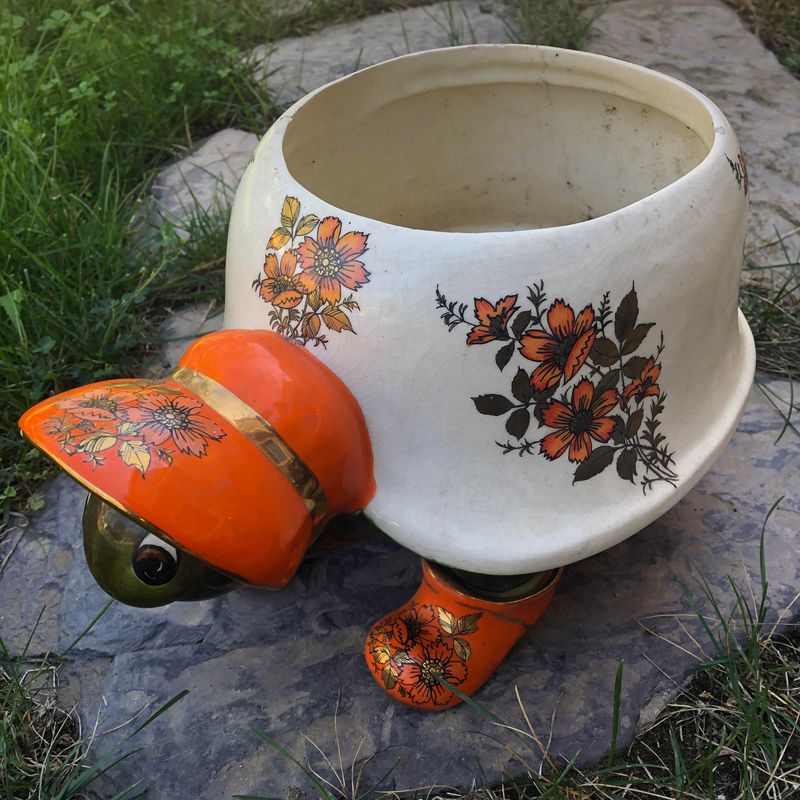
Large old planters can serve as attractive beverage coolers for outdoor gatherings and barbecues. Line the inside with a plastic bag or waterproof liner, fill it with ice, and nestle in bottles and cans.
This setup looks far more elegant than a standard cooler and blends seamlessly with your garden decor.
Terracotta and ceramic planters provide natural insulation that helps keep drinks cold longer than you might expect. The thick walls slow down ice melting, especially if you keep the cooler in a shaded spot.
After the party, simply drain the water, remove the liner, and your planter is ready for its next use.
Decorate the outside with waterproof paint or leave it natural for a rustic look. Place the cooler near your seating area so guests can help themselves without interrupting conversations.
You can even plant herbs or flowers around the rim for extra visual appeal.
This repurposing idea is perfect for Oregon summer gatherings when you want function without sacrificing style. No need to store a bulky plastic cooler year-round when your old planter can do double duty.
Just make sure to choose a container without drainage holes, or seal them thoroughly before adding ice and beverages.
6. Construct A Tiered Bird Bath Station
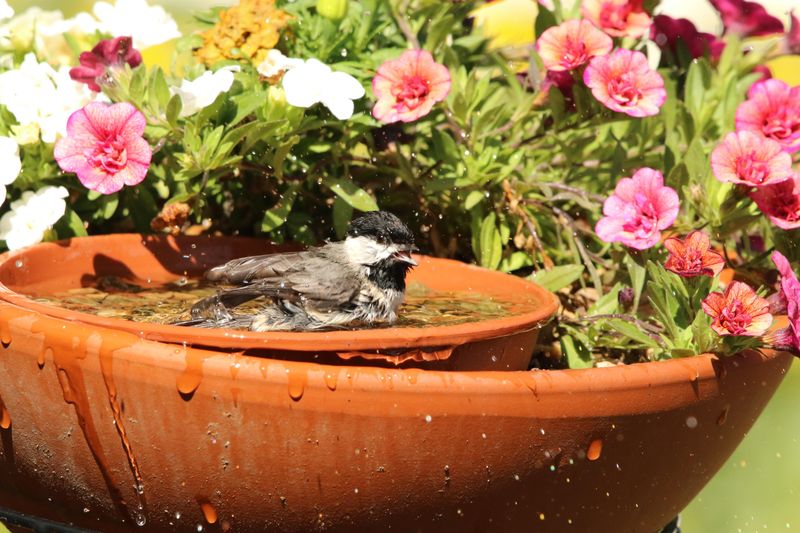
Stack old planters upside down to create pedestals of varying heights, then top them with shallow saucers or plates to form a bird bath station. Birds love having options at different levels, and the varied heights accommodate species of all sizes.
Oregon’s abundant bird population will appreciate this thoughtful addition to your garden.
Choose sturdy planters that can support weight and weather without tipping over. Secure the stacked pieces with waterproof adhesive if needed for extra stability.
Place smooth stones or marbles in the water dishes to give birds secure footing while they bathe and drink.
Position your bird bath station where you can easily observe it from a window or seating area. Keep it away from dense shrubs where predators might hide.
Change the water every few days to keep it fresh and prevent mosquito breeding.
The beauty of using old planters is that you can create a custom look that matches your garden style. Paint them in coordinating colors or leave them weathered for a natural appearance.
Add decorative elements like mosaic tiles or stenciled designs to make each level unique and eye-catching throughout the seasons.
7. Establish A Composting Station
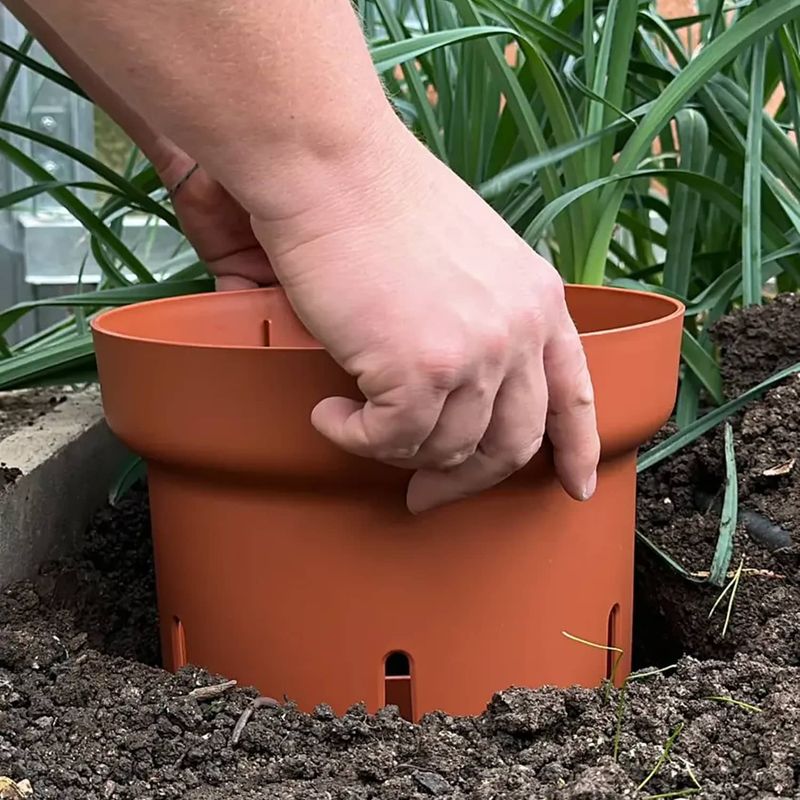
Repurpose several old planters as a simple composting system that turns kitchen scraps into rich soil amendment. Drill additional drainage holes if needed, then layer green materials like vegetable peelings with brown materials like dried leaves.
The porous nature of terracotta planters actually helps with aeration, which is essential for healthy compost.
Place your composting planters in a convenient but out-of-the-way spot where you can easily add materials. Use one planter for active composting and another for finished compost that is ready to use.
This system works well for smaller Oregon yards where a full-size compost bin might be too large.
Cover the top with a piece of burlap or a wooden board to keep pests out while still allowing air circulation. Turn the contents weekly with a garden fork to speed up decomposition.
Within a few months, you will have nutrient-rich compost to feed your garden beds and containers.
This method is especially practical if you have planters too damaged for other uses. Cracks and chips do not matter since you are not trying to hold water or display plants.
The rustic appearance fits right in with organic gardening practices and demonstrates your commitment to sustainability and waste reduction.
8. Fashion A Garden Art Sculpture
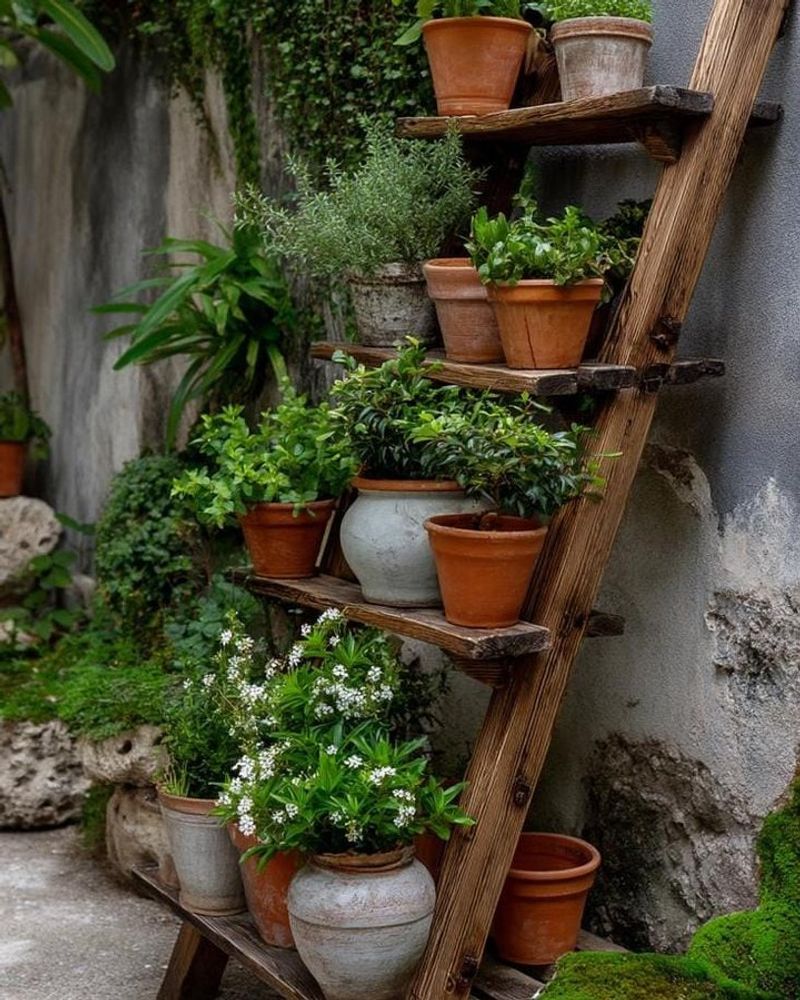
Get creative and turn old planters into unique garden art by stacking, painting, and arranging them in unexpected ways. Create a totem pole effect by stacking planters of similar sizes vertically, or lay them on their sides to form interesting geometric patterns.
Add colorful paint, mosaic tiles, or decorative stones to transform plain containers into eye-catching focal points.
This is your chance to express personality and add whimsy to your outdoor space. Attach planters to posts or stakes at different angles to create movement and visual interest.
Some gardeners even add faces or characters to their planter sculptures, making conversation pieces that visitors always remember.
Position your garden art where it draws the eye, perhaps at the end of a path or in the center of a flower bed. The sculptural element adds dimension and structure to your landscape design.
You can also incorporate actual plants by leaving some planters functional while others serve purely decorative purposes.
Oregon’s appreciation for creativity and sustainability makes this project particularly fitting. Use weather-resistant materials for any embellishments so your art withstands rain and sun.
Change the arrangement seasonally or add new elements as inspiration strikes. There are no limits to what you can create when you view old planters as raw materials for artistic expression.