These 7 Tips Help Oregon Gardeners Grow Full, Bushy Chives
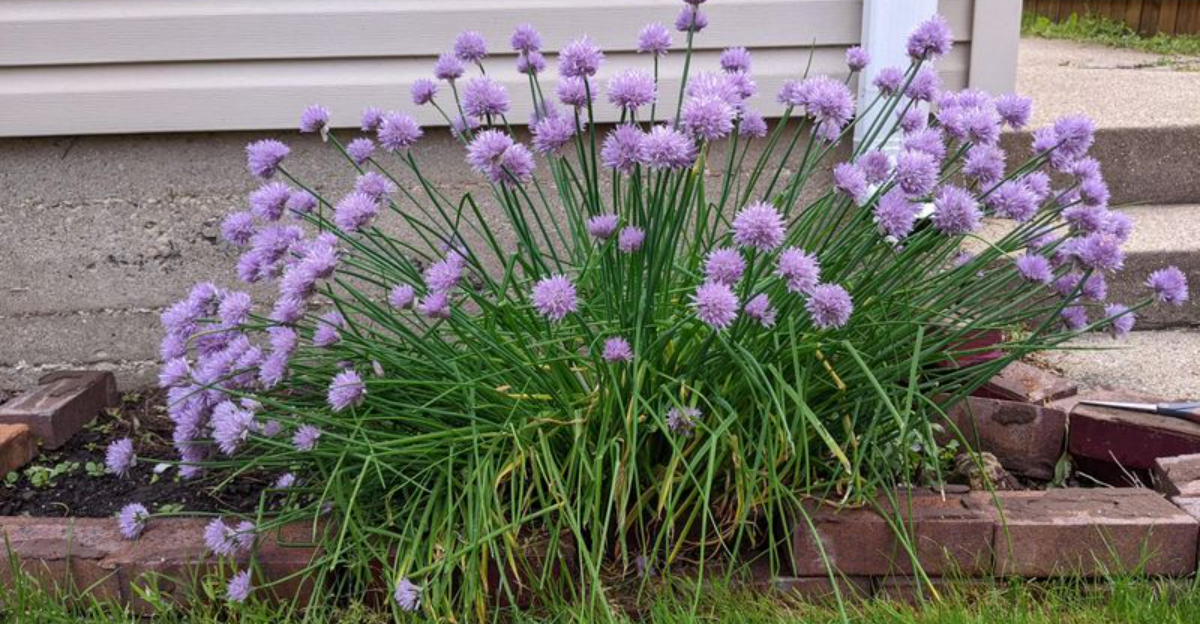
Chives are one of those small but mighty plants that can make a big difference in an Oregon garden. Their bright green, slender stalks pop up early in the season, add a fresh oniony flavor to meals, and even attract pollinators like bees and butterflies.
But anyone who’s grown chives knows they can be a little shy about growing full and bushy. Sometimes they stay thin and scraggly, leaving gardeners wondering what went wrong.
The good news is that growing lush, healthy chives doesn’t have to be complicated. With the right care, a little attention to soil, and some smart planting techniques, it’s possible to get chives that look as good as they taste.
Factors like sunlight, water, soil quality, and even how often chives are harvested can make a big difference. Paying attention to these details helps chives flourish and produces a garden patch that’s dense, vibrant, and ready for regular snipping.
Chives are surprisingly resilient, but they do appreciate a little help to reach their full potential. Pruning spent flowers, spacing plants properly, and adding nutrients when needed can all encourage growth and keep them from becoming sparse or leggy.
Plus, full, bushy chives aren’t just practical, they look beautiful, adding a soft, grassy texture to garden beds and containers.
For gardeners in Oregon looking to enjoy both the flavor and the visual appeal of chives, these seven tips make it simple to get started.
With a few adjustments and consistent care, your chives can thrive, providing fresh herbs and a cheerful pop of green throughout the season.
1. Pick A Spot With Plenty Of Sunlight
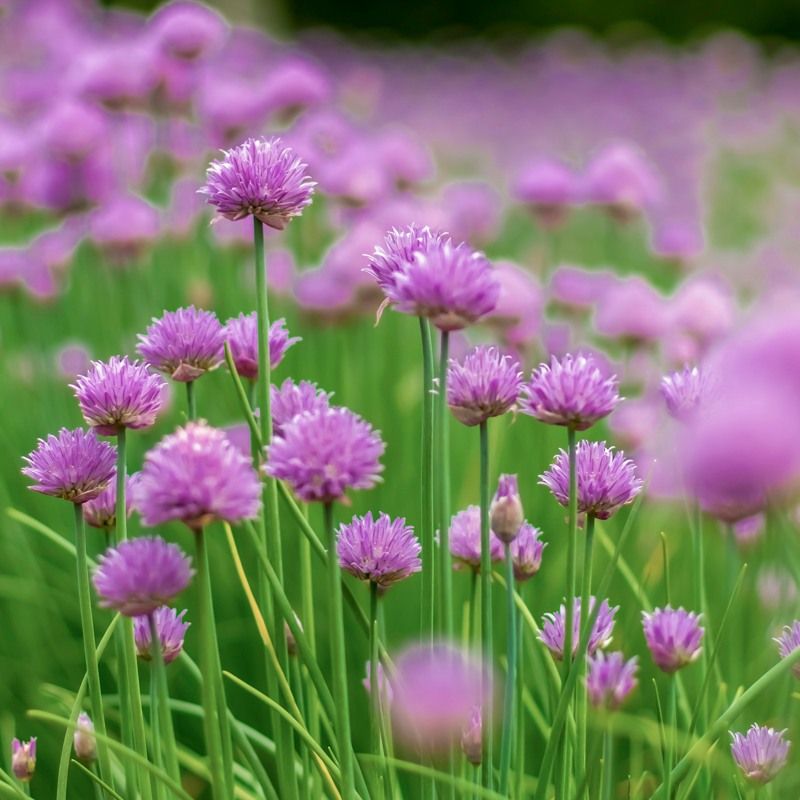
Chives love basking in the sun, and giving them at least six hours of direct light each day helps them grow thick and strong. In Oregon, our springs can be cloudy, but chives still need as much brightness as possible to develop dense foliage.
A sunny spot in your garden or a well-lit corner of your patio works wonders for encouraging vigorous growth.
Without enough light, chives tend to grow tall and spindly instead of full and bushy. They stretch toward the sun, which weakens their stems and reduces the number of shoots they produce.
If you notice your chives looking leggy, it’s usually a sign they need more sunlight.
Choose a location that gets morning sun if possible, as this helps dry off any dew and prevents fungal issues. South-facing garden beds or spots that aren’t shaded by trees or fences are ideal.
Even a few extra hours of light can make a noticeable difference in how lush your chives look.
If you’re growing chives in containers, you have the flexibility to move them around to follow the sun. This is especially helpful in Oregon’s unpredictable weather.
Just keep an eye on how much light they’re actually getting, and adjust their placement as needed throughout the season.
2. Water Consistently But Don’t Overdo It
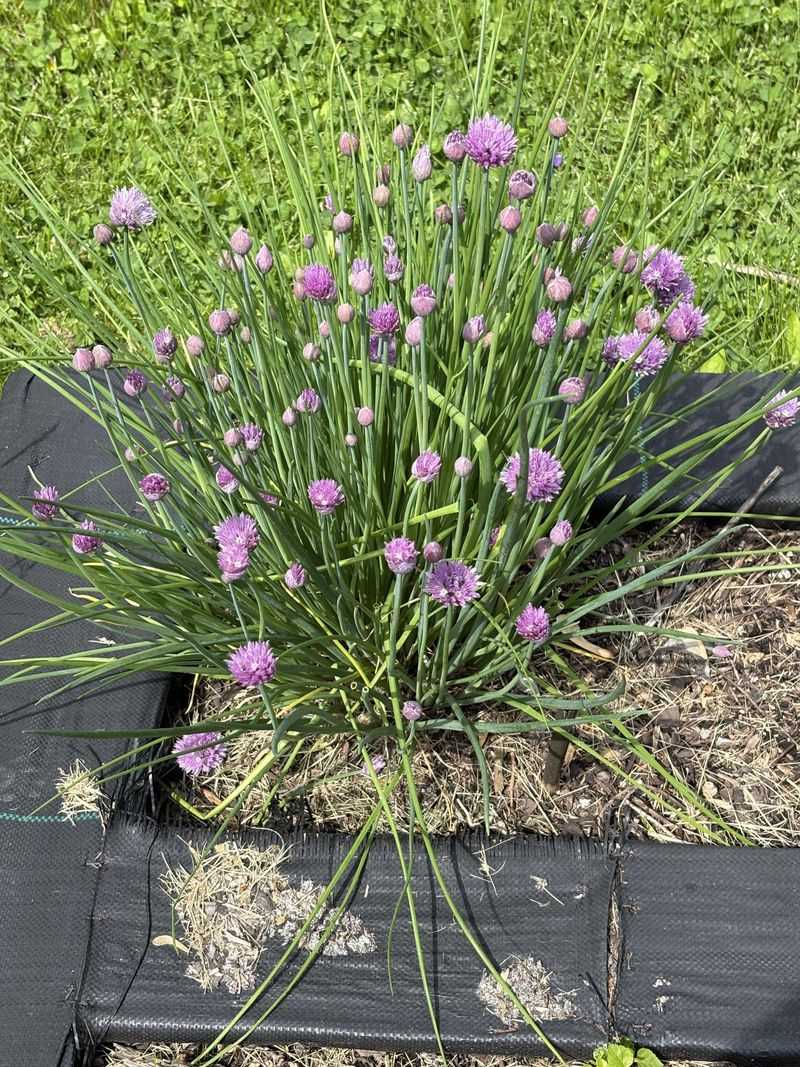
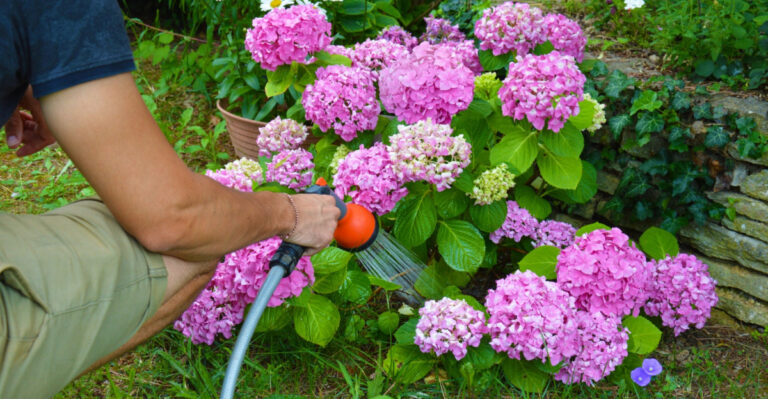
Chives appreciate steady moisture, but they don’t like sitting in soggy soil. Oregon’s rainy winters and springs usually provide plenty of water, but during drier summer months, you’ll need to step in.
Your Oregon Garden Changes Every Week. Your Plan Should Too.
Gardening in Oregon changes quickly throughout the season. Every Friday you’ll receive a simple weekly plan showing exactly what to plant, prune, fertilize, harvest, and protect so you never miss the right timing.
A good rule of thumb is to water when the top inch of soil feels dry to the touch.
Overwatering can lead to root rot and other problems that stunt growth and make your chives look sad and wilted. On the other hand, letting them dry out completely stresses the plant and slows down new shoot production.
Finding that balance is key to keeping your chives happy and productive.
If you’re growing chives in the ground, they’ll need less frequent watering than those in pots. Container-grown chives dry out faster, so check them every few days during warm weather.
Mulching around the base of your plants helps retain moisture and keeps the roots cool.
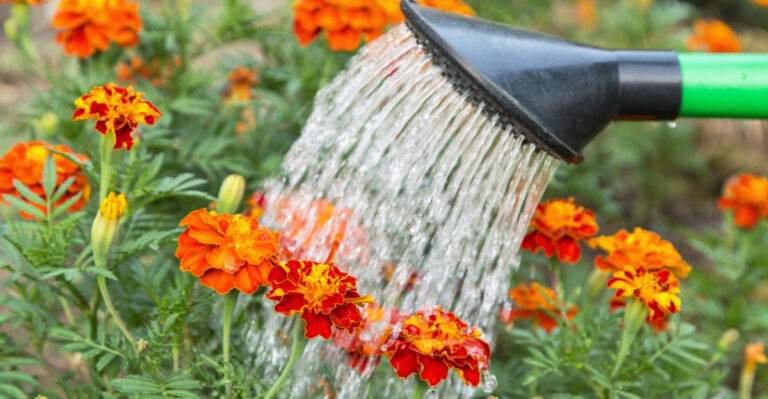
Early morning is the best time to water chives because it gives the foliage time to dry before evening. Wet leaves overnight can invite fungal diseases, which Oregon’s humid climate already encourages.
A soaker hose or drip irrigation system works great for delivering water directly to the roots without wetting the leaves.
3. Feed Them With Compost Or Balanced Fertilizer

Chives aren’t heavy feeders, but they do benefit from a nutrient boost a few times during the growing season. Adding compost to the soil in early spring gives them a solid foundation of organic matter that releases nutrients slowly.
A light application of balanced fertilizer in late spring can also encourage thicker, bushier growth.
Oregon’s soils vary widely, so it’s worth testing yours to see what nutrients might be lacking. Chives prefer slightly acidic to neutral soil with a pH between 6.0 and 7.0.
If your soil is too acidic, adding lime can help balance it out and improve nutrient availability.
Avoid using high-nitrogen fertilizers, which can cause chives to grow too tall and floppy instead of compact and bushy. A balanced formula like 10-10-10 works well, or you can use an organic option like fish emulsion or worm castings.
Apply fertilizer sparingly and water it in well to prevent burning the roots.
If you’re growing chives in containers, they’ll need more frequent feeding since nutrients wash out faster with watering. A half-strength liquid fertilizer every three to four weeks during the growing season keeps them looking their best.
Watch for yellowing leaves, which can signal a need for more nutrients.
4. Divide Your Clumps Every Few Years
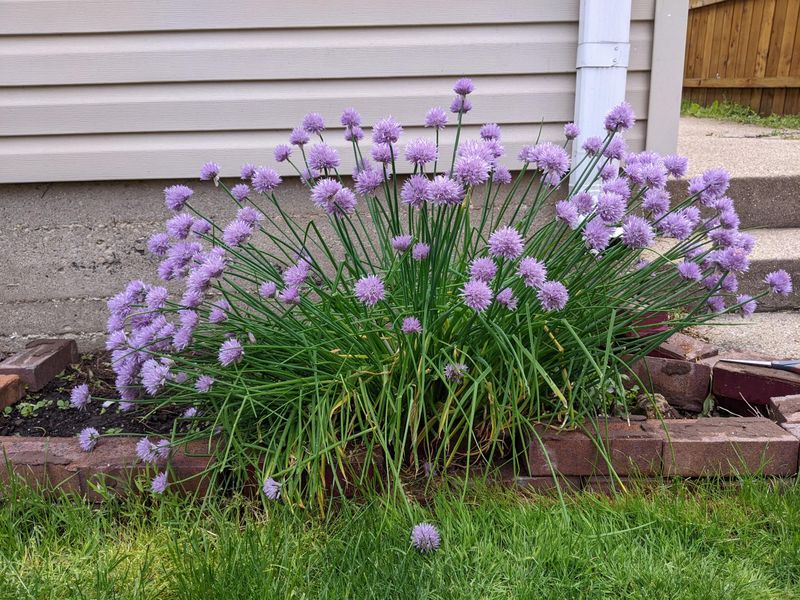
Chives grow in clumps that expand over time, and eventually, the center of the clump can become crowded and less productive. When this happens, the plant puts energy into competition rather than new growth, and you’ll notice fewer shoots and smaller leaves.
Dividing your chives every three to four years rejuvenates them and encourages thick, healthy regrowth.
Spring or early fall are the best times to divide chives in Oregon. Dig up the entire clump carefully, then use a sharp knife or spade to cut it into smaller sections.
Each section should have a good amount of roots and several shoots. Replant the divisions in fresh soil, spacing them about 12 inches apart.
Dividing chives not only keeps them vigorous but also gives you more plants to spread around your garden or share with friends. It’s a simple way to multiply your harvest without spending any money.
Water the new divisions well and keep the soil moist until they establish themselves.
If you notice your chives looking crowded or producing fewer leaves than usual, it’s probably time to divide them. Don’t be afraid to be a bit rough during the process.
Chives are tough and bounce back quickly from division, often looking better than ever within a few weeks.
5. Trim Them Back Regularly For Fresh Growth
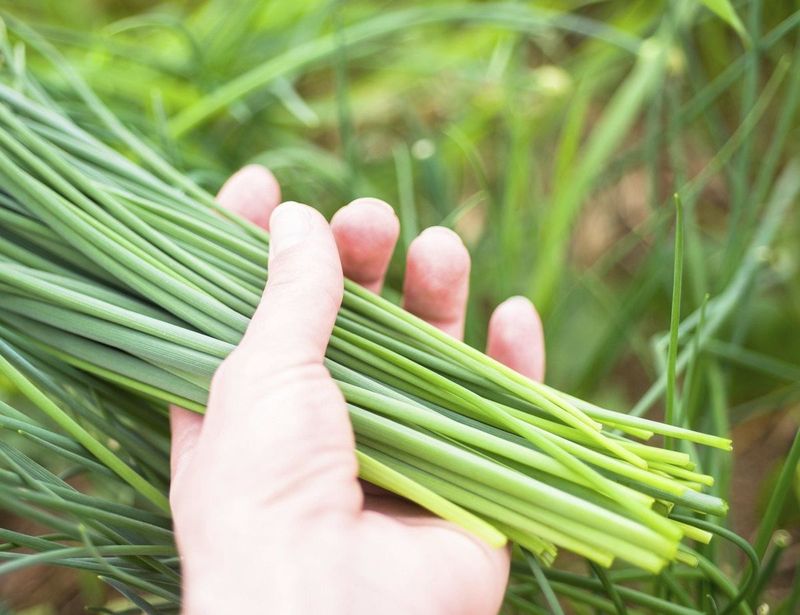
Regular trimming might seem counterintuitive, but it’s one of the best ways to encourage chives to grow bushier. When you harvest or cut back the leaves, the plant responds by sending up new shoots from the base.
This creates a denser, fuller appearance and gives you a continuous supply of fresh chives to use in the kitchen.
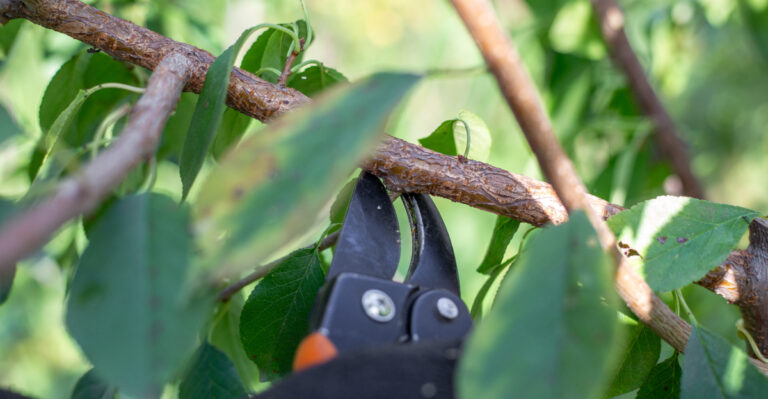
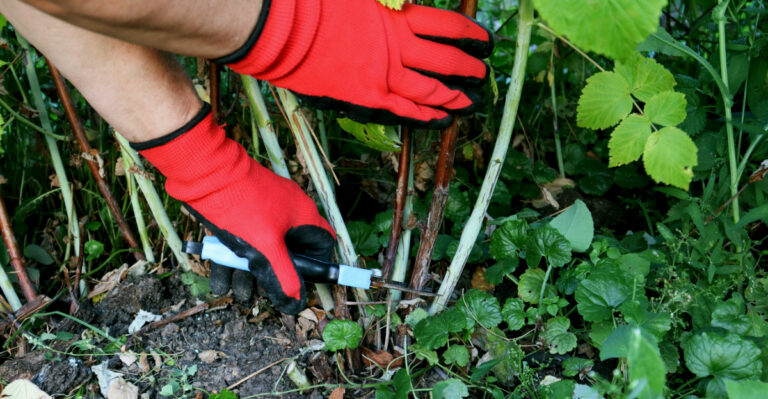
Cut the leaves down to about two inches above the soil line using sharp scissors or garden shears. Avoid tearing or pulling, which can damage the plant and slow regrowth.
Harvest the outer leaves first, leaving the center to keep producing. If you’re not using chives regularly, give them a trim every few weeks anyway to keep them compact.
In Oregon, chives can grow year-round in mild winters, but they slow down considerably during the coldest months. A hard cutback in late fall helps tidy up the plant and prepares it for dormancy.
In spring, new growth will emerge thick and green, ready for another season of harvests.
Don’t worry about cutting too much. Chives are incredibly resilient and can handle aggressive trimming without any harm.
In fact, cutting them back hard once or twice a season often results in the bushiest, most productive plants.
6. Remove Flower Stalks To Focus Energy On Foliage
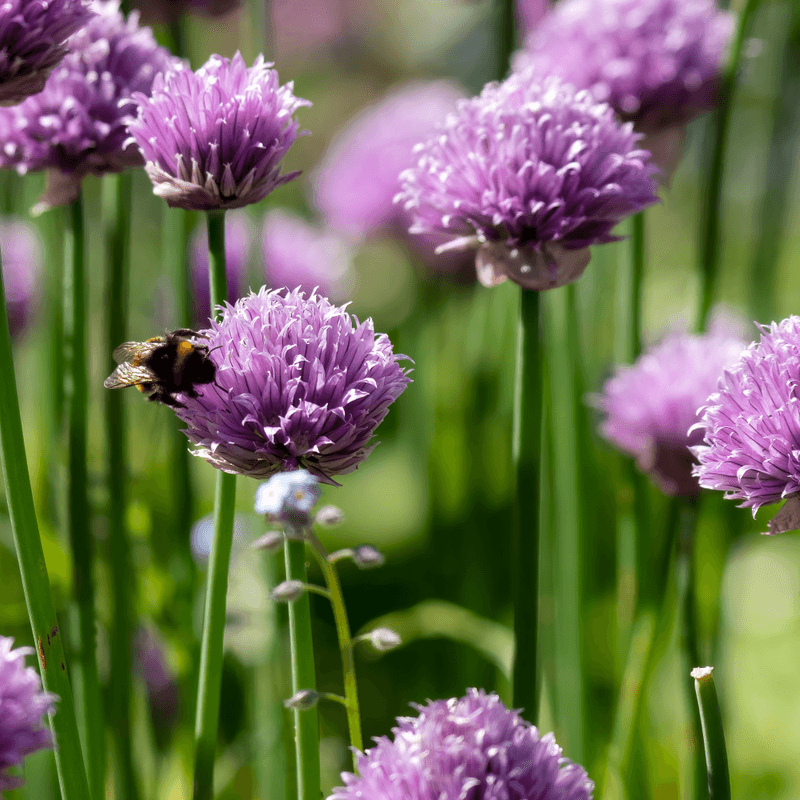
Chive flowers are beautiful and edible, but if your goal is thick, bushy foliage, it’s best to remove them. When chives bloom, they put a lot of energy into producing flowers and seeds instead of growing new leaves.
This can slow down leaf production and make the plant look less full.
Snip off the flower stalks as soon as you see them forming, cutting them down to the base of the plant. You can use the flowers in salads or as a garnish since they have a mild onion flavor and add a pretty purple touch to dishes.
Removing them early keeps the plant focused on leaf growth.
If you enjoy the flowers and want to leave a few for pollinators, that’s fine too. Just be aware that the plant will produce fewer leaves during the bloom period.
After the flowers fade, cut back the entire plant to encourage a flush of new growth.
In Oregon, chives typically bloom in late spring or early summer. If you’re diligent about removing the flower stalks, you can extend the productive season and keep your chives looking lush and green well into fall.
It’s a small task that makes a big difference in overall plant performance.
7. Mulch Around The Base To Protect Roots

A layer of mulch around your chives helps regulate soil temperature, retain moisture, and suppress weeds that compete for nutrients. In Oregon, where winters can be wet and summers occasionally dry, mulch provides a buffer that keeps the roots comfortable year-round.
Organic mulches like straw, shredded leaves, or compost work best.
Apply mulch in a two- to three-inch layer, keeping it a few inches away from the base of the plant to prevent rot. Mulch breaks down over time, adding organic matter to the soil and improving its structure.
This creates a healthier environment for your chives to grow thick and bushy.
In winter, mulch insulates the roots from freezing temperatures and helps prevent frost heaving, which can damage perennials. In summer, it keeps the soil cool and moist, reducing the need for frequent watering.
This is especially helpful during Oregon’s occasional heat waves.
Refresh the mulch layer once or twice a year as it decomposes. Avoid using thick, heavy mulches that can smother the plant or hold too much moisture against the stems.
A light, airy mulch allows air circulation while still providing all the benefits your chives need to thrive.