7 Oregon Plants To Prune In January And 4 You Should Not Touch
January can feel quiet in Oregon gardens, but it’s actually the perfect time to think about pruning.
While many plants are resting for the winter, some benefit from a little trim to encourage healthy growth and prepare for spring blooms.
Pruning at the right time can improve shape, remove dead or damaged branches, and even help plants thrive in the months ahead.
Of course, not every plant should be pruned in January. Some are more sensitive to cold or bloom on old wood, and cutting them now can mean fewer flowers or even stress to the plant.
Knowing which plants to prune and which to leave alone makes all the difference between a garden that looks neat and healthy and one that struggles come spring.
With a little knowledge and a few simple tips, pruning can be straightforward and even enjoyable. It’s a chance to get outside, see the structure of your plants, and feel productive during a quieter time in the garden.
Let’s look at Oregon plants that benefit from January pruning and some that are better left untouched until later in the season. With careful attention, the garden can emerge from winter ready to flourish.
1. Apple Trees
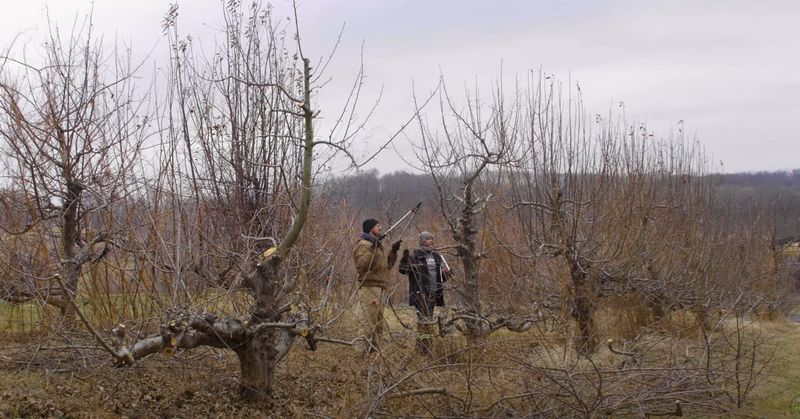
Apple trees stand bare and honest in January, their branches sketched against the Oregon sky like pencil lines on gray paper.
This is the moment when you can see their true shape without leaves getting in the way.
Dormant pruning helps remove crossing branches, encourages better airflow, and sets the stage for a healthier harvest later in the year. You want to focus on opening up the center of the tree so sunlight can reach every branch.
Cut away any dead or damaged wood first, then thin out crowded areas where branches compete for space. Oregon winters are wet, and good airflow helps prevent fungal problems that love our damp climate.
Your fingers might go numb while you work, but the tree does not mind the cold at all. January pruning does not stress the apple tree because it is fully asleep.
You can step back after each cut and study the structure, making thoughtful decisions without rushing. Sharpen your pruners before you start, and make clean cuts just above outward-facing buds.
This encourages branches to grow away from the center, keeping that open shape you worked so hard to create.
By the time spring arrives, your apple tree will thank you with strong new growth and better fruiting wood.
2. Roses
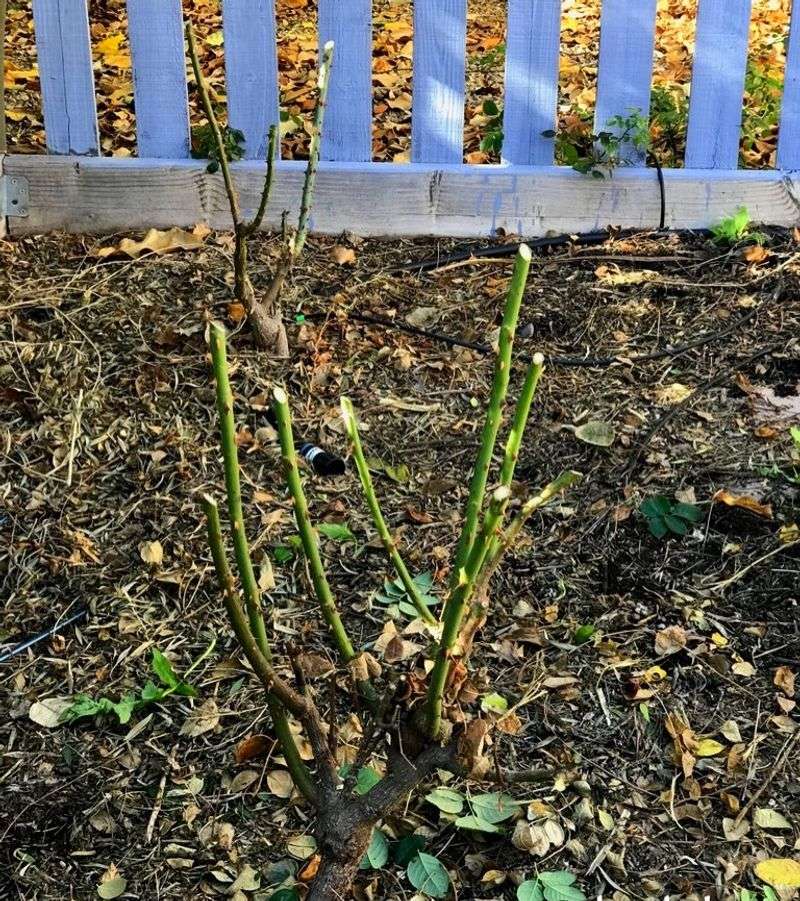
The truth is roses look a little sad in January, stripped down to thorny canes and last year’s hips clinging on. But this is exactly when you should prune them, while they are still asleep and before new growth starts pushing out.
Cutting back roses now encourages strong new canes, better blooms, and a tidier shape that makes summer maintenance easier. Start by removing any dead, damaged, or diseased wood, cutting all the way back to healthy tissue.
You will know it is healthy when the center of the cane is white or pale green instead of brown. Then shape the plant by cutting canes back to about knee height, always making cuts just above an outward-facing bud.
Your Oregon Garden Changes Every Week. Your Plan Should Too.
Gardening in Oregon changes quickly throughout the season. Every Friday you’ll receive a simple weekly plan showing exactly what to plant, prune, fertilize, harvest, and protect so you never miss the right timing.
Oregon winters are mild enough that roses do not always go fully dormant, but January is still the best time to prune. You might see a few leaves hanging on, and that is fine.
Just be gentle and avoid pruning too early in December when a surprise freeze could damage fresh cuts. Wear good gloves because rose thorns do not care how cold your hands are.
Take your time and step back often to check the shape. By the time spring warmth arrives, your roses will reward you with vigorous growth and armfuls of blooms all summer long.
3. Pear Trees
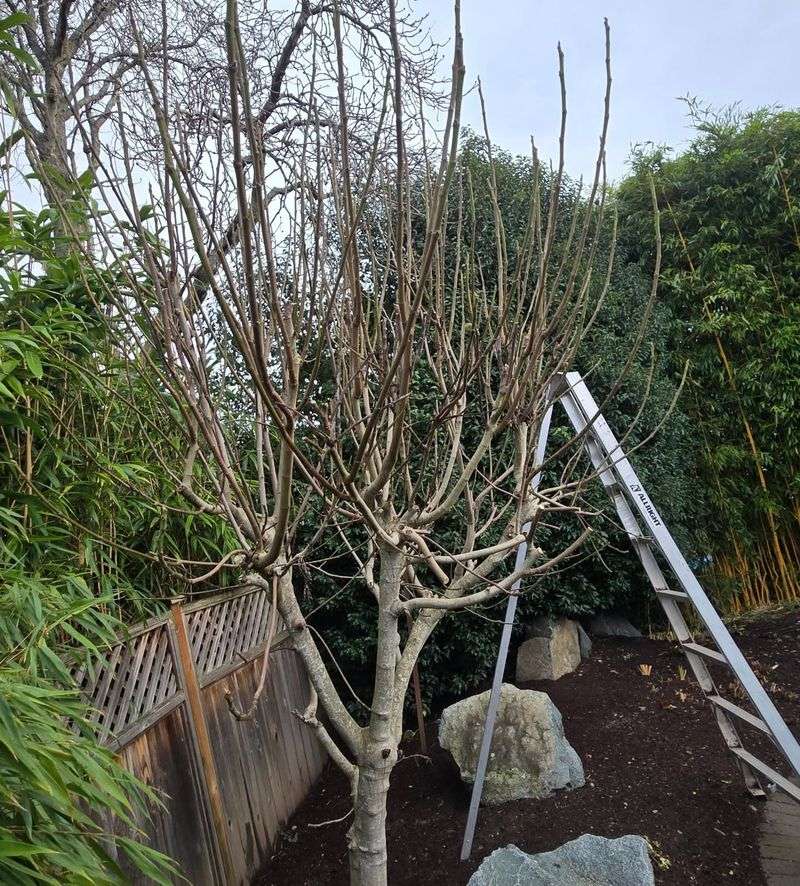
Pear trees benefit from the same January attention that apples do, standing leafless and ready for your careful cuts. Without foliage blocking your view, you can spot weak crotches, water sprouts, and branches that rub against each other.
Dormant pruning keeps pear trees productive and prevents them from becoming tangled messes by summer. Oregon pear growers know that fire blight can be a real problem, especially in wetter western areas.
Pruning in January when the tree is dormant reduces the chance of spreading disease. Always disinfect your tools between cuts if you see any blackened or suspicious wood, and remove those infected branches completely.
Pear trees naturally want to grow straight up, so you might need to remove some of those vertical shoots. Encourage horizontal branching by cutting back to buds that point outward.
This creates a stronger structure and better fruit production down the line. The cold does not bother the tree, and January gives you plenty of time to work without rushing.
You can take your time, sip coffee between cuts, and really think about the shape you want. By spring, your pear tree will respond with vigorous growth and a cleaner, healthier framework that supports heavy fruit without breaking.
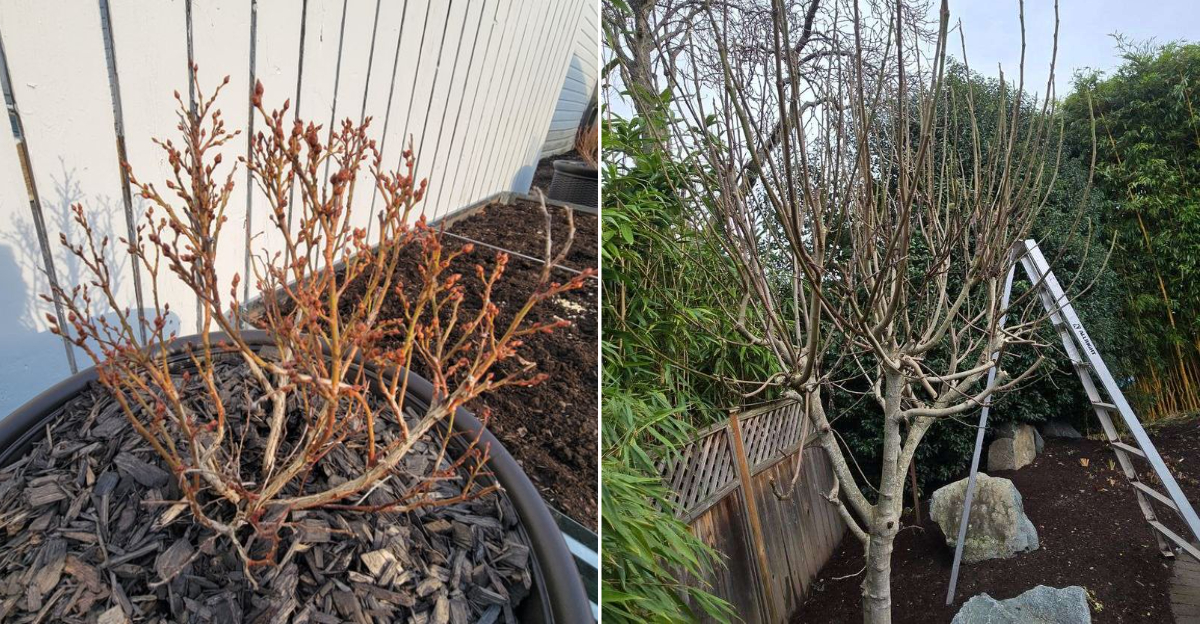
4. Blueberry Bushes
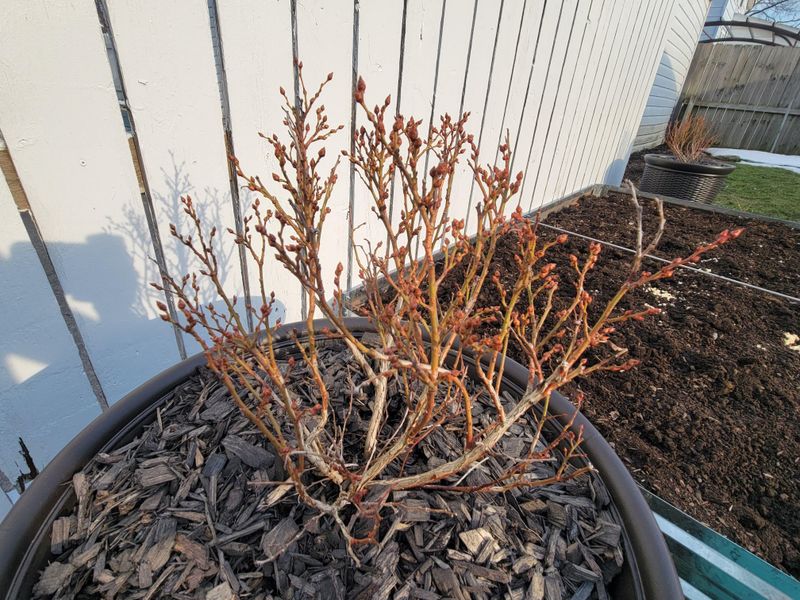
These bushes stand quiet in January, their red-tinged twigs the only color in an otherwise gray garden.
This is the ideal time to prune them, removing old canes and opening up the center for better light and airflow.
Oregon blueberries thrive with regular pruning, and doing it now while they are dormant sets them up for a heavy crop come summer. Look for canes that are thick, dark, and old, usually more than four or five years.
These produce smaller berries and fewer of them, so cut them out at the base. Leave the younger, lighter-colored canes that will give you the best fruit production.
You also want to remove any twiggy growth at the top of the bush, along with damaged or crossing branches. Blueberries like an open vase shape that lets sunlight reach the center.
This encourages even ripening and makes harvesting easier when the berries start turning blue. January mornings in Oregon can be frosty, and your pruners might feel cold in your hands, but the blueberry bush does not mind.
It is sound asleep and will not even notice the cuts until spring warmth arrives. By then, it will respond with fresh new growth and clusters of white flowers that turn into plump, sweet berries.
5. Grape Vines
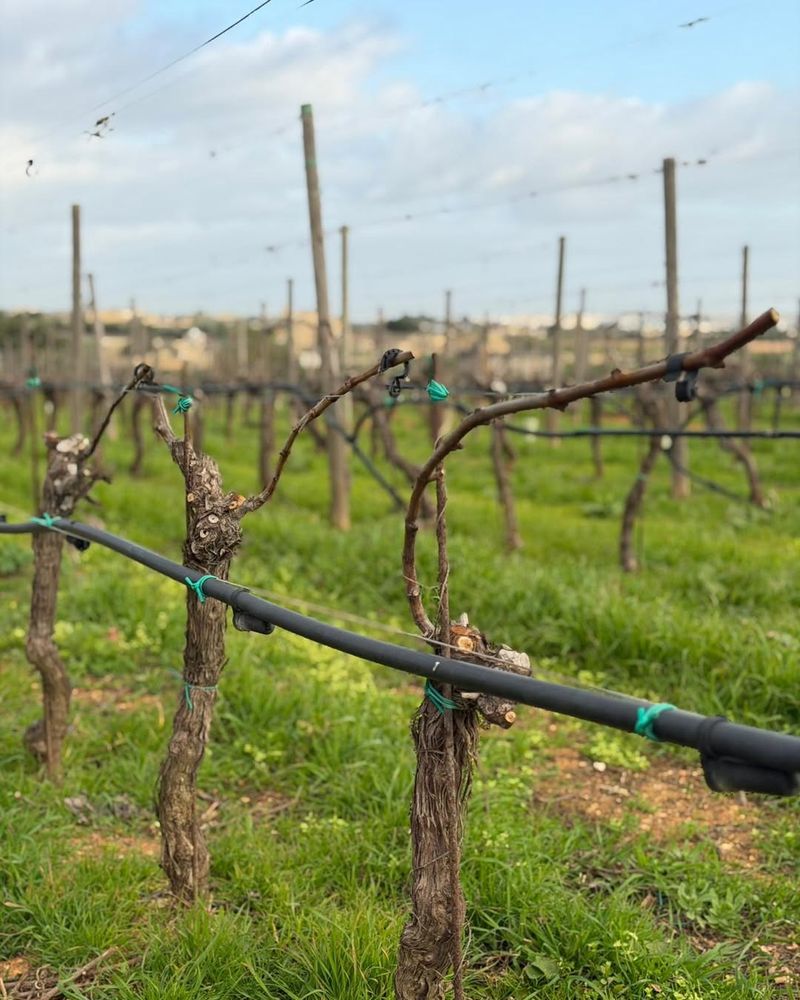
Grape vines can look like a tangled mess by the end of the growing season, with long canes sprawling everywhere and last year’s fruit clusters dried up. January is the perfect time to cut them back hard, removing most of the previous year’s growth and leaving just a few strong canes.
This might feel brutal, but grape vines love aggressive pruning and respond with vigorous new shoots. Focus on keeping the main trunk and a few selected canes that will produce fruit this year.
Everything else can go, including those thin, twisty shoots that never amount to much. Oregon grape growers know that heavy pruning keeps vines productive and prevents them from turning into woody jungles.
Pruning while the vine is dormant means no sap flow and no stress to the plant. You can make big cuts without worrying about damaging tender growth.
Just be sure to finish before the buds start swelling in late February or early March. Your hands will get cold, and you will probably fill a wheelbarrow with cuttings, but the vine will not mind.
By summer, those few canes you left behind will be loaded with clusters of grapes, and you will be glad you took the time to prune properly in January.
6. Currants And Gooseberries
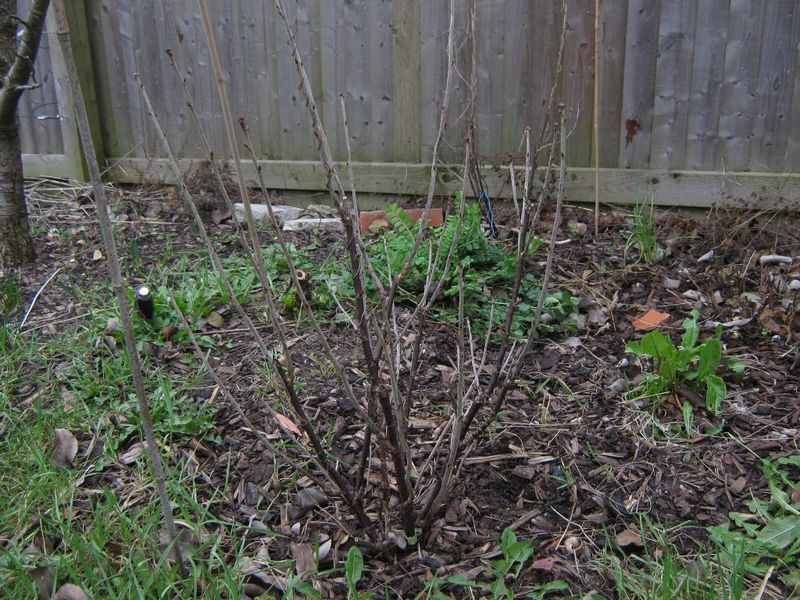
This is the best time to prune them, removing old wood and encouraging fresh growth that will produce the best fruit.
These plants fruit on one, two, and three-year-old wood, so regular pruning keeps them productive year after year.
Start by cutting out any canes that are older than three years, along with anything dead, damaged, or lying on the ground.
You want to keep a mix of young and middle-aged canes, leaving about eight to twelve strong stems per plant.
This gives you a good balance of fruiting wood without overcrowding. Gooseberries can be thorny, so wear thick gloves and move carefully.
Currants are easier to handle, but the pruning technique is the same. Open up the center of the bush so air can flow through, reducing the risk of mildew during Oregon’s damp spring weather.
January pruning does not stress these shrubs at all because they are fully dormant. You can take your time, study the structure, and make thoughtful cuts.
By summer, your currants and gooseberries will be loaded with tart, jewel-toned berries that are perfect for jams, pies, and fresh eating.
7. Fig Trees (Container Or Hardy Outdoor Varieties In Western Oregon)
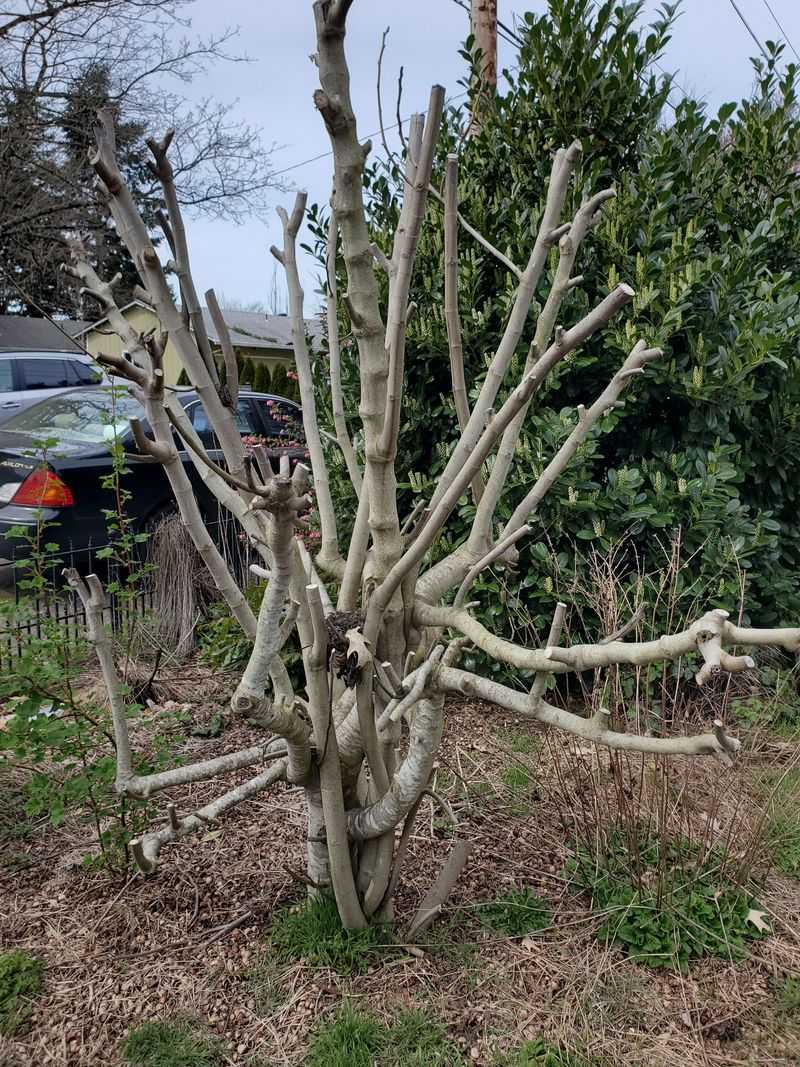
Fig trees grown in western Oregon are a bit of a gamble, but hardy varieties and container-grown figs can thrive with the right care.
January is a good time to prune them lightly, removing any dead or damaged wood and shaping the plant for better growth.
Container figs especially benefit from pruning because it keeps them compact and manageable.
If your fig tree is outdoors and hardy, focus on cleaning up winter damage and removing any branches that froze back.
Figs fruit on new growth, so you do not need to worry about cutting off this year’s crop. Just keep the shape open and balanced.
For container figs that you bring indoors or keep in a sheltered spot, January pruning helps control size and encourages branching. You can cut back long shoots and remove any weak growth.
This makes the tree easier to move and keeps it productive even in a pot. Oregon winters are mild enough that figs do not always go fully dormant, but January is still the safest time to prune.
You might see a few leaves clinging on, and that is fine. Just avoid heavy pruning if a hard freeze is forecast, as fresh cuts can be vulnerable to cold damage.
By spring, your fig tree will push out fresh growth and hopefully reward you with sweet, purple fruit.
8. Lilac Bushes

Don’t touch your lilacs yet! Lilac bushes are one of those plants that tempt you to prune in January because they look so shaggy and overgrown after the leaves drop.
But resist the urge, because lilacs set their flower buds in late summer and fall, and those buds are already waiting on the bare branches.
If you prune now, you will cut off this spring’s blooms and end up with a green bush instead of a fragrant purple cloud.
Oregon gardeners love lilacs for their sweet scent and old-fashioned charm, and the key to keeping them blooming is pruning at the right time. Wait until right after the flowers fade in late spring or early summer, then shape the bush and remove old canes.
This gives the plant plenty of time to set new buds for next year. In January, just leave your lilac alone.
You can remove any dead or broken branches if you need to, but avoid cutting back healthy wood. Those bare, twiggy branches might not look like much, but they are loaded with potential blooms.
It can be hard to walk past a messy lilac without reaching for the pruners, but patience pays off. By May, your restraint will be rewarded with clusters of fragrant flowers that fill the garden with color and scent, reminding you why you left it alone in January.
9. Forsythia Shrubs
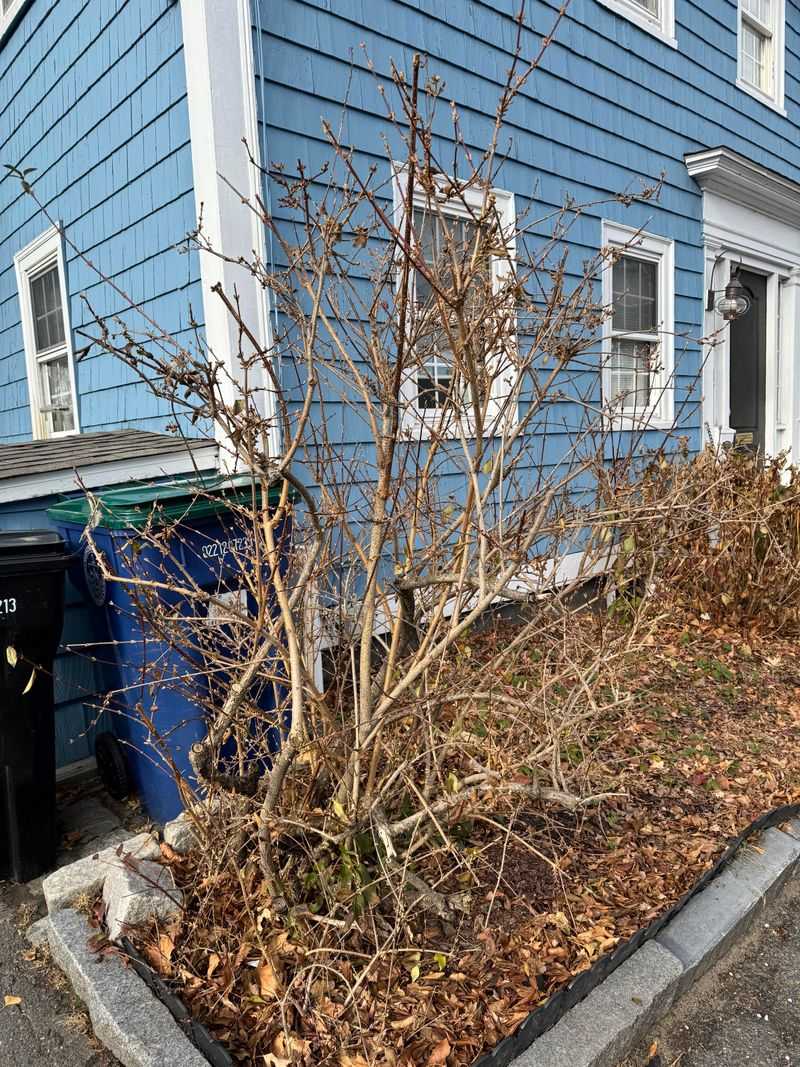
Forsythia shrubs are one of the first signs of spring in Oregon, lighting up the garden with bright yellow blooms long before most other plants wake up.
Those flowers are already waiting on the bare branches in January, tucked into buds that formed last summer.
If you prune now, you will cut off the entire show and be left with nothing but green stems when spring arrives. The best time to prune forsythia is right after it finishes blooming, usually in late spring.
This gives the plant the rest of the growing season to set new buds for next year. Pruning too early or too late disrupts that cycle and leaves you with fewer flowers. n January, just admire the bare branches and trust that they know what they are doing.
You might see a few buds starting to swell if the weather has been mild, and that is a good sign. Leave them alone and let the plant do its thing.
It takes discipline to walk past a forsythia in winter without trimming it back, especially if it looks a little wild. But when March arrives and those branches burst into golden blooms, you will be glad you waited.
The garden needs that early color, and your forsythia needs those buds to deliver it.
10. Rhododendrons And Azaleas

These shrubs are the pride of Oregon gardens, thriving in our mild, wet climate and putting on spectacular spring displays. But those displays depend entirely on the buds that formed last summer, and those buds are sitting on the branches right now in January.
Pruning now would mean cutting off every single flower, leaving you with a disappointing green shrub when bloom time arrives.
These plants do not need much pruning anyway, but if you must shape them or remove damaged branches, wait until right after they finish blooming.
This gives them the rest of the growing season to set new buds for next year. Pruning at the wrong time disrupts that cycle and leaves you with fewer flowers.
In January, just leave your rhododendrons and azaleas alone. You can remove any dead wood if you need to, but avoid cutting back healthy branches.
Those fat buds clustered at the branch tips are next spring’s flowers, and they are worth protecting. Oregon gardeners know that rhododendrons are worth the wait, and a little patience in January pays off big in April and May.
When your shrubs explode into color, you will be glad you kept your pruners in the shed and let the plant do what it does best.
11. Cherry Trees (Flowering And Fruit Types)
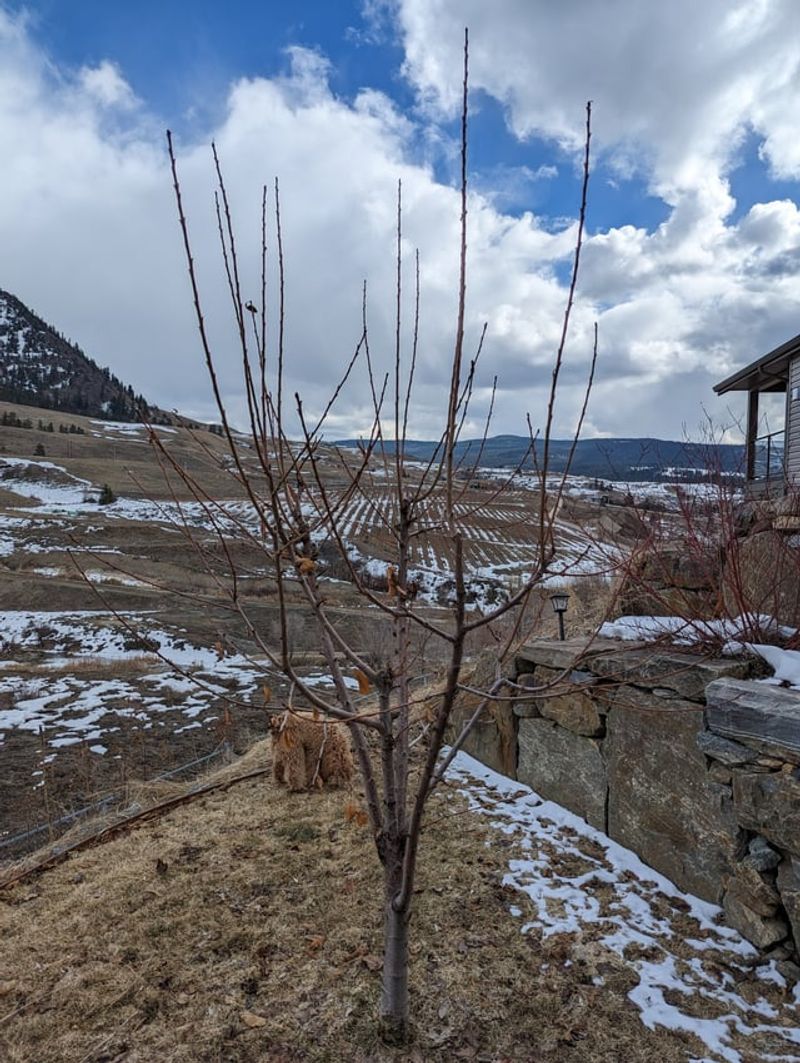
Whether flowering ornamentals or fruit-bearing varieties, cherry trees should not be pruned in January because they are highly susceptible to diseases that thrive in Oregon’s wet winter weather.
Silver leaf disease and bacterial canker are serious problems that spread easily through fresh pruning cuts, especially when rain is constant and temperatures are cool.
Pruning in January opens the door to these infections and puts your tree at risk. The best time to prune cherry trees is in late summer when the weather is dry and the tree is actively growing.
Fresh cuts heal faster in warm, dry conditions, and disease pressure is much lower. If you absolutely must remove a dead or broken branch in winter, do it on a dry day and seal the cut with pruning paint.
Flowering cherries and fruit cherries both follow this rule, so resist the temptation to prune them while they are dormant. Even though other fruit trees benefit from winter pruning, cherries are the exception.
In January, just leave your cherry tree alone and let it rest. When summer arrives and the weather dries out, you can shape it safely without worrying about disease.
Oregon cherries are beautiful and productive when they are healthy, and avoiding winter pruning is one of the best ways to keep them that way.