Mulch Your Michigan Garden Correctly With These Simple Gardening Tips
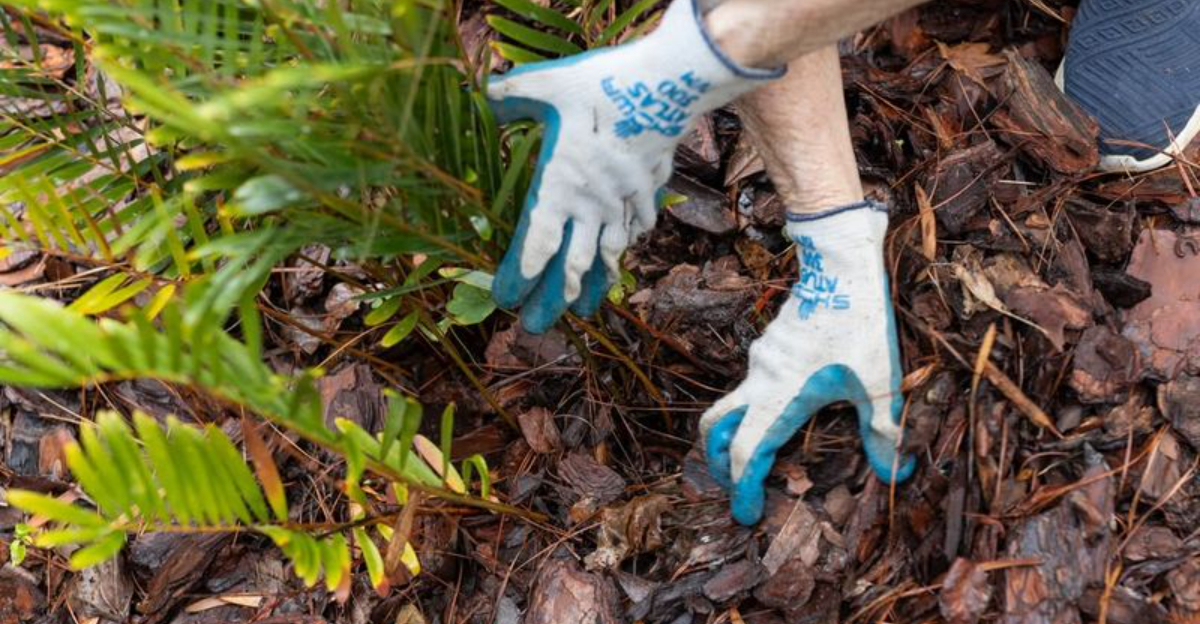
Mulching might seem like a small step, but in Michigan gardens, it makes a big difference. With changing seasons, cool springs, and hot summers, the right mulch helps protect soil and keep plants healthy.
One simple layer can change your whole garden. It’s one of the easiest upgrades you can make.
Good mulch keeps moisture in, blocks weeds, and improves soil over time. That means less watering and less work for you.
Smart mulching saves time and boosts results. Michigan gardeners who mulch correctly see stronger plants and better growth.
From flower beds to vegetable gardens and tree bases, mulch works everywhere when it’s used the right way. Choosing the right material and applying it properly can prevent common mistakes that harm plants.
With a few simple tips, you can turn mulch into one of your best gardening tools and enjoy a healthier, more productive garden all season long.
1. Choose The Right Mulch Type For Michigan’s Climate
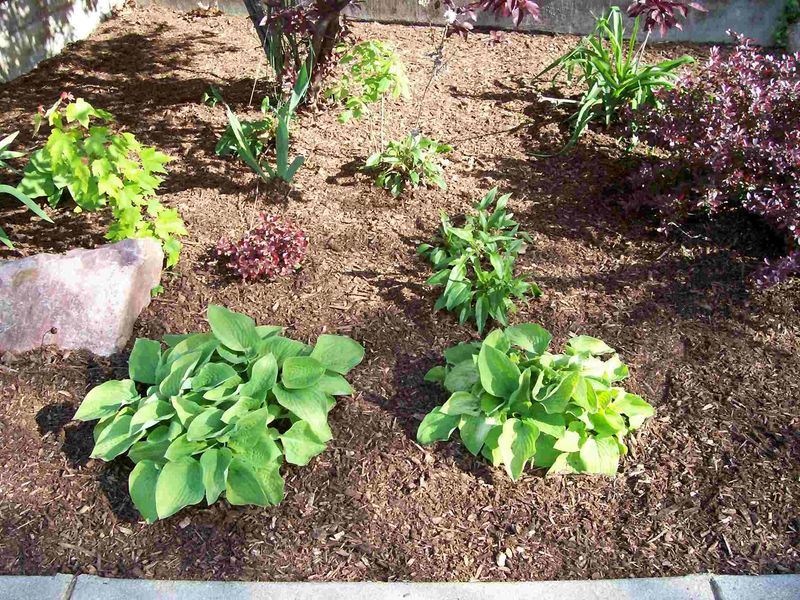
Michigan gardeners have plenty of mulch options, but not every type works equally well in our state’s unique climate.
Organic mulches like shredded bark, wood chips, and compost break down over time, adding valuable nutrients back into the soil while improving its structure.
These materials work beautifully in Michigan because they help insulate plant roots during our frigid winters and keep soil cooler during hot summer stretches.
Hardwood mulch is a popular choice across Michigan because it breaks down slowly and looks attractive in flower beds and around trees. Cedar and pine bark mulches offer natural pest-repelling properties, which can be helpful if you’re dealing with insects in your garden.
Straw and shredded leaves are budget-friendly alternatives that work wonderfully in vegetable gardens, though they may need replacing more often than wood-based options.
Inorganic mulches like rubber mulch or stone might seem appealing because they last forever, but they don’t improve your soil quality.
In Michigan, where building healthy soil is crucial for successful gardening, organic options usually win out. Rubber mulch can also heat up too much in summer sun, potentially harming plant roots.
Consider what you’re growing when selecting mulch. Vegetable gardens benefit from compost or straw that enriches the soil as it decomposes.
Perennial beds and shrub plantings do well with hardwood or bark mulch that lasts multiple seasons.
Whatever you choose, make sure it’s appropriate for Michigan’s freeze-thaw cycles and varying moisture levels throughout the year. The right mulch choice sets the foundation for everything else you’ll do in your garden.
2. Apply Mulch At The Perfect Depth
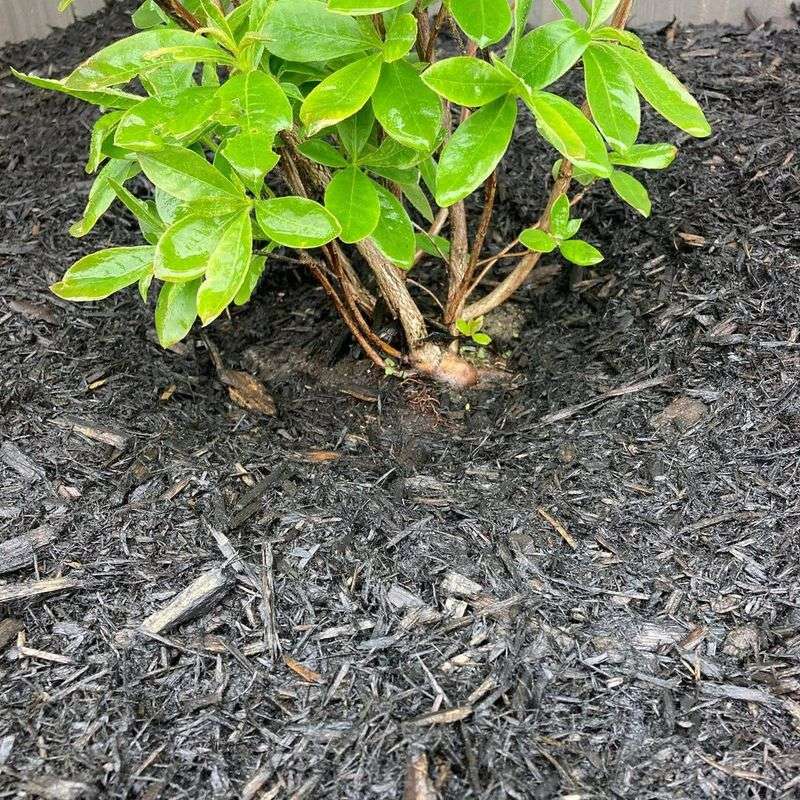
Getting the depth right is where many Michigan gardeners accidentally sabotage their own efforts.
Too little mulch won’t provide adequate protection or weed suppression, while too much can suffocate plant roots and create a haven for pests and diseases. The sweet spot for most garden situations is a layer between two and four inches thick.
For flower beds and around perennials in Michigan, aim for about three inches of mulch. This provides enough coverage to retain moisture during dry spells and insulate roots when temperatures drop.
Your Michigan Garden Changes Every Week. Your Plan Should Too.
Gardening in Michigan changes quickly throughout the season. Every Friday you’ll receive a simple weekly plan showing exactly what to plant, prune, fertilize, harvest, and protect so you never miss the right timing.
Around trees and shrubs, you can go slightly deeper, up to four inches, but never pile mulch against the trunk or stems. That creates what gardeners call a “mulch volcano,” which traps moisture against the bark and invites rot and insect damage.
Vegetable gardens need a lighter touch, usually around two to three inches. Since you’ll be replanting these areas more frequently, a thinner layer makes it easier to work the soil when seasons change.
In pathways between garden beds, you can apply mulch more generously, up to four or five inches, to really suppress weeds and create comfortable walking surfaces.
Remember that mulch settles and decomposes over time, especially organic types. What starts as three inches in spring might compress to two inches by fall.
Plan to check your mulch depth a couple times during the growing season and add fresh material as needed. In Michigan, a good time to top off mulch is early summer, after the soil has warmed up but before the hottest, driest weather arrives.
3. Time Your Mulching For Maximum Benefits
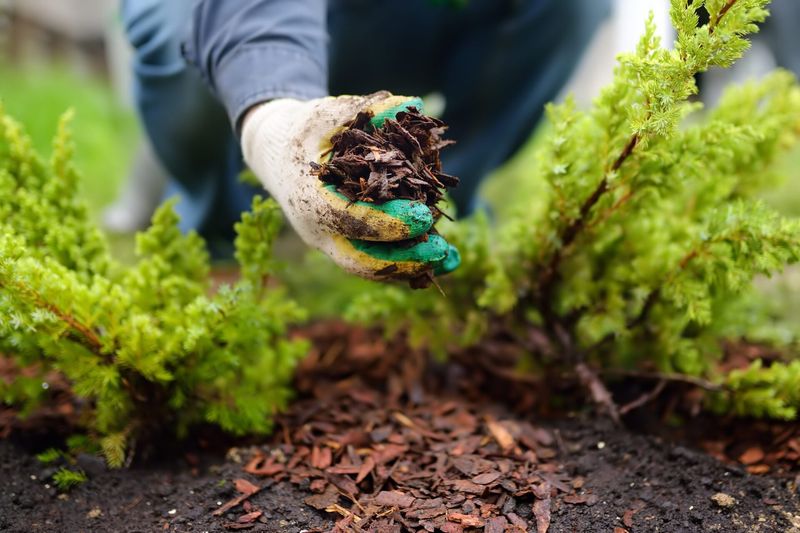
Timing can make or break your mulching success in Michigan. Many gardeners assume spring is the only time to mulch, but understanding seasonal considerations helps you get better results.
In Michigan, the ideal time to apply fresh mulch is late spring, after the soil has warmed up but before summer heat sets in. This usually means late May or early June, depending on where you live in the state.
Mulching too early in spring is a common mistake in Michigan. If you spread mulch while the ground is still cold, you’ll actually insulate that coldness into the soil, slowing down warming and delaying plant growth.
Wait until you’ve planted your annuals and the soil temperature has reached at least 60 degrees. Your plants will thank you with faster growth and healthier root development.
Fall mulching has its place too, particularly for protecting perennials and shrubs through Michigan’s harsh winters. Apply a fresh layer in late October or early November, after the ground has started to freeze but before heavy snow arrives.
This insulates roots from extreme temperature swings during winter thaw-and-freeze cycles that can heave plants right out of the ground.
For vegetable gardens in Michigan, timing depends on what you’re growing. Cool-season crops like lettuce and peas appreciate mulch applied in early spring to keep soil cool and moist.
Warm-season vegetables like tomatoes and peppers need bare soil to warm up first, so wait until after transplanting to add mulch around them.
Adjusting your timing to Michigan’s seasons and your specific plants makes a noticeable difference in garden performance.
4. Keep Mulch Away From Plant Stems And Trunks
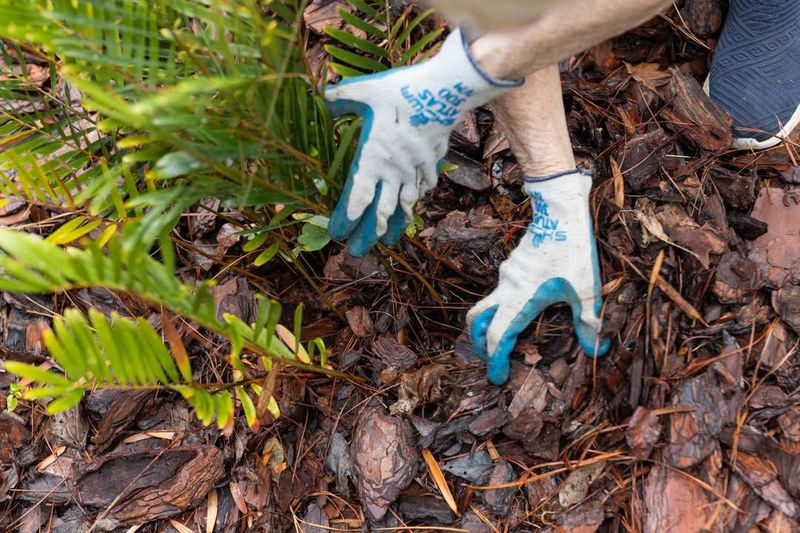
One of the biggest mulching mistakes happens when well-meaning gardeners pile mulch right up against plant stems, tree trunks, and shrub bases. This creates serious problems that can compromise plant health or even lead to plant failure.
Mulch touching bark or stems traps moisture against the plant tissue, creating perfect conditions for rot, fungal diseases, and insect infestations.
When mulching around trees in your Michigan yard, create a donut shape rather than a volcano. Spread mulch out to the tree’s drip line if possible, but leave a gap of at least three to six inches around the trunk itself.
This allows air circulation around the base and prevents bark damage. The same principle applies to shrubs: keep mulch pulled back from the main stems by several inches.
For perennials and smaller plants in Michigan gardens, leave about an inch or two of bare soil around each plant’s crown. This breathing room prevents crown rot, which is especially problematic during Michigan’s wet spring seasons.
You want mulch to protect the root zone without smothering the part of the plant where stems emerge from the ground.
Check your mulch placement throughout the growing season. Rain, wind, and garden activity can shift mulch around, sometimes pushing it against plants where you don’t want it.
A quick inspection every few weeks lets you pull mulch back from stems and maintain that protective gap. This simple habit prevents countless problems and keeps your Michigan garden thriving.
Think of mulch as a protective ring around your plants, not a blanket that covers everything right up to the stem.
5. Prepare Your Soil Before Mulching
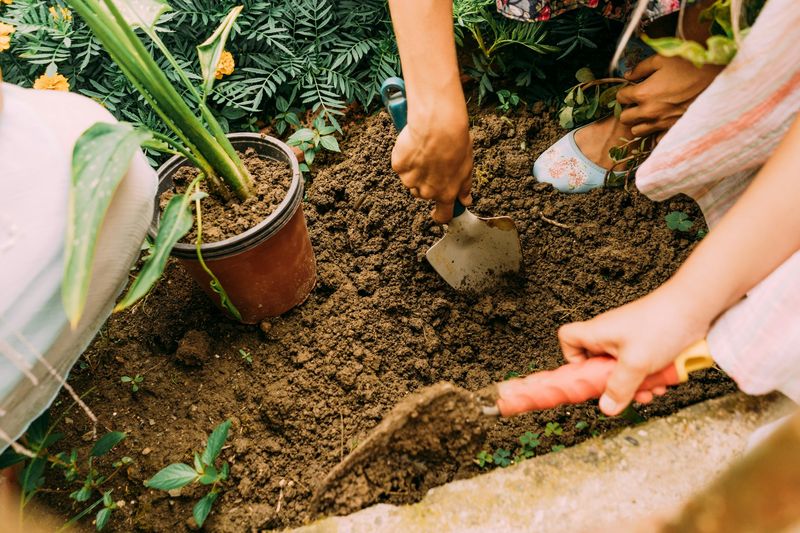
Throwing mulch on top of unprepared soil is like putting frosting on a cake you forgot to bake. The preparation work you do before mulching makes a huge difference in how well your Michigan garden performs.
Start by removing existing weeds from the area you plan to mulch. While mulch prevents new weeds from sprouting, it won’t stop established weeds that are already growing. Pull them out by the roots or use a hoe to remove them completely.
Next, consider adding compost or other soil amendments before you mulch. In Michigan, many garden soils are heavy clay that benefits enormously from organic matter.
Spread a one to two-inch layer of compost over your garden beds and work it lightly into the top few inches of soil.
This improves drainage, adds nutrients, and creates a healthier environment for plant roots. Then apply your mulch on top of this improved soil.
Make sure the soil is moist before you mulch. If the ground is bone dry, water thoroughly and let it soak in before spreading mulch.
Mulch helps retain whatever moisture is already in the soil, so starting with moist soil gives your plants a better foundation. In Michigan’s sometimes unpredictable spring weather, this step ensures plants have access to water even if dry spells hit.
Edge your garden beds before mulching to create clean boundaries and prevent mulch from spilling into lawn areas. A defined edge also makes it easier to maintain consistent mulch depth.
Many Michigan gardeners use a flat spade to cut a clean edge, while others install landscape edging for a more permanent solution. Proper preparation takes a little extra time upfront but pays off with healthier plants and easier maintenance all season long.
6. Refresh And Replenish Mulch Regularly

Mulch isn’t a one-and-done garden task, especially in Michigan where weather conditions cause organic mulches to break down fairly quickly. Over time, mulch decomposes, gets blown around by wind, washes away in heavy rains, and compacts from snow and foot traffic.
Regular maintenance keeps your mulch working effectively throughout the growing season and beyond.
Plan to check your mulch depth at least twice a year in Michigan. Early summer is a great time to assess how your spring mulch is holding up and add more if needed.
Late fall offers another opportunity to refresh mulch before winter arrives. If your mulch layer has compressed to less than two inches, it’s time to add more.
Rake the existing mulch lightly to fluff it up, then spread fresh mulch on top to bring the total depth back to the ideal three to four inches.
As organic mulch breaks down, it actually improves your soil by adding nutrients and organic matter. This is wonderful for soil health but means you’ll need to replenish the mulch layer.
In Michigan gardens, hardwood mulch typically needs topping off once a year, while finer materials like compost or shredded leaves may need refreshing twice annually. Consider this decomposition a feature, not a bug, since it’s constantly improving your garden soil.
When adding fresh mulch, you don’t always need to remove the old layer completely. If the existing mulch has partially decomposed and settled to an inch or so, simply add new mulch on top.
However, if you’ve accumulated several years’ worth of mulch that’s become matted and compacted, rake it aside, break it up, and mix it into the soil as a soil amendment before applying fresh material. This prevents excessive buildup that can interfere with water and air reaching plant roots.
7. Match Mulch Color And Texture To Your Garden Style
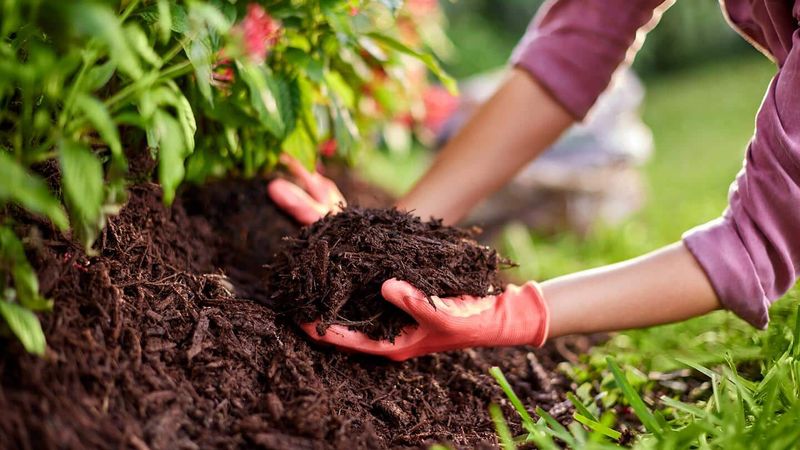
Beyond the practical benefits, mulch plays a significant role in your garden’s appearance. Michigan gardeners have access to mulches in various colors and textures, from natural brown and tan to dyed red, black, or even gold.
Your choice affects the overall look of your landscape and can either complement or clash with your home and plants.
Natural, undyed mulches in brown or tan tones create a classic, woodland feel that works beautifully with most Michigan landscapes. These colors blend seamlessly with the surrounding environment and don’t compete visually with your plants and flowers.
Shredded hardwood bark has a fine texture that looks tidy and professional, while larger wood chips create a more rustic, informal appearance. Consider the style of your home and garden when selecting mulch texture.
Dyed mulches offer bolder color options that some Michigan homeowners love for creating contrast. Black mulch makes flower colors pop dramatically and gives beds a polished, contemporary look.
Red mulch is popular in some neighborhoods, though it can look artificial if overdone. If you choose dyed mulch, make sure it’s colored with safe, non-toxic dyes, especially if you’re mulching vegetable gardens or areas where children and pets play.
In vegetable gardens and cutting gardens where appearance is less critical than function, simple straw or shredded leaves work wonderfully and cost very little. These materials might not win beauty contests, but they perform all the essential mulch functions while improving soil as they decompose.
Many Michigan gardeners use attractive mulch in front yard ornamental beds and save budget-friendly options for backyard vegetable plots.
Whatever you choose, consistency within each garden area creates a cohesive, intentional look that makes your entire landscape feel well-designed and cared for.