This Desert Modern Garden Trend Is Transforming Utah Yards
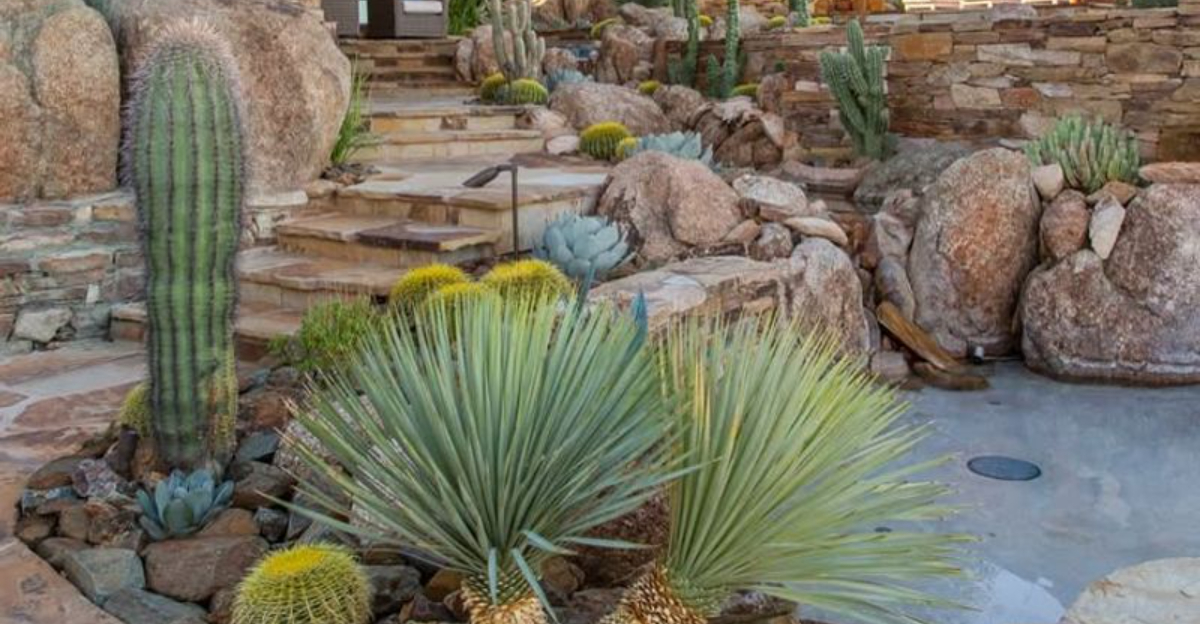
Utah yards are changing fast, and desert modern design is leading the way. This fresh style blends clean lines, natural textures, and low-water plants to create outdoor spaces that look modern and easy to maintain.
Less water, less mess, and more style. That’s why so many homeowners are making the switch.
Instead of crowded flower beds and thirsty lawns, desert modern gardens focus on smart layouts and bold, simple beauty.
This trend works with Utah’s dry climate instead of fighting it. Practical can still look amazing. And yes, it really does boost curb appeal.
From gravel pathways to sculptural plants and warm-toned hardscapes, these design choices turn ordinary yards into eye-catching outdoor spaces. Whether you want a full makeover or small upgrades, desert modern ideas are flexible and budget-friendly.
If you’re ready for a yard that looks fresh, stylish, and built for Utah weather, this trend is worth a closer look.
1. Native Plant Palettes Replace Thirsty Lawns
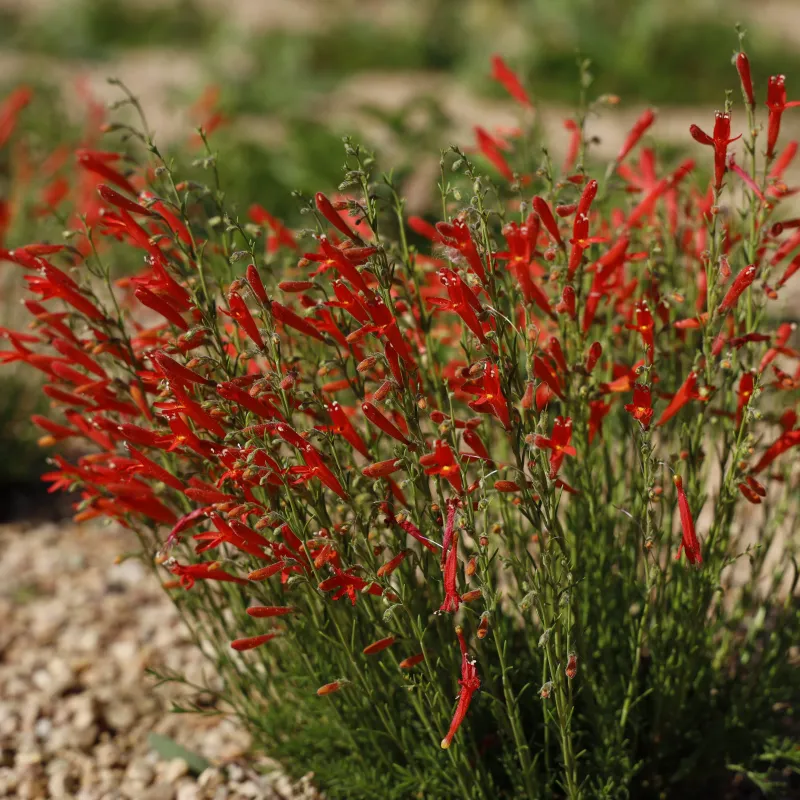
Swapping out water-hungry grass for native Utah plants creates a landscape that thrives naturally in the local climate.
Species like sagebrush, rabbitbrush, and Utah serviceberry have evolved over thousands of years to flourish in the state’s dry conditions, which means they need minimal irrigation once established.
These plants offer surprising variety in color, texture, and seasonal interest that traditional lawns simply cannot match.
Homeowners across Utah are grouping native plants in artistic arrangements that look intentional rather than wild.
Clumps of ornamental grasses like blue grama or Indian ricegrass add movement and soft texture, while flowering natives such as penstemon and globe mallow provide pops of color throughout the growing season.
The key is selecting plants with different heights, leaf shapes, and blooming periods to create visual layers that keep the landscape interesting all year long.
Beyond aesthetics, native plant gardens support local wildlife including pollinators, birds, and beneficial insects that struggle to find food in traditional lawn environments. Butterflies and hummingbirds become regular visitors, adding life and motion to your outdoor space.
Many Utah gardeners report seeing species they had never noticed before once they switched to native plantings.
Maintenance becomes remarkably simple with native plants since they are adapted to local soil conditions and weather patterns. After an initial establishment period of regular watering, most native species can survive on natural rainfall alone in many Utah locations.
This dramatic reduction in water use translates to lower utility bills and less time spent dragging hoses around the yard, giving you more freedom to actually enjoy your outdoor space rather than constantly working to maintain it.
2. Minimalist Hardscaping With Natural Stone
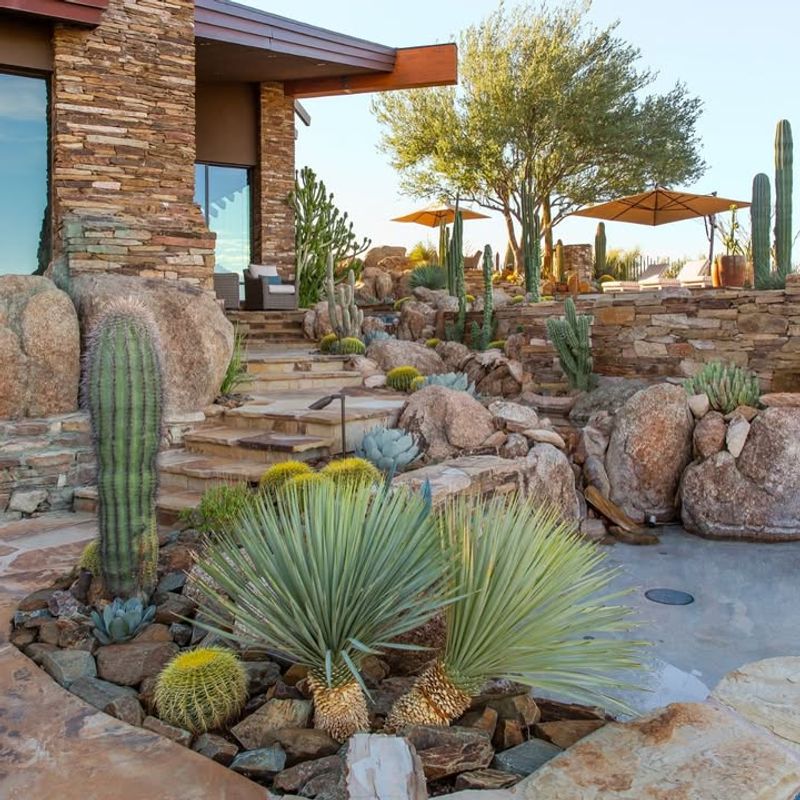
Clean lines and simple geometric shapes define the hardscaping in desert modern yards, creating structure that contrasts beautifully with the organic forms of plants.
Natural stone materials like sandstone, flagstone, and river rock connect the design to Utah’s dramatic geological landscape while providing durable surfaces for pathways, patios, and borders.
The color palette stays earthy with tones of tan, rust, gray, and cream that echo the surrounding desert and mountain views.
Your Utah Garden Changes Every Week. Your Plan Should Too.
Gardening in Utah changes quickly throughout the season. Every Friday you’ll receive a simple weekly plan showing exactly what to plant, prune, fertilize, harvest, and protect so you never miss the right timing.
Straight pathways made from large stepping stones set in decomposed granite or pea gravel offer a contemporary look that guides visitors through the garden without overwhelming the space.
Wide, flat stones create stable walking surfaces while allowing rainwater to soak into the ground rather than running off like it would on concrete.
Many Utah homeowners are choosing locally sourced stone that reflects the natural geology of their specific region, strengthening the connection between their yard and the broader landscape.
Retaining walls and raised planters built from stacked stone add vertical interest and help manage slopes common in Utah properties. These structures serve practical purposes while contributing to the modern aesthetic through their simple, uncluttered design.
The natural variation in stone color and texture provides visual richness without requiring elaborate detailing or ornamentation.
Gravel and decomposed granite ground covers between planted areas complete the minimalist look while suppressing weeds and conserving soil moisture. These materials come in various colors and sizes, allowing customization to match your overall design scheme.
Unlike wood chips that decompose and need frequent replacement, stone-based ground covers last for years with minimal maintenance, making them both economical and environmentally sensible for Utah’s climate.
3. Sculptural Succulents And Agaves As Focal Points
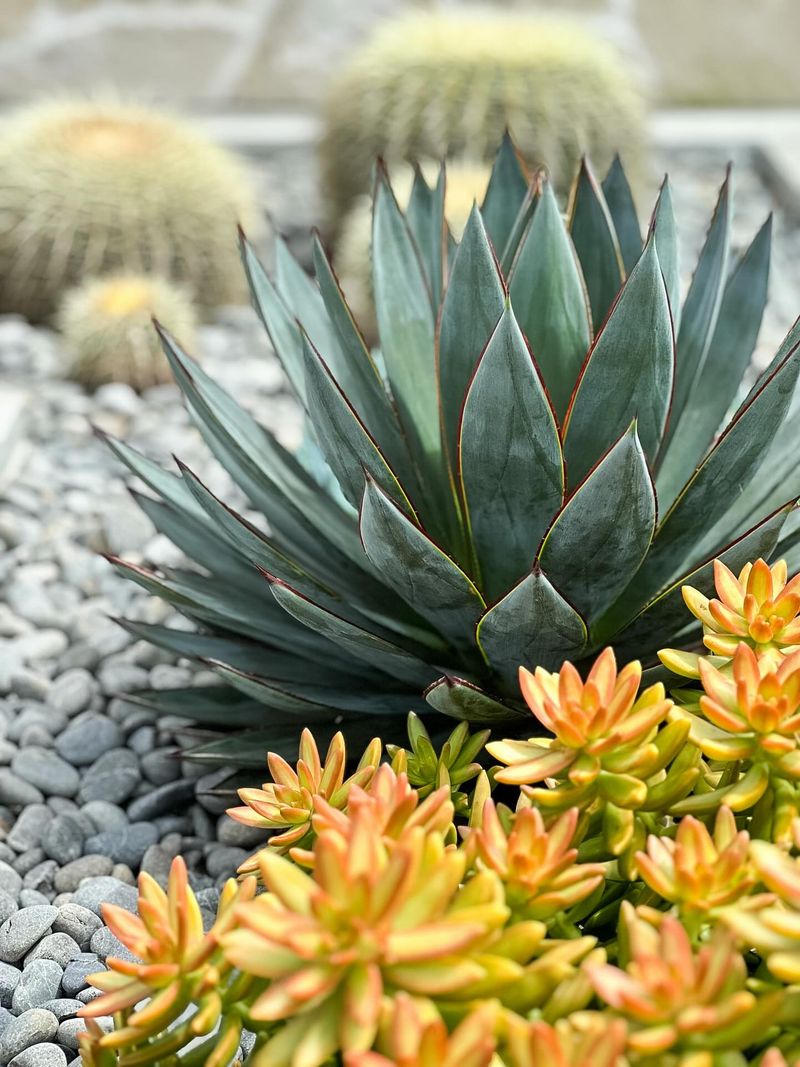
Bold architectural plants bring drama and personality to desert modern gardens, serving as living sculptures that command attention.
Agaves, yuccas, and larger succulents offer striking silhouettes with their symmetrical rosettes, spiky leaves, and dramatic forms that look especially stunning when backlit by Utah’s abundant sunshine.
These statement plants work best when given plenty of space to showcase their unique shapes rather than crowding them with competing elements.
Placement strategy matters enormously with sculptural plants since they naturally draw the eye and create focal points in the landscape. Position a large century plant near an entryway to make a welcoming statement, or place a cluster of yuccas at the corner of a patio to anchor the space visually.
Many Utah gardeners are discovering that a single well-placed specimen plant often has more impact than a dozen smaller ones scattered throughout the yard.
Container plantings allow experimentation with tender succulents that might not survive Utah winters in the ground.
Large ceramic or concrete pots filled with echeveria, sedum, or sempervivum can be moved to protected locations during cold months, then returned to prominent positions when weather warms.
The containers themselves become part of the design when chosen in colors and styles that complement the modern aesthetic.
Hardiness considerations are important since Utah’s cold winters limit which succulents can remain outdoors year-round.
Fortunately, many agaves and yuccas tolerate freezing temperatures surprisingly well, especially when planted in well-draining soil and given protection from winter moisture.
Research cold-hardy varieties suited to your specific Utah zone before investing in expensive specimens, and consider starting with proven performers like Parry’s agave or banana yucca that reliably overwinter throughout most of the state.
4. Monochromatic Color Schemes With Textural Contrast
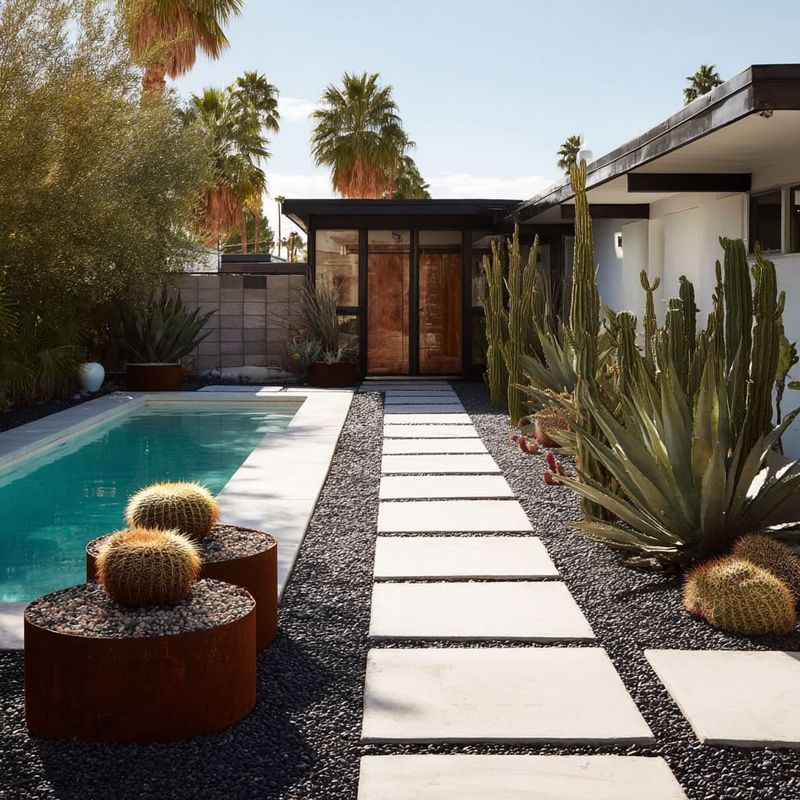
Restraint in color choices creates a sophisticated look that feels cohesive and intentional rather than chaotic.
Desert modern gardens in Utah often embrace monochromatic or analogous color schemes that limit the palette to shades of green, gray, silver, and blue-green with occasional warm accents from rust, copper, or golden tones.
This approach allows the varied textures and forms of plants to take center stage rather than competing with busy color combinations.
Silver and blue-toned foliage plants like Russian sage, lavender, and various artemisia species create a cooling effect that looks refreshing in Utah’s intense summer sun. These plants also tend to be drought-tolerant since their leaf colors often result from protective coatings that reduce water loss.
Grouping several silver plants together amplifies their impact while maintaining the restrained color palette that defines the desert modern aesthetic.
Textural variety becomes essential when working within limited colors, preventing the landscape from looking flat or monotonous.
Combine fine-textured ornamental grasses with bold, broad-leaved plants like mullein or agave, then add medium textures through plants with small compound leaves or needle-like foliage.
The interplay of these different textures catches light in varied ways throughout the day, creating visual interest even within a narrow color range.
Strategic color accents prevent the monochromatic scheme from feeling cold or sterile. A cluster of orange globe mallow flowers, the rust-colored bark of a desert willow, or warm-toned decorative boulders can provide just enough contrast to energize the composition without overwhelming it.
Utah’s natural landscape offers inspiration for these accent colors, with the red rock formations and golden aspens suggesting hues that feel authentically connected to the region.
5. Outdoor Living Spaces With Desert Modern Furniture
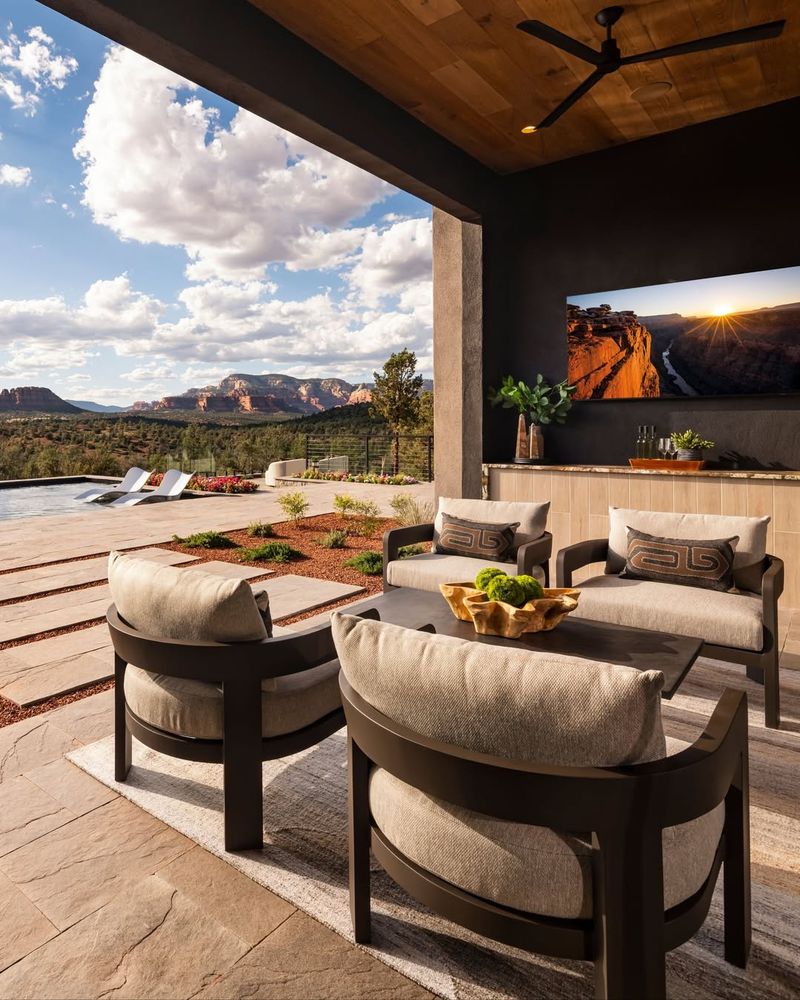
Extending your home’s living area into the landscape creates functional outdoor rooms that get used throughout Utah’s mild spring, summer, and fall seasons.
Desert modern outdoor spaces feature clean-lined furniture in materials like metal, concrete, and weather-resistant wood that complement the natural stone and plant elements in the garden.
Seating areas become destinations rather than afterthoughts, designed with the same attention to style and comfort as indoor rooms.
Pergolas and shade structures add architectural interest while providing relief from intense midday sun that can make unshaded patios unusable during summer months.
Simple designs with straight beams and minimal ornamentation fit the modern aesthetic better than ornate Victorian-style structures.
Many Utah homeowners are incorporating native wood species or metal frameworks that develop attractive patinas over time, adding character while requiring little maintenance.
Fire features extend the usability of outdoor spaces into cooler months and create natural gathering points for family and friends. Modern fire pits with geometric shapes and clean edges fit seamlessly into desert modern designs, whether fueled by natural gas or wood.
The dancing flames provide warmth, ambiance, and a focal point for evening entertaining when Utah’s mountain air turns crisp.
Outdoor kitchens and dining areas transform yards into true extensions of the home where meals can be prepared and enjoyed surrounded by the garden. Built-in grills, countertops, and storage keep the space functional while maintaining clean lines that do not clutter the landscape.
Choosing materials that echo those used elsewhere in the yard, such as matching stone countertops to pathway pavers, creates visual continuity that makes the entire property feel thoughtfully designed rather than cobbled together over time.
6. Strategic Lighting That Highlights Architecture And Plants
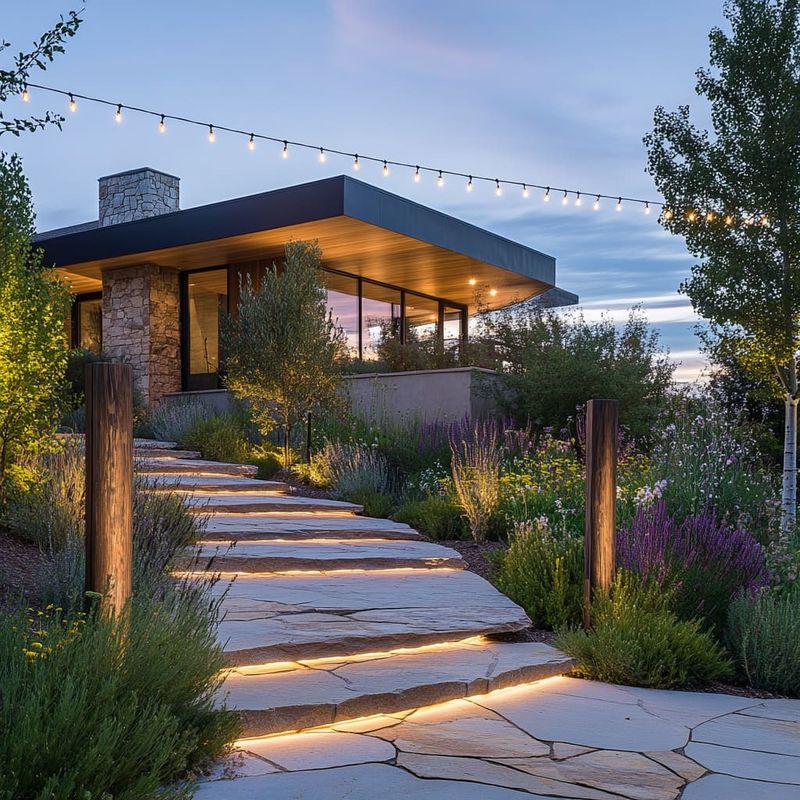
Thoughtful illumination transforms desert modern gardens after sunset, creating dramatic effects that showcase the landscape’s best features while providing practical visibility for pathways and gathering areas.
Uplighting positioned at the base of sculptural plants like agaves or ornamental grasses casts striking shadows and emphasizes their architectural forms.
The play of light and shadow adds a whole new dimension to the garden that many Utah homeowners never experience in yards with only basic overhead lighting.
Path lighting ensures safe navigation through the landscape while contributing to the overall design when fixtures are chosen for their aesthetic appeal as well as function. Low-profile lights set along walkways provide necessary illumination without visual clutter during daylight hours.
Solar-powered options have improved dramatically in recent years, offering reliable performance in Utah’s sunny climate without requiring complicated wiring or increasing electricity bills.
Accent lighting on hardscaping elements like stone walls, water features, or outdoor art creates focal points that draw the eye through the darkened landscape. Subtle illumination is generally more effective than bright spotlights, creating atmosphere rather than looking like a stadium.
Many modern fixtures offer adjustable brightness and color temperature, allowing customization based on the mood you want to create for different occasions.
Energy efficiency matters both environmentally and economically, making LED technology the clear choice for landscape lighting.
These fixtures use a fraction of the electricity required by traditional bulbs while lasting years longer, reducing both operating costs and maintenance hassles.
Smart lighting systems allow control from your phone, letting you adjust timing and intensity without trudging outside, which is especially appreciated during Utah’s cold winter months when you might not want to venture into the yard but still want to enjoy the view from inside.