Why Winter Is The Best Time To Prune Forsythia In New Jersey Gardens
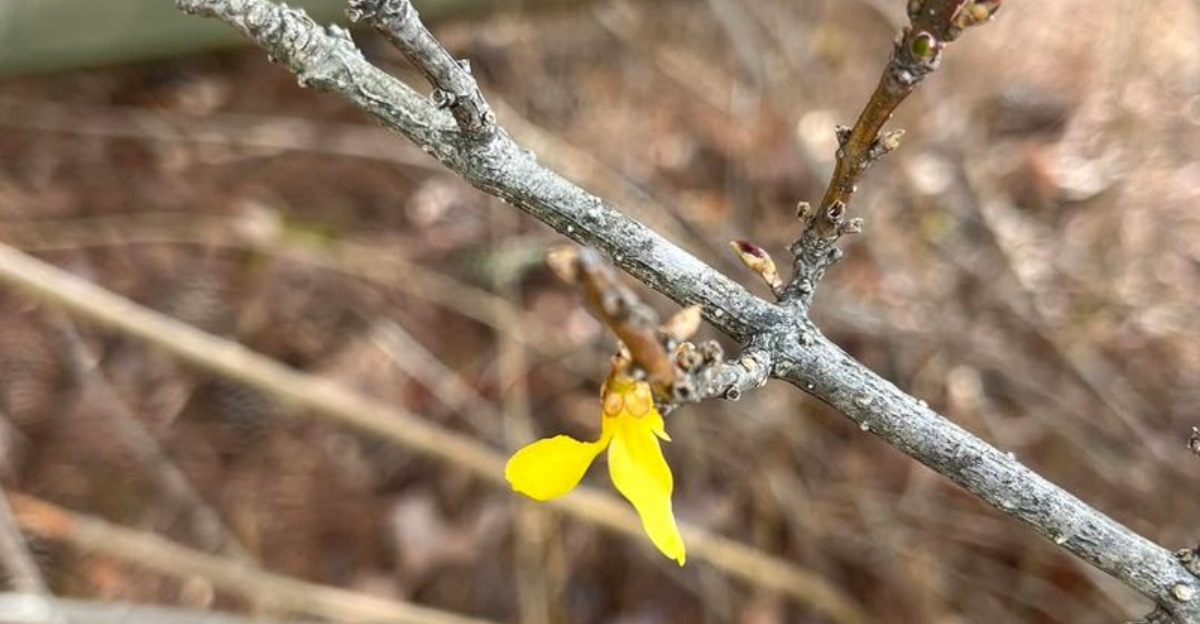
Winter might seem like an odd time to think about pruning, but for New Jersey gardeners, it’s actually the perfect moment to care for forsythia.
When the plant is dormant, it handles trimming better and responds with stronger growth later. Winter pruning sets the stage for brighter blooms. This small step makes a big difference.
Forsythia is one of the first shrubs to explode with color in spring, and proper pruning helps it shine even more. Skip the guesswork and cut at the right time.
Your spring display depends on what you do now. New Jersey’s cold months give gardeners a clear window to shape plants without stressing them.
From improving airflow to removing weak branches, winter pruning keeps forsythia healthy and full.
With a few simple cuts, you can encourage thicker growth and better flowering. If you want bold yellow blooms next season, winter is the moment to get started.
1. Plants Are Fully Dormant During Cold Months
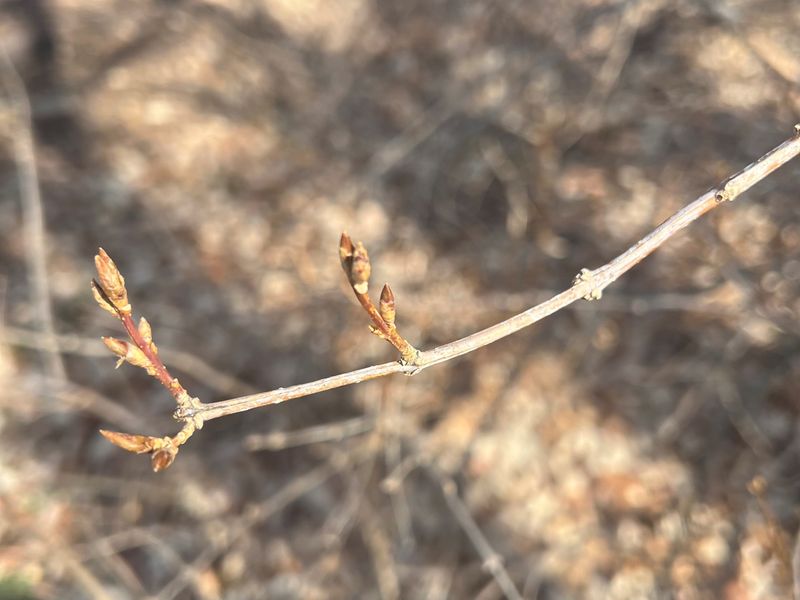
Forsythia shrubs enter a deep sleep when temperatures drop across New Jersey, making this the safest time for major pruning work. During dormancy, the plant’s energy retreats into the root system, and sap flow slows dramatically.
Cutting branches during this resting phase causes minimal shock to the overall plant structure.
Active growth periods make pruning more stressful because the shrub is actively transporting nutrients and water throughout its system. Winter trimming avoids interrupting these vital processes.
Your forsythia can recover from cuts without diverting energy away from important growth functions.
New Jersey winters typically provide a solid window from late December through February when forsythia remains completely dormant.
You can identify dormancy by checking for the absence of any green growth or swelling buds. The branches should feel firm and show no signs of sap movement when cut.
Pruning during dormancy also reduces the risk of disease transmission since many harmful pathogens remain inactive in cold weather. Wounds seal more effectively when the plant isn’t pushing sap through its vascular system.
This natural defense mechanism works best when the shrub is resting rather than actively growing.
Gardeners throughout New Jersey appreciate that dormant-season pruning allows for aggressive reshaping without harming the plant’s long-term health. You can remove up to one-third of old growth safely during this period.
The forsythia will respond with vigorous new shoots once spring warmth returns to the Garden State.
2. Branch Structure Becomes Clearly Visible Without Leaves
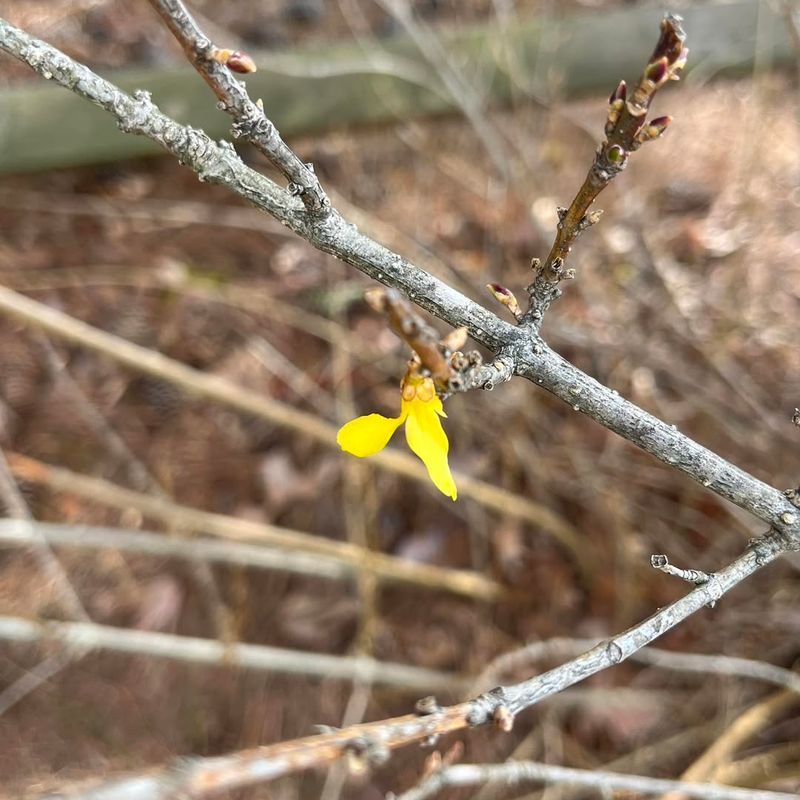
Bare branches reveal the true architecture of your forsythia, making winter the perfect time to assess what needs trimming.
Without the distraction of foliage, you can easily spot crossing branches, weak growth, and areas where the shrub has become too dense. This clarity simply doesn’t exist during the growing season when leaves obscure your view.
Identifying problem areas becomes straightforward when you can trace each branch from its origin to its tip. Dry wood stands out clearly against healthy brown stems, appearing gray or black with brittle texture.
You’ll notice which branches grow toward the center of the plant, creating congestion that blocks air circulation.
Your New Jersey Garden Changes Every Week. Your Plan Should Too.
Gardening in New Jersey changes quickly throughout the season. Every Friday you’ll receive a simple weekly plan showing exactly what to plant, prune, fertilize, harvest, and protect so you never miss the right timing.
New Jersey gardeners benefit from this visibility when planning their pruning strategy for forsythia hedges and specimen plants. You can step back and visualize the final shape before making any cuts.
This prevents the common mistake of removing too much from one side while leaving another area overgrown.
The skeletal winter appearance also helps you understand the plant’s natural growth pattern and work with it rather than against it. Forsythia develops a fountain-like form with arching branches that should flow outward from the center.
Winter pruning lets you enhance this graceful shape by removing awkward stems that disrupt the overall silhouette.
Taking photographs of your forsythia from multiple angles during winter can guide your pruning decisions. You might discover that certain branches detract from the plant’s appearance or that the shrub has grown lopsided.
Correcting these issues becomes much easier when you can see exactly what you’re working with across your New Jersey landscape.
3. Flower Buds Form In Late Summer For Next Spring Display
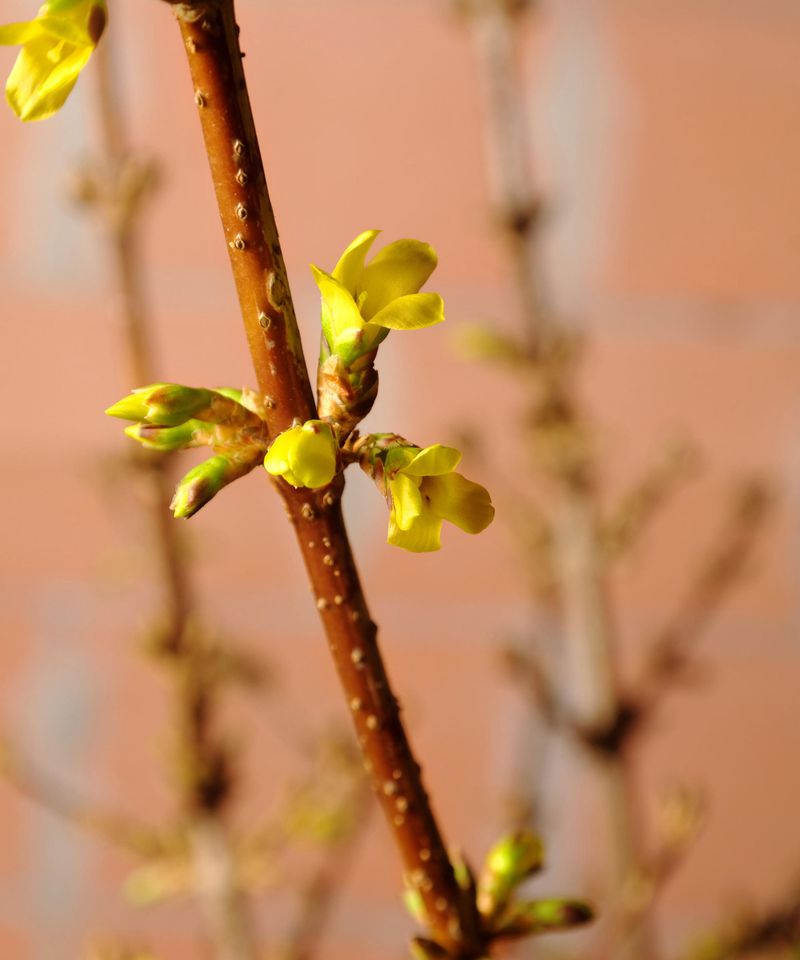
Understanding forsythia’s blooming cycle explains why winter pruning timing matters so much for New Jersey gardeners. These shrubs set their flower buds on old wood during the previous growing season, typically in late summer and early fall.
By winter, those buds are already formed and waiting for spring warmth to trigger their spectacular yellow display.
Pruning in late winter, just before buds begin to swell, allows you to preserve maximum flowering potential.
You can carefully work around the plump flower buds that dot the stems, removing only the branches that contribute little to the overall shape. This selective approach maintains the spring show while improving the plant’s structure.
Early winter pruning in December gives you the most flexibility since buds remain small and less vulnerable to accidental damage.
As January and February progress across New Jersey, those buds gradually enlarge in preparation for spring. You’ll want to complete major pruning before they start showing significant swelling.
Some gardeners worry that any winter cutting will reduce flowering, but this concern is usually unfounded with careful technique.
The key involves removing entire old branches at the base rather than shearing the tips where most flower buds cluster. This method rejuvenates the shrub while preserving plenty of blooming wood.
If you prune forsythia in spring after flowers fade, you remove the wood that would produce next year’s blooms. Summer or fall pruning creates the same problem by cutting away branches that have already set buds for the following season.
Winter pruning in New Jersey gardens offers the sweet spot where you can shape the plant without sacrificing the brilliant yellow flowers that make forsythia so beloved.
4. Frozen Ground Prevents Soil Compaction Around Roots
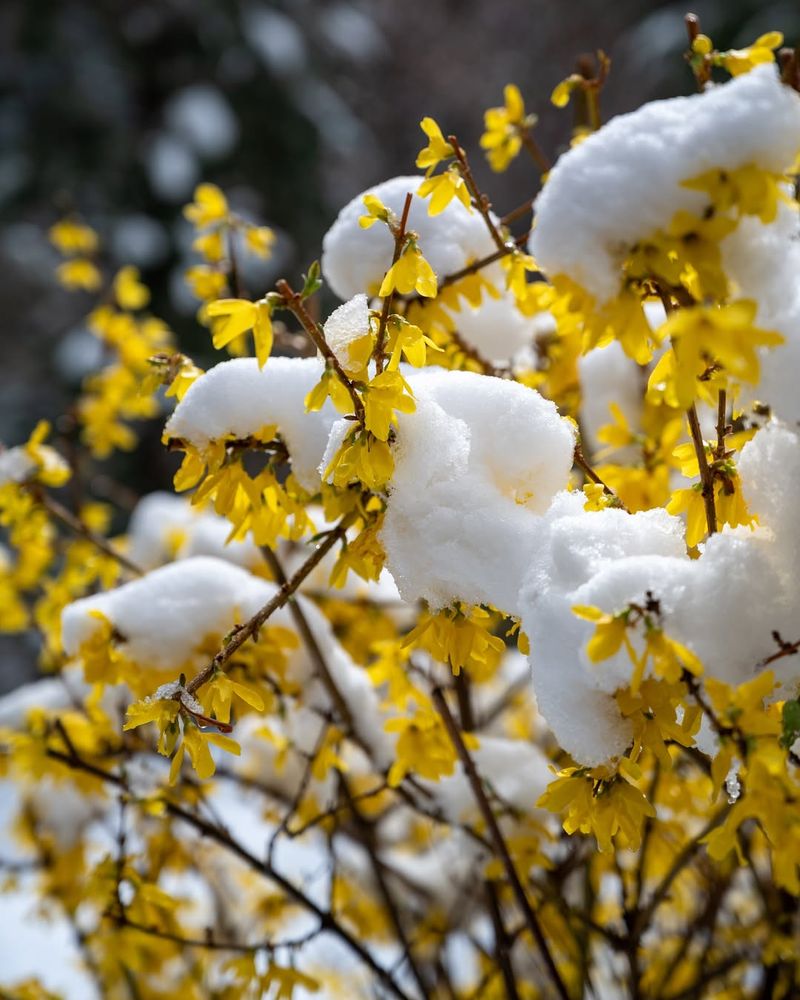
Working around your forsythia during winter offers a practical advantage that many New Jersey gardeners overlook: frozen or firm ground protects the root zone from damage.
When soil is soft and wet during spring or fall, walking around the base of the shrub compacts the earth and squeezes air pockets that roots need for healthy growth. Winter’s solid ground eliminates this concern.
Compacted soil creates long-term problems for forsythia and other landscape plants by reducing water infiltration and oxygen availability.
Roots struggle to expand into dense earth, limiting the plant’s ability to access nutrients and moisture. Repeated trampling during wet seasons can seriously compromise root health over time.
New Jersey experiences freeze-thaw cycles throughout winter, but the ground typically remains firm enough to support your weight without compressing.
You can position your ladder, move around the shrub, and access all sides without worrying about creating hardpan conditions. This freedom of movement makes the pruning process more efficient and less damaging.
The protective effect extends beyond just the area directly beneath your feet. Winter pruning sessions typically involve carrying branches away from the work site and making multiple trips around the plant.
Firm ground prevents the cumulative damage that occurs when you make these same movements during muddy spring conditions or rain-soaked fall weather.
Gardeners who maintain multiple forsythia shrubs or hedges especially appreciate this winter advantage. You can work your way along an entire row without leaving a trail of compacted soil and footprints.
The plants emerge from their dormant period with undisturbed root zones ready to support vigorous spring growth across your New Jersey property.
5. Pest And Disease Pressure Drops To Minimal Levels
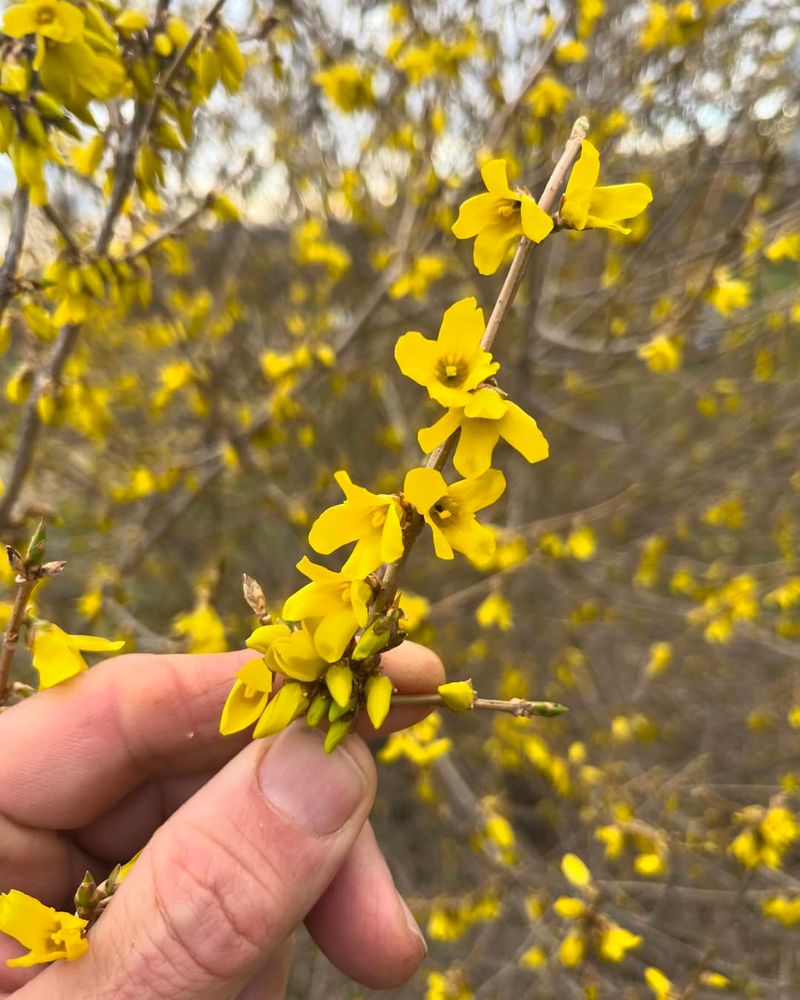
Cold New Jersey winters send most garden pests and disease organisms into hibernation, creating an ideal environment for clean pruning cuts. Insects that might otherwise enter fresh wounds remain inactive in freezing temperatures.
Fungal spores and bacterial pathogens that thrive in warm, humid conditions pose virtually no threat during the dormant season.
Fresh pruning cuts create entry points for various problems when made during the growing season. Warm weather invites opportunistic infections that can spread through the plant’s vascular system.
Winter’s harsh conditions naturally sterilize the garden environment, reducing these risks dramatically.
Forsythia generally resists most serious diseases, but proper timing still matters for maintaining plant health. Cuts made in winter have months to begin sealing before temperatures rise enough to support pathogen activity.
By the time spring arrives and disease pressure increases, your pruning wounds have already started the healing process.
The absence of active insect populations during winter also means you won’t attract boring insects or sap-feeders to fresh cuts. Some pests are drawn to the scent of wounded plant tissue and the flowing sap that appears during active growth.
Winter pruning eliminates this attraction since dormant forsythia produces minimal sap flow.
New Jersey gardeners who prune during winter can focus entirely on shaping and rejuvenating their forsythia without worrying about disease prevention measures. You don’t need to apply wound sealants or worry about sterilizing tools between every cut.
The natural protection that winter provides allows for efficient, worry-free pruning sessions that promote long-term plant health throughout the Garden State growing season.
6. Garden Workload Remains Light During Off-Season Months
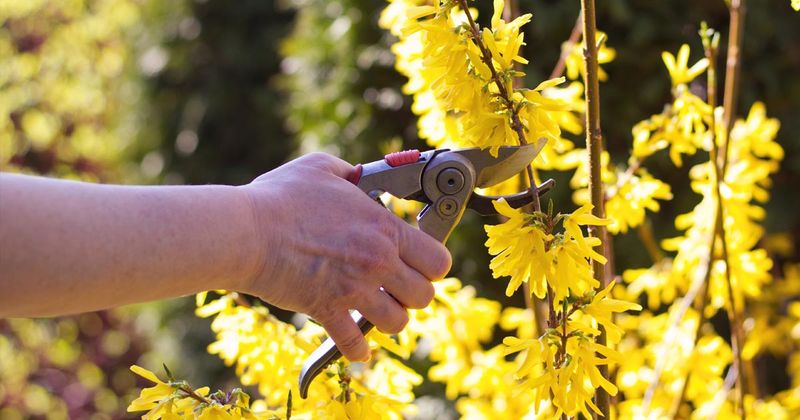
Winter offers New Jersey gardeners a rare opportunity to tackle projects without competing demands from the rest of the landscape.
Spring brings endless planting tasks, summer requires constant watering and maintenance, and fall means cleanup and preparation work. Cold months free up time for focused pruning sessions when forsythia needs attention most.
Taking advantage of this slower season allows you to approach pruning thoughtfully rather than rushing through the task between other obligations.
You can study each forsythia shrub carefully, make deliberate cuts, and step back frequently to assess your progress. This unhurried pace leads to better results and more attractive plant shapes.
Many gardeners find winter pruning therapeutic, providing a reason to spend time outdoors during months when the landscape otherwise demands little attention.
The physical activity warms you up on cold days while accomplishing important maintenance. You’ll feel productive and connected to your garden even when most plants are resting.
Scheduling winter pruning also means your forsythia will be perfectly shaped and ready to perform when spring arrives in New Jersey.
Rather than scrambling to prune after growth begins, you can simply enjoy the flower display knowing the structural work is complete. This advance preparation sets you up for success throughout the growing season.
The quiet winter garden allows you to focus entirely on your forsythia without distractions from blooming perennials, buzzing pollinators, or other seasonal activities. You might discover that you actually enjoy pruning when it’s not competing with a dozen other garden tasks.
This dedicated attention produces healthier, more attractive shrubs that enhance your New Jersey landscape for years to come.
7. Rejuvenation Pruning Works Best Before Spring Growth Surge
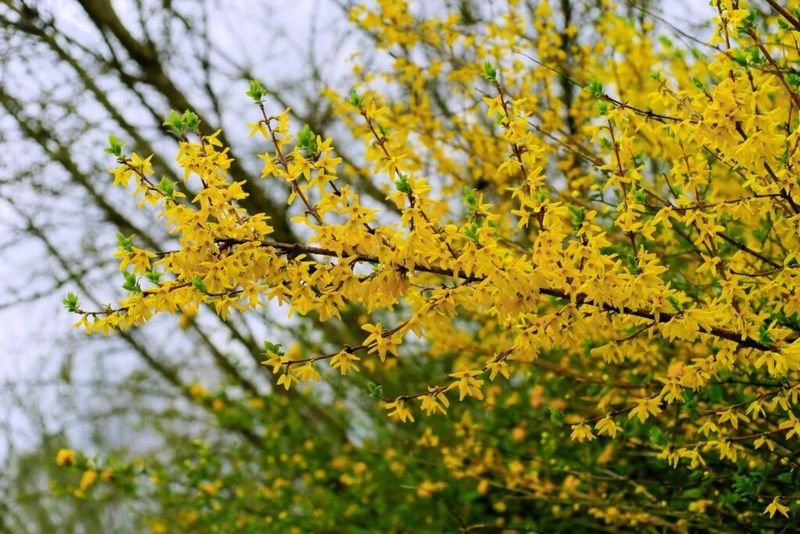
Overgrown forsythia responds remarkably well to aggressive renewal pruning when performed during winter dormancy. This technique involves cutting the entire shrub back severely, sometimes to within 6 to 12 inches of the ground.
Such drastic measures would shock an actively growing plant but succeed beautifully when timed correctly in New Jersey gardens.
Forsythia stores substantial energy reserves in its root system throughout winter, preparing for the explosive spring growth these shrubs are known for.
When you remove old, woody growth before that energy surge begins, the plant redirects all its stored resources into producing vigorous new shoots. The result is complete rejuvenation within a single growing season.
Attempting this same renewal during summer or fall would exhaust the plant by forcing it to regrow when energy reserves are low. Spring pruning works better than summer but still interrupts the natural growth cycle.
Winter pruning allows the forsythia to channel its full spring energy burst into developing fresh, healthy branches.
New Jersey homeowners dealing with neglected forsythia that have become woody, bare at the base, or misshapen find winter rejuvenation incredibly effective.
You sacrifice one season of flowers but gain a completely renewed shrub with dense, attractive growth from bottom to top. The tradeoff proves worthwhile for long-term landscape improvement.
The key to successful rejuvenation involves making cuts in late winter, ideally in February before any bud swelling begins. This timing gives the plant maximum dormancy protection while positioning it perfectly for the spring growth explosion.
Within weeks of your severe pruning, fresh green shoots will emerge throughout the Garden State, and by the following year, your forsythia will bloom abundantly on its completely renewed framework.