The Spiny Devil’s Walking Stick Is Showing Up Across Georgia This Winter

If you’ve been walking near forest edges in Georgia this winter, you may have noticed a strange, spiny plant catching your eye.
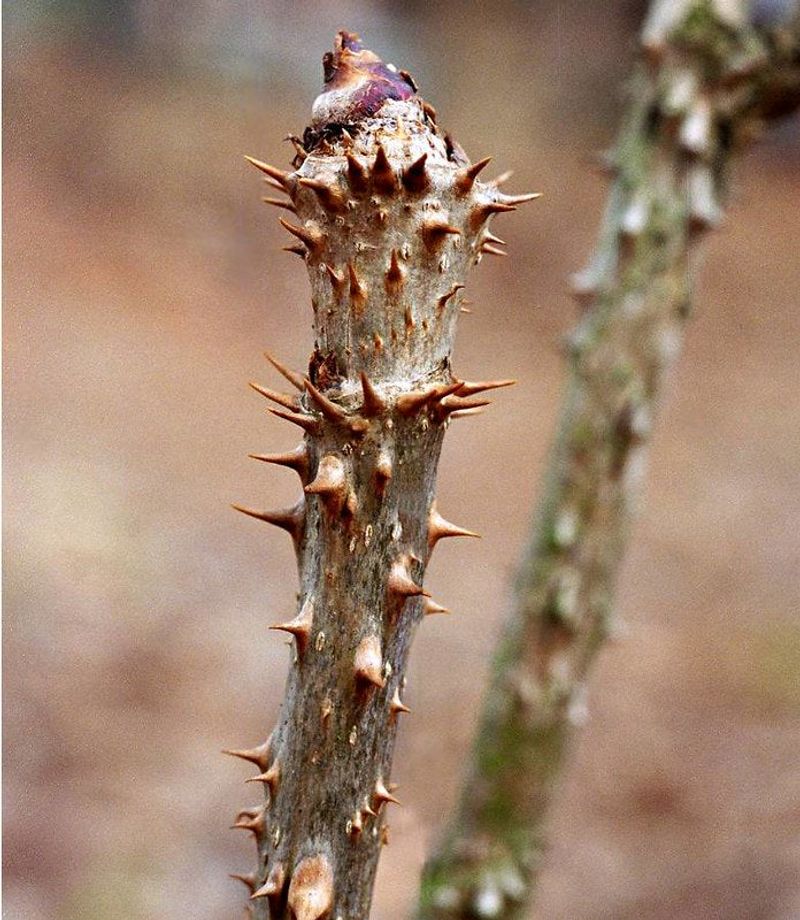
Devil’s walking stick is showing up more often, and many people are surprised by how bold and intimidating it looks. That spiky plant isn’t just a myth, it’s real. And yes, it’s spreading fast.
With bare trees and winter landscapes, this plant stands out more than ever. Its thick trunk, sharp thorns, and tall shape make it hard to miss.
Georgia hikers and homeowners are starting to talk about it. Something unusual is growing right now.
While it may look dangerous, devil’s walking stick plays a role in local ecosystems and wildlife habitats. Understanding why it appears in winter and where it grows can help you stay informed and safe.
If you want to know what this plant is, why it’s popping up, and what it means for Georgia landscapes, you’re in the right place.
1. Warmer Winter Temperatures
Georgia winters are becoming milder, and this change plays a big role in why devil’s walking stick is showing up more often. When cold weather is shorter and less intense, plants that normally slow down or go dormant can keep growing.
Devil’s walking stick is already a tough, adaptable plant, and warmer winter temperatures give it even more advantages. Instead of struggling to survive frost and frozen soil, its roots remain active longer, allowing it to stay strong and visible throughout the season.
Warmer soil also helps seeds sprout more easily. When the ground doesn’t freeze deeply, new shoots can push up faster and establish themselves before spring arrives.
This early start gives the plant extra time to grow taller and stronger, making it stand out along trails, forest edges, and open areas.
Mild winters also reduce damage to young plants. In colder years, harsh freezes can affect weaker growth.
With fewer extreme cold days, more devil’s walking stick plants survive, increasing how many people notice across the state.
For hikers and homeowners, this means the plant feels more common than before. You may see it in places where it was rare in past winters.
As Georgia continues to experience warmer seasonal patterns, plants like devil’s walking stick will likely keep expanding their presence.
What used to be hidden or dormant is now staying active longer, creating the impression of sudden growth when it’s really a result of changing weather conditions.
2. More Sunlight After Leaf Drop
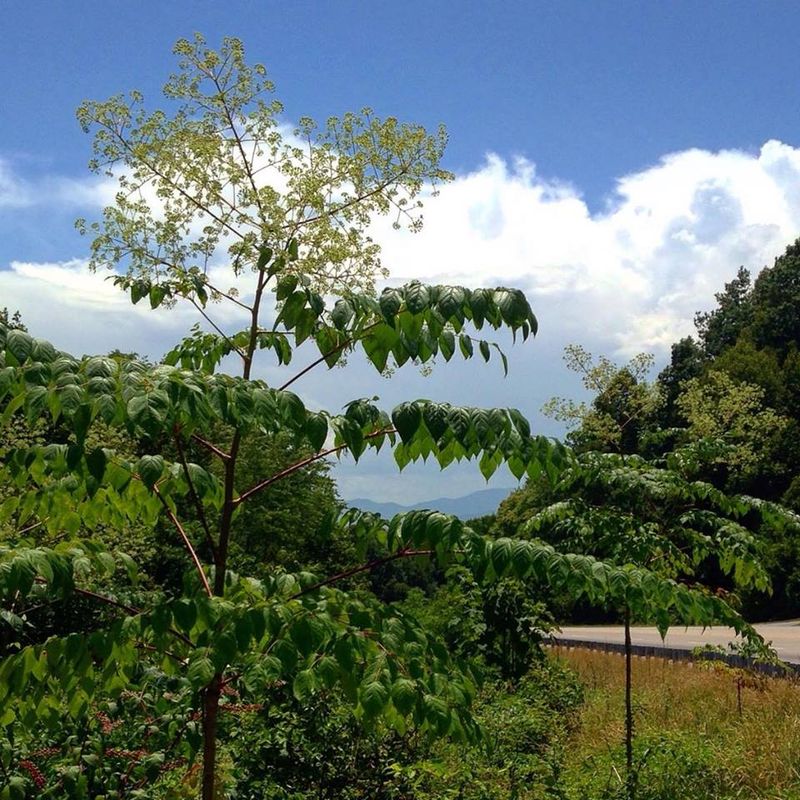
Winter changes the way sunlight reaches the ground in Georgia forests. When trees drop their leaves, large amounts of light suddenly reach areas that were shaded for most of the year.
Devil’s walking stick benefits greatly from this extra exposure. With fewer branches blocking the sun, the plant receives more energy to support growth, strengthen stems, and maintain visibility throughout the colder months.
This increase in sunlight helps younger plants establish faster. Small shoots that might struggle under heavy shade now have the chance to grow without competition from tall tree canopies.
Your Georgia Garden Changes Every Week. Your Plan Should Too.
Gardening in Georgia changes quickly throughout the season. Every Friday you’ll receive a simple weekly plan showing exactly what to plant, prune, fertilize, harvest, and protect so you never miss the right timing.
As a result, devil’s walking stick can spread more easily along forest edges, open woodlands, and disturbed areas where light is strongest.
More sunlight also helps the plant maintain its structure. Even when temperatures drop, access to direct light supports healthier growth patterns.
This is one reason people notice the plant more in winter. Without thick greenery around it, the tall stalks and spiny stems stand out clearly against bare landscapes.
For people walking trails or living near wooded areas, this change in lighting makes devil’s walking stick impossible to miss. It isn’t necessarily new growth, but rather improved visibility caused by seasonal light changes.
Winter turns hidden plants into noticeable features of the landscape. What once blended into summer foliage now becomes a bold and striking presence, making it seem like the plant has suddenly appeared everywhere.
3. Natural Wildlife Seed Spread
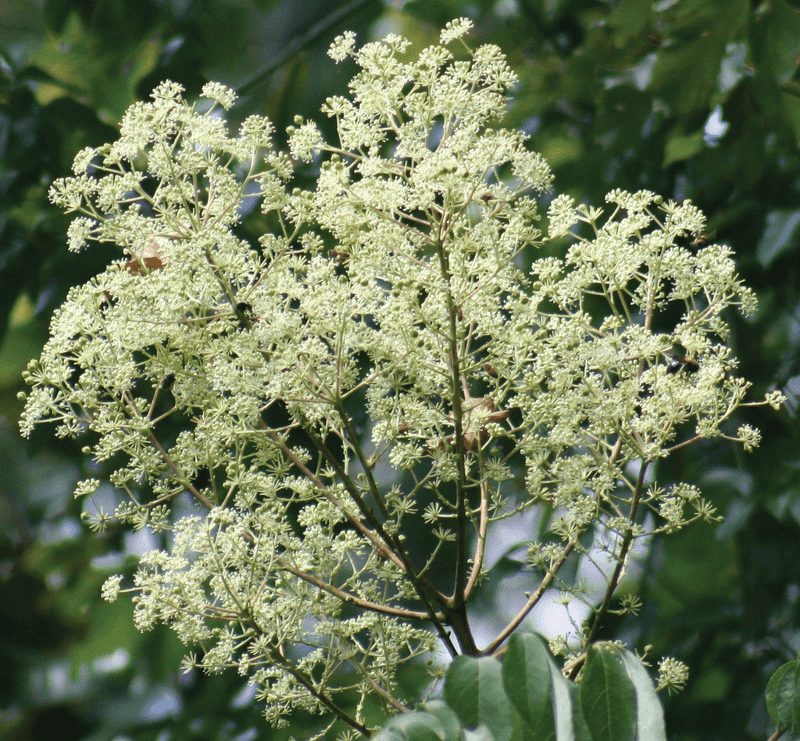
Wildlife plays a major role in spreading devil’s walking stick across Georgia. Birds and small animals are attracted to the plant’s berries, especially when food sources become limited in colder months.
After eating the fruit, animals travel long distances before dropping seeds through natural waste. This process helps spread the plant into new areas without any human involvement.
As animals move between forests, neighborhoods, and open land, seeds can land in ideal growing spots. Forest edges, fence lines, and trail borders often become perfect locations for new growth.
These areas usually receive good sunlight and have loose soil, which allows seeds to take root quickly.
Winter movement patterns also increase seed spread. Animals search wider areas for food during colder months, covering more territory.
This increases the chances that devil’s walking stick seeds end up far from the original plant. Over time, this natural spreading creates clusters of new growth that seem to appear suddenly.
People often assume these plants are invading new areas on their own, but wildlife is doing most of the work. The more animals rely on available food sources, the faster seeds travel across the landscape.
This natural process explains why devil’s walking stick is now being spotted in places where it wasn’t common before. It’s not random growth, it’s the result of wildlife activity quietly shaping Georgia’s plant population.
4. Reduced Competition From Other Plants
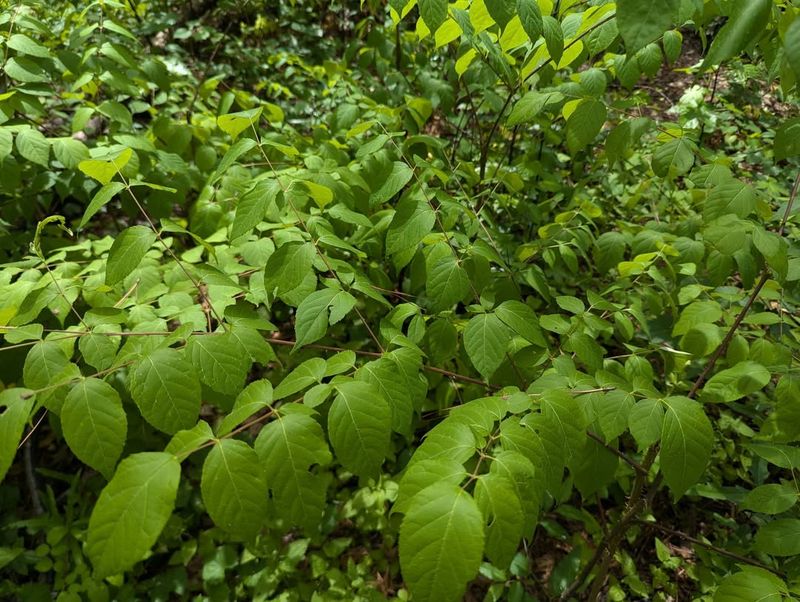
Winter creates a natural slowdown for many plants in Georgia. Flowers, grasses, and shrubs often die back or go dormant, leaving open space and available resources.
Devil’s walking stick takes advantage of this seasonal gap. With fewer plants competing for water, nutrients, and sunlight, it can grow stronger and more visible.
During warmer months, thick vegetation can crowd forest floors and edges. In winter, this dense growth fades, giving devil’s walking stick more room to expand.
Roots can access nutrients without fighting nearby plants, and stems can stretch upward without being blocked by surrounding greenery.
This lack of competition also helps young plants survive. Seedlings that might struggle during busy growing seasons now have a better chance to establish themselves.
With fewer plants absorbing water and nutrients, devil’s walking stick gets the support it needs to develop quickly.
For observers, this creates the impression that the plant is spreading rapidly. In reality, it is simply growing under easier conditions.
Winter clears the stage, allowing certain plants to stand out. Devil’s walking stick benefits from this natural pause in plant competition, using the season to strengthen itself and prepare for even more growth when spring arrives.
5. Disturbed Land And New Growth Areas
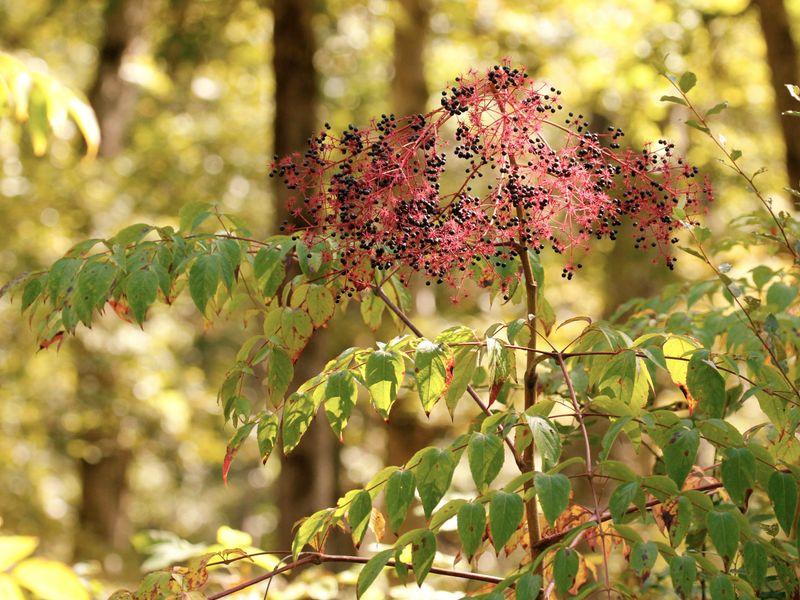
Human activity has created many new spaces where devil’s walking stick can thrive. Construction projects, road expansion, trail clearing, and land development disturb natural soil and remove existing plants.
These disturbed areas create open ground that is perfect for fast-growing plants to take root.
Devil’s walking stick is especially good at adapting to these conditions. Loose soil makes it easier for roots to spread, while open spaces provide plenty of sunlight.
Roadsides, forest edges near neighborhoods, and cleared land often become hotspots for new growth.
Winter is a common season for land projects, which increases the number of fresh areas available for plants to settle. When soil is exposed and vegetation is cleared, seeds dropped by wildlife or carried by wind can quickly establish new plants.
This connection between development and plant growth explains why devil’s walking stick seems to be appearing in new places. It’s not just spreading naturally, it’s taking advantage of opportunities created by land changes.
As Georgia continues to expand infrastructure and housing, these disturbed zones will likely keep supporting the plant’s spread.
6. Seasonal Visibility Makes It Stand Out
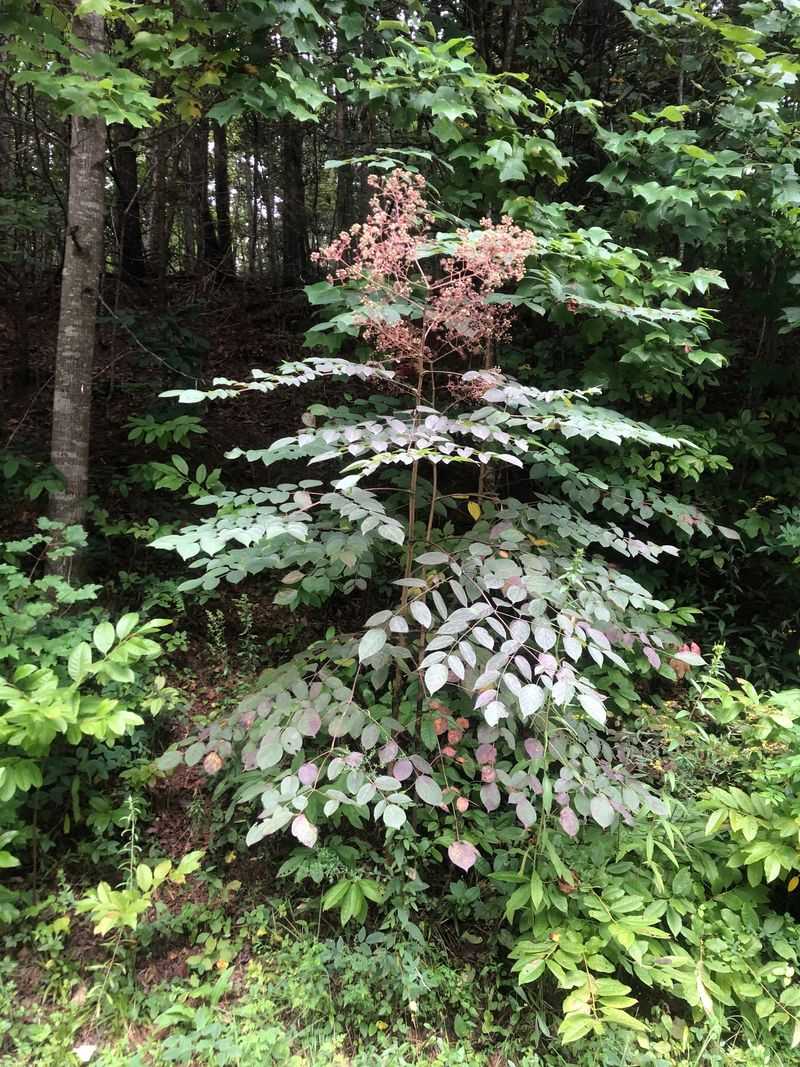
Devil’s walking stick doesn’t suddenly appear in winter, it simply becomes easier to see. When trees lose leaves and plants die back, the landscape becomes more open.
Without thick greenery hiding it, the tall stalks and sharp spines stand out clearly against bare surroundings.
Winter also changes how people move through outdoor spaces. Cooler weather encourages hiking and outdoor walks, especially in Georgia’s mild climate.
As more people explore trails and forest edges, they naturally notice unusual plants more often.
The plant’s structure makes it especially noticeable during this season. Thick stems, thorny surfaces, and tall height create a bold visual contrast.
Even from a distance, devil’s walking stick catches attention, making it seem more common than it actually is.
This increased visibility leads to more conversations and social sharing, which further spreads awareness. Once people start talking about it, others begin looking for it too.
What feels like a sudden outbreak is often just a seasonal shift in what we can see. Winter removes the visual clutter and puts devil’s walking stick in the spotlight.