Nevada Gardeners Are Rethinking Full Sun Planting And Here Are 10 Reasons Why
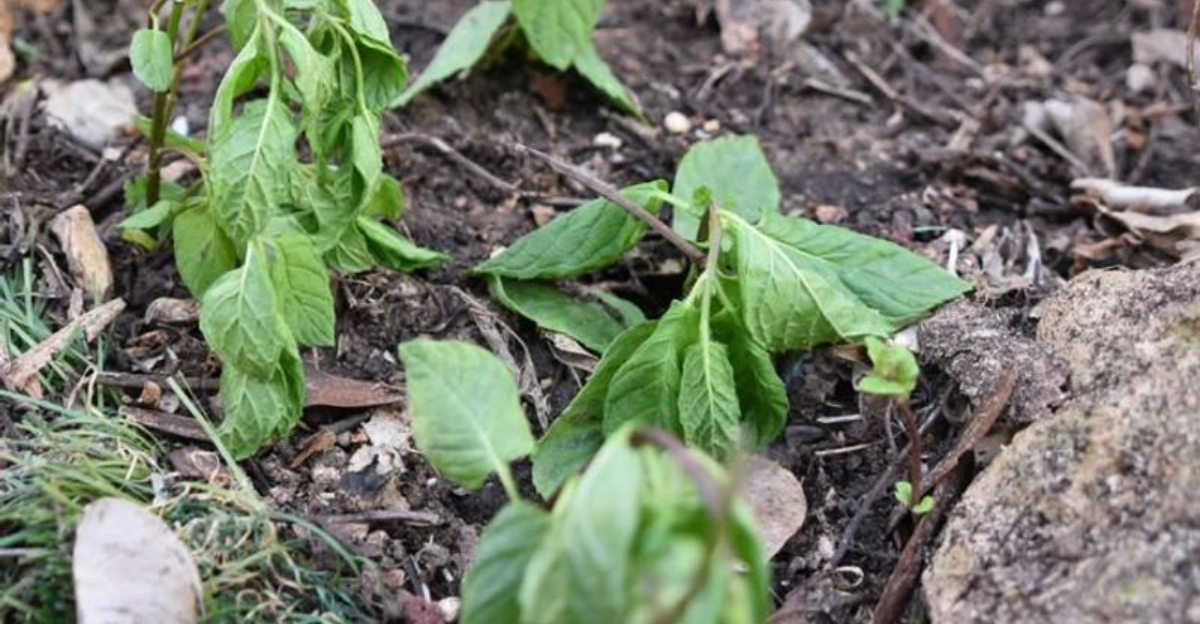
Nevada’s intense sun and scorching heat can turn a beautiful garden into a battle for survival. Even plants labeled “full sun” may struggle, suffering from heat stress, scorched leaves, or stunted growth.
Increasingly, gardeners are rethinking traditional full-sun planting strategies to keep their landscapes thriving. More sun isn’t always better, sometimes it’s too much for your plants!
These ten reasons highlight why Nevada gardeners are adjusting sun exposure, choosing partial shade, and using smart placement techniques.
From protecting delicate foliage to improving soil moisture retention and reducing water needs, the benefits of careful sun management are clear.
Thoughtful planning ensures plants not only survive but flourish in the desert climate. Smart sun strategies lead to healthier, happier gardens year-round.
Nevada gardeners who embrace these techniques can enjoy vibrant, resilient landscapes despite extreme heat. Rethink sun, protect your plants, and watch your garden thrive!
1. Extreme Summer Heat Stresses Plants
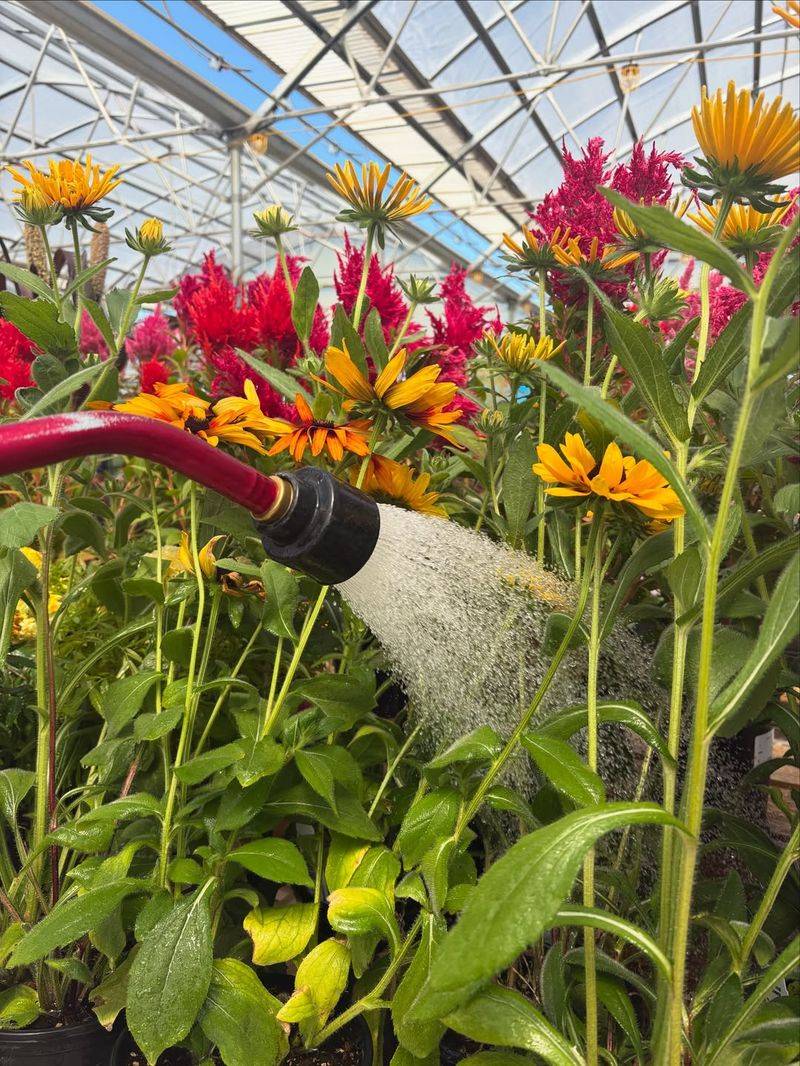
When temperatures soar past 110 degrees Fahrenheit in Nevada summers, even the toughest sun-loving plants start to show signs of struggle. Leaves that once looked vibrant begin to curl at the edges, turn brown, or develop unsightly scorch marks that weaken the entire plant.
Flowers that should be blooming abundantly may drop their buds early or refuse to open at all, leaving gardeners frustrated and disappointed.
The relentless intensity of Nevada’s summer sun creates conditions that go beyond what most traditional garden plants can handle comfortably. Growth slows to a crawl as plants redirect their energy toward survival rather than producing new leaves or blossoms.
Even varieties marketed as heat-tolerant can find themselves overwhelmed when exposed to direct sunlight for ten or more hours daily during peak summer months.
Smart gardeners are discovering that providing afternoon shade or filtered light helps their plants maintain healthier foliage and more consistent growth patterns.
Strategic placement under shade structures, near taller plants, or on the east side of buildings allows gardens to flourish without the constant battle against scorching rays.
This approach reduces plant stress significantly while still providing enough light for photosynthesis and healthy development throughout the growing season.
2. High Evaporation Increases Water Needs
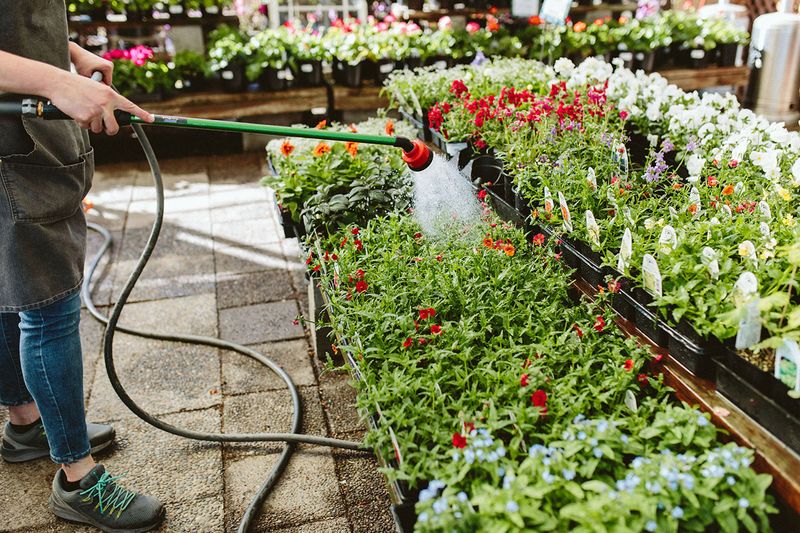
Picture this: you water your garden thoroughly in the morning, only to find bone-dry soil by early afternoon. That frustrating scenario plays out constantly in Nevada’s full-sun gardens where evaporation rates can reach staggering levels.
The combination of low humidity, high temperatures, and intense solar radiation creates a perfect storm that pulls moisture from the soil at an alarming pace.
Plants positioned in relentless sunlight require significantly more frequent watering than those enjoying partial shade, sometimes needing irrigation twice or even three times daily during summer heat waves.
This constant demand puts tremendous strain on both your water bill and your schedule, turning garden maintenance into an exhausting daily chore.
The plants themselves suffer from the stress of repeated wet-dry cycles that never allow their root systems to establish a comfortable moisture balance.
Reducing sun exposure by incorporating shade elements or choosing locations with natural afternoon protection dramatically cuts water consumption across your landscape.
Your Nevada Garden Changes Every Week. Your Plan Should Too.
Gardening in Nevada changes quickly throughout the season. Every Friday you’ll receive a simple weekly plan showing exactly what to plant, prune, fertilize, harvest, and protect so you never miss the right timing.
Gardens with mixed sun and shade conditions retain soil moisture much longer, allowing you to water less frequently while still keeping plants happily hydrated.
This practical adjustment saves precious resources while creating healthier growing conditions that benefit both your plants and your peace of mind.
3. Soil Temperatures Can Spike
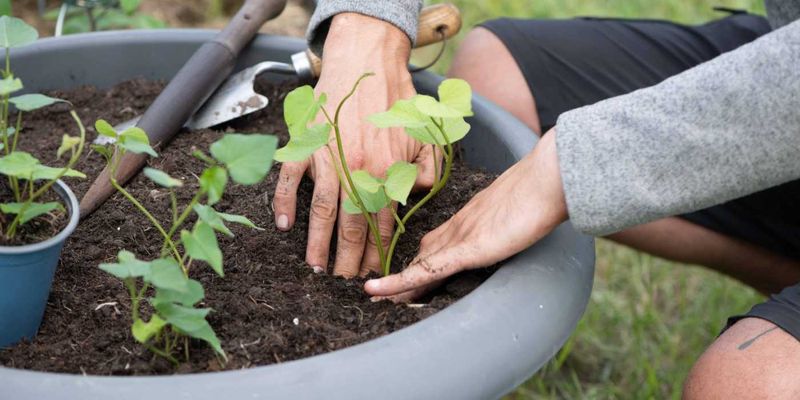
Beneath the surface of sun-baked Nevada gardens, soil temperatures can climb to levels that literally cook delicate plant roots.
When direct sunlight beats down on exposed ground for hours, surface temperatures can exceed 140 degrees Fahrenheit, creating hostile conditions that damage or destroy the fine feeder roots plants depend on for nutrition and water uptake.
Container plantings face even greater danger since pots absorb and concentrate heat like miniature ovens.
Root systems need a relatively cool, stable environment to function properly, but full-sun exposure in Nevada makes that nearly impossible without significant intervention.
Shallow-rooted plants suffer first, showing signs of wilting even when soil moisture seems adequate because their roots simply cannot function in superheated conditions.
Transplants struggle to establish themselves when their developing root systems encounter soil temperatures far outside their comfort zone.
Gardeners who provide afternoon shade or use strategic planting locations notice their soil stays considerably cooler throughout the day, giving roots the moderate temperatures they need to thrive.
Combining partial shade with generous mulch layers creates an environment where soil temperature fluctuations remain gentle rather than extreme.
This thoughtful approach to sun exposure helps plants develop robust root systems that support vigorous growth and better overall health season after season.
4. Wind Exposure Amplifies Water Loss
Nevada’s open landscapes often channel strong winds through residential areas, and gardens planted in full sun typically receive the brunt of these drying breezes. Wind works like an invisible thief, stealing moisture from both soil surfaces and plant leaves through a process that happens faster than most people realize.
When you combine bright sunshine with steady wind, evaporation rates can double or even triple compared to sheltered locations.
Leaves lose water through tiny pores called stomata, and wind accelerates this natural transpiration process to levels that can quickly overwhelm a plant’s ability to replace lost moisture.
Sun-exposed plants already working hard to cope with heat stress find themselves fighting a two-front battle when wind enters the equation. The result shows up as wilted foliage, stunted growth, and plants that never quite look as healthy as you hope they would.
Creating windbreaks or choosing planting sites that offer natural wind protection makes an enormous difference in how well gardens perform in Nevada’s challenging climate.
Partial shade areas often come with the bonus of reduced wind exposure, since structures, walls, or larger plants that cast shadows also block or deflect moving air.
This dual benefit of shade and wind protection helps plants conserve moisture more efficiently while reducing the overall stress load they face during the growing season.
5. Native Shade-Tolerant Plants Perform Better In Partial Sun
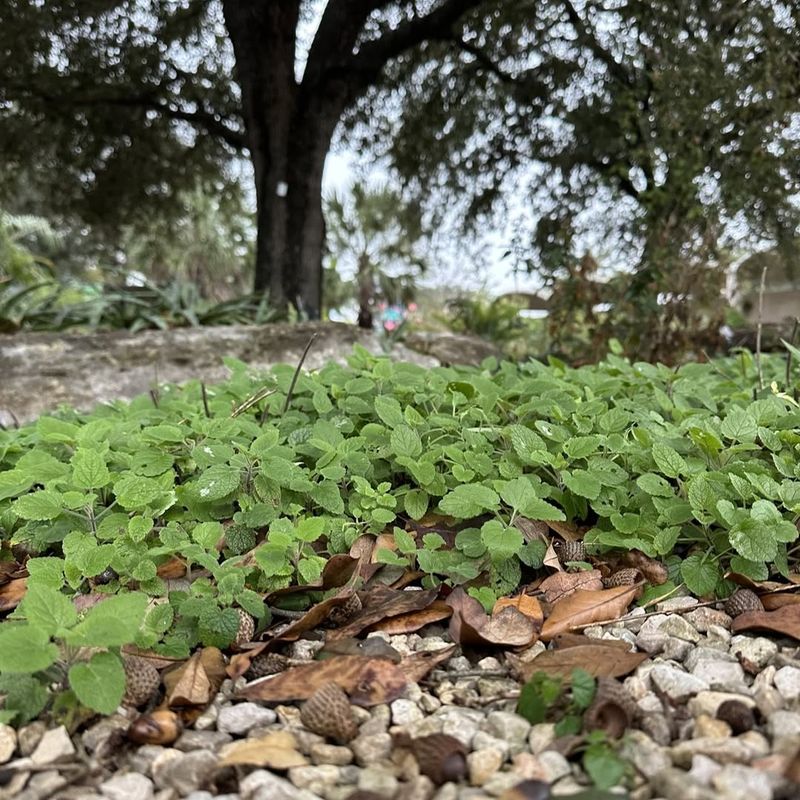
Many of Nevada’s beautiful native plants evolved in canyon washes, beneath rocky overhangs, or in the dappled shade of larger desert shrubs rather than in completely exposed locations.
These naturally adapted species often perform their best when given growing conditions that mimic their original habitats, which frequently means filtered sunlight or afternoon shade rather than relentless full-sun exposure.
Understanding this connection helps gardeners work with nature instead of fighting against it.
Plants like fernbush, cliffrose, and various native penstemons show remarkably improved vigor when positioned where they receive morning sun but afternoon protection.
Their foliage stays greener, their flowering extends longer, and their overall appearance reflects the health that comes from appropriate light levels.
These natives have spent thousands of years adapting to specific microclimate niches within Nevada’s diverse landscape, and respecting those preferences pays dividends in your garden.
Creating microclimates that offer partial sun conditions allows you to showcase a wider variety of Nevada’s remarkable native flora while reducing maintenance demands.
These adapted plants require less supplemental watering, show better resistance to local pests, and contribute to authentic regional landscaping that celebrates Nevada’s natural beauty.
Embracing partial shade planting opens up exciting possibilities for diverse, sustainable gardens that truly belong in the Silver State’s unique environment.
6. Mulching Alone May Not Be Enough
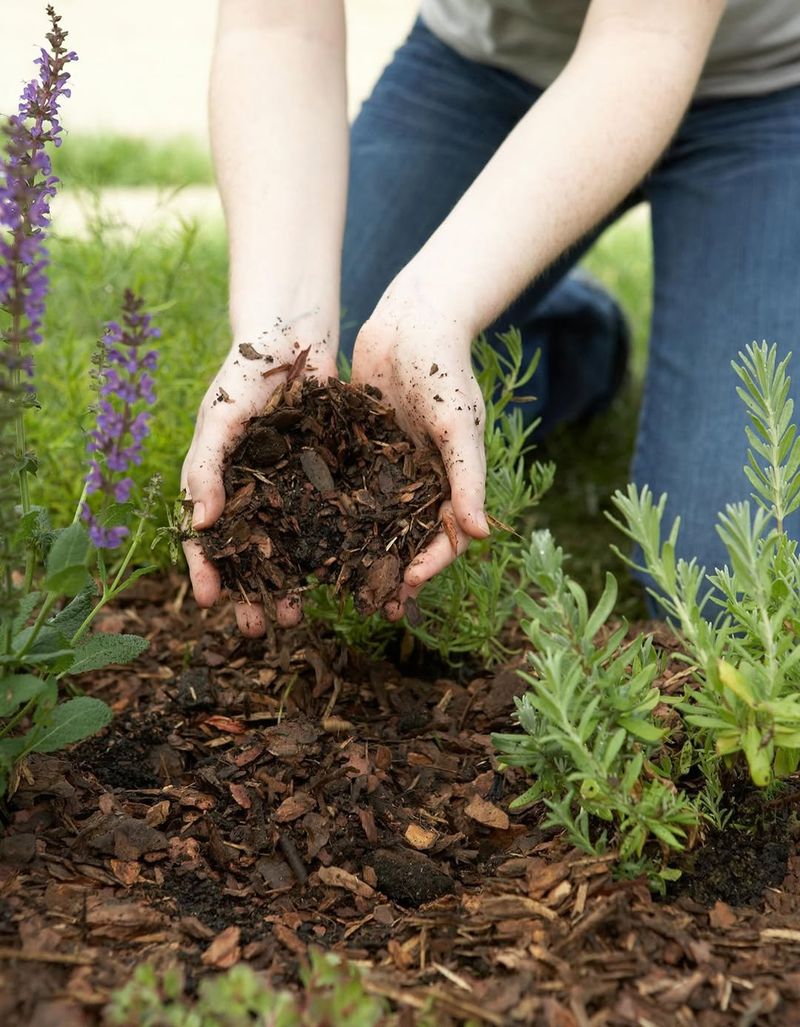
Organic mulch certainly helps moderate soil temperature and slow moisture evaporation, but counting on it as your only defense against Nevada’s intense solar radiation often leads to disappointing results.
Even a generous four-inch layer of wood chips or shredded bark cannot fully counteract the combined effects of extreme heat, low humidity, and relentless sunshine beating down on exposed garden beds.
The sun’s energy is simply too powerful for mulch alone to manage in completely unshaded areas. Gardeners who rely solely on mulching in full-sun locations find themselves constantly battling the same problems: rapid soil drying, heat-stressed plants, and water bills that keep climbing.
The mulch itself can become scorching hot to the touch, and while it does provide some insulation, the sheer intensity of Nevada summer sun overwhelms its protective capacity.
Plants positioned in these conditions continue struggling despite your best mulching efforts, leaving you wondering what else you could possibly do.
Combining quality mulch with strategic shade provision creates a much more effective defense against harsh growing conditions.
When afternoon sun gets filtered or blocked, mulch can actually do the job it was meant for, working alongside reduced light exposure to maintain moderate soil conditions.
This partnership approach recognizes that successful Nevada gardening requires multiple strategies working together rather than depending on any single solution to solve complex environmental challenges.
7. Extended Sun Can Burn New Transplants
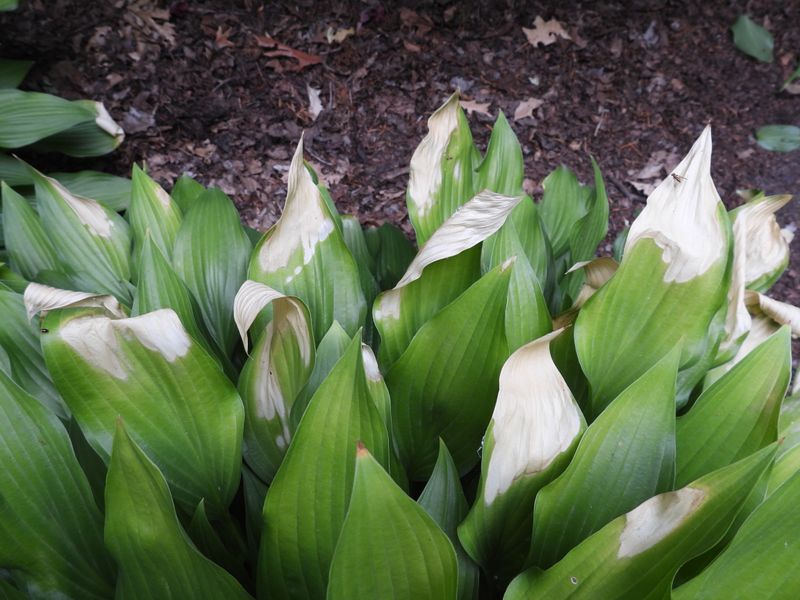
Bringing home beautiful new plants from the nursery fills gardeners with excitement, but that enthusiasm can quickly turn to heartbreak when tender transplants get placed directly into Nevada’s unforgiving full-sun locations.
Seedlings and recently planted shrubs need time to adjust to their new environment, and their developing root systems simply cannot supply enough water to compensate for the moisture loss that happens under intense, all-day sunshine.
The shock often shows up within days as crispy leaf edges and wilted stems. Young plants raised in the controlled conditions of a greenhouse or nursery have never experienced the brutal reality of Nevada’s summer sun at full strength.
Their foliage lacks the protective adaptations that more established plants develop over time, making them especially vulnerable to leaf scorch and sunburn.
Even species labeled as sun-loving need a gradual transition period, yet full-sun planting sites offer no mercy for this critical adjustment phase.
Experienced Nevada gardeners know that giving new transplants a shaded or partially shaded location for their first season dramatically improves establishment success rates.
This protective approach allows root systems to develop properly while foliage gradually acclimates to local light conditions.
Once plants have grown stronger and more resilient, they can handle increased sun exposure if needed, though many gardeners find their plants continue thriving in the gentler conditions where they first took hold.
8. Heat-Stressed Plants Attract Pests And Disease
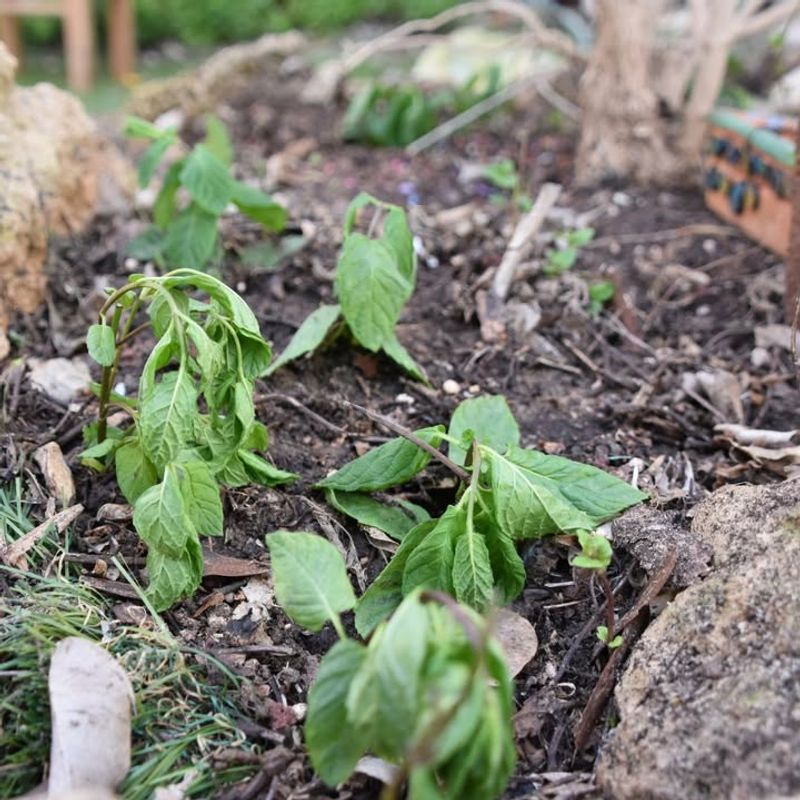
A curious thing happens when plants struggle under the constant assault of excessive heat and sun exposure: they become magnets for every pest and disease in the neighborhood.
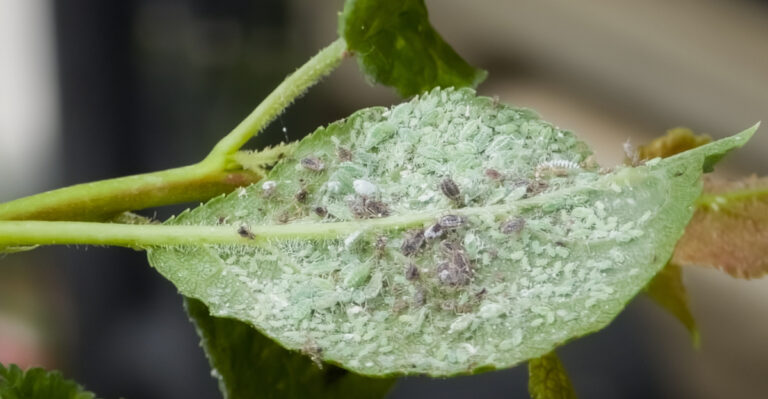
Weakened plants emit chemical signals that insects can detect, essentially advertising their vulnerability to opportunistic attackers like spider mites, aphids, and whiteflies.
These tiny troublemakers can turn a stressed plant into a devastated one surprisingly quickly, compounding problems that started with too much sun.
Spider mites particularly love the hot, dry conditions found in full-sun Nevada gardens, multiplying at explosive rates on plants already compromised by heat stress.
Fungal issues also take advantage of weakened plant defenses, even in arid climates where you might not expect moisture-related diseases.
The combination of environmental stress and pest pressure creates a downward spiral that becomes increasingly difficult to manage without addressing the underlying cause of the plant’s vulnerability.
Plants growing in partial shade conditions maintain stronger natural defenses against both insect pests and disease organisms because they can devote energy to producing protective compounds rather than just surviving harsh conditions.
Healthier, less-stressed plants resist pest colonization more effectively and recover more quickly from any damage that does occur.
Reducing sun exposure becomes a form of preventive pest management that works far better than constantly spraying troubled plants that never get relief from the conditions making them susceptible in the first place.
9. Landscape Design Benefits From Sun-Shade Balance
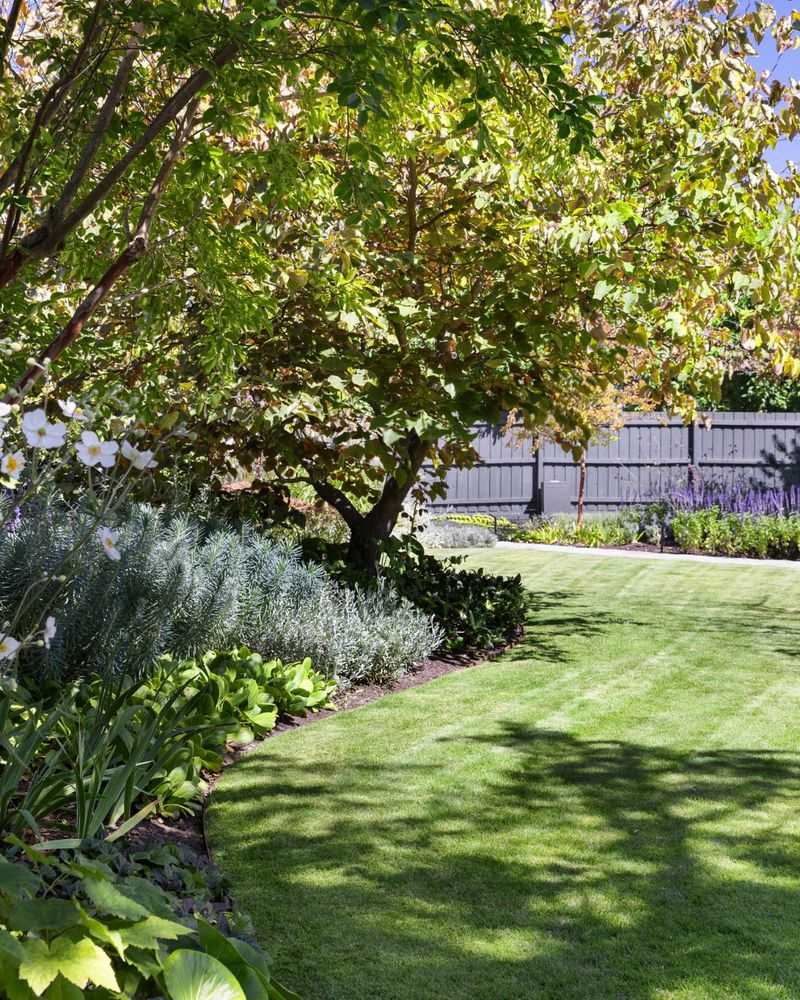
Gardens composed entirely of sun-blasted plants tend to look monotonous and harsh, lacking the visual depth and variety that make outdoor spaces truly inviting. Incorporating areas of shade alongside sunny spots creates natural contrast that draws the eye and adds architectural interest to your landscape design.
This balanced approach opens possibilities for layered plantings with different textures, colors, and heights that simply cannot exist in relentlessly uniform light conditions.
Shade areas allow you to grow a completely different palette of plants, expanding biodiversity and creating habitat niches that support beneficial insects, birds, and other wildlife.
The interplay between light and shadow throughout the day adds dynamic visual interest that changes with the sun’s movement, making your garden more engaging to experience.
Partial shade zones also provide comfortable spaces where people actually want to spend time, transforming your landscape from something you just look at into an environment you genuinely enjoy.
Plants positioned in mixed sun-shade conditions typically enjoy longer lifespans because they face less cumulative stress over the years compared to those baking in constant sunshine.
This longevity means less frequent replacement, lower maintenance costs, and the satisfaction of watching your garden mature and improve rather than constantly struggling.
Thoughtful landscape design that embraces sun-shade balance creates resilient, beautiful outdoor spaces that work better in every way for Nevada’s challenging climate.
10. Water Restrictions Make Full-Sun Planting Less Practical
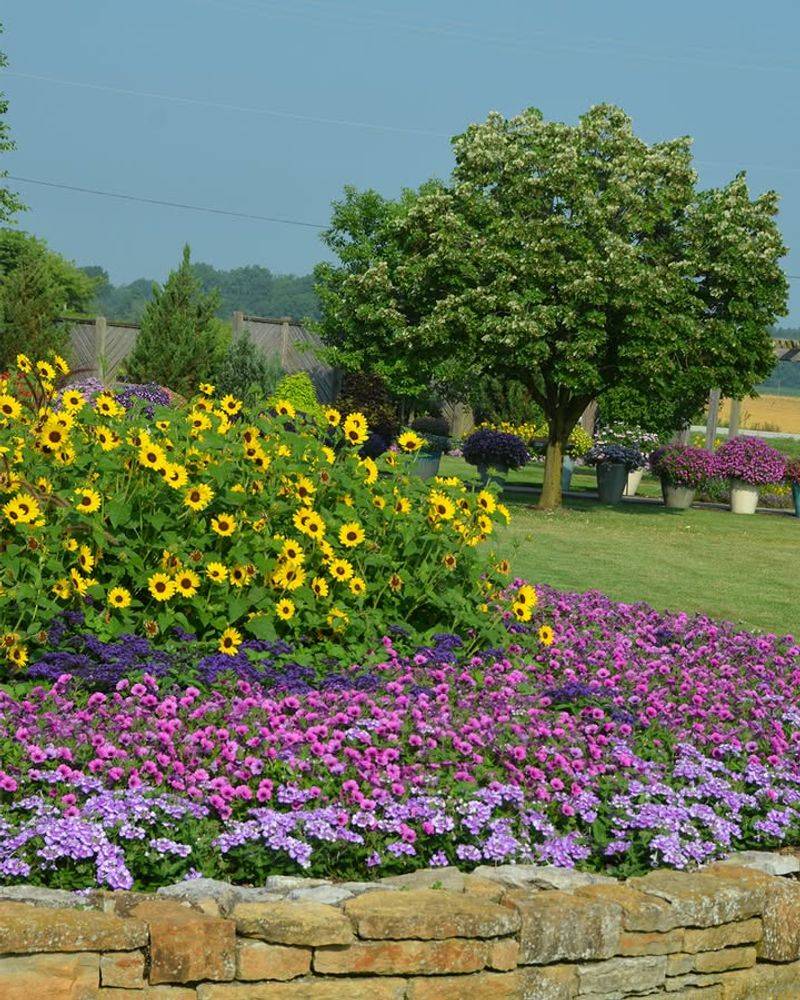
Nevada’s ongoing drought has prompted many municipalities to implement strict watering schedules and conservation mandates that make maintaining thirsty full-sun gardens increasingly difficult or even impossible.
When you can only irrigate on specific days or face penalties for excessive water use, plants positioned in the most demanding sun-exposed locations become liabilities rather than assets.
The math simply does not work anymore for landscapes that require constant watering to survive.
Forward-thinking gardeners recognize that adapting to water restrictions means choosing planting strategies that reduce irrigation needs from the start rather than fighting an uphill battle against both climate and regulations.
Partial shade locations naturally require less frequent watering, making it much easier to keep plants healthy within the constraints of limited watering windows.
This practical adjustment aligns your garden with both environmental realities and community water-use expectations.
As water becomes an increasingly precious and regulated resource across Nevada, the gardens that thrive will be those designed around conservation principles from the ground up.
Embracing partial shade planting represents a smart investment in your landscape’s future sustainability and your ability to maintain it within evolving water restrictions.
This shift away from full-sun gardening is not just about better plant health today but about creating landscapes that remain viable and beautiful as Nevada continues adapting to long-term water challenges.