Plant These Things In Containers Right Now For Early Color In Your Arizona Garden
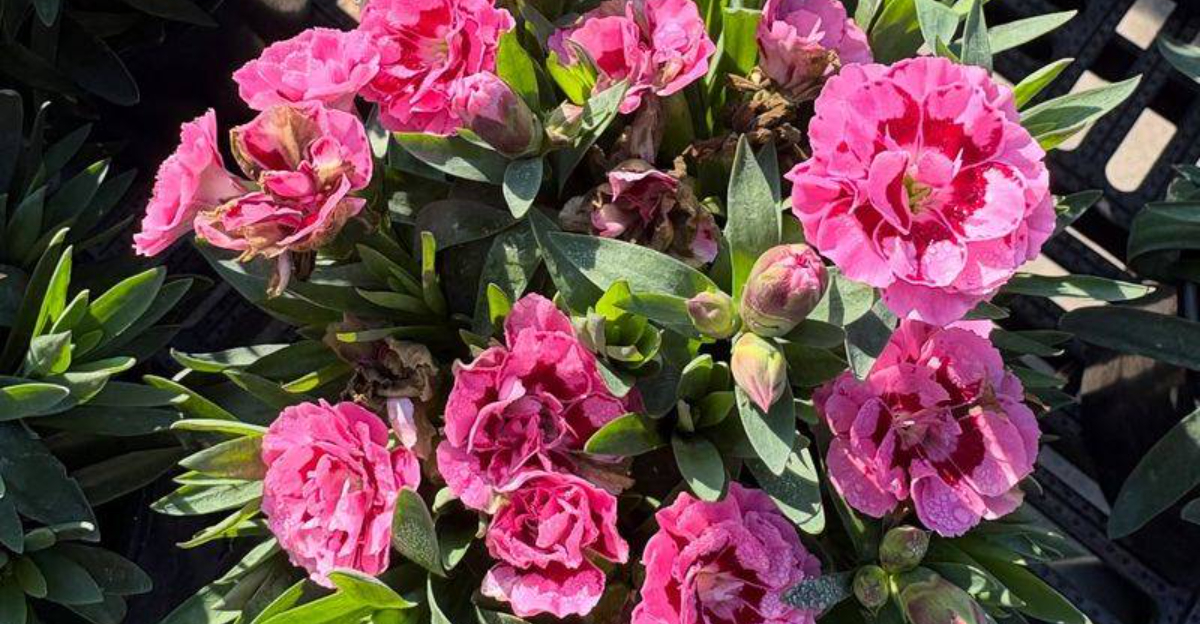
Arizona gardeners don’t have to wait for spring to enjoy bright color. Right now is the perfect time to fill containers with plants that bring fast blooms and fresh life to patios, entryways, and outdoor spaces.
Early color starts today. A few pots can completely change the look of your yard.
Warm days and cool desert nights create great growing conditions for early planting. Color shows up faster when you start now.
And the best part? Containers let you move plants to the best light and protect them when temperatures shift.
That makes gardening easier and more flexible. From bold flowers to fast-growing fillers, the right container plants can deliver eye-catching results in just weeks.
Whether you have a small balcony or a large backyard, containers fit any space. If you want quick wins and beautiful color, planting now is the smartest move you can make this season.
1. Snapdragons
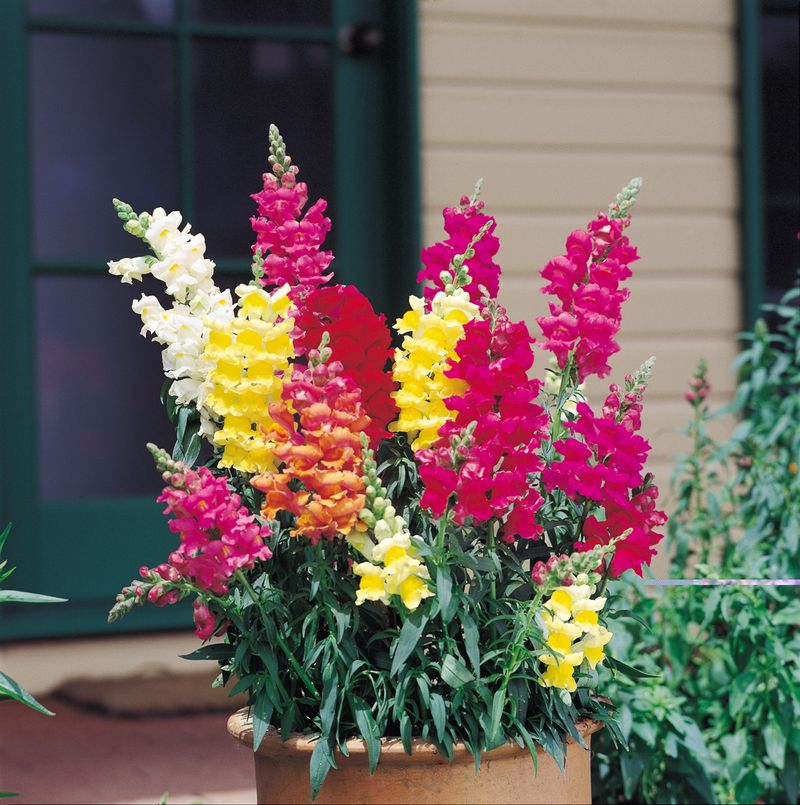
Tall spikes covered in tubular flowers create dramatic vertical interest in container gardens, and snapdragons deliver this effect with style and reliability.
Children love pinching the sides of individual blooms to make them open and close like tiny dragon mouths, which is how these plants got their whimsical name.
Available in nearly every color except true blue, snapdragons bring height and elegance to mixed containers or stand proudly on their own.
Arizona winters provide perfect growing conditions for snapdragons, which prefer cooler temperatures and can tolerate light frosts without any damage. Place containers in locations that receive at least six hours of sunlight daily for the best flower production.
The soil should stay evenly moist but never waterlogged, so check your containers regularly and water when the top inch feels dry to the touch.
Taller varieties can reach two feet or more in height, making them excellent choices for creating layered displays when combined with shorter plants. Dwarf types work well in smaller containers or along the edges of larger pots where their compact growth habit fills in nicely.
Pinching back young plants encourages bushier growth and more flower spikes, giving you a fuller, more impressive display.
These flowers attract hummingbirds and butterflies to your Arizona garden, adding movement and life to your outdoor spaces throughout the cooler months. Cut stems make excellent additions to indoor flower arrangements and will last for days in a vase.
Regular deadheading keeps snapdragons blooming continuously from planting time in fall through late spring when temperatures start climbing too high for their comfort.
2. Pansies
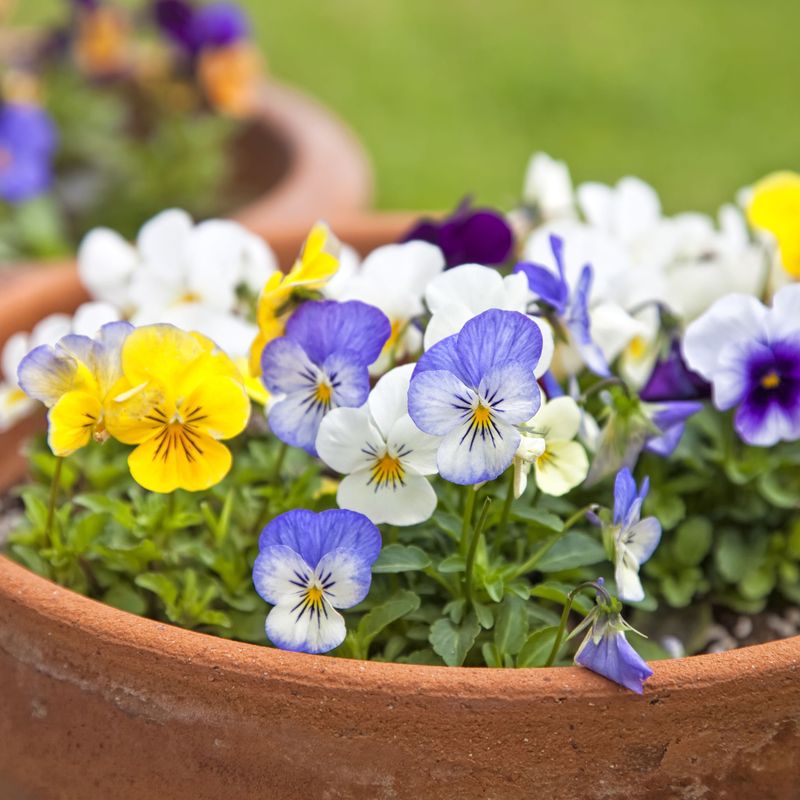
Cheerful faces seem to smile up at you from every pansy bloom, making them one of the most beloved cool-season flowers for Arizona containers.
Their wide range of colors includes deep purples, bright yellows, rich oranges, and striking bicolors that can match any design scheme you have in mind.
Pansies handle our winter temperatures beautifully and will keep blooming from fall through spring if you give them proper care.
Plant pansies in containers with good drainage and place them where they will receive morning sun and afternoon shade, especially as temperatures start warming up in late winter. Arizona gardeners should water them regularly but avoid letting the soil stay soggy, as this can lead to root problems.
Your Arizona Garden Changes Every Week. Your Plan Should Too.
Gardening in Arizona changes quickly throughout the season. Every Friday you’ll receive a simple weekly plan showing exactly what to plant, prune, fertilize, harvest, and protect so you never miss the right timing.
Deadheading spent blooms encourages more flowers to form and keeps your containers looking tidy and colorful.
These compact plants work wonderfully mixed with other cool-season annuals or planted alone for a bold display of color. Their ability to bounce back after light frosts makes them particularly reliable for Arizona gardens where winter weather can be unpredictable.
Feed them every two weeks with a balanced liquid fertilizer to keep the blooms coming strong.
Pansies grow quickly and fill out containers within just a few weeks of planting, giving you almost instant results. Their cheerful appearance brightens even the grayiest winter days and provides a welcoming touch near entryways and outdoor seating areas.
With dozens of varieties available at local nurseries, you can create custom color combinations that reflect your personal style and complement your home’s exterior.
3. Petunias
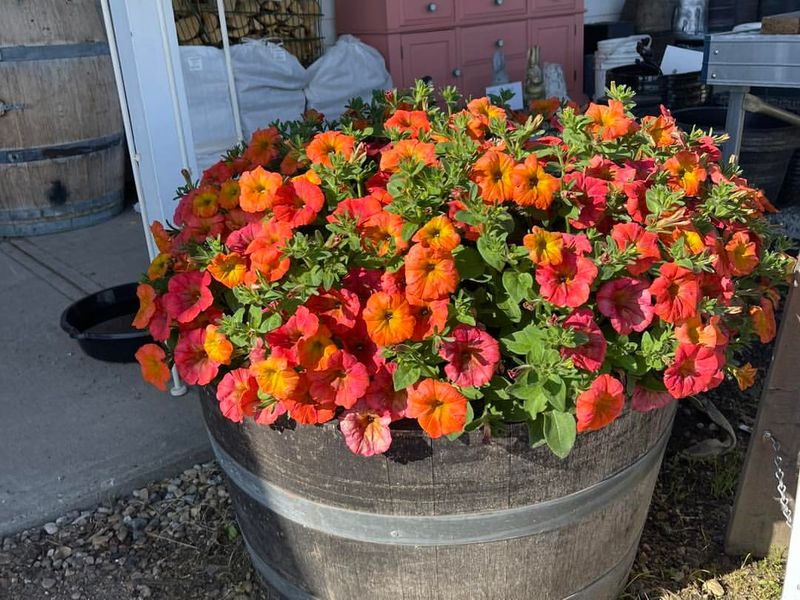
Few plants can match the flower power of petunias when it comes to filling containers with nonstop color from planting to the end of their season.
Modern varieties have been bred to withstand more heat than older types, making them particularly well-suited for Arizona gardens where late winter and early spring can bring unexpectedly warm days.
Their trumpet-shaped blooms come in solid colors, stripes, and patterns that range from soft pastels to vibrant jewel tones.
Wave petunias and other spreading varieties cascade beautifully over the edges of hanging baskets and tall containers, creating living waterfalls of color. Upright types work better in mixed plantings where you want color at a specific level without the sprawling growth.
All petunias need full sun to perform their best, so choose the sunniest spots in your Arizona garden for their containers.
Water petunias when the soil surface feels dry, being careful not to wet the foliage too much as this can encourage disease problems. Feed them weekly with a fertilizer designed for flowering plants to support their heavy blooming habit.
Newer varieties are more self-cleaning than older ones, but removing faded flowers still helps promote additional blooms and keeps plants looking fresh.
Petunias can handle our Arizona winters with ease and will bloom heavily during the cooler months before slowing down as summer heat arrives.
Their versatility makes them perfect for beginners and experienced gardeners alike, and they combine well with nearly any other cool-season annual.
Plant them in containers near outdoor living spaces where you can enjoy their subtle fragrance on warm afternoons.
4. Dianthus
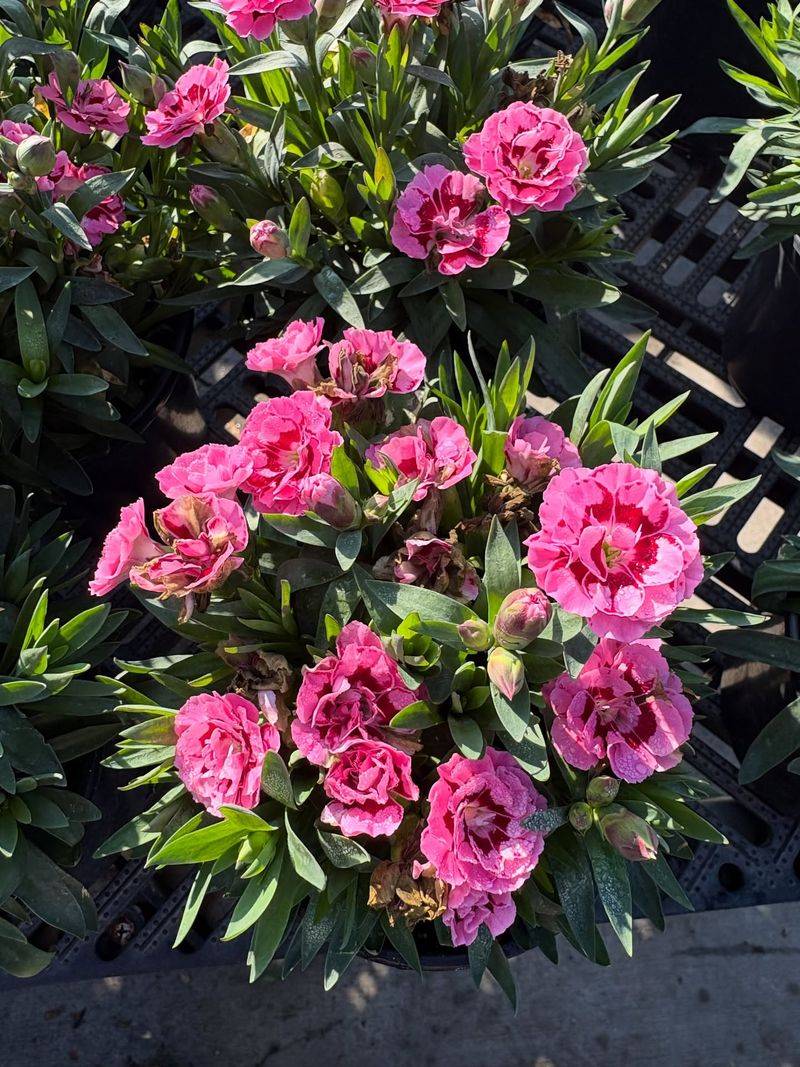
Spicy fragrance reminiscent of cloves fills the air around containers planted with dianthus, adding a sensory dimension that goes beyond just visual appeal.
Sometimes called pinks because of their fringed petal edges that look like they were cut with pinking shears, these charming flowers bloom prolifically in Arizona’s winter weather.
Their compact, mounding growth habit makes them ideal for container gardening, and their blue-green foliage provides attractive texture even when plants are not in bloom.
Dianthus prefers slightly alkaline soil, which works perfectly in Arizona where our water and native soil tend toward the alkaline side of the pH scale. Plant them in containers with excellent drainage and place them in full sun for the most abundant flowering.
These tough little plants can handle occasional frosts and will continue blooming through cold snaps that would damage more tender annuals.
Colors range from pure white through various shades of pink to deep red, with many varieties featuring contrasting eyes or patterns that add extra visual interest.
Single-flowered types have a simple, cottage-garden charm, while double-flowered varieties look like tiny carnations and are especially long-lasting when cut for indoor arrangements.
Deadheading spent blooms keeps plants producing new flowers throughout their growing season.
Container-grown dianthus requires less frequent watering than many other annuals once established, making them a smart choice for busy Arizona gardeners who want beautiful results without constant maintenance.
Their low, spreading form works well along the edges of mixed containers or planted alone in shallow bowls.
These plants attract butterflies and beneficial insects to your garden while deer and rabbits typically leave them alone.
5. Alyssum
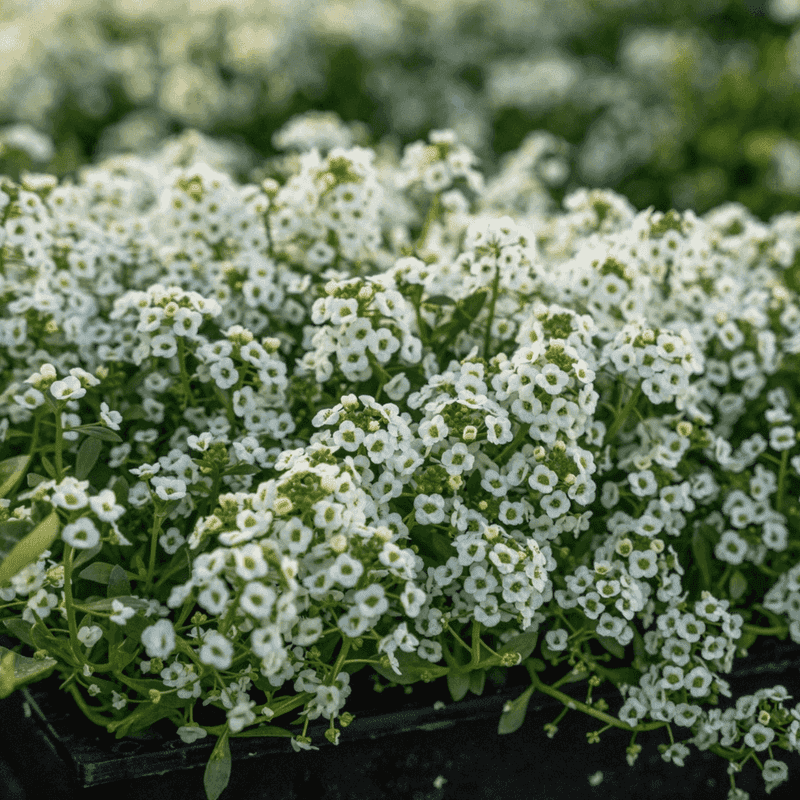
Clouds of tiny flowers create a soft, romantic effect when alyssum spills over the edges of containers or fills in gaps between larger plants. This low-growing annual produces masses of blooms in white, pink, purple, or apricot that emit a sweet honey fragrance, especially in the evening hours.
Alyssum grows quickly from transplants and will begin flowering within days of planting, giving you almost immediate gratification in your Arizona container garden.
Cool weather brings out the best in alyssum, which thrives during Arizona winters and blooms most heavily when temperatures stay moderate. Plant it in full sun to partial shade, though it will produce more flowers with more sunlight.
Water regularly to keep the soil evenly moist, as alyssum can slow its blooming or become stressed if allowed to dry out completely between waterings.
This versatile plant works beautifully as a filler in mixed containers, where its delicate texture contrasts nicely with bolder flowers and foliage.
It also makes an excellent choice for planting alone in hanging baskets or window boxes where its cascading habit can be fully appreciated.
Alyssum self-seeds readily, so you may find volunteer seedlings appearing in your containers or nearby garden areas in following seasons.
Butterflies and beneficial insects flock to alyssum flowers, making your Arizona garden more ecologically diverse and helping with pollination of other plants. The plant remains relatively compact, rarely exceeding six inches in height, but spreads wide to create a carpet of blooms.
If flowering slows during an unusually warm spell, shearing plants back by about one-third will encourage fresh growth and renewed blooming when temperatures cool down again.
6. Stock
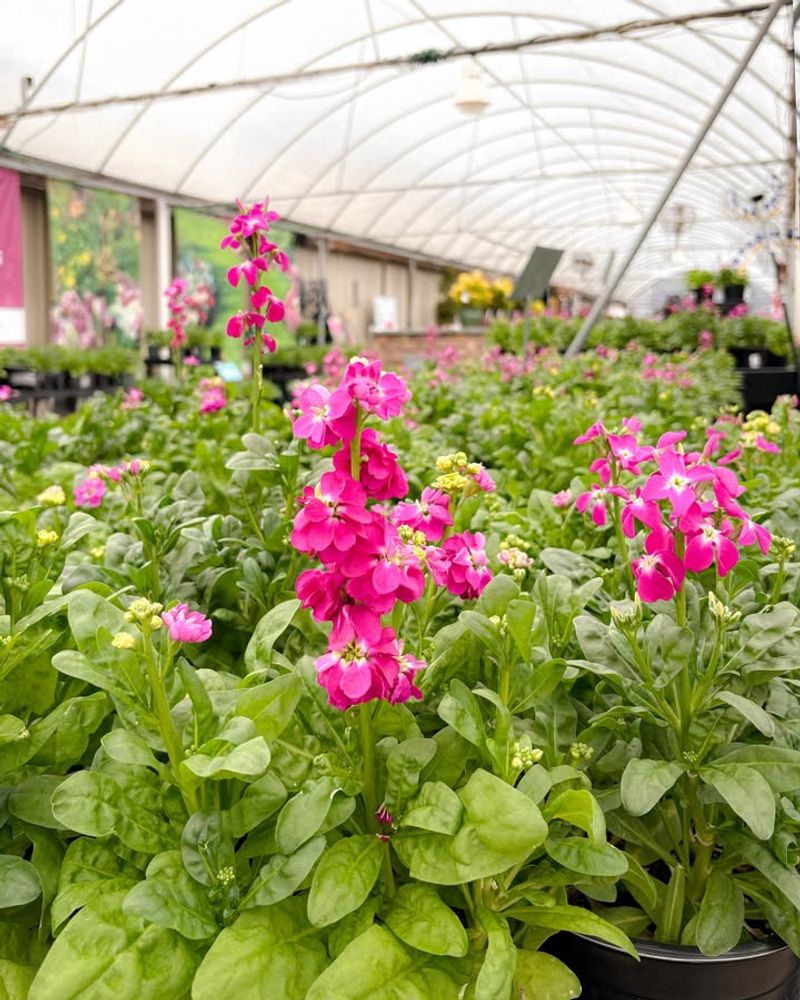
Walking past a container filled with stock in full bloom is like passing a perfume shop, as these flowers produce one of the most powerful and delightful fragrances in the plant world.
Their tall spikes of densely packed blooms come in soft pastels and rich jewel tones, bringing both color and scent to Arizona container gardens during the cooler months.
Stock has been a favorite of gardeners for centuries, and modern varieties offer improved heat tolerance and longer blooming periods than older types.
Plant stock in large containers that can accommodate their height, which typically ranges from one to two feet depending on the variety you choose.
Arizona gardeners should position containers where plants will receive full sun and protection from strong winds that could topple their tall flower spikes.
The soil should be rich and well-draining, and regular feeding with a balanced fertilizer will support their heavy blooming habit.
Stock prefers cooler temperatures and performs best when planted in fall for winter and early spring blooms in Arizona gardens. Water consistently to keep the soil evenly moist but not soggy, as fluctuating moisture levels can stress plants and reduce flowering.
Removing spent flower spikes encourages side shoots to develop and produce additional blooms, extending the display period.
These flowers make outstanding cut flowers that fill indoor spaces with their incredible fragrance, and cutting them actually benefits the plant by promoting more growth. Stock attracts beneficial insects and pollinators to your garden while being relatively resistant to common pests.
Their old-fashioned charm and unforgettable scent make them worth including in containers near outdoor seating areas, entryways, or bedroom windows where you can enjoy their perfume throughout the day and evening.
7. Dusty Miller
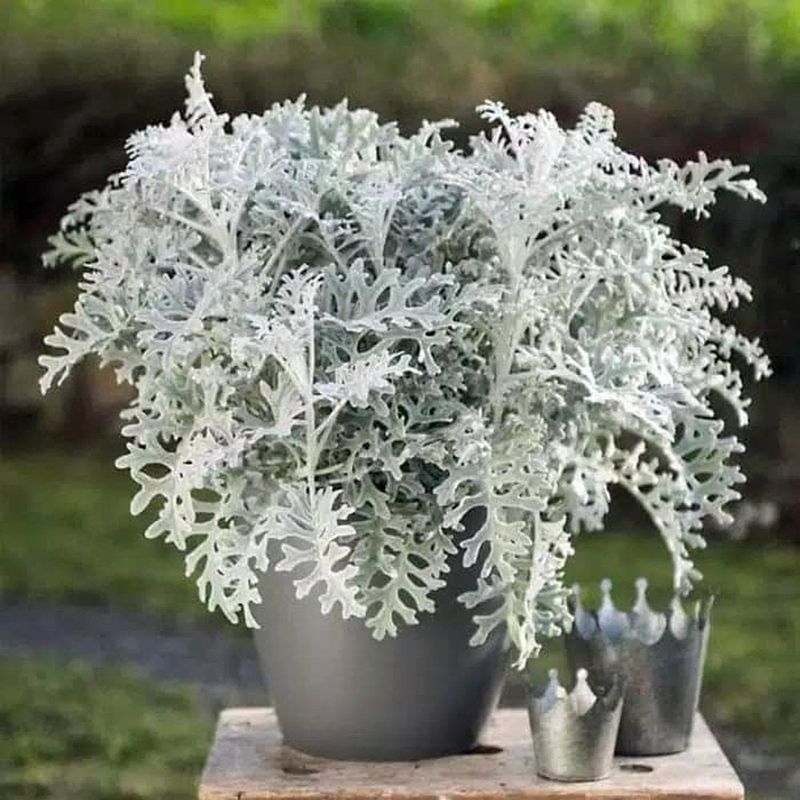
Silvery foliage provides a cooling contrast to bright flower colors and adds sophisticated elegance to container combinations throughout Arizona’s winter growing season.
Dusty miller is grown primarily for its deeply cut, frosted leaves rather than its flowers, which are insignificant and usually removed to keep plants looking their best.
This foliage plant tolerates a wide range of growing conditions and helps tie together diverse color schemes in mixed containers.
The soft gray color of dusty miller foliage makes nearby flowers appear more vibrant and creates visual breathing room in busy planting combinations.
It grows well in full sun to partial shade, though Arizona gardeners will find that plants stay more compact and silvery with plenty of sunlight.
Dusty miller is quite drought-tolerant once established, making it a practical choice for containers that might occasionally miss a watering.
This plant handles frost without any problems and actually seems to look better during cooler weather when its silvery color becomes even more pronounced. Pinch back growing tips occasionally to encourage bushier growth and prevent plants from becoming leggy or sparse.
Dusty miller typically grows eight to twelve inches tall and wide, making it a perfect mid-height plant for layered container arrangements.
Combining dusty miller with purple petunias, pink dianthus, or red snapdragons creates stunning color combinations that draw the eye and photograph beautifully. Its texture adds dimension to containers and prevents plantings from looking flat or one-dimensional.
Arizona gardeners appreciate dusty miller’s low maintenance requirements and its ability to look good from planting time through the entire cool season without needing constant attention or deadheading like flowering plants require.
8. Ornamental Kale
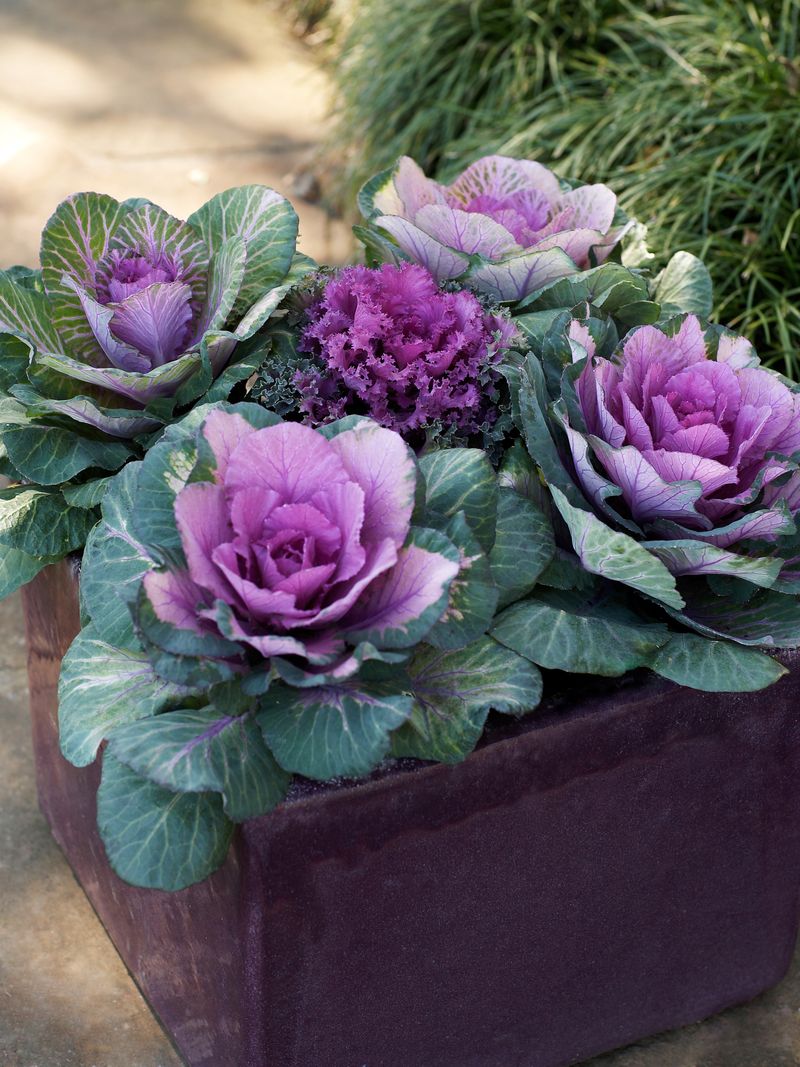
Bold rosettes of ruffled leaves in shades of purple, pink, white, and green create living works of art when ornamental kale is planted in containers for Arizona’s cool season.
These plants are technically the same species as edible kale but have been bred for their spectacular foliage rather than their flavor.
Cold weather intensifies their colors, making them particularly stunning during the coolest months when many other plants are dormant or struggling.
Ornamental kale grows best in full sun where it develops the most vibrant colors, though it can tolerate some afternoon shade in Arizona gardens. Plant it in containers with rich, well-draining soil and water regularly to keep plants looking fresh and healthy.
These plants are quite cold-hardy and can handle frosts that would damage many flowering annuals, making them reliable choices for winter container displays.
The compact, rounded form of ornamental kale makes it perfect for use as a focal point in container arrangements or planted alone in decorative pots. Individual plants can grow twelve to eighteen inches wide, so give them adequate space to develop fully.
Their bold texture and unique appearance create striking contrasts when combined with delicate flowers like alyssum or pansies.
As temperatures warm in late spring, ornamental kale will eventually bolt and send up flower stalks, signaling the end of its ornamental period in Arizona gardens. Until then, it provides months of reliable color and interest with minimal care required.
These plants attract fewer pests than many flowering annuals and their sturdy leaves hold up well to wind and occasional rough handling.
Container plantings featuring ornamental kale near entryways or outdoor dining areas create sophisticated displays that look intentional and professionally designed.