6 Creative Ways California Gardeners Are Reusing Old Planters
Old planters don’t have to end up in the trash, especially in creative California gardens. With a little imagination, worn pots and forgotten containers can turn into beautiful design features.
Trash can become treasure. A simple planter makeover can completely change your space.
California gardeners are finding smart ways to reuse what they already have instead of buying new supplies. This saves money, reduces waste, and adds personality to outdoor spaces.
Small changes can make a big visual impact. And the results often look better than brand-new decor.
From turning cracked pots into mini gardens to stacking containers for vertical displays, reused planters offer endless possibilities. They work on patios, balconies, and backyards of any size.
Whether you love modern style or rustic charm, there’s a reuse idea that fits your look. If you enjoy creative projects and want your garden to stand out, reusing old planters is a fun and easy place to start.
1. Turning Broken Pots Into Fairy Garden Landscapes
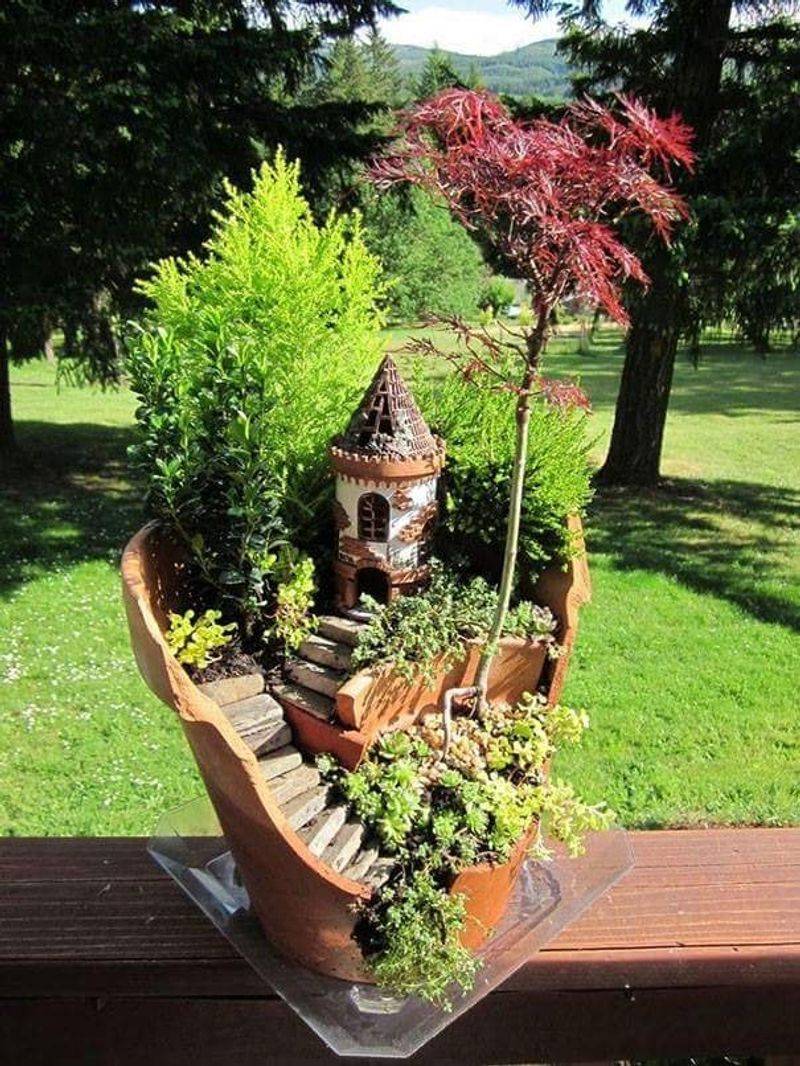
Cracked and chipped planters don’t have to end up in the landfill. California gardeners are transforming these damaged containers into whimsical fairy gardens that delight both kids and adults.
When a terracotta pot breaks, the pieces can be arranged to create miniature landscapes with different levels and hidden nooks. The broken shards become tiny pathways, retaining walls, or even little staircases for imaginary fairy residents.
Creating a fairy garden from a broken planter is surprisingly simple. Start by filling the base with potting soil, then position the larger broken pieces at angles to create terraced sections.
Tuck small succulents, moss, and miniature plants into the spaces between the shards. Many gardeners in Los Angeles and Sacramento add tiny figurines, pebble pathways, and even miniature furniture to complete the magical scene.
The beauty of this reuse method is that each creation becomes completely unique. No two broken pots crack the same way, so every fairy garden has its own character and charm.
Plus, succulents and drought-tolerant plants work perfectly in these arrangements, which is ideal for California’s climate and water restrictions.
Kids especially love helping design these miniature worlds, making it a fantastic family project. You can theme your fairy garden around seasons, holidays, or favorite storybook characters.
Some creative gardeners in the Bay Area even create entire fairy village displays using multiple broken planters arranged together. This approach turns gardening mistakes or accidents into opportunities for artistic expression.
Instead of feeling disappointed about a broken pot, you can celebrate it as the beginning of something even more interesting and personal for your outdoor space.
2. Converting Old Planters Into Outdoor Storage Solutions
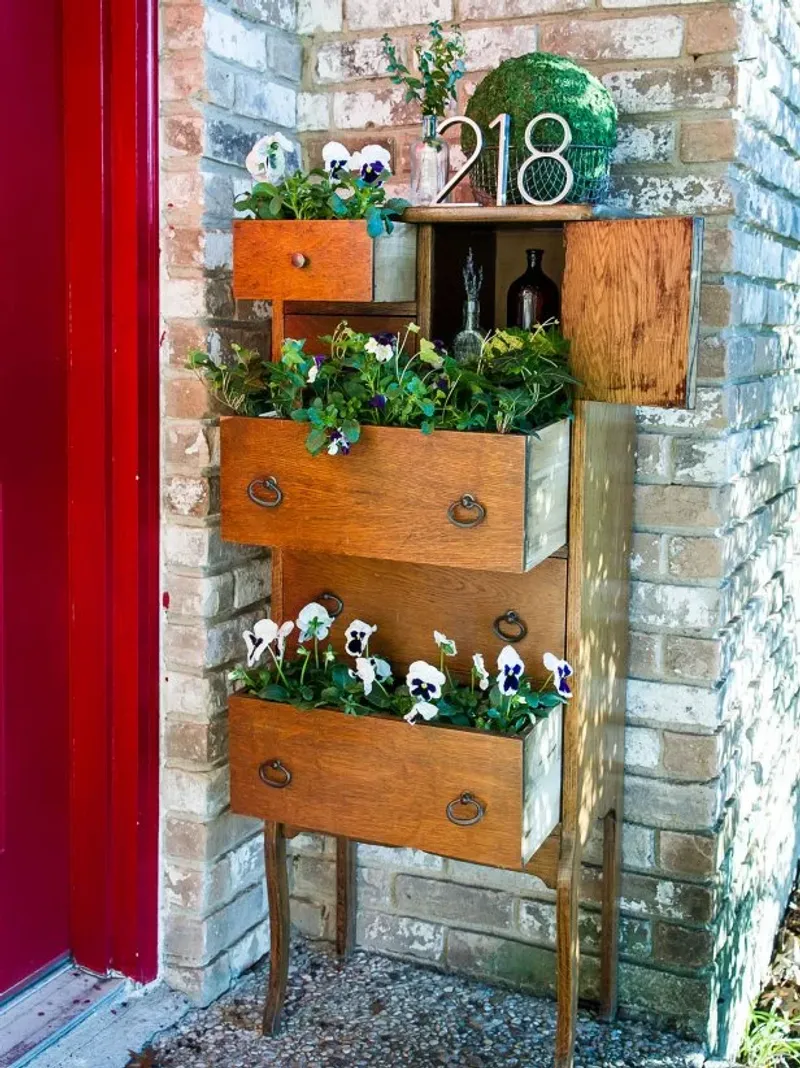
Gardeners throughout California are discovering that old planters make excellent storage containers for outdoor spaces. Large ceramic or plastic planters that have lost their drainage capabilities or developed cracks can still serve important purposes beyond growing plants.
These sturdy containers become perfect homes for garden tools, hoses, outdoor toys, and pool accessories that need organizing.
The transformation process couldn’t be easier. Simply clean out the old planter, add a waterproof liner if needed, and designate it for storage duty.
Your California Garden Changes Every Week. Your Plan Should Too.
Gardening in California changes quickly throughout the season. Every Friday you’ll receive a simple weekly plan showing exactly what to plant, prune, fertilize, harvest, and protect so you never miss the right timing.
Position these converted planters near garden beds, patios, or pool areas where you need quick access to frequently used items.
Many San Diego and Orange County residents paint or decorate their storage planters to match their outdoor decor, making them both functional and attractive.
One popular approach involves using tall planters as umbrella stands on patios and decks. The weight and stability of ceramic or concrete planters make them ideal for holding beach umbrellas, patio umbrellas, or even fishing rods.
Some clever gardeners fill the bottom with sand or gravel for extra stability while keeping the storage function intact.
Smaller planters work wonderfully for organizing gardening gloves, seed packets, plant markers, and hand tools. You can group several small planters together on a potting bench or shelf to create a complete organization system.
Families with children find these storage planters especially helpful for corralling outdoor toys, sidewalk chalk, and sports equipment. The containers keep everything contained while blending naturally into the garden environment.
This reuse strategy helps California gardeners maintain tidy outdoor spaces without purchasing additional storage solutions, saving both money and resources while keeping old planters out of landfills.
3. Creating Herb Drying Racks From Wire Planters
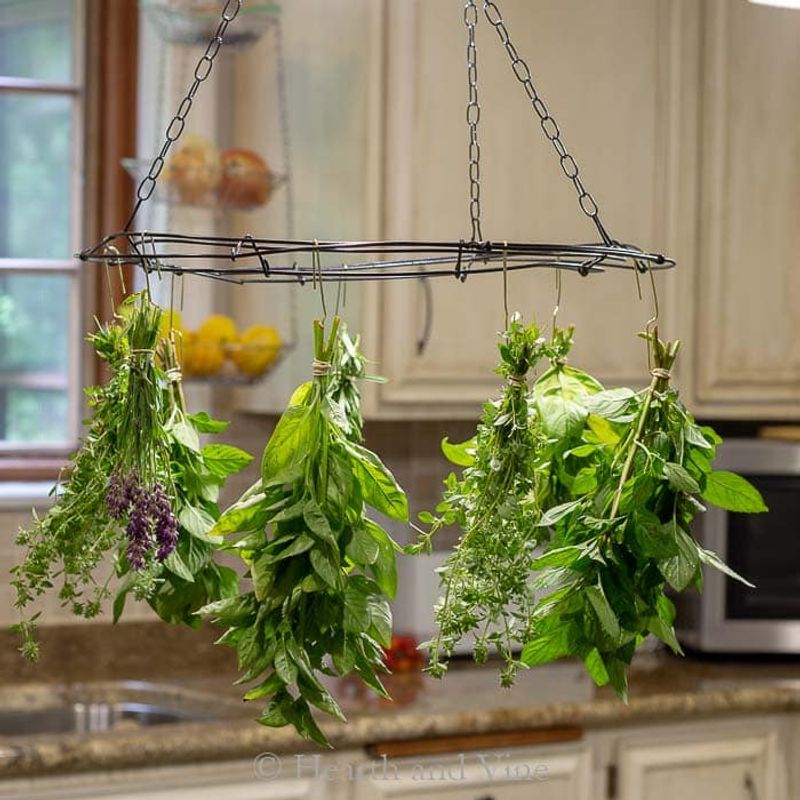
Wire hanging baskets and mesh planters that have seen better days are finding new purpose as herb drying racks in California kitchens and gardens.
The open structure that once allowed plant roots to breathe now provides perfect air circulation for drying fresh herbs, flowers, and even vegetables.
Gardeners across the state appreciate how these upcycled drying racks combine functionality with rustic charm.
Setting up a drying rack from an old wire planter takes just minutes. Remove any remaining coco liner or moss, give the frame a good cleaning, and hang it in a dry, well-ventilated area away from direct sunlight.
Many gardeners in Northern California hang these converted planters in covered porches, garages, or even inside mudrooms where air flows freely but rain cannot reach.
The wire structure allows you to hang herb bundles directly on the frame or lay individual leaves and flowers across the mesh. Basil, oregano, rosemary, and lavender dry beautifully in these repurposed planters.
Some creative cooks in wine country use them specifically for drying grape leaves, while coastal gardeners preserve sea lavender and other decorative plants for crafts.
Multiple wire planters can be hung at different heights to create a vertical drying station that saves space. This approach works particularly well in smaller California homes where counter and cabinet space comes at a premium.
You can also use these drying racks seasonally, storing them away when not needed. The rustic appearance of old wire planters adds farmhouse appeal to modern kitchens, making them decorative even when not actively in use.
For gardeners who grow their own culinary herbs, this reuse method turns harvest time into a simple, organized process that preserves flavors for cooking throughout the year.
4. Building Stacked Planter Towers For Vertical Gardens
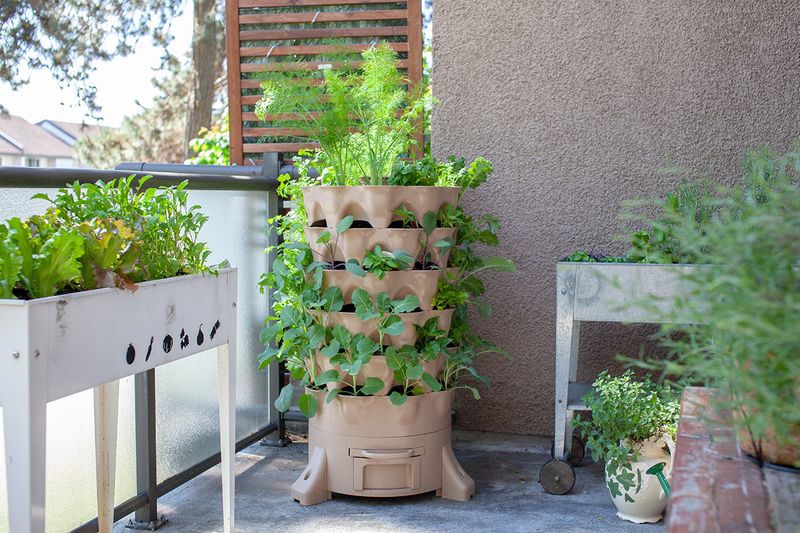
Space-conscious gardeners in California cities are stacking old planters of decreasing sizes to create impressive vertical gardens. This technique maximizes growing space in small yards, balconies, and patios while giving mismatched or aging planters a coordinated new purpose.
The tiered effect creates visual interest and allows you to grow multiple plant varieties in a compact footprint.
Building a planter tower starts with selecting containers in graduated sizes. Place the largest pot at the bottom, fill it with quality potting soil, and position the next smaller planter on top, either centered or offset to one side.
Continue stacking until you reach your desired height, making sure each level remains stable. Plant trailing varieties like strawberries, petunias, or herbs in the upper tiers so they cascade down over the lower levels.
San Francisco and Oakland gardeners particularly embrace this method because vertical space is often more available than horizontal ground.
The stacked design allows you to grow vegetables, herbs, and flowers in the same structure while keeping plants with different water needs separated by level.
Drought-tolerant succulents work great on top tiers where soil dries faster, while moisture-loving plants thrive in the shaded lower sections.
Some gardeners secure their towers with a center pole or rebar running through drainage holes for added stability in windy areas. Others prefer the flexibility of unstacked towers that can be rearranged seasonally.
Painting all the planters in coordinating colors creates a cohesive look even when using containers made from different materials.
This vertical gardening approach has become especially popular in Southern California where year-round growing seasons mean these towers stay productive and beautiful through all twelve months.
The result is an eye-catching garden feature that proves old planters can work together to create something greater than the sum of their parts.
5. Transforming Large Planters Into Water Features
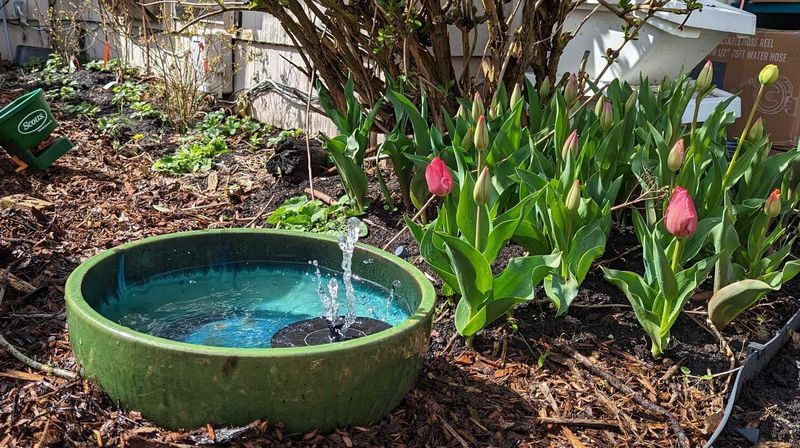
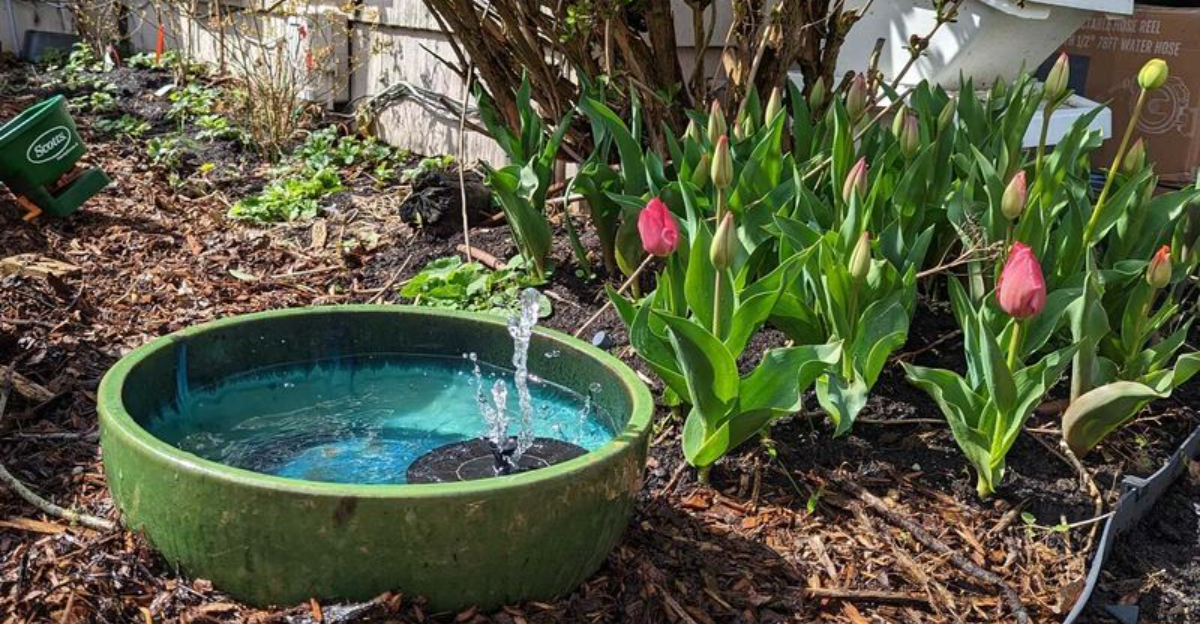
California gardeners are turning oversized planters into stunning water features that add tranquility to outdoor spaces. Large ceramic, concrete, or resin planters that have become too heavy to move or have developed leaks can begin a second life as fountains, bird baths, or small ponds.
The transformation creates peaceful focal points while conserving water better than traditional in-ground features.
Converting a planter into a water feature requires minimal supplies. For a simple fountain, place a small submersible pump in the bottom of the planter, add decorative rocks to hide the pump, and fill with water.
The pump recirculates water continuously, creating soothing sounds without waste. Many Sacramento and Fresno residents appreciate how these compact fountains attract birds and beneficial insects while using less water than traditional fountains.
Larger planters can become container ponds that support aquatic plants and even small fish. Line the planter with pond liner if needed, add water plants like water lettuce or miniature lotus, and introduce mosquito fish to control pests naturally.
These self-contained ecosystems require surprisingly little maintenance once established and bring a slice of nature to urban patios and courtyards.
The beauty of planter water features lies in their portability and flexibility. Unlike permanent installations, these can be emptied and moved if you relocate or redesign your space.
During California’s occasional freezes, you can easily protect sensitive pumps and plants by bringing smaller features indoors temporarily.
Gardeners in coastal areas sometimes create tiered water features by stacking planters at different heights, allowing water to cascade from one level to the next.
The sound of moving water helps mask traffic noise in busy neighborhoods while creating a resort-like atmosphere. This creative reuse turns forgotten planters into meditation-worthy garden elements that enhance outdoor living spaces throughout the year.
6. Repurposing Planters As Outdoor Pet Feeding Stations
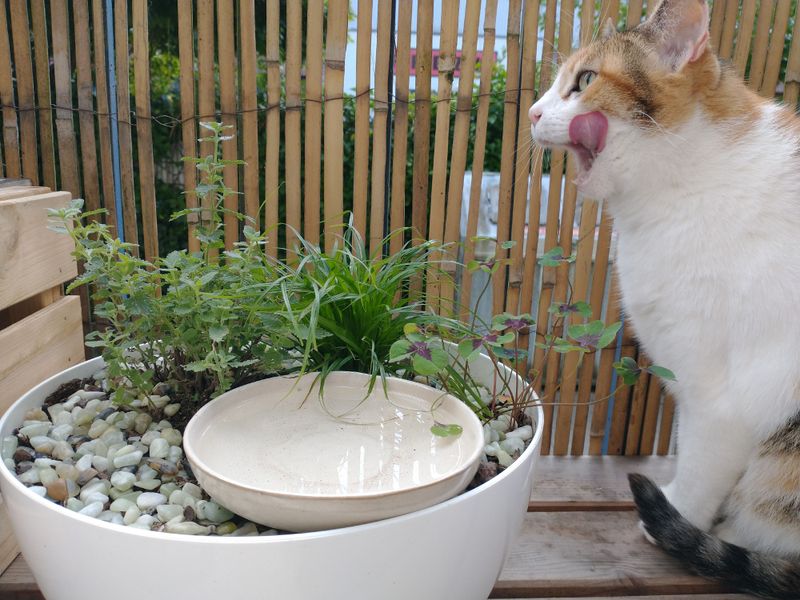
Pet owners across California are discovering that old planters make ideal elevated feeding stations for dogs and cats. Large, stable planters can hold food and water bowls at comfortable heights that reduce neck strain for pets, especially larger dogs and senior animals.
The weight and stability of ceramic or concrete planters prevent tipping and sliding that frustrate pets and owners alike.
Creating a pet feeding station from an old planter takes just a few simple steps. Choose a planter with a wide, stable base and cut or drill holes in the top to hold pet bowls securely.
Many gardeners in San Diego and Los Angeles use planters that are already cracked or damaged since structural perfection is not necessary for this purpose. The bowls sit snugly in the openings while the planter edges contain spills and splashes.
For outdoor feeding areas, these planter stations keep bowls off the ground away from ants, dirt, and garden debris. The raised design also makes it harder for wild animals to access pet food during nighttime hours.
Some creative pet owners paint and decorate their feeding stations to match patio furniture or garden themes, turning a practical necessity into an attractive outdoor accessory.
Smaller planters work perfectly as single-bowl stands for cats or small dogs, while larger containers can accommodate multiple bowls for households with several pets. The natural drainage holes in planters help rainwater escape if bowls get left outside during unexpected showers.
California residents who feed outdoor cats appreciate how these sturdy stations stay put even when curious raccoons or possums investigate. This repurposing idea extends the life of old planters while solving a common pet care challenge.
The result is a functional, stable, and attractive feeding solution that costs nothing if you already have unused planters taking up space in your garage or shed.