Georgia Gardeners Follow These 8 Mulching Tips For Healthier Gardens
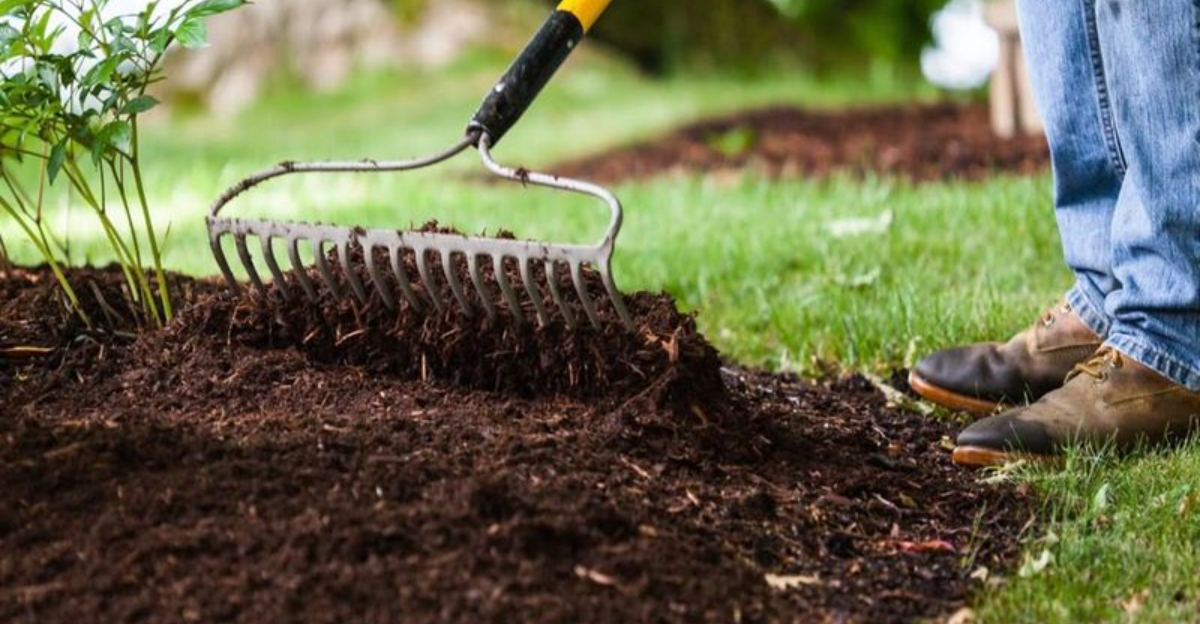
Mulch is more than just a decorative layer, it’s a secret weapon for Georgia gardeners looking to grow healthier, stronger plants.
Proper mulching conserves moisture, suppresses weeds, regulates soil temperature, and even improves soil fertility over time. The right mulch can transform a struggling garden into a thriving oasis!
These eight tips cover everything from choosing the best mulch types and applying the correct thickness to timing and maintenance strategies.
Georgia gardeners know that a thoughtful approach prevents common problems like fungal growth, pest infestations, and nutrient imbalance while helping plants flourish through hot summers and mild winters.
Mulching isn’t just a chore, it’s a foundation for garden success. By following these expert tips, Georgia gardeners can enjoy robust plants, vibrant blooms, and more productive vegetable beds.
Smart mulching = healthier gardens and happier gardeners!
1. Use Organic Mulch Whenever Possible
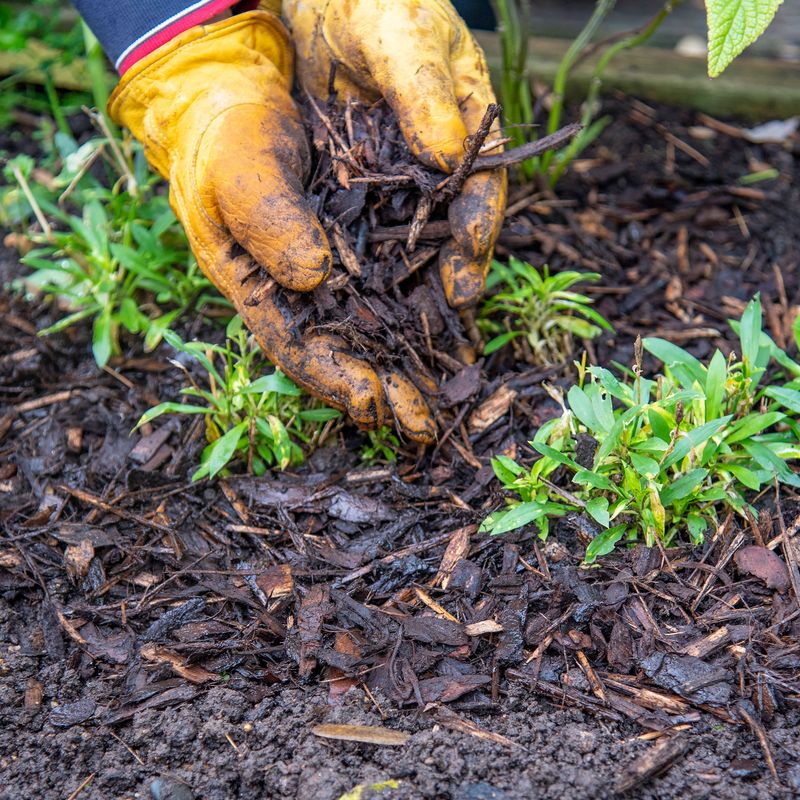
Shredded bark, pine straw, and composted leaves offer benefits that synthetic materials simply cannot match in Georgia’s gardens.
These natural options break down slowly over time, releasing nutrients into the soil and creating a feast for earthworms, fungi, and countless microscopic helpers that build soil structure.
As microbes munch through organic matter, they create channels for air and water to reach plant roots, improving drainage in our heavy clay soils while boosting the earth’s ability to hold onto moisture during dry spells.
Georgia’s warm, humid summers speed up decomposition, turning yesterday’s mulch into tomorrow’s rich humus that plants adore.
Pine straw works beautifully for acid-loving plants like blueberries and camellias, gradually lowering pH as it breaks down.
Shredded hardwood bark suits perennial beds and vegetable gardens, offering a tidy appearance and steady nutrient release.
Composted leaves gathered from your own yard cost nothing and close the loop on garden waste, creating a sustainable system right at home. Avoid dyed mulches if you prefer a natural look, though quality products use safe colorants.
By choosing organic options, you invest in long-term soil health rather than just surface decoration, building a foundation that supports vigorous growth year after year.
2. Apply 2–4 Inches Deep, Not Too Thick
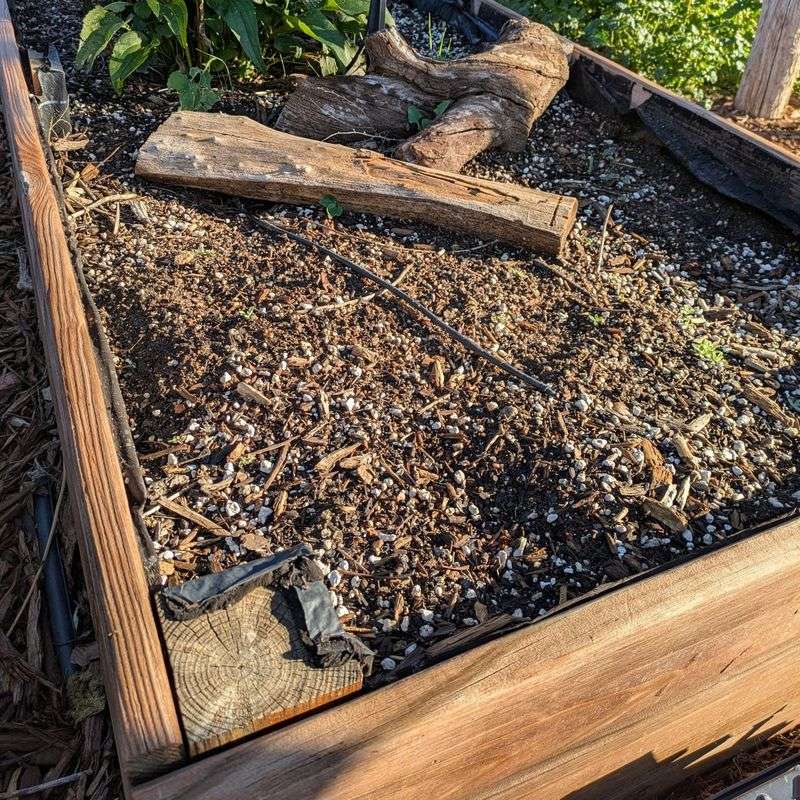
Finding the sweet spot for mulch depth protects your garden without creating problems that come from too much of a good thing.
A layer between two and four inches thick blocks sunlight from reaching weed seeds, preventing them from sprouting and competing with your prized plants for water and nutrients.
This depth also insulates soil, keeping roots cooler during scorching July afternoons and warmer during unexpected late-spring cold snaps.
Piling mulch deeper than four inches invites trouble, creating conditions that suffocate roots by limiting oxygen exchange in the soil.
Excessive mulch holds too much moisture against plant stems, encouraging fungal diseases and providing cozy homes for slugs and other pests.
Shallow layers under two inches dry out quickly and allow weeds to push through, defeating the purpose of mulching in the first place. Measure your mulch depth with a ruler when you first apply it, checking a few spots to ensure consistency across the bed.
Your Georgia Garden Changes Every Week. Your Plan Should Too.
Gardening in Georgia changes quickly throughout the season. Every Friday you’ll receive a simple weekly plan showing exactly what to plant, prune, fertilize, harvest, and protect so you never miss the right timing.
As organic mulch settles and decomposes over the growing season, the layer naturally compresses, which is why annual replenishment matters.
Different mulch types settle at different rates, so pine straw might need refreshing sooner than chunky bark, but maintaining that ideal depth range keeps your garden thriving.
3. Keep Mulch Away From Plant Crowns
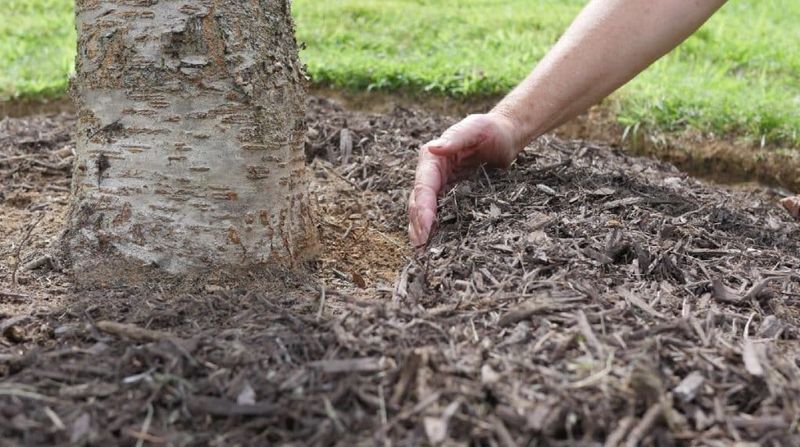
Picture a volcano with a hollow center, and you have the opposite of what you want around tree trunks and shrub bases.
Piling mulch against bark or plant crowns traps moisture right where it can cause the most harm, softening protective tissues and inviting rot to take hold.
Fungi and bacteria thrive in these constantly damp conditions, breaking down living wood just as they would decompose a fallen log on the forest floor.
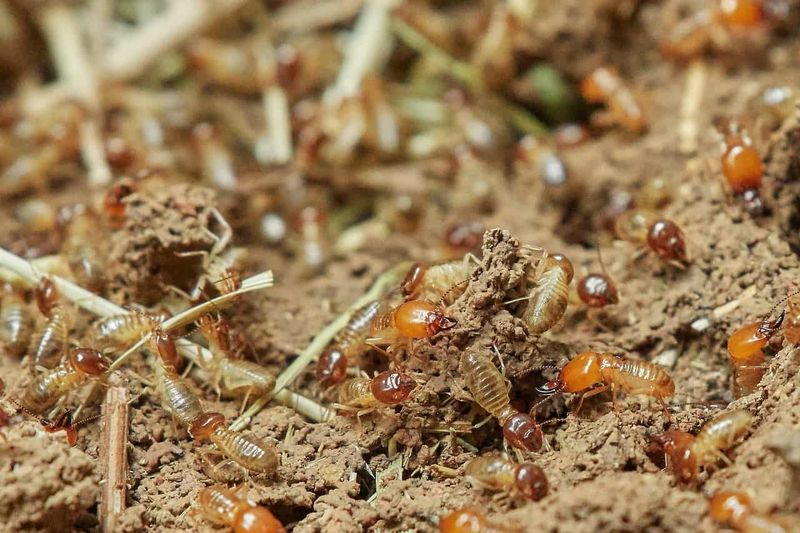
Insects such as termites, carpenter ants, and boring beetles find mulch volcanoes irresistible, using the moist material as a highway to reach tender bark and establish colonies.
Rodents also appreciate the cover, gnawing on bark during winter when other food sources run scarce. Creating a mulch-free zone of three to six inches around trunks and crowns allows air to circulate, bark to stay dry, and problems to stay away.
For young trees, this practice proves especially important since their thin bark offers little protection against moisture damage. Pull mulch back from the base into a donut shape rather than a volcano, ensuring the root flare remains visible and exposed to air.
This simple adjustment protects your investment in landscape plants and prevents heartbreaking losses that come from well-intentioned but harmful mulching practices.
4. Replenish Mulch Annually
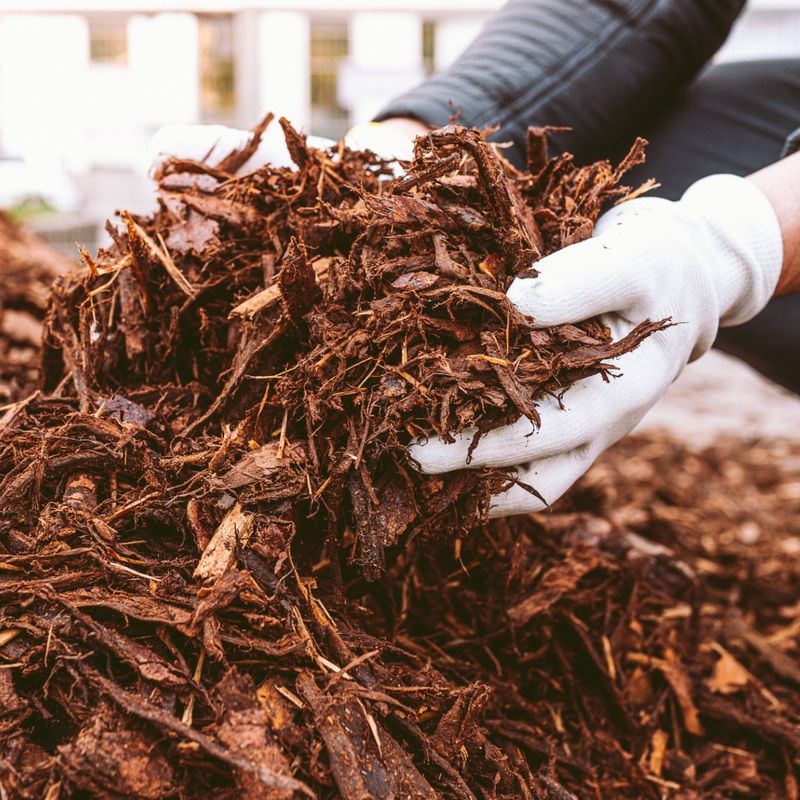
Georgia’s combination of heat, humidity, and active soil life means organic mulch disappears faster than in cooler climates, breaking down into rich soil amendments that plants eagerly absorb.
What starts as a fresh four-inch layer in March might shrink to barely two inches by September, leaving soil exposed and vulnerable.
Annual replenishment keeps your mulch working at peak efficiency, maintaining the depth needed to suppress weeds and conserve moisture through another growing season.
Spring offers an ideal time to refresh mulch, right before summer heat arrives and plants enter their most vigorous growth phase. Fall works well too, giving beds a fresh protective layer before winter rains and temperature swings stress plant roots.
Inspect your garden beds every few months, noting areas where mulch has thinned or washed away during heavy storms.
Rather than removing old mulch that has partially decomposed, simply add fresh material on top, allowing the lower layer to continue enriching your soil.
This layering approach mimics natural forest floors where leaves and twigs constantly accumulate and break down.
Calculate how much mulch you need by measuring bed square footage and desired depth, remembering that organic materials compress over time, so order a bit extra to maintain proper coverage throughout the year.
5. Use Mulch To Retain Soil Moisture
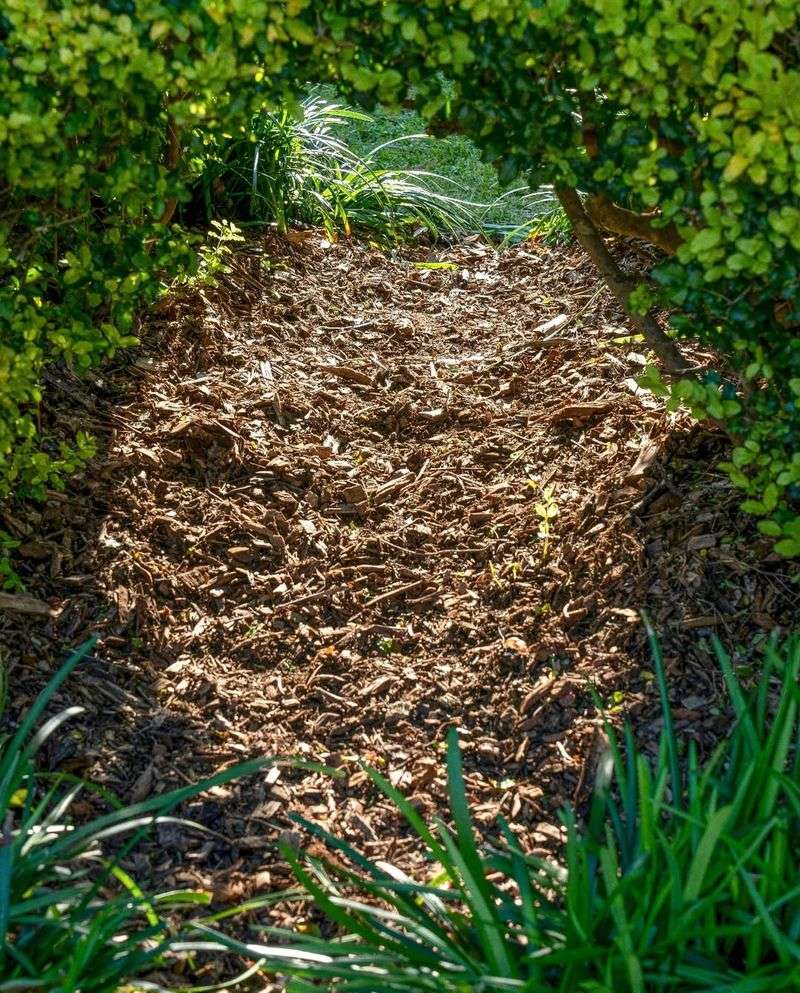
Water bills climb and plants wilt when Georgia’s summer sun bakes bare soil, pulling moisture from the ground faster than most gardeners can replace it with hoses and sprinklers.
Mulch acts as a shield against evaporation, keeping precious water in the root zone where plants need it most.
Studies show that properly mulched beds retain moisture up to fifty percent longer than unmulched soil, meaning less frequent watering and healthier plants during drought periods.
This moisture-saving superpower proves especially valuable for vegetables and annual flowers that demand consistent water to produce their best crops and blooms.
Tomatoes develop deeper flavor and fewer blossom-end rot problems when their roots enjoy steady moisture levels. Perennials establish stronger root systems when they do not experience the stress of repeated wet-dry cycles.
Mulch also prevents soil from crusting over after heavy rains, maintaining those tiny pore spaces that allow water to soak in rather than run off.
When you do water, moisture penetrates deeper and lingers longer, encouraging roots to grow down into cooler soil layers where they find reserves during hot spells.
This creates tougher, more resilient plants that bounce back quickly from weather challenges and reward you with vigorous growth and abundant harvests or flowers.
6. Suppress Weeds Effectively
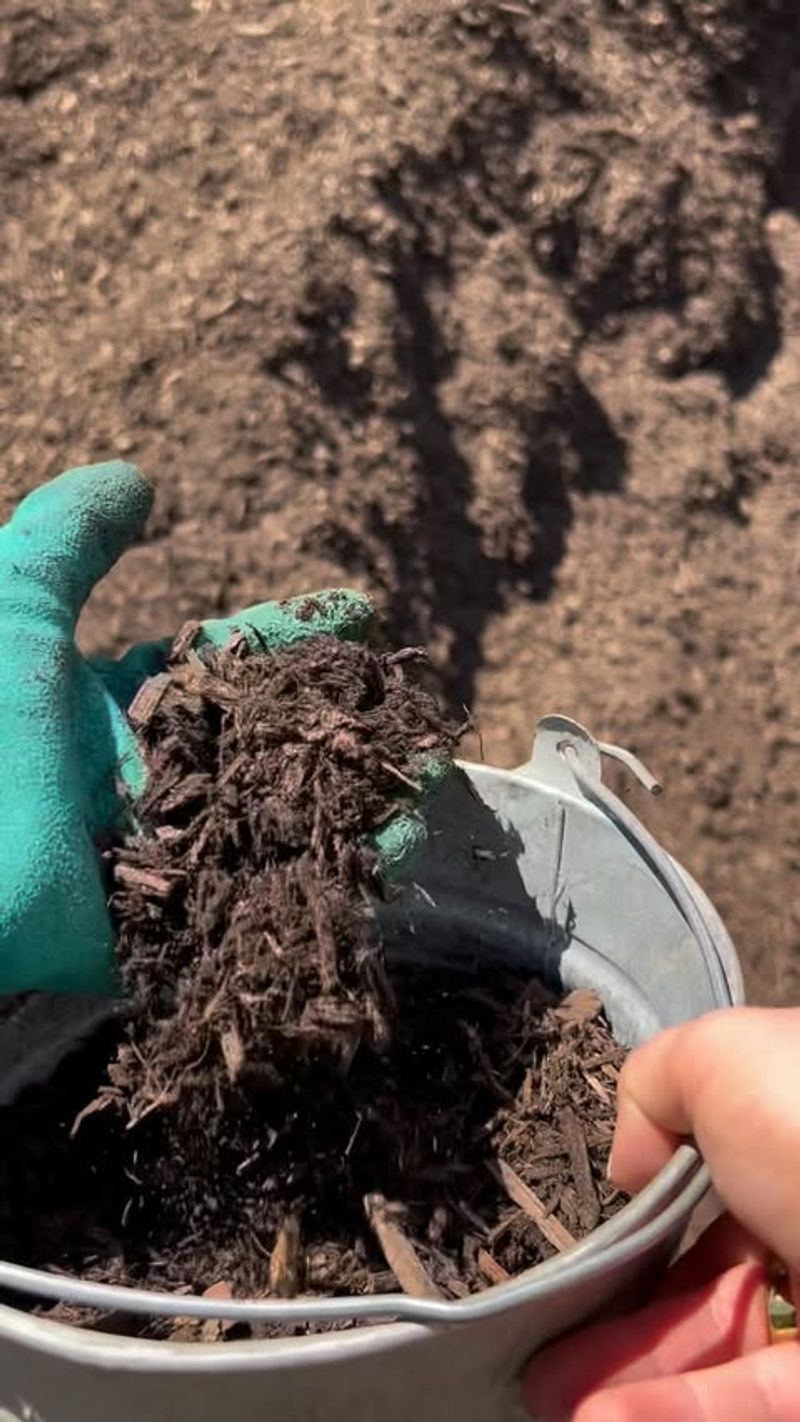
Weed seeds lie dormant in every garden, waiting patiently for sunlight to trigger their germination and begin their invasion of your carefully tended beds.
A thick mulch layer blocks that critical light, keeping seeds in suspended animation and saving you countless hours of hands-and-knees weeding under the hot Georgia sun.
Those weeds that do manage to push through the barrier emerge weak and spindly, pulling out easily with a gentle tug since their roots cannot anchor properly in loose mulch.
Beyond blocking light, mulch creates a physical obstacle that many weed seedlings simply cannot overcome, their tender shoots exhausting their energy reserves before reaching the surface.
This defense works particularly well against annual weeds that rely on frequent reseeding to spread. Perennial weeds with established roots require more effort, so remove them before mulching and stay vigilant for any that poke through.
Weed suppression means your garden plants face less competition for water, nutrients, and space, channeling all available resources into growth and production rather than sharing with unwanted invaders.
Your garden looks tidier and more intentional, with clean mulch surfaces highlighting the beauty of ornamentals and the abundance of edibles.
Less time spent weeding translates to more time enjoying your garden, whether that means harvesting vegetables, admiring flowers, or simply relaxing in your outdoor sanctuary.
7. Choose Mulch That Matches Your Garden Style
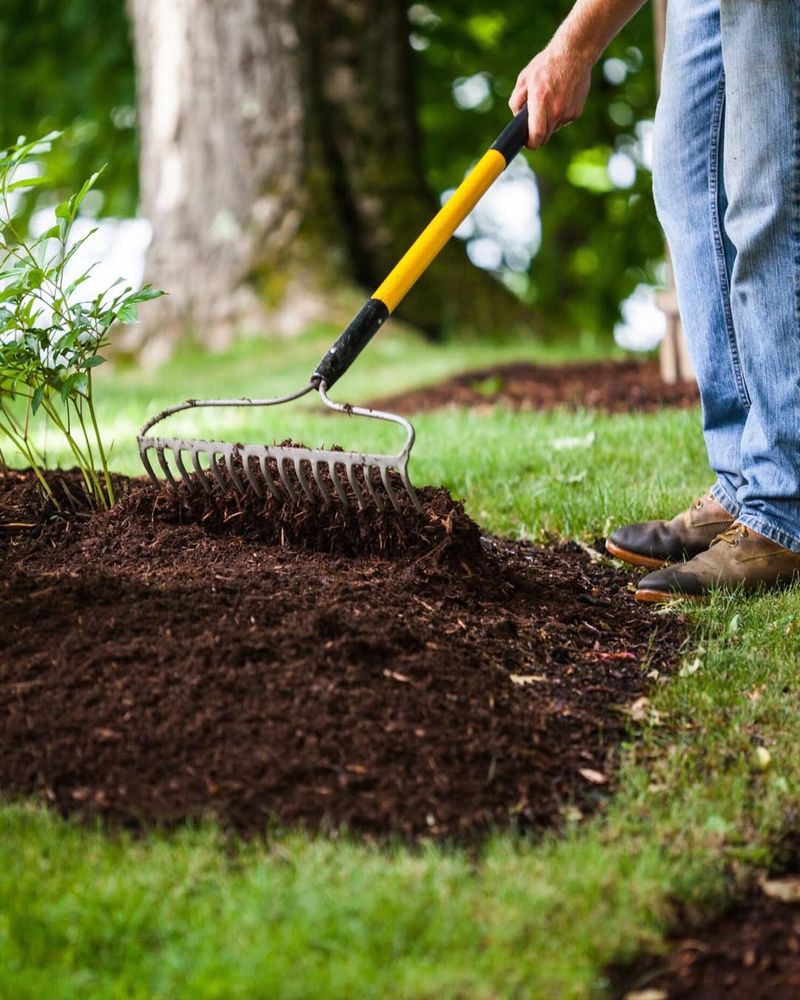
Pine straw brings a soft, natural look that complements Southern landscapes perfectly, draping around azaleas, rhododendrons, and camellias like a cozy blanket that echoes the forest floor these plants call home in nature.
Its reddish-brown color warms up shady garden areas, and the needle texture allows water to penetrate easily while still blocking weeds.
Gardeners appreciate how pine straw knits together, resisting erosion on slopes where chunky mulches might wash away during thunderstorms.
Shredded hardwood bark offers a more formal appearance that suits perennial borders and vegetable gardens, its rich brown tones providing contrast against colorful blooms and lush foliage.
This mulch breaks down more slowly than pine straw, making it economical for areas where you want longer-lasting coverage.
Its finer texture works well around delicate plants that might get lost beneath coarser materials.
Consider your garden’s personality when selecting mulch, just as you would choose paint colors or furniture for your home.
Cottage gardens embrace the rustic charm of composted leaves, while contemporary landscapes might prefer the uniform appearance of dyed mulches in dark chocolate tones.
Matching mulch to plants and style creates visual harmony that makes your garden feel cohesive and thoughtfully designed, elevating the entire landscape from ordinary to outstanding.
8. Avoid Mulch That Can Harbor Pests
Fresh grass clippings seem like a convenient mulch option since they cost nothing and appear regularly whenever you mow the lawn, but they create more problems than they solve in garden beds.
These nitrogen-rich clippings heat up rapidly as they decompose, potentially burning tender plant stems and creating slimy, matted layers that repel water and smell unpleasant.
The warmth and moisture attract slugs, snails, and various insects that then migrate from the mulch to your plants, causing damage you never intended.
Improperly composted materials present similar risks, harboring weed seeds that survived the composting process and introducing pathogens that can infect healthy plants.
Rodents find uncomposted food scraps or inadequately processed materials irresistible, burrowing into mulch piles and creating tunnels that damage roots and bulbs.
Always verify that compost has reached proper temperatures and aged adequately before spreading it as mulch. Stick with well-aged, properly processed mulches from reputable suppliers who understand the importance of clean materials in garden settings.
Inspect mulch before purchasing, looking for pleasant earthy smells rather than sour or ammonia odors that signal incomplete decomposition.
Quality mulch should feel crumbly and look uniform, free from trash, weed growth, or unusual fungal growth that might indicate problems waiting to invade your garden sanctuary.