The Secret To Growing Gorgeous Irises In Your Colorado Garden
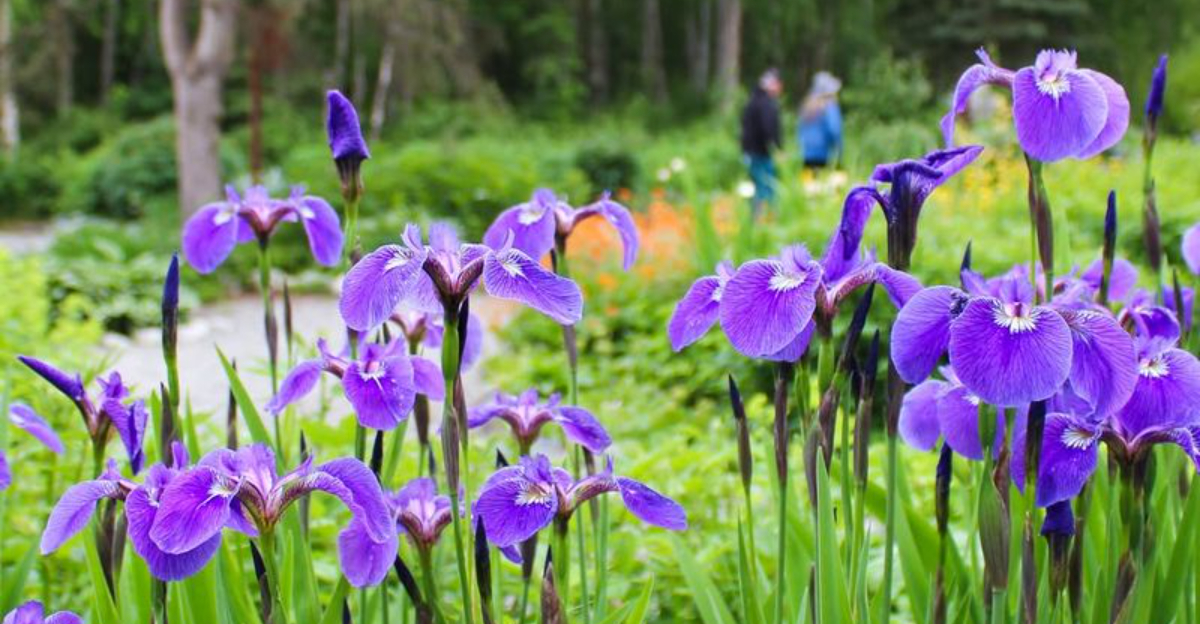
Colorado gardens can produce stunning irises when the right steps are taken at the right time. These bold flowers love sunshine, well-drained soil, and just a little smart care.
Big blooms don’t happen by accident and small changes can create amazing results. Irises are tougher than they look, yet many gardeners miss simple details that make all the difference.
Planting depth, spacing, and watering habits all play a role in how strong your plants grow. Healthy roots lead to breathtaking flowers.
And yes, Colorado’s climate can actually work in your favor. From dry mountain air to bright summer sun, irises respond well when conditions are managed properly.
Whether you’re planting new rhizomes or improving an existing bed, the right approach helps irises grow taller, bloom brighter, and last longer. If you want a garden that turns heads every spring, mastering iris care is the perfect place to start.
1. Choose The Right Iris Varieties For Colorado’s Climate
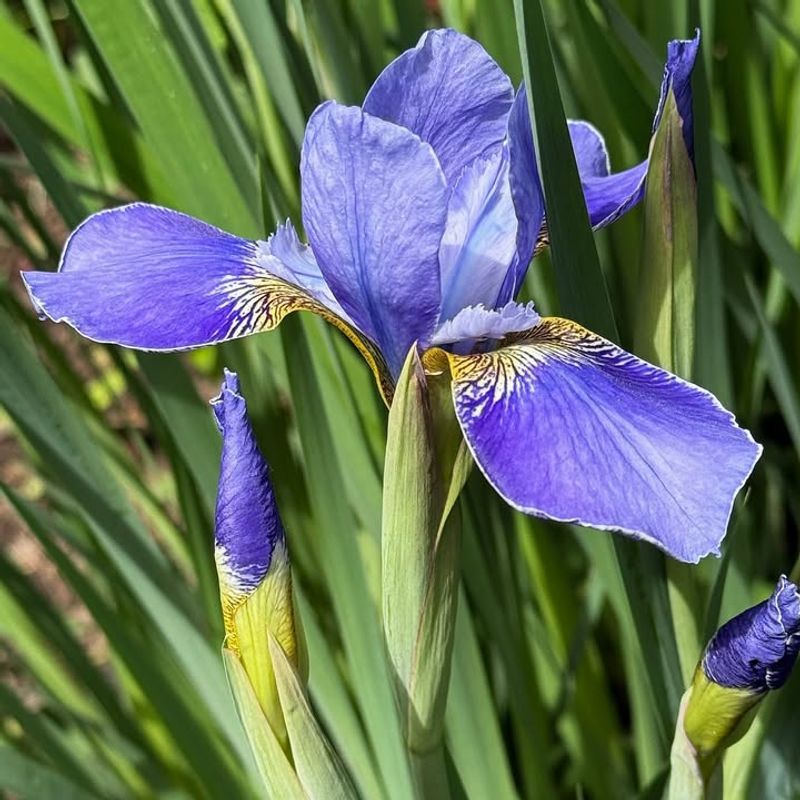
Picking the perfect iris varieties for Colorado’s challenging environment makes all the difference between a garden that struggles and one that flourishes with vibrant blooms.
Bearded irises are particularly well-suited to Colorado’s dry climate and alkaline soil, offering hundreds of color combinations and patterns that can transform any garden space.
These tough plants handle temperature swings better than many other flowering perennials, making them ideal for the state’s unpredictable spring weather.
Siberian irises represent another excellent choice for Colorado gardeners, especially those in higher elevation areas where winters can be particularly harsh.
These varieties tolerate cold temperatures exceptionally well and require less water than their bearded cousins, which is perfect for water-conscious gardening in the Rocky Mountain region.
Their grass-like foliage remains attractive throughout the growing season, providing visual interest even after the blooms have faded.
Colorado gardeners should also consider dwarf bearded irises for rock gardens or border plantings, as these compact varieties handle wind and weather extremes particularly well.
Native and drought-tolerant varieties have proven themselves over decades of Colorado cultivation, showing superior performance compared to varieties bred for milder climates.
When selecting your irises, look for varieties specifically recommended for zones 3-5, depending on your exact location within the state.
Local nurseries throughout Colorado often stock varieties that have been tested in regional conditions, giving you the best chance for success.
Talking with experienced gardeners at farmers markets or garden clubs can reveal which specific cultivars perform best in your neighborhood’s microclimate.
Starting with proven varieties builds confidence and ensures your first iris-growing experience in Colorado will be a successful and beautiful one.
2. Plant Irises At The Perfect Time And Depth
Timing your iris planting correctly in Colorado can mean the difference between vigorous growth and disappointing results. Late summer through early fall, specifically from mid-July through September, provides the ideal planting window for most Colorado regions.
This timing allows the rhizomes to establish strong root systems before winter arrives, setting them up for spectacular spring blooms.
Planting depth requires special attention because many gardeners make the common mistake of burying iris rhizomes too deeply. The rhizome, which looks like a thick horizontal root, should be planted so its top surface remains partially exposed to sunlight.
Your Colorado Garden Changes Every Week. Your Plan Should Too.
Gardening in Colorado changes quickly throughout the season. Every Friday you’ll receive a simple weekly plan showing exactly what to plant, prune, fertilize, harvest, and protect so you never miss the right timing.
In Colorado’s intense sun, a thin layer of soil covering the rhizome is acceptable, but never bury it more than an inch deep.
Colorado’s soil tends to be heavy clay in many areas, so amending your planting site with compost improves drainage while maintaining the slightly alkaline pH that irises prefer. Dig holes that are wide and shallow rather than deep and narrow, spreading the roots out horizontally beneath the rhizome.
Space bearded iris rhizomes about 12 to 18 inches apart to allow for proper air circulation, which helps prevent fungal diseases in Colorado’s sometimes humid summer afternoons.
When planting multiple rhizomes, position them with the leafy end pointing outward in a circular pattern to create an attractive clump as they multiply. Firm the soil around the roots but leave the rhizome top visible, then water thoroughly to settle everything into place.
In Colorado’s high-altitude areas above 7,000 feet, consider planting slightly earlier in the summer to give rhizomes maximum establishment time before the first hard freeze arrives.
3. Provide Adequate Sunlight And Proper Location
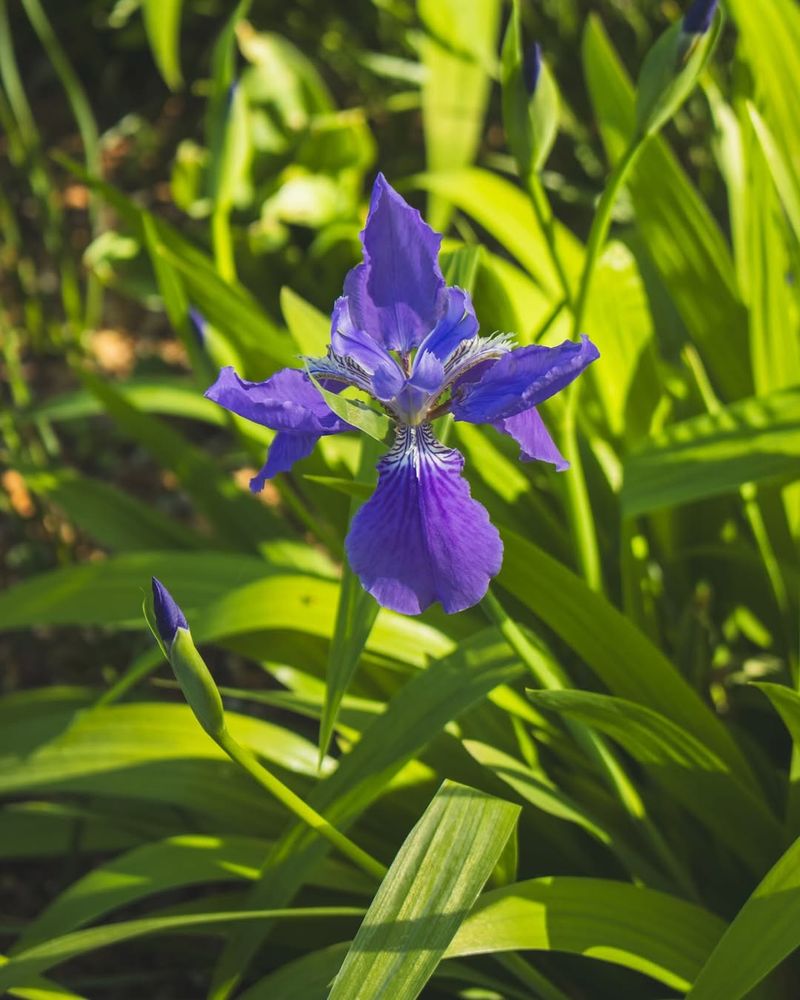
Sunlight serves as the powerhouse fuel that transforms iris rhizomes into spectacular flowering machines throughout the Colorado growing season. Most iris varieties demand at least six hours of direct sunlight daily, though they perform even better with eight or more hours of bright light.
Colorado’s intense high-altitude sunshine provides ideal conditions for irises, which respond to this abundant light with stronger stems and more vibrant flower colors.
Location selection involves more than just counting sunny hours, as wind protection and soil drainage play equally important roles in Colorado gardens.
Southern or western exposures typically provide the most consistent sunlight throughout the day, while also offering some natural warmth that helps extend the growing season.
Avoid planting irises in low-lying areas where cold air settles on frosty spring mornings, as late frosts can damage emerging flower buds.
Colorado’s notorious winds can snap tall iris stems or topple entire plants during peak bloom time, so consider placing your iris bed near a fence, wall, or hedge that provides some wind break.
Raised beds or gently sloped areas work wonderfully for iris cultivation in Colorado because they ensure excellent drainage while preventing water from pooling around the rhizomes.
Never plant irises in spots where water stands after rainstorms, as soggy conditions quickly lead to rhizome rot.
Morning sun with afternoon shade can work for some iris varieties in Colorado’s lower elevation areas where summer heat becomes intense. However, most Colorado gardeners find that full sun all day produces the most impressive blooms and healthiest plants.
Observing your yard throughout different seasons helps identify the perfect sunny spot where your irises will flourish for years to come.
4. Water Wisely For Colorado’s Dry Climate
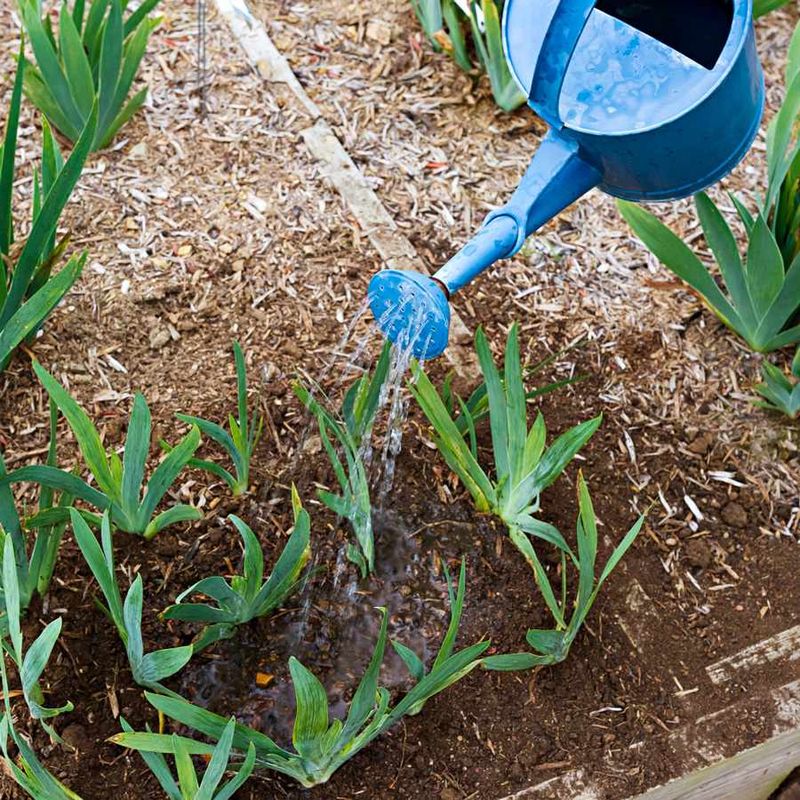
Water management in Colorado requires a delicate balance between providing enough moisture for healthy growth and avoiding the overwatering that damages iris rhizomes.
Colorado’s naturally dry climate actually works in favor of iris cultivation, as these plants prefer conditions on the drier side compared to many other perennials.
During the active growing season from spring through early summer, irises benefit from deep watering once or twice weekly rather than frequent shallow watering.
Newly planted rhizomes need consistent moisture for the first few weeks to encourage root development, but once established, irises become remarkably drought-tolerant. Colorado gardeners should water deeply enough to reach 6 to 8 inches into the soil, then allow the soil to dry out somewhat before watering again.
This watering pattern encourages roots to grow deeper into the ground, making plants more resilient during Colorado’s occasional dry spells.
Summer watering schedules in Colorado should decrease after irises finish blooming, as the plants enter a semi-dormant period where excess moisture can cause problems.
Many experienced Colorado gardeners stop supplemental watering entirely by mid-July, relying on natural rainfall to provide whatever moisture the plants need.
Drip irrigation or soaker hoses work better than overhead sprinklers because they keep water off the foliage and rhizomes, reducing disease risks.
Winter watering in Colorado becomes necessary during extended dry periods when snow cover is absent and temperatures remain above freezing. A thorough watering once a month during dry winters helps prevent rhizomes from becoming completely desiccated.
Pay special attention to irises planted near house foundations or under roof overhangs, as these locations often remain dry even when surrounding areas receive precipitation.
5. Fertilize Appropriately For Maximum Blooms
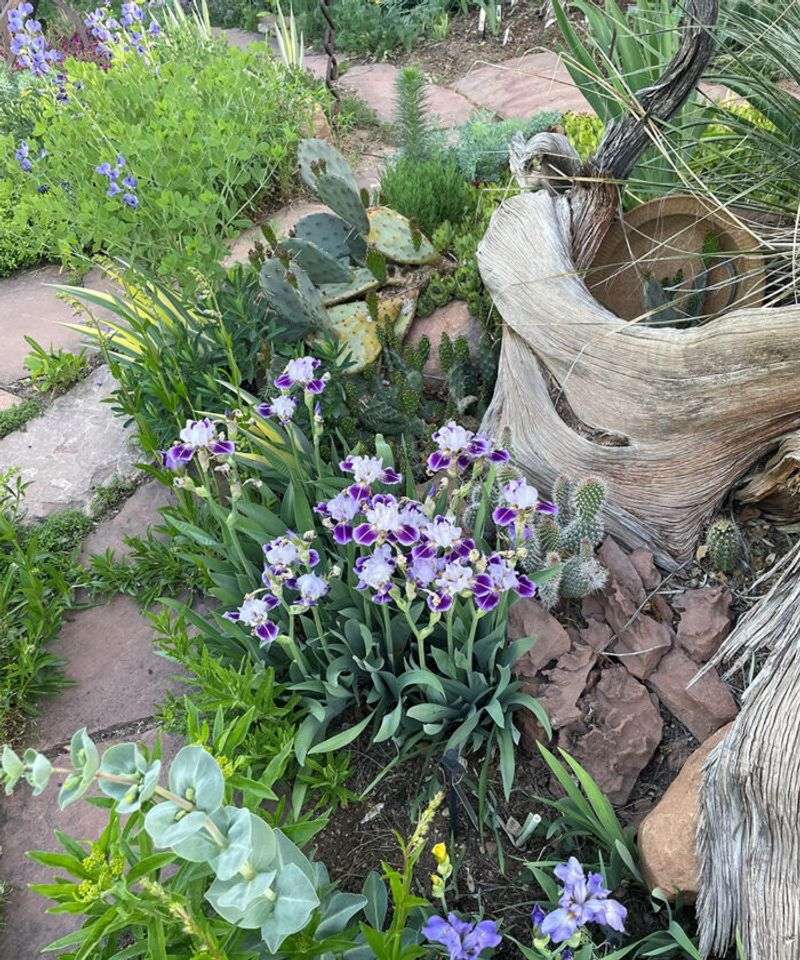
Feeding your irises correctly helps them produce those show-stopping blooms that make Colorado gardens the envy of the neighborhood. Irises are not heavy feeders compared to roses or vegetables, but they do benefit from targeted fertilization at specific times during the growing season.
A balanced fertilizer with equal or near-equal numbers, such as 10-10-10 or 5-10-10, works well for irises growing in Colorado’s typically alkaline soil.
Early spring feeding, just as new growth emerges from the ground, provides nutrients that support strong stem development and bud formation. Apply fertilizer in a circle around each clump, keeping it a few inches away from the rhizomes themselves to prevent burning.
Colorado’s spring rains typically help wash nutrients into the root zone, but if conditions are dry, water thoroughly after fertilizing.
A second feeding about a month after blooming finishes helps irises build energy reserves for next year’s flower display. This post-bloom feeding supports the development of new rhizome growth and strengthens the plant’s overall health heading into winter.
Avoid high-nitrogen fertilizers, which encourage excessive leaf growth at the expense of flowers and can make plants more susceptible to Colorado’s occasional late-spring freezes.
Organic options like compost tea or well-aged manure work beautifully for iris fertilization in Colorado gardens, releasing nutrients slowly over time.
Many Colorado gardeners prefer organic approaches because they improve soil structure while feeding plants, addressing the clay soil issues common throughout the state.
Bone meal provides an excellent phosphorus source that promotes root development and flower production without the risks associated with synthetic fertilizers.
Whatever fertilizer you choose, remember that less is more with irises, as overfed plants produce lush foliage but disappointing blooms.
6. Divide And Maintain Your Iris Clumps Regularly
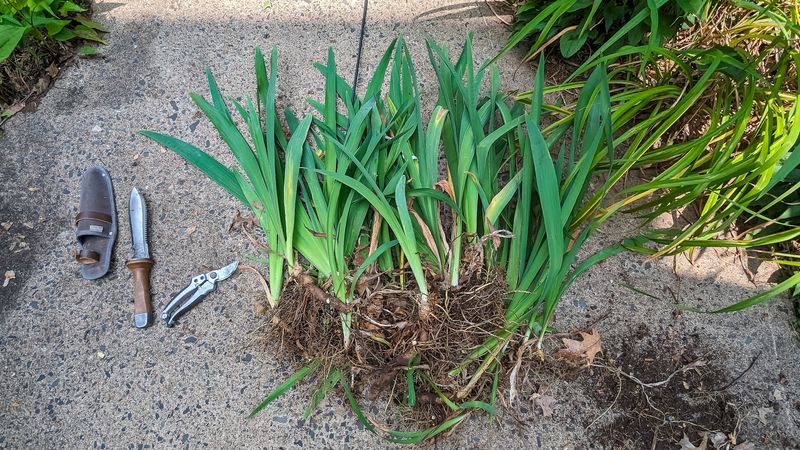
Regular division keeps iris clumps vigorous and blooming abundantly, preventing the overcrowding that leads to reduced flower production in Colorado gardens.
Irises multiply naturally by producing new rhizomes each year, and over time these clumps become so dense that individual rhizomes compete for nutrients and space.
Most iris clumps benefit from division every three to four years, though some vigorous varieties may need attention more frequently.
Late summer, typically from mid-July through August in Colorado, provides the ideal time for dividing overcrowded iris clumps. The plants have finished blooming and entered their dormant period, making this the least stressful time for such major disturbance.
Carefully dig up the entire clump using a garden fork, then use a sharp knife or your hands to separate individual rhizomes with healthy root systems and fan-shaped leaf sections.
Inspect each rhizome carefully, discarding any that show soft spots, damage, or signs of disease, keeping only the firmest and healthiest divisions. Trim the leaves back to about 6 inches in a fan shape, which reduces water loss and makes the divisions easier to handle and replant.
Colorado’s dry air helps cut surfaces heal quickly, but you can dust them with sulfur powder if you’re concerned about fungal infections.
Replant the best divisions in your prepared beds, giving away extras to friends or composting rhizomes you don’t need. This division process rejuvenates your iris plantings and often results in better blooms the following spring than you’ve seen in years.
Mulching lightly around newly divided irises helps retain moisture during their reestablishment period, but keep mulch away from the rhizomes themselves to prevent rot in Colorado’s occasional wet weather.