Connecticut’s Native Plant Scene Is Growing Thanks To This Nursery
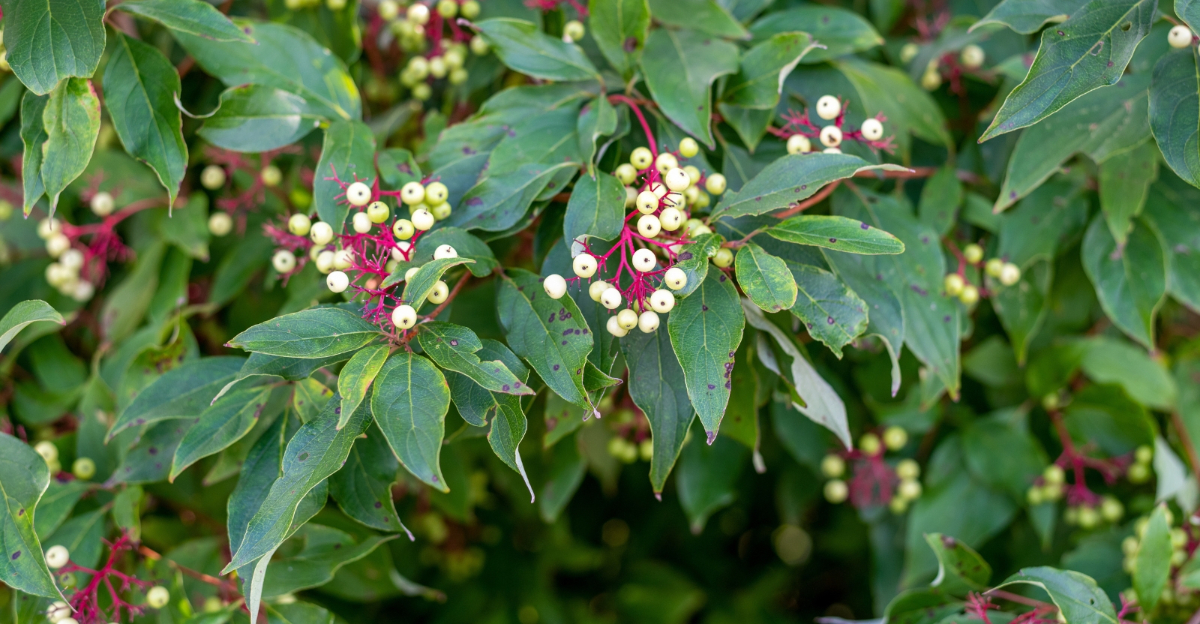
Connecticut’s native plant movement is quietly picking up speed, and it’s happening in a place most people wouldn’t expect. What started small is now reshaping how locals think about planting at home.
Across the state, gardeners are paying closer attention to what truly belongs in Connecticut soil. Native plants are no longer a niche choice reserved for specialists.
This nursery is changing the conversation by showing how local plants can look full, intentional, and exciting. It proves native doesn’t mean boring or limited.
Instead of chasing trends, the focus stays on plants that actually thrive in Connecticut’s seasons. That shift is catching on fast with homeowners, designers, and community spaces.
What makes this place stand out is how much care goes into every plant grown and shared. The results speak for themselves once those plants hit the ground.
More people are realizing that stronger gardens start with plants adapted to local conditions. This nursery makes that idea feel practical, not intimidating.
As interest grows, so does the impact on yards, pollinators, and neighborhoods across Connecticut. One nursery is helping native plants feel like the obvious choice again.
1. How A Small New Haven Lot Became A Thriving Native Plant Nursery
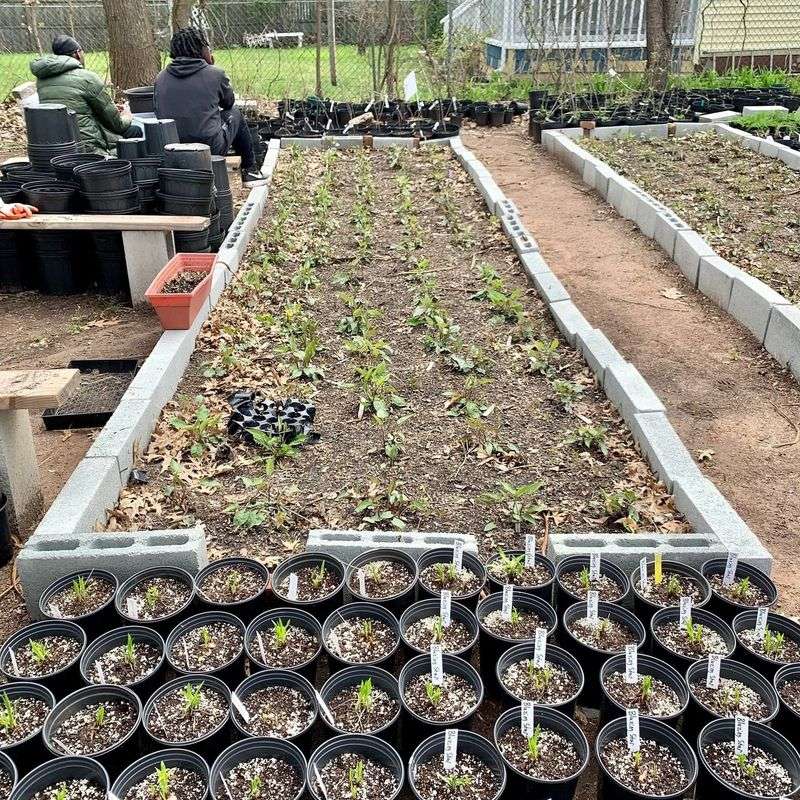
Back in 2018, a vacant city lot in New Haven didn’t look like much to most people walking by. Weeds grew wild, trash collected in corners, and neighbors mostly ignored the forgotten space.
But a group of environmental activists and community organizers saw something different when they looked at that empty patch of urban land.
They envisioned rows of native plants, young people learning about ecology, and a business model that could support both the environment and the local economy. Connecticut has lost much of its native plant habitat to development over the decades.
Creating a nursery focused exclusively on native species felt like a way to push back against that trend.
UrbanScapes started with just a handful of plant species and a few eager teenagers willing to learn. Early mornings were spent hauling soil, building simple raised beds, and researching which plants would grow best in Connecticut’s climate.
Nobody involved had run a nursery before, so every step involved trial and error.
Local gardeners and environmental groups started hearing about the project through word of mouth. Some donated seeds, others offered advice on propagation techniques.
The nursery began selling its first plants at farmers markets and community events around New Haven.
By the second year, demand had grown beyond anyone’s expectations. What began as an experiment had turned into a legitimate business.
Today, that same lot produces large numbers of native plants each year.
Visitors often express surprise at how much greenery can thrive in such a compact urban space. The transformation shows what’s possible when communities invest in green infrastructure and youth development simultaneously.
UrbanScapes proved that urban agriculture doesn’t require sprawling rural land. Even a small city lot in Connecticut can become a hub for environmental education and native plant conservation.
Your Connecticut Garden Changes Every Week. Your Plan Should Too.
Gardening in Connecticut changes quickly throughout the season. Every Friday you’ll receive a simple weekly plan showing exactly what to plant, prune, fertilize, harvest, and protect so you never miss the right timing.
Neighbors who once avoided the lot now stop by regularly to admire the plants and chat with the young workers.
2. Why Connecticut Native Plants Are At The Center Of UrbanScapes’ Mission
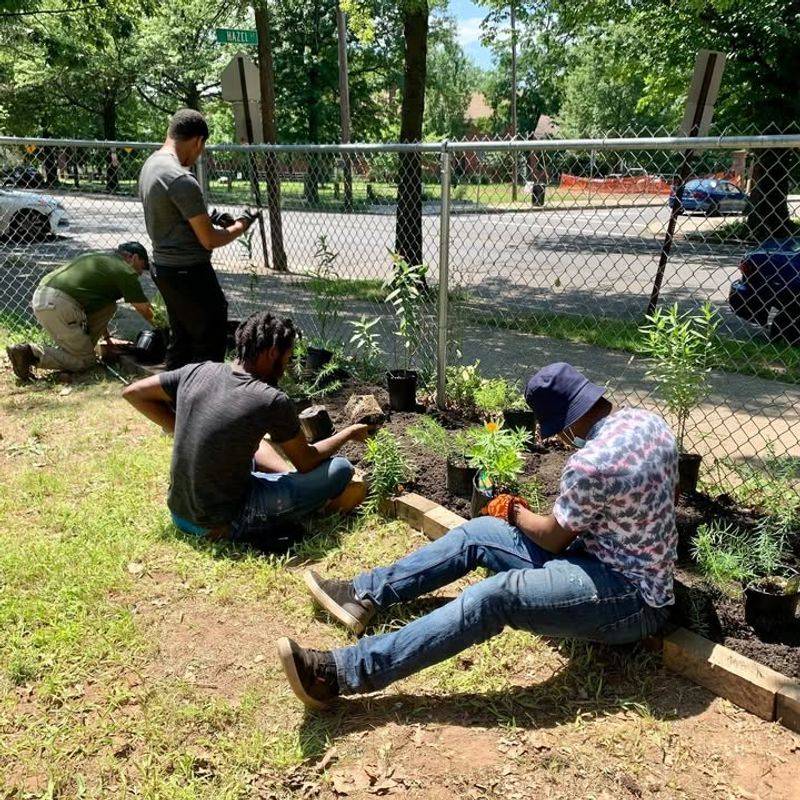
Native plants aren’t just a trendy gardening choice—they’re essential to healthy ecosystems throughout Connecticut. These are the plants that evolved alongside local insects, birds, and wildlife over thousands of years.
When non-native ornamental plants dominate yards and parks, local wildlife loses critical food sources and habitat.
UrbanScapes made native plants their exclusive focus from day one. The decision wasn’t about following a fad but about addressing a real environmental crisis.
Studies show that native insects, which form the base of the food chain, often can’t eat or live on non-native plants.
Butterflies, bees, and other pollinators in Connecticut depend on specific native plant species to survive. When those plants disappear from the landscape, pollinator populations crash.
UrbanScapes saw their nursery as a way to make native plants accessible and affordable to regular homeowners and community organizations.
Many traditional nurseries stock mostly non-native ornamentals because that’s what customers have historically requested. Changing that pattern requires both education and availability.
UrbanScapes tackles both by growing the plants and teaching customers why they matter.
Every plant that leaves the nursery comes with information about its ecological benefits. Customers learn which butterflies will visit, which birds will nest nearby, and how the plant supports the local ecosystem.
This educational approach has converted many casual gardeners into passionate native plant advocates.
Connecticut’s climate and soil conditions vary across the state, so the nursery grows diverse species suited to different conditions. From wetland plants to those that thrive in dry, rocky soil, UrbanScapes offers options for nearly every situation.
Their inventory reflects the natural diversity of Connecticut’s native landscape.
The mission extends beyond individual sales. UrbanScapes partners with schools, parks, and municipalities across Connecticut to install native plant gardens in public spaces.
These projects serve as living classrooms and demonstration sites that inspire others to make the switch.
Focusing exclusively on natives also simplifies the nursery’s operations. The team doesn’t waste time debating which exotic ornamentals to stock.
Every decision gets filtered through one question: Does this support Connecticut’s native ecosystems?
This clarity of purpose has become UrbanScapes’ greatest strength.
3. Youth Leadership Is Driving The Nursery’s Rapid Growth
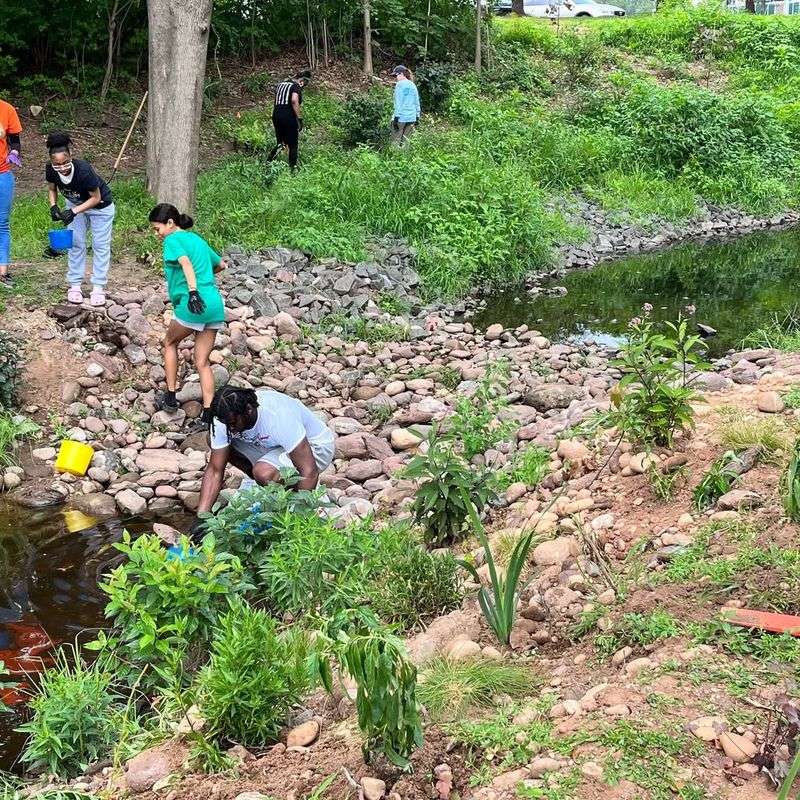
Most businesses rely on experienced adults to make major decisions and guide daily operations. UrbanScapes flipped that model entirely by putting teenagers in leadership roles from the start.
Teens manage inventory, handle customer service, make purchasing decisions, and even help set business strategy. This approach might sound risky to traditional business minds, but it’s been central to the nursery’s success.
Young workers bring fresh perspectives and aren’t limited by assumptions about what’s possible.
Connecticut’s youth unemployment rate, particularly in urban areas, remains a persistent challenge. UrbanScapes addresses this by creating meaningful jobs that teach real skills.
Participants aren’t just earning paychecks—they’re gaining experience that translates to future careers in horticulture, business, or environmental science.
Leadership development happens through hands-on experience rather than lectures. A teen might start by watering plants and within months be training new employees or managing the nursery’s social media presence.
This rapid skill progression keeps young workers engaged and motivated.
Adult mentors provide guidance and support, but they intentionally step back to let teens lead. This requires trust and patience, especially when young leaders make mistakes.
The learning that comes from those mistakes, however, proves invaluable for personal growth.
Several UrbanScapes alumni have gone on to pursue environmental careers or start their own green businesses. The nursery serves as a launching pad for young people who might not have otherwise considered these paths.
Connecticut’s environmental sector gains passionate, skilled workers who started their journey at an urban plant nursery.
Youth leadership also keeps the nursery innovative and responsive to change. Young workers aren’t afraid to try new marketing strategies, experiment with different plant varieties, or suggest operational improvements.
Their willingness to take calculated risks has accelerated the nursery’s growth.
4. What Makes UrbanScapes Different From Traditional Plant Nurseries
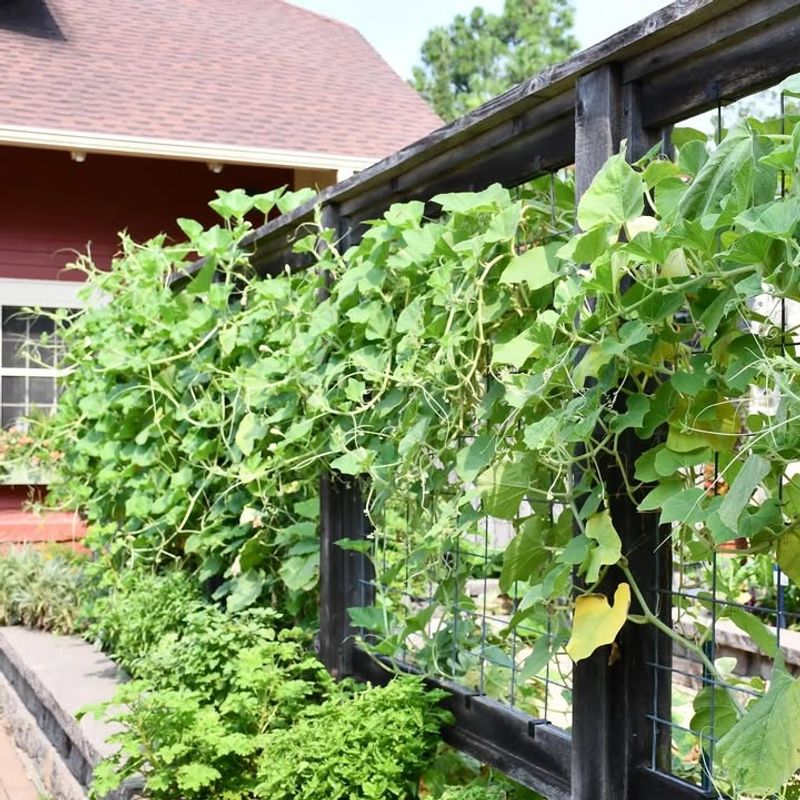
Walk into most garden centers and you’ll find rows of colorful non-native flowers, exotic shrubs, and plants bred for appearance rather than ecological function. UrbanScapes operates on completely different principles that set it apart from conventional nurseries.
Location matters tremendously in the nursery world. Traditional operations typically need large rural properties with ample space for growing.
UrbanScapes proves that model isn’t the only option. Their compact urban footprint in Connecticut demonstrates how cities can support agricultural businesses.
The social mission distinguishes UrbanScapes as much as the plants themselves. Traditional nurseries exist primarily to generate profit for owners.
UrbanScapes balances financial sustainability with youth development and environmental restoration goals. Profit matters, but it’s not the only measure of success.
Customer education receives far more emphasis at UrbanScapes than at typical garden centers. Staff don’t just sell plants—they explain ecological relationships and help customers understand their role in supporting local ecosystems.
This educational approach creates informed advocates rather than just satisfied customers.
Pricing strategy also differs significantly. Many high-end nurseries charge premium prices for rare or exotic specimens.
UrbanScapes keeps native plants affordable to ensure accessibility. Environmental restoration shouldn’t be limited to wealthy homeowners with landscaping budgets.
Community partnerships form another key difference. Traditional nurseries focus on individual retail customers.
UrbanScapes actively collaborates with schools, non-profits, and municipal agencies across Connecticut to implement large-scale native plantings.
These partnerships multiply the nursery’s environmental impact.
5. From Potting To Selling How Local Teens Run The Operation
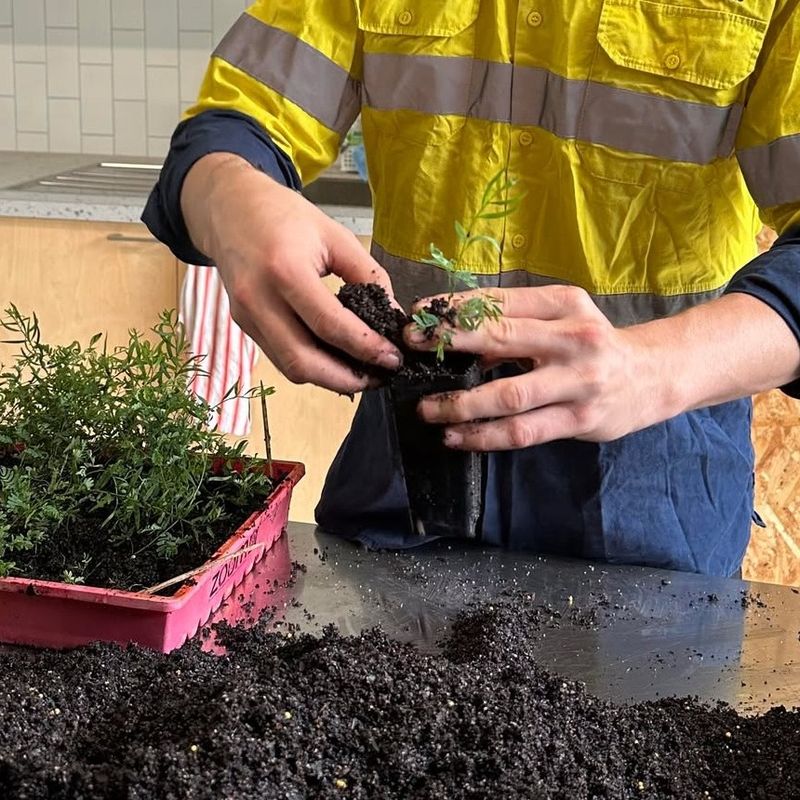
Running a nursery involves dozens of tasks that must happen consistently and correctly for the business to succeed. At UrbanScapes, teenagers handle every aspect of these operations with minimal adult supervision.
Mornings typically begin with watering, which sounds simple but requires attention and judgment. Different plant species need different amounts of water, and weather conditions in Connecticut change daily.
Teen workers learn to assess soil moisture, recognize signs of over or under-watering, and adjust accordingly.
Potting new plants happens throughout the growing season as seedlings mature. This involves preparing soil mixes, selecting appropriate container sizes, and handling delicate roots carefully.
Young workers develop fine motor skills and patience through this repetitive but essential work.
Inventory management presents complex challenges that teens tackle head-on. They track which species are selling quickly, which need more time to mature, and what to propagate for next season.
This requires basic business math, attention to detail, and strategic thinking.
Customer interactions provide daily opportunities for communication skill development. Teenagers answer questions about plant care, make recommendations based on growing conditions, and process sales transactions.
Many start shy but grow confident through repeated practice.
Marketing and social media fall entirely to the youth team. They photograph plants, write engaging captions, and promote upcoming sales.
Their authentic voice and digital fluency have built a strong online presence that reaches customers across Connecticut.
6. The Demand For Native Plants Keeps Rising Across Connecticut
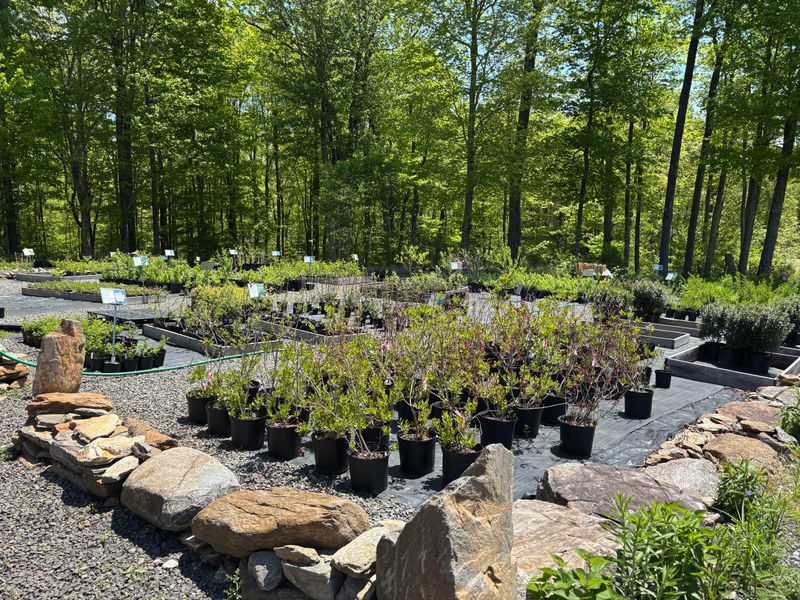
Something remarkable has been happening in yards, parks, and public spaces throughout Connecticut over the past few years. Native plants are everywhere, replacing the traditional lawns and exotic ornamentals that dominated for decades.
Multiple factors drive this shift in consumer preferences. Growing awareness of pollinator decline has motivated many homeowners to create habitat in their yards.
Media coverage of bee population crashes and butterfly disappearances has translated into action for environmentally conscious gardeners.
Climate change concerns also push people toward native plants. These species evolved to handle Connecticut’s weather patterns and typically require less water than thirsty lawn grass or exotic gardens.
As droughts become more common, low-maintenance native gardens make practical sense.
Municipalities across Connecticut are leading by example, installing native plantings in parks and along roadways. These public demonstrations show residents what’s possible and normalize the wilder, more naturalistic look of native gardens.
What once seemed messy now appears intentional and beautiful.
UrbanScapes struggles to keep certain popular species in stock during peak season. Milkweed varieties disappear as soon as they’re available, driven by people wanting to support monarch butterflies.
Native ferns and woodland wildflowers sell quickly to homeowners creating shade gardens.
Landscape designers and professional gardeners have noticed the trend too. More clients specifically request native plants for new installations.
This professional demand creates opportunities for nurseries like UrbanScapes to supply larger commercial projects across Connecticut.
7. Growing Skills Careers And Confidence Alongside Plants
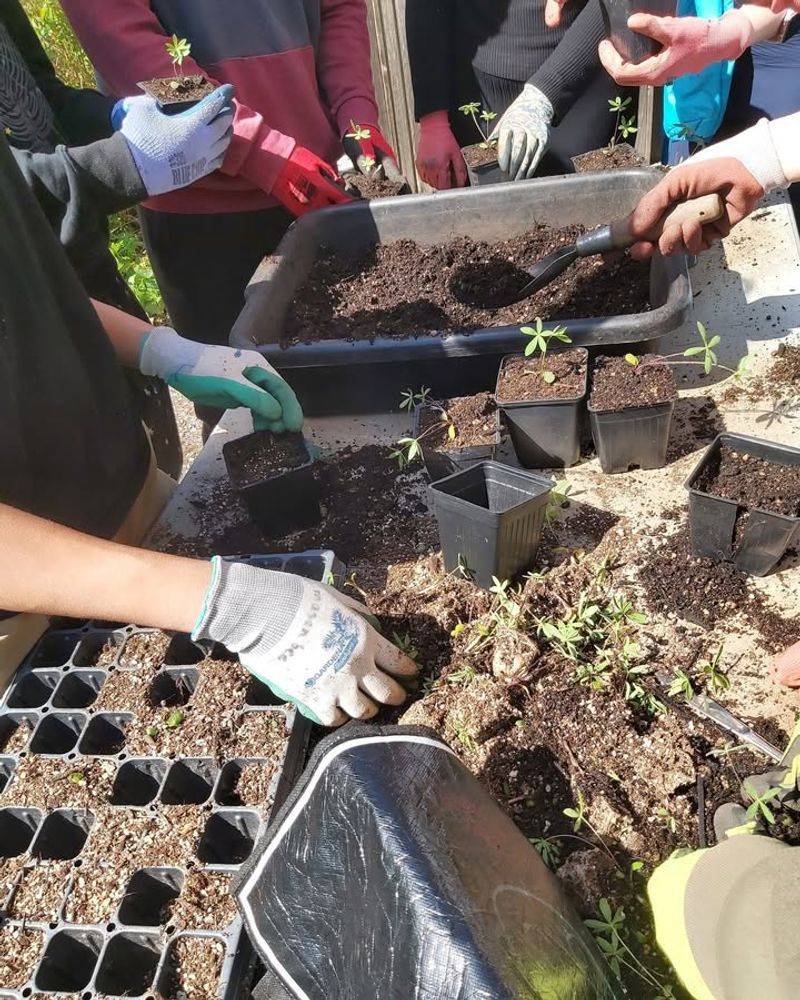
The plants aren’t the only things growing at UrbanScapes. Young workers experience personal transformation that extends far beyond learning about horticulture.
Many teens arrive at the nursery with little work experience or confidence in their abilities. They might feel uncertain about their futures or disconnected from their communities.
The structured yet supportive environment at UrbanScapes provides exactly what they need to flourish.
Practical skills accumulate quickly through daily work. Teenagers learn plant identification, propagation techniques, soil science, and pest management.
These technical competencies open doors to careers in landscaping, conservation, or environmental science throughout Connecticut.
Business skills prove equally valuable. Managing money, tracking inventory, communicating professionally, and solving problems are transferable to any career path.
Employers across industries value workers who demonstrate reliability, initiative, and teamwork—all qualities developed at the nursery.
Public speaking becomes less intimidating after selling plants and explaining ecology to hundreds of customers. Many participants report that their UrbanScapes experience helped them feel more comfortable speaking up in school or other settings.
Confidence grows through repeated practice in low-stakes situations.
Time management and responsibility develop naturally when plants depend on consistent care. Teenagers can’t procrastinate on watering or ignore tasks without visible consequences.
This accountability teaches lessons that parents and teachers often struggle to convey.
Several UrbanScapes alumni have pursued environmental careers directly inspired by their nursery experience. Others have applied their skills in different fields, but credit the program with teaching them how to work hard and take initiative.
Connecticut’s workforce benefits regardless of which path they choose.
8. Why This Urban Nursery Shows No Signs Of Slowing Down
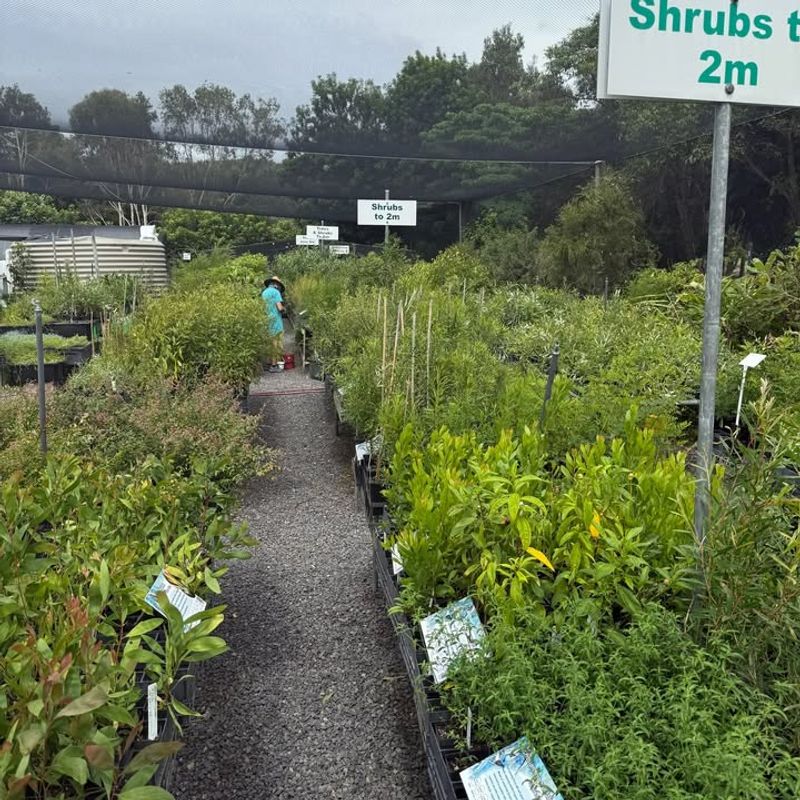
Five years into operation, UrbanScapes has momentum that continues building rather than plateauing. Multiple factors suggest the nursery’s best years lie ahead rather than behind.
Demand for native plants keeps exceeding supply, creating natural growth opportunities.
This healthy market position provides security and options for strategic expansion across Connecticut.
Recognition from environmental organizations and government agencies has brought both credibility and resources. Grants and partnerships provide funding for equipment, expanded growing space, and program development.
Financial stability allows the nursery to plan long-term rather than scrambling season to season.
The youth development model has proven replicable in other communities.
Organizations from other Connecticut cities have visited to learn how they might start similar programs.
Climate change and environmental concerns aren’t disappearing—they’re intensifying. This unfortunate reality means that mission-driven organizations like UrbanScapes will remain relevant and necessary.
Their work addresses problems that will only grow more urgent over time.
The team continues innovating rather than simply repeating what worked before. They’re experimenting with new plant species, trying different growing techniques, and exploring additional revenue streams.
This culture of experimentation keeps the organization dynamic and responsive.
Alumni network effects are starting to compound. Former participants return as volunteers, recommend the program to younger siblings, or support the nursery as customers and donors.
These connections create a growing community invested in UrbanScapes’ success throughout Connecticut.
Media attention has increased awareness far beyond the nursery’s immediate neighborhood. Articles, radio features, and social media coverage have made UrbanScapes a recognized name among Connecticut gardeners and environmental advocates.
This visibility drives both sales and support.