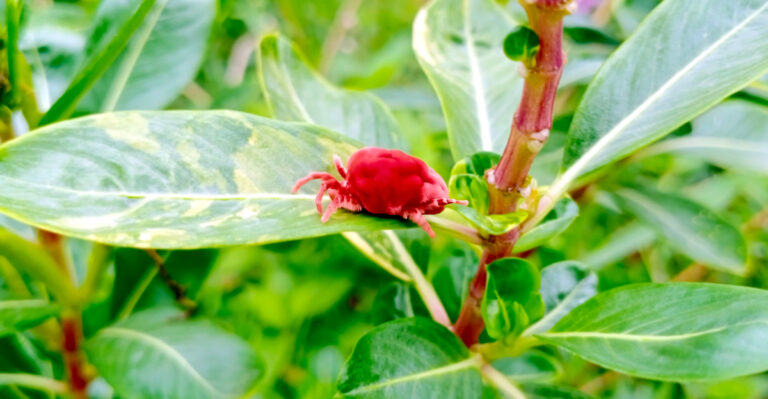
That Odd Leaf Cluster On Your Ohio Tree May Look Done — But Leave It For Now
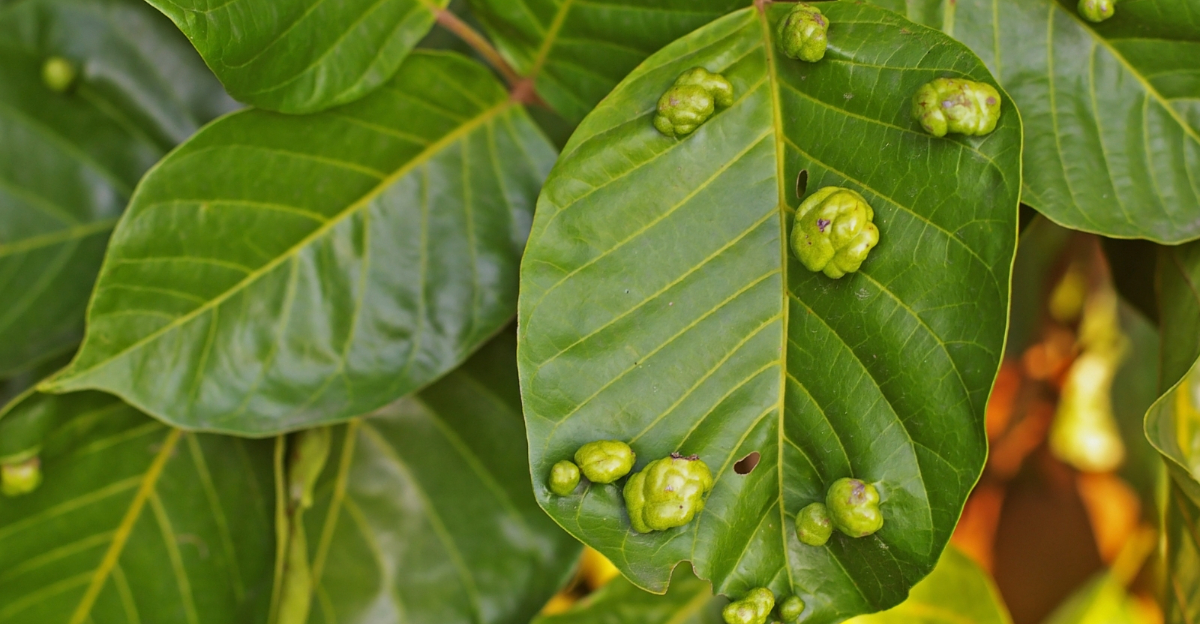
That odd leaf cluster on your Ohio tree can look finished long before the season actually is.
At first glance, it feels like a clear sign something has gone wrong, especially when the rest of the tree still looks healthy.
These strange clumps tend to show up suddenly in spring and catch homeowners off guard.
They often turn brown early, which makes them look lifeless even while new leaves keep growing around them.
What’s easy to miss is that this timing is completely normal for Ohio trees.
In many cases, the cluster has already served its purpose and isn’t doing anything at all anymore. It’s just sitting there.
Removing it feels like the safe move, but that instinct usually works against the tree. Ohio trees are built to handle this kind of thing without help.
Sometimes the smartest move is simply to leave it alone and let the season do the rest.
1. Why That Odd Leaf Cluster Suddenly Shows Up On Ohio Trees
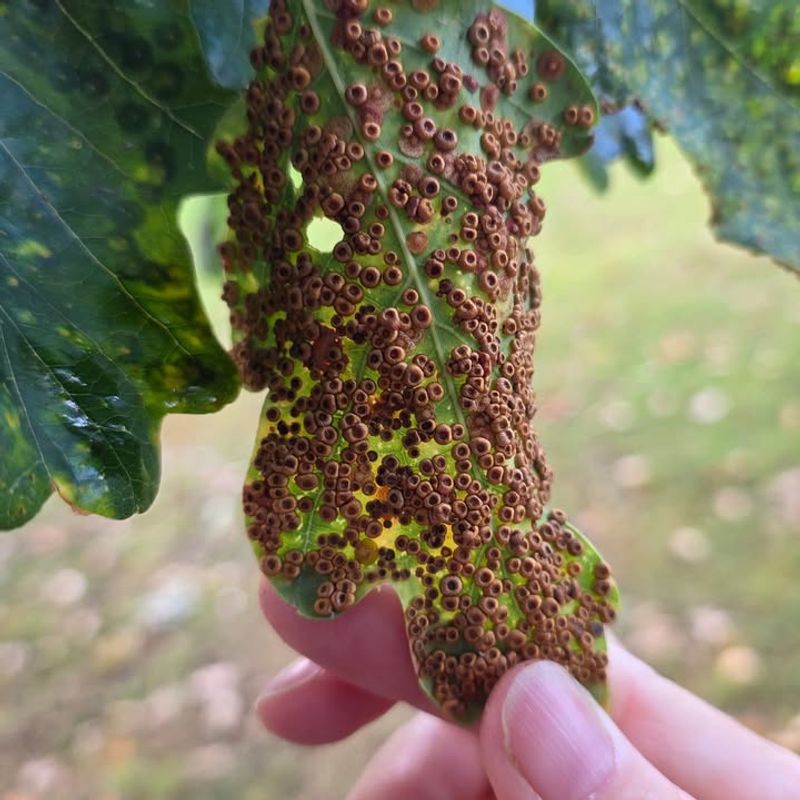
Tiny wasps or mites land on fresh leaves in spring and lay eggs inside the tissue. The tree reacts by growing extra cells around the eggs, forming a protective shell.
This process happens fast, sometimes in just a few days after the insect arrives.
Ohio’s mild springs create perfect conditions for these insects to thrive. The warmth encourages both tree growth and insect activity at the same time.
When the two overlap, galls form quickly and can surprise homeowners who weren’t watching closely.
Most galls appear on oak, maple, and willow trees across the state. Each insect species prefers a specific tree type, so the gall shape and size vary.
Some look like small balls, while others resemble fuzzy clusters or bumpy patches.
The tree doesn’t fight back or try to push the gall away. Instead, it builds a safe space for the insect’s young to develop.
This response is automatic and doesn’t harm the tree’s overall health in most cases.
Once the eggs hatch, the larvae feed on the gall tissue from the inside. They stay hidden until they’re ready to emerge as adults.
By then, the gall often looks brown and dried out, even though the tree itself is still green and growing strong.
2. How These Clumps End Up Looking Finished Long Before The Tree Is
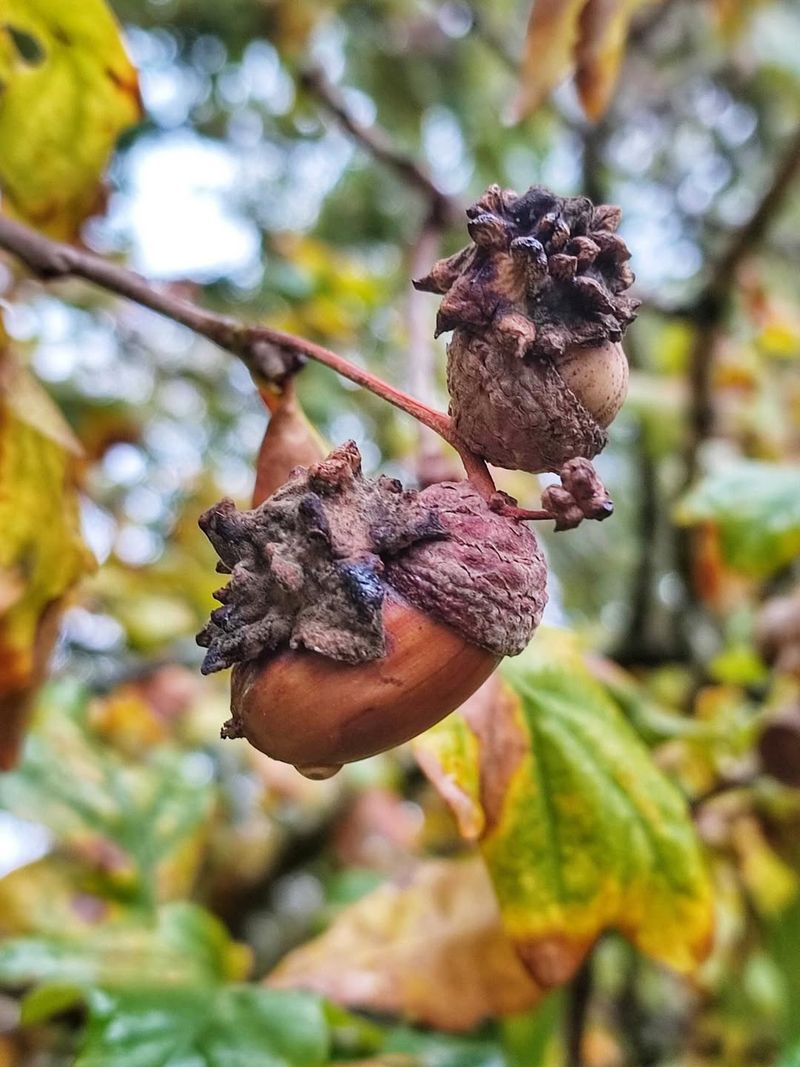
Galls mature much faster than the leaves around them. The insect larvae inside finish their development in just a few weeks.
Once they leave, the gall dries up and turns brown, even though summer is still in full swing across Ohio.
The tree continues to produce food and grow new shoots while the gall sits there looking lifeless. This contrast makes homeowners think something is wrong.
In reality, the gall has simply completed its purpose and is no longer active.
Dry galls don’t pull nutrients away from the tree anymore. They’re just empty shells clinging to the branch.
The tree focuses its energy on healthy leaves and new growth, ignoring the old gall tissue completely.
Your Ohio Garden Changes Every Week. Your Plan Should Too.
Gardening in Ohio changes quickly throughout the season. Every Friday you’ll receive a simple weekly plan showing exactly what to plant, prune, fertilize, harvest, and protect so you never miss the right timing.
Weather in Ohio can speed up the drying process. Hot, sunny days cause the gall to lose moisture quickly.
Wind and low humidity also make the gall look more brittle and dead than it really was when it first formed.
Even though the gall looks ugly, it doesn’t spread or grow larger. It stays the same size and gradually fades into the background as the tree fills out with fresh foliage.
3. What Makes A Leaf Gall So Easy To Misread At First Glance
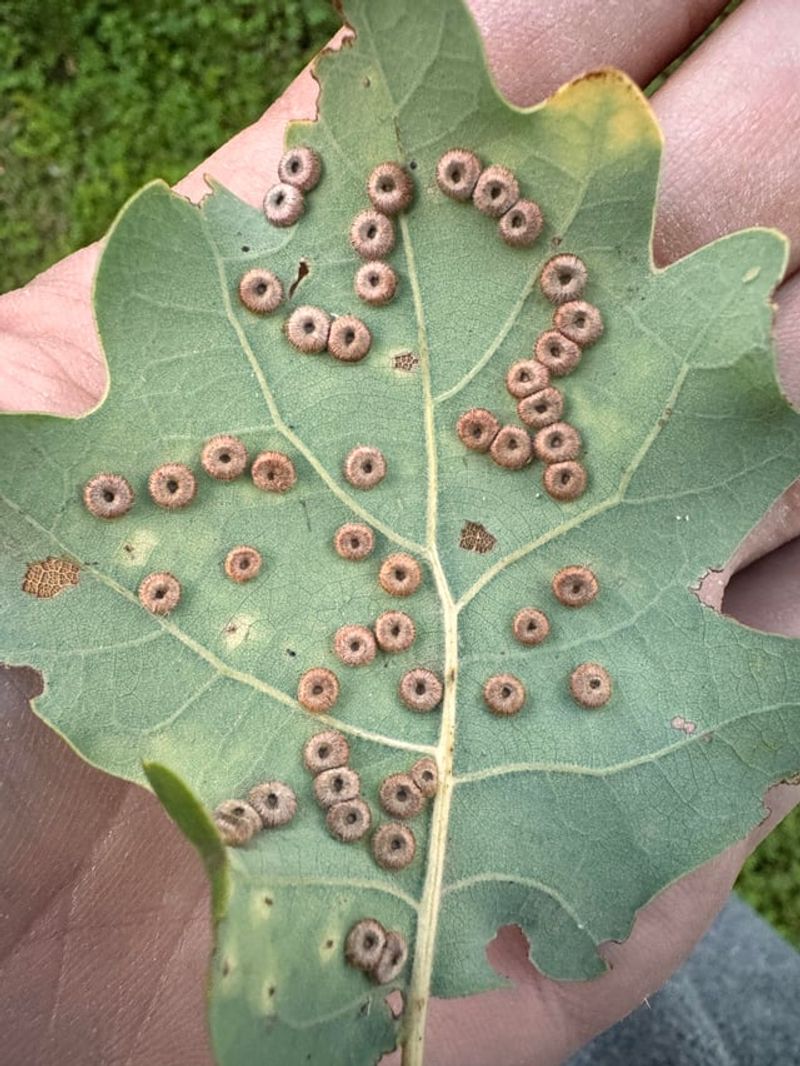
Galls can look like disease, fungus, or even pest damage to the untrained eye. Their odd shapes and colors don’t match anything most people have seen before.
This confusion leads to panic and the urge to remove them immediately, especially in Ohio where homeowners take pride in their yards.
Some galls are bumpy and rough, while others are smooth and round. The variety makes it hard to recognize them as a single type of growth.
Each species of insect creates a unique gall design, adding to the mystery.
Color changes make galls seem more serious than they are. A gall might start green and blend in with the leaves, then turn red, yellow, or brown as it ages.
These shifts can look alarming, like the tree is suffering from something contagious.
Texture also plays tricks on the observer. Fuzzy galls feel soft and strange, while hard galls seem like tumors or growths that need cutting out.
Neither type is dangerous, but both look unusual enough to cause concern.
Location on the tree adds to the confusion. Galls can appear on leaves, stems, or even twigs.
When they cluster together, they look like a serious infestation that requires urgent action.
4. Why Ohio Trees Usually Handle Leaf Galls Without Any Help
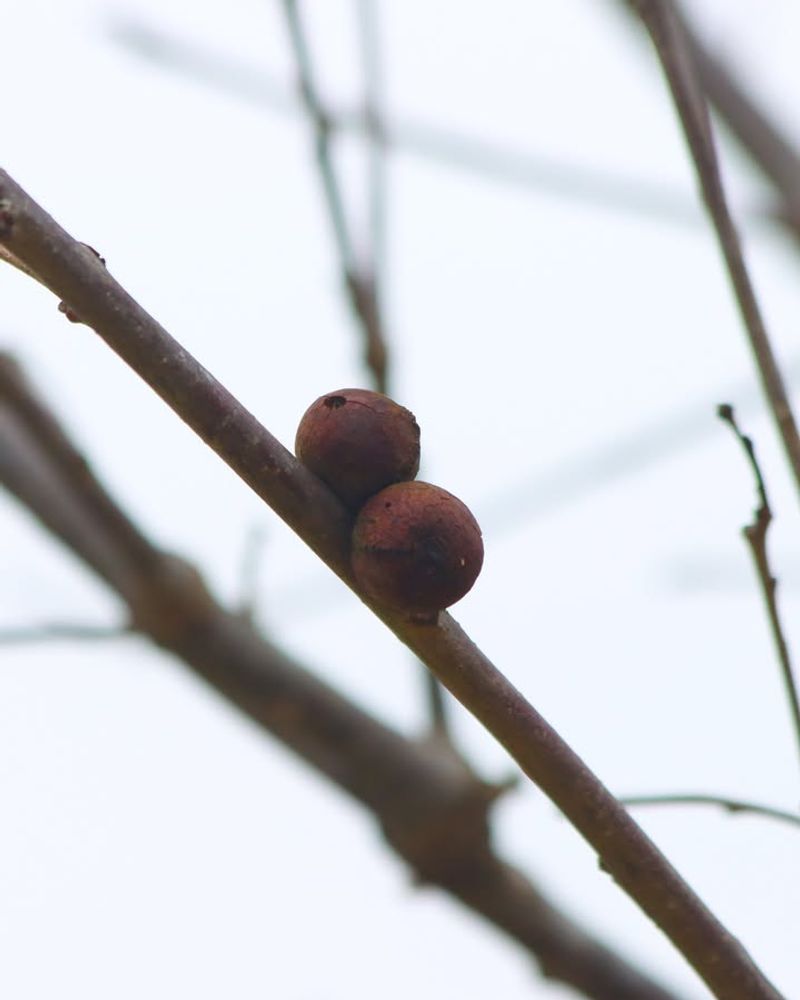
Trees have been dealing with gall-forming insects for millions of years. Their natural defenses are strong enough to tolerate the presence of these tiny invaders.
Ohio’s native trees evolved alongside these insects, so they know how to cope without outside intervention.
A healthy tree can support dozens of galls without slowing down. The galls only affect a small portion of the leaf tissue, leaving plenty of surface area for photosynthesis.
The tree continues making food and growing branches as if nothing is wrong.
Removing galls can actually cause more harm than leaving them alone. Cutting or tearing them off damages the leaf or branch tissue.
This creates open wounds that invite bacteria, fungi, or other pests to move in and cause real problems.
The tree’s energy is better spent on new growth rather than healing unnecessary cuts. When you leave galls in place, the tree can focus on producing strong roots, thick bark, and fresh leaves.
This keeps the tree healthier in the long run.
Natural predators and weather conditions usually keep gall populations in check. Birds, spiders, and other insects feed on the larvae inside the galls.
Ohio’s cold winters also reduce the number of insects that survive to the next spring.
5. The Reason Leaving A Leaf Gall Alone Often Works Best
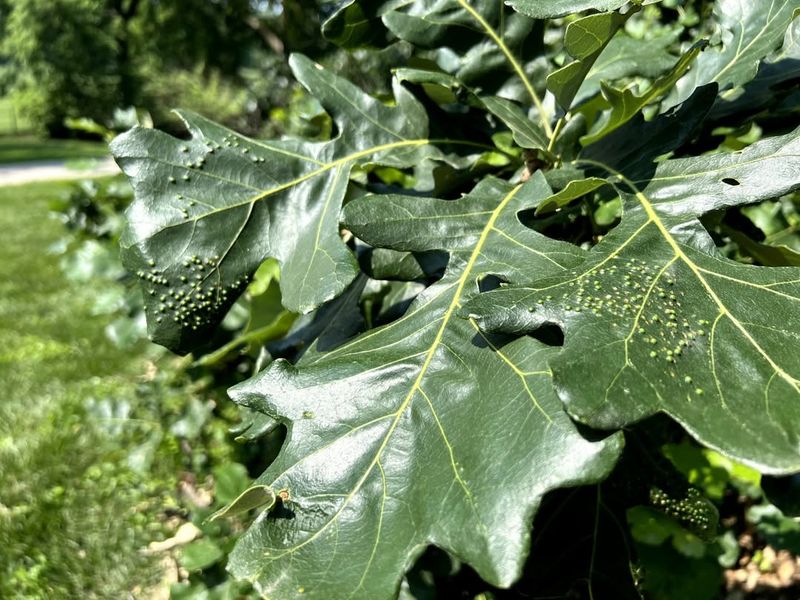
Galls don’t spread from tree to tree like a disease. Each one forms where an insect lays eggs, and once the larvae leave, the gall is done.
There’s no risk of infection or contamination, so removing them offers no real benefit to your Ohio landscape.
The tree has already invested energy into forming the gall tissue. Cutting it off wastes that effort and forces the tree to heal a wound.
Leaving the gall in place allows the tree to redirect resources toward healthy growth instead of repair work.
Many galls fall off naturally as the season progresses. Wind, rain, and the tree’s own shedding process remove old galls without any help from you.
By the time fall arrives, most galls have disappeared on their own.
Chemicals and sprays don’t work on galls because the larvae are protected inside the tissue. Trying to treat them with pesticides is a waste of money and can harm beneficial insects in your yard.
Ohio’s ecosystem benefits more from a hands-off approach.
Observing the gall can teach you about the insects and trees in your area. Watching the life cycle unfold is a great way to connect with nature.
Kids and curious adults alike can learn a lot by simply paying attention.
6. How Ohio Weather Shapes The Way Leaf Galls Form
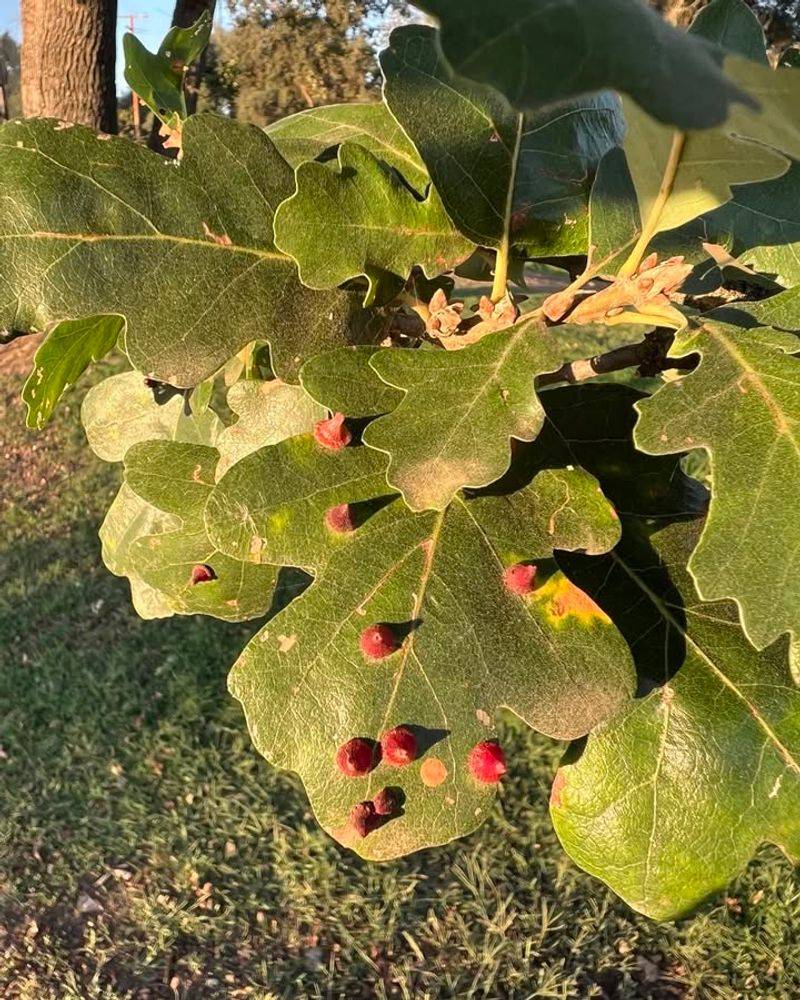
Spring rains and warm temperatures trigger rapid leaf growth across the state. When leaves expand quickly, they become more vulnerable to gall-forming insects.
The insects time their egg-laying to match this burst of new tissue, ensuring their young have plenty of food.
Mild winters allow more insects to survive until spring. Ohio’s recent weather patterns have included warmer-than-average winters, which means higher insect populations.
More insects lead to more galls appearing on trees throughout neighborhoods and parks.
Summer heat affects how galls develop and dry out. Hot, dry spells cause galls to harden and turn brown faster.
Humid conditions keep them softer and greener for longer periods. Either way, the gall completes its cycle and stops growing once the larvae mature.
Fall weather can trigger early gall drop. Strong winds and cooler temperatures loosen the gall’s attachment to the branch.
Many galls fall to the ground with the autumn leaves, decomposing naturally over the winter months.
Extreme weather events, like late frosts or heavy storms, can damage galls before they fully form. This disrupts the insect’s life cycle and reduces the number of galls you see.
However, the tree itself usually recovers quickly from these interruptions.
7. When A Leaf Gall Looks Concerning But The Branch Is Still Healthy
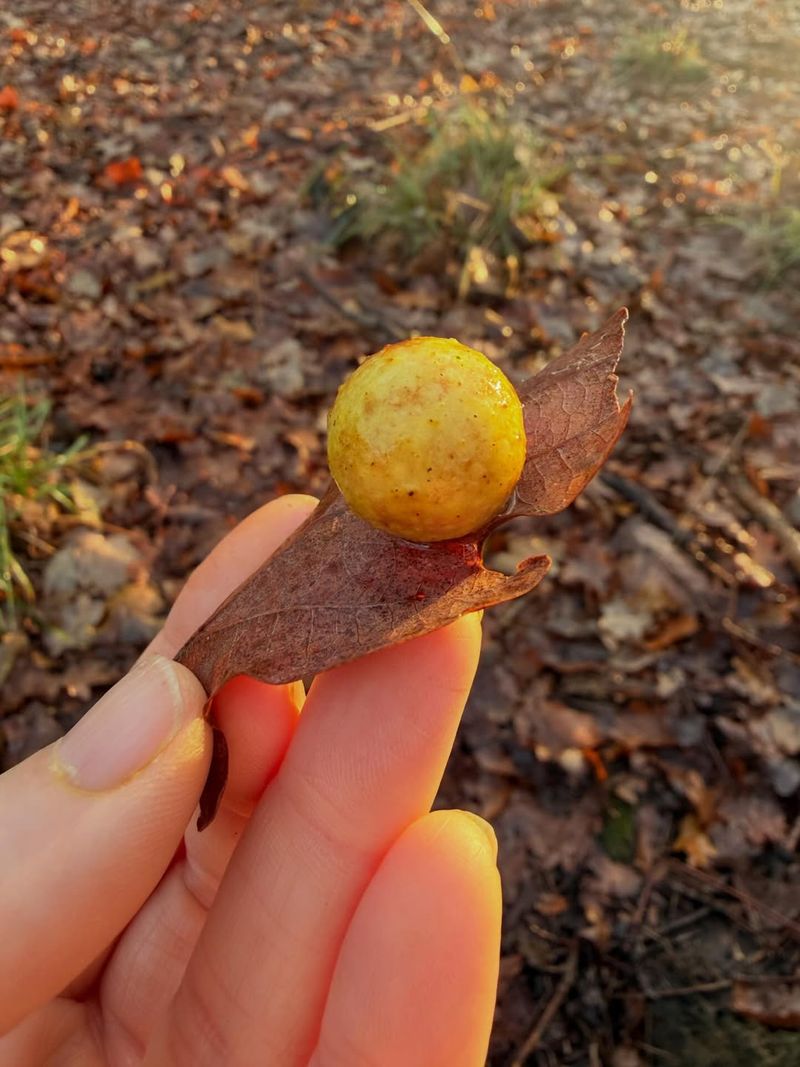
A gall can look alarming while the rest of the branch stays green and strong. The contrast tricks people into thinking the branch is in danger.
In Ohio, this happens often because galls mature and dry out while the growing season is still active.
Check the branch beyond the gall for signs of life. If you see fresh leaves, flexible twigs, and smooth bark, the branch is fine.
The gall is just a cosmetic issue, not a sign of deeper trouble.
Scratching the bark gently with your fingernail can reveal whether the branch is alive. Healthy bark shows green tissue underneath, while lifeless wood is brown and dry.
Most of the time, the branch beneath a gall is perfectly healthy and growing normally.
Multiple galls on one branch don’t mean the branch is doomed. Trees can support many galls without suffering any real harm.
The branch continues to transport water and nutrients, keeping the leaves above the galls alive and functioning.
If the branch starts to wilt or lose leaves, the problem is likely something other than the gall. Root issues, drought stress, or disease can cause branch decline.
Blaming the gall is a common mistake that leads to unnecessary pruning and tree damage.
8. Signs It’s Better To Wait Instead Of Removing A Leaf Gall
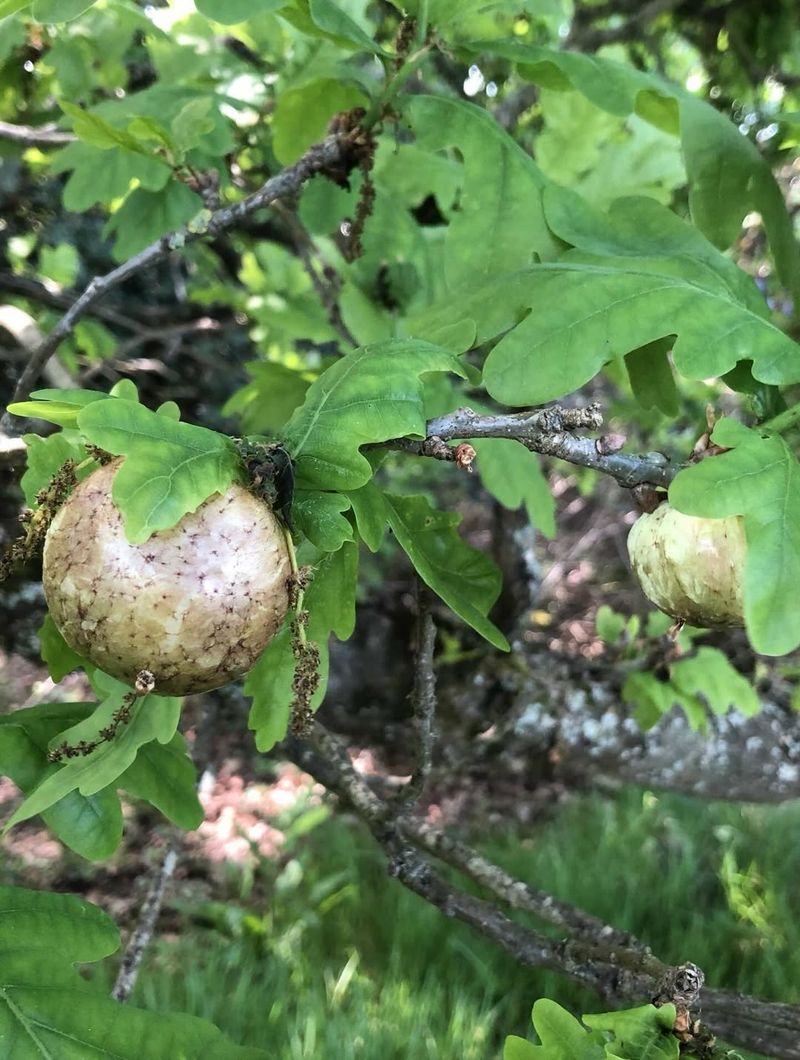
If the tree is growing new leaves and branches, there’s no reason to remove galls. The tree is clearly healthy and handling the situation on its own.
Ohio homeowners should focus on watering and mulching rather than worrying about a few odd clusters.
Galls that are already brown and dry won’t benefit from removal. They’re no longer active and will fall off naturally in time.
Cutting them away only creates extra work and potential harm to the tree.
When galls appear on young trees, it’s tempting to remove them to protect the sapling. However, young trees are resilient and can handle galls just as well as mature ones.
Removing galls from a young tree can stress it more than leaving them alone.
If you’re unsure whether a gall is causing harm, wait a few weeks and observe. Most galls don’t change much after they dry out.
Watching the tree over time gives you a better sense of its overall health and whether action is needed.
Consulting a local arborist or extension office in Ohio can provide peace of mind. They can identify the gall type and confirm whether your tree is at risk.
In most cases, they’ll recommend leaving the galls alone and focusing on general tree care instead.
9. What To Expect From A Leaf Gall As The Season Moves On
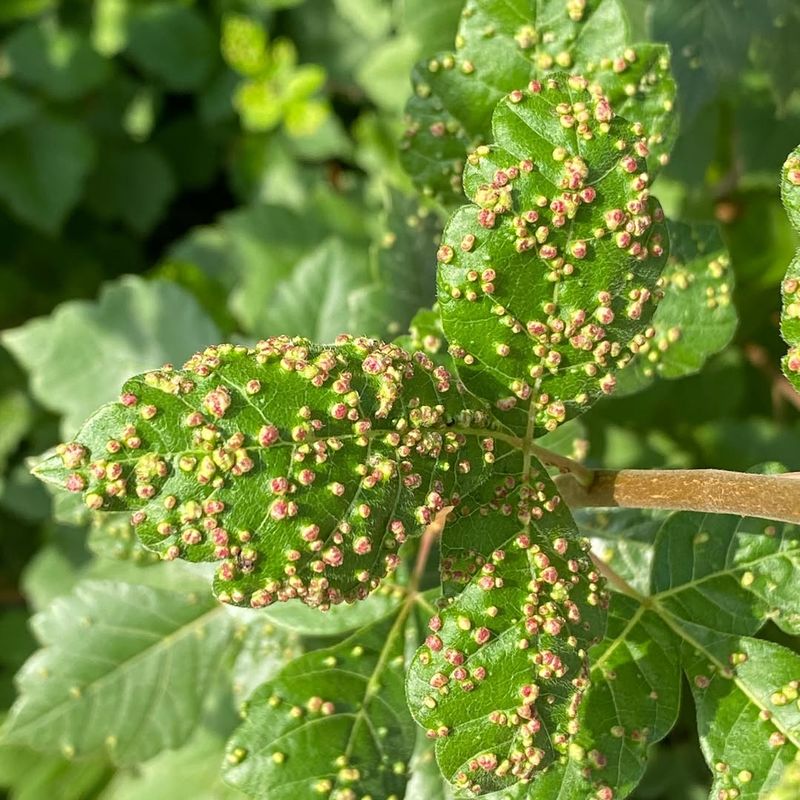
Galls will continue to dry out and fade as summer progresses. Their color shifts from green or red to brown or gray.
This change is normal and signals that the insect larvae have left or finished developing inside.
By late summer, many galls become brittle and easy to break. They no longer cling tightly to the branch and may fall off during a strong breeze.
Ohio’s autumn winds often clear away most of the dried galls before the leaves drop.
Some galls stay attached through winter, especially on oak trees. They look like small ornaments hanging from bare branches.
These galls pose no threat and will either fall off in spring or be hidden by new leaves.
Next spring, new galls may form if the insects return. This doesn’t mean your tree is weak or sick.
It simply means the insects are active in your area. The cycle repeats, and the tree continues to thrive despite the galls.
Keeping your tree healthy with proper watering, mulching, and pruning helps it handle galls year after year. A strong tree can tolerate many galls without showing any decline.
Focus on overall tree health rather than obsessing over every odd cluster you find.