What Arizona Homeowners Are Doing To Stop Tumbleweeds In Their Yards
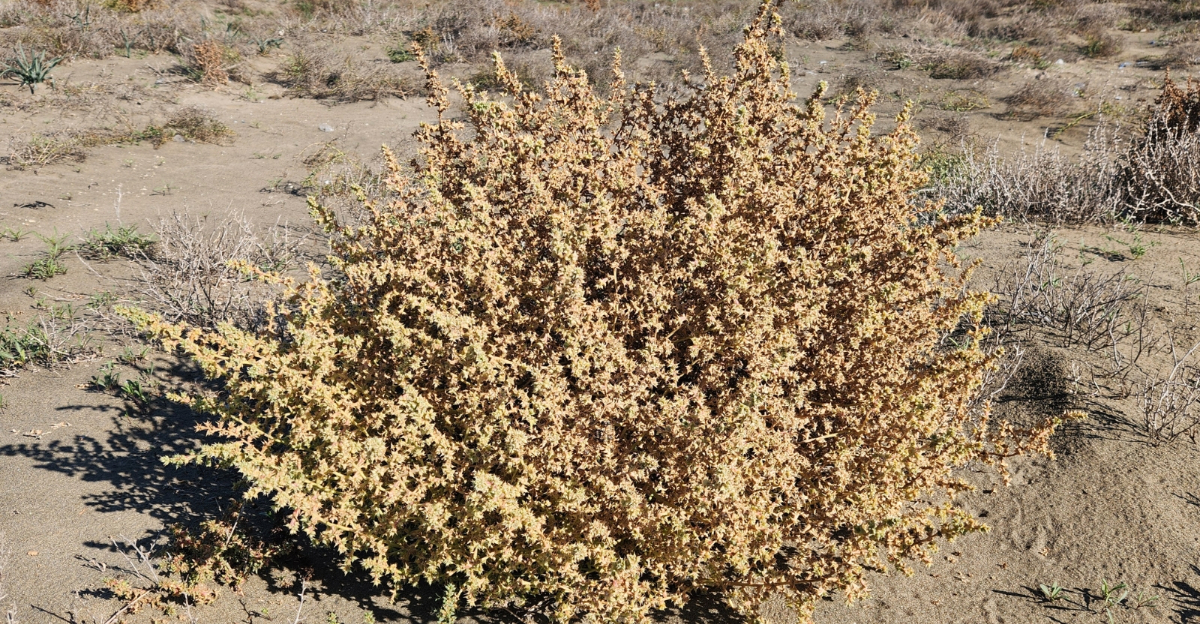
Arizona homeowners are getting tired of watching tumbleweeds roll straight into their yards every windy season.
What looks harmless at first can quickly turn into a messy, frustrating problem.
These dry invaders don’t just appear by accident. They follow patterns in soil, space, and neglect.
Once tumbleweeds take hold, they collect trash, block walkways, and pile up fast. That’s when homeowners realize ignoring them isn’t an option.
Across Arizona neighborhoods, people are changing how they manage their yards to stop the problem before it starts.
The focus is shifting away from constant cleanup and toward prevention that actually works.
Some of the solutions are surprisingly simple. Others require rethinking how open space is handled around the home.
The results are yards that stay cleaner even during high winds.
What Arizona homeowners are doing now is turning tumbleweeds from an annual headache into a controllable issue.
1. Blocking Open Areas Where Tumbleweeds First Take Hold
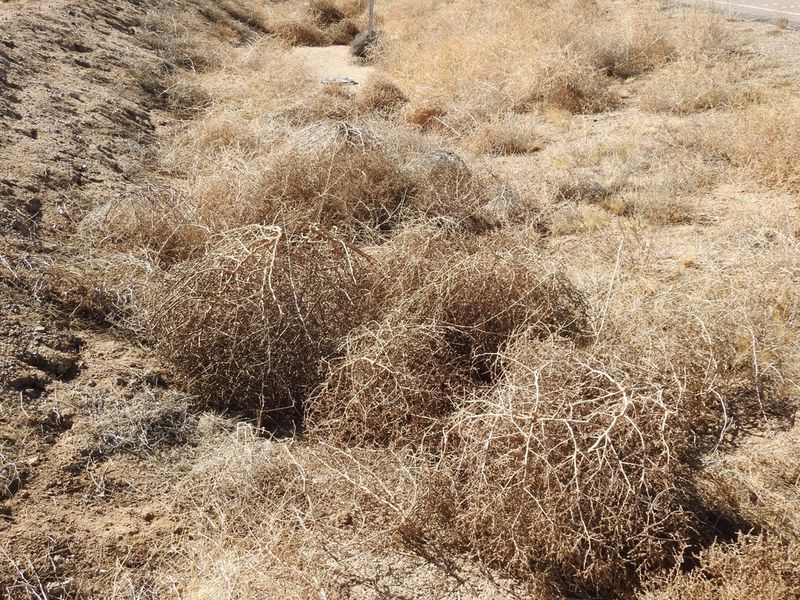
Wind patterns play a huge role in how quickly weeds establish themselves in Arizona neighborhoods. Homeowners notice that certain spots in their yards seem to attract more plant life than others, especially corners where dust settles after storms.
Paying attention to these vulnerable zones helps people get ahead of the problem before it spirals out of control.
Empty patches of dirt become ideal nurseries for seeds carried by desert breezes. Once a single plant germinates and grows roots, it sends out thousands of offspring that spread across the property.
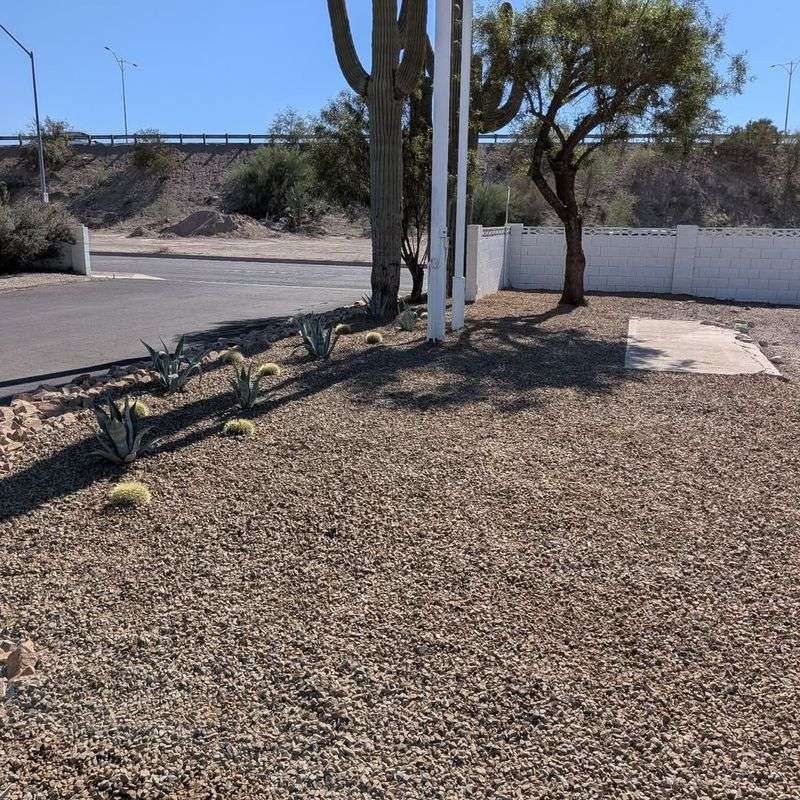
Covering these bare zones with rock, mulch, or decorative materials prevents seeds from making contact with soil.
Many Arizona residents use landscape fabric beneath decorative stone to create a double layer of protection. This combination stops seeds from reaching the ground while still allowing rainwater to drain properly.
The fabric acts as a physical shield that blocks germination without requiring constant maintenance.
Gravel pathways and rock gardens have become popular choices for filling in problem areas. These features add visual appeal while serving a practical purpose in tumbleweed prevention.
Arizona homeowners appreciate solutions that look good and solve real problems at the same time.
Some people install raised planters or garden beds in spots where weeds used to thrive. Filling these structures with desired plants leaves no room for unwanted growth.
The elevated design also makes it harder for windblown seeds to settle and take root.
Concrete pavers or flagstone walkways work well in high-traffic zones that need both durability and weed resistance.
2. Using Ground Cover To Cut Off New Growth
Living plants can be your best allies when fighting against unwanted vegetation in Arizona landscapes. Dense ground covers spread horizontally to fill in spaces that would otherwise sit empty and vulnerable.
These low-growing options compete directly with tumbleweed seeds for sunlight, water, and nutrients.
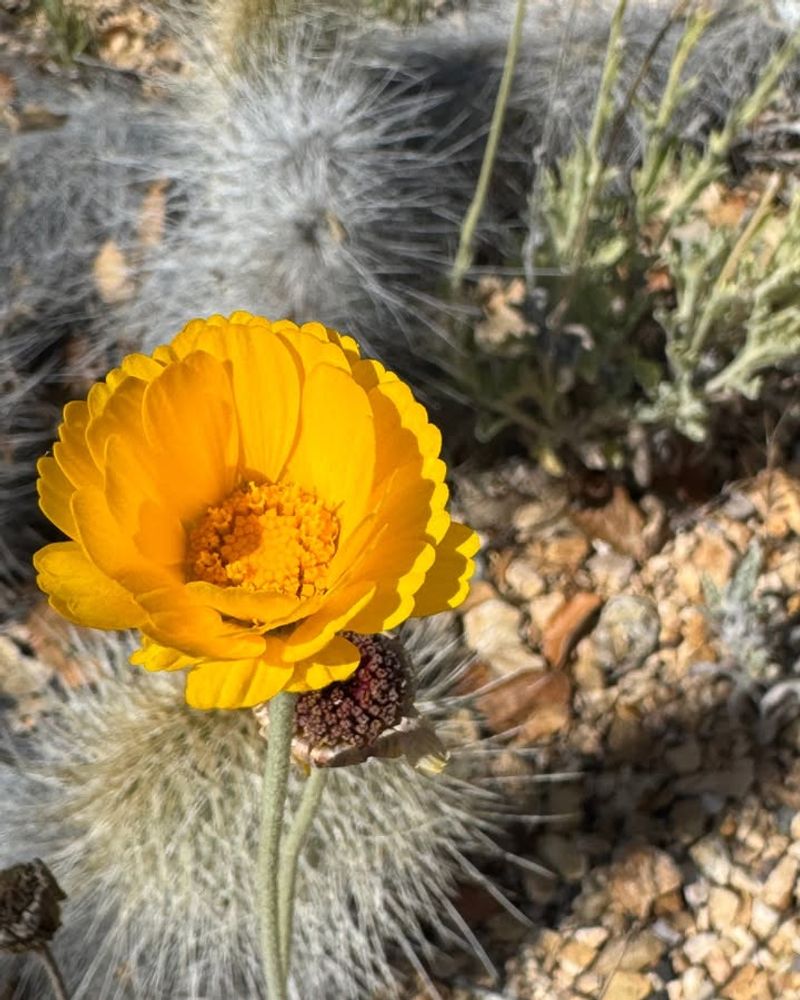
Native Arizona species like desert marigold and trailing lantana adapt well to local conditions while forming thick mats. Their established root systems make it nearly impossible for new seeds to find the resources they need.
These plants thrive in heat and require far less water than traditional lawn grass.
Your Arizona Garden Changes Every Week. Your Plan Should Too.
Gardening in Arizona changes quickly throughout the season. Every Friday you’ll receive a simple weekly plan showing exactly what to plant, prune, fertilize, harvest, and protect so you never miss the right timing.
This chemical defense adds another layer of protection beyond simple physical coverage. Arizona gardeners who choose these varieties enjoy both beauty and function in their landscapes.
Proper spacing during planting ensures that ground covers fill in quickly and completely. Leaving too much room between plants creates temporary gaps where opportunistic weeds can establish themselves.
Following recommended planting distances helps achieve full coverage within a single growing season.
Mulching around young ground cover plants gives them a head start while they’re spreading to full size. The mulch layer prevents weed seeds from germinating in the interim period.
Arizona residents often use organic materials that break down over time and enrich the soil.
Some homeowners combine different ground cover species to create visual interest and maximize coverage. Mixing textures and colors makes the landscape more attractive while ensuring no bare spots remain.
3. Installing Simple Barriers Along Fence Lines
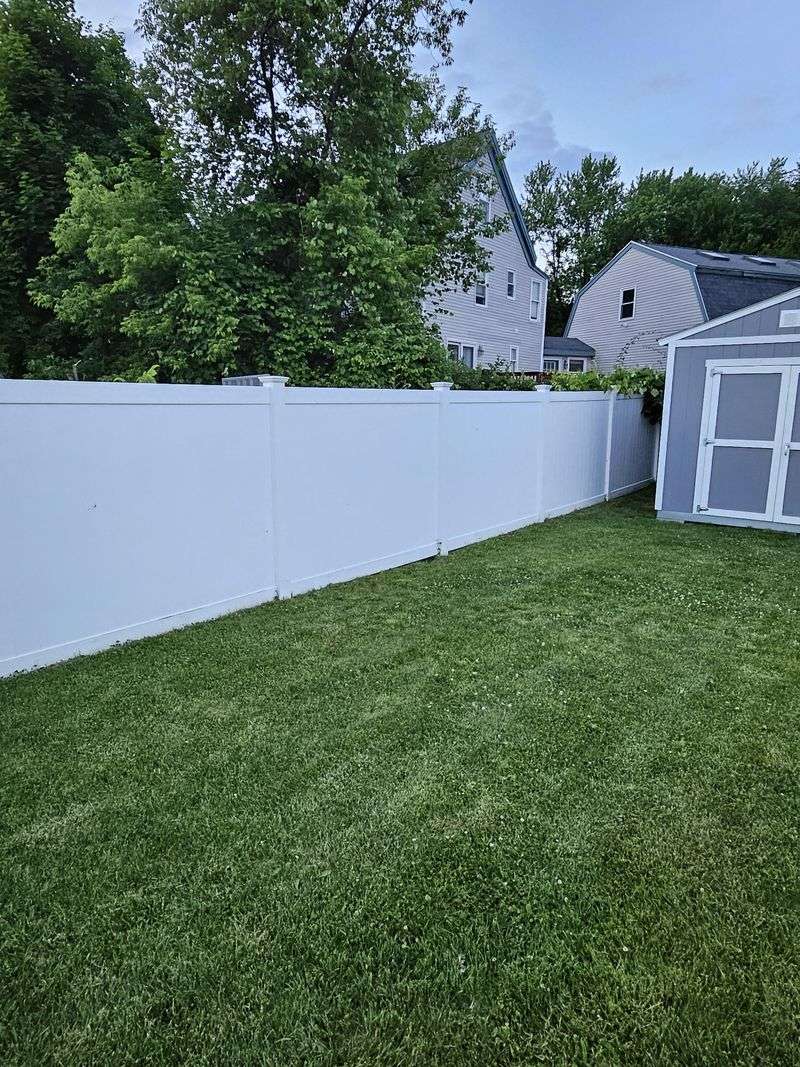
Fence perimeters create natural collection points where rolling weeds accumulate in Arizona properties. Wind pushes mature plants across open desert until they hit obstacles, and fences act like giant nets that catch everything in their path.
Addressing these vulnerable edges prevents small problems from turning into overwhelming pileups.
Mesh barriers attached to fence bottoms stop tumbleweeds from sliding underneath and taking root in the narrow gap. Hardware cloth or chicken wire works well for this purpose and costs relatively little.
Arizona homeowners can install these materials themselves with basic tools and a free afternoon.
Some residents extend their fencing downward by burying the bottom edge several inches into the ground. This modification blocks both rolling weeds and windblown seeds from passing through.
The extra effort during installation saves countless hours of cleanup work later.
Landscape edging installed parallel to fence lines creates a buffer zone that’s easier to maintain. This strip can be filled with rock, mulch, or low-maintenance plants that prevent weed establishment.
Arizona property owners appreciate having a designated area that’s simple to monitor and clean.
Solid panels or privacy slats added to chain-link fencing reduce the amount of plant material that can pass through openings. While these modifications change the fence’s appearance, they dramatically improve its effectiveness as a barrier.
Many Arizona neighborhoods have homeowners association guidelines that permit these practical upgrades.
4. Managing Bare Soil After Windy Seasons
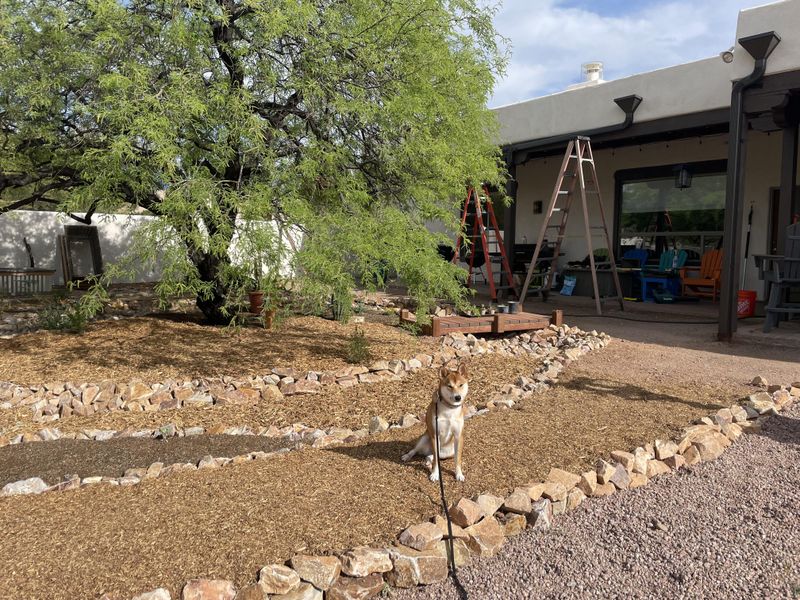
Spring windstorms in Arizona can strip away protective ground cover and expose fresh soil surfaces. These newly bare patches become prime real estate for the thousands of seeds that blow around during the same weather events.
Acting quickly after storms passes helps prevent new infestations from taking hold.
Raking up accumulated debris reveals which areas have lost their protective layers. Homeowners can then prioritize these vulnerable spots for immediate treatment.
Arizona residents who inspect their properties after every major wind event stay ahead of potential problems.
Applying fresh mulch to exposed areas restores protection before seeds have time to germinate. A layer three to four inches thick provides adequate coverage without smothering existing plants.
Organic mulches also improve soil quality as they break down over time.
Reseeding with desirable ground covers or native grasses fills in bare spots with plants you actually want. These intentional plantings outcompete tumbleweed seeds that arrive later.
Arizona homeowners who take this proactive approach enjoy better-looking landscapes with fewer maintenance headaches.
Erosion control blankets offer temporary protection in areas where permanent solutions need time to establish. These biodegradable materials hold soil in place while allowing water and air to reach the ground.
They’re particularly useful on slopes where Arizona’s intense rains can wash away loose dirt.
Watering recently exposed soil helps any desirable seed bank already present to germinate quickly. Native plants that were dormant can spring to life and claim the space before invasive species arrive.
This technique works especially well in Arizona yards that previously had good plant coverage.
5. Removing Young Plants Before They Harden
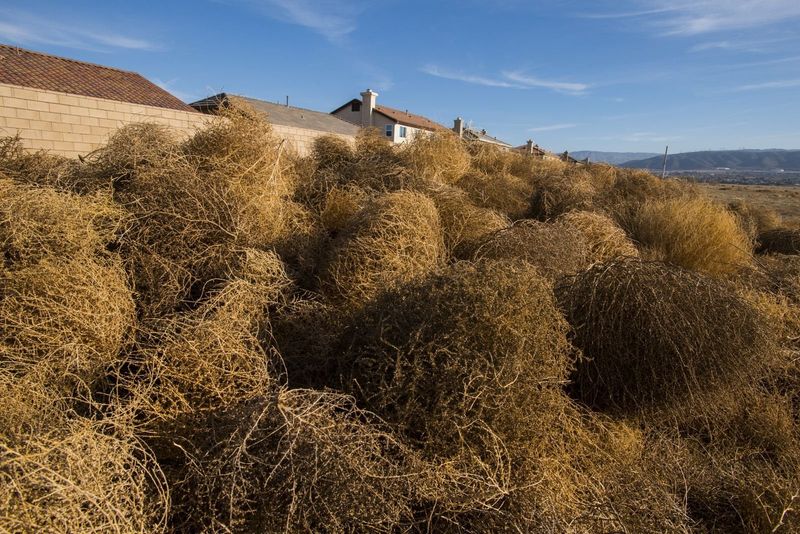
Timing makes all the difference when dealing with unwanted vegetation in Arizona yards. Young seedlings pull out easily when the soil is slightly moist and their roots haven’t fully developed.
Waiting until plants mature turns a simple task into a major project that requires tools and significant effort.
Early spring brings the first flush of new growth across Arizona landscapes. Homeowners who walk their properties weekly during this period can spot and remove seedlings when they’re just inches tall.
This regular patrol takes minimal time but prevents exponential growth later in the season.
Using a hoe or similar tool makes quick work of young plants in larger areas. The shallow roots release from the soil with minimal disturbance to surrounding vegetation.
Arizona residents who keep appropriate tools handy can address problems the moment they appear.
Morning hours offer the best conditions for removal work in Arizona’s climate. Cooler temperatures make the physical work more comfortable, and morning dew softens the soil slightly.
This timing consideration helps homeowners maintain consistency with their removal efforts.
Collecting removed seedlings in a bucket prevents seeds from dropping back onto the soil. Even young plants may have started developing seed pods that could create future problems.
Arizona property owners who dispose of pulled weeds properly avoid reinfesting their own yards.
Moisture levels in the soil affect how easily roots release. Watering a day before planned removal work can make the job significantly easier.
However, Arizona homeowners must balance this convenience against water conservation concerns.
6. Adjusting Yard Edges That Catch Rolling Weeds
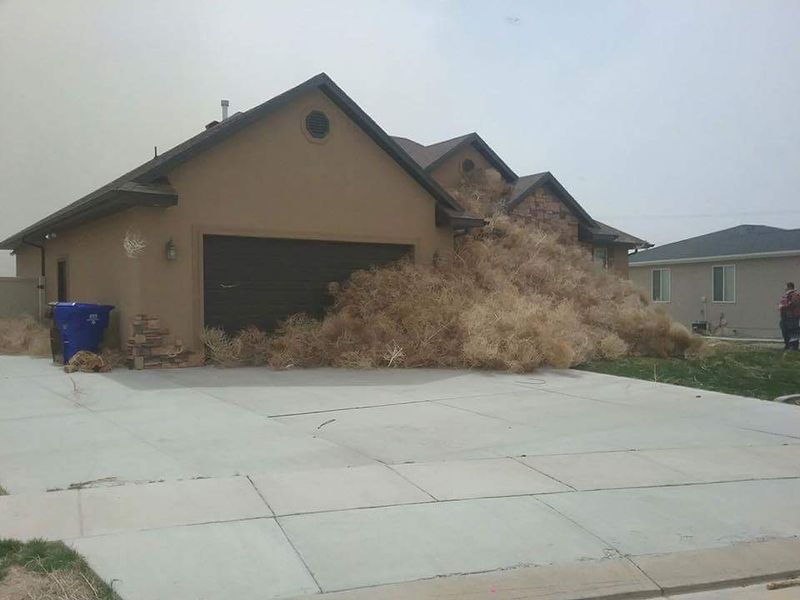
Property boundaries in Arizona often feature transitions between maintained yards and natural desert that create perfect traps. These edge zones catch rolling plants and provide sheltered spots where seeds can germinate undisturbed.
Rethinking how these areas are designed can dramatically reduce tumbleweed problems.
Sloped berms along property lines redirect rolling weeds rather than stopping and collecting them. The gentle angle causes plants to deflect and continue rolling past the property.
Smooth transitions between different landscape zones eliminate the sharp drops and corners where weeds tend to lodge. Creating gradual changes in elevation and surface materials keeps things moving through rather than piling up.
This design principle works with natural wind patterns instead of fighting against them.
Strategic placement of large rocks or boulders can guide wind flow and change where tumbleweeds travel. These natural-looking features blend into Arizona landscapes while serving a functional purpose.
Property owners appreciate solutions that enhance rather than detract from their yard’s appearance.
Removing vegetation along edges that acts as a catch point eliminates hiding spots for rolling weeds. Low walls, dense shrubs, and other obstacles that trap debris may need to be relocated or modified.
Arizona residents often discover that simplifying their yard perimeter reduces maintenance significantly.
Installing gentle curves instead of sharp corners in landscape beds reduces the number of spots where weeds can wedge themselves. Flowing lines also create more attractive designs that complement desert surroundings.
This aesthetic improvement comes with the practical benefit of easier property maintenance.
7. Watering And Maintenance Changes That Reduce Spread
Irrigation practices directly influence which plants thrive in Arizona yards. Overwatering creates conditions that favor many weed species, while targeted watering supports only desired vegetation.
Adjusting how and when you water can shift the competitive balance in your favor.
Drip irrigation delivers moisture directly to plant roots rather than wetting large soil areas. This precision starves weed seeds of the surface moisture they need for germination.
Watering deeply but infrequently encourages deep root development in desirable plants while making surface conditions less favorable for weeds. Shallow, frequent watering does the opposite, creating perfect conditions for opportunistic species.
This adjustment in technique requires no additional equipment or expense.
Timing irrigation for early morning hours reduces water loss to evaporation and limits the time soil surfaces remain moist. Seeds need sustained moisture to germinate successfully, so shorter wet periods reduce germination rates.
Arizona’s intense sun quickly dries soil surfaces after morning watering.
Reducing overall water use in areas where nothing desirable grows eliminates support for any vegetation. If a section of your property serves no purpose, letting it remain completely dry prevents all plant growth.
This hands-off approach works well for Arizona property owners with large lots.
Mulching around irrigated plants prevents water from reaching bare soil where weed seeds wait. The mulch layer intercepts moisture while still allowing it to reach the root zones of established plants.
This simple addition to your watering routine multiplies its effectiveness.
Adjusting sprinkler heads to eliminate overspray onto driveways, sidewalks, and other hardscape prevents water from reaching cracks where weeds can establish. These edge zones often get ignored during maintenance but can become significant problem areas.
Arizona residents who fine-tune their systems save water while reducing weeds.
8. Working With Neighbors To Limit Reinfestation
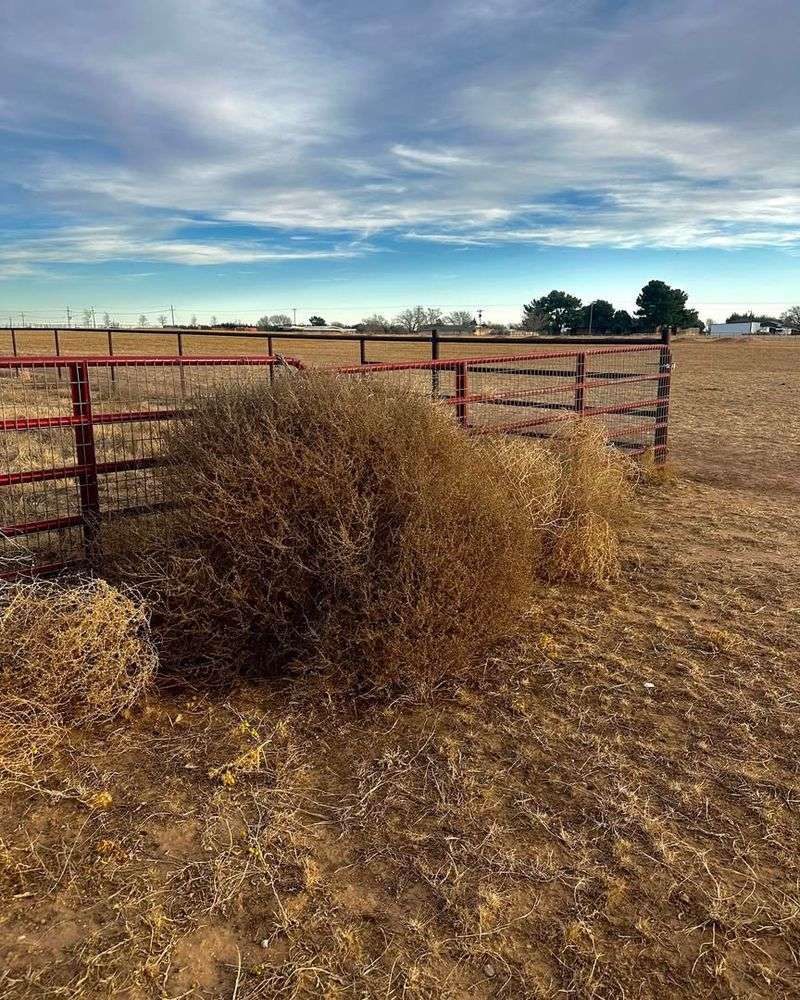
Individual efforts can only go so far when properties sit close together in Arizona neighborhoods. Seeds and rolling plants travel freely across property lines, making cooperation essential for long-term success.
Communities that work together achieve results that isolated homeowners cannot match.
Organizing neighborhood cleanup days creates momentum and shared accountability. When everyone tackles the problem simultaneously, the overall seed load in the area drops dramatically.
Arizona communities with strong social connections find it easier to coordinate these group efforts.
Sharing successful strategies helps everyone improve their individual approaches. What works well on one property may be perfect for the house next door.
Arizona residents who communicate openly about their tumbleweed battles benefit from collective knowledge.
Addressing common source areas that affect multiple properties requires group action. Vacant lots, common areas, and shared easements often harbor large populations that reseed entire neighborhoods.
Coordinating maintenance of these spaces protects everyone’s investment in their own yards.
Establishing informal agreements about property edge maintenance ensures that boundary areas receive adequate attention. When both neighbors commit to keeping their sides clear, the shared fence line becomes an effective barrier.
Arizona homeowners who foster these relationships enjoy better results with less individual effort.
Pooling resources to hire professional services becomes more affordable when costs are shared. Large-scale treatments or landscape modifications may be beyond one household’s budget but reasonable when divided.
Some Arizona neighborhoods form informal cooperatives for this purpose.
Educating new residents about local tumbleweed challenges helps them understand community practices.
9. Seasonal Cleanup Habits That Keep Yards Clean
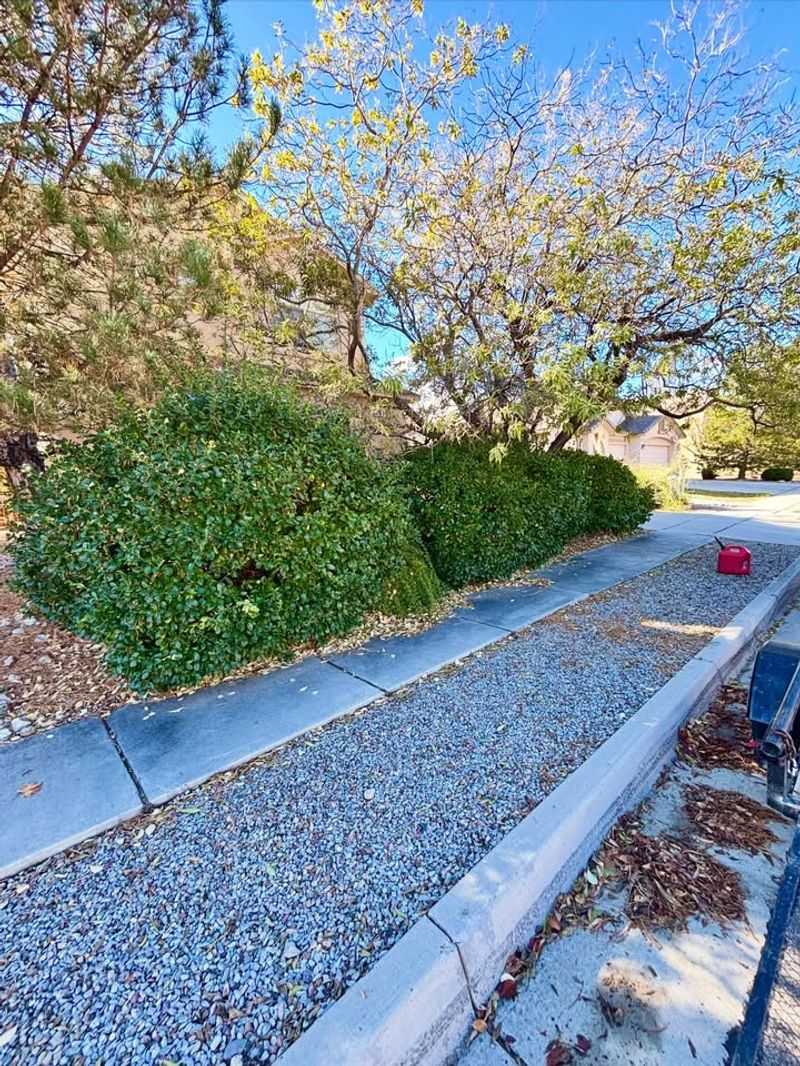
Arizona’s distinct seasons each bring different challenges and opportunities for tumbleweed management. Developing habits that align with natural cycles makes the work feel less overwhelming and more effective.
Property owners who tune into seasonal rhythms find they can accomplish more with less stress.
Late winter inspections reveal damage from monsoon season and identify areas that need repair before spring growth begins. Addressing these issues early prevents them from becoming major problems.
Arizona homeowners who start their season with a thorough property assessment set themselves up for success.
Spring cleanup focuses on removing any plants that established themselves over winter before they can set seed. This critical window determines how much pressure you’ll face during the rest of the year.
Arizona residents who prioritize spring removal work see benefits for months afterward.
Early summer maintenance shifts to monitoring irrigation and ensuring ground covers remain healthy through increasing heat. Supporting desirable plants during stress periods helps them outcompete weeds.
Arizona landscapes that receive proper summer care resist invasion more effectively.
Monsoon season preparations include securing loose materials and reinforcing vulnerable areas before storms arrive. Taking these preventive steps reduces post-storm cleanup requirements.
Arizona property owners who prepare properly spend less time dealing with wind damage and its consequences.
Fall marks the time to address mature plants before they dry out and break free. Removing them while they’re still rooted prevents the rolling and spreading that happens in winter.
Arizona homeowners who stay ahead of this cycle break the reproductive pattern.