Why New York Gardeners Are Starting Rose Propagation Right Now
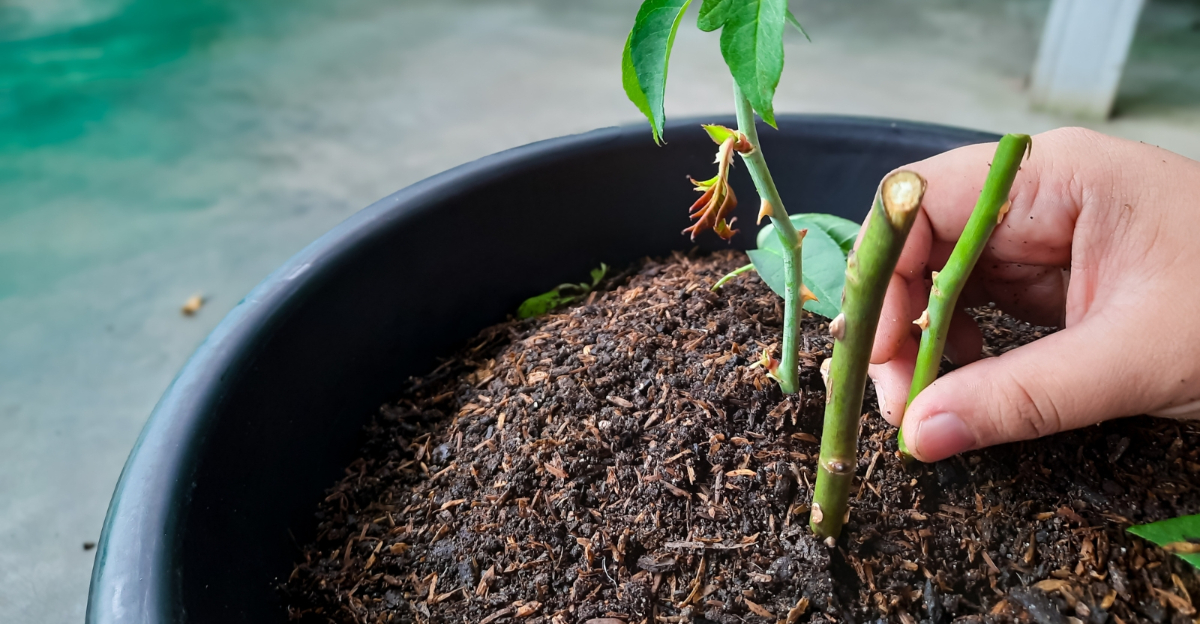
New York gardeners are starting rose propagation right now because this brief moment in the season gives cuttings the calm conditions they need to settle in without stress.
Temperatures are cool enough to prevent shock but warm enough to encourage steady root formation, which is exactly what roses struggle to do later in the year.
Instead of forcing top growth too early, roses planted now focus on building strong roots that can support bigger, healthier plants.
In New York gardens, that underground progress often determines whether roses thrive or constantly struggle all summer.
Gardeners who wait usually end up chasing problems caused by rushed growth and unpredictable weather swings. Starting now avoids that cycle altogether.
This timing also reduces losses, because cuttings aren’t battling heat, frost, or sudden dry spells all at once.
What looks like an early move is actually a calculated one based on how roses naturally respond to New York’s seasonal rhythm.
By the time spring fully arrives, these roses aren’t playing catch-up—they’re already established and ready to grow hard.
1. Cool Temperatures Create A Safer Window For Cuttings
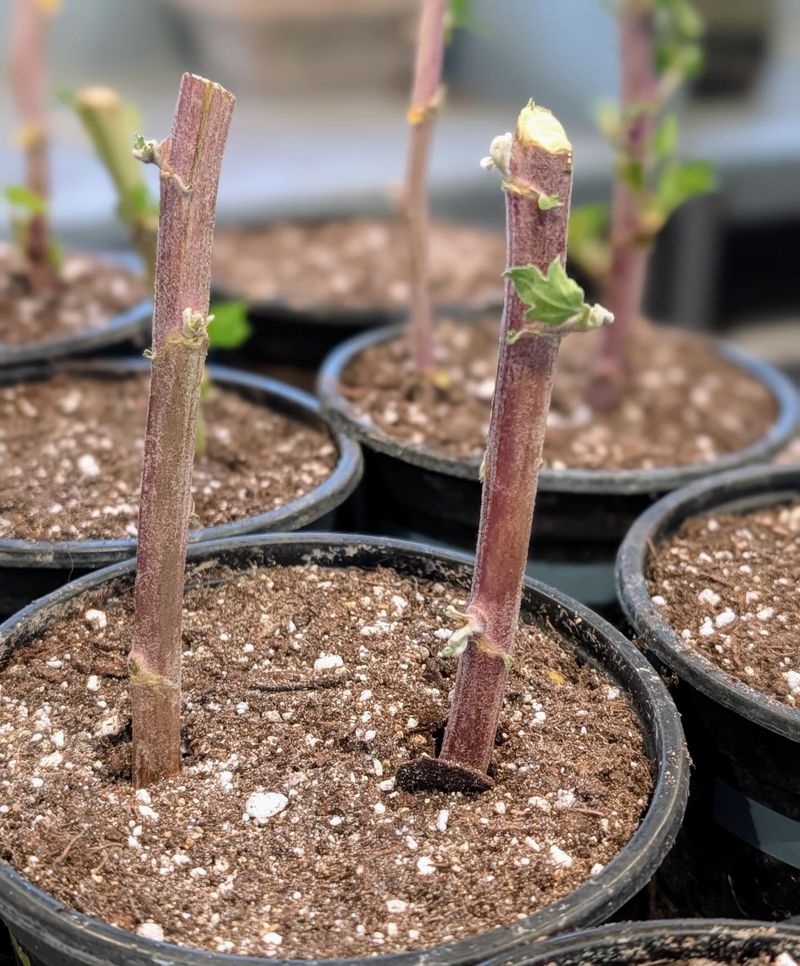
Gardeners across New York know that springtime brings a special kind of magic to the soil. Temperatures hover in that sweet spot where warmth encourages growth but doesn’t stress delicate new cuttings.
When you snip a stem from your favorite rose bush, that cutting needs time to heal and form roots without battling extreme heat or cold.
Cool air keeps moisture levels steady in the soil, which means your cuttings won’t dry out as quickly. This is especially important in areas like the Hudson Valley, where microclimates can shift dramatically from one garden to the next.
A cutting placed in soil during these weeks has a much better chance of surviving than one started in July or August.
New York’s spring weather also reduces the risk of fungal infections and rot. When temperatures climb too high, bacteria and fungi multiply rapidly, attacking vulnerable cuttings before they can establish roots.
Starting now gives your plants a head start before summer’s challenges arrive.
Many experienced gardeners in the state swear by this window for propagation success. They’ve learned through trial and error that timing matters just as much as technique.
Cool conditions allow cuttings to focus on root development instead of fighting environmental stress.
Another benefit is that you can work outside comfortably without worrying about heat exhaustion. Spending time in the garden during these pleasant weeks makes the entire process more enjoyable.
You’ll notice that your cuttings respond better when you’re relaxed and attentive.
Soil temperatures also play a role in rooting success. When the ground is too warm, roots may form unevenly or become stressed.
Right now, New York soil is warming gradually, providing ideal conditions for steady, healthy root growth.
If you wait too long, summer heat can arrive suddenly, leaving your cuttings struggling to adapt. Starting early ensures that your new rose plants are well-established before the most challenging part of the season begins.
Your New York Garden Changes Every Week. Your Plan Should Too.
Gardening in New York changes quickly throughout the season. Every Friday you’ll receive a simple weekly plan showing exactly what to plant, prune, fertilize, harvest, and protect so you never miss the right timing.
2. Spring Growth Is Still Active Without Summer Stress
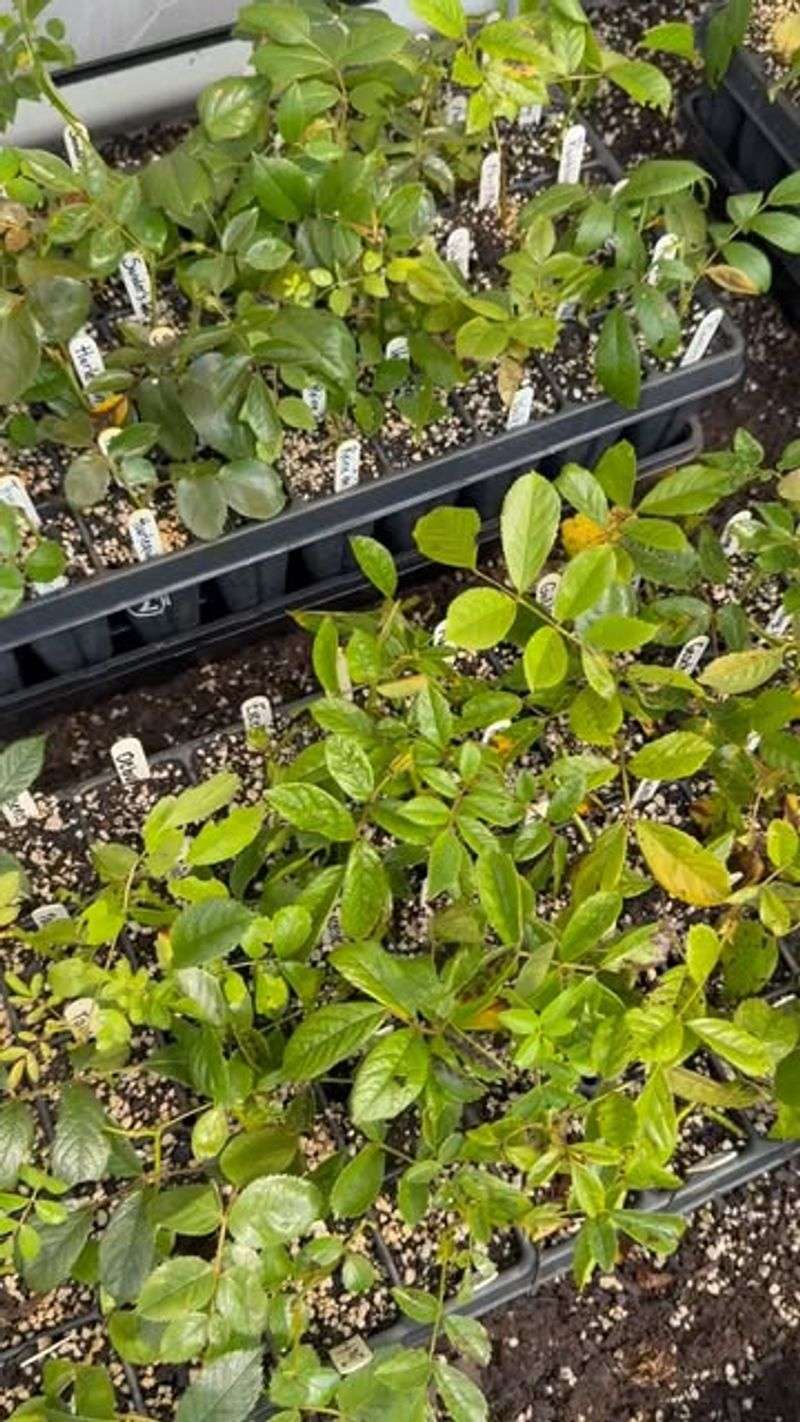
Plants in New York are bursting with energy this time of year, and roses are no exception. Sap flows freely through stems, carrying nutrients and hormones that encourage new growth.
When you take a cutting from a rose bush during this active phase, you’re capturing that vitality and giving your new plant a powerful advantage.
Active growth means the cutting already has the internal machinery needed to produce roots. Hormones like auxins are present in higher concentrations during spring, naturally promoting root formation.
This biological boost makes propagation easier and more successful than attempting it during dormant periods.
Summer stress, on the other hand, can shut down a plant’s growth mechanisms. High temperatures, intense sunlight, and water scarcity force roses to focus on survival rather than expansion.
Cuttings taken during stressful periods often struggle to root because the plant’s energy is diverted elsewhere.
Right now, roses in New York are producing fresh, flexible stems that root more easily than older, woody growth. These younger stems have thinner cell walls and more active growing tissue, making them ideal candidates for propagation.
Gardeners who understand this timing can select the best cuttings for success.
Another advantage is that spring growth hasn’t yet been exposed to the full force of summer pests and diseases. Cuttings taken now are healthier overall, with fewer hidden problems that could emerge later.
3. Roots Establish More Steadily In New York Soil Right Now
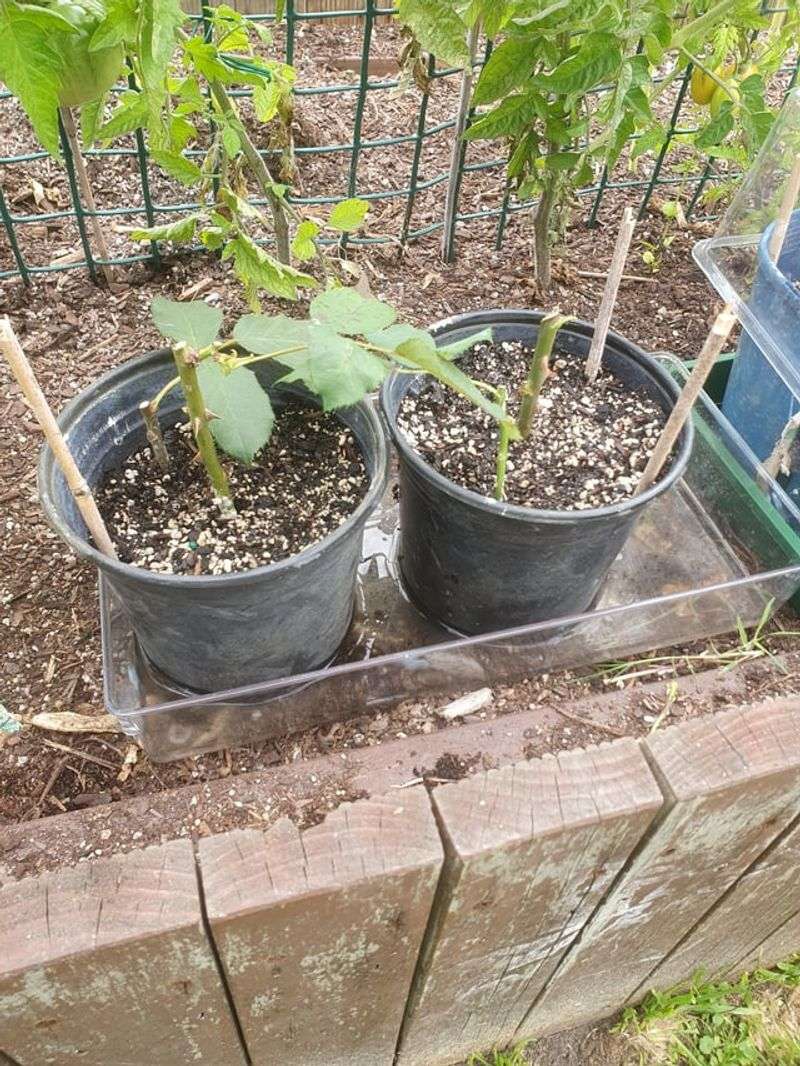
Soil conditions across New York are reaching that perfect balance of warmth and moisture. After winter’s freeze and spring’s thaw, the ground is soft, workable, and teeming with microbial life.
This environment is exactly what rose cuttings need to develop strong, healthy root systems.
Microbial activity in the soil peaks during spring, providing beneficial bacteria and fungi that support root growth. These organisms help break down organic matter, releasing nutrients that your cuttings can absorb.
A healthy soil ecosystem makes propagation easier and more successful.
Moisture levels are also ideal right now. Spring rains keep the soil consistently damp without becoming waterlogged.
This balance is crucial for cuttings, which need moisture to prevent drying out but can’t tolerate soggy conditions that lead to rot.
Gardeners in different parts of New York will notice variations in soil type, from sandy loam on Long Island to heavier clay upstate. Regardless of your soil, spring conditions make it easier to amend and prepare beds for cuttings.
The soil is pliable and responsive to improvements like compost or perlite.
Root development happens most efficiently when soil temperatures are moderate. Right now, New York soil is warming gradually, avoiding the shock that can occur when cuttings are placed in overly hot or cold ground.
This gentle warming encourages steady root growth without stress.
Another factor is that spring soil retains heat overnight, creating stable conditions that promote consistent growth. Daytime warmth is absorbed and released slowly, preventing the temperature swings that can damage delicate new roots.
4. Humidity Levels Support Healthier Early Development

Humidity plays a surprisingly important role in rose propagation, and New York’s spring weather delivers it in abundance. Morning dew clings to leaves and stems, providing a natural moisture barrier that prevents cuttings from drying out.
This consistent humidity is one of the reasons why spring is such a forgiving time for propagation.
When you take a cutting, it loses its connection to the parent plant’s root system. Without roots to absorb water, the cutting relies on atmospheric moisture to stay hydrated.
Higher humidity reduces the rate of water loss through the leaves, giving the cutting more time to develop roots before it becomes stressed.
Gardeners in coastal areas of New York, like those near the Atlantic, benefit from naturally higher humidity levels. Inland gardeners can still take advantage of spring’s moisture by using simple techniques like covering cuttings with plastic or placing them in shaded areas where humidity remains higher.
Low humidity, common during summer, can cause cuttings to wilt and fail before roots have a chance to form. Leaves lose water faster than the cutting can replace it, leading to dehydration and eventual collapse.
5. Cuttings Focus Energy Below Ground Instead Of On Leaves
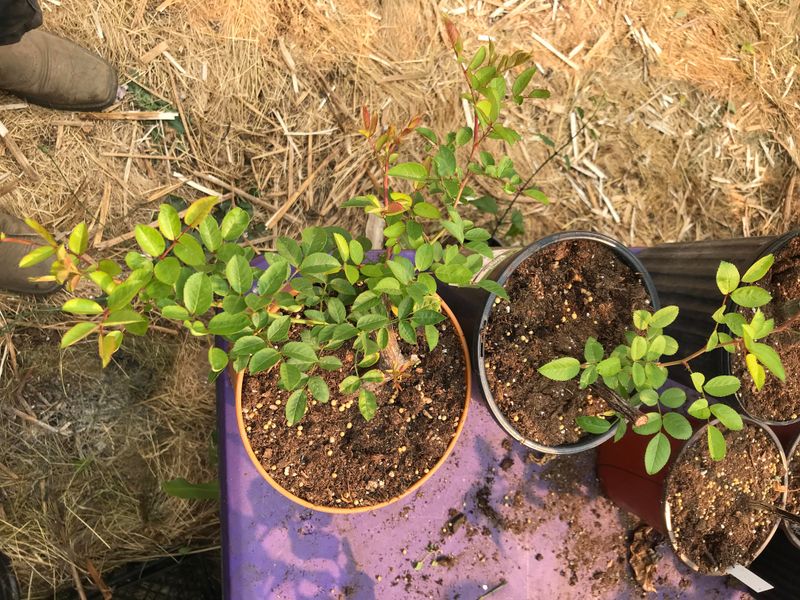
One of the most overlooked aspects of successful rose propagation is how a cutting allocates its limited energy reserves. Right now, conditions in New York encourage cuttings to prioritize root development over leaf and flower production.
This shift in focus is exactly what you want during the critical early stages of propagation.
When a cutting is placed in soil, it has a finite amount of stored energy to work with. If the plant is forced to support extensive leaf growth or flowering, those reserves get depleted before roots can form.
Spring’s moderate conditions reduce the demand for water and nutrients, allowing the cutting to invest its energy where it matters most.
Cooler temperatures and higher humidity mean that leaves don’t lose water as quickly. This reduces the stress on the cutting and allows it to focus on producing roots rather than constantly replacing lost moisture.
Gardeners across New York see faster, more robust root development when they start propagation during this window.
Another factor is that spring’s moderate light levels don’t overstimulate leaf growth. Intense summer sunlight can push a cutting to produce more foliage than its developing root system can support.
This imbalance often leads to failure, as the cutting exhausts itself before becoming self-sufficient.
Many gardeners remove some leaves from their cuttings to further reduce water loss. This technique is especially effective when combined with spring’s favorable conditions.
The cutting can then channel all its energy into root formation, dramatically improving success rates.
Root development is the foundation of a healthy plant. When roots establish first, the cutting can then support vigorous top growth later in the season.
This sequential approach leads to stronger, more resilient roses that thrive in New York’s varied climate.
Even if you’re new to propagation, you’ll notice that cuttings started now seem to root more quickly and reliably.
6. This Timing Reduces Common Propagation Setbacks
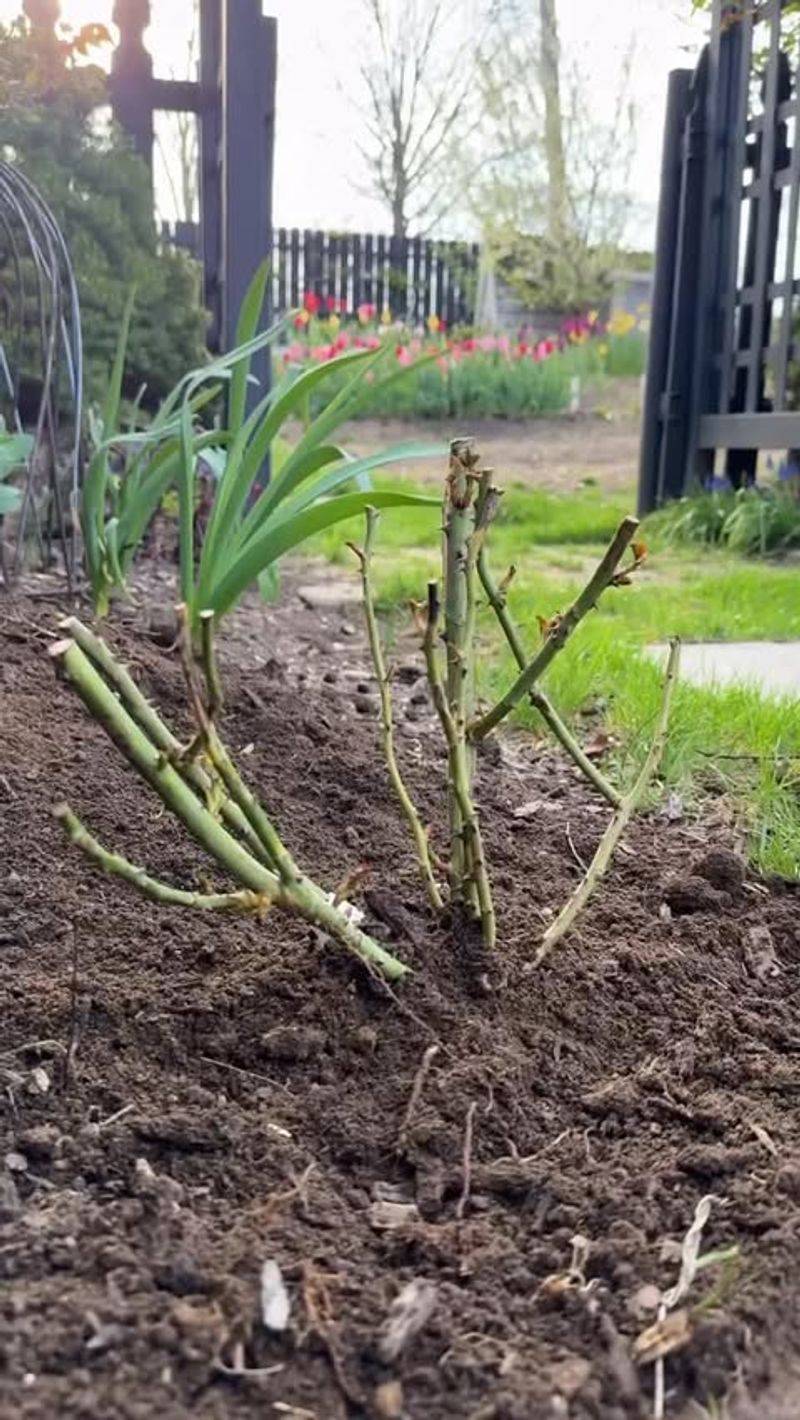
Every gardener who has tried rose propagation has faced setbacks at some point. Cuttings that wilt, rot, or simply refuse to root are frustrating experiences that can discourage even the most enthusiastic grower.
Starting your propagation efforts right now, during New York’s spring window, significantly reduces the likelihood of these common problems.
One of the most frequent issues is fungal infection, which thrives in warm, humid conditions. While spring in New York is certainly humid, temperatures remain cool enough to prevent the explosive growth of harmful fungi.
This balance gives your cuttings time to develop resistance before disease pressure increases.
Another common setback is dehydration. Cuttings taken during hot, dry periods often wilt before roots can form, no matter how carefully they’re tended.
Spring’s consistent moisture levels and moderate temperatures make it much easier to keep cuttings hydrated without constant intervention.
Pest pressure is also lower right now. Many insects that target roses are just beginning to emerge from winter dormancy.
Starting propagation before these pests become active gives your cuttings a chance to establish themselves without being attacked by aphids, spider mites, or other common garden nuisances.
Gardeners across New York have also noticed that spring cuttings are less prone to sunscald. Intense summer sunlight can damage delicate new leaves before they’ve had a chance to toughen up.
Starting now allows foliage to develop gradually, adapting to increasing light levels as the season progresses.
Temperature fluctuations can also cause problems for propagating roses. Sudden heat waves or cold snaps stress cuttings and interrupt root development.
Spring’s more stable weather patterns reduce these shocks, creating a smoother path to success.
Another advantage is that spring gives you more time to correct mistakes. If a cutting fails, you still have weeks or even months to try again before the growing season ends.
7. New Plants Adjust Better Before Peak Summer Heat
Transplant shock is a real concern for any gardener, and newly propagated roses are especially vulnerable. Plants that are moved or established during extreme heat often struggle to adapt, wasting energy on survival rather than growth.
Starting your propagation now gives new roses weeks or even months to settle in before New York’s summer heat arrives in full force.
Roots need time to explore their new environment and establish a network that can support the plant during stressful periods. When you start propagation in spring, roots have the entire late spring and early summer to develop this critical infrastructure.
By the time July and August roll around, your plants are ready to handle whatever the weather throws at them.
Foliage also benefits from this extended adjustment period. Leaves that develop gradually under moderate conditions are tougher and more heat-tolerant than those rushed into existence during a hot spell.
This resilience makes a noticeable difference in how well your roses perform later in the season.
Gardeners in different parts of New York experience varying levels of summer heat. Downstate areas, especially urban centers, can see temperatures soar well into the 90s.
Upstate regions may be slightly cooler, but heat stress is still a concern. Starting propagation now gives plants across the state a better chance to thrive.
Another benefit is that well-established plants require less frequent watering.
Roots that have had time to grow deep and wide can access moisture reserves in the soil that shallow roots miss.
8. Gardeners See Stronger Results By Starting Early

Results speak louder than theory, and gardeners across New York are reporting impressive success rates when they start rose propagation during spring. These aren’t just anecdotal stories; they’re backed by years of trial and error in diverse growing conditions.
The evidence is clear: early propagation leads to stronger, healthier plants that outperform those started later in the season.
One of the most noticeable differences is the size and vigor of plants by midsummer. Roses propagated in spring have had months to develop extensive root systems and lush foliage.
In contrast, cuttings started later often remain small and weak, struggling to catch up before the growing season ends.
Flower production is another area where early propagation shines. While you shouldn’t expect blooms from first-year cuttings, plants started in spring are more likely to produce a few flowers by late summer.
This early blooming is a sign of a healthy, well-established plant that’s ready to thrive.
Gardeners in New York’s diverse regions have adapted spring propagation techniques to their specific conditions. Those in the Hudson Valley might start a week or two earlier than gardeners in the Finger Lakes, but the principle remains the same.
Starting early, when conditions favor root development, leads to better outcomes.
Another advantage is that early-started plants have time to recover from mistakes. If you accidentally overwater or underwater a cutting, spring’s forgiving conditions give it a chance to bounce back.
This resilience is especially valuable for beginners who are still learning the nuances of rose care.
Many gardening clubs and online communities in the state now recommend spring propagation as a best practice. This collective wisdom, built on countless successful propagations, is helping more people enjoy the satisfaction of growing roses from cuttings.
The sense of accomplishment is deeply rewarding.
Stronger results also mean less waste. When you start propagation at the right time, more of your cuttings succeed, reducing the frustration and expense of repeated failures.
9. Early Propagation Sets Roses Up For A Smoother Season

Gardening is all about planning ahead, and rose propagation is no exception. When you start your cuttings early, you’re not just thinking about the next few weeks; you’re setting the stage for an entire season of smooth, trouble-free growth.
This long-term perspective is what separates successful gardeners from those who struggle year after year.
Plants that establish early have time to develop the resilience they need to handle whatever challenges arise. Drought, heat waves, pest outbreaks, and disease pressure are all easier to manage when your roses have a strong foundation.
Starting propagation now builds that foundation during the most forgiving part of the year.
Another benefit is that early-started roses integrate seamlessly into your existing garden. They have time to adapt to your soil, light conditions, and watering schedule before the pressure is on.
This gradual integration reduces stress and leads to healthier, more productive plants.
Gardeners across New York have found that early propagation also simplifies their summer routines. Well-established plants need less intensive care, freeing up time to enjoy your garden rather than constantly tending to struggling cuttings.
This balance makes gardening more pleasurable and sustainable.
Early propagation also allows you to experiment with different rose varieties. If you’ve been curious about a particular type of rose, starting cuttings now gives you the entire season to evaluate its performance in your garden.
This trial-and-error approach is invaluable for building a collection of roses that truly thrive in your specific conditions.