Pennsylvania Gardeners Prune Forsythia In Winter — Here’s How To Do It Right
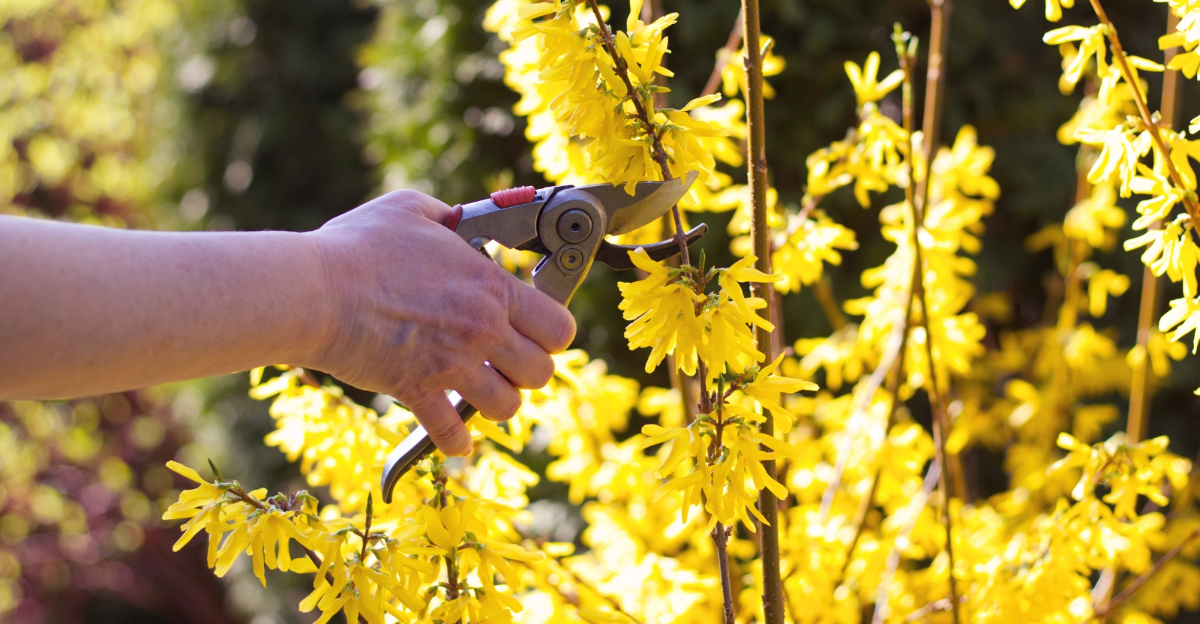
Pennsylvania gardeners often feel tempted to prune forsythia in winter because the shrub looks bare, exposed, and easier to manage once leaves are gone.
That instinct makes sense in colder months, but for forsythia, winter pruning carries more risk than most homeowners realize. The timing can quietly determine whether spring brings bright yellow flowers or nothing at all.
Forsythia sets its flower buds well before winter arrives, which means cold-season cuts often remove the very growth that produces blooms.
In Pennsylvania’s unpredictable winters, pruning too early or too aggressively can leave the shrub healthy but disappointingly flowerless.
Many gardeners don’t notice the mistake until spring, when nearby shrubs explode with color and their forsythia stays stubbornly green.
This leads to confusion, frustration, and the false belief that the plant failed on its own.
The truth is that winter pruning works only when done with a clear understanding of how forsythia grows and flowers in Pennsylvania conditions.
Handled correctly, winter cuts can improve structure without sacrificing blooms.
Knowing exactly how and when to prune is what separates a full yellow display from a quiet, leaf-only shrub in spring.
1. Confirming Forsythia Is Truly Dormant Before Cutting
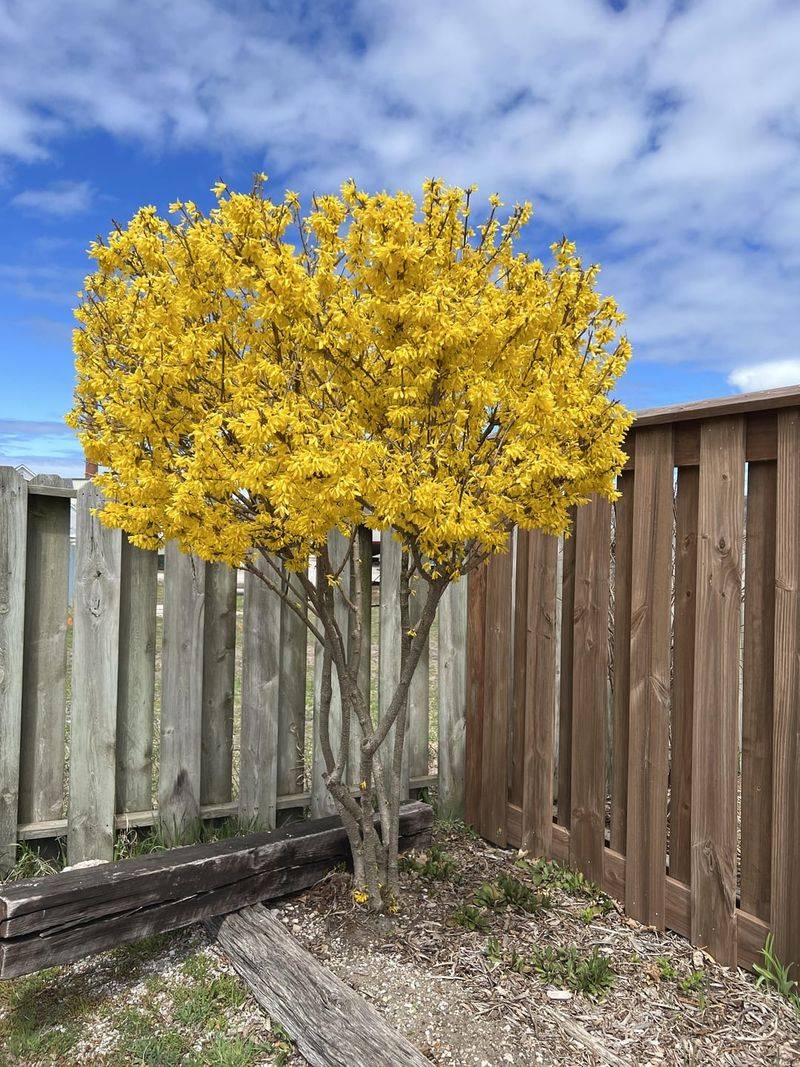
Cold weather signals a natural rest period for most woody plants, and forsythia shrubs follow this pattern throughout Pennsylvania. Branches stop producing new leaves, and the plant conserves energy deep inside its roots and stems.
Gardeners sometimes mistake this quiet phase for the right moment to start trimming, but true dormancy requires more than just bare branches.
Sap flow slows dramatically when temperatures drop below freezing for several consecutive nights. This internal change protects the plant from damage caused by ice crystals forming in its tissues.
Cutting too early, when sap still moves freely, can weaken the shrub and make it vulnerable to winter stress.
Pennsylvania winters bring fluctuating conditions, with mild spells interrupting cold snaps. These warm days can trick forsythia into breaking dormancy prematurely, pushing buds to swell before spring truly arrives.
Pruning during these false starts risks removing flower buds that were just beginning to respond to the warmth.
Checking branch flexibility offers a simple test for dormancy status. Bend a small twig gently; if it snaps cleanly, the plant is likely dormant.
Twigs that bend without breaking often indicate active sap flow, suggesting the shrub hasn’t fully entered its rest phase.
Observing bud appearance also provides valuable clues about dormancy. Tight, compact buds that show no signs of swelling usually mean the plant is deeply asleep.
Buds that look plump or show hints of green tissue need more time before pruning becomes safe.
2. Understanding Where Forsythia Sets Its Buds
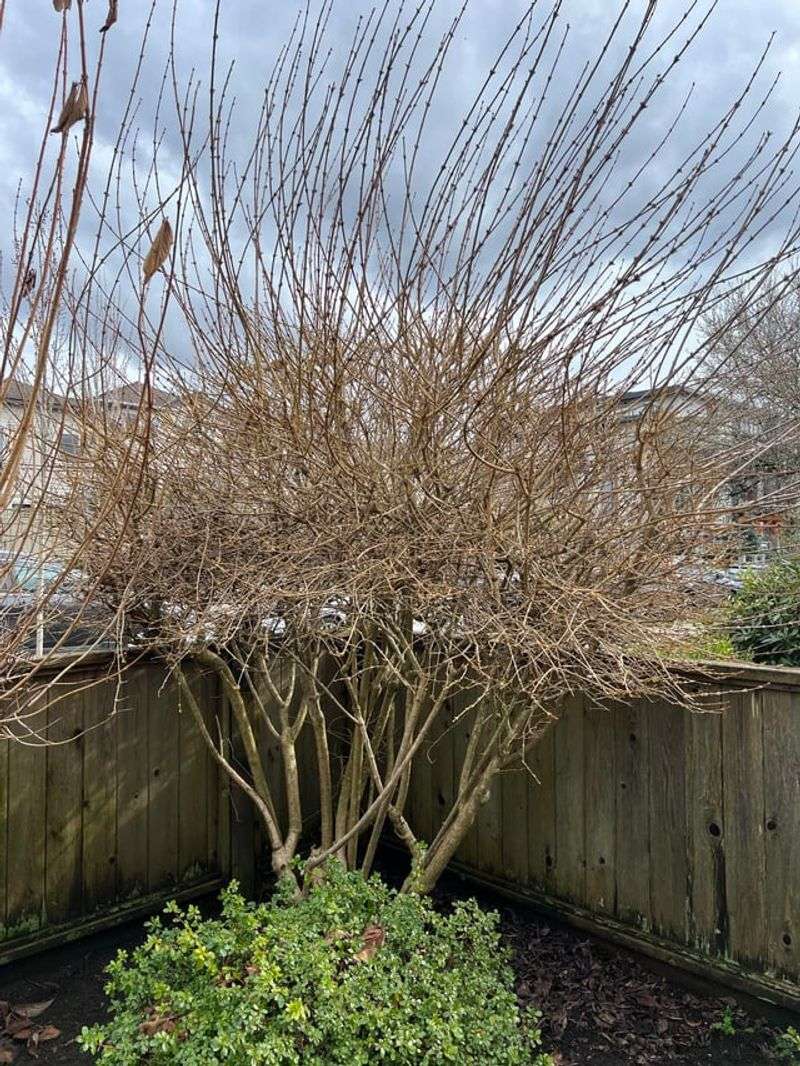
Flower buds form along the length of forsythia stems during the previous growing season. Unlike some shrubs that bloom only on new wood, forsythia produces its blossoms on branches that grew the year before.
This growth habit makes winter pruning a delicate balance between shaping the plant and preserving next spring’s color.
Each bud contains a tiny, pre-formed flower waiting for the right conditions to open. Pennsylvania’s warming temperatures in March and April trigger these buds to swell and burst into bloom.
Your Pennsylvania Garden Changes Every Week. Your Plan Should Too.
Gardening in Pennsylvania changes quickly throughout the season. Every Friday you’ll receive a simple weekly plan showing exactly what to plant, prune, fertilize, harvest, and protect so you never miss the right timing.
Removing too many branches during winter pruning directly reduces the number of flowers your shrub will display.
Buds cluster most densely on the outer portions of branches, especially where sunlight reaches them easily. Interior stems, shaded by the outer canopy, often produce fewer flower buds and more leafy growth.
Recognizing this pattern helps you decide which branches to remove without drastically cutting your bloom count.
Older, thicker stems sometimes develop fewer buds than younger, more vigorous shoots. These mature branches may still produce flowers, but the display tends to be sparser and less vibrant.
Selectively removing a few of these older stems can rejuvenate the shrub without eliminating all the buds.
Branch tips often carry the most flower buds, making them the last part you want to remove during winter pruning. Cutting back tips indiscriminately strips away the most visible blooms, leaving you with a tidy but flower-poor shrub.
Pennsylvania gardeners who value spring color learn to work around these tip buds whenever possible.
3. Removing Only Damaged Or Weak Growth First
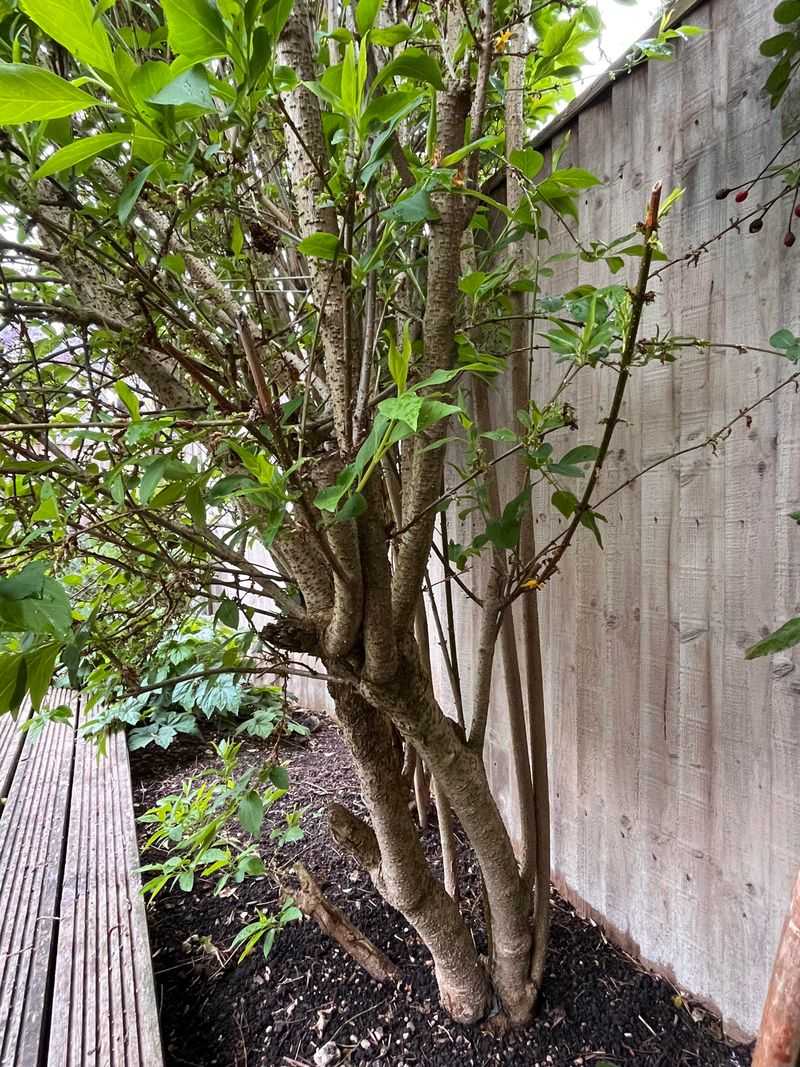
Winter storms across Pennsylvania can snap branches, leaving ragged edges that invite disease. Broken stems often dangle awkwardly, creating entry points for pests and pathogens.
Addressing this damage before tackling any aesthetic pruning protects the overall health of your forsythia.
Weak growth appears as thin, spindly stems that lack the vigor of the rest of the shrub. These branches rarely produce many flowers and often struggle to support their own weight.
Removing them early in the pruning process clears space for stronger stems to thrive.
Dead wood stands out during winter when live branches show subtle signs of life through their bark texture and color. Dead stems feel brittle and often display dull, grayish bark instead of the glossy brown of healthy wood.
Cutting away these lifeless sections prevents them from harboring insects or fungi that could spread to living tissue.
Crossing branches rub against each other, wearing away bark and creating wounds. These friction points become vulnerable spots where diseases can take hold.
Identifying and removing one of the crossing branches eliminates the problem before it worsens.
Branches growing inward toward the center of the shrub often receive less sunlight and produce fewer flowers. They also contribute to a dense, tangled interior that traps moisture and reduces air circulation.
Pruning out these inward-facing stems improves the shrub’s overall structure and health.
Suckers that emerge from the base of the forsythia can drain energy from the main plant. These shoots often grow rapidly but rarely flower as profusely as the established stems.
Removing them redirects the plant’s resources toward more productive branches.
4. Avoiding Heavy Cuts That Reduce Spring Blooms

Aggressive pruning transforms a forsythia into a bare skeleton, stripping away most of the branches that would have bloomed. Pennsylvania gardeners who prune too heavily in winter often face disappointment when spring arrives and their shrub produces only a handful of flowers.
The temptation to drastically reshape an overgrown plant must be balanced against the cost to next season’s display.
Each branch you remove carries dozens or even hundreds of flower buds, depending on its length and vigor. Cutting away large sections of the shrub in a single session can eliminate the majority of these buds.
The result is a tidy plant with minimal color when neighbors’ forsythias burst into brilliant yellow blooms.
Forsythia responds to heavy pruning by producing vigorous new shoots, but these stems won’t flower until the following year. This delay means you’ll wait an entire season for the shrub to recover its bloom potential.
For gardeners who value the annual spring show, this trade-off feels too steep.
Limiting cuts to no more than one-third of the shrub’s total volume helps maintain a balance between shaping and flowering. This guideline allows you to address structural issues or overgrowth without completely sacrificing the bloom display.
Pennsylvania gardeners who follow this rule enjoy both improved plant form and satisfying spring color.
Selective thinning proves more effective than wholesale cutting back. Removing entire branches at their base opens up the shrub’s interior without shortening every stem.
This technique preserves more flower buds while still achieving a lighter, more open structure.
Heading cuts, which shorten branches by cutting partway along their length, remove the bud-rich tips where most flowers would appear. While these cuts can control size, they come at a high cost in lost blooms.
Using them sparingly helps you avoid creating a flower-poor shrub.
5. Using Clean, Sharp Tools For Winter Pruning
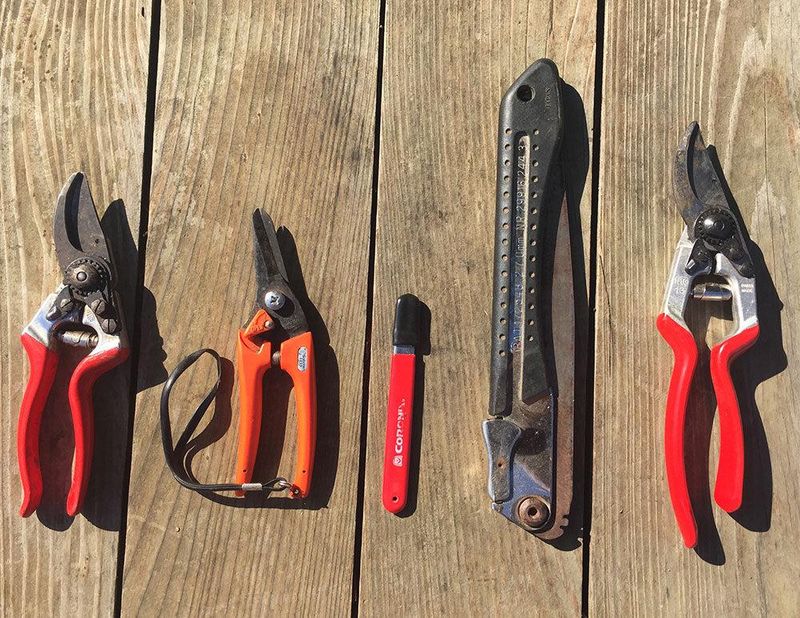
Dull pruning shears crush stems instead of cutting them cleanly, leaving ragged wounds that heal slowly. These mangled edges provide easy entry points for diseases and pests, putting your forsythia at risk.
Sharp blades slice through branches smoothly, creating cuts that close quickly and resist infection.
Cleaning tools between cuts prevents the spread of pathogens from one part of the shrub to another. Pennsylvania gardens harbor various fungi and bacteria that can hitch a ride on dirty blades.
A quick wipe with rubbing alcohol or a bleach solution keeps your tools from becoming vectors for disease.
Bypass pruners work best for most forsythia branches, which rarely exceed an inch in diameter. These tools use a scissor-like action that produces clean cuts without crushing the stem.
Anvil pruners, which press a blade against a flat surface, tend to mash softer wood and should be avoided for live branches.
Loppers handle thicker stems that pruners can’t manage, extending your reach and leverage. Their long handles generate enough force to cut through mature forsythia branches up to two inches thick.
Keeping loppers sharp ensures they work efficiently without requiring excessive effort that could lead to sloppy cuts.
Hand saws become necessary for the oldest, thickest stems that even loppers struggle with. A folding pruning saw fits easily in a pocket and cuts through wood quickly when properly maintained.
Choosing a saw with fine teeth produces smoother cuts that heal better than those made with coarse-toothed models.
Inspecting tools before each pruning session catches problems like loose bolts, cracked handles, or chipped blades. Addressing these issues before you start prevents accidents and ensures your cuts will be as clean as possible.
Pennsylvania’s cold winters can make metal brittle, so checking tool condition becomes especially important.
Sharpening blades regularly maintains cutting performance throughout the pruning season. A few strokes with a sharpening stone or file restores the edge on bypass pruners and loppers.
Many garden centers offer sharpening services if you prefer professional maintenance.
6. Shaping Shrubs Without Forcing New Growth
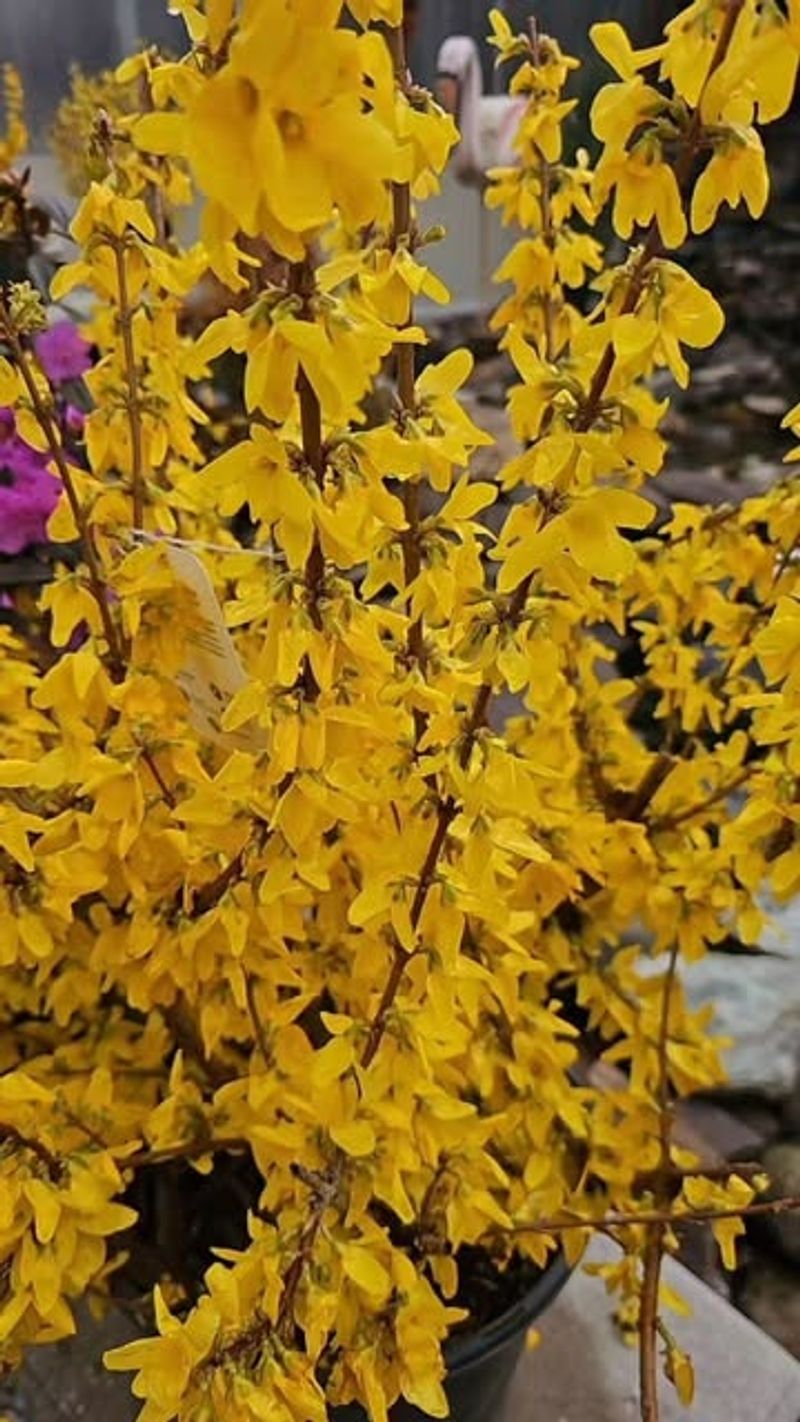
Strategic cuts allow you to guide forsythia’s natural form without triggering a flush of vigorous shoots. Branches removed at their base eliminate entire sections cleanly, leaving the remaining stems to define the shrub’s shape.
This approach respects the plant’s growth pattern while still giving you control over its appearance.
Cutting just above an outward-facing bud directs future growth away from the shrub’s center. This simple technique helps maintain an open, vase-like form that allows light and air to penetrate.
Pennsylvania gardeners who use this method find their forsythias develop more balanced, attractive shapes over time.
Avoiding cuts during warm winter spells reduces the risk of stimulating premature growth. Forsythia interprets mild temperatures as a signal to break dormancy, and fresh wounds can amplify this response.
Waiting for consistently cold weather before pruning helps keep the shrub dormant until spring truly arrives.
Removing entire branches rather than shortening many stems creates a more natural appearance. This selective approach maintains the shrub’s flowing, arching habit instead of creating a stiff, overly manicured look.
The result blends better with Pennsylvania’s informal garden styles while still keeping the plant under control.
Thinning cuts that remove branches at their origin point don’t stimulate the same vigorous regrowth as heading cuts. The plant responds by directing energy to the remaining stems rather than producing a cluster of new shoots at each cut.
This difference makes thinning the preferred technique for winter forsythia pruning.
7. Spacing Cuts To Improve Airflow And Structure
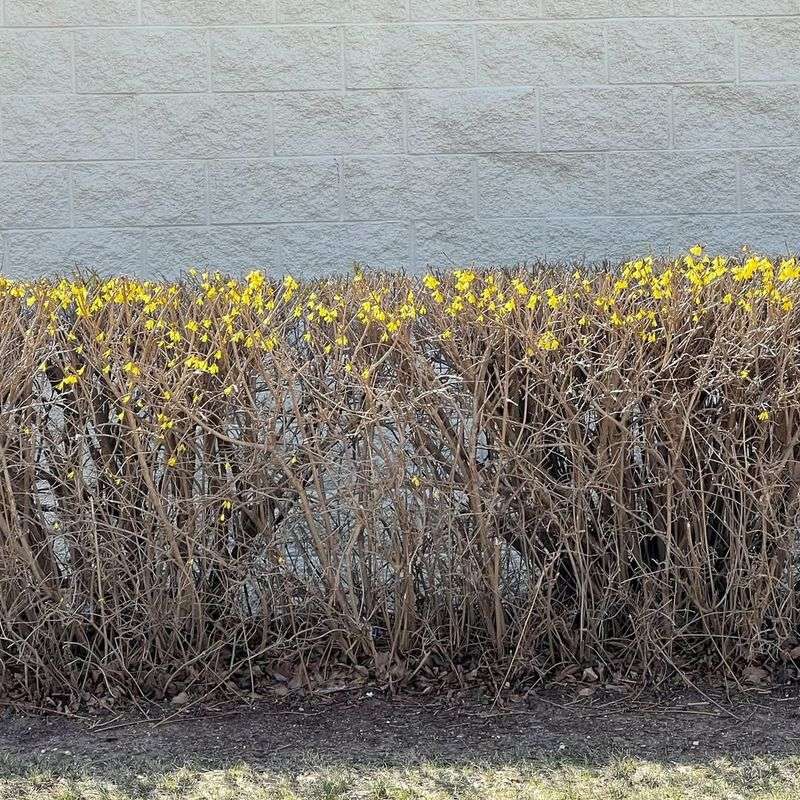
Dense, crowded branches trap moisture and create conditions where fungal diseases thrive. Thinning out some of the interior growth allows air to circulate freely through the shrub, drying foliage quickly after rain or snow.
Pennsylvania’s humid springs benefit from this improved airflow, reducing disease pressure on your forsythia.
Selecting which branches to remove requires stepping back to view the entire plant. Look for areas where stems cross or grow so close together that they block light from reaching the interior.
Removing one of these competing branches opens up space without drastically changing the shrub’s overall appearance.
Cuts spaced evenly around the shrub create a balanced structure that supports healthy growth. Pruning heavily on one side while leaving the other untouched produces a lopsided plant that looks awkward and may develop weak spots.
Distributing your cuts maintains symmetry and strength throughout the forsythia.
Older stems at the center of the shrub often contribute to congestion without adding much to the bloom display. Removing a few of these mature canes at ground level opens up the interior dramatically.
This type of cut improves structure while preserving younger, more floriferous branches.
Measuring distances between remaining branches helps you gauge whether you’ve created enough space. Aim for gaps of several inches between parallel stems to allow light penetration and air movement.
This spacing becomes especially important in Pennsylvania’s lower canopy, where moisture tends to linger.
Avoiding the temptation to remove every crossing branch preserves the shrub’s natural character. Some overlap is normal and contributes to the forsythia’s graceful, informal appearance.
Focus on eliminating only the most problematic crossings where rubbing damage is likely or already visible.
8. Watching Winter Weather Before Pruning
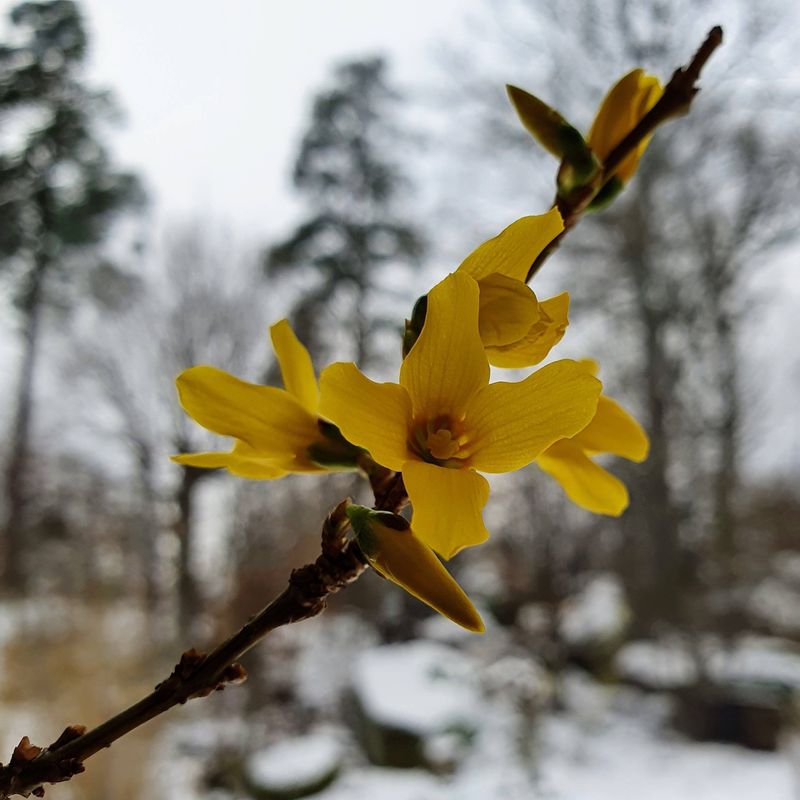
Temperature swings characterize Pennsylvania winters, with arctic blasts alternating with mild spells that feel more like early spring. These fluctuations affect when and how you should prune forsythia, making weather monitoring an essential part of your planning.
Cutting during the wrong conditions can stress the plant or trigger unwanted growth.
Extremely cold days make branches brittle and prone to shattering rather than cutting cleanly. Wood that would slice smoothly at moderate temperatures can crack and splinter when frozen solid.
Waiting for a day when temperatures rise above freezing improves cutting quality and reduces damage to the shrub.
Warm stretches lasting several days can coax forsythia buds to begin swelling prematurely. Pruning during these false springs risks removing buds that have already started their development, wasting the plant’s stored energy.
Postponing your work until cold returns keeps the shrub fully dormant and protects its bloom potential.
Wind conditions matter more than many gardeners realize when pruning in winter. Strong gusts make precise cuts difficult and can blow debris into your eyes or face.
Choosing a calm day for pruning improves both safety and the accuracy of your work.
Icy conditions turn gardens into hazardous spaces where slips and falls become likely. Frozen ground offers poor footing, especially when you’re reaching or bending to make cuts.
Waiting for ice to melt before venturing out with sharp tools prevents accidents that could end your gardening season early.
Snow cover sometimes conceals lower branches, making it hard to see the shrub’s full structure. Pruning under these conditions can lead to mistakes as you cut stems you didn’t realize were there.
Clearing snow away from the base of your forsythia or waiting for it to melt provides better visibility for decision-making.
9. Knowing When To Stop And Wait For Spring
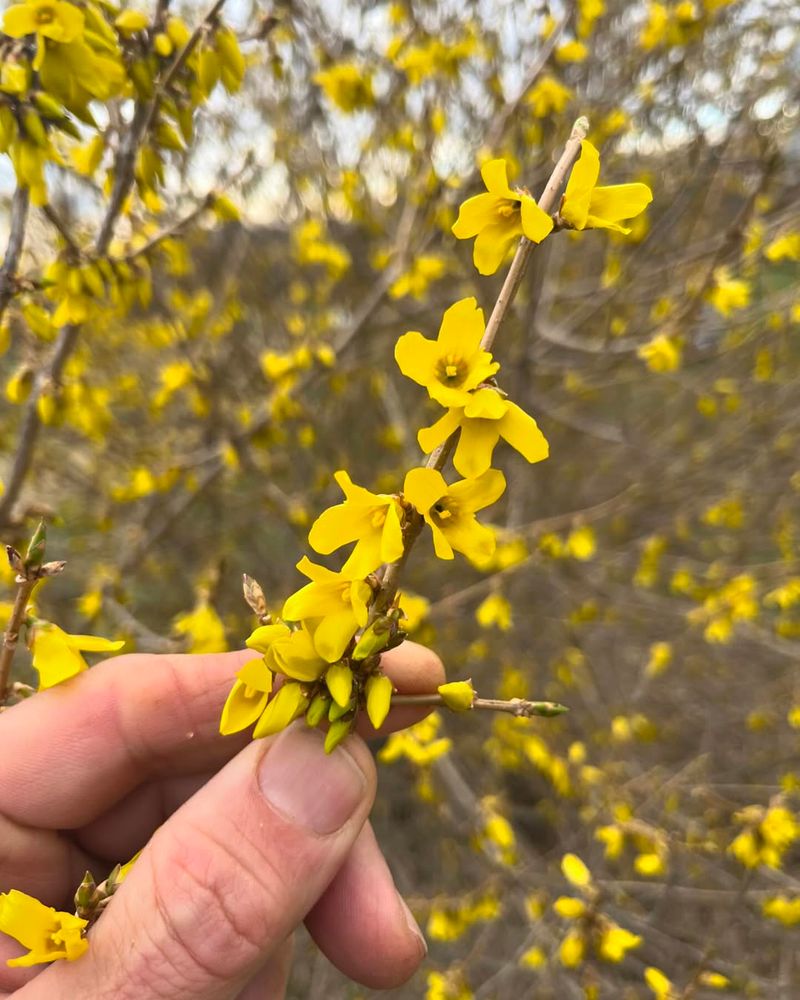
Recognizing the moment to set down your pruning tools requires both observation and restraint. Buds that begin to swell signal the approach of spring and the end of the safe pruning window.
Pennsylvania gardeners who continue cutting after this point sacrifice flowers that were just days away from opening.
Late February and early March bring subtle changes to forsythia branches as sap begins moving again. Buds that were tight and hard all winter start to soften and expand slightly.
These early signs of awakening tell you to finish any remaining pruning quickly or postpone it until after bloom.
Color changes in the buds provide another clue about timing. Winter buds appear brown or grayish, but as spring approaches, they take on yellow or greenish tints.
Seeing these color shifts means the flowers inside are developing rapidly and will soon emerge.
Feeling the urge to do more pruning doesn’t always mean the shrub needs it. Sometimes the best decision is to stop early, even if you haven’t achieved every shaping goal you envisioned.
Pennsylvania’s forsythias tolerate imperfect pruning better than excessive cutting, especially when timing becomes questionable.
Comparing your shrub’s appearance to others in the neighborhood helps gauge whether you’ve done enough. If your forsythia looks similar in density and structure to healthy specimens nearby, additional pruning probably isn’t necessary.
This perspective check prevents the perfectionism that leads to over-pruning.
Planning to prune again after flowering gives you a second chance to address any issues you left unfinished. Post-bloom pruning removes spent flowers and allows for more aggressive shaping without sacrificing the current year’s display.
Knowing this option exists makes it easier to stop winter pruning before you go too far.