9 Tips Pennsylvania Gardeners Use To Choose The Right Mulch
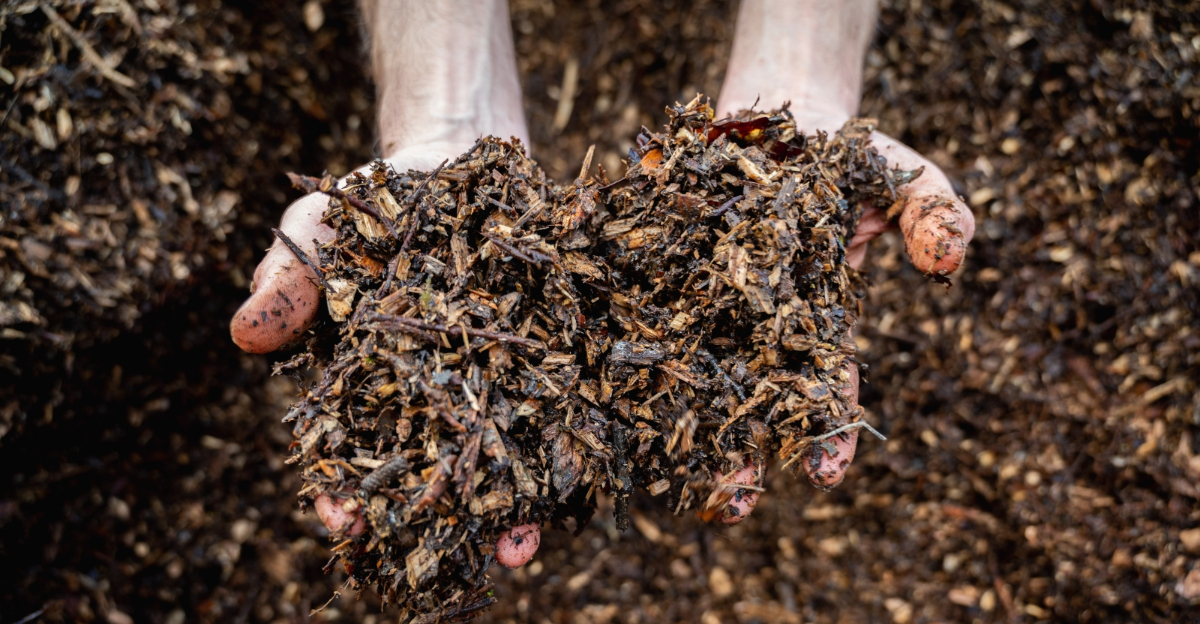
Pennsylvania gardeners know that choosing the right mulch affects far more than how tidy a garden bed looks in early spring.
Between heavy spring rains, humid summers, and freezing winters, mulch has to handle constant stress without breaking down or causing problems.
What works well in a dry or mild climate often fails once Pennsylvania’s moisture and temperature swings enter the picture. That’s why local experience matters more than generic advice.
The wrong mulch can trap too much moisture, invite pests, or interfere with soil health over time.
Gardeners who get consistent results pay close attention to how mulch behaves after weeks of rain or sudden heat.
They also think about how mulch interacts with soil, roots, and airflow rather than treating it as simple ground cover.
Color, texture, and material choice all play a role in how mulch performs across the seasons.
Pennsylvania gardeners often learn through trial and error which options hold up and which ones create extra work.
These small decisions influence weed control, moisture balance, and plant stability throughout the year.
That’s why choosing the right mulch becomes a strategic move rather than a cosmetic one for Pennsylvania gardens.
1. Matching Mulch Type To Pennsylvania Soil Conditions
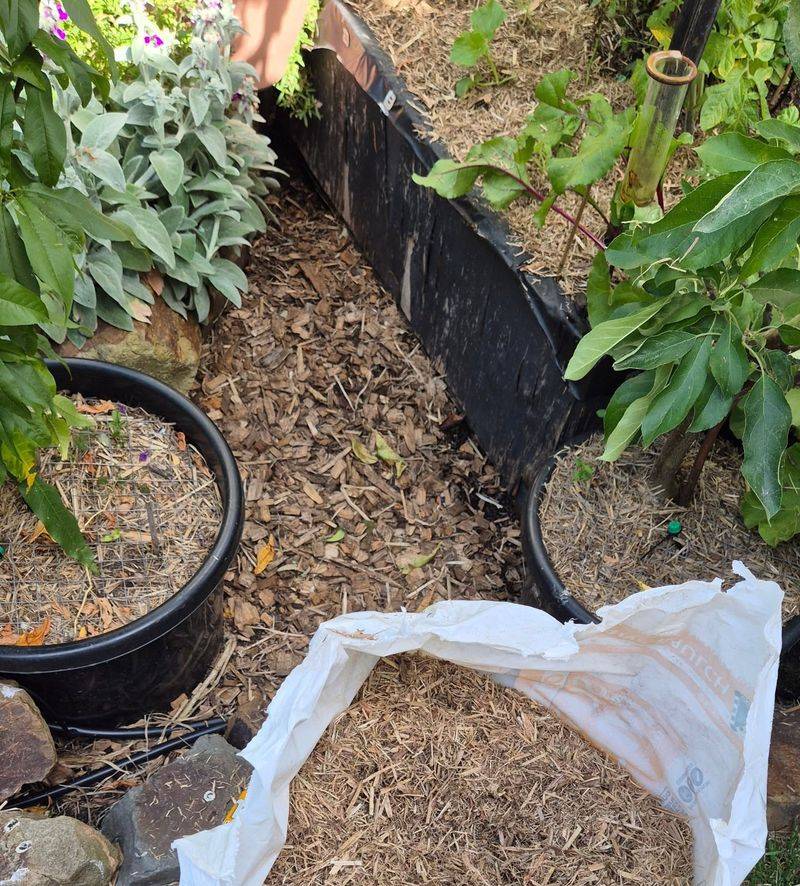
Pennsylvania soils range from heavy clay in some regions to sandy loam in others, and each type responds differently to mulch materials. Clay-heavy ground benefits from coarser mulches like shredded hardwood bark, which allows air and water to penetrate without turning into a soggy mess.
Sandy soils, common in parts of the southeast, hold moisture better when topped with finer mulches that slow evaporation.
Local gardeners often test their soil texture by squeezing a handful after a rain. If it clumps tightly, clay dominates, and aeration becomes the priority.
If it crumbles apart easily, sand is the issue, and water retention matters most.
Organic mulches like composted leaves or aged wood chips gradually break down and improve soil structure over time. In Pennsylvania’s varied climate, this slow decomposition adds nutrients and encourages beneficial microbes.
Inorganic options like rubber or stone don’t enrich the soil but stay put through storms.
Matching mulch to your specific soil type prevents compaction, root rot, and nutrient imbalances. Gardeners in the state have learned that one-size-fits-all approaches rarely work.
Observing how water drains after a heavy rain gives clues about which mulch will perform best in your yard.
2. Choosing Mulch Based On Seasonal Temperature Swings
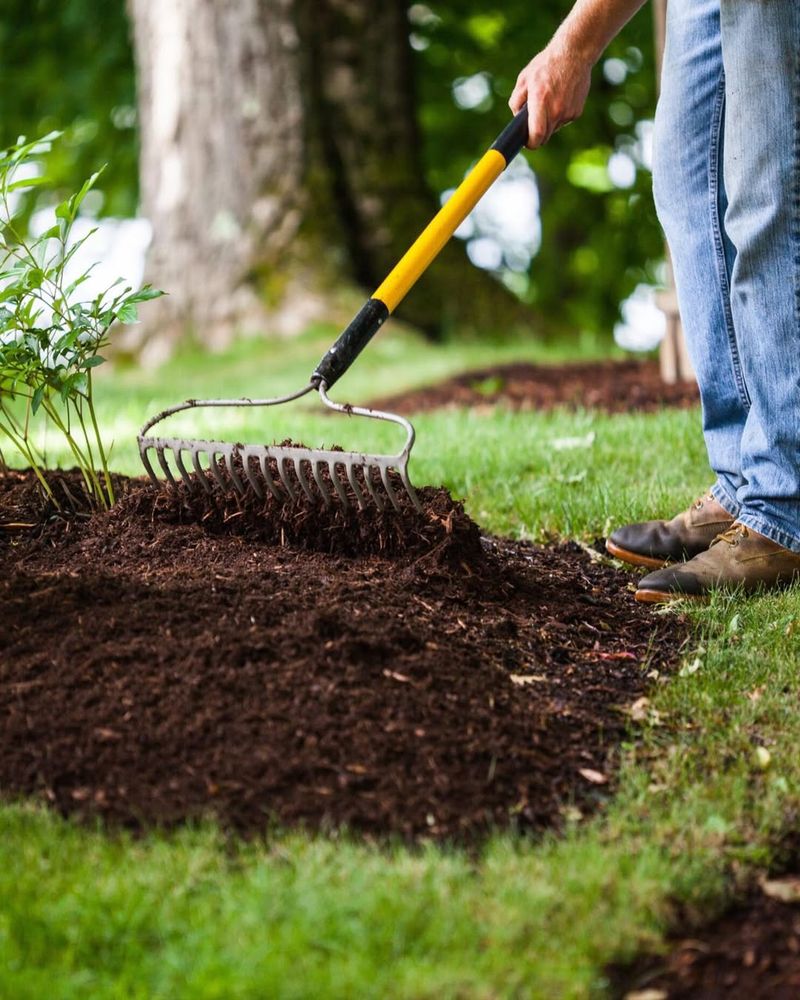
Winter temperatures in Pennsylvania can plunge well below freezing, while summer days often climb into the nineties with high humidity. Mulch acts as insulation, buffering plant roots from these extremes.
Organic materials like straw or shredded leaves trap air pockets that keep roots warmer in January and cooler in July.
Gardeners across the state apply a thicker layer before the first hard freeze to protect perennials and shrubs. Two to four inches of mulch can prevent frost heaving, which pushes plants out of the ground during freeze-thaw cycles.
Come spring, that same layer moderates soil temperature so roots don’t heat up too quickly.
Your Pennsylvania Garden Changes Every Week. Your Plan Should Too.
Gardening in Pennsylvania changes quickly throughout the season. Every Friday you’ll receive a simple weekly plan showing exactly what to plant, prune, fertilize, harvest, and protect so you never miss the right timing.
Dark-colored mulches absorb more heat, which can be helpful early in the season but problematic during summer heat waves. Lighter mulches reflect sunlight and keep soil cooler when temperatures spike.
Pennsylvania gardeners often switch strategies depending on the time of year and the plants they’re protecting.
Pine needles are popular in the state because they insulate well without matting down. Hardwood chips also perform reliably through temperature swings.
Avoid rubber mulch if you’re worried about heat buildup, since it can get uncomfortably hot under direct sun and stress shallow-rooted plants.
That insulating layer keeps soil temperatures more consistent during sudden cold snaps and mid-winter thaws.
In a state like Pennsylvania, where weather can swing quickly, that consistency helps roots stay protected year-round.
3. Understanding How Mulch Affects Moisture Retention
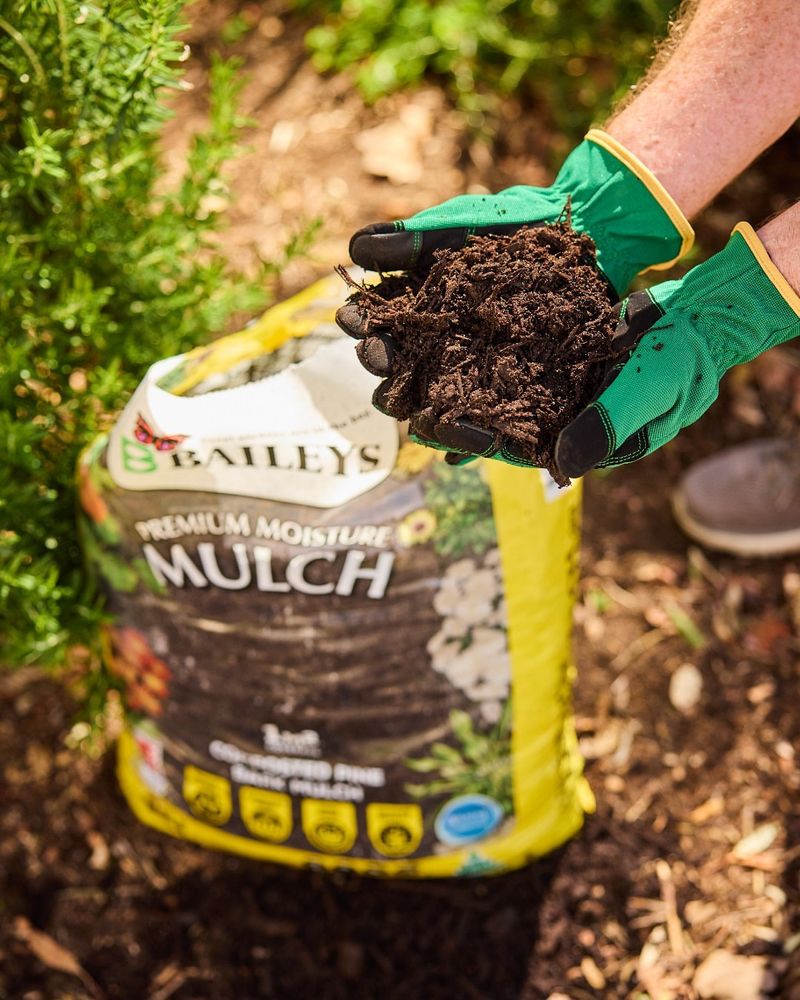
Water is the lifeblood of any garden, and mulch plays a huge role in keeping it where plants need it most. Bare soil loses moisture quickly through evaporation, especially during Pennsylvania’s hot, dry stretches in late summer.
A good layer of mulch acts like a blanket, slowing water loss and reducing the need for constant watering.
Organic mulches like compost or shredded bark absorb some water themselves, releasing it slowly back into the soil. This buffering effect helps plants survive between rainstorms or irrigation cycles.
Inorganic mulches like gravel don’t hold water but still reduce evaporation by shading the soil surface.
Gardeners in the state have noticed that mulch depth matters for moisture control. Too thin, and evaporation still happens; too thick, and water can’t penetrate to reach roots.
Two to three inches is usually the sweet spot for balancing moisture retention without creating drainage problems.
Pine bark nuggets are a favorite for moisture management because they resist compaction and allow rain to soak through. Cocoa hulls smell great and hold water well but can blow away in strong winds.
Pennsylvania’s unpredictable weather means testing a few options to see what works best in your specific microclimate.
4. Avoiding Mulch That Compacts Or Mats Down
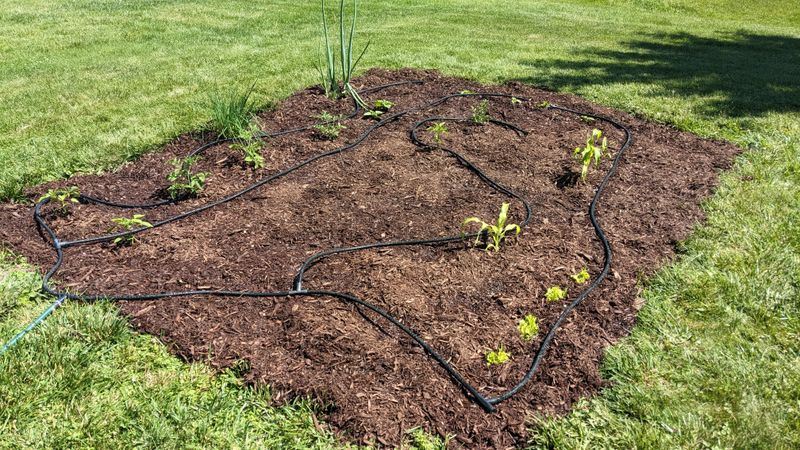
Some mulches start out fluffy and promising but turn into a dense, impenetrable mat after a few weeks of rain. This compaction blocks air and water from reaching plant roots, creating more problems than it solves.
Pennsylvania’s frequent spring rains can speed up this process, especially with finely shredded materials.
Grass clippings are a common culprit because they pack down tightly and can even heat up as they decompose, potentially harming tender plants. Sawdust behaves similarly, forming a crust that repels water instead of letting it through.
Gardeners in the state often learn this lesson the hard way after trying free or cheap materials.
Coarser mulches like bark nuggets or wood chips resist compaction much better. Their irregular shapes create air spaces that stay open even after heavy downpours.
Shredded hardwood bark strikes a nice balance, breaking down slowly while maintaining structure throughout the season.
Fluffing mulch with a rake every few weeks helps prevent matting, especially if you’ve used finer materials. Pennsylvania gardeners who stay on top of this simple task enjoy better drainage and healthier plants.
Checking mulch texture regularly lets you catch compaction early before it becomes a serious issue affecting root health.
5. Using Mulch Depth That Protects Roots Without Smothering
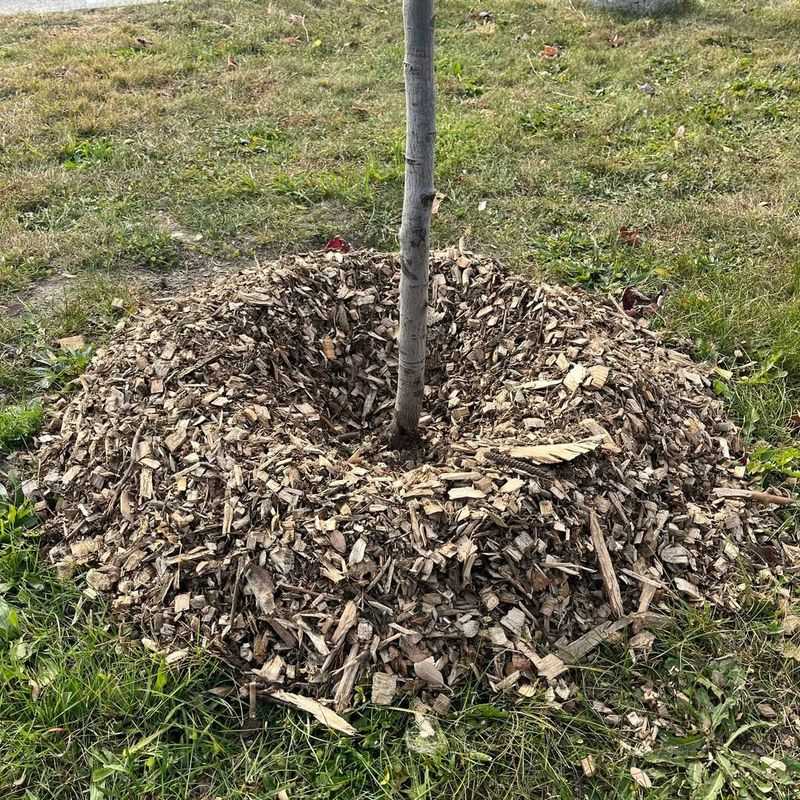
Getting mulch depth right is a balancing act that Pennsylvania gardeners master through trial and error. Too little mulch leaves roots exposed to temperature swings and moisture loss.
Too much creates a suffocating layer that traps excess moisture and encourages rot or fungal diseases.
Most experts recommend two to four inches for ornamental beds, but this varies depending on mulch type and plant needs. Finer mulches compact more, so they need a thinner application.
Coarser materials can go a bit deeper without causing problems. Young trees and shrubs need special attention since their root systems are still developing.
Pennsylvania’s clay soils can become waterlogged under thick mulch layers, especially in low-lying areas. Gardeners in these spots often stick to the lower end of the depth range to avoid drowning roots.
Sandy soils drain faster, so a slightly thicker layer helps retain moisture without risk.
Measuring with a ruler might seem fussy, but it prevents common mistakes. Piling mulch too high around stems creates a damp environment where pests and diseases thrive.
Spreading it too thin wastes time and materials without delivering benefits. Checking depth in several spots ensures even coverage that protects without smothering plants across your Pennsylvania landscape.
6. Considering Organic Versus Inorganic Options
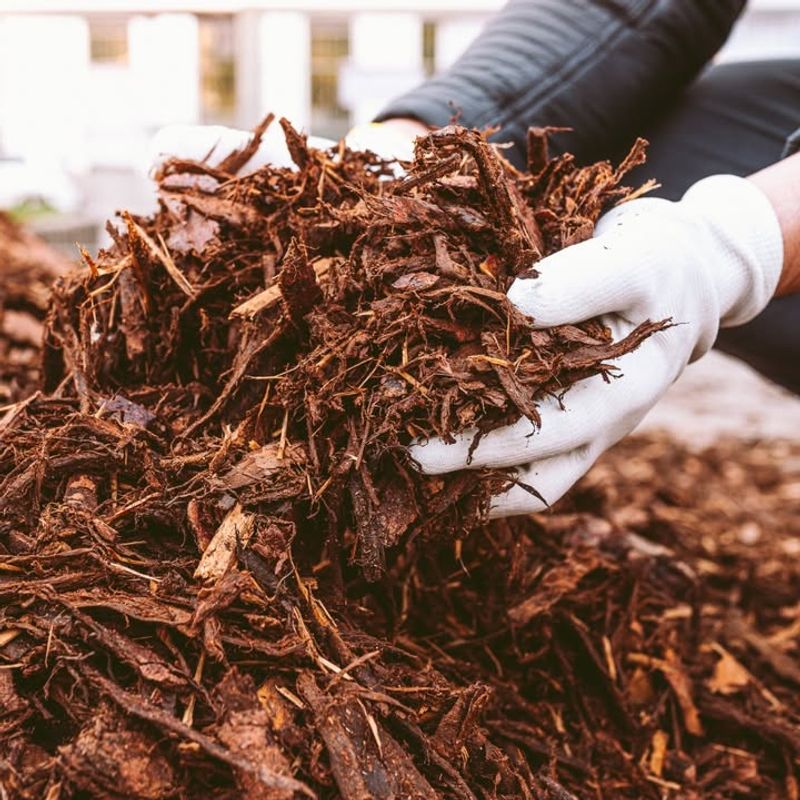
Organic mulches like wood chips, bark, and compost break down over time, feeding the soil and improving its structure. Pennsylvania gardeners who prioritize soil health often lean toward these materials because they mimic natural forest floor conditions.
As organic mulch decomposes, it releases nutrients and supports earthworms and beneficial microorganisms.
Inorganic mulches such as rubber, stone, and landscape fabric don’t decompose, which means less frequent replacement and lower long-term maintenance. These options work well in areas where you want a permanent, low-maintenance solution.
However, they don’t contribute to soil fertility and can make future planting adjustments more difficult.
Cost is another factor for gardeners across the state. Organic mulches need replenishing every year or two as they break down, adding to ongoing expenses.
Inorganic options have a higher upfront cost but last much longer, potentially saving money over time.
Environmental impact matters to many Pennsylvania gardeners. Organic mulches are renewable and biodegradable, while rubber mulch comes from recycled tires but doesn’t return to the soil naturally.
Stone mulch is neutral but can alter soil pH if it contains limestone. Weighing these trade-offs helps you choose mulch that aligns with both your gardening goals and your values for sustainability.
7. Keeping Mulch Away From Stems And Trunks
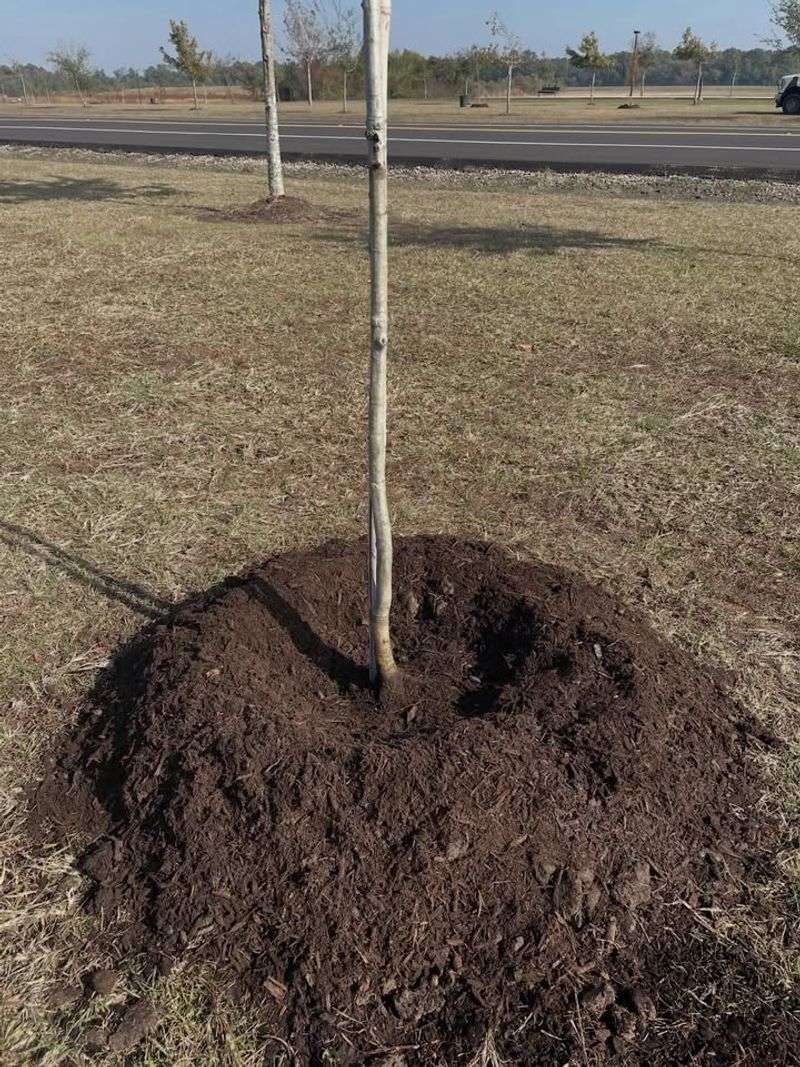
Piling mulch directly against plant stems or tree trunks is one of the most common mistakes gardeners make, and Pennsylvania landscapes are full of examples. This practice, sometimes called “volcano mulching,” traps moisture against bark and creates an ideal environment for rot, insects, and disease.
Healthy plants need air circulation around their base, not a damp, dark blanket.
Proper technique involves pulling mulch back several inches from stems and trunks, creating a small bare zone. For trees, imagine a donut shape with the trunk in the center hole.
This simple adjustment prevents bark decay and discourages rodents from nesting against the trunk during winter.
Pennsylvania’s humid summers make this spacing even more critical. Constant moisture against bark softens it and invites fungal infections that can girdle and seriously harm plants.
Insects like borers also target weakened bark, and mulch piled high provides them perfect cover.
Young plants are especially vulnerable because their bark is thinner and less developed. Gardeners across the state have learned to be extra careful when mulching newly planted trees and shrubs.
Checking mulch placement in spring and fall ensures it hasn’t shifted or been kicked back against stems by animals, rain, or maintenance activities throughout the season.
8. Refreshing Mulch At The Right Time Of Year
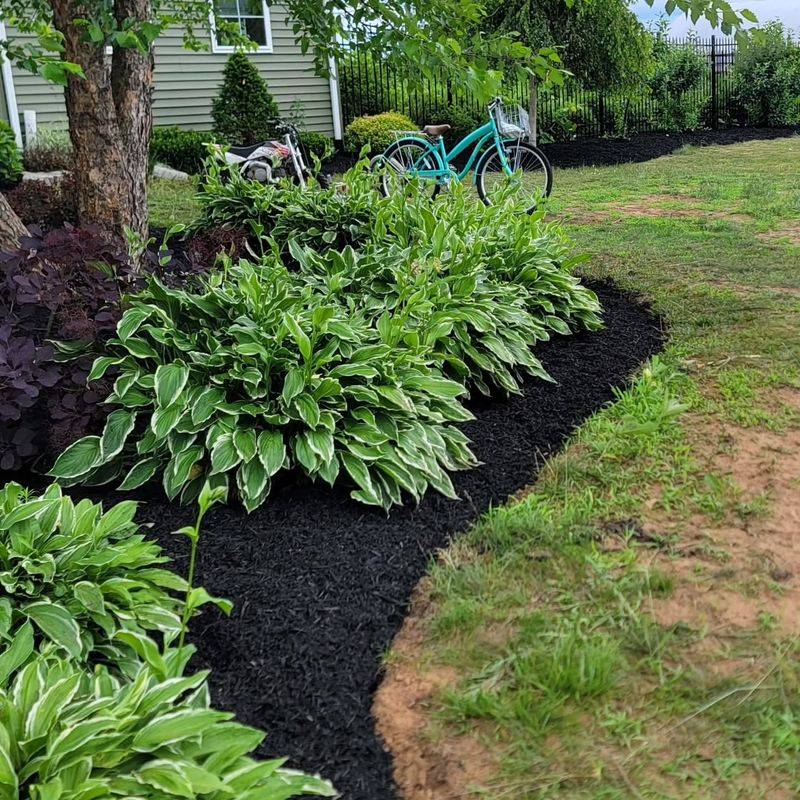
Timing matters when adding or replacing mulch in Pennsylvania gardens. Spring is the most popular season because it coincides with planting and cleanup activities.
Fresh mulch applied after the soil warms up helps retain moisture through summer and suppresses the first flush of weed seeds.
Fall mulching offers different advantages, particularly for protecting plants through winter. Gardeners in the state often add an extra layer in late autumn after the ground begins to freeze.
This insulates roots and prevents damaging freeze-thaw cycles that can push plants out of the soil.
Summer refreshing is sometimes necessary if mulch has decomposed significantly or been washed away by storms. Pennsylvania’s intense thunderstorms can scatter lightweight mulches, leaving bare patches that need attention.
A quick top-up keeps protection consistent through the growing season.
Avoid mulching too early in spring when soil is still cold and wet. Trapping that moisture and cold can delay plant growth and encourage root diseases.
Waiting until after the last frost and letting the soil dry out a bit ensures mulch helps rather than hinders. Pennsylvania’s variable spring weather makes this timing tricky, but watching soil temperature and moisture levels provides reliable guidance for when to spread fresh mulch.
9. Watching How Mulch Breaks Down Over Time
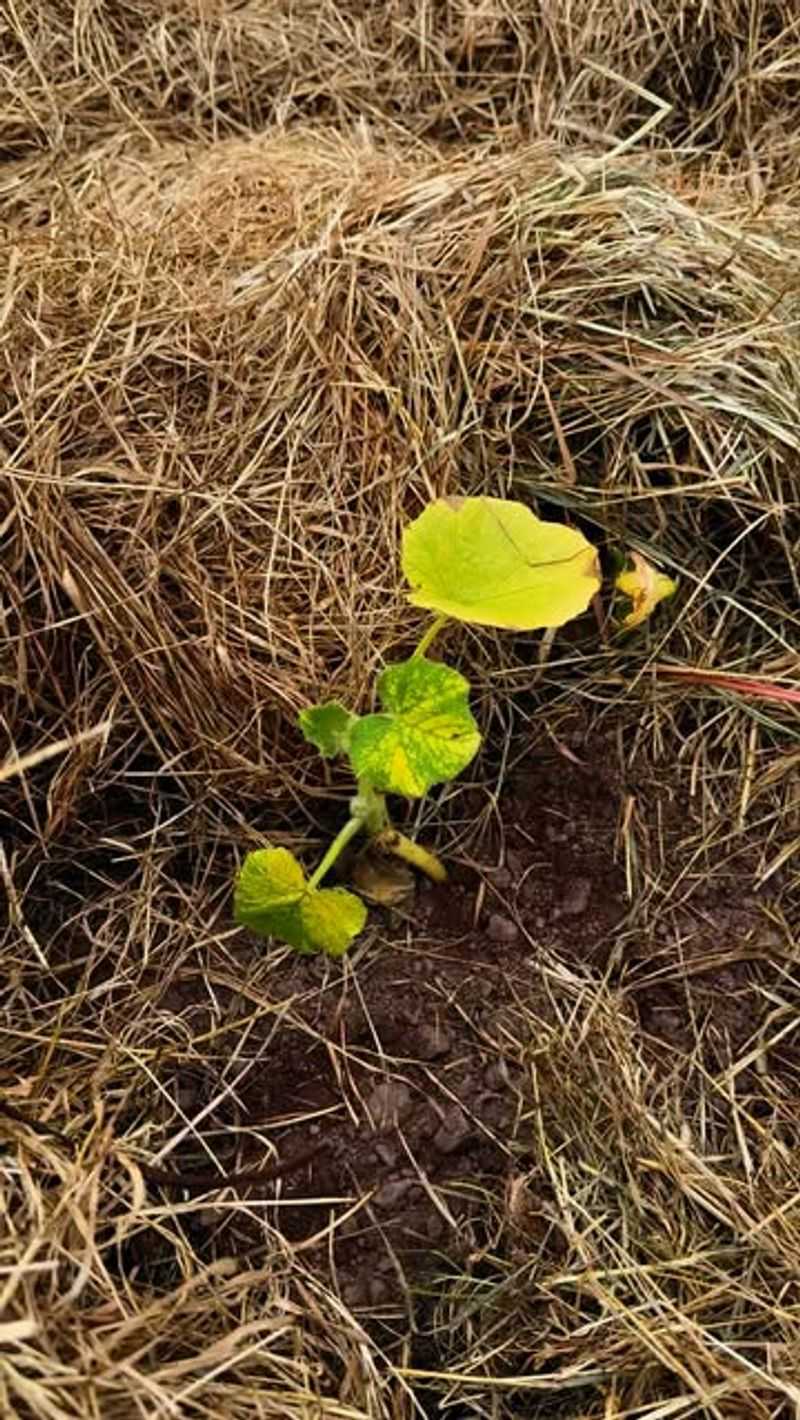
Organic mulches don’t just sit there looking pretty; they’re constantly changing as they decompose. Pennsylvania gardeners who understand this process can time replacements perfectly and recognize when mulch is doing its job.
Fresh wood chips start out chunky and light-colored, gradually darkening and shrinking as fungi and bacteria break them down.
Decomposition speed varies with mulch type and weather conditions. Shredded leaves break down quickly, often disappearing within a single growing season.
Hardwood bark lasts longer, sometimes two or three years before it needs replenishing. Pine bark nuggets are among the slowest to decompose, making them economical for long-term use.
As mulch breaks down, it adds organic matter to the soil, improving texture and fertility. Gardeners across the state often work partially decomposed mulch into the soil before adding a fresh layer.
This practice boosts soil health without wasting material that still has value.
Watch for signs that mulch has decomposed too much, like thin spots where weeds push through or areas where soil becomes visible. Pennsylvania’s climate accelerates decomposition during hot, humid summers, so checking mulch condition in late summer helps you plan fall refreshing.
Mulch that’s breaking down properly should smell earthy and pleasant, never sour or foul, which could indicate problems with drainage or compaction.