Virginia Gardeners Grow These 10 Native Honeysuckles Loved By Pollinators And Birds
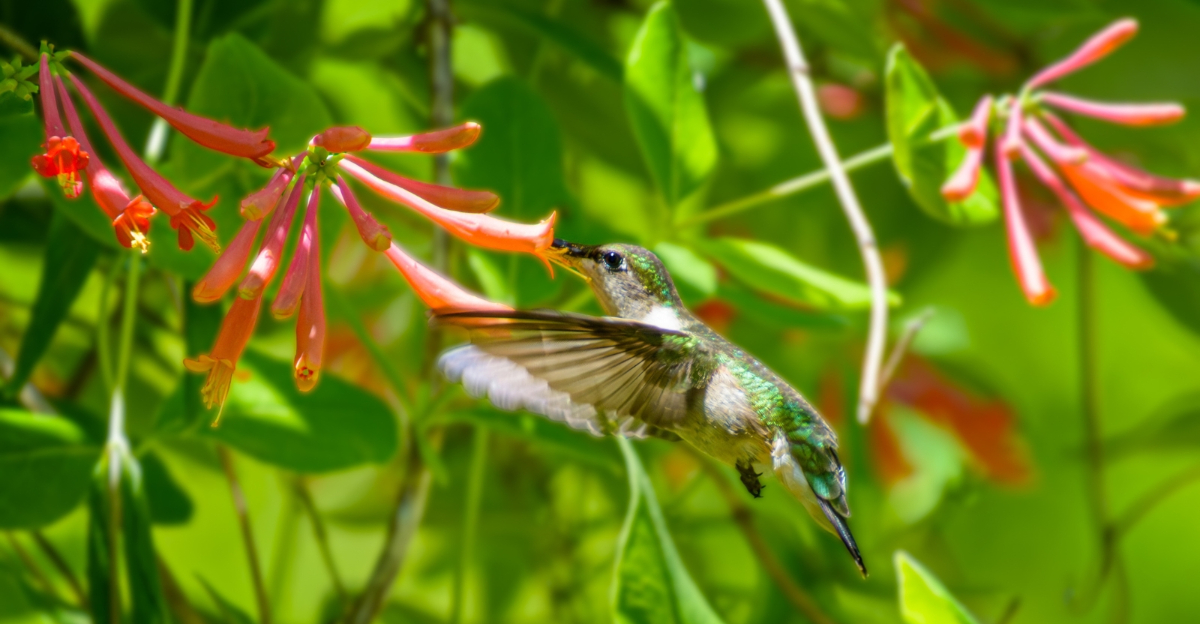
Virginia gardeners are paying closer attention to what’s buzzing, fluttering, and landing in their yards, and native honeysuckles are suddenly at the center of it all.
These plants don’t just grow well here, they belong here, which changes how they perform from the moment they’re planted.
Instead of fighting soil, heat, or humidity, native honeysuckles settle in and start doing what they do best.
Birds notice first, showing up for berries and shelter long before gardeners expect them to.
Pollinators follow quickly, drawn in by blooms shaped perfectly for local bees, butterflies, and hummingbirds.
Many gardeners are surprised by how alive their spaces feel once these plants mature. The shift is hard to miss.
Beyond wildlife, native honeysuckles bring movement, texture, and seasonal change that makes a garden feel intentional rather than overdesigned.
They also avoid the headaches tied to invasive varieties that spread too aggressively.
That’s why these ten native honeysuckles keep earning a spot in Virginia gardens that want beauty with real purpose.
1. Coral Honeysuckle (Lonicera sempervirens)
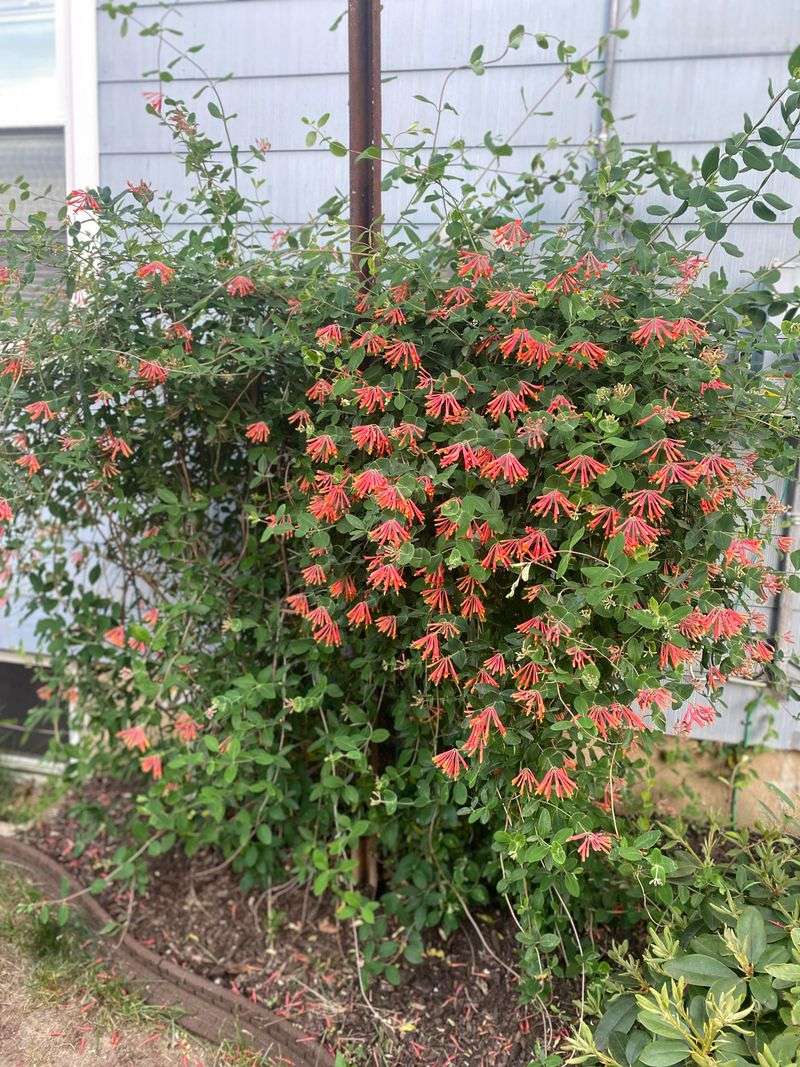
Bright red tubular flowers emerge in spring and continue blooming until fall, creating a spectacular display that hummingbirds find absolutely irresistible.
Virginia gardeners have relied on this classic native vine for generations because it performs beautifully without becoming aggressive or weedy. The trumpet-shaped blooms measure about two inches long and cluster together at the branch tips, making them highly visible to passing pollinators.
Blue-green foliage stays attractive even when flowers aren’t present, and some leaves remain through winter in milder parts of the state.
Birds appreciate the small red berries that follow the blooms, providing an important food source during late summer and early fall. This vine climbs by twining around supports rather than using sticky holdfasts that damage buildings.
Partial shade to full sun works well for this adaptable plant, though flowering tends to be heavier with more sunlight. Established vines tolerate drought remarkably well once their roots grow deep into Virginia soil.
Growth typically reaches 10 to 20 feet depending on growing conditions and available support structures.
The species serves as a host plant for spring azure butterfly larvae, adding another layer of ecological value.
Gardeners in Virginia find this honeysuckle easy to manage and virtually trouble-free.
Planting near fences, arbors, or mailbox posts gives the vine something to climb while creating vertical interest in the landscape. Morning sun with afternoon shade produces excellent results in warmer regions of the state.
2. ‘Major Wheeler’ Coral Honeysuckle
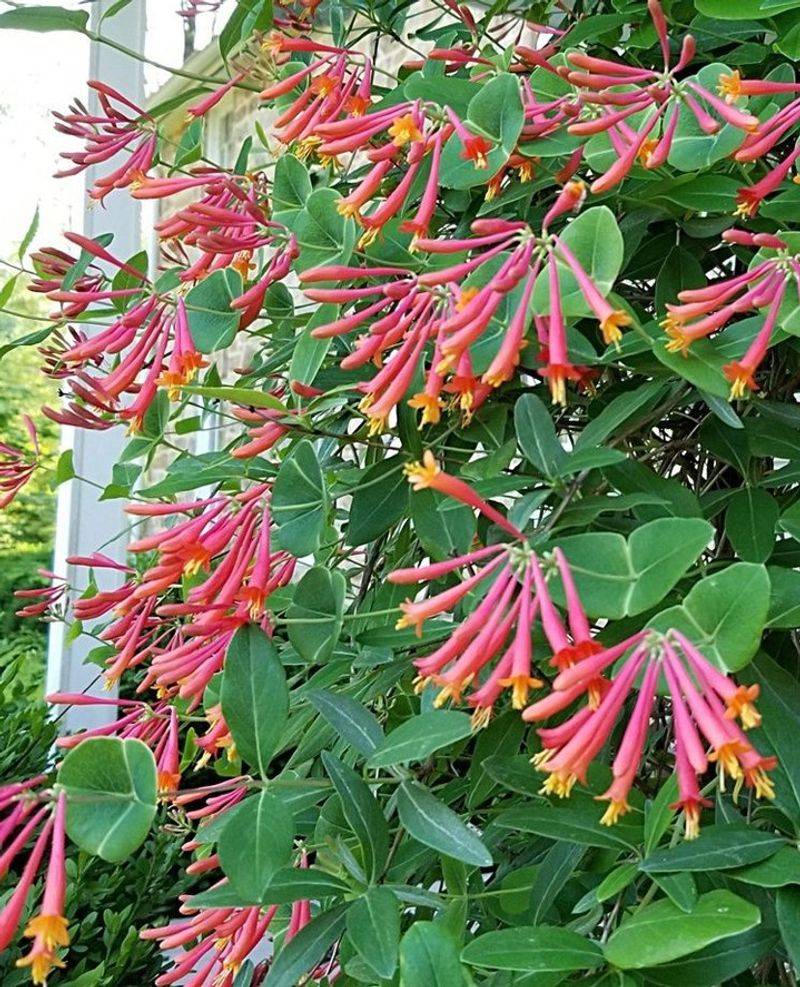
Brilliant scarlet blooms appear in abundance from late spring through the first frost, making this cultivar one of the longest-flowering selections available to Virginia gardeners. The flowers open slightly larger than the straight species, measuring closer to two and a half inches in length.
Hummingbirds seem to prefer this variety over many others, possibly because of the increased flower size and nectar production.
Compact growth habits make ‘Major Wheeler’ perfect for smaller gardens or container growing on patios and decks.
The vine typically stays between 8 and 12 feet tall, much shorter than some other honeysuckle selections. This manageable size means less pruning work while still providing plenty of visual impact.
Your Virginia Garden Changes Every Week. Your Plan Should Too.
Gardening in Virginia changes quickly throughout the season. Every Friday you’ll receive a simple weekly plan showing exactly what to plant, prune, fertilize, harvest, and protect so you never miss the right timing.
Dark green leaves create a handsome backdrop for the intense red flowers, and the color contrast draws attention from across the yard.
Virginia summers don’t slow down this tough performer, which continues blooming even during hot, humid weather.
Established plants develop good drought tolerance after their first full growing season.
The extended bloom period means consistent food sources for wildlife from spring through fall.
Versatile placement options include growing up lamp posts, along deck railings, or trained onto decorative obelisks in perennial borders.
The vine doesn’t produce invasive runners or seed itself aggressively around Virginia landscapes.
3. ‘John Clayton’ Coral Honeysuckle
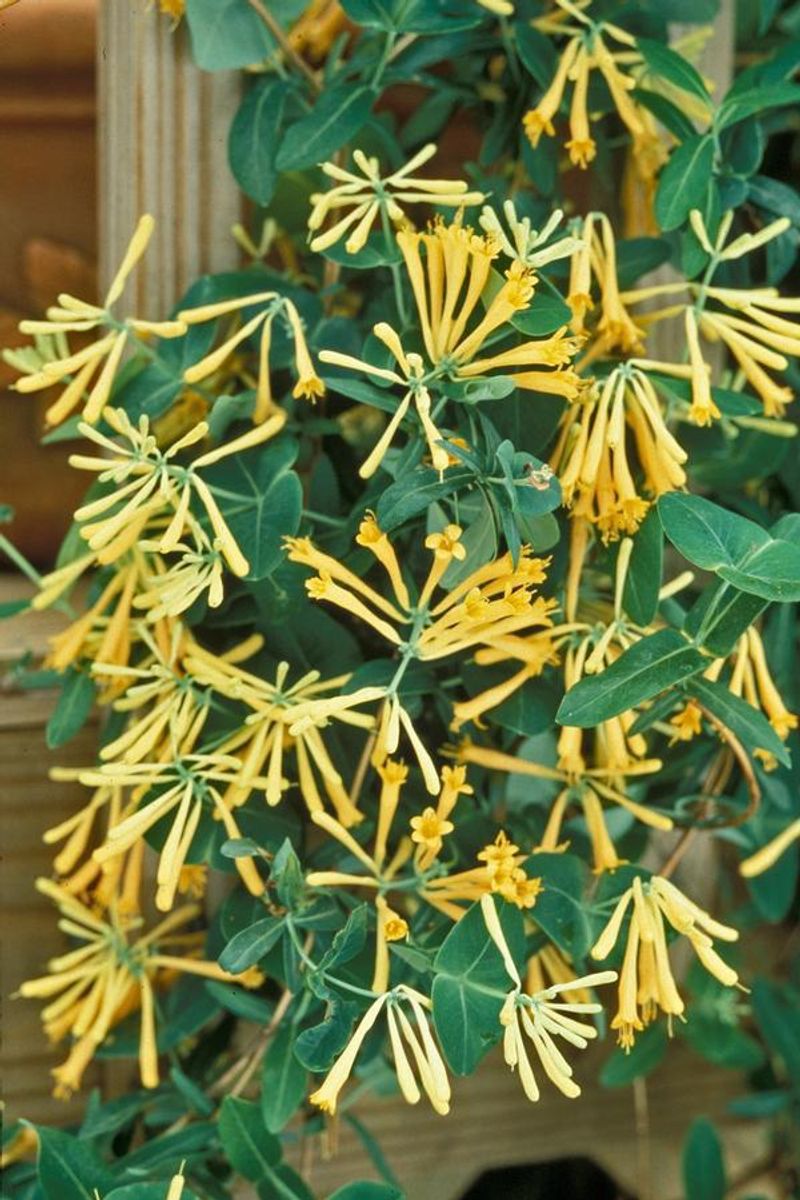
Soft yellow flowers set this selection apart from the typical red-flowered forms, bringing a completely different color palette to Virginia gardens.
The pale lemon-colored blooms create a subtle, elegant appearance that complements rather than dominates surrounding plantings. Hummingbirds visit these flowers just as readily as red varieties, proving that color isn’t the only factor attracting these energetic birds.
Moderate growth reaches about 10 to 15 feet at maturity, providing good coverage without overwhelming smaller garden spaces.
The vine maintains a tidy appearance throughout the growing season with minimal intervention from gardeners. Flowering begins in mid-spring and continues intermittently through early fall in most Virginia locations.
Light green foliage provides a fresh, clean look that brightens shady areas where other flowering vines might struggle. The plant tolerates more shade than many honeysuckle varieties, making it valuable for woodland edges or north-facing walls.
This cultivar was named after John Clayton, an early Virginia botanist who documented native plants in the colonial period.
The historical connection adds interest for gardeners who appreciate plants with regional significance. Small red berries develop after flowering, attracting songbirds during late summer.
Planting in locations with morning sun and afternoon shade produces the best results across most of the state.
The yellow flowers show up particularly well against dark backgrounds like evergreen shrubs or wooden fences.
4. ‘Blanche Sandman’ Coral Honeysuckle
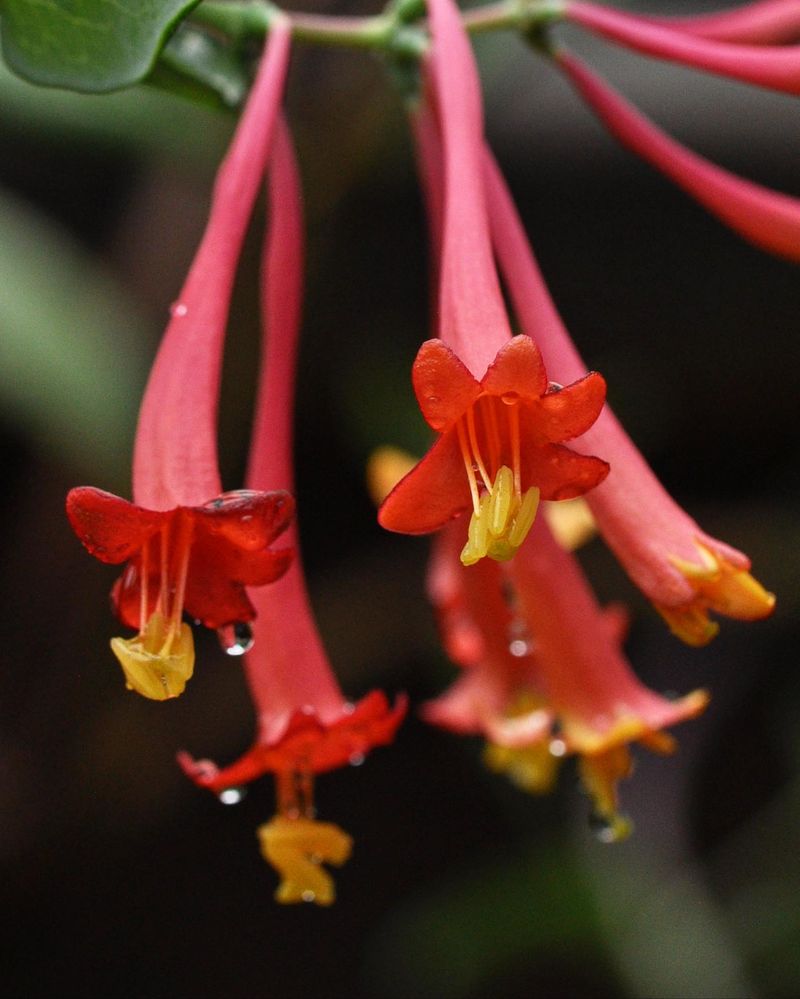
Rich coral-pink flowers bring warmth and charm to Virginia gardens from spring through fall, offering a softer alternative to bright red varieties.
The blooms open in generous clusters that cover the vine during peak flowering periods in late spring and early summer. Hummingbirds find these flowers just as attractive as other coral honeysuckle selections, visiting frequently throughout the day.
Vigorous growth produces stems that can reach 15 to 20 feet when given adequate support and growing conditions. The vine fills in quickly, making it useful for screening unsightly views or creating privacy along property lines.
Blue-green foliage provides year-round interest in milder parts of the state where leaves persist through winter.
Small berries follow the flowers, ripening to bright red and attracting various songbird species.
This selection performs well in full sun to partial shade, though flowering tends to be heaviest with at least six hours of direct sunlight daily. Virginia’s summer heat doesn’t diminish bloom production once plants become established.
Training the stems onto trellises, arbors, or pergolas creates beautiful vertical accents in the landscape. The coral-pink flowers coordinate beautifully with purple and blue perennials in mixed borders.
Maintenance requirements stay low, with occasional tidying up of old stems being the only regular task needed to keep plants looking their best.
5. ‘Cedar Lane’ Coral Honeysuckle
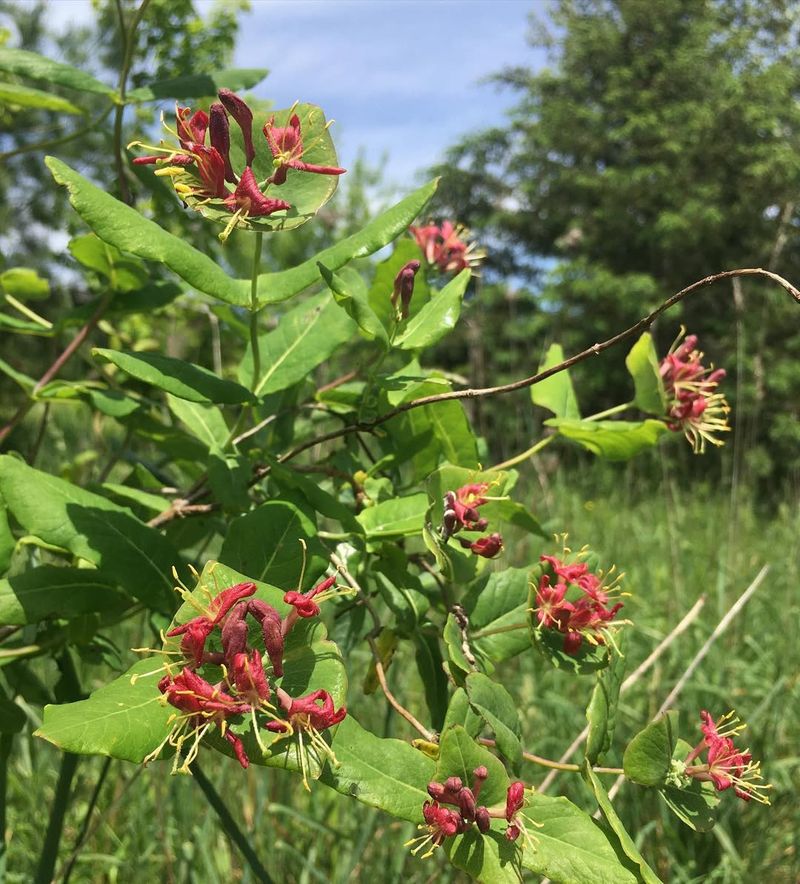
Deep crimson flowers create dramatic visual impact in Virginia landscapes, with color intensity that surpasses many other coral honeysuckle varieties.
The blooms emerge in dense clusters along the stems, creating ribbons of color from top to bottom. Hummingbirds seem particularly drawn to this selection, possibly responding to the darker pigmentation and abundant nectar production.
Strong growth produces stems that climb vigorously to 15 feet or more when conditions prove favorable. The vine establishes quickly and begins flowering during its first season after planting.
Dark green leaves provide excellent contrast against the crimson blooms, making the flowers appear even more vibrant.
Flowering starts in mid to late spring and continues through early fall, with peak bloom occurring during May and June across most of the state. Butterflies and native bees join hummingbirds at the flowers, creating a pollinator haven in the garden.
This cultivar tolerates both full sun and partial shade, adapting well to various garden situations Virginia gardeners encounter. Heat and humidity don’t slow down flower production once plants mature and develop deep root systems.
Drought tolerance improves significantly after the first full year in the ground.
The vine works beautifully when trained along split-rail fences or rustic cedar posts that complement its natural character.
6. ‘Leo’ Coral Honeysuckle
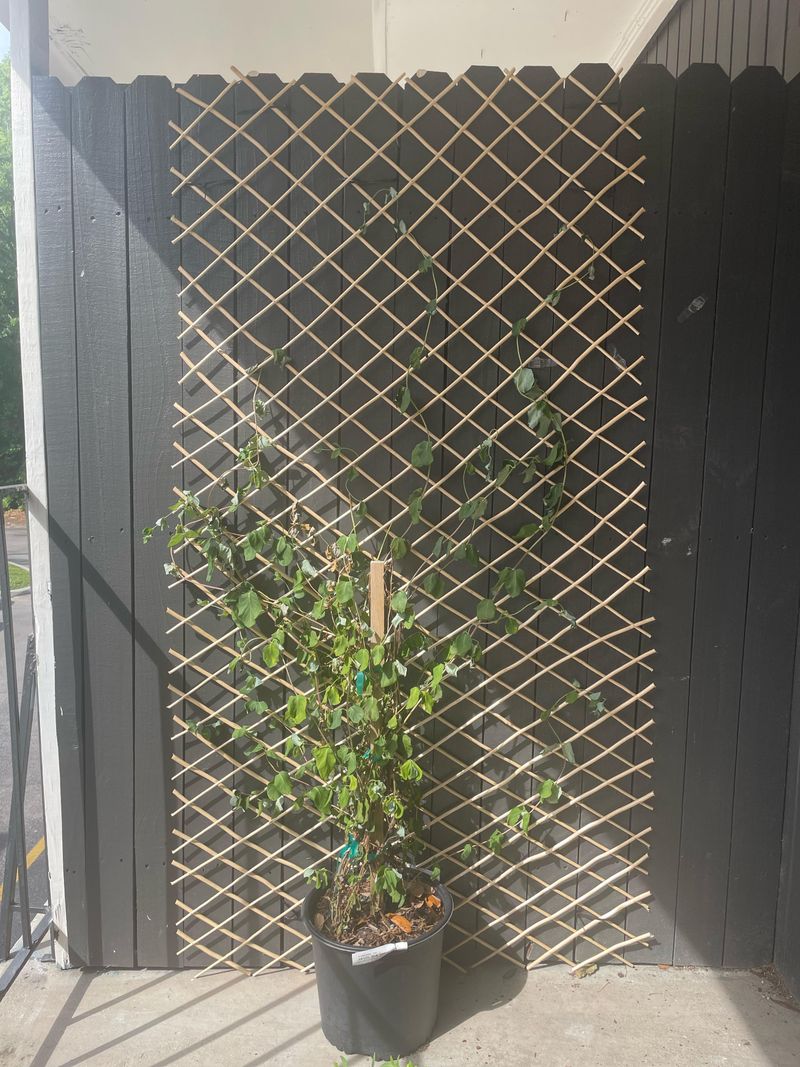
Brilliant orange-red flowers bring fiery color to Virginia gardens, creating eye-catching displays that stop visitors in their tracks.
The blooms appear in profusion during late spring and continue opening sporadically through summer and into fall.
Hummingbirds respond enthusiastically to this variety, often establishing feeding territories around mature plants.
Moderate growth habits produce vines that typically reach 10 to 12 feet at maturity, making this selection appropriate for smaller garden spaces. The compact size doesn’t compromise flower production, with blooms appearing abundantly along the entire length of the stems.
This cultivar shows excellent heat tolerance, continuing to bloom even during the hottest Virginia summers. Established plants develop good drought resistance, though consistent moisture produces the best flowering results.
The orange-red color seems especially attractive to swallowtail butterflies during summer months. Small berries develop after flowering, providing food for songbirds during late summer and fall.
Growing ‘Leo’ near windows or outdoor living spaces allows easy observation of pollinator activity and feeding behavior.
The vine works well in containers on decks or patios when provided with adequate support structures. Pruning needs remain minimal, with occasional shaping being sufficient to maintain an attractive appearance throughout the year in Virginia landscapes.
7. ‘Sulphurea’ Coral Honeysuckle
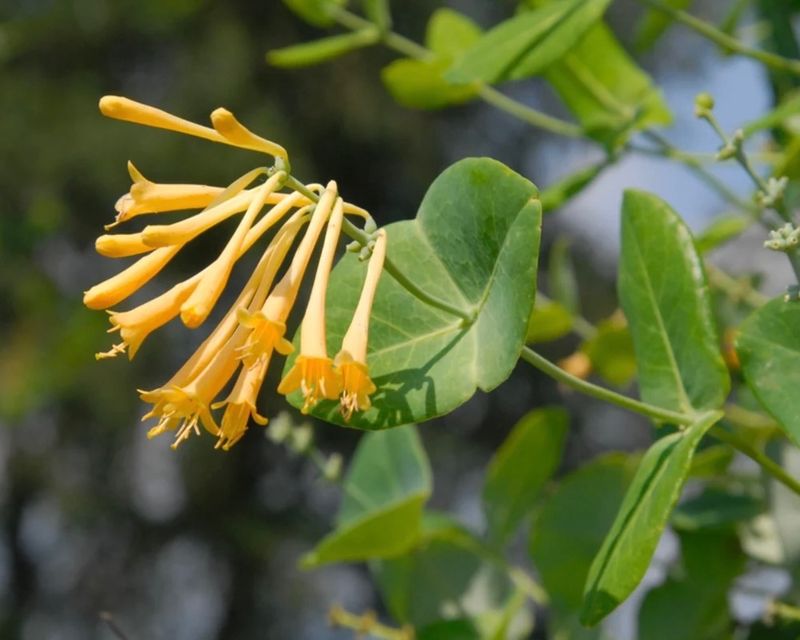
Pale yellow blooms offer a refreshing change from the typical red and orange honeysuckle flowers found in most Virginia gardens.
The soft color creates a cool, soothing effect that works beautifully in moon gardens or alongside white and pastel flowers. Hummingbirds visit these yellow flowers with the same enthusiasm they show for red varieties, demonstrating their flexibility in nectar source selection.
Vigorous growth produces stems that can extend 12 to 18 feet when given proper support and growing conditions.
The vine fills in quickly, providing good coverage for trellises, arbors, or pergolas within a couple of growing seasons. Light green foliage complements the pale yellow flowers perfectly, creating a harmonious color combination.
Flowering begins in late spring and continues intermittently through the summer months, with occasional bloom flushes occurring after periods of rain.
This selection tolerates partial shade better than many coral honeysuckle varieties, making it valuable for woodland edges or shaded garden areas.
Virginia gardeners find it particularly useful for brightening dim corners where other flowering vines might struggle.
Planting ‘Sulphurea’ where afternoon shade provides relief from intense summer sun produces excellent results across most of the state. The yellow flowers show up particularly well against dark backgrounds or when backlit by morning or evening sun.
Maintenance stays minimal, with the vine naturally maintaining good form without extensive pruning or training efforts.
8. ‘Pam’s Pink’ Coral Honeysuckle
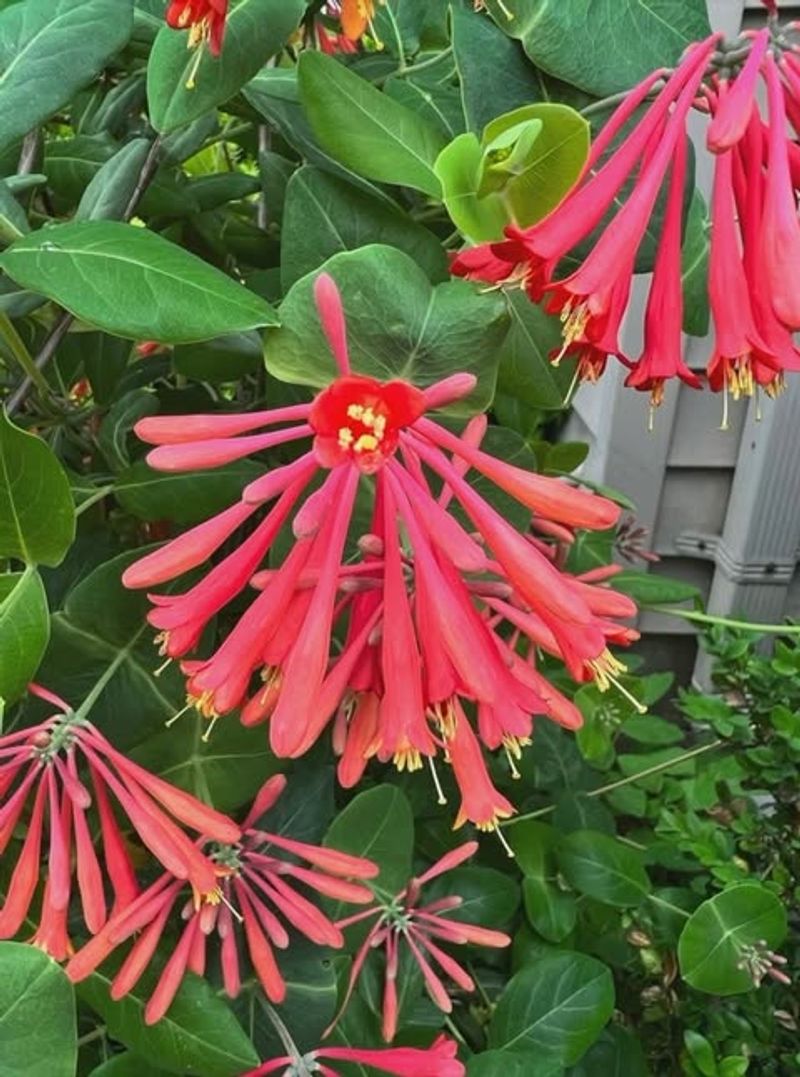
Delicate pink flowers bring sweetness and charm to Virginia landscapes, offering a gentler color option than bold red varieties. The blooms open in clusters along the stems, creating a soft, romantic appearance that works beautifully in cottage-style gardens.
Hummingbirds visit these pink flowers enthusiastically, often returning repeatedly throughout the day to feed.
Moderate growth produces vines that typically reach 10 to 15 feet at maturity, providing good coverage without becoming overwhelming.
The plant establishes quickly and often begins flowering during its first season after planting. Gray-green foliage provides an attractive backdrop that enhances the pink flower color.
Flowering starts in mid-spring and continues through early fall, with the heaviest bloom occurring during May and June across most of the state. Butterflies find the flowers attractive, adding to the pollinator diversity in the garden.
This cultivar performs well in both full sun and partial shade, adapting to various light conditions Virginia gardeners encounter. Heat tolerance proves excellent once plants become established and develop deep root systems.
The vine tolerates brief dry periods but performs best with consistent moisture during active growth.
9. ‘Magnifica’ Coral Honeysuckle
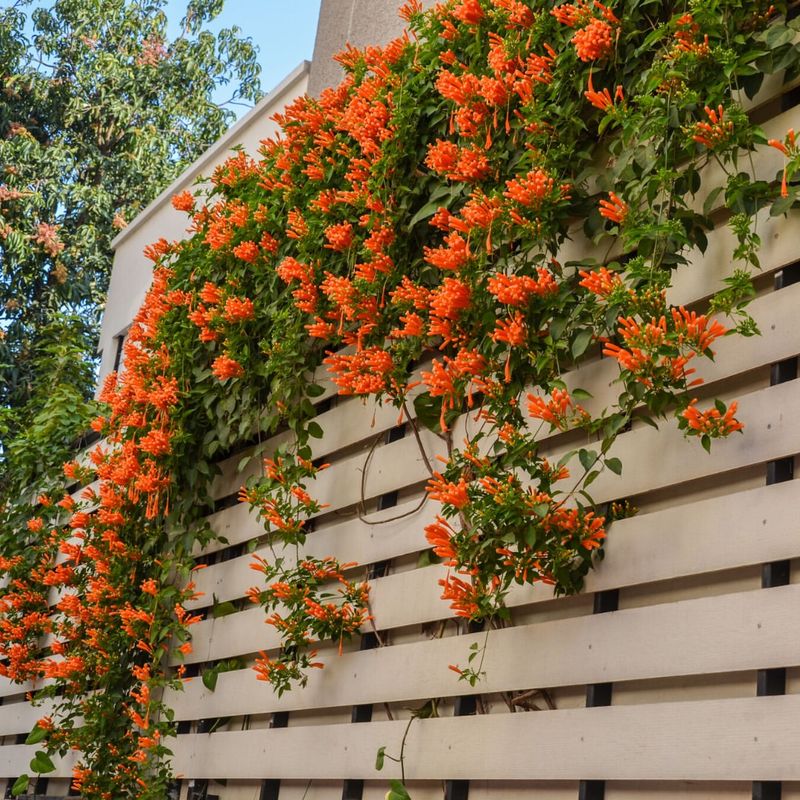
Extra-large red flowers make a bold statement in Virginia gardens, with blooms measuring up to three inches long.
The impressive flower size attracts attention from both gardeners and hummingbirds, creating a focal point wherever this vine grows.
Strong growth produces vigorous stems that can reach 15 to 20 feet when provided with adequate support structures.
The vine establishes quickly and fills in trellises or arbors within a couple of growing seasons. Dark green foliage creates striking contrast against the bright red flowers, making them appear even more dramatic.
Flowering begins in late spring and continues through summer, with sporadic blooms appearing into early fall across most of the state. Hummingbirds establish feeding territories around mature plants, defending them vigorously against competitors.
This selection tolerates full sun to partial shade, though flowering tends to be heaviest with at least six hours of direct sunlight daily.
Virginia’s summer heat doesn’t diminish bloom production once plants mature and develop extensive root systems. Drought tolerance improves significantly after the first full year in the ground.
Training the stems onto substantial structures like pergolas or large arbors showcases the impressive flowers to best advantage. The vine creates dramatic vertical accents in the landscape while providing valuable wildlife habitat.
10. ‘Alabama Crimson’ Coral Honeysuckle
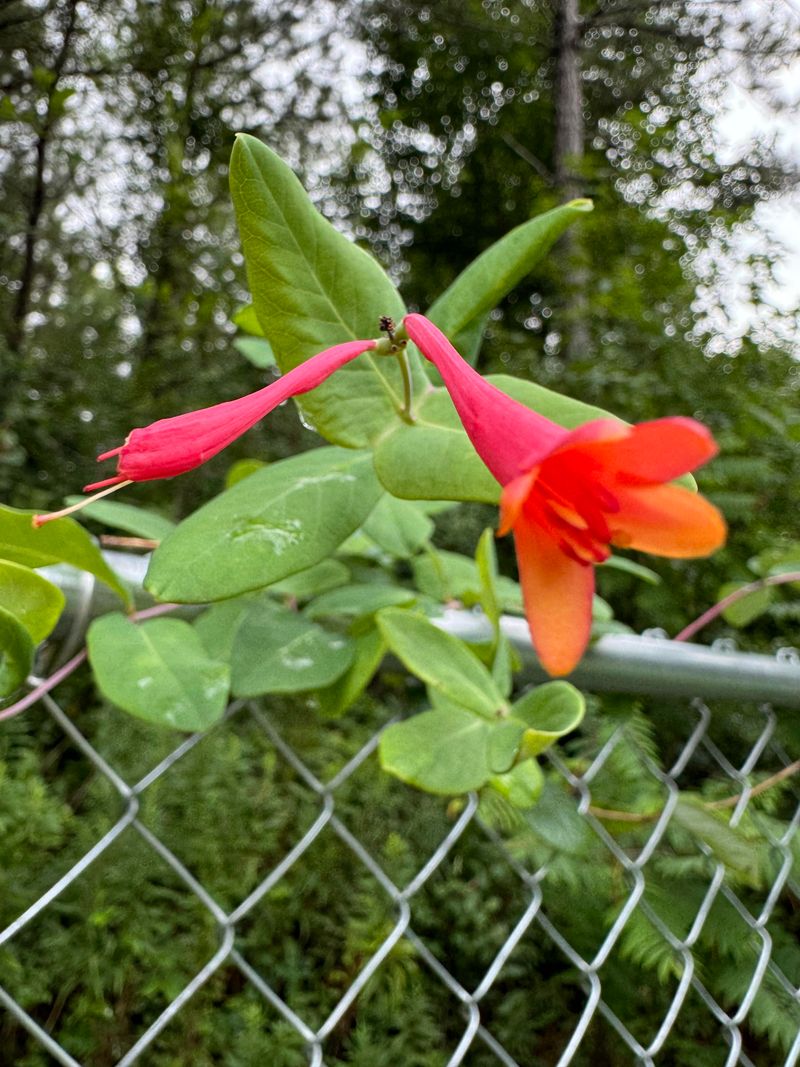
Intense crimson-red flowers create stunning visual impact throughout the growing season in Virginia landscapes.
The blooms appear in generous clusters that cover the vine during peak flowering periods in late spring and early summer.
Hummingbirds find these deep red flowers absolutely irresistible, visiting constantly from dawn until dusk.
Vigorous growth produces stems that climb readily to 15 feet or more when given proper support and growing conditions. The vine establishes quickly and begins flowering abundantly during its first full season after planting.
Blue-green foliage provides excellent contrast against the crimson blooms, enhancing their visual impact.
Flowering starts in mid-spring and continues through early fall, with consistent bloom production throughout the summer months.
Butterflies and native bees join hummingbirds at the flowers, creating a pollinator paradise in the garden.
This cultivar shows excellent tolerance for Virginia’s summer heat and humidity, continuing to bloom even during the hottest weather.
Established plants develop good drought resistance, though consistent moisture produces the heaviest flowering. The vine adapts to various soil types and pH levels without requiring special amendments.
Growing ‘Alabama Crimson’ on fences, arbors, or pergolas creates dramatic vertical elements in the landscape while supporting local wildlife populations. The intense flower color shows up beautifully from a distance, drawing attention across the garden.