Pennsylvania Gardeners Plant 7 Native Honeysuckles To Attract Birds And Pollinators
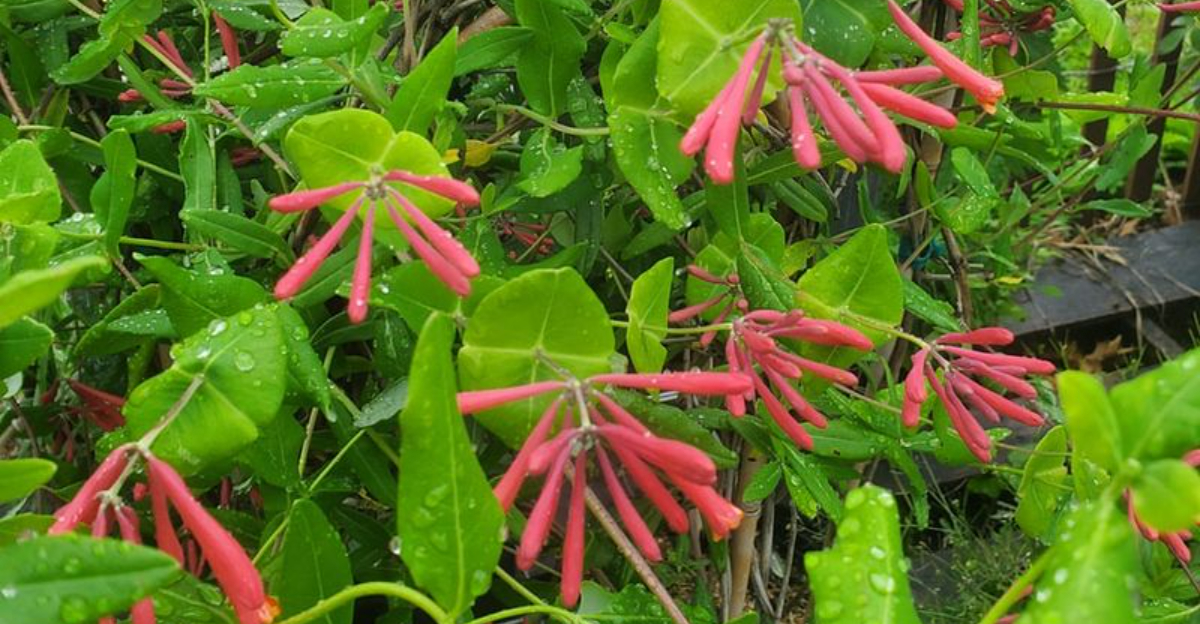
Native honeysuckles are a favorite among Pennsylvania gardeners for their vibrant flowers and ability to support local wildlife.
Planting these species attracts hummingbirds, bees, and butterflies while adding beauty and fragrance to gardens. Your yard can become a lively pollinator paradise with just a few smart plantings.
These seven native honeysuckles thrive in Pennsylvania conditions, providing nectar, shelter, and seasonal interest.
Gardeners choose varieties that are hardy, low-maintenance, and effective at drawing pollinators while complementing other plants in the landscape. With proper placement, watering, and care, these honeysuckles flourish year after year.
Bright flowers and buzzing activity make your garden come alive. Pennsylvania gardeners who plant native honeysuckles enjoy vibrant gardens, healthier pollinator populations, and more active birdwatching opportunities.
Add color, life, and sustainability to your garden with these native plants.
1. Trumpet Honeysuckle (Lonicera Sempervirens)
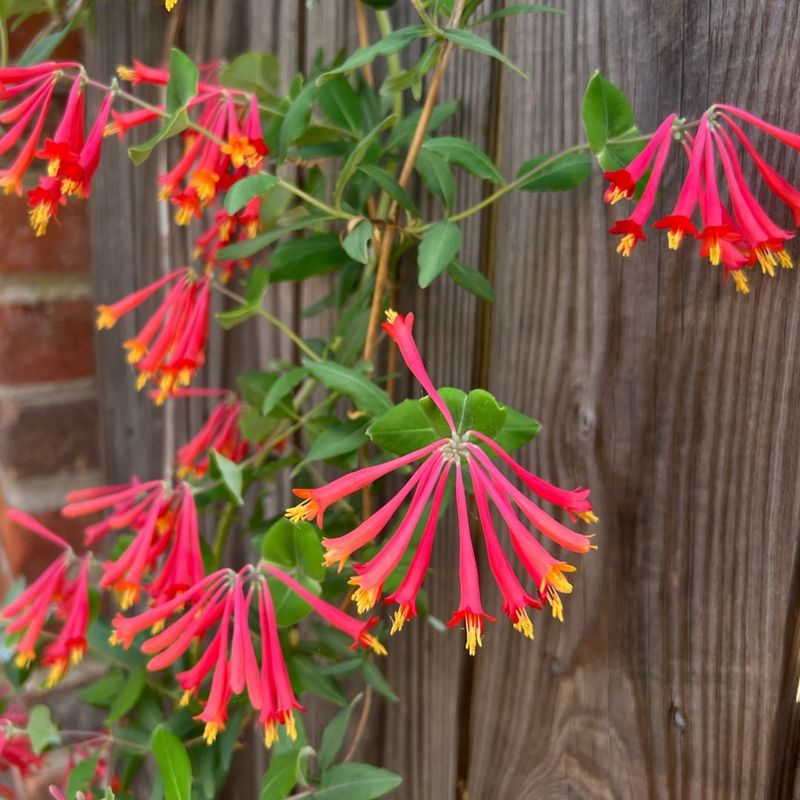
Hummingbirds can spot those brilliant red tubular flowers from remarkable distances, zooming straight toward trumpet honeysuckle like tiny feathered missiles on a nectar mission.
This vigorous vine climbs fences, arbors, and trellises with enthusiasm, producing clusters of scarlet blooms from late spring through summer that practically glow in the garden.
Each flower measures about two inches long, perfectly shaped to accommodate a hummingbird’s slender beak while keeping nectar safely tucked away from less-specialized visitors.
Pennsylvania gardeners appreciate how this native adapts to various light conditions, thriving in full sun to partial shade across the state.
The plant maintains semi-evergreen foliage in milder winters, providing year-round structure and visual interest even when temperatures drop.
Butterflies and sphinx moths also visit these nectar-rich blooms, creating a constant buzz of activity during peak flowering periods.
After the spectacular floral display fades, small red berries appear in late summer and fall, offering an important food source for songbirds preparing for migration or settling in for winter.
This honeysuckle grows well in average garden soil without excessive fertilization, making it an excellent choice for low-maintenance landscapes.
Established vines can reach fifteen feet or more, creating stunning vertical displays that transform ordinary garden structures into wildlife magnets that benefit Pennsylvania’s ecosystem throughout multiple seasons.
2. Fly Honeysuckle (Lonicera Canadensis)
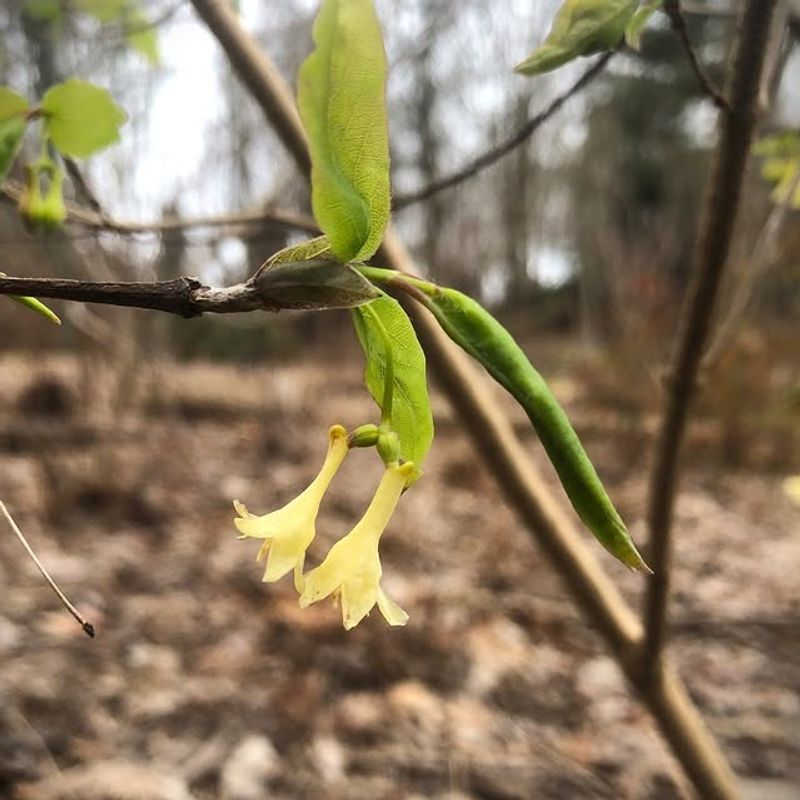
Early spring in Pennsylvania woodlands brings delicate surprises, and fly honeysuckle ranks among the most charming with its modest white to pale pink flowers appearing when pollinators desperately need nectar sources.
This deciduous shrub reaches about five feet tall, forming a rounded shape that fits beautifully into naturalized areas, shade gardens, and woodland edges where many flowering plants struggle.
The small tubular blooms may lack the showiness of their red-flowered cousins, but native bees recognize their value immediately, buzzing around the branches with focused determination.
Unlike climbing honeysuckles, this species grows as a multi-stemmed shrub with an upright but relaxed habit that complements Pennsylvania’s native understory beautifully.
The flowers emerge in April or early May, often before many trees fully leaf out, allowing maximum light to reach the blooms and making them visible to foraging insects.
Paired flowers dangle from slender stalks, creating a subtle elegance that appeals to gardeners who appreciate understated beauty over bold statements.
Your Pennsylvania Garden Changes Every Week. Your Plan Should Too.
Gardening in Pennsylvania changes quickly throughout the season. Every Friday you’ll receive a simple weekly plan showing exactly what to plant, prune, fertilize, harvest, and protect so you never miss the right timing.
By midsummer, translucent red berries replace the flowers, providing food for thrushes, warblers, and other woodland birds that frequent shaded habitats.
This honeysuckle tolerates significant shade, making it valuable for challenging areas where few flowering shrubs perform well.
Established plants require minimal care, naturally adapting to Pennsylvania’s clay-based soils and seasonal moisture fluctuations without constant intervention, embodying the resilience that makes native plants such practical landscape choices.
3. Swamp Fly Honeysuckle (Lonicera Oblongifolia)
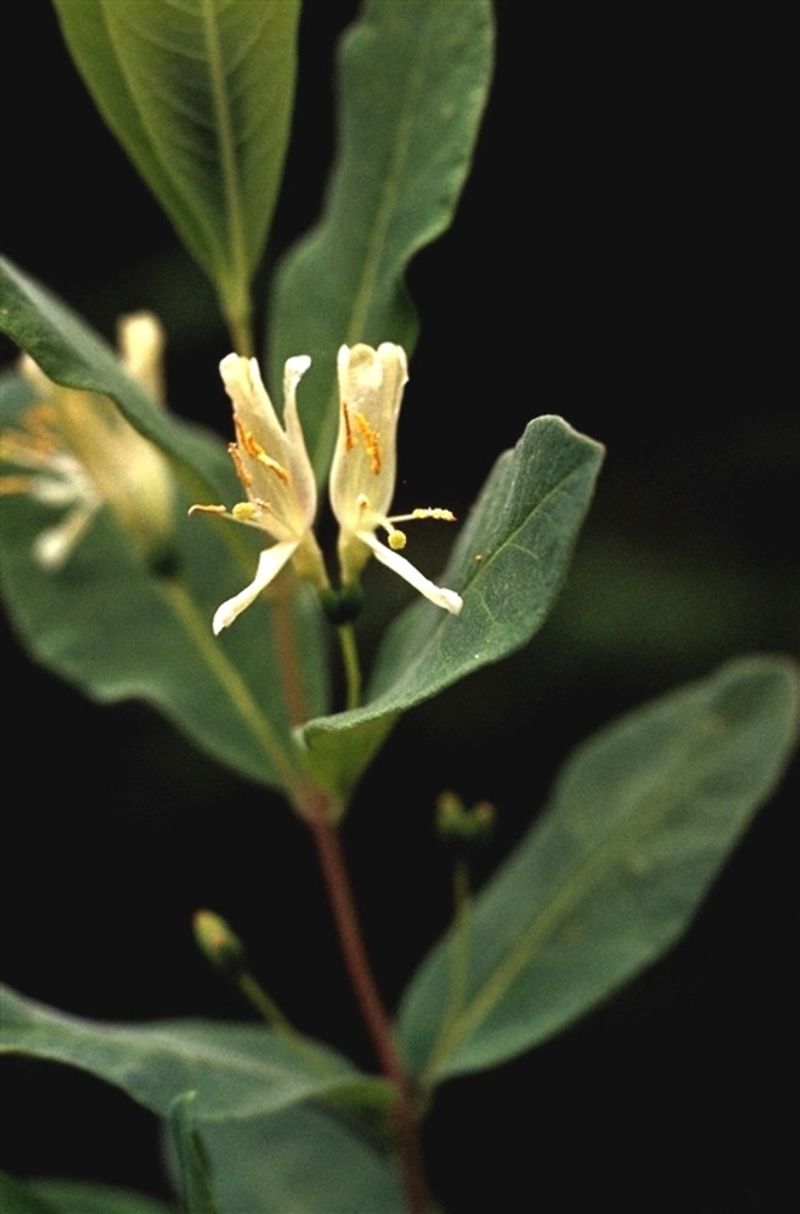
Wet areas in Pennsylvania landscapes often present challenging planting situations, but swamp fly honeysuckle thrives where other ornamentals would struggle, bringing blooms and wildlife value to soggy spots that typically remain bare.
This moisture-loving shrub naturally occurs in wetlands, stream banks, and low-lying areas throughout the northeastern states, making it perfectly adapted to handle Pennsylvania’s occasional heavy rains and poorly drained soils.
The plant grows three to five feet tall with an open, airy branching structure that allows light to penetrate and creates excellent cover for small songbirds seeking protected nesting sites.
Creamy yellow flowers appear in late spring, offering nectar to native bees, small butterflies, and other beneficial insects that patrol wetland edges.
The blooms emerge in pairs from the leaf axils, creating subtle beauty that harmonizes with the natural landscape rather than dominating it.
This honeysuckle’s preference for moist conditions makes it an excellent companion for native sedges, Joe-Pye weed, and cardinal flower in rain gardens or bioswales designed to manage stormwater runoff.
Orange-red berries develop by late summer, attracting catbirds, thrashers, and other fruit-eating species that appreciate the shrub’s dense branching as much as its food offerings.
The foliage turns attractive yellow tones in autumn before dropping, adding seasonal interest to wetland plantings.
Gardeners working to restore stream corridors or create habitat in wet areas will find this honeysuckle invaluable for stabilizing soil while supporting diverse wildlife populations throughout the growing season.
4. Hairy Honeysuckle (Lonicera Hirsuta)
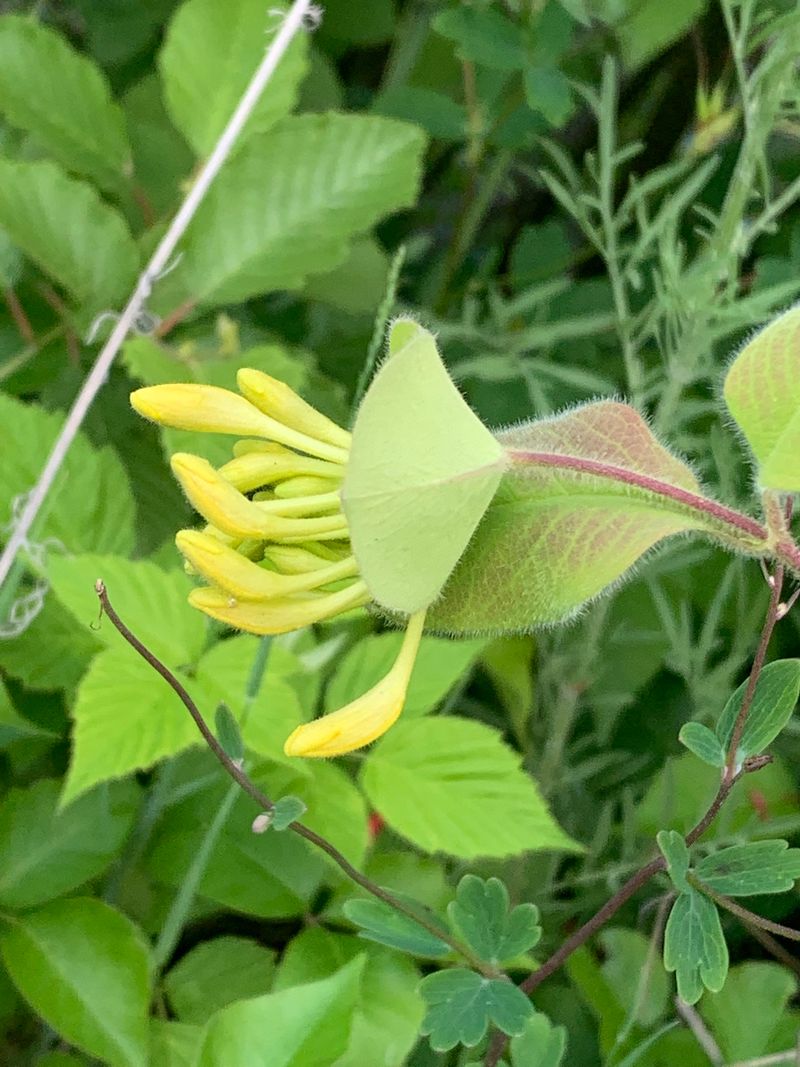
Woodland edges and dappled forest clearings provide the perfect home for hairy honeysuckle, a climbing native that winds gracefully through Pennsylvania’s deciduous forests with quiet elegance.
The common name comes from the fine hairs covering the stems and leaves, giving the plant a soft, slightly fuzzy texture that distinguishes it from smooth-stemmed relatives.
Fragrant yellow blooms tinged with orange emerge in late spring and early summer, releasing a sweet perfume that attracts sphinx moths, bumblebees, and other insects seeking evening and early morning nectar.
This vine climbs moderately, reaching ten to fifteen feet when given suitable support structures like small trees, rustic fences, or naturalistic trellises in partially shaded locations.
The flowers appear in terminal clusters, creating attractive focal points that brighten shaded areas where few other flowering vines perform well.
Pennsylvania gardeners working with woodland gardens appreciate how this species tolerates the root competition and lower light levels that exist beneath established tree canopies.
Red berries follow the flowers by late summer, providing nutrition for wood thrushes, vireos, and other forest-dwelling birds that rarely visit more open garden areas.
The vine’s moderate growth rate means it won’t overwhelm nearby plants or require constant pruning to keep it in bounds.
Hairy honeysuckle adapts well to Pennsylvania’s native soils, establishing readily in humus-rich woodland conditions without amendments or special care, making it ideal for gardeners seeking to enhance natural areas with minimal intervention while supporting forest-dependent wildlife.
5. Coral Honeysuckle (Lonicera Sempervirens ‘Major Wheeler’)
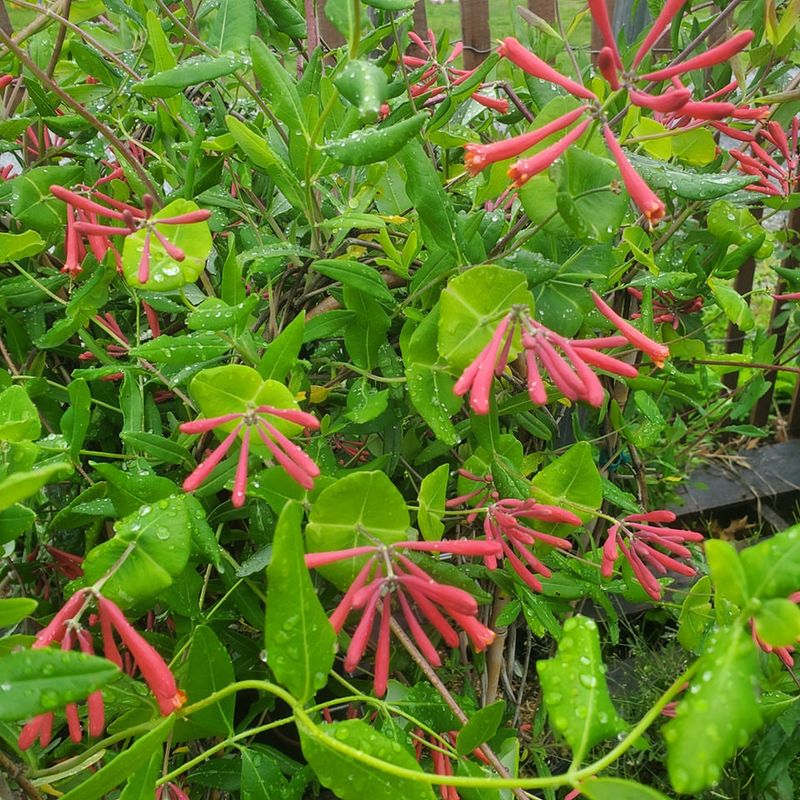
Among all the trumpet honeysuckle cultivars available, ‘Major Wheeler’ stands out as an absolute powerhouse performer that consistently earns praise from Pennsylvania gardening enthusiasts.
This selection produces an extraordinary abundance of coral-red blooms that appear earlier in the season and continue longer than the species, sometimes flowering from April straight through October in favorable conditions.
The vigorous growth habit means you’ll see substantial coverage within just a couple of growing seasons, transforming bare structures into lush wildlife habitats.
Pollinators respond to this cultivar with particular enthusiasm, with ruby-throated hummingbirds returning multiple times daily during peak bloom periods.
The flowers emerge in whorled clusters at the stem tips, creating dramatic visual impact that catches attention from across the garden.
Native bees and beneficial insects also appreciate the accessible nectar, contributing to a healthy garden ecosystem that naturally manages pest populations.
When autumn arrives, glossy red berries develop along the vines, providing critical nutrition for migratory songbirds refueling on their long journeys southward.
Cedar waxwings, robins, and hermit thrushes eagerly consume these fruits, often stripping vines clean within days of peak ripeness.
This cultivar maintains excellent resistance to powdery mildew and aphids, problems that plague many ornamental vines, making it a reliable choice for organic gardeners seeking beautiful results without chemical interventions.
6. Bush Honeysuckle (Lonicera Villosa)
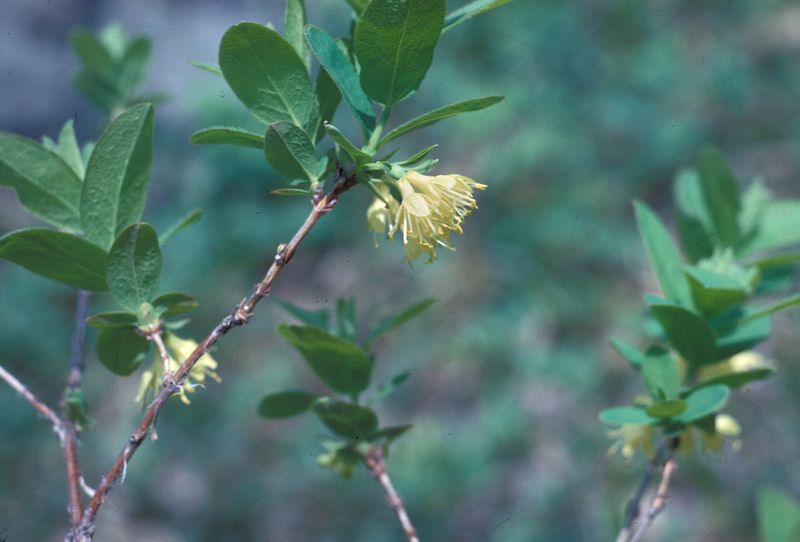
Northern Pennsylvania’s cooler regions and higher elevations provide ideal conditions for bush honeysuckle, a low-growing native shrub that often gets overlooked but deserves far more attention from wildlife gardeners.
This compact plant typically reaches just two to three feet tall, spreading slowly to form small colonies that work beautifully as groundcover in challenging sites with acidic soils and cool temperatures.
Small yellowish flowers appear in late spring, attracting native bees and small butterflies that appreciate the accessible nectar source during a critical time in their life cycles.
The real wildlife value emerges in late summer and fall when blue-black berries ripen along the branches, creating a feast for migratory songbirds preparing for their long journeys.
Thrushes, waxwings, and warblers eagerly consume these nutritious fruits, often visiting the same productive shrubs repeatedly until every berry disappears.
The berries’ late-season timing fills an important gap when many earlier-fruiting shrubs have already been stripped clean by hungry birds.
Pennsylvania gardeners working with acidic, rocky, or sandy soils often struggle to find attractive flowering shrubs that thrive without extensive soil amendments, making bush honeysuckle particularly valuable in these challenging situations.
The plant naturally occurs in bogs, rocky slopes, and open woodlands with lean soils, so it actually prefers conditions that would stress more conventional landscape shrubs.
Its low stature makes it suitable for rock gardens, alpine plantings, or foreground positions in mixed native shrub borders where taller plants would block sight lines.
7. Limber Honeysuckle (Lonicera Dioica)
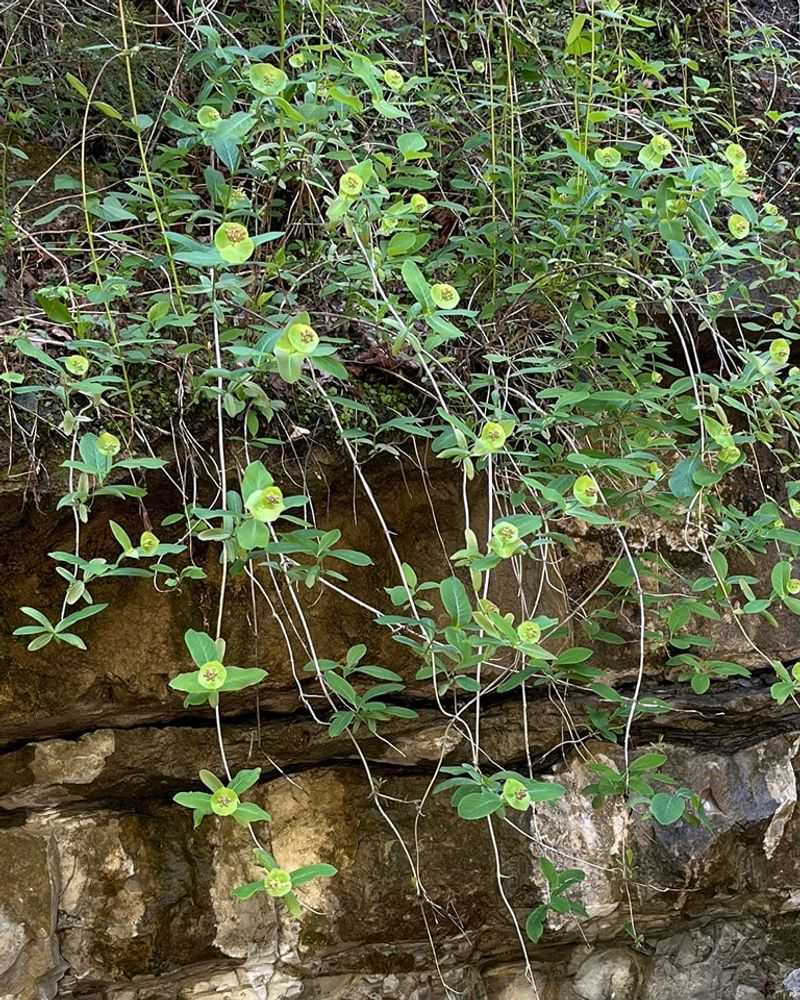
Vertical gardening takes on new ecological meaning when limber honeysuckle climbs through your Pennsylvania landscape, creating living columns of wildlife habitat from ground to canopy.
This twining vine reaches twelve to fifteen feet, wrapping around supports with flexible stems that give the plant its common name and allow it to navigate through shrubs and small trees without causing structural damage.
Unique tubular flowers emerge in late spring, displaying yellow petals that age to orange-red, creating a beautiful two-toned effect as blooms at different stages appear simultaneously on the same vine.
The flowers attract an impressive diversity of pollinators including hummingbirds, long-tongued bees, and various butterfly species that appreciate the generous nectar rewards.
Unlike some honeysuckles that bloom primarily at the stem tips, limber honeysuckle produces flowers along much of the vine’s length, creating extensive feeding opportunities for multiple visitors at once.
This characteristic makes it particularly valuable in smaller gardens where space limitations prevent planting multiple nectar sources.
Bright red berries develop by midsummer, offering food to catbirds, robins, and other fruit-eating species throughout the late summer and early fall months.
The vine’s moderate growth habit and relatively restrained spread make it manageable in cultivated gardens while still providing substantial wildlife value.
Pennsylvania gardeners can use limber honeysuckle to add vertical interest to mixed borders, soften harsh fence lines, or create natural privacy screens that serve double duty as productive wildlife habitat supporting birds and pollinators throughout the growing season.