These 9 Fruit Trees Thrive In Pots And Are Perfect For Small Massachusetts Gardens
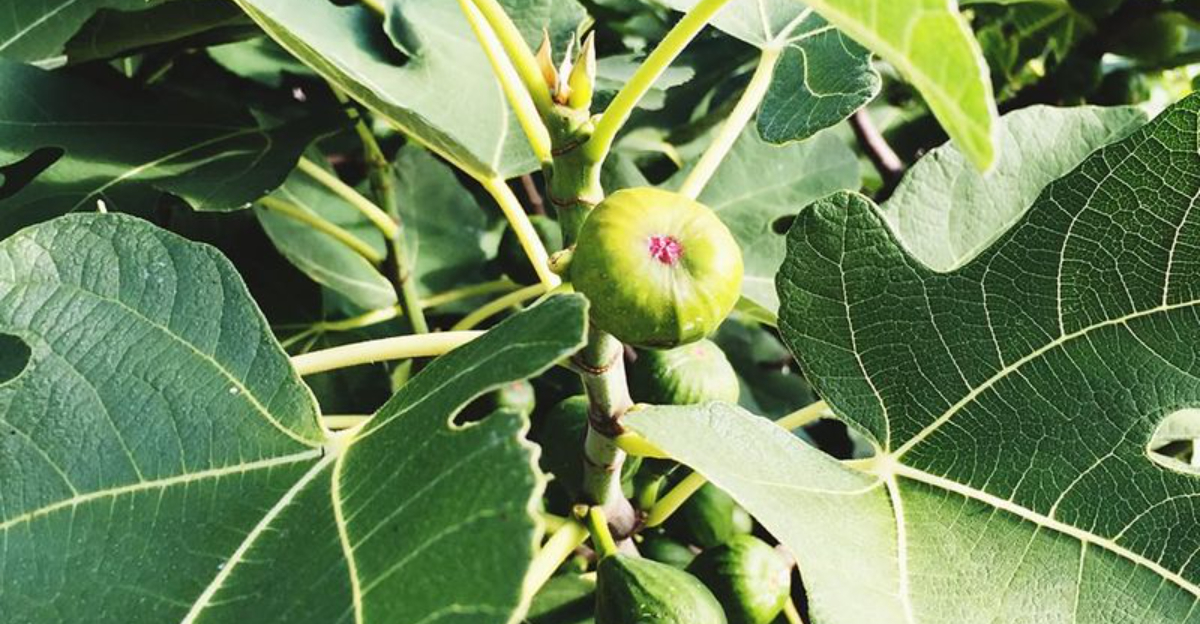
Small gardens in Massachusetts can still be productive with the right fruit trees. Potted fruit trees offer a solution for limited space, patios, or balconies while providing fresh, homegrown produce.
These trees are ideal for gardeners who want the rewards of fruit without the commitment of a full orchard. Your small space can deliver big harvests with the right trees.
These fruit trees thrive in containers and are well-suited to Massachusetts climates. With proper soil, drainage, sunlight, and regular care, they grow strong, produce abundant fruit, and can even be moved to protect them from harsh weather.
Pruning and fertilization ensure healthy growth and long-term productivity. Container gardening lets you enjoy fresh fruit even with limited space.
Massachusetts gardeners who plant these fruit trees in pots can enjoy the convenience of a small garden with big results. Grow fresh, delicious fruit in any size yard or patio.
1. Dwarf Honeycrisp Apple
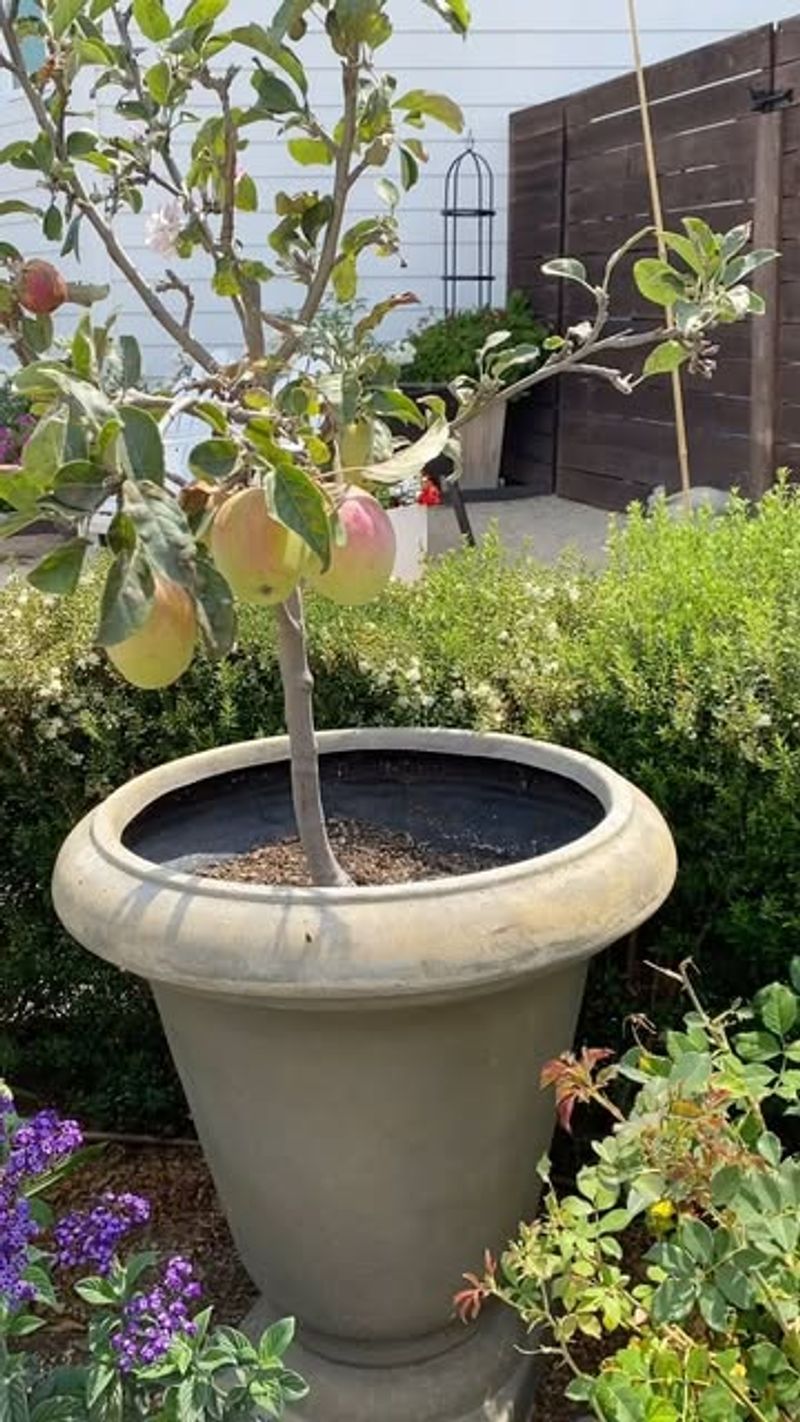
Imagine biting into a crisp, juicy apple you grew yourself on your very own patio. Dwarf Honeycrisp apple trees make this dream entirely achievable for Massachusetts gardeners working with limited space.
These compact versions of the beloved Honeycrisp variety have been specifically developed to thrive in large containers while maintaining the exceptional flavor and satisfying crunch that made the original so famous.
Massachusetts winters can be harsh, but Honeycrisp apples were bred in Minnesota with cold climates in mind, making them remarkably well-suited to New England’s temperature swings.
When grown in a pot that’s at least 20 gallons, these trees develop strong root systems that support healthy growth and impressive fruit production.
The key is choosing a quality potting mix that drains well while retaining enough moisture to keep roots happy during summer heat.
Your dwarf Honeycrisp will reward you with gorgeous white-pink blossoms each spring, followed by developing fruit that ripens in early fall.
Plan to position your container where the tree receives at least six hours of direct sunlight daily for optimal fruit development.
With proper winter protection—either moving the pot to a sheltered location or wrapping it with insulation—your tree will return year after year, producing those signature red-striped apples with their perfect balance of sweetness and tartness that makes Honeycrisp a Massachusetts favorite.
2. Dwarf Fuji Apple
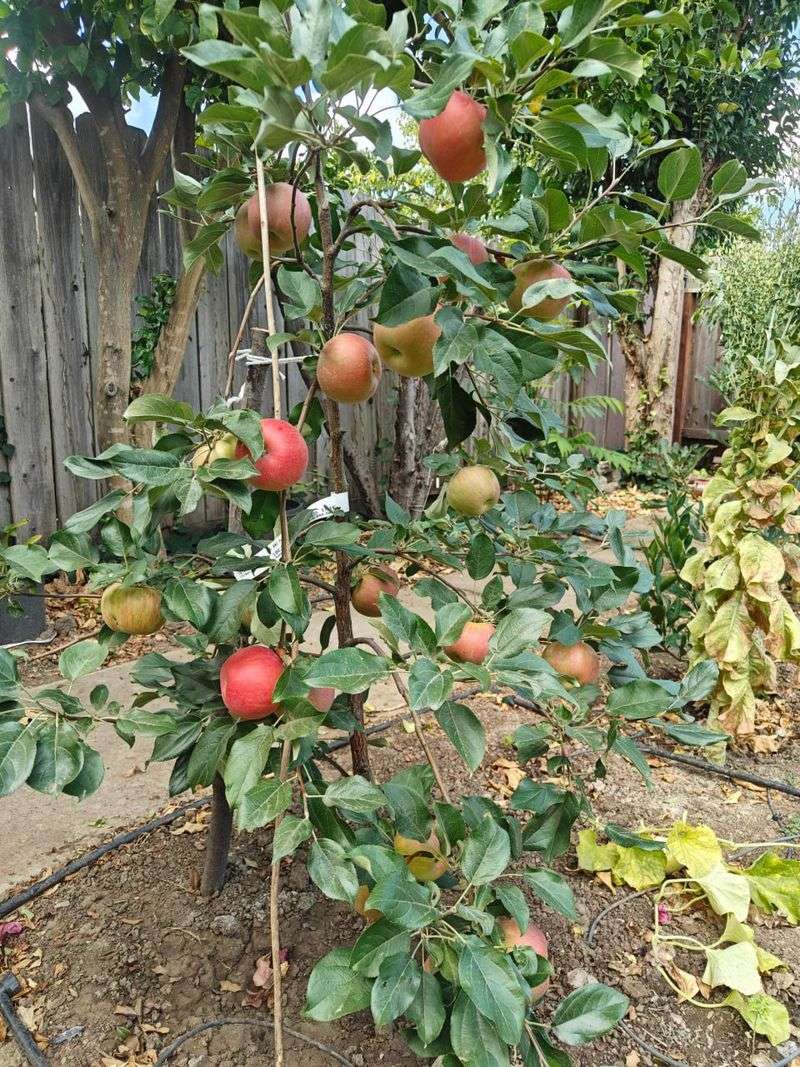
Fuji apples have captured hearts worldwide with their exceptionally sweet flavor and long storage life, and now you can grow them right on your balcony or small patio.
Dwarf Fuji apple trees represent one of the most space-efficient ways to enjoy homegrown fruit, typically reaching only five to eight feet tall when mature.
Their naturally compact growth habit makes them phenomenal candidates for container cultivation, requiring far less pruning and maintenance than many other fruit tree varieties.
The sweetness of Fuji apples develops beautifully even in Massachusetts’ shorter growing season, though these trees do appreciate warmth and sunshine.
Position your potted Fuji in the sunniest spot available, preferably against a south-facing wall that radiates extra heat during cooler months.
Container growing actually offers an advantage here—you can move your tree to capture optimal sun exposure as seasons change or even bring it into a protected area during particularly brutal winter storms.
Your Massachusetts Garden Changes Every Week. Your Plan Should Too.
Gardening in Massachusetts changes quickly throughout the season. Every Friday you’ll receive a simple weekly plan showing exactly what to plant, prune, fertilize, harvest, and protect so you never miss the right timing.
Fuji trees typically begin bearing fruit within two to three years of planting, producing gorgeous pink-white blooms in spring that eventually transform into large, round apples with distinctive yellow-green skin blushed with red.
These apples store exceptionally well when kept cool, meaning you can enjoy your harvest well into winter.
Choose a container at least eighteen inches deep and wide, and remember that consistent watering becomes especially important during fruiting season to prevent stress that could cause premature fruit drop.
3. Dwarf Bartlett Pear
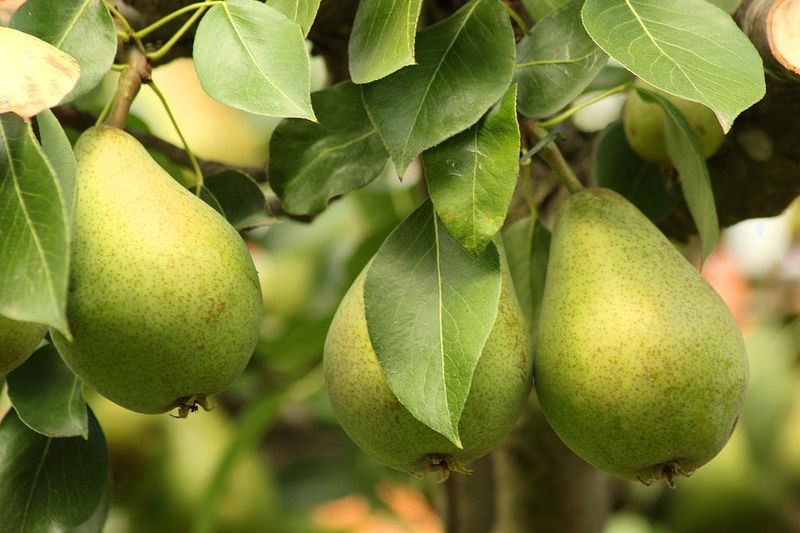
Few fruits signal summer quite like a perfectly ripe Bartlett pear with its buttery texture and aromatic sweetness.
Growing these classic pears in containers brings that experience directly to small Massachusetts gardens without requiring traditional orchard space.
Dwarf Bartlett varieties maintain the excellent flavor characteristics of standard trees while staying manageable in size, typically topping out around eight to ten feet with regular pruning.
Massachusetts summers provide ideal conditions for Bartlett pears to develop their signature flavor, with warm days and cool nights creating perfect sugar development.
When growing in pots, proper support becomes essential as the tree matures and begins producing fruit.
Installing a sturdy stake or small trellis system helps prevent branches from breaking under the weight of developing pears, which can grow surprisingly heavy as they ripen throughout late summer.
Container-grown Bartlett pears benefit tremendously from consistent moisture levels, as fluctuating water availability can lead to fruit cracking or poor texture development.
Using a high-quality potting mix amended with compost provides both good drainage and water retention. Plan to feed your tree with balanced fertilizer in early spring and again after flowering to support healthy growth and fruit production.
Bartlett pears ripen beautifully off the tree, so harvest them when still firm and allow them to soften at room temperature for that perfect, juice-dripping texture.
Position your container where it receives full sun exposure, and remember that even dwarf varieties appreciate winter protection in Massachusetts’ coldest zones.
4. Dwarf Bosc Pear
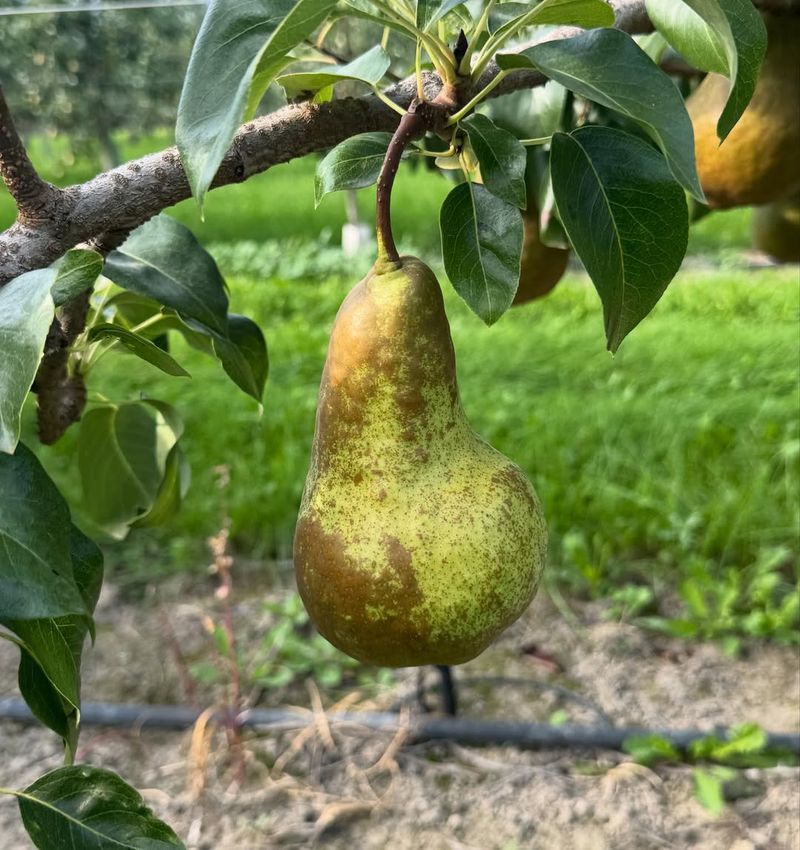
Bosc pears stand out immediately with their distinctive elongated shape and russeted bronze skin that looks almost rustic and elegant simultaneously.
These aromatic beauties adapt wonderfully to container life, making them an excellent choice for Massachusetts gardeners who want something slightly different from the typical apple-dominated landscape.
Dwarf Bosc varieties maintain the complex, slightly spicy flavor profile that makes this pear variety so prized for both fresh eating and cooking applications.
Container cultivation suits Bosc pears particularly well because their naturally upright growth pattern requires less horizontal space than spreading varieties.
They develop into attractive, vase-shaped trees that look ornamental even when not bearing fruit.
Massachusetts’ climate provides sufficient chill hours to satisfy Bosc pear dormancy requirements, ensuring reliable flowering each spring followed by steady fruit development through summer months.
One remarkable characteristic of Bosc pears is their consistent production once established, typically beginning to bear fruit within three years of planting.
The pears themselves store exceptionally well, often improving in flavor after several weeks in cool storage.
When growing in containers, choose a pot at least twenty gallons in capacity with excellent drainage holes. Bosc pears appreciate slightly acidic soil, so consider incorporating peat moss or sulfur into your potting mix.
These trees handle Massachusetts winters admirably but benefit from mulching the container surface and positioning the pot against a protected wall during the coldest months to prevent root zone freezing.
5. Dwarf Meyer Lemon
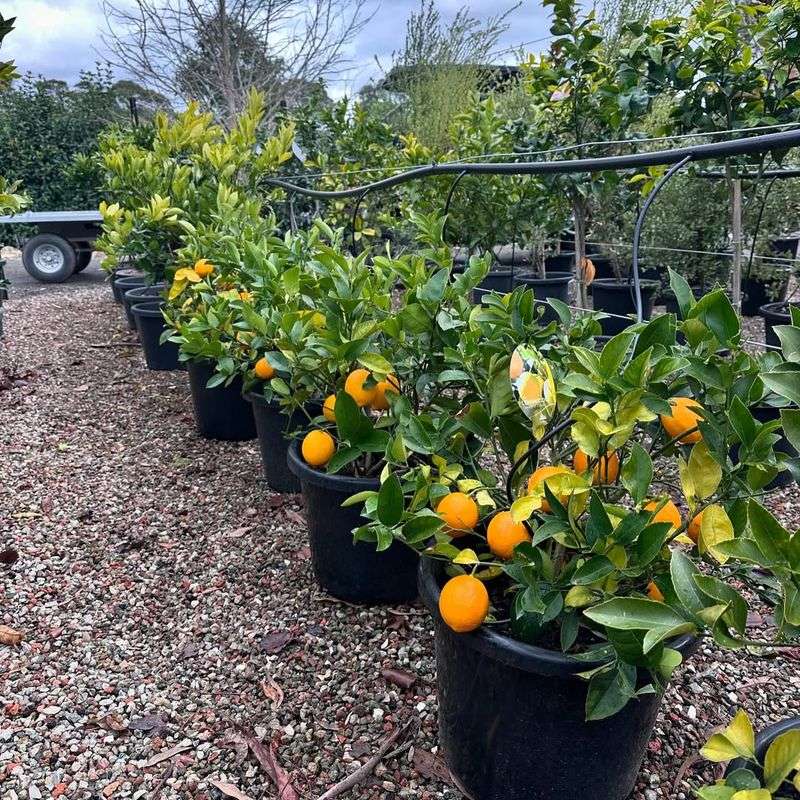
Bringing a taste of sunshine to Massachusetts might seem impossible, but Meyer lemon trees make it surprisingly achievable.
These remarkable citrus trees have gained immense popularity among northern gardeners precisely because they adapt beautifully to container culture and tolerate indoor conditions far better than most citrus varieties.
Meyer lemons produce fruit that’s sweeter and less acidic than standard lemons, with a distinctive floral aroma that fills your home when the tree blooms.
The secret to success with Meyer lemons in Massachusetts lies in understanding their dual-season lifestyle.
During warm months from late spring through early fall, your potted Meyer lemon thrives outdoors on a sunny patio or balcony, soaking up summer heat and producing fragrant white blossoms.
When temperatures begin dropping toward freezing in autumn, simply wheel your container indoors to a bright, sunny window where the tree continues growing through winter months.
Indoor overwintering requires attention to a few key factors for optimal health and continued fruit production.
Meyer lemons need at least six hours of bright light daily, so south-facing windows work best, possibly supplemented with grow lights during Massachusetts’ shorter winter days.
Maintain moderate indoor temperatures between sixty and seventy degrees, and reduce watering frequency while the tree is inside since growth slows considerably.
Humidity becomes important too—occasional misting or placing the container on a pebble tray helps prevent leaf drop.
Your patience will be rewarded with bright yellow fruit that can take six to nine months to fully ripen, filling your kitchen with fresh citrus even during snowy February days.
6. Dwarf Fig (Brown Turkey)
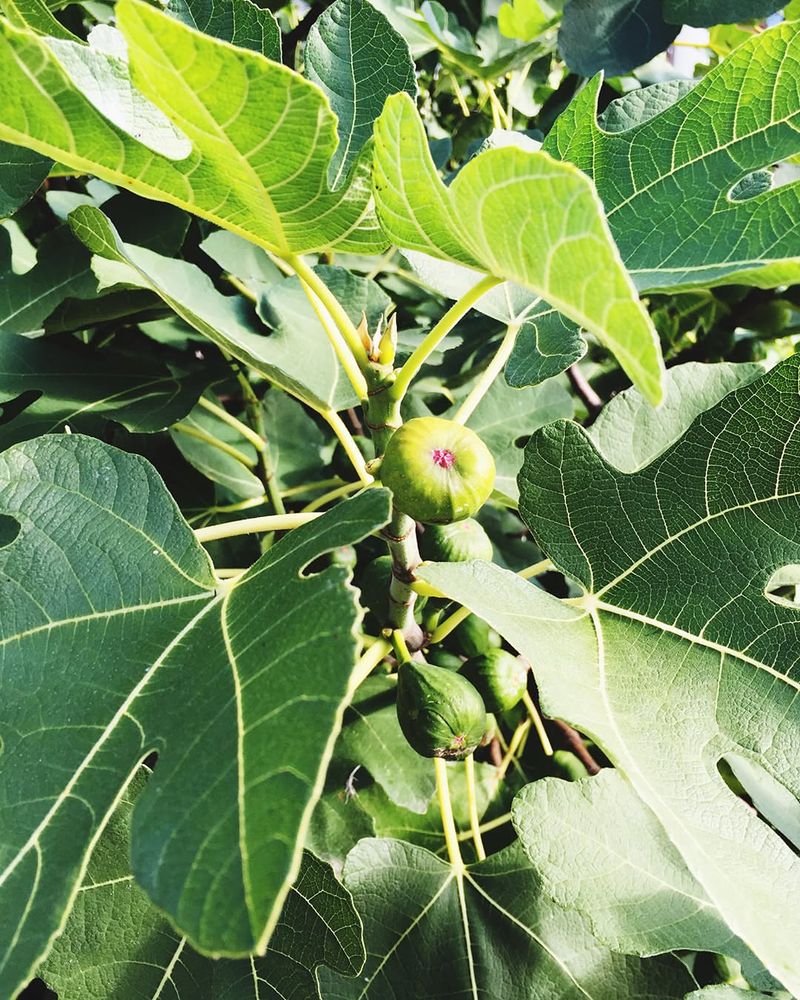
Brown Turkey figs offer something truly special for container gardeners—the ability to grow Mediterranean fruit in New England’s challenging climate.
These adaptable trees produce sweet, purple-brown figs with jammy interiors that taste like concentrated sunshine.
Dwarf varieties remain perfectly manageable in pots, typically growing four to six feet tall while still producing impressive crops of fruit throughout summer and into early fall.
Figs actually prefer the root restriction that containers provide, which encourages earlier and more prolific fruiting compared to ground-planted specimens.
Brown Turkey specifically has earned its reputation as one of the most cold-hardy fig varieties available, capable of surviving brief temperature dips that would damage other types.
Massachusetts gardeners can successfully grow these trees by providing summer sun exposure and winter protection.
Your potted fig will develop large, distinctive lobed leaves that create a lush, tropical appearance on patios and decks.
The trees produce two potential crops annually—an early summer breba crop on previous year’s wood and a main crop in late summer on new growth.
Container cultivation makes winter protection straightforward; simply move your fig into an unheated garage or basement before hard freezes arrive.
The tree will drop its leaves and enter dormancy, requiring minimal water and no light during this rest period.
Come spring, gradually reintroduce your fig to outdoor conditions, and it will quickly leaf out and begin developing fruit.
With proper care, Brown Turkey figs in containers can live and produce for many years, becoming more productive as they mature.
7. Dwarf Peach (Bonanza Or Elberta)
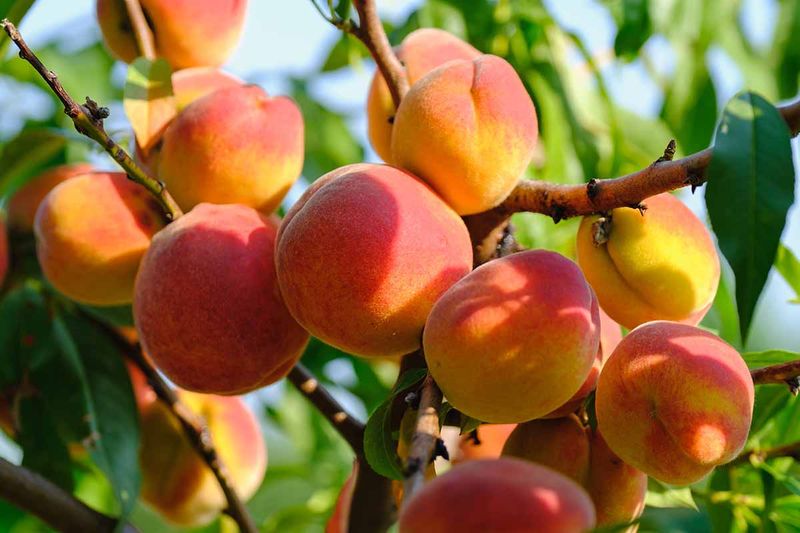
Nothing captures summer quite like sinking your teeth into a perfectly ripe, juice-dripping peach you grew yourself.
Dwarf peach varieties like Bonanza and Elberta bring this experience within reach for Massachusetts gardeners working with containers and limited space.
These compact trees burst into spectacular pink bloom remarkably early each spring, creating a stunning display that signals winter’s end before transforming those flowers into developing fruit.
Bonanza peaches have been specifically bred for container growing, staying naturally small at just four to six feet tall while producing full-sized, freestone fruit with classic peach flavor.
Elberta, a time-tested variety dating back over a century, offers a dwarf version that maintains the large, golden-yellow fruit and exceptional sweetness that made the original famous.
Both varieties require full sun exposure to develop proper fruit sweetness—position your container where it receives at least eight hours of direct sunlight during the growing season.
Peaches grown in pots need consistent moisture throughout their fruiting period, as water stress directly impacts fruit size and quality.
However, good drainage remains equally important since waterlogged roots quickly lead to problems. Use a well-draining potting mix and ensure your container has adequate drainage holes.
Massachusetts peach growers should thin developing fruit to about six inches apart once they reach marble size, which seems counterintuitive but actually results in larger, sweeter peaches at harvest.
Winter protection becomes essential—move containers to sheltered locations and consider wrapping pots with insulation to prevent root damage during the coldest months.
8. Dwarf Plum (Santa Rosa Or Methley)
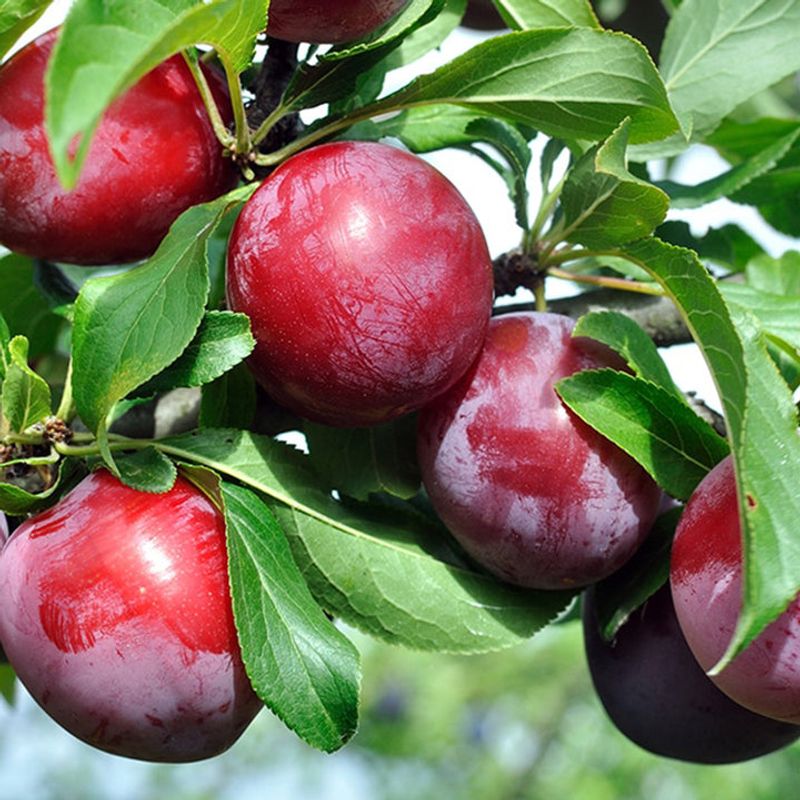
Plums might not receive the same attention as apples or peaches, but these underappreciated fruits deserve serious consideration for container gardens throughout Massachusetts.
Dwarf varieties like Santa Rosa and Methley combine cold tolerance with excellent fruit production, making them remarkably well-suited to New England growing conditions.
Santa Rosa produces large, purple-red plums with amber flesh that balances sweetness and tartness beautifully, while Methley offers smaller, exceptionally sweet fruit that ripens early in the season.
Both varieties demonstrate impressive cold hardiness, surviving Massachusetts winters reliably when provided with basic protection.
Container-grown plums actually benefit from the ability to position them strategically—placing pots near south-facing walls provides extra warmth that encourages earlier blooming and fruit ripening.
These trees develop into attractive, rounded shapes that look ornamental even when not fruiting, with glossy green leaves and interesting bark texture.
Plums typically begin bearing fruit relatively quickly, often producing small crops within two years of planting and reaching full production by year four.
The early summer harvest timing means you’ll enjoy fresh plums before most other fruits ripen, extending your homegrown harvest season.
When growing in containers, select pots at least eighteen to twenty inches in diameter to accommodate the root system adequately. Plums appreciate consistent moisture but tolerate brief dry periods better than peaches or cherries.
Fertilize in early spring with balanced organic fertilizer, and consider supplemental feeding after fruit set to support development.
Winter care involves moving containers to protected locations and possibly wrapping them with burlap or insulation during the coldest periods to prevent root zone freezing.
9. Dwarf Cherry (Stella Or Compact Stella)
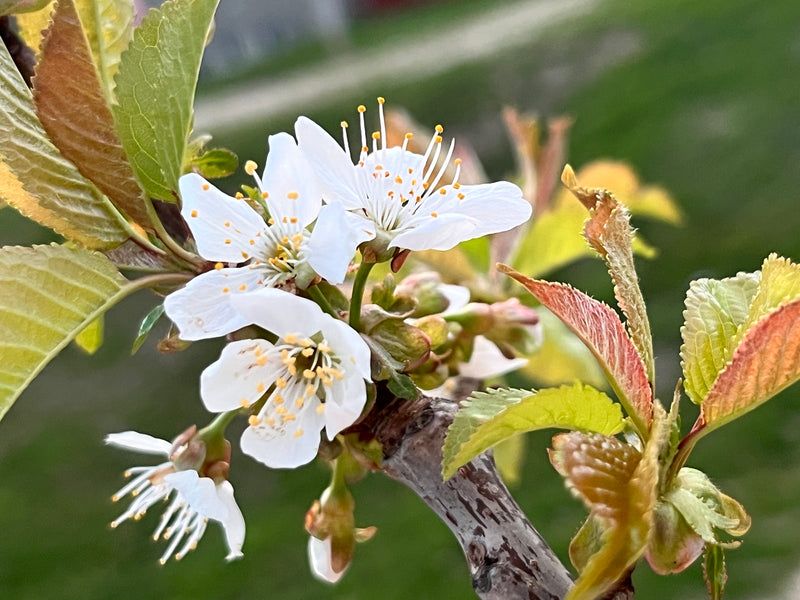
Cherry trees evoke images of sprawling orchards and towering branches, but dwarf varieties like Stella and Compact Stella rewrite that narrative entirely.
These self-pollinating beauties produce abundant, dark red cherries while remaining perfectly sized for container cultivation in small Massachusetts gardens.
The self-pollinating characteristic proves especially valuable for urban gardeners who might not have space for multiple trees, as a single Stella cherry can produce impressive crops without requiring a pollination partner nearby.
Spring brings an absolutely breathtaking display when your potted cherry tree erupts into clouds of delicate white blossoms that attract beneficial pollinators to your garden space.
Massachusetts springs provide ideal conditions for cherry flowering, with cool temperatures extending the bloom period and increasing the likelihood of successful fruit set.
As summer progresses, you’ll watch small green cherries gradually swell and darken into glossy, deep red fruit that’s ready for harvesting in early to midsummer.
Stella cherries offer sweet flavor with just enough tartness to keep them interesting, perfect for fresh eating right off the tree or incorporating into pies and preserves.
Container growing requires attention to watering since cherries are particularly sensitive to moisture fluctuations—inconsistent watering can cause fruit splitting just before harvest.
Choose a large container of at least twenty gallons to provide adequate root space, and use a rich, well-draining potting mix. Position your cherry where it receives full sun throughout the day for optimal fruit sweetness and production.
Winter protection matters significantly in Massachusetts; move containers to sheltered locations and consider wrapping the pot to insulate roots during the coldest months, ensuring your tree returns healthy and ready to bloom each spring.