Virginia Gardeners Can Grow Gorgeous Irises And Here Is How They Do It
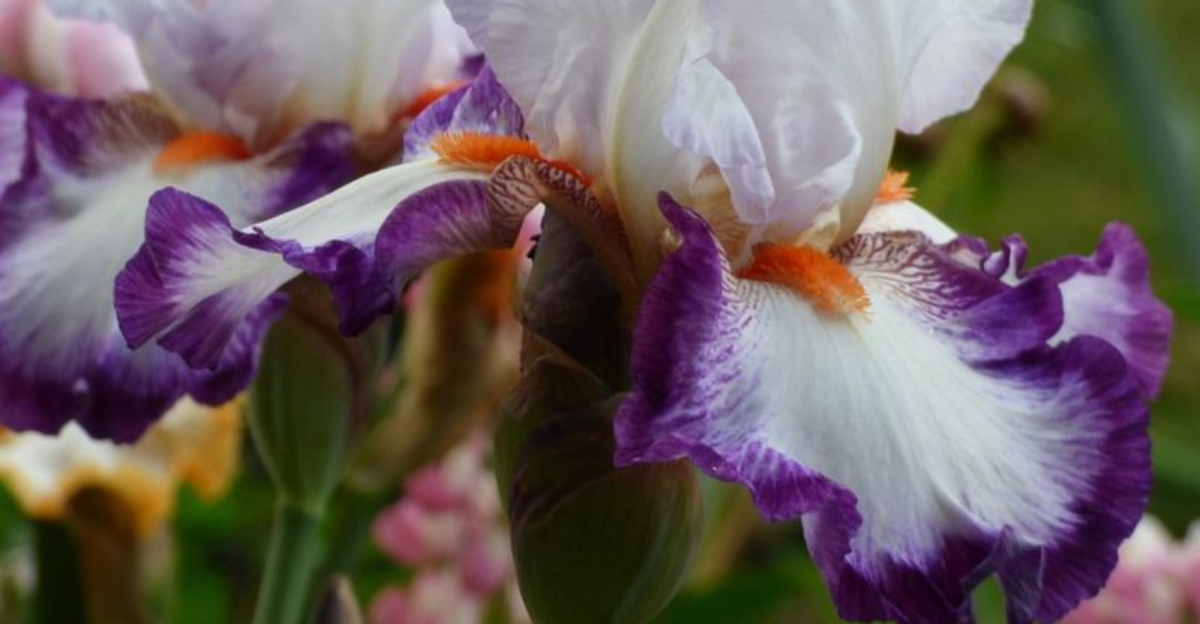
Irises are a show-stopping addition to any Virginia garden, offering vibrant colors, elegant blooms, and year-after-year beauty.
But growing them successfully requires more than just planting rhizomes, they need the right care, placement, and maintenance to thrive. Your garden can burst with colorful irises when you follow the right steps.
Experienced Virginia gardeners focus on selecting the right varieties, ensuring proper soil drainage, giving plants full sun, and spacing rhizomes correctly.
Regular watering, fertilization, and timely division help irises grow healthy, robust, and bloom abundantly.
With careful attention, these perennial favorites become a reliable, long-lasting feature in any landscape. Healthy soil, proper placement, and consistent care make all the difference.
Virginia gardeners who follow these tips enjoy gorgeous iris blooms year after year, adding elegance and charm to their gardens. Grow stunning irises that make your garden a showpiece.
Plant In Full Sun For Best Blooms
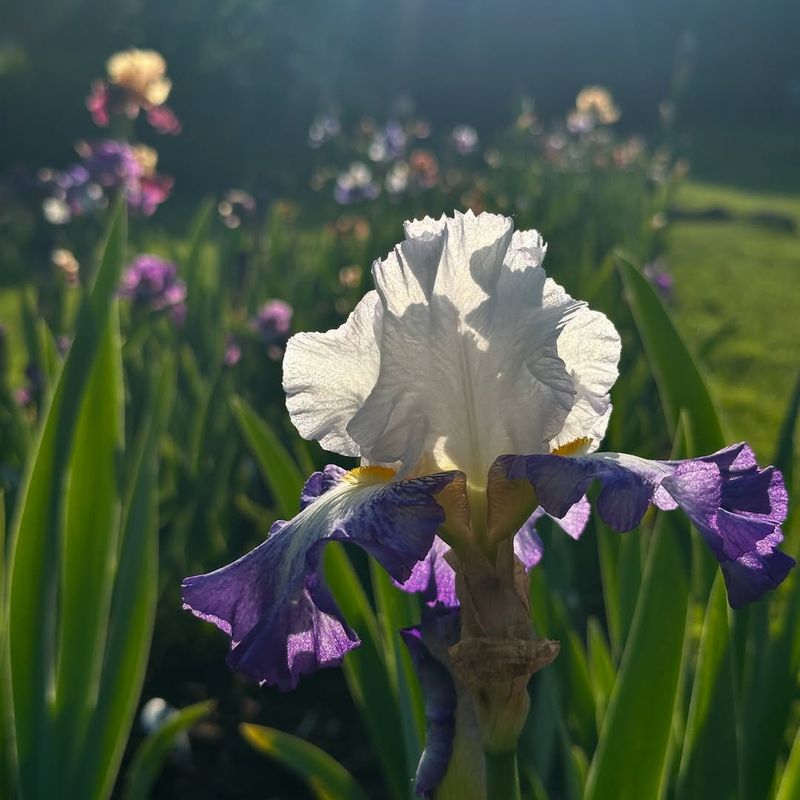
Sunlight acts as the primary fuel that powers iris blooms, and Virginia gardeners who want spectacular flowers know that location matters tremendously.
Irises require at least six to eight hours of direct, unfiltered sunlight each day to develop strong stems and produce those vibrant, eye-catching petals that make them garden favorites.
When planted in shadier spots, these perennials tend to produce more leaves than flowers, leaving gardeners disappointed when bloom time arrives.
Virginia’s climate provides excellent growing conditions, but positioning your iris bed where morning and afternoon sun can reach the plants ensures they receive adequate energy for photosynthesis.
Southern or western exposures typically work best, though eastern locations can succeed if they remain sunny throughout most of the day.
Avoid planting near large trees, buildings, or structures that cast prolonged shadows across your garden beds.
Strong sunlight also helps keep foliage dry, which reduces the likelihood of fungal issues that can plague irises in humid conditions.
The heat from direct sun warms the soil around rhizomes, encouraging robust root development and preparing plants for their spectacular spring display.
Gardeners who prioritize sunny locations consistently report larger flowers, more intense colors, and healthier plants that return reliably year after year with minimal intervention.
Use Well-Draining Soil
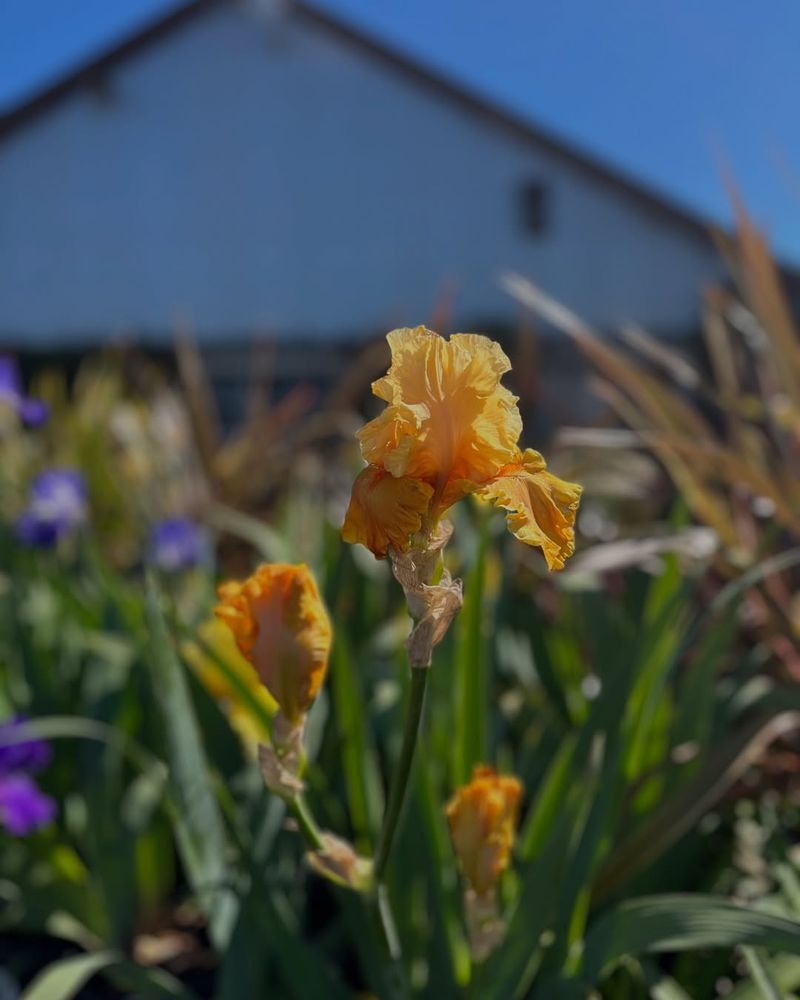
Soil composition determines whether your irises will flourish or struggle, making this foundation element critical for Virginia gardeners seeking success.
Irises absolutely despise sitting in waterlogged conditions, as their rhizomes quickly develop rot when surrounded by excessive moisture for extended periods.
Well-draining soil allows water to move through the root zone efficiently, delivering hydration without creating the soggy environment that encourages harmful bacteria and fungi.
Sandy loam or amended garden soil works beautifully for iris cultivation, providing the perfect balance between moisture retention and drainage.
Virginia’s natural clay-heavy soils often require improvement through the addition of coarse sand, perlite, or compost to lighten the texture and enhance drainage capabilities.
Raised beds offer an excellent solution for areas with poor natural drainage, elevating rhizomes above problem zones while improving air circulation around plants.
Testing your soil before planting helps identify any necessary amendments, ensuring your irises start with optimal growing conditions.
Your Virginia Garden Changes Every Week. Your Plan Should Too.
Gardening in Virginia changes quickly throughout the season. Every Friday you’ll receive a simple weekly plan showing exactly what to plant, prune, fertilize, harvest, and protect so you never miss the right timing.
Slightly acidic to neutral pH levels between 6.5 and 7.0 work best for most iris varieties, though they tolerate a fairly wide range.
Gardeners who invest time in preparing proper soil see dramatic improvements in plant vigor, bloom production, and long-term survival rates compared to those who plant directly into unprepared clay or compacted earth.
Space Rhizomes Properly
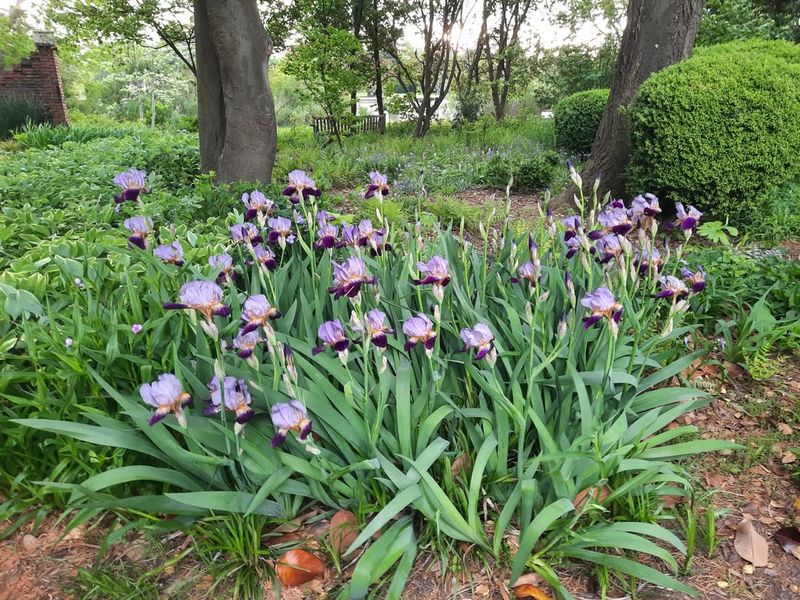
Crowding represents one of the most common mistakes gardeners make when planting irises, yet proper spacing delivers tremendous benefits for plant health and performance.
Positioning rhizomes twelve to eighteen inches apart might seem excessive when you’re planting small divisions, but this distance allows each plant adequate room to develop without competing for resources.
Air circulation between plants becomes crucial during Virginia’s humid summers, helping foliage dry quickly after rain or morning dew.
Fungal diseases spread rapidly when iris leaves remain damp and touch neighboring plants, creating highways for pathogens to travel throughout your bed.
Generous spacing interrupts these disease pathways while ensuring each rhizome receives sufficient sunlight on all sides, promoting balanced growth and robust bloom production.
Virginia gardeners who resist the temptation to pack plants tightly discover that their irises develop fuller, healthier clumps over time without the leaf spot and rot issues that plague overcrowded plantings.
Planning your layout before planting helps visualize the mature size of your iris bed and prevents the need for early division.
Remember that each rhizome will multiply over several seasons, gradually filling in the spaces you’ve provided while maintaining good air movement.
Proper spacing also simplifies maintenance tasks like weeding, fertilizing, and division, making your gardening experience more enjoyable and your iris display more impressive with each passing year.
Plant At The Correct Depth
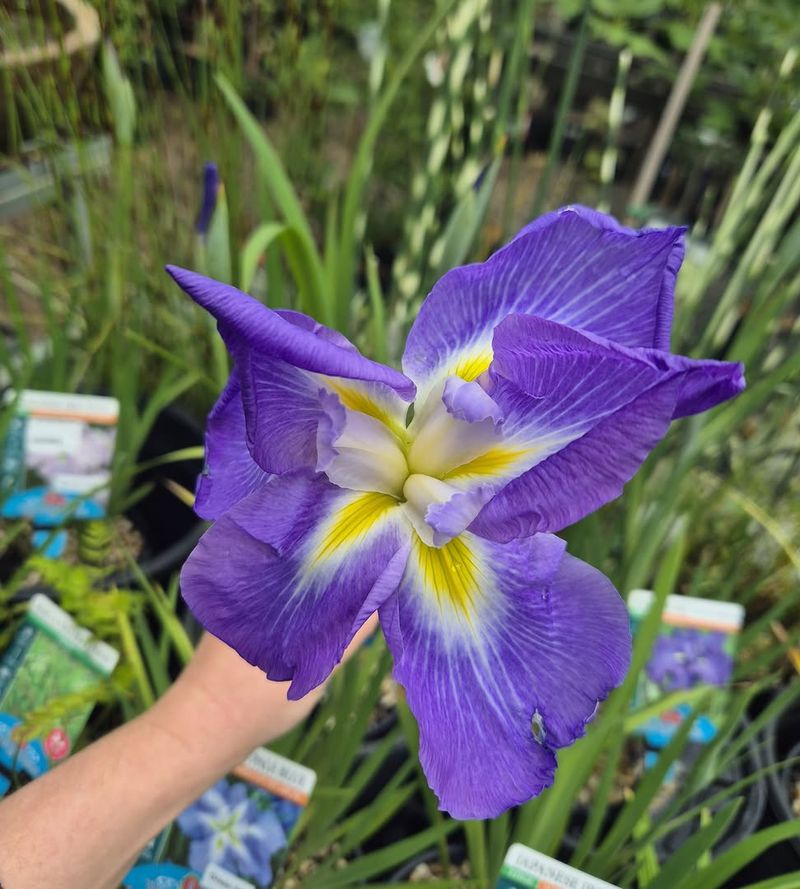
Depth matters enormously when establishing irises, and getting this detail right separates successful growers from frustrated ones who wonder why their plants struggle.
Unlike many perennials that prefer deep planting, iris rhizomes should sit at or just slightly below the soil surface, with their tops exposed to sunlight and air.
This shallow positioning might seem counterintuitive, but it prevents the rot issues that develop when rhizomes remain buried in moist soil for extended periods.
Virginia’s summer heat actually benefits exposed rhizomes, baking them gently and promoting the development of next season’s flower buds.
Gardeners should position the rhizome horizontally with roots spread downward and outward, then firm soil around the roots while leaving the top portion visible.
The fan of leaves should point in the direction you want the plant to grow, as new growth emerges from that end of the rhizome.
Planting too deeply represents the single most common cause of bloom failure in irises, as buried rhizomes focus energy on survival rather than flower production.
Some settling occurs naturally after planting, so positioning rhizomes slightly above grade initially ensures they end up at the perfect level once the soil compacts.
Checking depth periodically and adjusting if necessary keeps your irises healthy and blooming reliably, especially after heavy rains or mulch application that might inadvertently cover the rhizomes.
Water Wisely During Growth
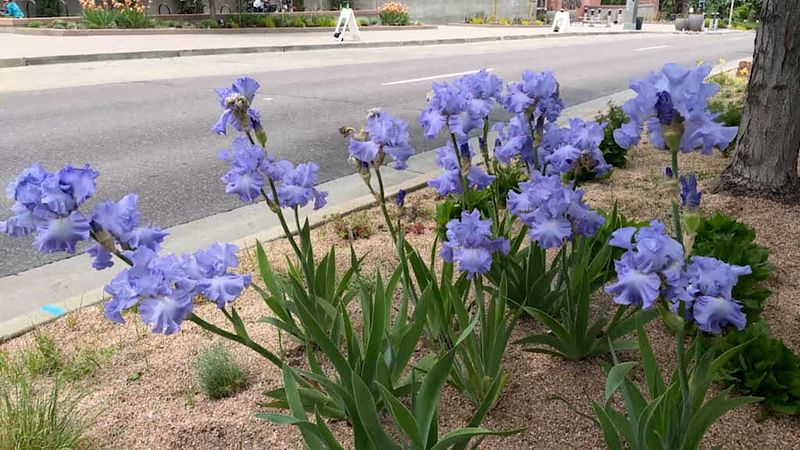
Irrigation strategy plays a vital role in iris health, requiring a balanced approach that provides adequate moisture without creating waterlogged conditions.
During active growth periods in spring and early summer, irises appreciate deep watering when rainfall proves insufficient, particularly during Virginia’s occasional dry spells.
Applying water thoroughly but infrequently encourages roots to grow deeper into the soil, creating more resilient plants that tolerate drought better than those watered lightly and frequently.
Focusing water at the base of plants rather than overhead keeps foliage dry and reduces fungal disease risks in Virginia’s humid climate.
Drip irrigation or soaker hoses work exceptionally well for iris beds, delivering moisture directly to the root zone while maintaining dry conditions around rhizomes and leaves.
Established irises demonstrate remarkable drought tolerance and actually prefer drier conditions during their summer dormancy period after flowering completes.
Overwatering poses a greater threat than underwatering for these tough perennials, as constantly moist soil around rhizomes invites bacterial soft rot and other moisture-related problems.
Monitoring soil moisture by feeling the ground several inches below the surface helps determine when watering becomes necessary rather than following a rigid schedule.
Virginia gardeners who adjust watering based on weather conditions and plant needs rather than calendar dates consistently grow healthier irises with fewer disease issues and more reliable bloom performance.
Fertilize Lightly In Early Spring
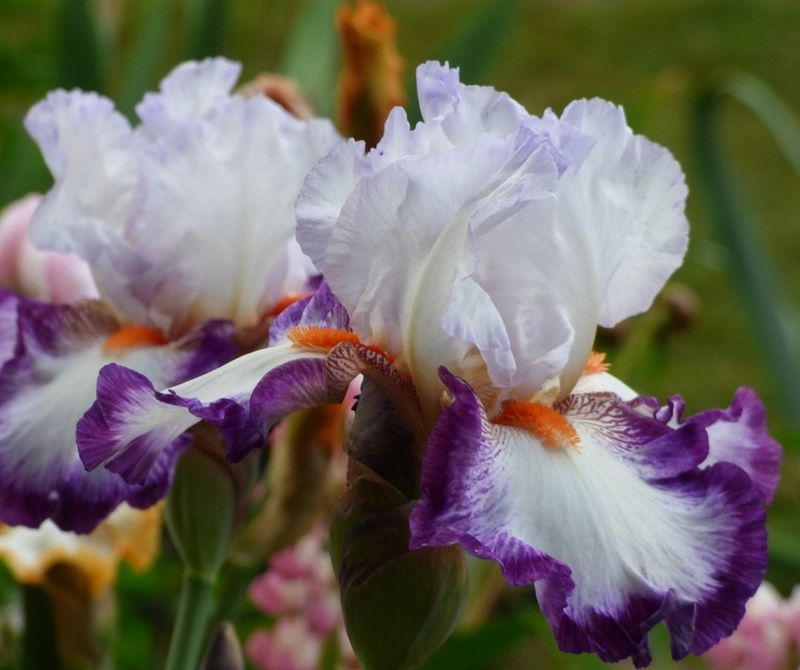
Nutrition requirements for irises differ significantly from many other garden perennials, and Virginia growers achieve best results with a restrained fertilization approach.
Early spring, just as new growth emerges, represents the ideal time to provide nutrients that support vigorous development and abundant bloom production.
Low-nitrogen fertilizers work best because excessive nitrogen encourages lush leaf growth at the expense of flowers, leaving you with green foliage but disappointing blooms.
Balanced formulations like 5-10-10 or 6-10-10 provide the phosphorus and potassium that promote strong root systems and spectacular flowers without overstimulating leafy growth.
Sprinkling a light application around plants and watering it in gently delivers nutrients where roots can access them most effectively.
Avoid placing fertilizer directly on rhizomes, as concentrated nutrients can burn these sensitive structures and cause damage rather than benefit.
A single spring feeding typically provides sufficient nutrition for the entire growing season, though gardeners may apply a second light dose immediately after flowering if plants show signs of nutrient deficiency.
Virginia’s reasonably fertile soils often supply adequate nutrition with minimal supplementation, especially when beds receive occasional compost additions.
Overfertilizing creates soft, disease-prone growth and can actually reduce bloom quality, so restraint proves more beneficial than generosity when feeding irises, allowing these hardy perennials to thrive without excessive pampering or chemical inputs.
Divide Clumps Every 3–4 Years
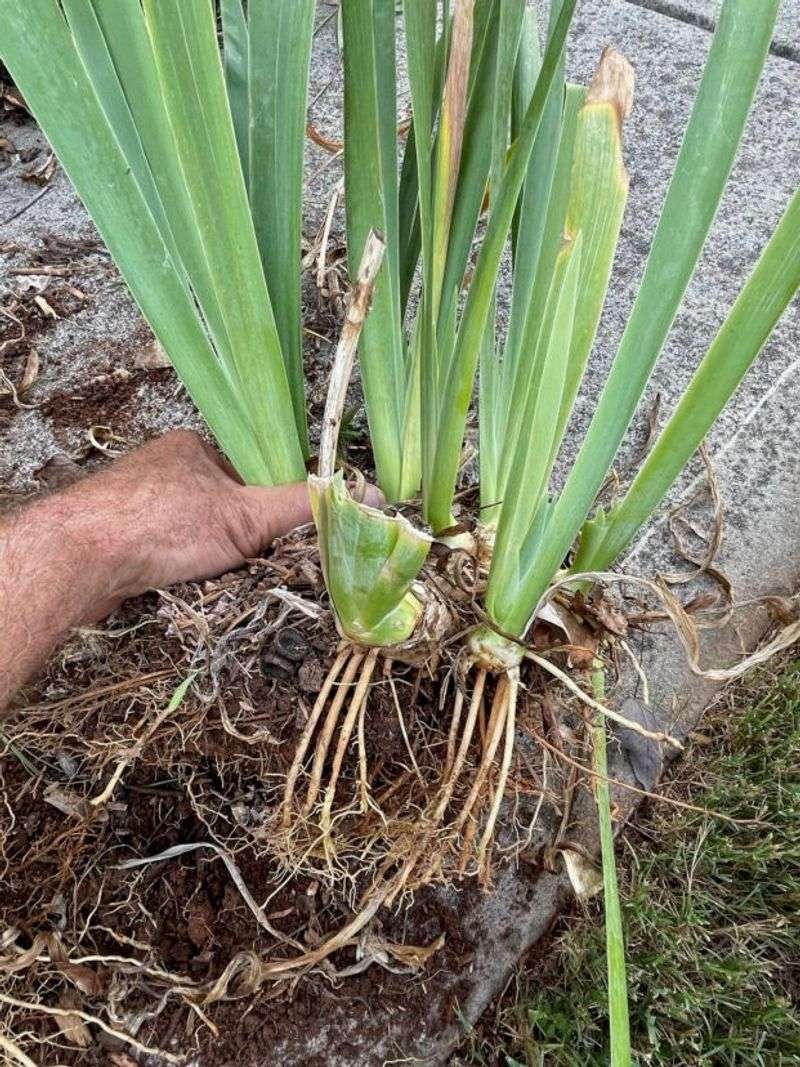
Iris clumps naturally expand over time, eventually becoming so congested that bloom production declines and plants begin struggling for resources.
Division rejuvenates these overcrowded plantings, essentially resetting the clock and restoring the vigorous growth and abundant flowering that characterize healthy irises.
Virginia gardeners typically schedule this task for late summer, about six to eight weeks after flowering concludes, when plants enter their semi-dormant phase and tolerate disturbance most successfully.
Lifting entire clumps with a garden fork reveals the extent of rhizome multiplication, often showing dozens of divisions where you originally planted just one or two.
Selecting the healthiest rhizomes from the outer edges of clumps and discarding old, woody centers ensures you replant only the most vigorous material.
Each division should include at least one fan of leaves and a portion of rhizome with good roots attached, providing everything needed to establish quickly in its new location.
Replanting divisions with proper spacing and depth creates renewed beds that bloom spectacularly the following spring, often surpassing the performance of the original planting.
Division also provides excellent opportunities to share irises with friends, expand your collection into new areas, or trade varieties with fellow gardening enthusiasts.
Regular division prevents the gradual decline that eventually affects all undivided iris plantings, maintaining peak performance and ensuring your Virginia garden continues showcasing those gorgeous flowers year after year.
Remove Spent Flower Stalks
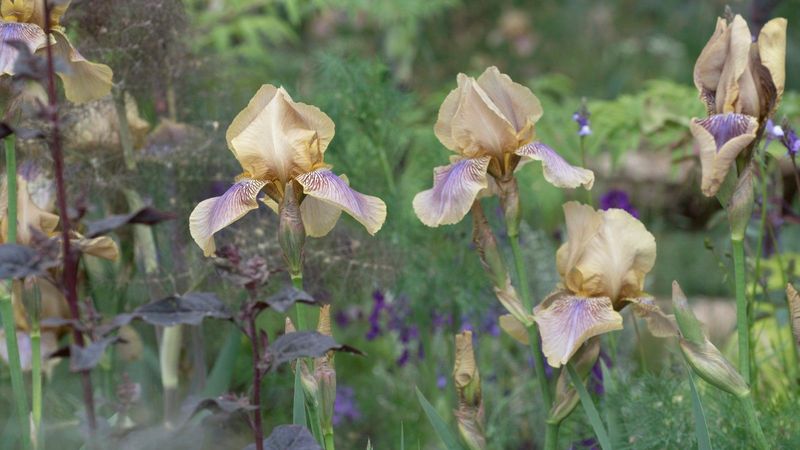
Flower stalks that remain after blooms fade serve no beneficial purpose and actually drain energy that plants could redirect toward building stronger rhizomes for next year’s display.
Virginia gardeners who promptly remove these spent stalks give their irises a significant advantage, preventing seed formation that exhausts plant resources unnecessarily.
Using clean, sharp pruners or scissors, cut stalks back to just above the rhizome, making clean cuts that heal quickly without providing entry points for disease organisms.
This simple maintenance task takes only minutes but delivers lasting benefits by encouraging plants to focus energy on root development and food storage rather than seed production.
Removing stalks also improves garden appearance, eliminating the unsightly brown remnants that detract from the beauty of surrounding plantings.
Virginia’s humid summers can turn these decaying stalks into breeding grounds for fungal spores and bacterial problems, making their prompt removal doubly important for maintaining plant health.
Leave the foliage intact after removing flower stalks, as these green leaves continue photosynthesizing and building energy reserves throughout summer and fall.
Only remove leaves that turn brown or show obvious disease symptoms, cutting them back to healthy tissue or removing them entirely if necessary.
This balanced approach to post-bloom maintenance keeps irises looking attractive while supporting the behind-the-scenes processes that determine next season’s flowering performance and overall plant vigor.
Mulch Carefully
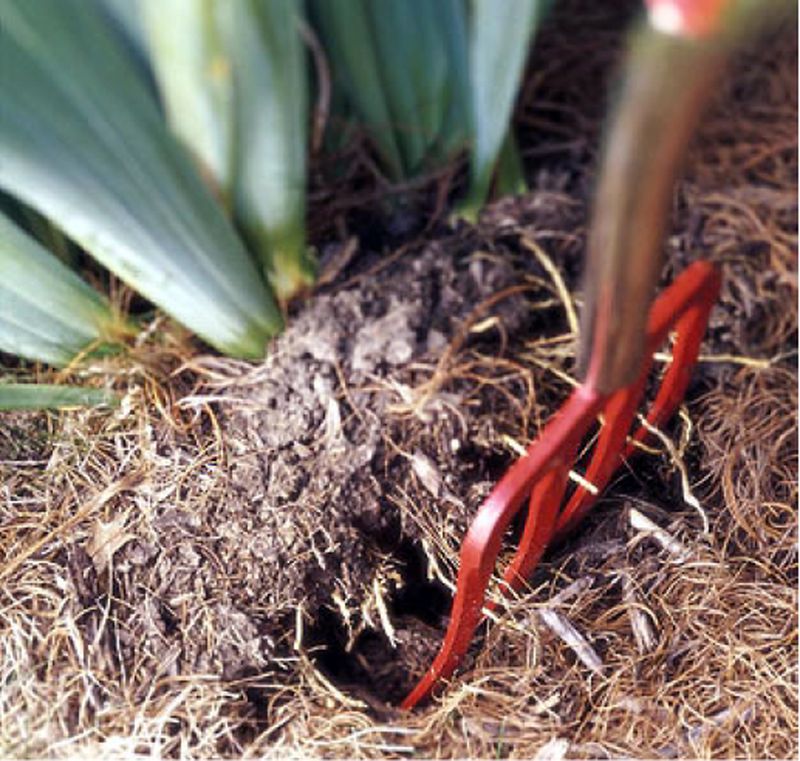
Mulching around irises requires a thoughtful approach that differs from the heavy mulch layers appropriate for many other perennials.
A thin layer of organic material helps suppress weed growth and conserve soil moisture during Virginia’s hot summers without creating the problems associated with heavy mulching.
Keeping mulch pulled back several inches from rhizomes prevents the moisture accumulation and reduced air circulation that encourage rot and fungal issues in these sensitive plant structures.
Fine-textured materials like shredded hardwood bark or compost work better than chunky wood chips, settling into a neat layer that looks attractive without overwhelming plants.
Applying no more than one to two inches of mulch provides benefits without the risks that come with deeper applications.
Virginia gardeners should refresh mulch annually, removing old material that has decomposed and replacing it with a fresh thin layer that maintains consistent coverage.
Some experienced iris growers prefer using little to no mulch, instead relying on close plant spacing and regular weeding to maintain neat beds.
This approach works particularly well in areas with heavy clay soils or high humidity where moisture retention near rhizomes poses significant risks.
Whichever strategy you choose, remember that exposed rhizome tops should always remain visible and accessible to sunlight and air, as this exposure proves essential for healthy growth and reliable flowering in Virginia’s climate conditions.