How To Grow Monstera Obliqua Indoors In Nevada And What This Rare Plant Needs To Thrive
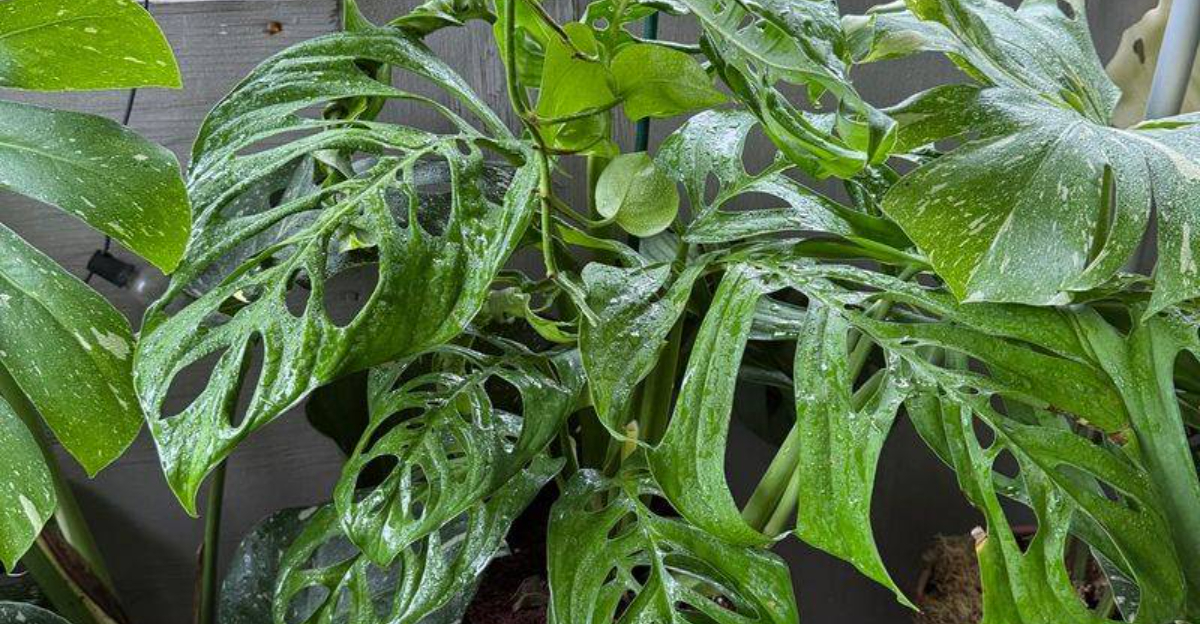
Monstera obliqua is one of the rarest and most sought-after indoor plants, prized for its delicate leaves and unique appearance.
Growing it indoors in Nevada requires careful attention to humidity, light, and watering to keep it healthy and thriving. This stunning plant can transform any room when cared for properly.
Nevada gardeners who succeed with Monstera obliqua focus on providing bright, indirect light, high humidity, and well-draining soil. Consistent moisture without waterlogging, occasional fertilization, and support for climbing stems help the plant flourish.
Monitoring temperature and avoiding harsh sun ensures its delicate foliage stays vibrant. Proper care, patience, and attention make this rare plant thrive indoors.
Indoor gardeners in Nevada who follow these practices can enjoy the unique beauty of Monstera obliqua while keeping it healthy and growing. Create a lush, rare indoor display with this exotic plant.
Provide Bright, Indirect Light
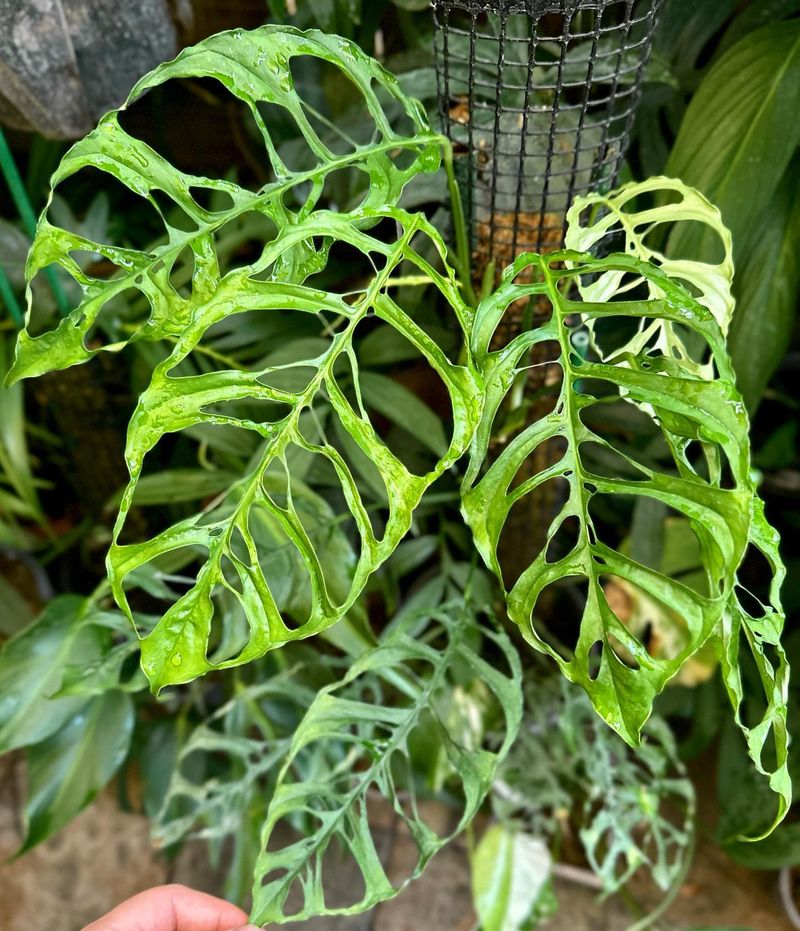
Light is absolutely crucial for your Monstera obliqua, but not just any light will do the trick. This delicate tropical plant evolved under the canopy of tall rainforest trees, where sunlight filters gently through layers of leaves above.
Direct Nevada sun streaming through your windows can quickly scorch those paper-thin, fenestrated leaves, leaving brown patches and crispy edges that won’t recover.
Place your plant near an east-facing window where it can enjoy gentle morning rays, or a few feet back from a south or west window with sheer curtains to diffuse the intense afternoon light.
You can also use blinds to create dappled patterns of light and shadow, mimicking the natural rainforest environment.
If your home doesn’t get enough natural brightness, consider supplementing with a full-spectrum grow light positioned about twelve to eighteen inches above the plant. Watch your Monstera’s leaves closely for clues about lighting conditions.
If new growth comes in smaller or less fenestrated than older leaves, your plant might be asking for a bit more brightness.
Yellowing leaves, on the other hand, can signal too much direct exposure, so adjust placement as needed to find that perfect balance.
Maintain High Humidity

Nevada’s dry desert air presents one of the biggest challenges when growing Monstera obliqua indoors, since this plant craves humidity levels between sixty and eighty percent.
Without adequate moisture in the air, those gorgeous leaves can develop brown edges, curl inward, or lose their vibrant green color.
Creating a humid microclimate around your plant doesn’t have to be complicated or expensive, though.
A simple pebble tray filled with water and placed beneath your pot can work wonders as the water evaporates throughout the day. Make sure the pot sits on the pebbles above the waterline to prevent root rot.
Grouping your Monstera with other tropical plants creates a natural humidity bubble as all the plants release moisture through transpiration.
For more consistent results, especially during Nevada’s hot, dry summers, invest in a small humidifier that you can position near your plant collection. Run it for several hours daily or use a hygrometer to monitor moisture levels and adjust accordingly.
Your Nevada Garden Changes Every Week. Your Plan Should Too.
Gardening in Nevada changes quickly throughout the season. Every Friday you’ll receive a simple weekly plan showing exactly what to plant, prune, fertilize, harvest, and protect so you never miss the right timing.
Misting can provide temporary relief, but it’s not a long-term solution since the moisture evaporates too quickly.
Regular showers in a steamy bathroom can also give your Monstera a humidity boost while washing dust off those intricate leaves.
Use Well-Draining, Aerated Soil
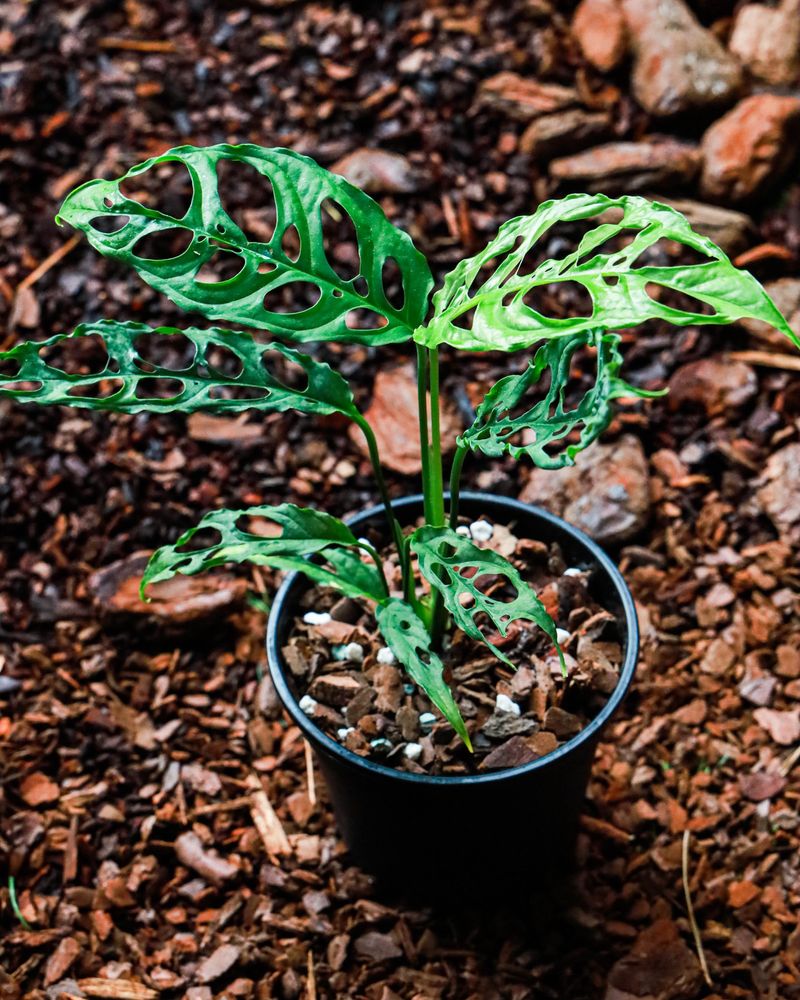
The right soil mix can make or break your success with Monstera obliqua, since these plants have delicate roots that absolutely despise sitting in soggy conditions.
Regular potting soil holds far too much moisture and doesn’t provide the air circulation these epiphytic plants need to thrive.
Instead, create a chunky, well-draining blend that mimics the loose forest floor where Monstera obliqua grows naturally.
Combine equal parts orchid bark, perlite, and peat moss or coconut coir to create an ideal growing medium.
The orchid bark provides large air pockets and prevents compaction, while perlite adds extra drainage and keeps the mix light and fluffy.
Peat moss or coconut coir retains just enough moisture to keep roots hydrated between waterings without becoming waterlogged.
You can also add a handful of charcoal to help filter impurities and keep the soil fresh, or incorporate some worm castings for gentle, slow-release nutrients. The finished mix should feel loose and crumbly in your hands, not dense or muddy.
When you water, excess moisture should drain through quickly, leaving the soil damp but never soaking wet.
This aerated environment allows oxygen to reach the roots, preventing rot and encouraging healthy, vigorous growth throughout the year.
Water Carefully, Let Soil Dry Slightly Between Waterings
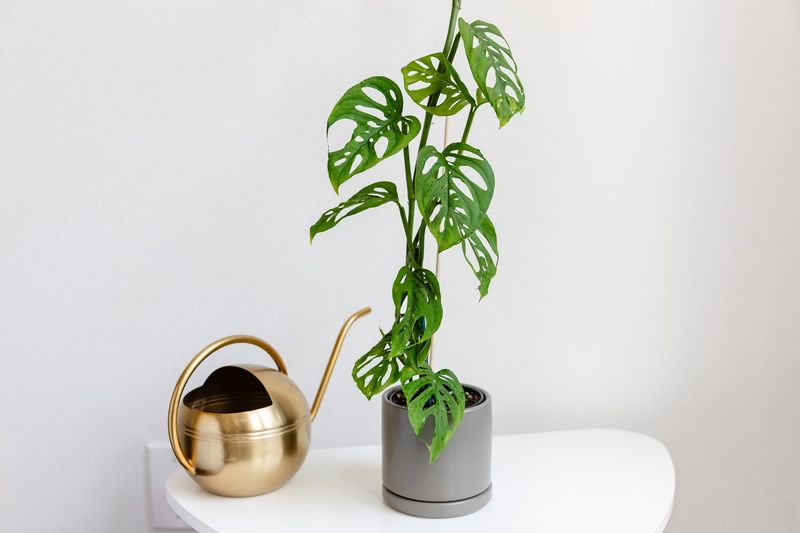
Watering Monstera obliqua requires a delicate balance that many plant parents struggle to master at first. These rare beauties are incredibly sensitive to overwatering, which can quickly lead to root rot and other serious problems.
Unlike some thirsty tropical plants, Monstera obliqua prefers to dry out slightly between drinks, giving its roots a chance to breathe and preventing fungal issues.
Before reaching for your watering can, stick your finger about an inch deep into the soil to check moisture levels.
If the top inch feels dry to the touch, it’s time to water thoroughly until excess liquid drains from the bottom of the pot. Empty the drainage tray after fifteen minutes so your plant isn’t sitting in standing water.
During Nevada’s hot summer months, you might need to water every five to seven days, while winter watering can stretch to every ten to fourteen days as growth slows. Always adjust based on your specific conditions rather than following a rigid schedule.
Room temperature, pot size, and humidity levels all affect how quickly soil dries out. Yellow leaves and mushy stems signal overwatering, while crispy leaf edges and drooping foliage suggest your plant is too thirsty.
Pay attention to these signs and adjust your routine accordingly for best results.
Provide Support For Climbing
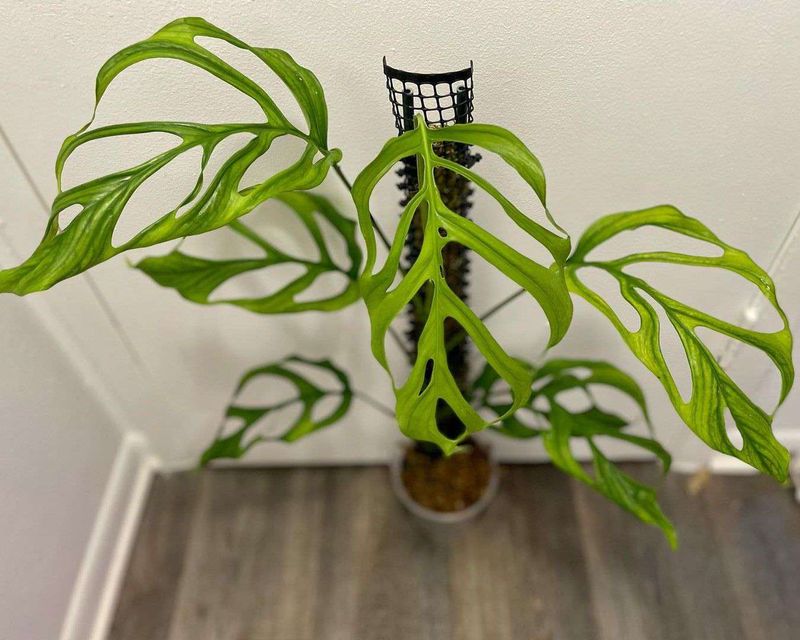
In their native rainforest habitat, Monstera obliqua vines climb up tree trunks and branches, reaching toward filtered sunlight high in the canopy.
Providing vertical support for your indoor plant encourages this natural climbing behavior and can actually improve leaf size and fenestration over time.
Without something to climb, your Monstera might produce smaller leaves and grow more slowly than it would with proper support.
Moss poles are the gold standard for Monstera support because they mimic tree bark and can be kept moist to provide extra humidity around aerial roots.
You can purchase ready-made poles or create your own by wrapping a wooden stake with sphagnum moss secured with fishing line or plant ties. Insert the pole when repotting to avoid disturbing established roots later.
Bamboo stakes, trellises, or wooden planks also work well if you prefer a simpler approach. Gently attach stems to the support structure using soft plant ties, raffia, or even strips of pantyhose that won’t cut into delicate vines.
As your Monstera grows, continue guiding new growth upward and securing it at intervals. The aerial roots will eventually grip the support on their own, creating a more natural appearance while helping the plant pull moisture and nutrients from the air around it.
Fertilize Sparingly During Growing Season
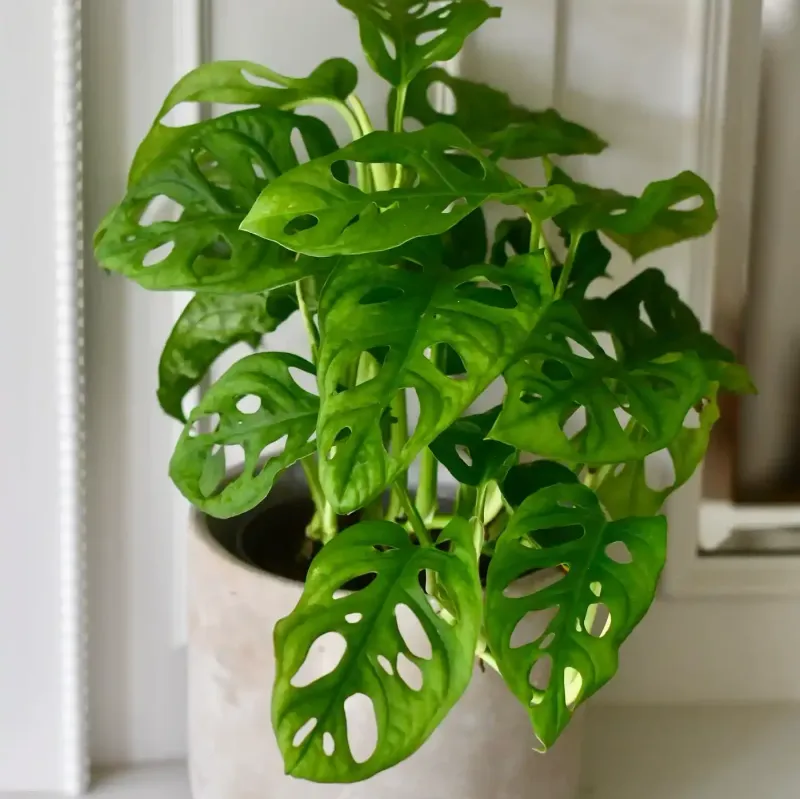
Monstera obliqua grows much more slowly than its popular cousin, Monstera deliciosa, and its delicate root system can easily be burned by too much fertilizer.
Less is definitely more when it comes to feeding this rare plant, so resist the temptation to overfeed in hopes of faster growth.
During the active growing season from spring through summer, a light feeding schedule provides just enough nutrients without overwhelming those sensitive roots.
Choose a balanced, water-soluble fertilizer formulated for houseplants, something with equal nitrogen, phosphorus, and potassium numbers like ten-ten-ten or twenty-twenty-twenty.
Dilute the fertilizer to half the strength recommended on the package, then apply it once monthly when you water. This gentle approach delivers steady nutrition without the risk of chemical buildup in the soil.
Stop fertilizing completely in fall and winter when growth naturally slows and your plant enters a semi-dormant period.
Feeding during this time can actually stress the plant since it’s not actively growing and can’t use the extra nutrients. If you notice leaf tips turning brown or white crusty deposits on the soil surface, you may be overfertilizing.
Flush the soil with plain water to remove excess salts, then reduce your feeding frequency or dilute your fertilizer even further for gentler care.
Avoid Temperature Extremes
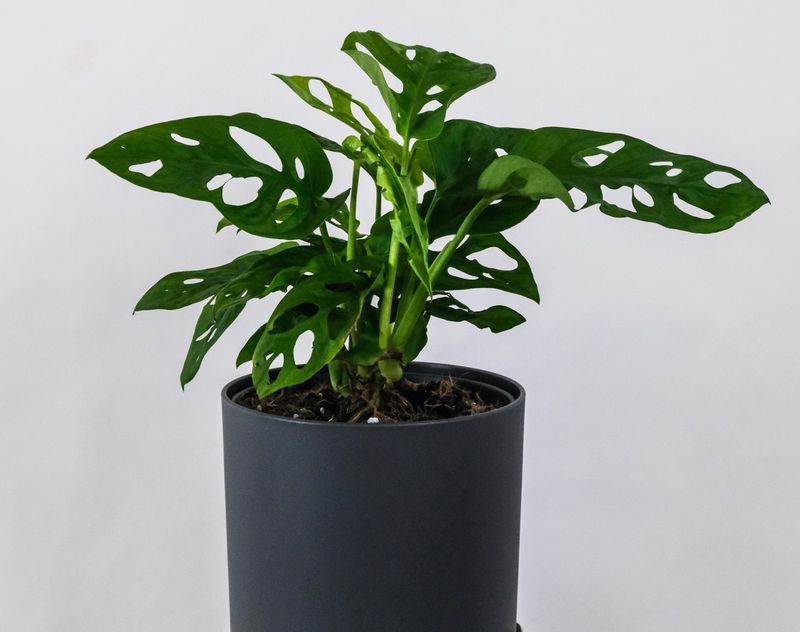
Temperature stability is essential for keeping your Monstera obliqua happy and healthy throughout the year.
This tropical plant evolved in environments where temperatures remain fairly constant, hovering between sixty-five and eighty degrees Fahrenheit with minimal fluctuation.
Nevada homes can experience dramatic temperature swings, especially near windows, doors, and heating or cooling vents, which can seriously stress your delicate Monstera.
Keep your plant away from drafty windows during winter months when cold air seeps in around frames and glass surfaces drop well below room temperature.
Similarly, avoid placing it near air conditioning vents in summer, where cold blasts can shock the foliage and slow growth. Heater vents present another hazard, creating hot, dry microclimates that sap moisture from leaves and soil.
The ideal location maintains steady warmth without dramatic day-to-night temperature drops or exposure to artificial heating and cooling.
If temperatures in your home regularly dip below sixty degrees at night, consider moving your Monstera to a warmer room or providing supplemental heat with a space heater positioned safely away from the plant.
Watch for signs of temperature stress like leaf curling, slowed growth, or sudden leaf drop, and relocate your plant to a more stable environment.
Consistent temperatures within the optimal range support steady growth and keep your rare beauty looking its absolute best year-round.
Monitor For Pests
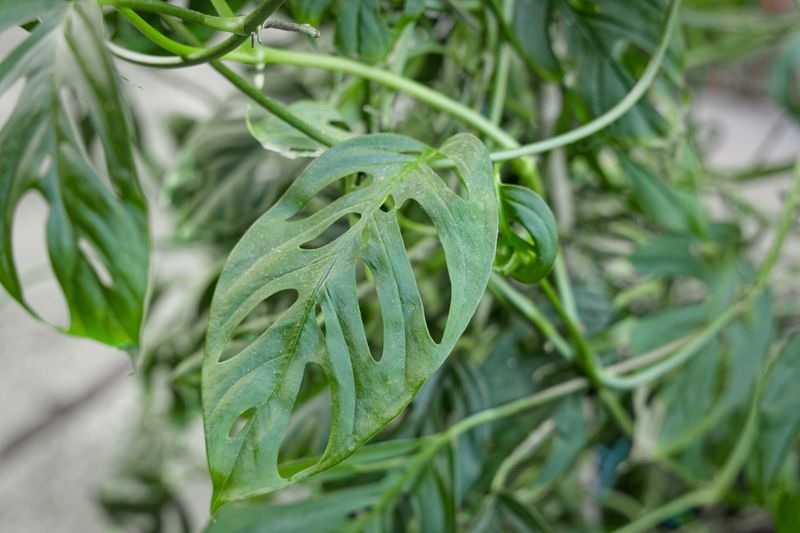
Even the most carefully tended Monstera obliqua can fall victim to common houseplant pests, especially in Nevada’s dry indoor environments where spider mites, mealybugs, and scale insects thrive.
These tiny troublemakers can quickly damage those delicate, fenestrated leaves and weaken your plant if left unchecked. Regular monitoring and early intervention are your best defenses against pest infestations.
Inspect your plant weekly, paying special attention to the undersides of leaves, stem joints, and new growth where pests love to hide. Spider mites appear as tiny moving dots and leave fine webbing between leaves and stems.
Mealybugs look like small white cotton balls clustered along stems and in leaf axils, while scale insects attach themselves as small brown or tan bumps that can be difficult to spot at first.
At the first sign of pests, isolate your Monstera from other plants to prevent spread. Wipe leaves gently with a soft cloth dipped in water mixed with a few drops of insecticidal soap or neem oil.
For stubborn infestations, spray the entire plant thoroughly with neem oil solution, making sure to coat all surfaces including undersides of leaves. Repeat treatments every five to seven days until pests are completely gone.
Maintaining proper humidity levels also helps prevent spider mites, which prefer dry conditions.
Patience Is Key, Growth Is Slow
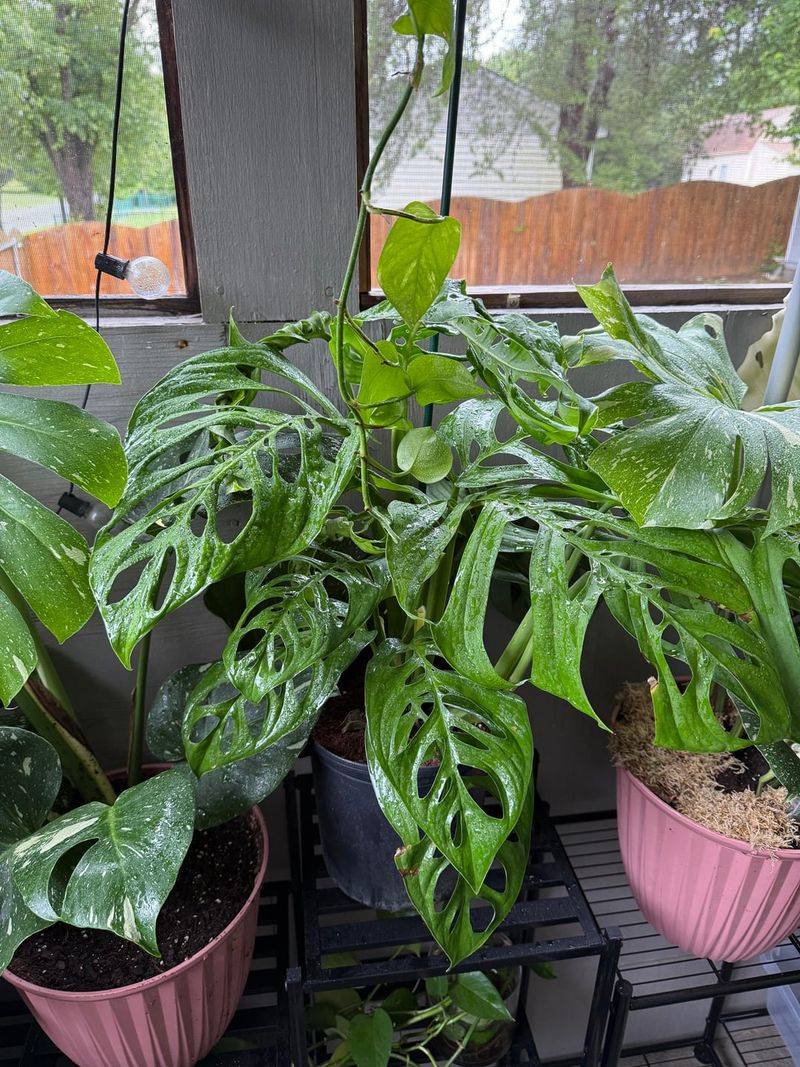
Perhaps the most important lesson for any Monstera obliqua owner is learning to embrace patience and enjoy the journey rather than rushing toward rapid results.
This exceptionally rare plant grows notoriously slowly compared to other Monsteras, sometimes producing just one or two new leaves per year even under optimal conditions.
Trying to force faster growth with excessive fertilizer, constant repotting, or other interventions usually backfires and stresses the plant.
Focus instead on providing consistent, excellent care that meets all your Monstera’s basic needs for light, humidity, water, and temperature.
When conditions remain stable and favorable, your plant will grow at its natural pace, producing those stunning, heavily fenestrated leaves that make it so desirable. Each new leaf is worth celebrating as a small victory and testament to your careful attention.
Remember that Monstera obliqua’s slow growth is part of what makes it so rare and valuable in the plant collecting world.
These plants simply don’t propagate quickly or produce abundant growth, which is why they command such high prices and inspire such dedication from enthusiasts.
Enjoy watching your plant gradually unfurl new leaves, develop stronger aerial roots, and climb its support structure.
The slow, steady progress is actually a sign that you’re doing everything right, so resist the urge to constantly change your care routine or worry that something is wrong.