8 Reasons North Carolina Gardeners Always Keep Baking Soda On Hand
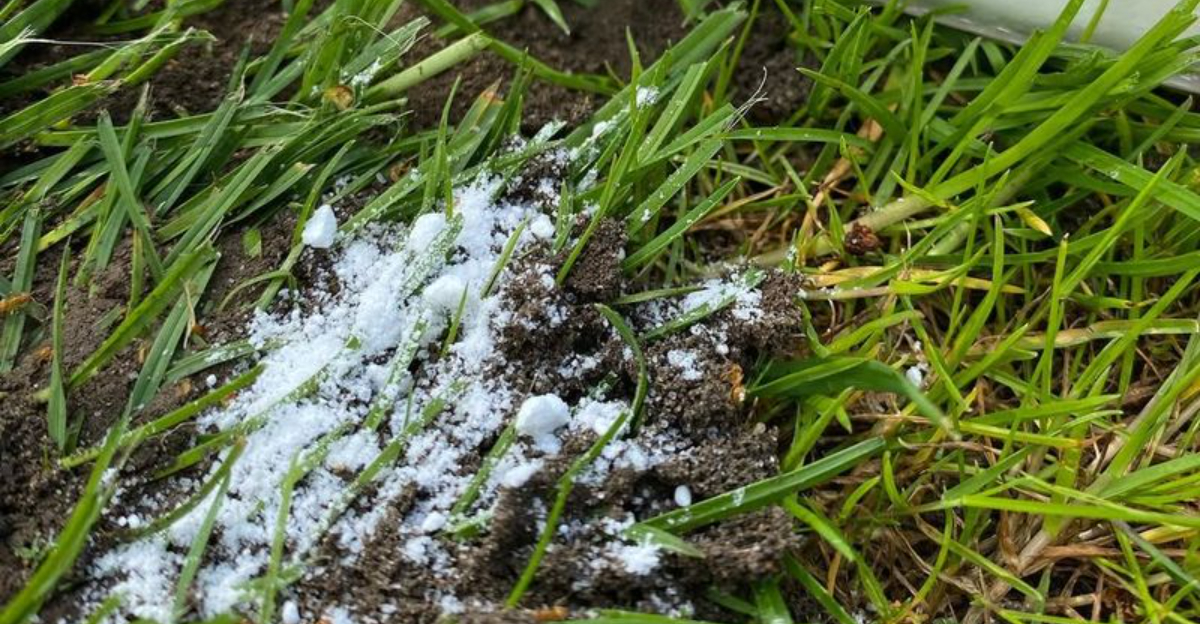
Baking soda is more than just a kitchen staple. North Carolina gardeners rely on it for a variety of tasks, from controlling pests and fungal growth to improving soil health.
It is inexpensive, safe, and versatile, making it one of the most useful tools in the garden. One simple ingredient can solve multiple gardening problems.
These uses include treating powdery mildew, deterring pests, balancing soil pH, cleaning garden tools, and even refreshing compost.
Its natural properties make it safe for flowers, vegetables, and herbs, allowing gardeners to care for plants without harsh chemicals. With a little knowledge, baking soda can save time, prevent plant damage, and enhance growth.
Small doses, big results, and zero guesswork make it essential. North Carolina gardeners who keep baking soda on hand enjoy healthier plants, less disease, and more productive gardens. Discover the simple ways this common pantry item can transform your garden.
1. Helps Suppress Powdery Mildew In Humid Conditions
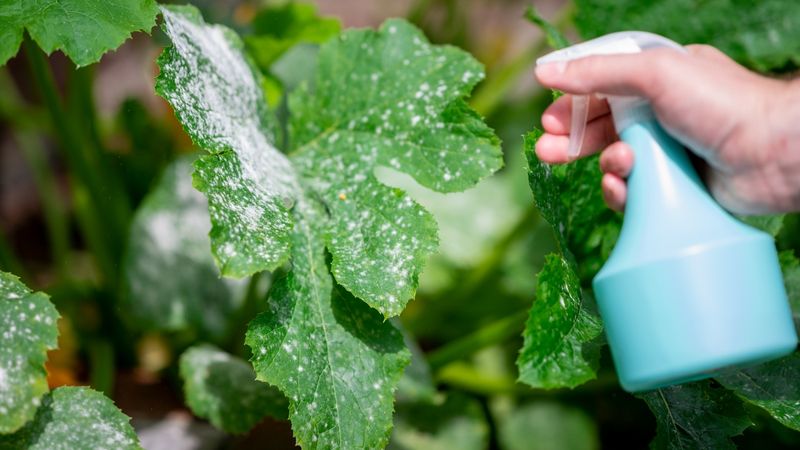
Powdery mildew shows up like unwelcome guests during North Carolina’s sticky summer months, coating cucumber leaves, squash plants, and prized roses with that telltale white film that makes plants look like they’ve been dusted with flour.
The high humidity combined with warm temperatures creates perfect conditions for this fungal nuisance to spread rapidly across garden beds and climbing vines.
Many gardeners have discovered that a simple baking soda spray offers an affordable way to slow down this persistent problem without resorting to expensive chemical fungicides.
Mixing about one tablespoon of baking soda with a gallon of water, plus a few drops of dish soap to help it stick, creates a spray that changes the pH on leaf surfaces just enough to make conditions less hospitable for fungal spores.
The alkaline nature of baking soda disrupts the environment that powdery mildew needs to thrive and reproduce. Applying this mixture every seven to ten days, especially after rain, helps keep vulnerable plants healthier throughout the growing season.
Gardeners should spray early in the morning so leaves have time to dry before evening, which prevents other moisture-related issues from developing.
Consistency matters more than concentration when using this method, so regular light applications work better than occasional heavy drenching.
This approach gives squash, cucumbers, and roses a fighting chance against one of the South’s most common garden challenges.
2. Works As A Mild, Plant-Safe Fungus Preventative When Diluted Properly
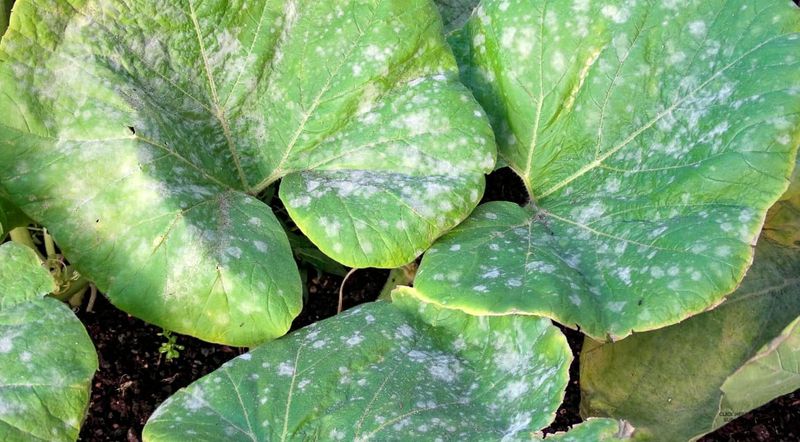
Understanding how baking soda interacts with plant tissue makes all the difference between helpful prevention and accidental harm to your precious garden specimens.
Sodium bicarbonate raises the pH level on leaf surfaces to create an environment where common fungal spores struggle to germinate and establish themselves.
This gentle shift in acidity doesn’t harm most plants when mixed at proper concentrations, making it a safer alternative to harsh chemical treatments that can leave residues or damage beneficial insects visiting your flowers.
The golden rule involves using no more than one tablespoon of baking soda per gallon of water, which provides enough alkalinity to discourage fungi without overwhelming plant cells.
Your North Carolina Garden Changes Every Week. Your Plan Should Too.
Gardening in North Carolina changes quickly throughout the season. Every Friday you’ll receive a simple weekly plan showing exactly what to plant, prune, fertilize, harvest, and protect so you never miss the right timing.
Going stronger than this recommended ratio can cause leaf burn, especially on tender new growth or sensitive varieties that prefer more acidic conditions.
Adding a small amount of horticultural oil or mild liquid soap helps the solution adhere to waxy leaf surfaces instead of just rolling off like water droplets on a freshly waxed car.
Always test your mixture on a few leaves before spraying entire plants, waiting twenty-four hours to check for any browning or wilting that might indicate the solution is too strong.
Different plant species react differently to foliar sprays, so tomatoes might handle it beautifully while some ornamentals show sensitivity. Smart gardeners keep notes about which plants respond well and which ones prefer other treatment methods.
3. Deters Ant Activity Around Garden Beds And Entry Points

Fire ants and carpenter ants can turn a peaceful afternoon of weeding into an itchy, uncomfortable ordeal that sends you running for the hose to wash off angry insects crawling up your legs.
North Carolina’s warm climate provides ideal conditions for multiple ant species to build massive colonies near raised beds, underneath stepping stones, and along the edges of greenhouses where they protect aphids and farm them like tiny livestock.
Baking soda offers a non-toxic approach to discouraging ant traffic in areas where you’d rather not use poison, especially around edible crops and places where children and pets play.
Sprinkling a line of baking soda mixed with powdered sugar creates an irresistible but problematic snack for foraging worker ants who carry it back to their colony.
The sugar attracts them while the baking soda interferes with their digestive systems when consumed in larger quantities.
Some gardeners dust pure baking soda around the base of raised beds and along greenhouse thresholds to create a barrier that ants seem reluctant to cross repeatedly.
This method works best as part of an integrated approach rather than as a standalone solution for serious infestations that might require professional attention.
Reapplying after heavy rains maintains effectiveness since water washes away the powder and reduces its deterrent properties.
Combining baking soda barriers with other strategies like removing food sources and sealing entry points creates a more comprehensive defense against persistent ant problems.
4. Cleans Garden Tools Without Harsh Chemicals
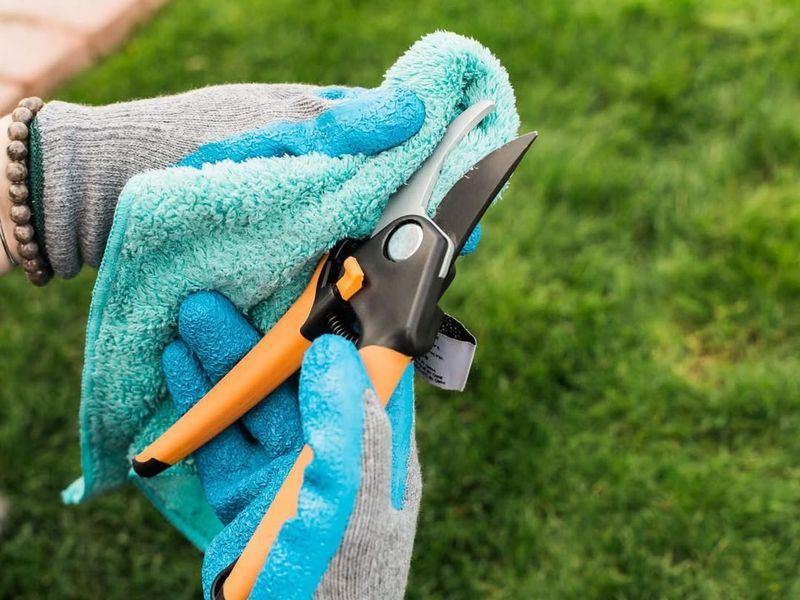
Sticky tree sap, stubborn soil clumps, and rust spots accumulate on pruning shears and shovel blades after seasons of hard work cutting branches, digging holes, and dividing perennials in clay-heavy Carolina soil.
Commercial cleaners often contain harsh chemicals that can corrode metal over time or leave residues you’d rather not transfer to edible plants during your next pruning session.
A paste made from baking soda and just enough water to create a thick consistency works wonders for scrubbing away grime while being gentle on tool surfaces and safe for the person doing the cleaning.
The mild abrasive quality of baking soda crystals helps lift stubborn residue without scratching high-quality stainless steel or damaging protective coatings on modern garden implements.
Applying the paste with an old toothbrush or scrub pad allows you to work it into hinges, joints, and crevices where dirt loves to hide and cause mechanisms to stick.
After scrubbing thoroughly, rinsing with clean water and drying immediately prevents new rust from forming and keeps tools ready for their next use.
Regular cleaning extends the life of expensive pruners, loppers, and specialty tools that represent significant investments for serious gardeners who take pride in maintaining quality equipment.
This simple maintenance routine takes just minutes after each major gardening session but saves hours of frustration dealing with sticky blades and corroded metal later.
Well-maintained tools also make cleaner cuts that help plants heal faster and reduce disease transmission between specimens.
5. Neutralizes Odors In Compost Bins During Hot Summers
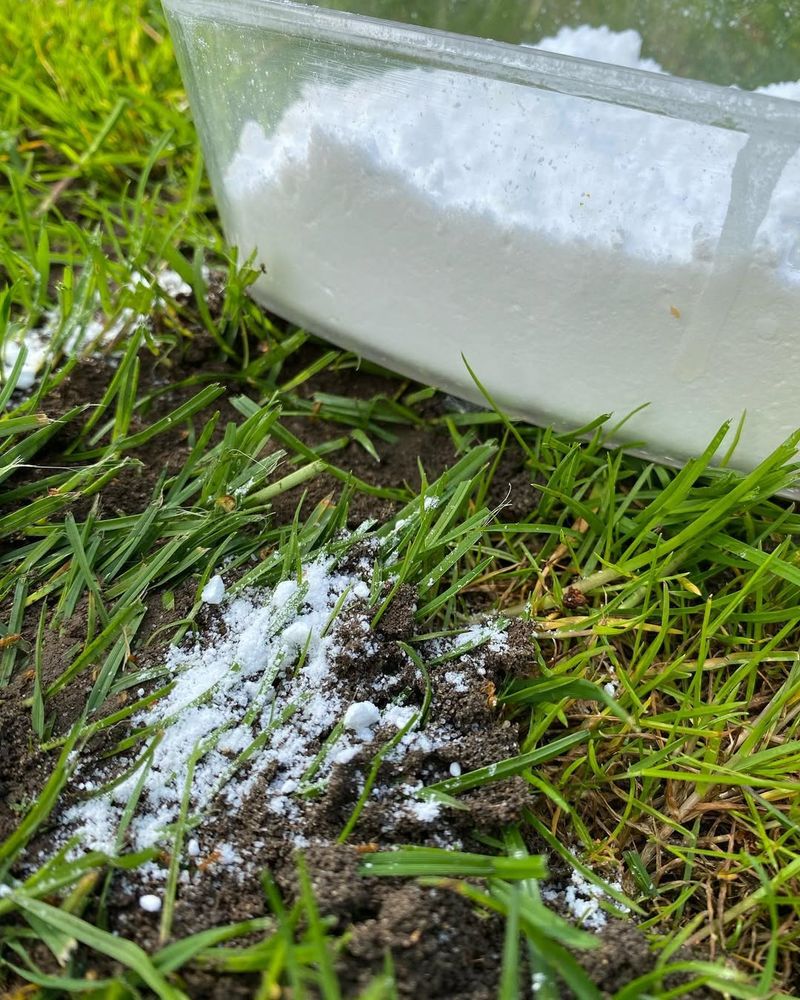
Summer temperatures in North Carolina can push compost piles into overdrive, accelerating decomposition to the point where anaerobic bacteria take over and create smells that make neighbors wrinkle their noses and question your gardening decisions.
A well-balanced compost bin should smell earthy and pleasant, like a forest floor after rain, but when things go wrong with too much moisture or not enough air circulation, the aroma becomes downright offensive.
Sprinkling baking soda over smelly layers helps neutralize acidic odors while you work to correct the underlying imbalance that caused the problem in the first place.
Adding about a cup of baking soda to a standard three-by-three-foot compost bin provides immediate odor relief without stopping the beneficial decomposition process that turns kitchen scraps and yard waste into black gold for your garden beds.
The alkaline nature of sodium bicarbonate counteracts the sour smell of anaerobic breakdown and helps bring pH levels back toward neutral.
This gives you breathing room to add more brown materials like shredded leaves or cardboard, turn the pile to introduce oxygen, or adjust moisture levels without enduring overwhelming stench.
Smart composters keep a container of baking soda near their bins for quick odor emergencies, especially during heat waves when decomposition speeds up dramatically.
Combining this quick fix with proper composting techniques like maintaining the right carbon-to-nitrogen ratio and ensuring adequate airflow prevents most smell issues from developing.
Your nose will thank you, and so will anyone who shares your outdoor space.
6. Helps Remove Residue From Homegrown Produce
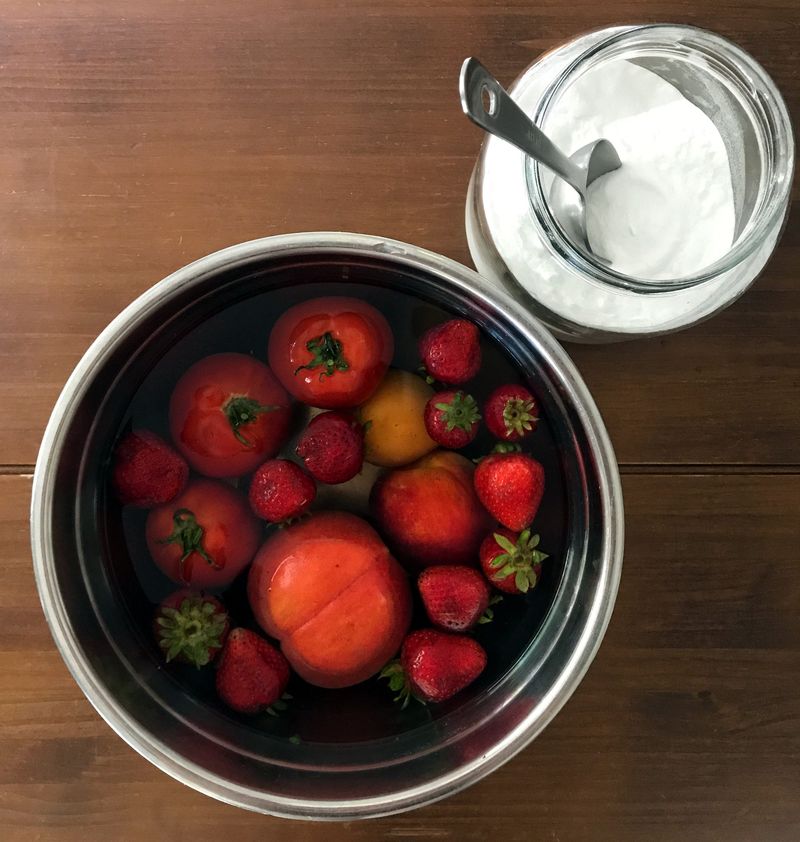
Harvesting your own tomatoes, peppers, and leafy greens brings tremendous satisfaction, but those vegetables often come indoors covered with garden soil, dust, and natural residues from plant surfaces that you’d prefer not to eat or store with your fresh produce.
Plain water rinses away loose dirt but doesn’t always remove the waxy coating some vegetables develop or the fine particles that cling stubbornly to kale’s crinkled leaves and broccoli’s tight florets.
Soaking produce in a solution of baking soda and water for a few minutes helps loosen these residues and makes scrubbing more effective.
Mixing about a teaspoon of baking soda into a large bowl or clean sink full of cool water creates a gentle washing solution that won’t harm delicate berry skins or tender lettuce leaves.
The slightly alkaline water helps break down surface residues and makes it easier to rinse everything away cleanly.
After soaking for five to ten minutes, gently scrubbing with your hands or a soft vegetable brush removes remaining particles, followed by a thorough rinse under running water.
This extra cleaning step becomes especially important for vegetables with lots of surface area like leafy greens, where tiny soil particles can hide in every fold and crevice.
Properly cleaned produce stores better and lasts longer in the refrigerator because removing surface residues reduces the bacteria and mold spores that cause premature spoilage.
Taking these few extra minutes at harvest time means you’ll enjoy your homegrown bounty for days longer.
7. Helps Spot-Test Soil Acidity In Small Areas
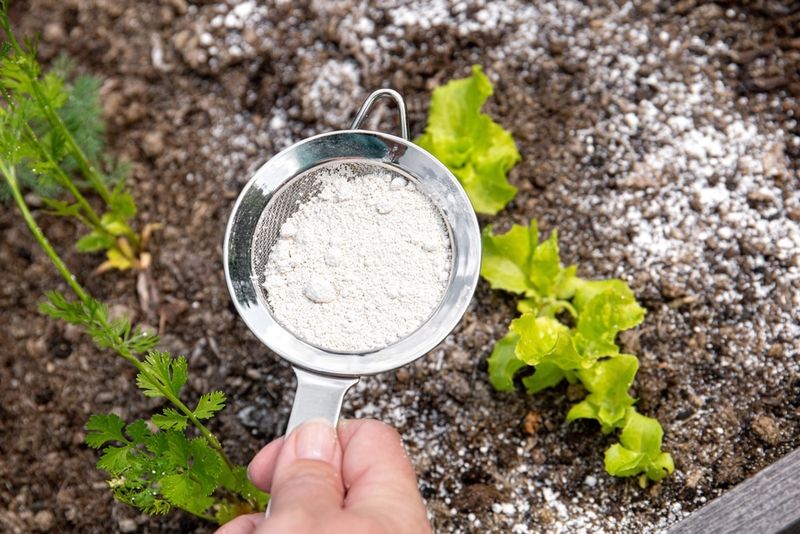
Blueberries refuse to thrive, azaleas look pale and stunted, or tomatoes seem to struggle for no obvious reason, leading frustrated gardeners to wonder whether soil pH might be causing mysterious problems in different parts of their yards.
Professional soil testing through your local extension office provides the most accurate and comprehensive information about pH, nutrients, and amendments needed for optimal growing conditions.
However, a quick at-home test using baking soda can offer immediate clues when you’re trying to diagnose issues in specific spots or deciding whether to invest in professional analysis.
Collecting a small soil sample from the problem area, removing rocks and organic debris, and mixing it with distilled water creates a muddy slurry for testing.
Adding a spoonful of baking soda to this mixture and watching for fizzing or bubbling indicates acidic soil, since the alkaline baking soda reacts with acids to produce carbon dioxide bubbles.
No reaction suggests neutral to alkaline conditions that might explain why acid-loving plants are struggling in that particular location.
This simple test won’t give you precise pH numbers or tell you about nutrient deficiencies, but it helps narrow down possibilities when troubleshooting plant problems and deciding which amendments might help.
Gardeners use these quick tests to identify areas that might need sulfur to increase acidity for blueberries or lime to raise pH for vegetables.
Following up with proper laboratory testing confirms your suspicions and provides specific recommendations for improving soil conditions.
8. Acts As A Gentle Cleaner For Pots And Seed Trays
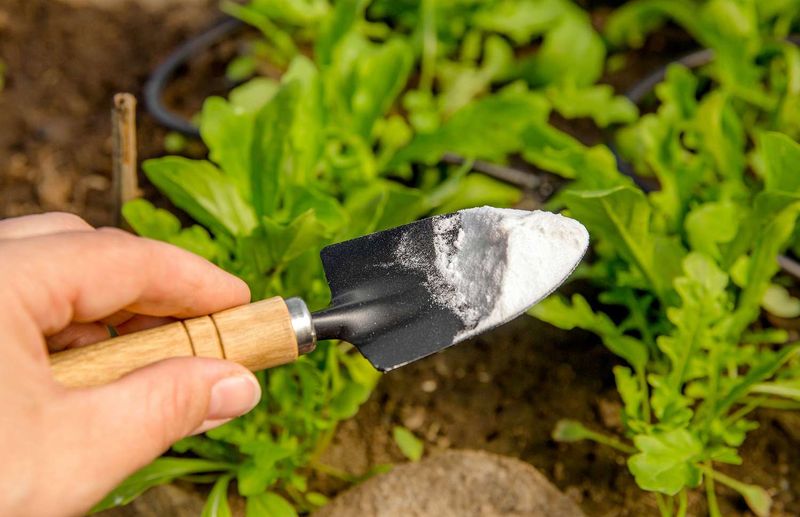
Reusing nursery pots and seed-starting trays season after season saves money and reduces plastic waste, but those containers need thorough cleaning to prevent disease organisms from hitching a ride to your next batch of seedlings.
Mineral deposits from hard water, algae growth from sitting in damp conditions, and soil residues build up inside containers and create perfect hiding spots for fungal spores and bacteria that cause damping-off and other seedling diseases.
Scrubbing with baking soda paste provides effective sanitization without the harsh chemical smell or residue left behind by bleach solutions that some gardeners prefer to avoid.
Making a thick paste from baking soda and water, then using a stiff brush to scrub every surface of pots and cell trays removes stubborn deposits and organic matter where pathogens lurk.
The mild abrasive action combined with baking soda’s natural deodorizing properties leaves containers fresh, clean, and ready for new soil and seeds.
Rinsing thoroughly with hot water after scrubbing ensures no baking soda residue remains to affect soil pH in these small containers where even minor changes can impact germination.
This cleaning routine becomes especially important for gardeners who start dozens or hundreds of seedlings each spring for their own gardens or to share with friends and neighbors.
Clean containers mean healthier seedlings with better survival rates when transplanted into the garden.
Spending an afternoon cleaning and organizing pots before seed-starting season begins sets you up for success and prevents heartbreaking losses to preventable diseases.