These Are The Best Herbs To Grow By Your Front Door In California
Your front door is the first thing people see, so why not make it smell amazing and look beautiful at the same time?
Growing herbs near your entryway is one of the easiest ways to add charm, color, and fresh flavor to your home.
Imagine stepping outside and picking fresh herbs in seconds. California’s mild climate makes this even better, giving you the perfect conditions to grow herbs that thrive year-round.
Small space? No problem, big results come from tiny gardens.
From fragrant favorites to hardy plants that love the sun, the right herbs can turn your doorway into a welcoming, useful space.
Your front entrance can become your favorite garden spot. And the best part? You don’t need a green thumb to make it happen.
1. Rosemary
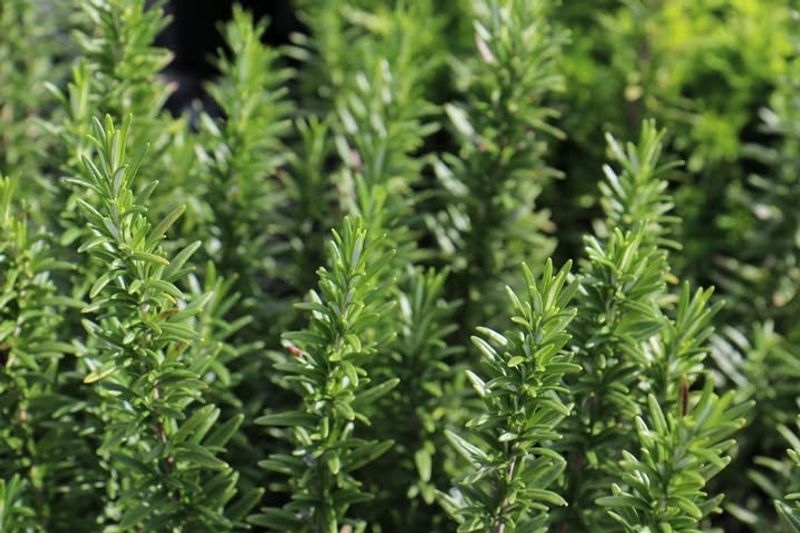
Rosemary loves California’s Mediterranean-like climate and can grow into a beautiful, fragrant shrub right by your entrance. This evergreen herb releases a wonderful piney scent whenever you brush against it, making your front door smell amazing all year long.
Rosemary is incredibly drought-tolerant once established, which is perfect for California’s water-conscious gardening practices, and it thrives in full sun with well-draining soil.
The needle-like leaves are perfect for seasoning roasted potatoes, grilled meats, and homemade bread. You can simply snip off a few sprigs whenever you need them for cooking.
Rosemary also produces lovely blue or purple flowers in spring and sometimes throughout the year in California’s mild climates, attracting bees and other beneficial pollinators to your front yard.
Many California gardeners plant rosemary varieties like Tuscan Blue or Arp, which grow upright and create a nice hedge-like border. Others prefer trailing varieties that spill beautifully over containers or raised planters near the doorway.
Rosemary requires very little maintenance beyond occasional pruning to keep its shape, and it rarely suffers from pests or diseases.
Whether you’re in coastal areas like San Francisco or inland valleys like Fresno, rosemary adapts wonderfully to different California microclimates. Its tough nature and aromatic presence make it a top choice for any front door herb garden in the state.
2. Lavender
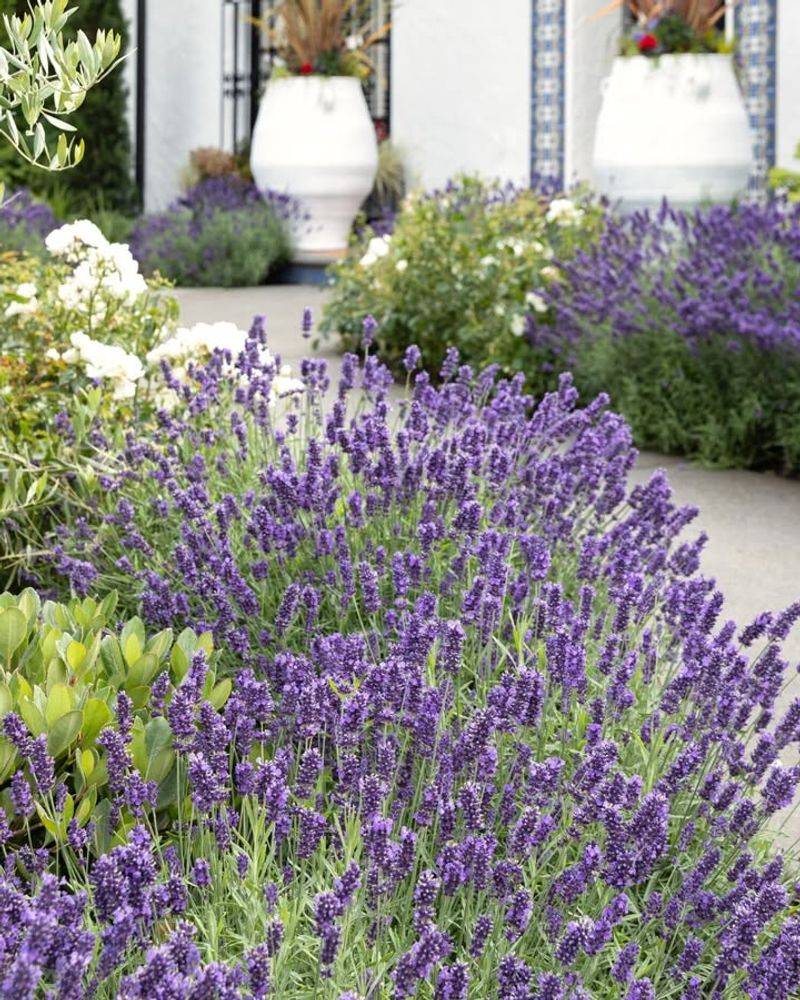
Few herbs match the beauty and fragrance that lavender brings to a California front entrance. These purple-flowered plants create stunning visual displays from late spring through summer, and their sweet, calming scent welcomes everyone who approaches your door.
Lavender thrives in California’s warm, dry summers and needs very little water once its roots are established in the ground or containers.
California’s climate mirrors the Mediterranean regions where lavender naturally grows wild, making it one of the easiest herbs to cultivate here.
Spanish lavender and French lavender varieties do particularly well in Southern California, while English lavender works beautifully in cooler coastal regions.
The flowers attract butterflies and bees, adding movement and life to your entryway garden.
Beyond its ornamental value, lavender has many practical uses around the home. You can harvest the flower spikes to make sachets for your closets, add them to baked goods, or steep them in tea for a relaxing evening drink.
Your California Garden Changes Every Week. Your Plan Should Too.
Gardening in California changes quickly throughout the season. Every Friday you’ll receive a simple weekly plan showing exactly what to plant, prune, fertilize, harvest, and protect so you never miss the right timing.
Dried lavender bundles also make wonderful homemade gifts for friends and neighbors.
Lavender plants prefer full sun and excellent drainage, so avoid overwatering them or planting them in heavy clay soil.
In areas like Los Angeles or San Diego, lavender can bloom almost year-round with proper care, providing constant color and fragrance by your front door.
3. Basil
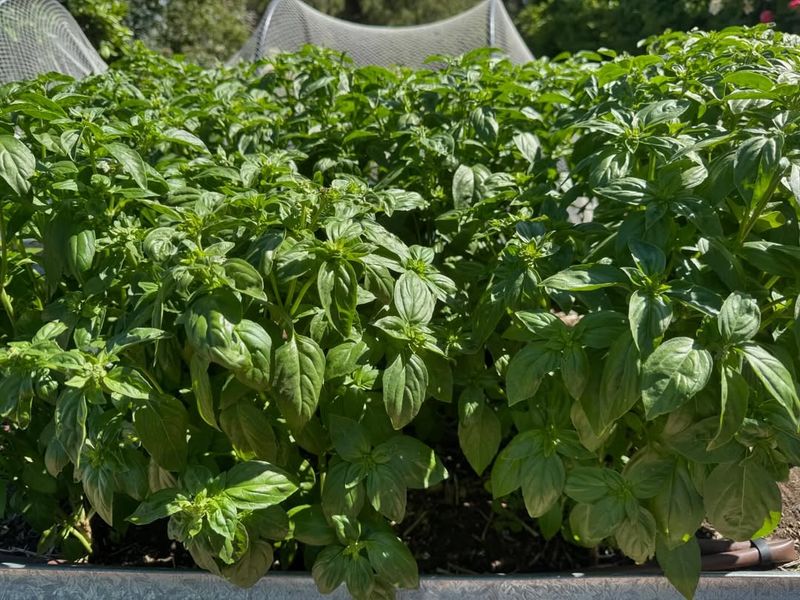
Basil brings a taste of summer to your California front door garden with its bright green leaves and sweet, peppery flavor. This annual herb loves warm weather and thrives in California’s long growing season, especially in containers that can be moved to sunny spots throughout the day.
Fresh basil is essential for making pesto, caprese salad, and countless Italian dishes, so having it right outside your entrance is incredibly convenient.
Different basil varieties offer unique flavors and appearances for your front door display. Sweet basil is the classic choice for cooking, while purple basil adds dramatic color contrast to green herbs.
Thai basil has a spicy, anise-like flavor that’s perfect for Asian cuisine, and lemon basil brings a citrusy twist to salads and fish dishes.
California gardeners can grow basil from spring through fall in most regions, and in warmer areas like Southern California, it can survive mild winters if protected from occasional cold snaps.
Basil needs regular watering and rich soil to produce lots of flavorful leaves, so feed it with compost or organic fertilizer every few weeks during the growing season.
Pinching off the top leaves regularly encourages bushier growth and prevents the plant from flowering too quickly, which can make the leaves taste bitter.
Placing basil pots near your front door means you’ll remember to harvest it often, keeping the plants productive and healthy throughout the season.
4. Thyme
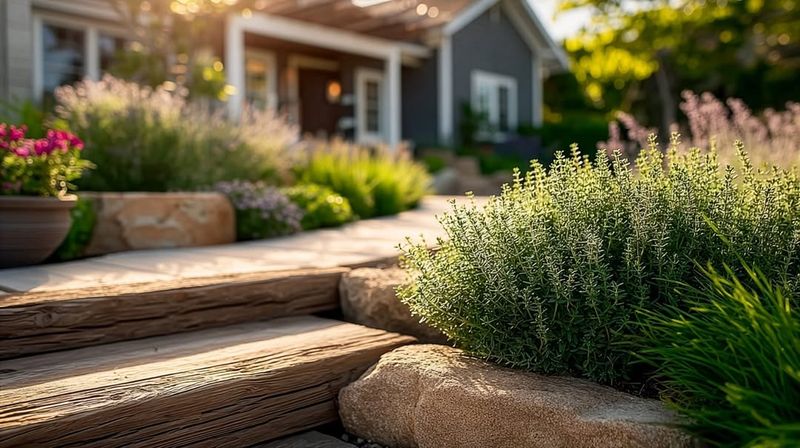
Thyme creates a charming groundcover or container plant that releases wonderful fragrance when you walk past your California front door. This low-growing herb has tiny leaves packed with flavor and essential oils, making it perfect for seasoning soups, roasted vegetables, and grilled meats.
Thyme is extremely drought-tolerant and actually prefers the dry conditions that California often experiences during summer months.
Many thyme varieties work beautifully in front door gardens, from common thyme with its classic culinary flavor to lemon thyme that adds a citrus note to dishes.
Creeping thyme spreads along the ground and can even tolerate light foot traffic, making it ideal for planting between stepping stones leading to your entrance.
In California, thyme stays green year-round and produces delicate pink or purple flowers that bees absolutely love.
Thyme requires full sun and excellent drainage, so it’s perfect for California’s sandy or rocky soils. If you’re planting in containers, use a potting mix designed for herbs or add extra perlite to improve drainage.
Overwatering is the biggest mistake people make with thyme, so let the soil dry out between waterings.
From San Jose to San Bernardino, thyme adapts to various California climates with ease. Its compact size makes it perfect for small spaces by front doors, and you can harvest sprigs anytime you need fresh herbs for cooking without harming the plant’s growth.
5. Mint
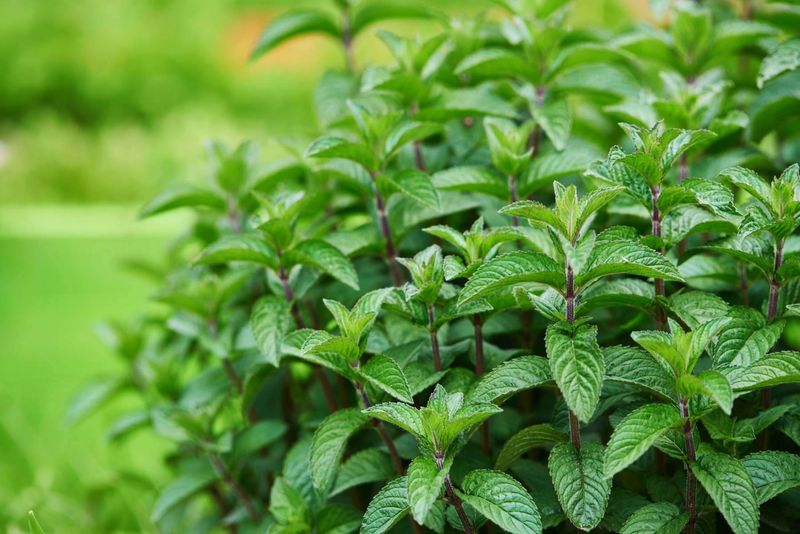
Mint’s refreshing aroma and rapid growth make it an exciting addition to California front door gardens, though it’s best kept in containers to prevent it from taking over your entire yard.
This vigorous herb produces abundant leaves perfect for making mojitos, iced tea, fruit salads, and Middle Eastern dishes like tabbouleh.
Mint thrives in California’s climate and can tolerate more shade than most herbs, making it ideal if your front entrance doesn’t get full sun all day.
Spearmint and peppermint are the most popular varieties, but chocolate mint, apple mint, and orange mint offer fun flavor variations for adventurous cooks.
Mint plants spread through underground runners called rhizomes, which is why planting them in pots prevents them from invading neighboring plants in your front door garden.
California’s mild winters won’t harm mint, and it often stays green year-round in coastal areas.
Mint needs more water than drought-tolerant herbs like rosemary or thyme, so check the soil regularly and water when the top inch feels dry. The plant benefits from occasional fertilizing during the growing season to support its vigorous leaf production.
Harvesting mint frequently actually encourages bushier, healthier growth and prevents it from getting leggy or flowering too soon.
Whether you’re in Oakland or Orange County, mint brings cooling freshness to your California front entrance. Its bright green leaves and pleasant scent create a welcoming atmosphere, and you’ll always have fresh mint on hand for drinks and recipes.
6. Oregano
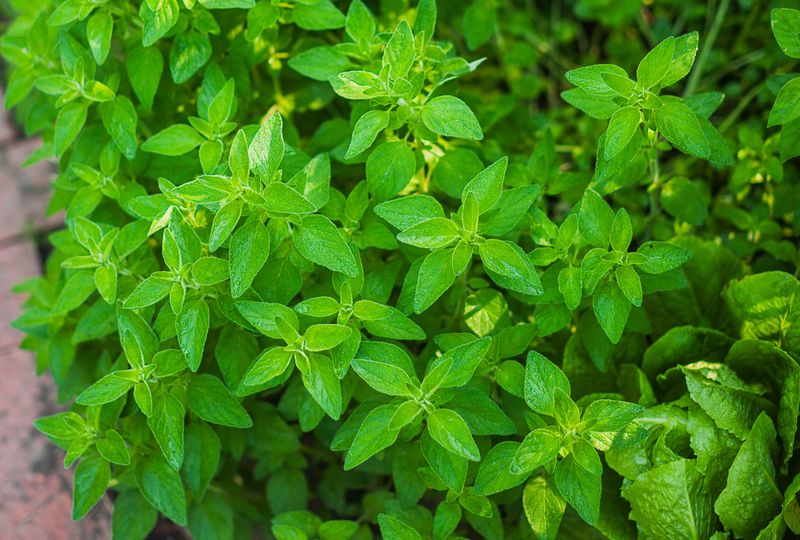
Oregano brings robust Mediterranean flavor to your California doorstep and requires almost no maintenance once established.
This hardy perennial herb develops woody stems and produces clusters of small leaves that pack an intense, slightly peppery taste perfect for pizza, pasta sauces, and Greek salads.
California’s dry summers actually intensify oregano’s essential oils, making homegrown leaves more flavorful than store-bought versions.
Greek oregano and Italian oregano are the best culinary varieties, offering the strongest flavor for cooking. Some oregano types produce pretty pink or white flowers in summer that attract butterflies and beneficial insects to your front entrance.
The plants stay relatively compact, usually reaching about 12 to 18 inches tall, making them perfect for containers or small garden beds by your door.
Oregano loves full sun and well-draining soil, thriving in the same conditions that suit most California native plants. It rarely needs fertilizer and actually develops better flavor when grown in lean soil rather than rich, heavily amended earth.
Water oregano sparingly, allowing the soil to dry completely between waterings, especially during California’s summer months.
From Sacramento to San Diego, oregano adapts beautifully to different California regions and microclimates. You can harvest leaves anytime for fresh use, or cut entire stems in summer to dry and store for winter cooking.
Having oregano by your front door means fresh herbs are always within reach when you’re preparing meals.
7. Sage
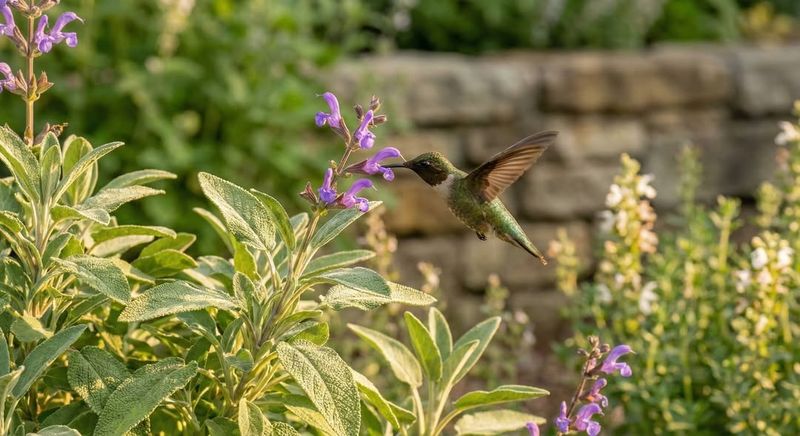
Sage creates a stunning focal point by your California front door with its velvety gray-green leaves and tall purple flower spikes.
This drought-tolerant herb has been used in cooking and medicine for thousands of years, and its earthy, slightly peppery flavor enhances poultry dishes, stuffing, and brown butter sauces.
California’s climate suits sage perfectly, as it originates from Mediterranean regions with similar weather patterns.
Common sage is the traditional culinary variety, but purple sage, golden sage, and tricolor sage add extra visual interest to your entryway garden. The soft, fuzzy leaves feel wonderful to touch and release a pleasant herbal scent when brushed against.
Sage plants can grow quite large in California, sometimes reaching three feet tall and wide, so give them plenty of space or plan to prune them regularly.
Sage needs full sun and excellent drainage to thrive, making it perfect for California’s sandy or rocky soils. Once established, it needs very little water and can survive on natural rainfall in many California regions.
Overwatering sage often leads to root problems, so err on the side of underwatering rather than giving it too much moisture.
Throughout California, from Napa Valley to Palm Springs, sage performs beautifully with minimal care.
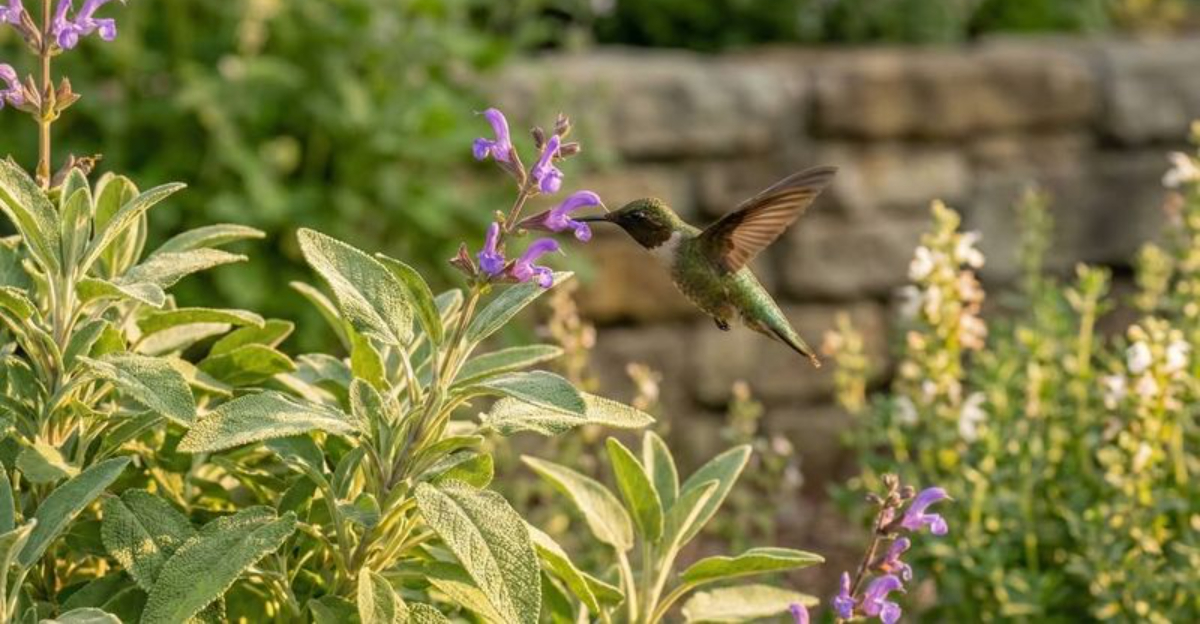
The plant’s silvery foliage provides nice contrast against green plants, and its purple blooms in late spring attract hummingbirds and bees to your front entrance, creating a lively and welcoming garden space.
8. Chives
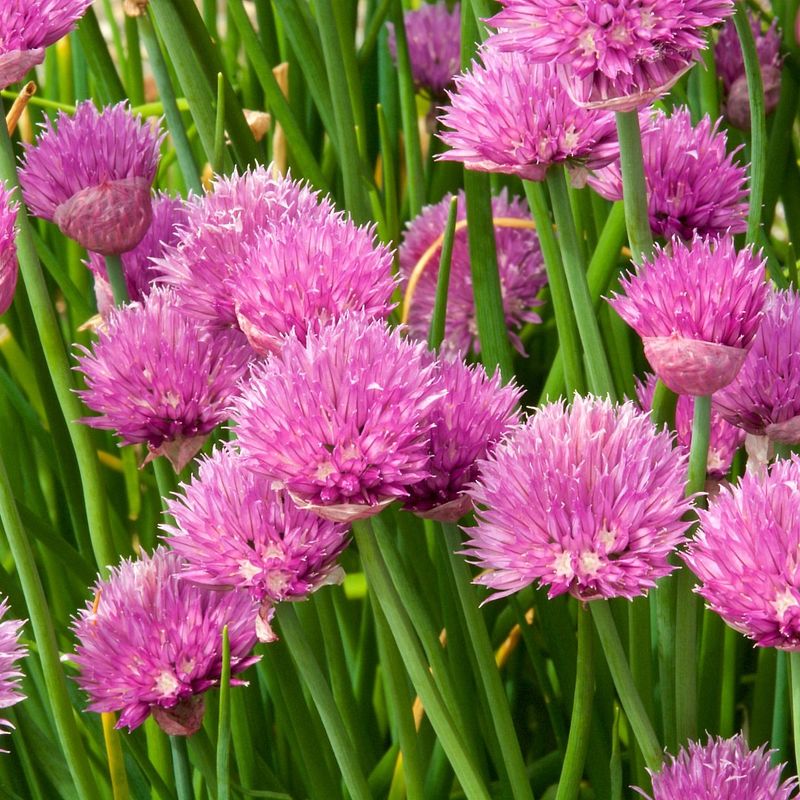
Chives offer delicate onion flavor and charming purple pompom flowers that brighten any California front entrance.
These grass-like herbs grow in neat clumps that look tidy and organized in containers or garden borders, and they’re one of the easiest herbs for beginning gardeners to grow successfully.
California’s climate allows chives to grow year-round in many areas, providing fresh herbs for cooking even during winter months.
Both common chives and garlic chives work wonderfully by front doors, with common chives offering mild onion flavor and garlic chives providing a subtle garlic taste.
The edible flowers add a pop of purple color in spring and summer, and they taste great sprinkled over salads or used as a garnish for soups and baked potatoes.
Chives attract beneficial pollinators while naturally repelling some garden pests, making them helpful companion plants for other herbs.
Chives prefer full sun but tolerate partial shade better than most herbs, so they work well even if your front entrance doesn’t get intense sunlight all day. They need regular watering and appreciate richer soil than drought-tolerant herbs like rosemary or thyme.
Feed chives with compost or organic fertilizer every few weeks during the growing season to encourage abundant leaf production.
Harvesting chives is simple – just snip the leaves near the base with scissors, and new growth will quickly replace what you’ve cut. In California gardens from Berkeley to Bakersfield, chives provide reliable, fresh flavor and pretty flowers right outside your door throughout most of the year.