7 Bare-Root Plants You Can Still Plant In Oregon This February
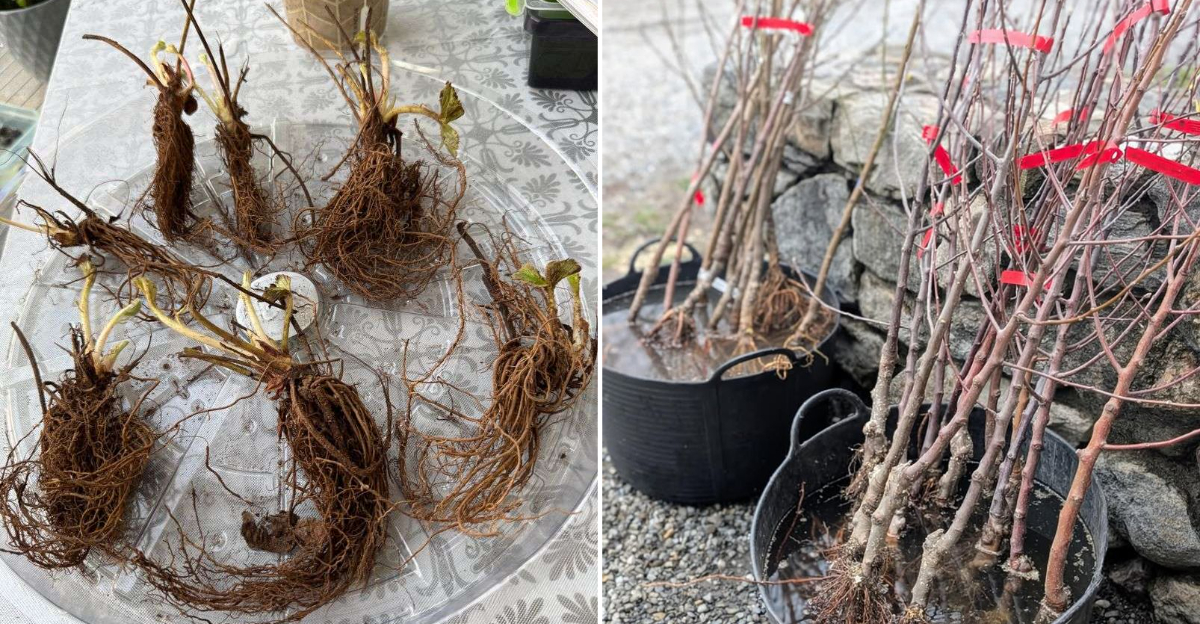
February in Oregon can feel like the garden is still sleeping, but it’s actually a great time to get a head start with bare-root plants.
These dormant plants arrive without soil around their roots, making them easy to handle and quick to establish before spring.
Planting now gives them time to grow strong roots, which means healthier, more vigorous growth when warmer weather arrives.
From fruit trees and berries to shrubs and perennials, bare-root plants are surprisingly versatile.
They’re also often less expensive than potted plants, making it a great way to expand your garden without breaking the budget.
With proper planting and a little care, these plants can thrive, providing blooms, fruit, or structure for years to come.
Even if your garden still looks bare under winter skies, planting bare-root plants in February sets the stage for a vibrant, productive season.
With a few simple steps, Oregon gardeners can enjoy the benefits of early planting, watch their plants establish quickly, and be rewarded with a flourishing garden once spring really arrives.
1. Roses
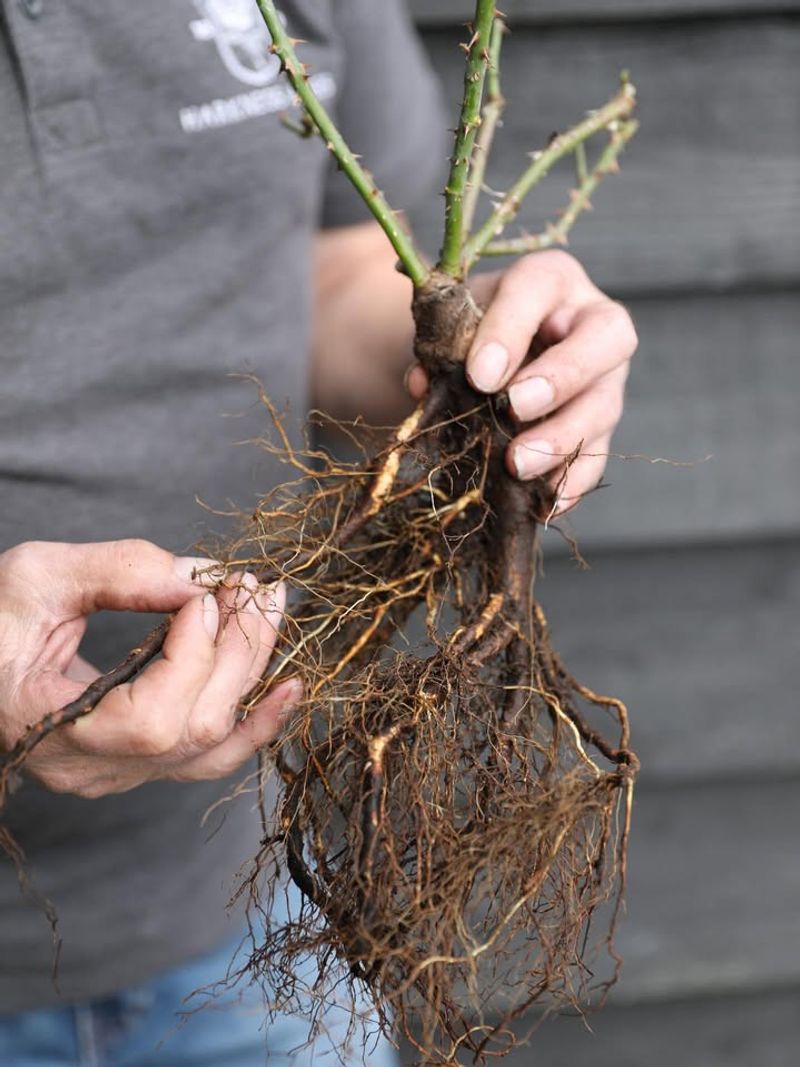
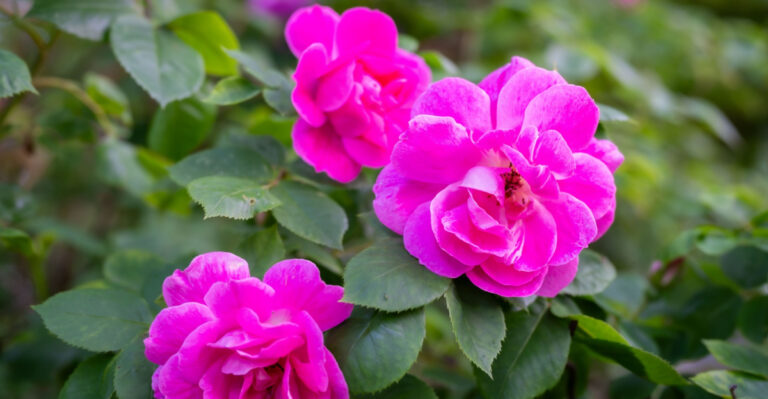
Bare-root roses are a garden classic, and February is the perfect month to get them in the ground across Oregon. Nurseries carry a huge variety right now, from climbing types to compact shrubs that fit any space.
When you plant bare-root, the rose focuses energy on root growth instead of supporting leaves, which means a stronger plant by summer.
Choose a spot with at least six hours of sunlight and soil that drains well. Soak the roots in water for a few hours before planting to wake them up.
Dig a hole wide enough to spread the roots without crowding, and make sure the graft union sits just above soil level in our mild climate.
Roses love Oregon’s wet winters because they get established without the stress of heat. Mulch around the base to keep moisture steady and weeds down.
By late spring, you will see new canes pushing up, and come June, blooms will start to open.
Bare-root roses also cost less than potted ones, so you can try a few different colors or fragrances. Whether you want fragrant tea roses or hardy landscape varieties, planting now gives them the best start for a long, healthy life in your garden.
2. Apple Trees
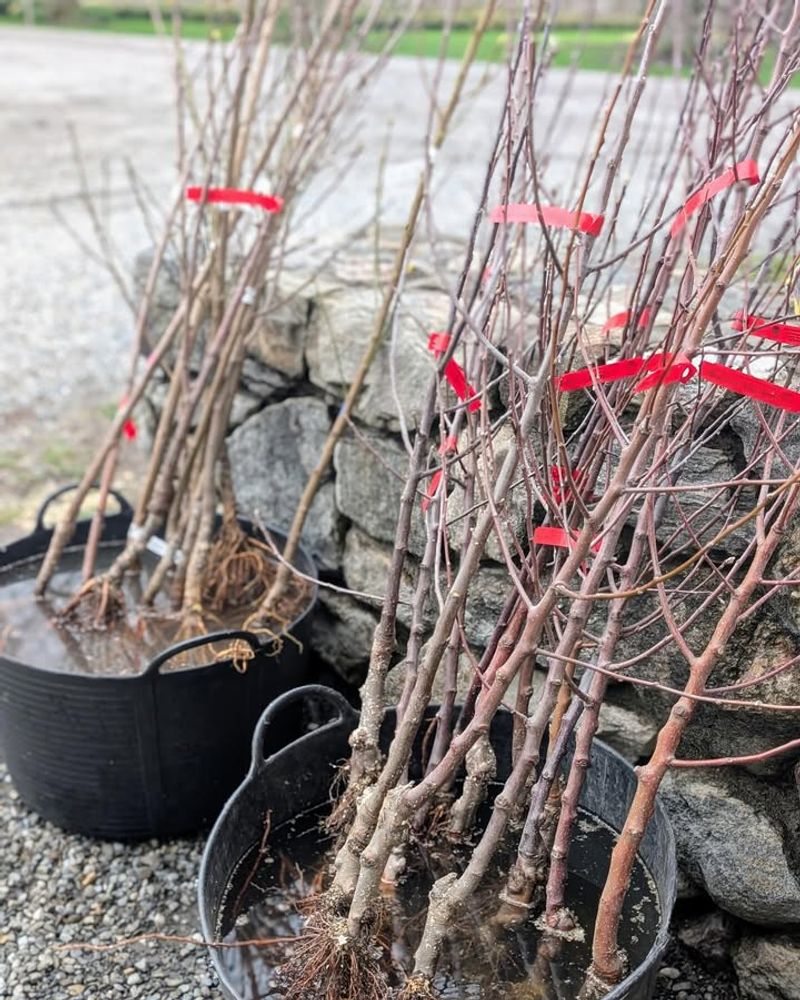
Apple trees are a favorite for Oregon gardeners, and bare-root stock is the way to go if you want a healthy, productive tree.
February planting takes advantage of our rainy season, so the tree can settle in and start growing roots before the busy spring season.
You will find dwarf, semi-dwarf, and standard sizes, each suited to different yard sizes and harvest goals.
Pick a sunny location with good air circulation to prevent disease. Apples need well-drained soil, so avoid low spots where water pools.
Soak the roots for a couple of hours, then dig a hole that allows you to spread them out naturally. The graft union should sit a few inches above the soil line.
Most apple varieties need a pollinator, so plan to plant at least two different types if you want fruit. Oregon’s climate supports many popular apples like Fuji, Gala, and Granny Smith.
Your Oregon Garden Changes Every Week. Your Plan Should Too.
Gardening in Oregon changes quickly throughout the season. Every Friday you’ll receive a simple weekly plan showing exactly what to plant, prune, fertilize, harvest, and protect so you never miss the right timing.
Stake young trees to help them stand straight through winter winds.
Bare-root trees are easier to transport and plant than container-grown ones. They also adapt faster because their roots are not circling in a pot.
With proper care, your apple tree will reward you with fresh, crisp fruit for many years to come.
3. Pear Trees
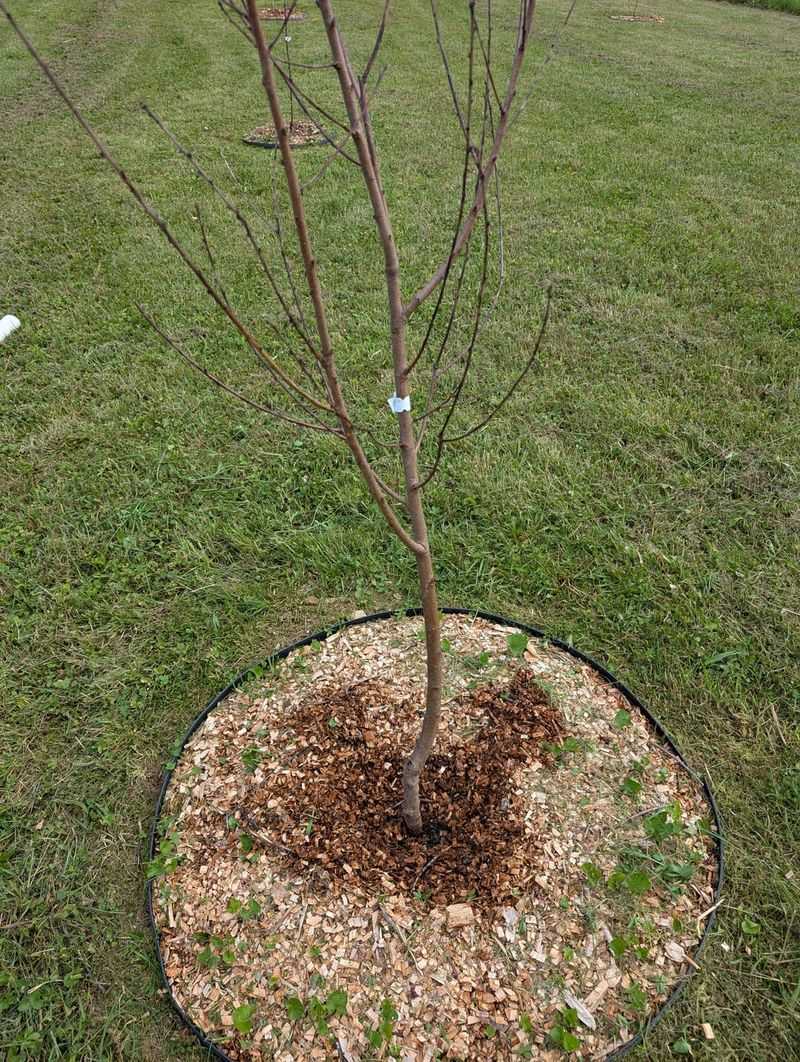
February is the perfect time to plant bare-root pear trees in Oregon, giving them a strong start for healthy growth and abundant fruit.
These trees reward gardeners with sweet, juicy pears and show-stopping spring blossoms that brighten any yard.
Bare-root stock is widely available now, with options ranging from European varieties like Bartlett and Bosc to Asian types that offer a crisp, apple-like texture.
Pick a sunny spot with well-draining soil, since pear trees don’t like “wet feet.” Soak the roots before planting and dig a hole wide enough to spread them comfortably. Make sure the graft union sits above ground level to avoid future root problems.
Most pear trees need a pollinator to set fruit, so planting two compatible varieties is a good idea. Oregon’s mild winters and wet springs provide the moisture they need to establish strong roots.
Mulching around the base conserves water and keeps weeds at bay, making care easier.
Bare-root trees are often more affordable than potted ones and tend to grow faster once planted. They also usually develop healthier root systems because they haven’t been confined in a container.
With a little patience and care, these trees will provide baskets of fresh, homegrown pears every fall—perfect for snacking, baking, or sharing with neighbors.
4. Cherry Trees
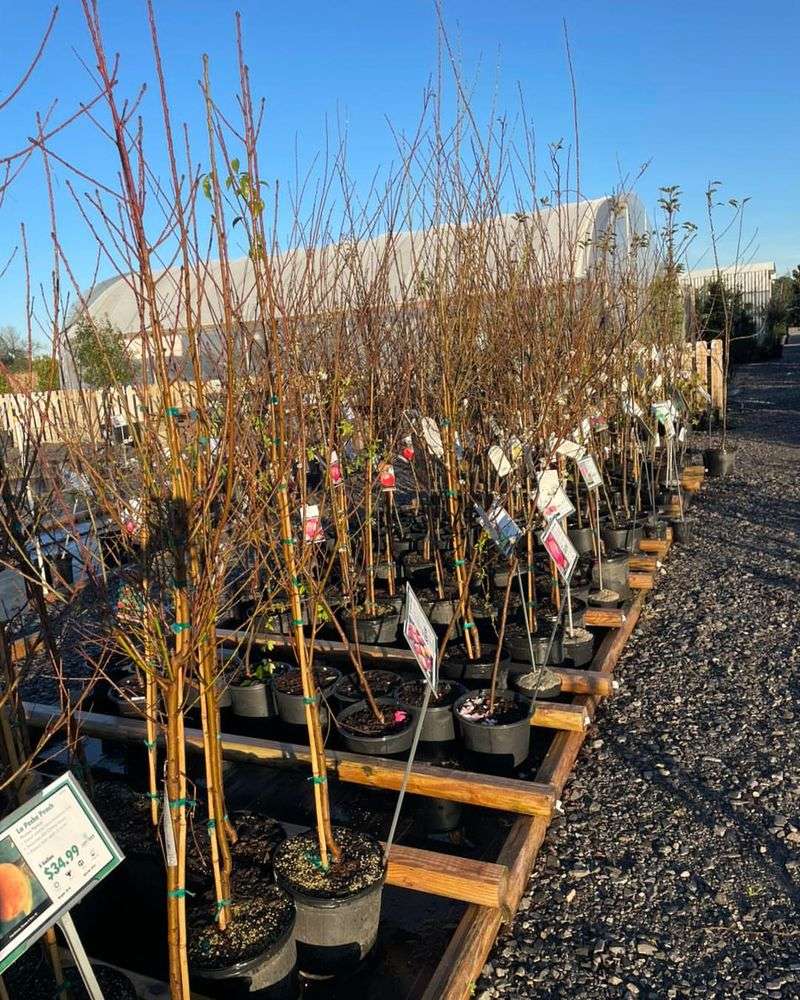
February is the perfect time to plant bare-root cherry trees in Oregon, giving them a head start for healthy growth and bountiful fruit. Both sweet and tart varieties thrive in the region, and bare-root trees often establish faster than container-grown ones.
Sweet cherries like Bing and Rainier are ideal for fresh snacking, while tart types such as Montmorency are perfect for pies, jams, and preserves.
Pick a site with full sun and excellent drainage, since cherries are prone to root rot in soggy soil. Soak the roots for a few hours before planting, then dig a hole wide enough for the roots to spread comfortably.
Make sure the graft union sits above the soil surface to prevent problems later.
Most sweet cherry trees require a pollinator, so planting at least two compatible varieties is a good idea. Tart cherries are often self-fertile, making them easier to grow if space is limited.
Oregon’s wet winters provide ideal moisture for bare-root cherries to get established without much extra watering.
Mulching around the base helps retain soil moisture and keeps weeds at bay, and staking young trees protects them from wind. Bare-root cherries are more affordable than potted trees and adapt quickly to garden soil.
In just a few years, fresh cherries will be ready to pick right from the backyard, making all the winter prep worthwhile.
5. Strawberries
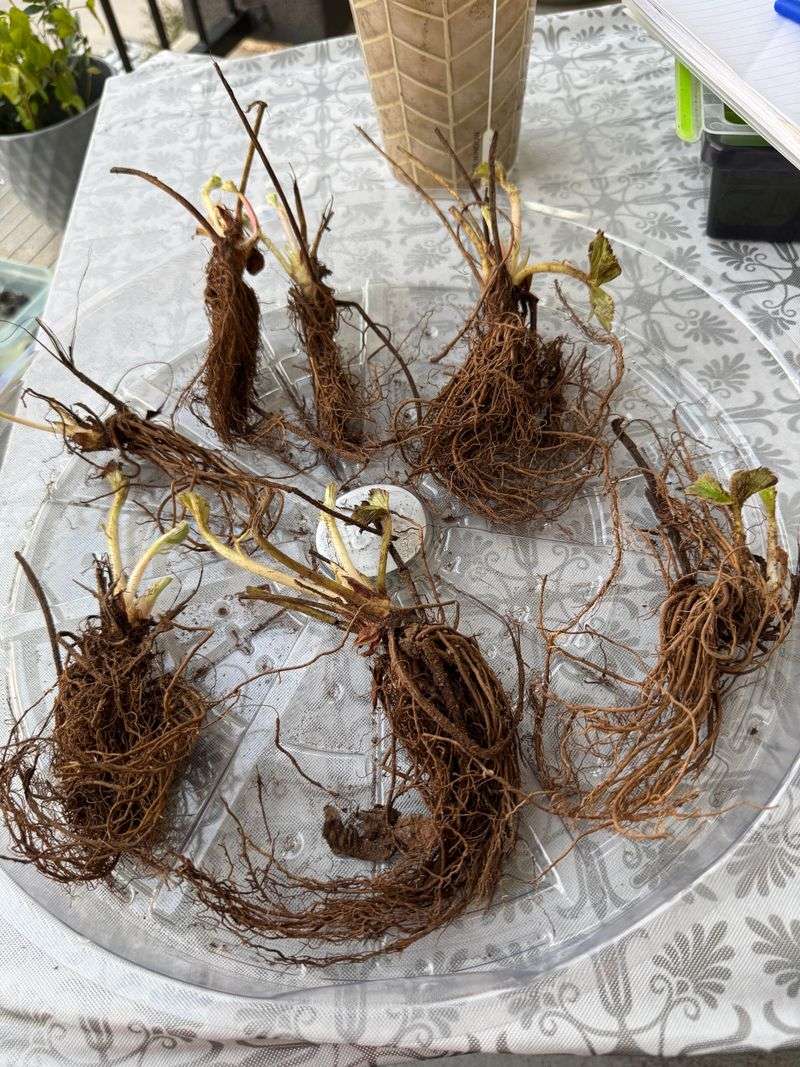
Planting bare-root strawberry crowns in February is a smart way to get a sweet harvest by early summer in Oregon. These low-growing plants are easy to care for and work well in raised beds, containers, or traditional garden rows.
Sold as dormant crowns, they’re ready to wake up and grow as soon as the soil warms.
Choose a sunny spot with well-draining soil, and mix in compost to give them a nutrient boost. Plant the crowns so the roots are covered but the crown itself sits at soil level.
Space them about a foot apart to give each plant room to spread and produce runners.
Oregon’s cool, moist February weather helps strawberries settle in without stress. Water regularly until the plants begin to grow, then mulch with straw to keep berries clean and protect them from slugs.
June-bearing varieties produce a single big crop, while ever-bearing types provide fruit throughout the season.
Bare-root crowns are often healthier and less expensive than potted plants since they haven’t been sitting in a nursery for months. They also adapt faster to your garden conditions.
With just a little care, it’s easy to enjoy bowls of fresh, homegrown strawberries all summer, perfect for snacking, smoothies, or desserts.
6. Raspberries
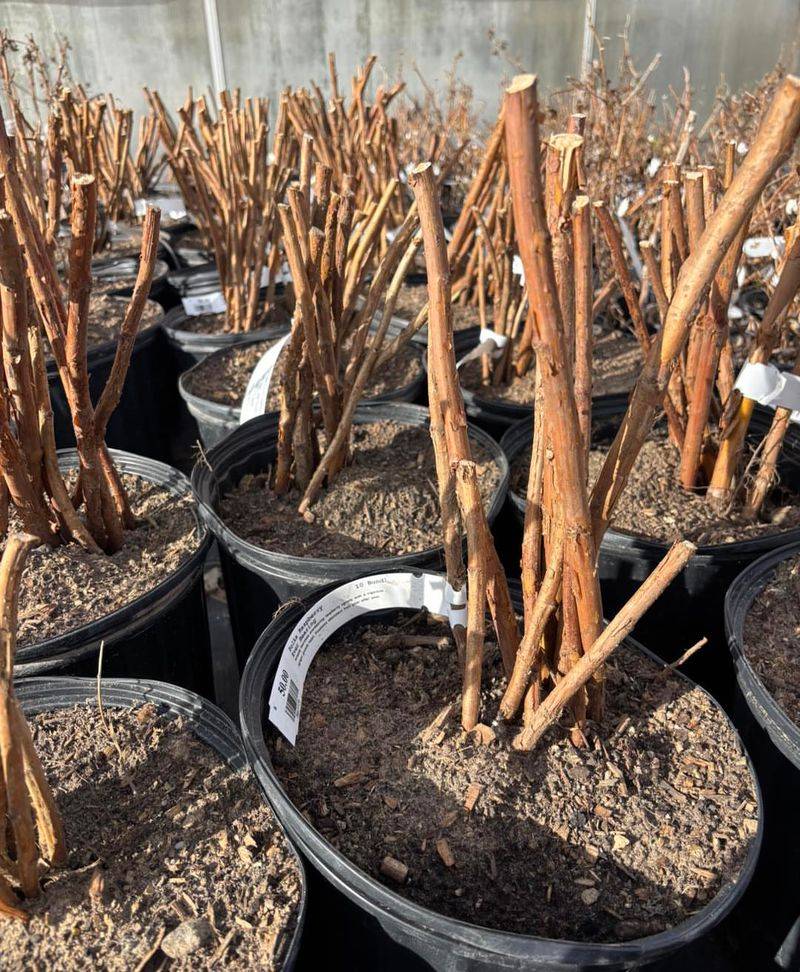
February is the perfect time to plant bare-root raspberry canes in Oregon, giving them a head start for a summer full of sweet, juicy berries.
These hardy plants thrive in the local climate and produce fruit that tastes far better than anything from the store.
Sold dormant, bare-root canes are easy to handle and quick to establish in the garden.
Pick a sunny spot with well-drained soil, and mix in compost to boost fertility. Space the canes about two feet apart, and trim them back to six inches at planting to encourage strong, healthy growth.
Keep the roots moist but not soggy, and mulch around the base to conserve water and suppress weeds.
Oregon’s wet winters provide ideal moisture for bare-root raspberries, helping them settle in without extra effort. Summer-bearing varieties produce one big harvest, while ever-bearing types can give fruit twice a year.
Because raspberries spread through underground runners, it’s a good idea to manage them with a trellis or row system to keep them tidy and productive.
Bare-root canes are usually healthier and more affordable than potted plants, and they adapt quickly to local garden conditions.
With just a little care, a raspberry patch planted now can provide delicious, homegrown fruit for years, perfect for snacking, desserts, or sharing with friends and neighbors.
7. Blueberries
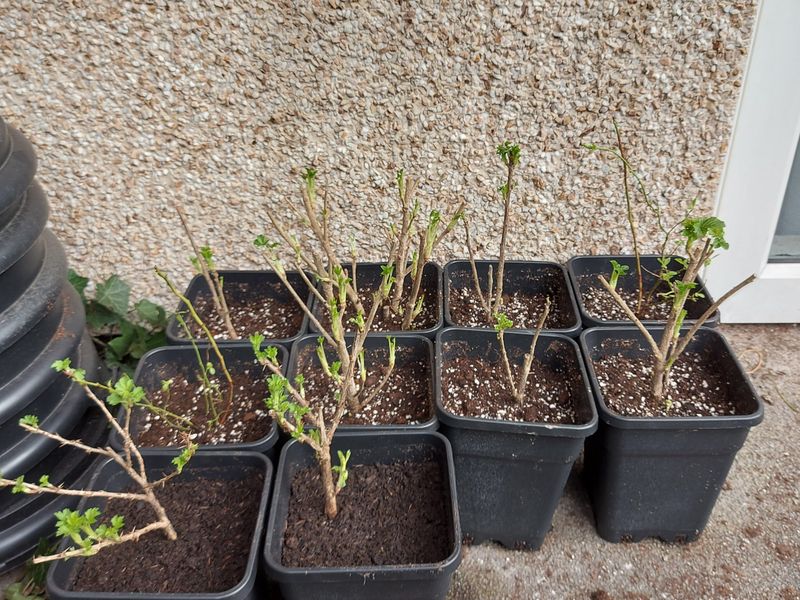
February is the perfect time to plant bare-root blueberries in Oregon, giving these shrubs a strong start in the region’s acidic soil and mild climate.
Once established, they reward gardeners with sweet, antioxidant-rich berries and vibrant fall foliage that adds color to the landscape.
Sold dormant, bare-root plants are easy to handle and quick to settle in.
Blueberries need acidic soil with a pH between 4.5 and 5.5, so testing and amending your soil with sulfur or peat moss is important if needed. Choose a sunny spot with good drainage and space bushes about four feet apart.
Dig a hole twice as wide as the root system, gently spread the roots, and backfill with amended soil to give them the best start.
Oregon’s rainy February weather helps bare-root blueberries establish without extra watering. Mulching with pine needles or bark keeps the soil moist and maintains acidity.
Most varieties need a pollinator, so planting at least two types ensures better berry production.
Bare-root blueberries are generally healthier and less expensive than potted plants, and they adapt quickly to garden conditions.
With proper care, these shrubs can produce fruit for decades, providing fresh berries for pancakes, smoothies, pies, or snacking straight from the garden every summer.