8 Plants That Look Beautiful In Colorado Yards Even Without Flowers
Colorado yards don’t need nonstop blooms to look stunning. Some plants bring beauty through bold leaves, rich colors, and unique shapes that stand out all year long.
A great yard isn’t just about flowers, it’s about lasting style. With changing seasons and unpredictable weather, choosing the right plants can make your landscape look fresh no matter the time of year.
Want a yard that looks good even in the off-season? From hardy shrubs to eye-catching grasses, these plants add texture and interest without extra effort.
Low maintenance doesn’t mean low impact. Whether you’re redesigning your yard or filling empty spaces, smart plant choices can save time and water.
Your Colorado yard can turn heads without relying on blooms. Let’s explore the best plants that stay beautiful year-round.
1. Blue Spruce
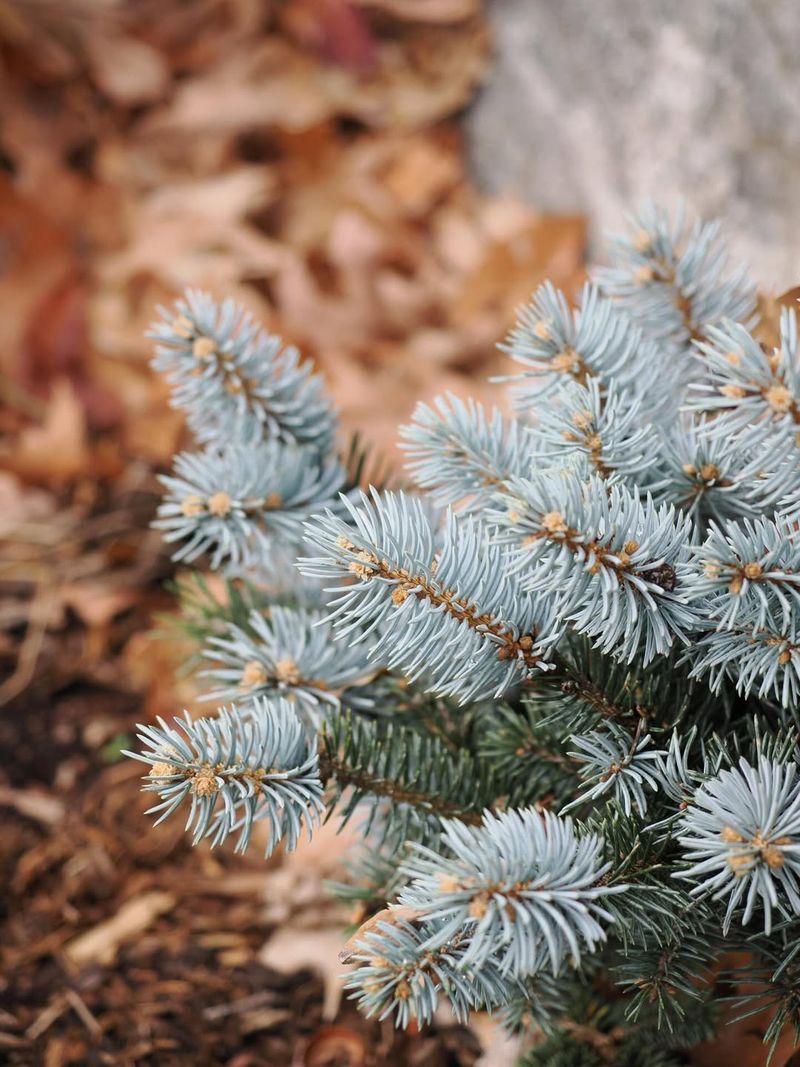
Standing tall with its silvery-blue needles catching the Colorado sunlight, the Blue Spruce has become an icon of the Rocky Mountain region. This evergreen tree doesn’t need flowers to command attention in your landscape.
Its distinctive color sets it apart from ordinary green conifers, creating a striking focal point that looks beautiful against snowy backdrops or sunny summer skies.
Blue Spruce trees grow naturally throughout Colorado’s mountainous areas, which means they’re perfectly adapted to handle our unpredictable weather patterns. They tolerate cold winters without complaint and can handle periods of drought once established.
The pyramidal shape develops naturally without much pruning, making maintenance relatively simple for busy homeowners.
These trees work wonderfully as standalone specimens in larger yards or can be planted in rows to create natural privacy screens. Their branches provide shelter for birds during harsh weather, adding wildlife value to your property.
The blue-tinted needles stay vibrant year-round, ensuring your yard never looks bare or dull even in the depths of winter.
When planting Blue Spruce in Colorado yards, give them plenty of space since mature trees can reach 50 to 75 feet tall. They prefer full sun and well-drained soil.
Young trees benefit from regular watering during their first few years, but mature specimens become quite drought-tolerant, making them ideal for water-conscious landscaping throughout the state.
2. Dwarf Alberta Spruce
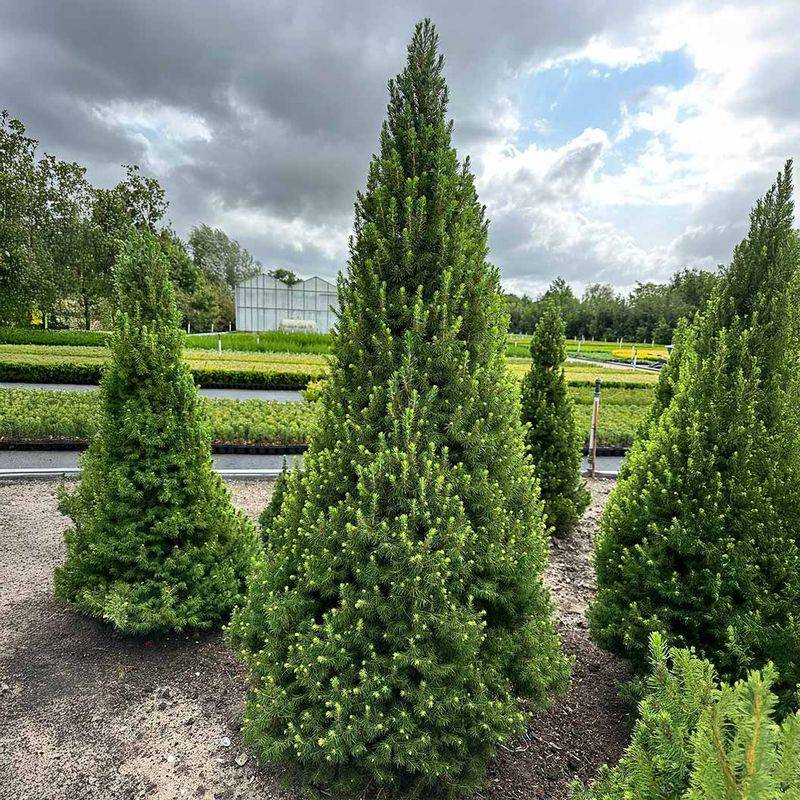
Perfect for smaller Colorado gardens, the Dwarf Alberta Spruce packs all the charm of larger evergreens into a compact, manageable size. This slow-growing conifer maintains a tight, cone-shaped form naturally, creating a formal appearance without requiring constant trimming.
Its bright green needles stay dense and vibrant throughout all four seasons, providing consistent visual appeal whether snow is falling or summer sun is blazing.
Homeowners across Colorado appreciate how versatile these little trees can be in landscape design. They work beautifully flanking entryways, lining walkways, or anchoring corner plantings in foundation beds.
Their small stature, typically reaching only 6 to 8 feet at maturity after many years, makes them ideal for urban yards where space comes at a premium.
The Dwarf Alberta Spruce handles Colorado’s climate challenges remarkably well. It thrives in full sun to partial shade and tolerates cold temperatures without any winter protection.
Your Colorado Garden Changes Every Week. Your Plan Should Too.
Gardening in Colorado changes quickly throughout the season. Every Friday you’ll receive a simple weekly plan showing exactly what to plant, prune, fertilize, harvest, and protect so you never miss the right timing.
The dense branching structure creates interesting texture in the landscape, and the bright green color provides a cheerful contrast against darker-needled evergreens or neutral hardscaping materials.
These compact conifers require minimal care once established in Colorado soil. Water them regularly during their first growing season, then reduce watering as they mature.
They rarely need fertilizing and resist most common pests. Their tidy growth habit means you can skip the pruning shears entirely, saving time while still enjoying a polished, professional-looking landscape year after year.
3. Feather Reed Grass
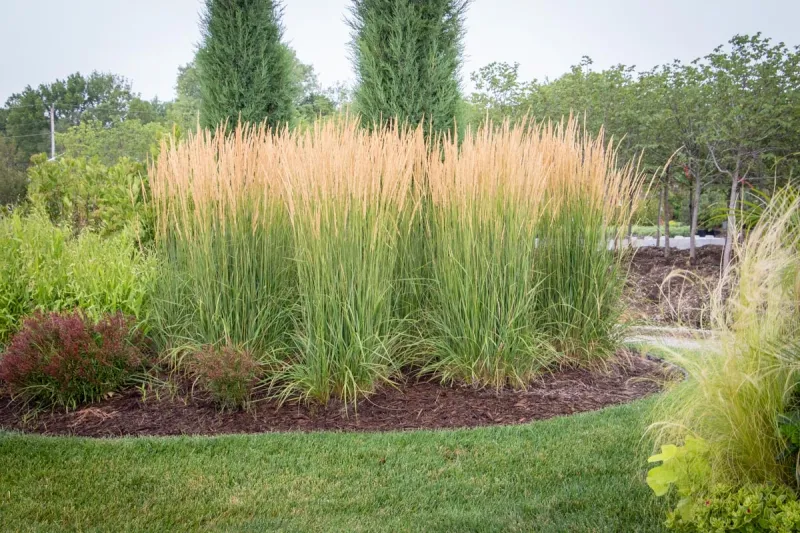
Movement and sound come alive in Colorado yards when Feather Reed Grass catches the breeze. This ornamental grass stands upright with elegant, narrow leaves that sway gracefully, creating a dynamic element in otherwise static landscapes.
The vertical growth habit, reaching 4 to 5 feet tall, adds height and drama without taking up much horizontal space, making it perfect for modern landscape designs.
What makes Feather Reed Grass particularly valuable is how it performs across Colorado’s changing seasons. The green foliage emerges in spring and develops wheat-colored plumes in early summer that persist through fall and into winter.
Even after frost arrives, the golden-tan stalks remain standing, providing visual interest when many other plants have faded. Snow dusting the dried grass creates stunning winter scenes that rival any flower display.
Colorado gardeners find this grass incredibly low-maintenance compared to traditional flowering perennials. It tolerates a wide range of soil conditions, from clay to sandy loam, as long as drainage is adequate.
Once established, it handles drought periods well, though occasional deep watering during extended dry spells keeps it looking its best.
Feather Reed Grass works wonderfully in mass plantings, creating flowing borders or screens that soften hard edges in the landscape. It also makes an excellent specimen plant in contemporary garden designs.
Simply cut back the dried foliage in early spring before new growth emerges, and you’re done with maintenance for the year. This simple care routine appeals to busy Colorado homeowners who want beautiful yards without constant upkeep.
4. Blue Fescue
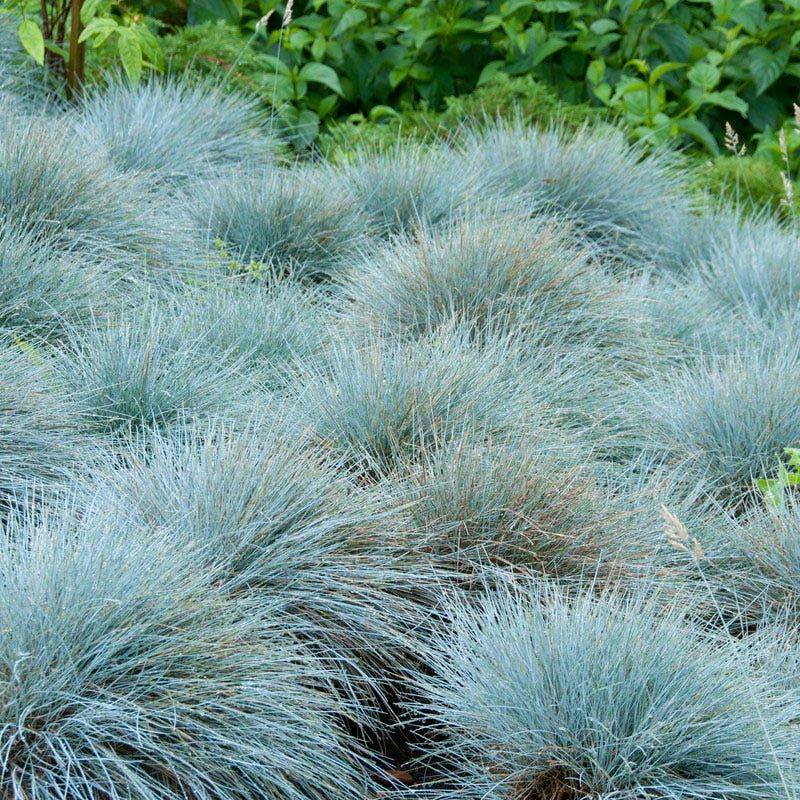
Like little blue pom-poms scattered across your landscape, Blue Fescue brings unexpected color and texture to Colorado gardens. This compact ornamental grass forms neat, rounded clumps of fine, silvery-blue foliage that stays attractive throughout the entire growing season.
The unique color provides excellent contrast against traditional green plants, rocks, or mulch, creating visual interest without a single bloom.
Blue Fescue thrives in Colorado’s sunny, dry conditions better than many other landscape plants. It actually prefers lean soil and requires very little supplemental water once established, making it an environmentally responsible choice for water-conscious homeowners.
The grass typically grows 8 to 12 inches tall and wide, staying compact without spreading aggressively like some ornamental grasses can.
Landscapers throughout Colorado use Blue Fescue in creative ways. It works beautifully as an edging plant along pathways, creates rhythm when planted in repeating groups, and adds softness to rock gardens or xeriscapes.
The fine-textured foliage contrasts nicely with bold-leaved plants like sedums or broad evergreens, helping create layered, professional-looking designs.
Caring for Blue Fescue couldn’t be simpler in Colorado yards. Plant it in full sun with excellent drainage, and it practically takes care of itself.
The biggest maintenance task is combing out dry foliage from the center of the clump in early spring or cutting back the entire plant if it starts looking tired.
Dividing clumps every few years keeps them vigorous and maintains that attractive blue color that makes this grass such a standout in Rocky Mountain landscapes.
5. Japanese Barberry
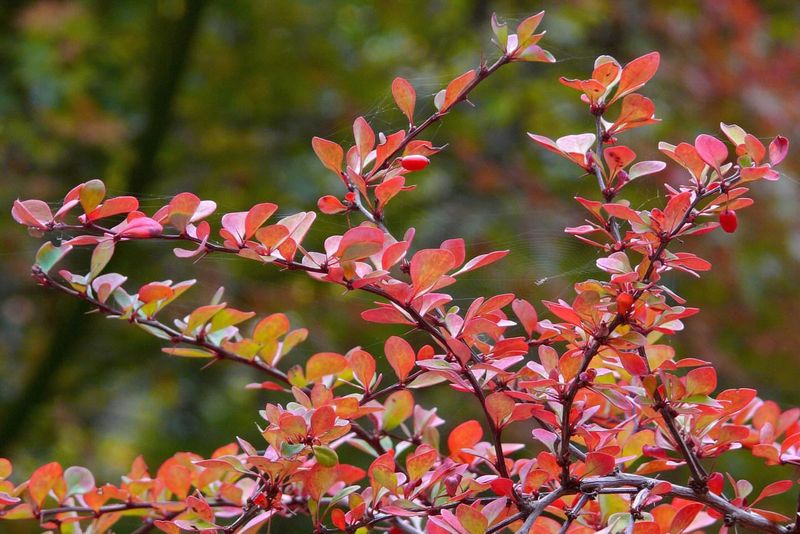
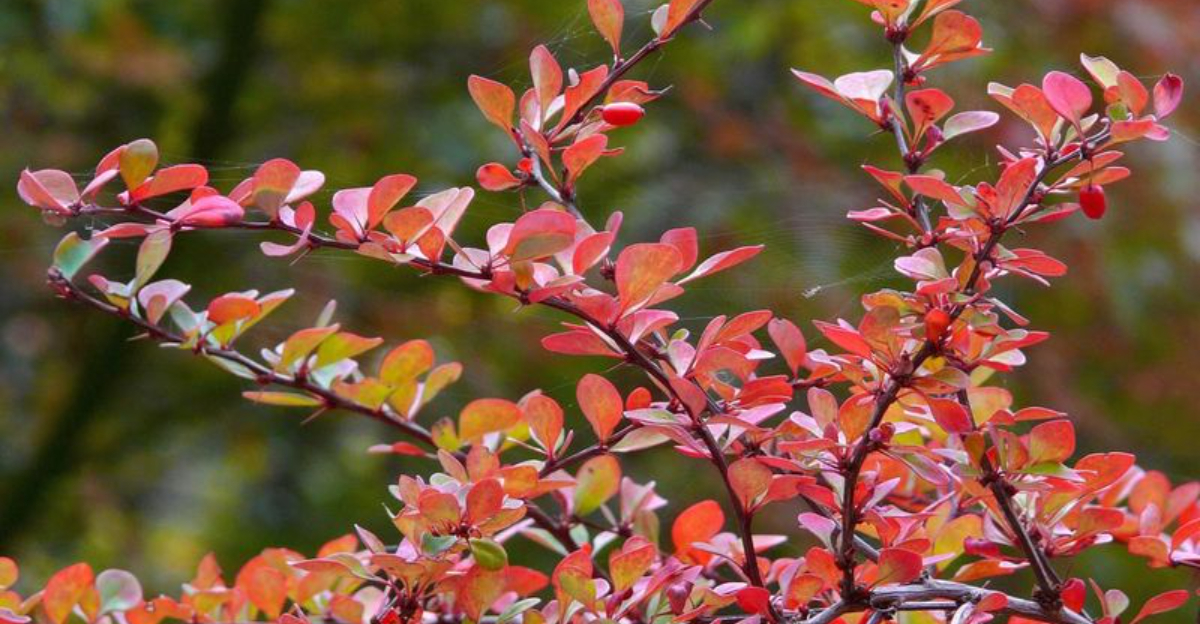
Bold color without flowers sounds impossible until you see Japanese Barberry lighting up a Colorado landscape. This deciduous shrub offers foliage in shades ranging from deep burgundy to bright chartreuse, depending on the variety you choose.
The dense, compact growth habit creates solid masses of color that serve as living focal points, drawing the eye and anchoring garden beds with confidence.
Japanese Barberry handles Colorado’s temperature extremes remarkably well, tolerating both scorching summer heat and frigid winter cold. The small, rounded leaves emerge in spring and maintain their vibrant colors throughout the growing season.
As autumn approaches, many varieties intensify in color, shifting to brilliant scarlet or orange shades that rival any fall-blooming perennial. Even after leaves drop, the thorny branches with bright red berries provide winter interest.
This versatile shrub works in numerous landscape situations across Colorado. Use it as a low hedge to define garden borders, plant it in masses for groundcover on slopes, or feature it as a specimen in mixed borders.
The thorny nature provides security when planted beneath windows, and the varied foliage colors available let you customize your landscape palette.
Maintenance requirements stay minimal for Japanese Barberry in Colorado yards. It adapts to various soil types and tolerates drought once established, though it looks best with occasional watering during extended dry periods.
Pruning can be done in early spring to maintain shape, but the naturally compact growth means you can skip this task if you prefer a more informal look. Just remember to wear gloves when handling this plant, as those thorns are quite effective.
6. Juniper
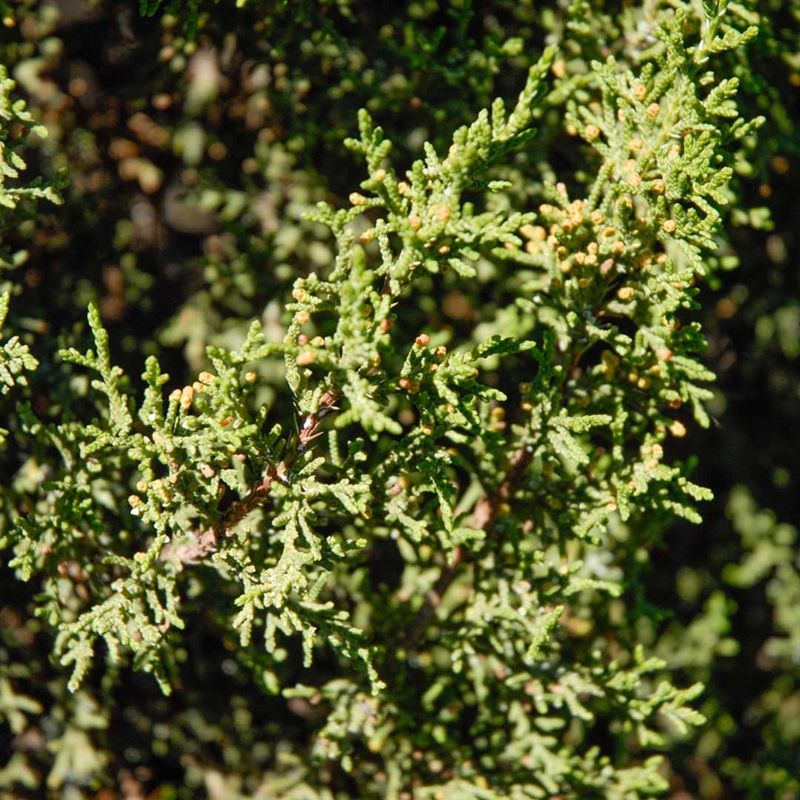
Few plants embody Colorado’s rugged landscape aesthetic quite like Juniper. This tough, adaptable evergreen comes in countless varieties, from low-spreading groundcovers to upright specimens reaching 15 feet or more.
The scale-like foliage ranges from bright green to blue-gray to golden tones, offering options for every design preference. Junipers bring year-round color and texture to Colorado yards without demanding much attention or resources.
Native to many parts of the western United States, Junipers naturally tolerate the conditions Colorado throws at them. They handle intense sun, poor soil, strong winds, and minimal water with remarkable resilience.
Once established, they become some of the most drought-tolerant plants you can grow, making them perfect for xeriscapes or areas where irrigation is limited or impractical.
The versatility of Juniper varieties makes them useful throughout Colorado landscapes. Low-growing types like Blue Rug Juniper work wonderfully as groundcovers on slopes or in areas where mowing is difficult.
Mid-sized varieties create informal hedges or foundation plantings. Upright forms like Skyrocket Juniper add vertical elements and can serve as living privacy screens.
The varied growth habits mean you can find a Juniper for virtually any landscape need.
Caring for Junipers in Colorado is refreshingly simple. Plant them in full sun with well-drained soil, and they’ll thrive with minimal intervention.
Avoid overwatering, as these plants prefer drier conditions once established. Prune only to remove dry branches or maintain desired shape, though many varieties look best when left to grow naturally.
Their resistance to pests and diseases means you can enjoy beautiful, evergreen foliage year after year without constant monitoring or treatments.
7. Russian Sage
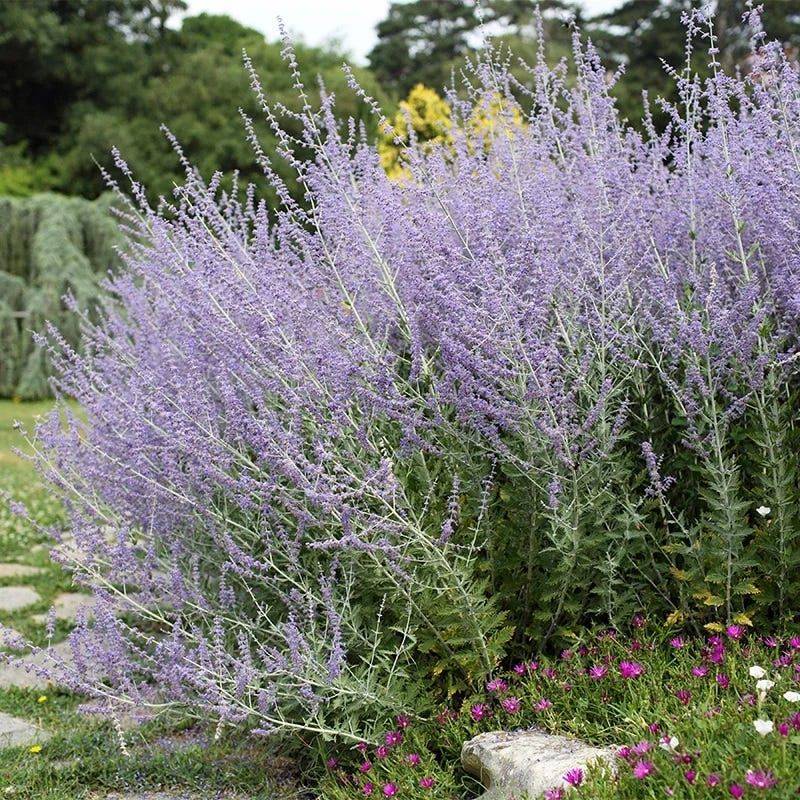
Silvery stems rise like a soft cloud in the Colorado garden when Russian Sage takes center stage. Though technically this plant produces tiny flowers, its real beauty comes from the aromatic, finely-cut gray-green foliage and the overall airy structure that creates a misty effect in the landscape.
The silvery leaves catch sunlight beautifully, almost seeming to glow during golden hour, while the upright stems add height and movement to garden beds.
Colorado’s climate suits Russian Sage perfectly. This tough perennial laughs at drought, intense sun, and temperature swings that would stress many other plants.
It thrives in the lean, alkaline soils common throughout the region and actually performs better with less water and fertilizer. The aromatic foliage releases a pleasant scent when brushed, adding a sensory dimension to your landscape experience.
Landscape designers throughout Colorado appreciate Russian Sage for its ability to soften hard edges and blend different elements together.
It works beautifully in perennial borders, creates stunning drifts in naturalistic plantings, and pairs wonderfully with ornamental grasses or bold-foliaged plants.
The fine texture contrasts nicely with coarser plants, helping create visual depth and interest in garden compositions.
Maintaining Russian Sage in Colorado yards requires minimal effort. Cut the entire plant back to about 6 to 12 inches in early spring before new growth begins.
This hard pruning keeps plants compact and encourages vigorous new growth with the best foliage color. Beyond this annual haircut, Russian Sage needs virtually no care.
It resists pests and diseases, requires no supplemental water once established, and continues looking attractive from spring through fall with zero fussing required.
8. Yucca
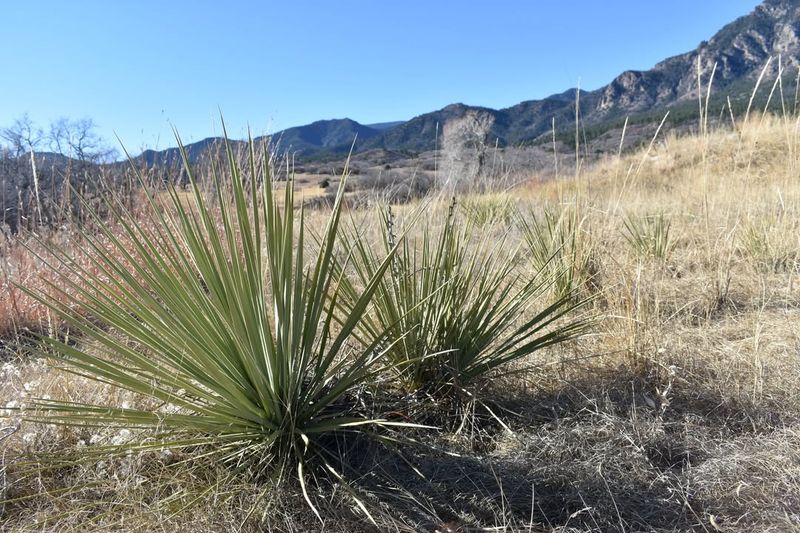
Architectural drama comes naturally to Yucca, a plant that brings southwestern flair to Colorado landscapes. The sword-shaped leaves radiate from a central point, creating bold, sculptural forms that command attention in any setting.
These stiff, evergreen leaves stay attractive year-round, providing consistent visual impact whether surrounded by snow or bathed in summer sunshine. The spiky texture creates striking contrast against softer plants or smooth hardscaping materials.
Yucca plants have adapted to harsh conditions over millennia, making them incredibly well-suited to Colorado’s challenging climate. They tolerate extreme cold, intense heat, poor soil, and extended drought without missing a beat.
The deep root system allows them to access moisture unavailable to shallow-rooted plants, which means they can thrive in locations where other plants struggle or fail completely.
Colorado homeowners use Yucca in various creative ways throughout their landscapes. They make dramatic focal points in rock gardens, add bold texture to xeriscapes, and create modern, minimalist statements in contemporary designs.
The architectural quality works especially well in Southwestern or desert-themed landscapes but can also provide interesting contrast in more traditional garden settings. Planting them in groups creates even more impact than single specimens.
Caring for Yucca in Colorado couldn’t be easier. Plant them in full sun with excellent drainage, and then basically forget about them.
They need no supplemental water once established, no fertilizer, and no pruning except to remove the occasional dry leaf. The sharp leaf tips can be trimmed if safety is a concern in high-traffic areas.
Otherwise, these plants maintain their stunning appearance year after year with absolutely zero effort, making them perfect for low-maintenance Colorado landscapes that still deliver high visual impact.