Why Oregon Gardeners Should Start Native Seeds Indoors In Late Winter
Oregon winters can feel long and gray, but savvy gardeners know this quiet season is actually the perfect time to get a head start on spring.
Native plants are tough, beautiful, and perfectly adapted to our Pacific Northwest climate, but they often need a little extra care when starting from seed.
Starting them indoors during late winter gives you a chance to nurture young seedlings while the rain falls outside.
Why bother with native seeds when you could just buy plants at the nursery come spring? Well, growing from seed saves money, offers way more variety, and connects you to the natural rhythm of the seasons in a really meaningful way.
Plus, native plants support local pollinators, require less water once established, and thrive without much fuss.
When you start seeds indoors in February or early March, you give them the warmth and protection they need to develop strong roots before transplanting outdoors.
Indoor seed starting also means you control the growing conditions from day one. You can choose organic soil, avoid pesticides, and raise plants that are healthier and more resilient.
Whether you want to fill your garden with colorful wildflowers, restore a patch of natural habitat, or just enjoy the satisfaction of growing something from scratch, starting native seeds indoors in late winter sets you up for success.
Your garden will thank you, and so will the bees, butterflies, and birds that call Oregon home.
1. Longer Growing Season Means Stronger Plants
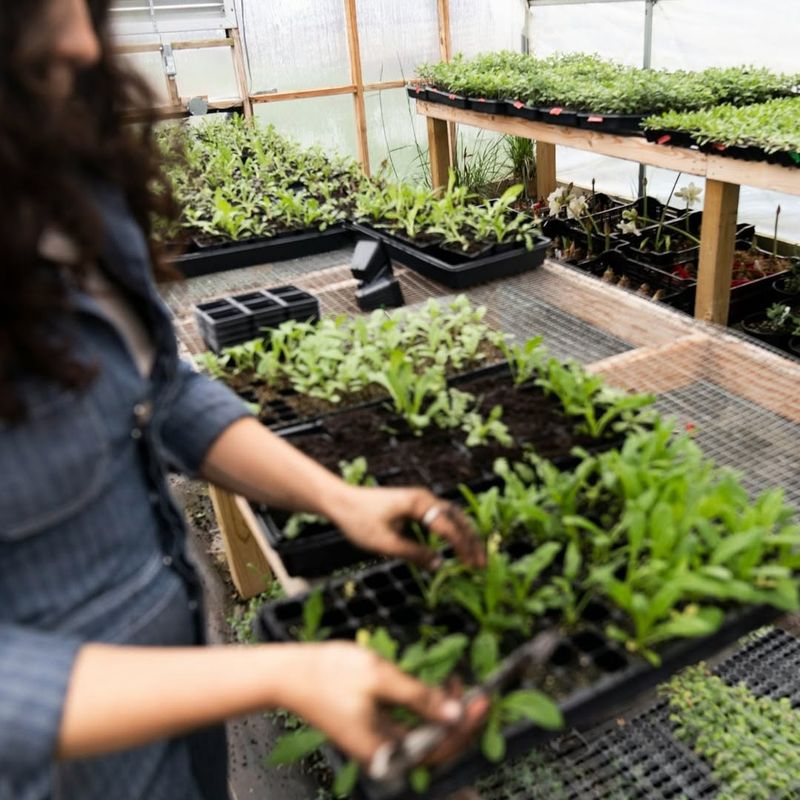
Native Oregon plants like lupines, asters, and penstemon often take their sweet time to germinate and develop. Some species need several weeks just to sprout, and then they grow slowly compared to common garden vegetables.
By starting seeds indoors in late winter, you give these plants extra weeks or even months to build strong root systems before they face the unpredictable outdoor conditions of spring.
Stronger roots mean your plants can handle transplant shock better and establish themselves quickly once you move them to the garden.
They also become more drought-tolerant and resilient against pests and diseases.
Instead of struggling to catch up during the short Oregon growing season, your seedlings get a comfortable head start in a controlled environment.
Indoor starting also protects tender seedlings from late frosts, heavy rains, and hungry slugs that can wipe out direct-sown seeds in minutes.
You can monitor moisture, temperature, and light levels closely, ensuring each seedling gets exactly what it needs.
By the time spring arrives and the soil warms up, your plants are already robust and ready to thrive, giving you a garden that looks established and vibrant much earlier in the season than your neighbors who waited to sow outdoors.
2. Better Germination Rates With Controlled Conditions
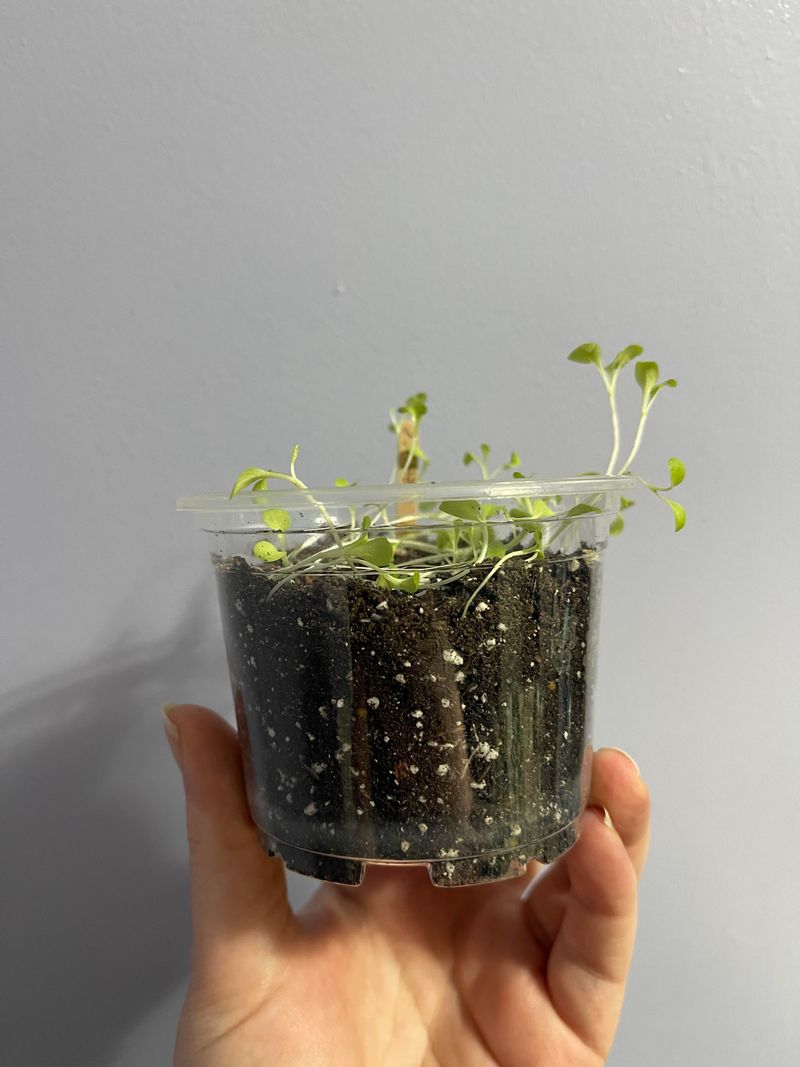
Germination can be tricky with native seeds because many have specific temperature and moisture requirements. Some need consistent warmth, while others require a period of cold stratification followed by warmth.
Outdoors in late winter, Oregon soil is cold, wet, and unpredictable, which can lead to poor germination or rotting seeds. Indoors, you control everything.
Your Oregon Garden Changes Every Week. Your Plan Should Too.
Gardening in Oregon changes quickly throughout the season. Every Friday you’ll receive a simple weekly plan showing exactly what to plant, prune, fertilize, harvest, and protect so you never miss the right timing.
You can use heat mats to keep soil at the ideal temperature, usually between 65 and 75 degrees Fahrenheit for most natives.
You can also mist seedlings gently to maintain even moisture without waterlogging them.
Consistent conditions mean more seeds sprout successfully, so you waste fewer seeds and get better value from your seed packets.
Indoor starting also lets you pre-treat seeds that need special care. For example, some native seeds benefit from scarification or soaking before planting.
You can do this easily at home and then place them in optimal conditions right away. The result is higher germination rates, healthier seedlings, and less frustration.
When you start seeds outdoors, you are at the mercy of weather and wildlife, but indoors you are in charge, and that makes all the difference for successful native plant propagation in Oregon gardens.
3. Save Money And Access Rare Varieties
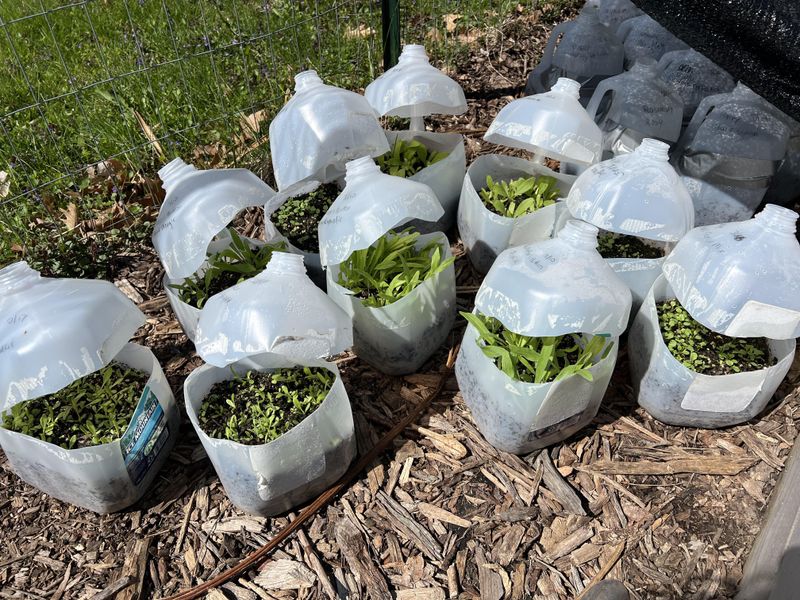
Buying native plants from nurseries can get expensive, especially if you want to fill a large garden bed or restore a meadow area.
A single potted native perennial might cost anywhere from five to fifteen dollars, and you could easily spend hundreds of dollars outfitting your garden.
Seeds, on the other hand, are incredibly affordable. A packet containing dozens or even hundreds of seeds often costs just a few dollars.
Starting seeds indoors means you can grow as many plants as you need without breaking the bank. You also gain access to varieties that are hard to find as potted plants.
Many specialty seed companies offer native species and cultivars that nurseries do not stock, giving you the chance to grow unique wildflowers, grasses, and shrubs that are perfectly suited to Oregon ecosystems.
Growing from seed also lets you share plants with friends and neighbors, spreading native beauty throughout your community. You can trade seeds, swap seedlings, and help restore local habitats together.
The cost savings are significant, but the real reward is the diversity and abundance you can achieve.
Instead of settling for whatever the nursery has in stock, you can choose exactly the plants you want and grow them yourself with confidence and pride.
4. Avoid Transplant Shock And Root Damage
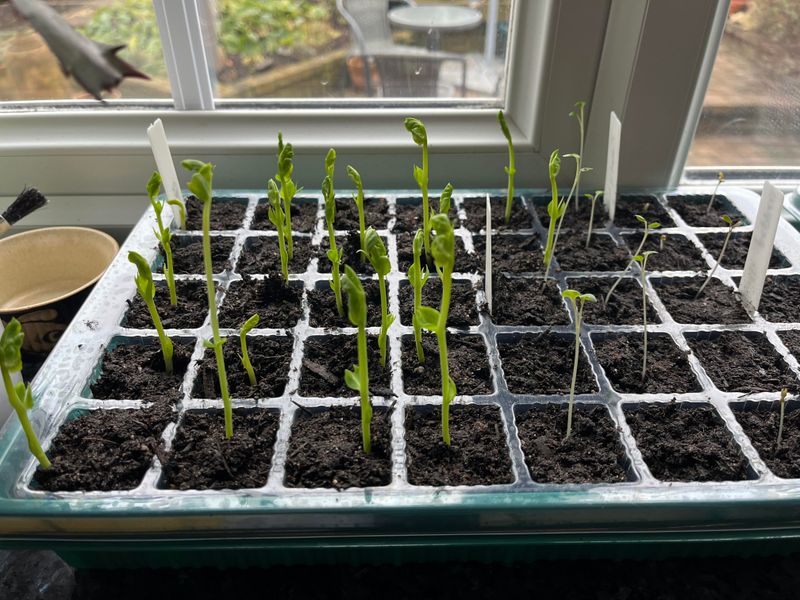
Transplant shock happens when plants struggle to adjust after being moved from one environment to another.
Nursery plants often spend weeks or months in pots, and their roots can become crowded or circling.
When you finally plant them in your garden, they may take a long time to recover and start growing again. Some plants never fully bounce back and remain stunted or stressed.
When you start seeds indoors, you control the entire growing process from the very beginning. You can transplant seedlings at the perfect time, when they are young and their roots are still flexible and healthy.
You can also harden them off gradually, exposing them to outdoor conditions a little at a time so they adjust smoothly without shock.
Native plants grown from seed develop root systems that are adapted to your specific garden soil from the start. They are not confined to the shape of a nursery pot, so they spread out naturally and establish quickly.
This results in healthier, more vigorous plants that grow faster and bloom more abundantly. By avoiding transplant shock, you set your garden up for long-term success and enjoy plants that thrive year after year with minimal intervention or extra care needed.
5. Perfect Timing For Oregon’s Climate
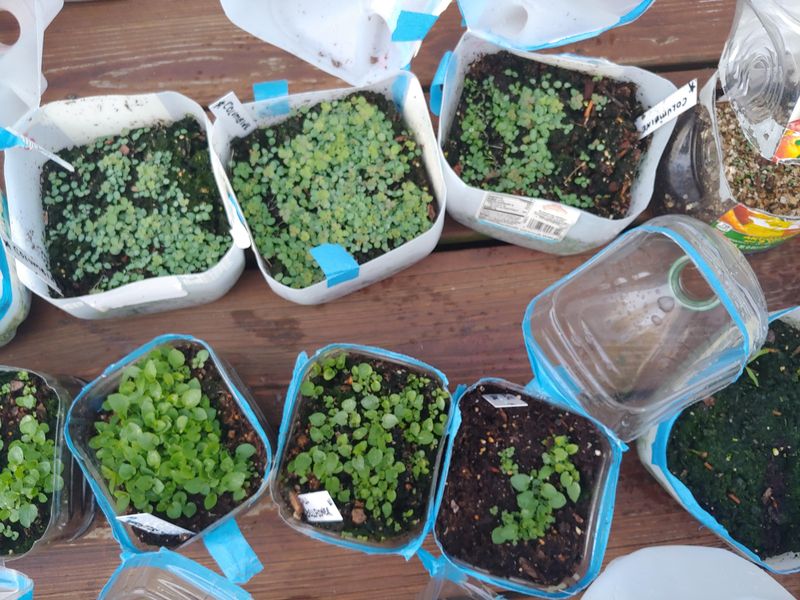
Oregon’s climate is unique, with wet winters, mild springs, and dry summers. Native plants have evolved to take advantage of this pattern, but timing is everything.
If you wait until late spring to start seeds outdoors, you miss the natural window when native plants would normally germinate in the wild.
Many natives sprout in late winter or early spring when soil temperatures begin to rise and daylight hours increase.
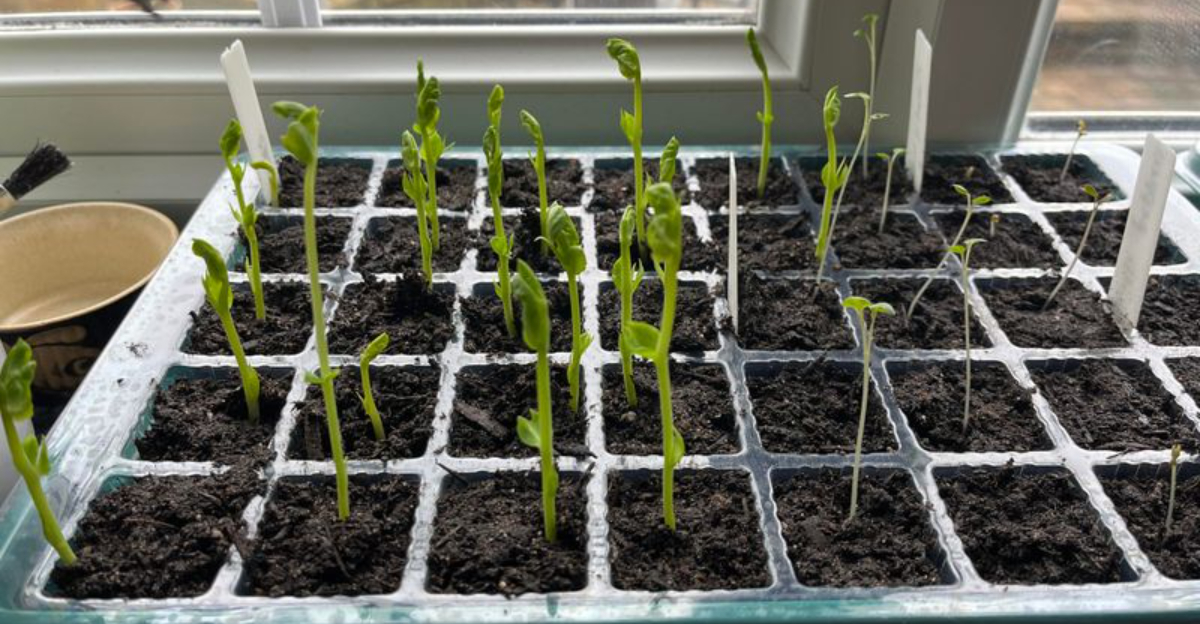
Starting seeds indoors in late winter mimics this natural cycle while protecting seedlings from harsh weather. By February or early March, you can have seeds sprouting in trays on a sunny windowsill or under grow lights.
By the time the last frost passes and soil warms up in April or May, your seedlings are ready to transplant and take full advantage of spring rains and longer days.
This timing also ensures your plants have time to establish strong roots before the dry summer heat arrives.
Native plants are drought-tolerant once mature, but young seedlings need consistent moisture to get started.
By transplanting in spring, you give them several weeks of natural rainfall to settle in before you need to start watering.
This alignment with Oregon’s seasonal rhythms results in healthier plants that require less maintenance and thrive naturally in your garden environment.
6. Support Local Pollinators And Wildlife
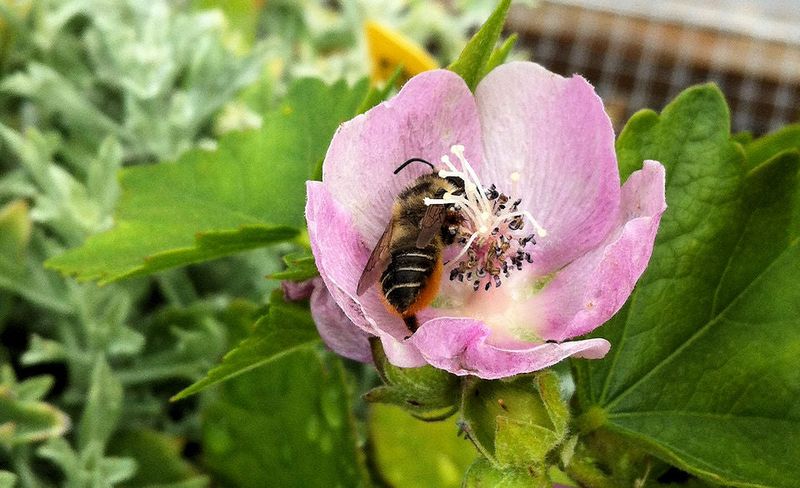
Native plants and native pollinators have co-evolved over thousands of years, creating relationships that benefit both.
Oregon’s bees, butterflies, hummingbirds, and other pollinators depend on native flowers for nectar and pollen that match their feeding habits and life cycles.
When you grow native plants from seed, you contribute to the health and survival of these important creatures.
Starting seeds indoors means you can grow a wider variety of native species, including those that bloom at different times throughout the season. This provides continuous food sources for pollinators from early spring through late fall.
You can also choose plants that support specific species, like milkweed for monarch butterflies or penstemon for native bumblebees.
By growing your own natives from seed, you also avoid plants treated with systemic pesticides, which are common in commercial nurseries and can harm pollinators.
Your garden becomes a safe haven where bees and butterflies can feed, nest, and reproduce without exposure to harmful chemicals.
The result is a vibrant, buzzing garden full of life and color. Watching pollinators visit your flowers is deeply rewarding, and knowing you played a part in supporting local ecosystems makes gardening even more meaningful and fulfilling for you and your community.
7. Learn Valuable Gardening Skills And Build Confidence
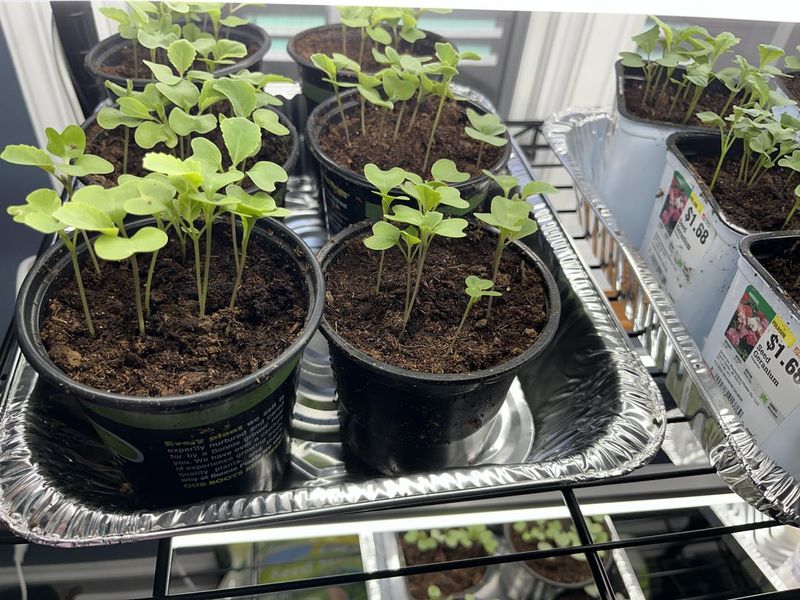
Starting seeds indoors is a skill that pays off year after year. Once you master the basics, you can grow almost anything from seed, saving money and expanding your gardening possibilities.
You learn to read seed packets, understand germination requirements, and troubleshoot problems like damping off or leggy seedlings. These skills make you a more knowledgeable and capable gardener overall.
Growing native seeds also teaches you about Oregon’s ecosystems and the plants that naturally thrive here.
You gain a deeper appreciation for the diversity and beauty of local flora, and you become more connected to the land and seasons.
Each successful germination and transplant builds your confidence and encourages you to try new plants and techniques.
Seed starting is also a wonderful activity to share with kids, friends, or community groups. It is hands-on, educational, and deeply satisfying to watch tiny seeds transform into thriving plants.
You can document your progress, share tips with fellow gardeners, and celebrate successes together. Over time, you develop a personal gardening style and a collection of favorite native species that reflect your tastes and values.
The skills and confidence you gain from starting native seeds indoors will serve you well in all your future gardening adventures and projects.
8. Create A Personalized, Low-Maintenance Garden
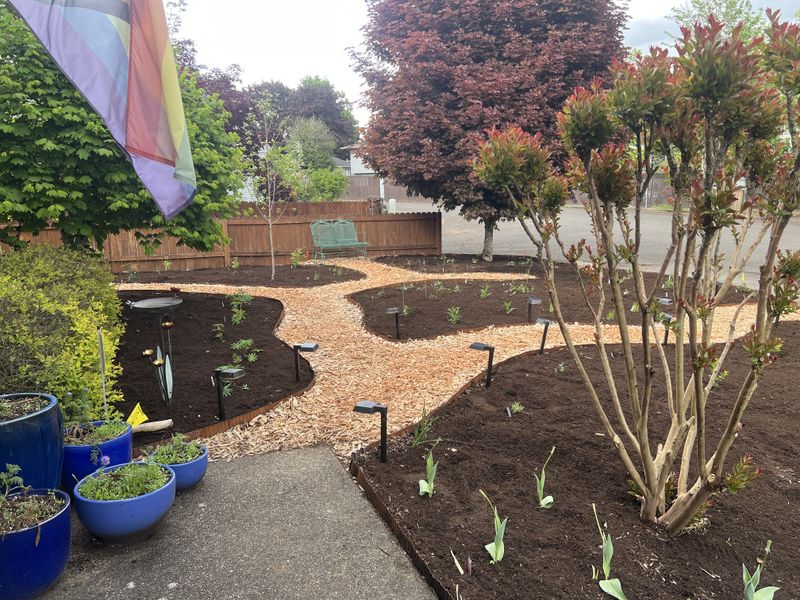
One of the best things about native plants is how well they adapt to local conditions once established. They need less water, fewer fertilizers, and minimal pest control compared to non-native ornamentals.
By starting native seeds indoors, you can design a garden that reflects your personal style while also being easy to care for and sustainable.
You can choose species that match your garden’s specific conditions, whether you have sun or shade, wet or dry soil, clay or sand.
You can also select plants for their colors, bloom times, textures, and heights, creating combinations that look beautiful and support wildlife.
Starting from seed gives you complete control over what goes into your garden, so you can avoid invasive species and focus on plants that truly belong in Oregon.
A native garden grown from seed is also deeply personal. You have nurtured each plant from the very beginning, and that connection makes your garden feel special and meaningful.
As your plants mature and spread, they create a living tapestry that changes with the seasons and attracts wildlife year-round. Maintenance becomes easier over time as plants establish and self-seed, creating a self-sustaining ecosystem.
You spend less time watering, weeding, and worrying, and more time enjoying the beauty and tranquility of your unique, personalized Oregon native garden.