These Low-Maintenance Plants Keep Utah Yards Looking Good Year-Round
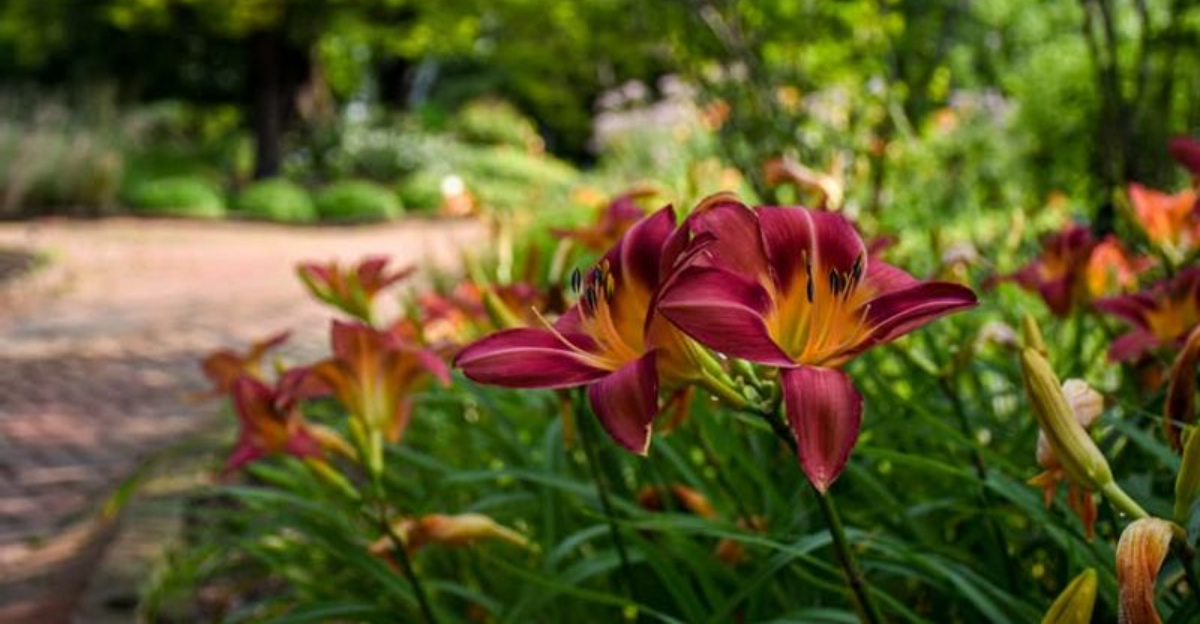
Keeping your yard looking great in Utah doesn’t have to mean endless watering, trimming, and weekend yard work. With the right plant choices, you can enjoy a beautiful landscape all year without the constant effort.
Less work, more beauty, that’s the goal. Utah’s changing seasons and dry climate can be tough on plants, but some varieties are built to handle it with ease.
Want a yard that looks good in every season? From hardy shrubs to tough grasses and evergreens, low-maintenance plants bring color and structure without demanding attention.
Your yard can thrive while you relax. Whether you’re upgrading your current space or starting fresh, smart planting saves time, water, and money.
Good-looking landscapes don’t have to be high maintenance. Let’s explore the best low-maintenance plants that keep Utah yards looking great year-round.
1. Blue Spruce
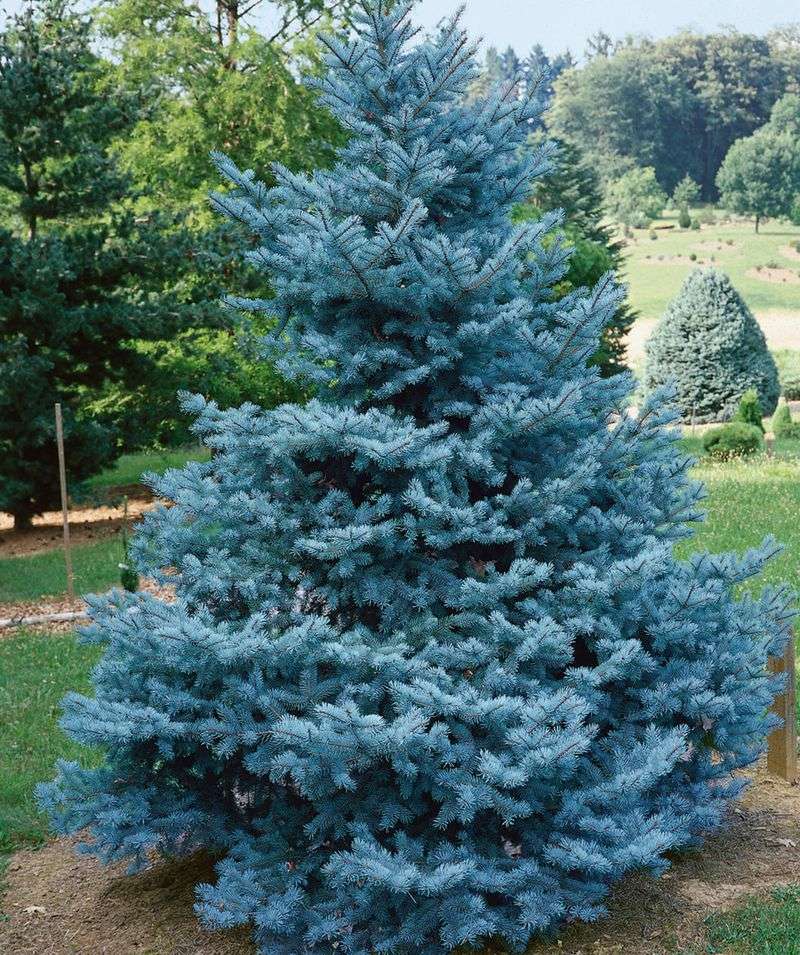
Native to the Rocky Mountains, blue spruce trees bring stunning silvery-blue foliage to Utah landscapes without demanding much from homeowners.
These evergreen beauties grow naturally in conditions similar to what Utah offers, making them perfectly suited for the state’s climate zones.
Their thick, waxy needles help them retain moisture during dry spells while their deep root systems seek out water far below the surface.
Homeowners appreciate how blue spruce maintains its color and shape through all four seasons. Unlike deciduous trees that drop their leaves and look bare in winter, these evergreens provide constant visual interest and privacy screening throughout the year.
The distinctive blue-gray color creates a striking contrast against Utah’s red rock landscapes and brown winter grass.
Once established, blue spruce requires very little intervention from gardeners. Watering needs drop significantly after the first two years, and the tree naturally forms a symmetrical pyramid shape without pruning.
These trees handle Utah’s temperature swings with ease, surviving both July heat waves and January cold snaps without showing stress.
Planting blue spruce in Utah yards works best in locations with full sun exposure and well-draining soil. The trees grow slowly but steadily, eventually reaching impressive heights that make them excellent focal points or windbreaks.
Their drought tolerance improves each year as roots grow deeper, making them increasingly self-sufficient over time.
2. Russian Sage
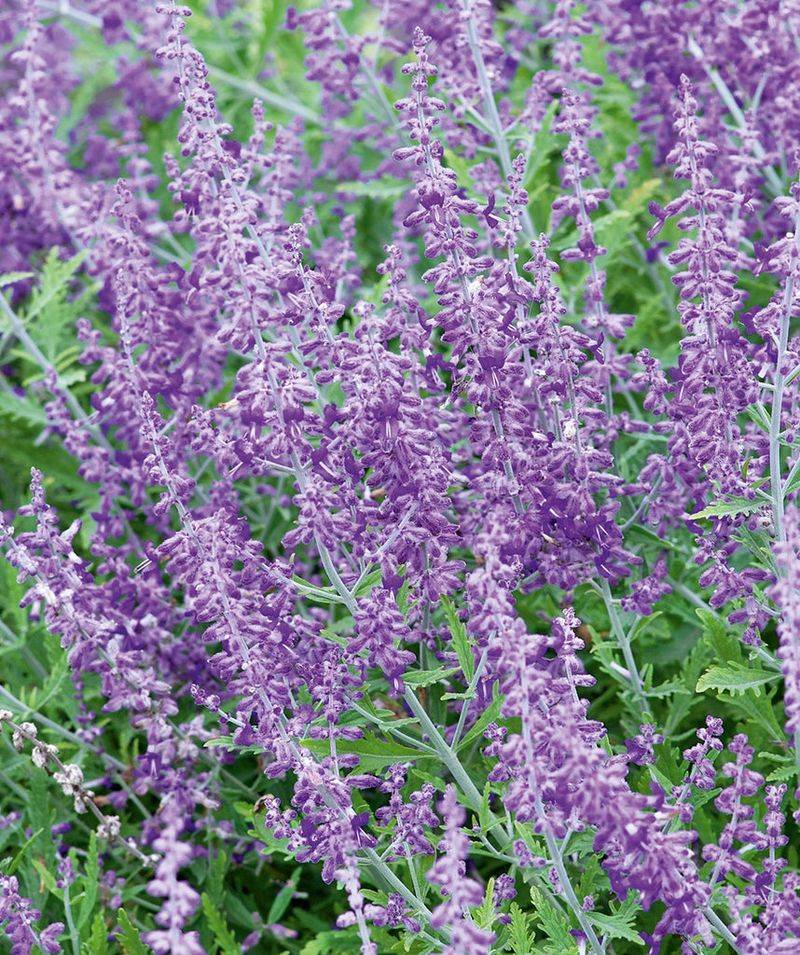
Clouds of lavender-purple flowers floating above silvery foliage make Russian sage a showstopper in Utah gardens from summer through fall. This perennial shrub laughs in the face of drought, heat, and poor soil conditions that would cause other flowering plants to struggle.
Its aromatic leaves release a pleasant fragrance when brushed against, adding a sensory element to walkways and borders.
Gardeners across Utah have discovered that Russian sage practically takes care of itself once planted in a sunny spot. The plant requires almost no supplemental watering after its first season, relying on natural rainfall and deep roots to survive.
Deer and rabbits avoid it completely, saving homeowners from the frustration of watching wildlife snack on their landscaping investments.
The airy texture of Russian sage creates beautiful movement in the garden as breezes rustle through its delicate branches. Long blooming periods extend from early summer well into autumn, providing color when many other plants have finished flowering.
Your Utah Garden Changes Every Week. Your Plan Should Too.
Gardening in Utah changes quickly throughout the season. Every Friday you’ll receive a simple weekly plan showing exactly what to plant, prune, fertilize, harvest, and protect so you never miss the right timing.
Pollinators flock to the blossoms, bringing butterflies and bees that add life and activity to outdoor spaces.
Cutting Russian sage back to about six inches in early spring represents the only real maintenance this plant requires. This simple annual pruning keeps the shrub compact and encourages fresh growth that produces abundant flowers.
Utah’s alkaline soil poses no problems for this adaptable plant, which actually prefers the conditions found in most residential yards throughout the state.
3. Autumn Joy Sedum
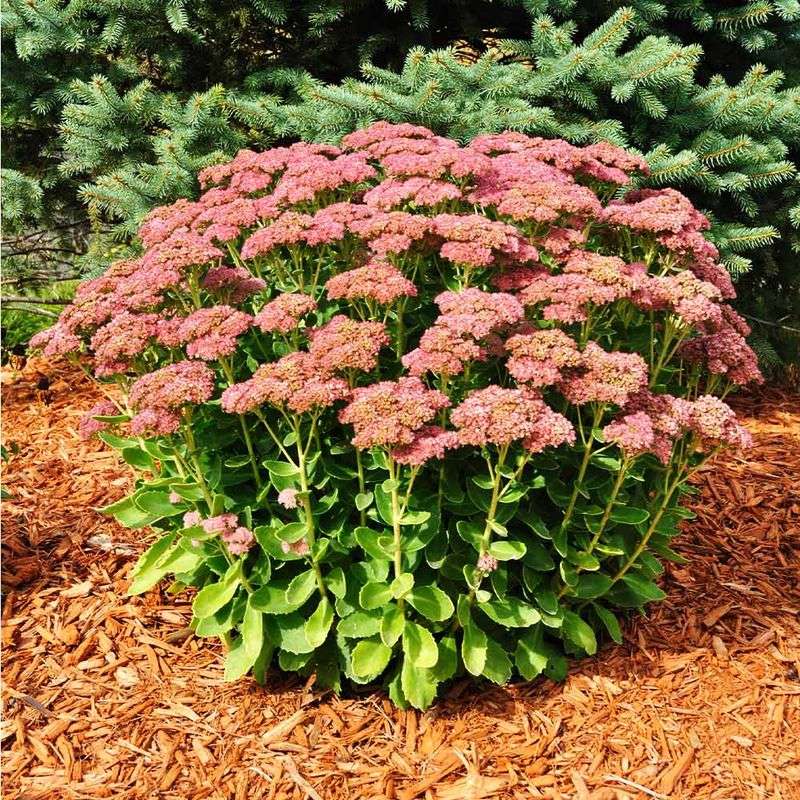
Few plants deliver as much visual impact with as little effort as Autumn Joy sedum does in Utah landscapes.
This succulent perennial transforms throughout the growing season, starting with fresh green growth in spring, developing pink flower buds in summer, and finishing with deep bronze-red blooms that persist into winter.
The thick, fleshy leaves store water like tiny reservoirs, allowing the plant to sail through hot, dry periods without wilting.
Utah homeowners love how Autumn Joy sedum looks attractive even when not in bloom. The neat, compact mounds of blue-green foliage provide texture and interest in garden beds and borders throughout spring and early summer.
As flower clusters develop, they create flat-topped displays that butterflies and beneficial insects find irresistible.
Maintenance requirements for this sedum variety barely exist beyond occasional division every few years. The plants spread gradually to form dense clumps that crowd out weeds, reducing the need for mulching and hand-weeding.
They tolerate Utah’s clay soils better than many perennials and actually perform worse when given too much water or fertilizer.
Planting Autumn Joy sedum in full sun locations brings out the best flower color and most compact growth habit. The dried flower heads remain attractive through winter, providing architectural interest when most other plants have gone dormant.
Many Utah gardeners leave the spent blooms standing until spring, enjoying the texture they add to snow-covered gardens while providing winter food for birds.
4. Juniper
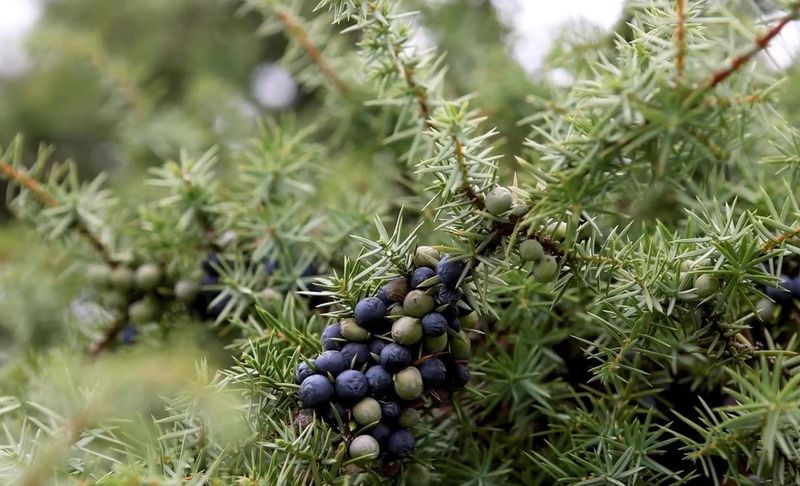
Junipers reign as the ultimate low-maintenance evergreen for Utah yards, available in forms ranging from ground-hugging carpets to upright trees. These tough plants have evolved to thrive in harsh conditions, making them perfectly matched to Utah’s climate challenges.
Their dense, scale-like foliage comes in shades of green, blue, gold, and silver, offering variety for different design needs.
Water conservation becomes effortless when junipers anchor the landscape design. Once established, these plants survive on natural rainfall alone in most Utah locations, making them ideal for water-wise landscaping.
Their deep root systems access moisture that shallow-rooted plants cannot reach, while their waxy foliage minimizes water loss through evaporation.
Ground cover junipers excel at controlling erosion on slopes and hillsides common in Utah properties. They spread to form dense mats that suppress weeds and reduce the need for labor-intensive landscape maintenance.
Upright varieties create excellent privacy screens and windbreaks that look good throughout the year without seasonal leaf drop.
Choosing the right juniper variety for specific locations ensures success in Utah gardens. Low-growing types like Blue Chip or Calgary Carpet work beautifully as foundation plantings or ground covers, while taller selections like Skyrocket provide vertical accents.
All junipers prefer full sun and well-draining soil, conditions that exist naturally in most Utah yards. Pruning needs remain minimal, with most varieties maintaining attractive shapes without intervention.
5. Daylilies
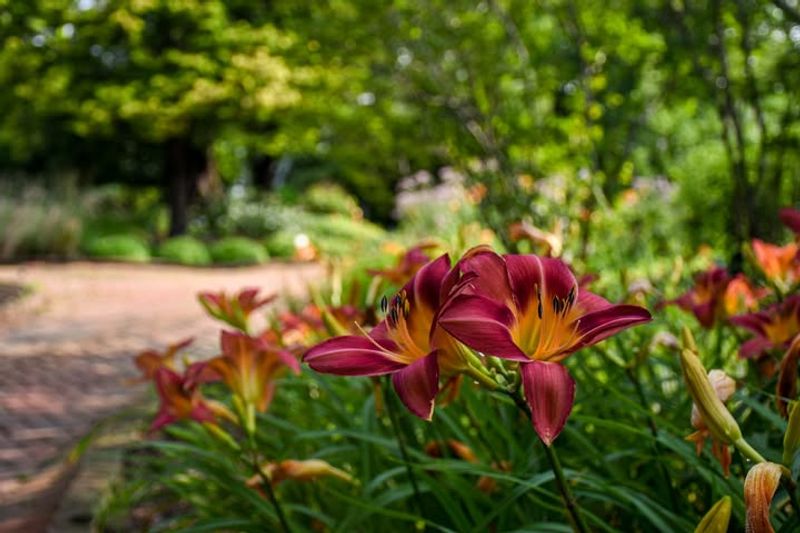
Bursts of colorful trumpet-shaped blooms appear reliably each summer when daylilies fill Utah gardens with their cheerful presence. These perennial favorites earn their reputation as indestructible plants that flourish despite neglect, poor soil, and inconsistent watering.
Modern hybrid varieties offer an incredible range of colors, from pale yellows and oranges to deep purples and near-reds, with some featuring ruffled edges or contrasting throats.
Adaptability makes daylilies particularly valuable for Utah landscapes where soil quality varies widely. They grow equally well in clay, sand, or loam, and tolerate both acidic and alkaline conditions without complaint.
The plants form dense clumps of arching, grass-like foliage that looks tidy even when flowers are not present.
Each daylily bloom lasts only one day, but established clumps produce dozens of buds that open in succession over several weeks. This extended blooming period provides consistent color throughout the summer months when Utah gardens need it most.
Removing spent flowers keeps plants looking neat, but even this minimal grooming is optional since new blooms quickly replace old ones.
Dividing daylily clumps every few years represents the only real maintenance these plants require in Utah yards. This simple task generates new plants to spread throughout the garden or share with neighbors.
Daylilies handle full sun to partial shade, though flowering is most prolific with at least six hours of direct sunlight. Their drought tolerance improves significantly after the first season, making them increasingly self-reliant as they mature.
6. Yarrow
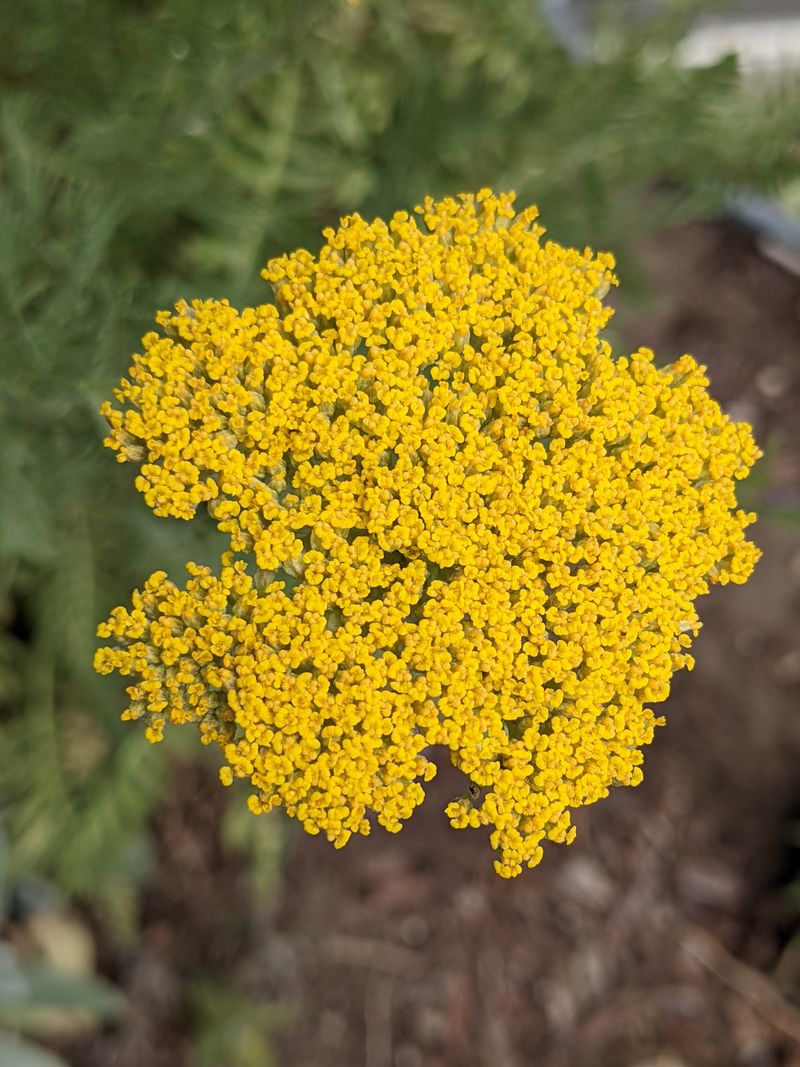
Flat-topped flower clusters in vibrant yellows, pinks, reds, and whites rise above ferny foliage when yarrow blooms in Utah gardens. This tough perennial has survived in harsh climates for thousands of years, developing remarkable resilience to drought, heat, cold, and poor soil.
The finely divided leaves create a soft, feathery texture that contrasts beautifully with bolder-leaved plants in mixed borders.
Utah gardeners appreciate how yarrow thrives on neglect rather than constant attention. Overwatering and over-fertilizing actually weaken these plants, causing them to flop and require staking.
Left to grow in lean soil with minimal water, yarrow develops strong stems that stand upright without support and resist common plant diseases.
Pollinator activity increases dramatically wherever yarrow grows, as butterflies, bees, and beneficial insects visit the abundant flowers. The blooms make excellent cut flowers that last well in vases, and they also dry beautifully for everlasting arrangements.
Flower production continues from early summer through fall if spent blooms are removed, though even without deadheading, the plants look attractive.
Spreading gradually through underground rhizomes, yarrow fills in empty spaces without becoming aggressively invasive in Utah landscapes.
The plants tolerate foot traffic better than many perennials, making them suitable for planting between stepping stones or along informal pathways.
Full sun brings out the best flowering performance, though yarrow also tolerates light shade.
Once established in Utah yards, these plants essentially care for themselves, returning faithfully each spring without requiring division, special soil amendments, or protection from winter cold.
7. Ornamental Grasses
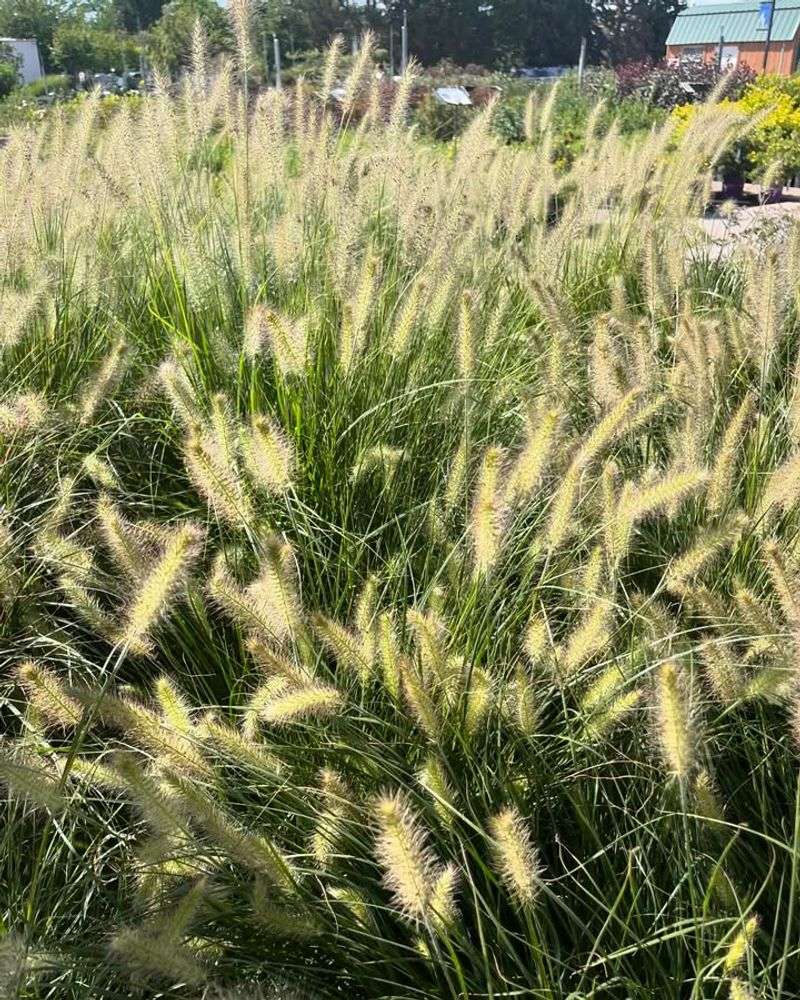
Movement, texture, and year-round interest arrive in Utah landscapes when ornamental grasses take their place in garden designs. These versatile plants range from compact six-inch tufts to towering eight-foot specimens, offering options for every landscape situation.
Their graceful blades sway with the slightest breeze, adding dynamic motion that contrasts with static shrubs and flowers.
Drought tolerance ranks among the most valuable characteristics ornamental grasses bring to Utah yards. Species like blue fescue, maiden grass, and feather reed grass survive and thrive with minimal supplemental watering once their roots establish.
The plants develop deep root systems that access moisture far below the surface, making them increasingly self-sufficient with each passing season.
Four-season appeal makes ornamental grasses particularly valuable in Utah where winter interest is often lacking.
Fresh green growth emerges in spring, feathery plumes develop in summer and fall, and golden-tan foliage persists through winter providing texture and movement in dormant gardens.
Snow collects on the dried blades and seed heads, creating beautiful sculptural forms that brighten gray winter days.
Maintenance demands remain minimal for most ornamental grass varieties in Utah. Annual cutting back in early spring before new growth emerges represents the primary care requirement.
This simple task takes just minutes per plant and keeps clumps looking fresh and vigorous. Ornamental grasses rarely need division, fertilization, or pest control, making them ideal for homeowners who want maximum impact with minimum effort.
They adapt to Utah’s alkaline soils without complaint and actually prefer the lean conditions found in many residential yards.