Grow Tons Of Cherry Tomatoes In California With These Simple Gardening Tips
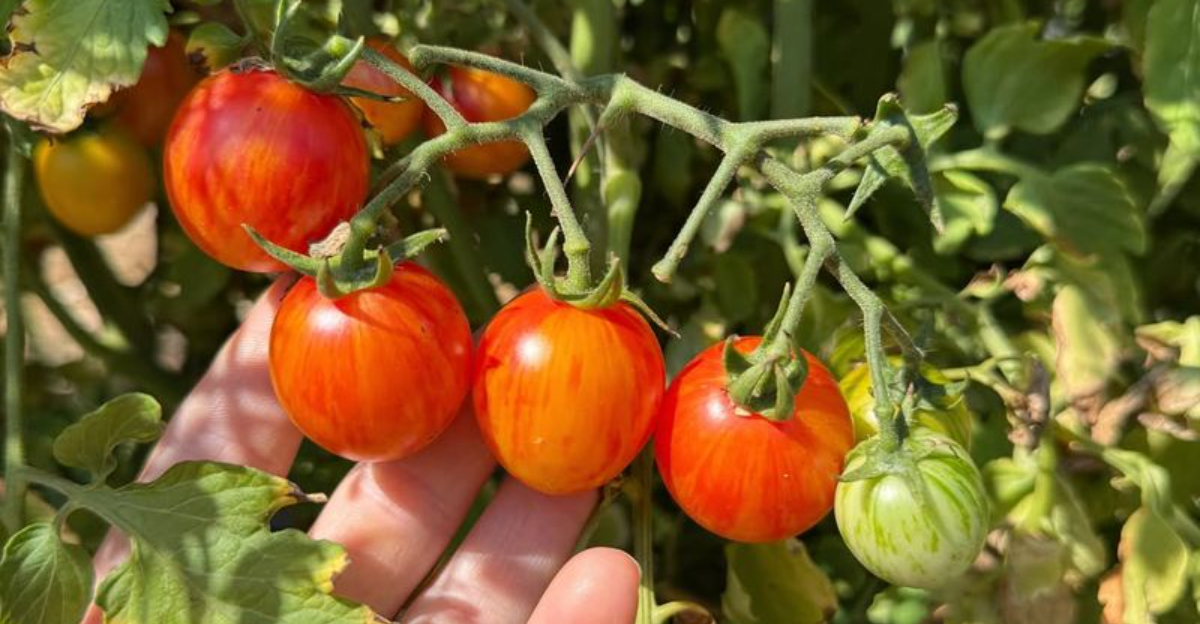
Growing cherry tomatoes in California can be incredibly rewarding, especially when your plants start producing sweet, juicy fruit by the handful.
With the right approach, even small gardens and patios can turn into tomato-growing machines. More tomatoes, less struggle, it’s possible.
California’s sunny climate gives you a big advantage, but smart care makes all the difference between average harvests and overflowing baskets.
Imagine picking fresh cherry tomatoes every single day. From soil prep to watering and pruning, small changes can lead to huge results.
Tiny plants can deliver massive harvests. Whether you’re a beginner or a seasoned gardener, a few simple tips can help you grow healthier plants and bigger yields. Your best tomato season could start today.
Let’s dive into the easy gardening tricks that help you grow tons of cherry tomatoes in California.
1. Choose Heat-Tolerant Varieties Perfect For California
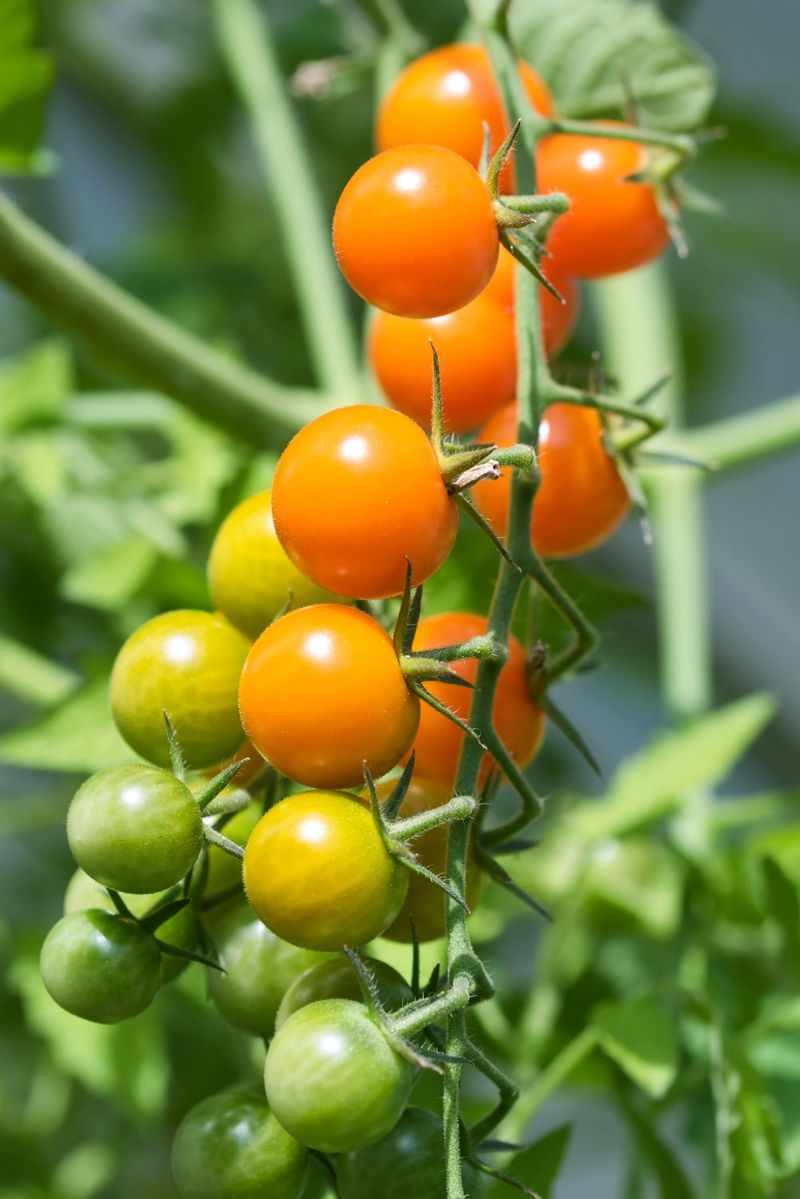
Not all cherry tomatoes are created equal, especially when it comes to handling California’s intense summer heat.
Some varieties wilt and stop producing when temperatures climb above 90 degrees, while others keep pumping out fruit even during heat waves. Selecting the right variety from the start sets you up for success throughout the entire growing season.
Look for types specifically bred to handle warm climates, such as Sungold, Sweet 100, or Black Cherry.
California’s coastal areas enjoy milder temperatures, so gardeners there have more flexibility in choosing varieties. Inland regions, however, experience scorching summers that can stress out heat-sensitive plants.
Heat-tolerant varieties have been developed to set fruit even when nighttime temperatures stay above 75 degrees, which is crucial for California growers. These tough plants also tend to resist common problems like blossom drop and sun scald.
When shopping for seeds or seedlings, read the variety descriptions carefully. Many seed companies now label their heat-tolerant options, making it easier to find the right fit for your California garden.
Local nurseries often carry varieties that perform well in your specific region, so don’t hesitate to ask staff for recommendations. They know which types thrive in your area’s microclimate.
Consider growing multiple varieties to extend your harvest and enjoy different flavors. Some cherry tomatoes are super sweet, while others have a tangy, complex taste. Mixing colors like red, yellow, and purple also makes your garden more beautiful and your salads more exciting.
Starting with the right varieties gives you a strong foundation for a productive cherry tomato garden that handles California’s climate with ease.
2. Plant In Full Sun For Maximum Production
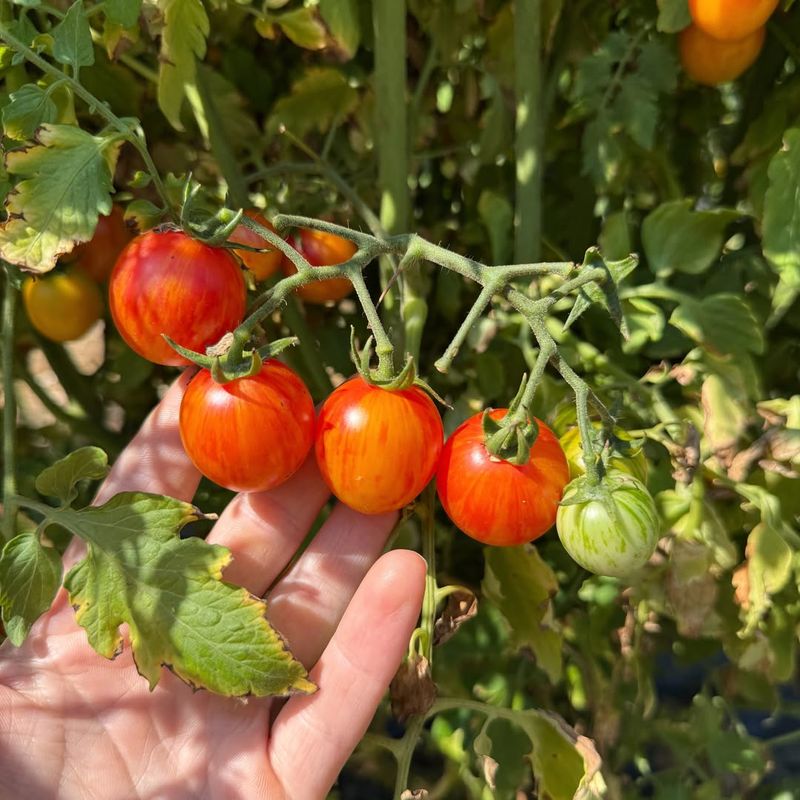
Cherry tomatoes are sun worshippers that need at least six to eight hours of direct sunlight daily to produce their best harvest.
California’s abundant sunshine is one of the state’s greatest gardening advantages, and tomatoes absolutely love it. The more sun your plants receive, the more energy they have to create flowers and fruit.
Without enough light, plants grow tall and leggy but produce disappointing amounts of tomatoes.
When selecting a planting spot in your California yard, observe how sunlight moves across your space throughout the day. Morning sun is gentler, while afternoon sun is more intense, especially during summer months.
Your California Garden Changes Every Week. Your Plan Should Too.
Gardening in California changes quickly throughout the season. Every Friday you’ll receive a simple weekly plan showing exactly what to plant, prune, fertilize, harvest, and protect so you never miss the right timing.
Most cherry tomato varieties handle full California sun beautifully, but in desert areas where temperatures exceed 100 degrees regularly, a bit of afternoon shade can prevent stress.
A spot that gets morning and midday sun with some late afternoon relief works perfectly in those extreme conditions.
Container gardeners have the advantage of moving their pots to follow the sun or provide shade as needed. Place your containers on a south-facing patio, deck, or balcony where they’ll soak up maximum rays.
Remember that buildings, fences, and trees can create shade patterns that change with the seasons, so what works in spring might not work in summer.
Proper sun exposure doesn’t just increase your tomato yield; it also improves flavor. Sun-ripened California cherry tomatoes develop sweeter, more complex flavors than those grown in partial shade.
The warmth and light help sugars concentrate in the fruit, creating that perfect taste everyone loves.
Position your plants where they can bask in California’s famous sunshine, and you’ll be rewarded with abundant, delicious harvests all season long.
3. Water Deeply And Consistently To Prevent Problems
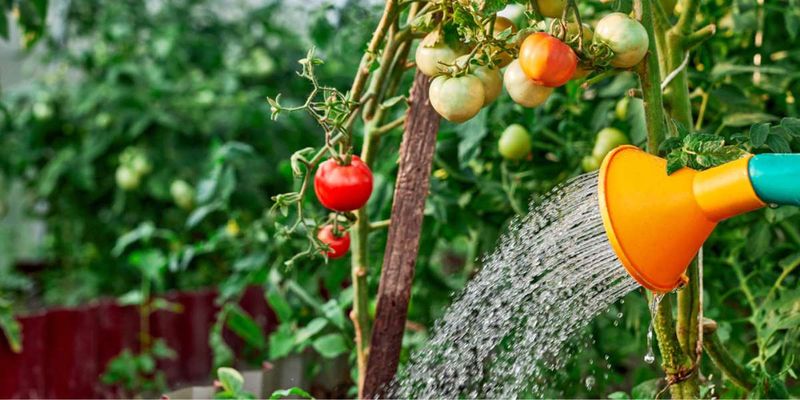
Watering might seem straightforward, but getting it right makes a tremendous difference in how many cherry tomatoes you harvest. California’s dry climate means plants rely entirely on you for moisture, unlike gardeners in rainier regions who get natural help.
The secret is watering deeply but less frequently, which encourages roots to grow down into the soil rather than staying shallow. Shallow roots make plants vulnerable during hot spells and reduce overall plant health.
Inconsistent watering causes common problems like blossom end rot, where the bottom of the tomato turns black and mushy.
This happens when calcium can’t move properly through the plant due to irregular moisture levels. California gardeners need to establish a regular watering schedule, checking soil moisture before each session.
Stick your finger two inches into the soil; if it feels dry, it’s time to water. If it’s still moist, wait another day.
Drip irrigation or soaker hoses work wonderfully for tomatoes in California because they deliver water directly to the root zone without wetting the leaves. Wet foliage can encourage fungal diseases, though California’s low humidity makes this less of an issue than in other states.
Morning watering is ideal because it gives plants moisture to handle the day’s heat while allowing any splashed leaves to dry quickly.
During California’s hottest months, cherry tomatoes in containers might need daily watering, while garden plants typically need deep watering two to three times per week. Mulching around plants helps retain moisture and keeps roots cooler.
Pay attention to your plants; wilting in the evening means they need more water, while wilting only during midday heat is usually normal and temporary.
4. Feed Your Plants Regularly For Bigger Harvests
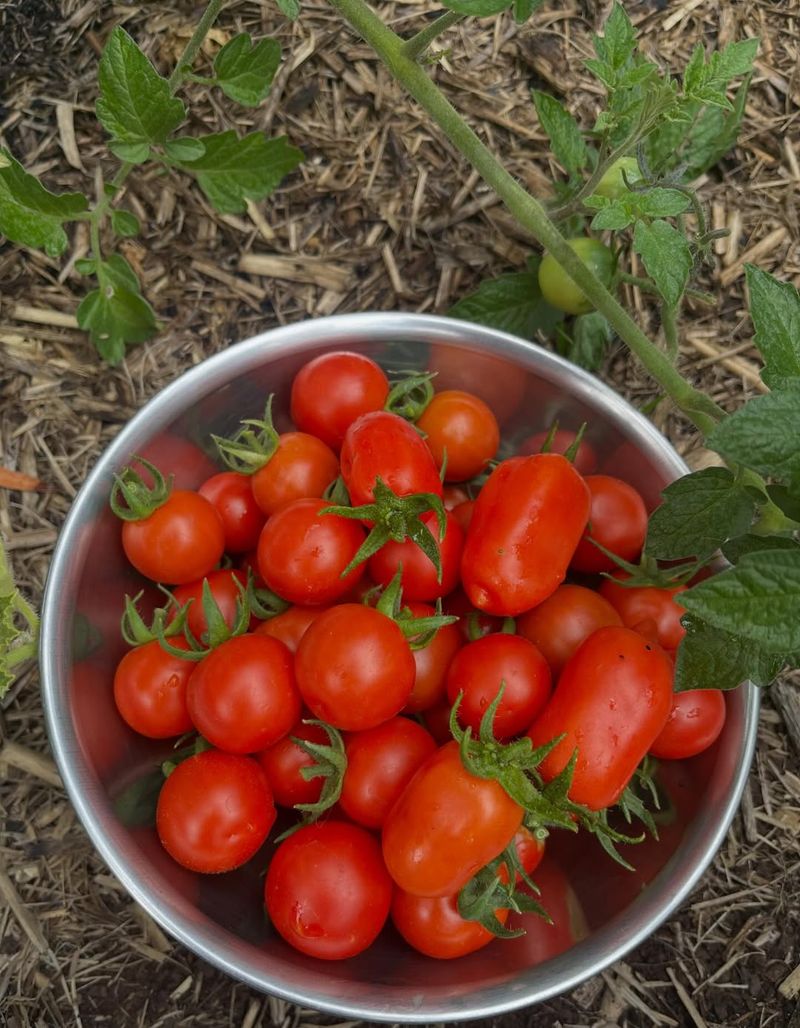
Think of fertilizer as fuel that powers your cherry tomato plants to produce more fruit. California soils vary widely, from sandy coastal soil to heavy clay inland, and most need amendments to support heavy-producing plants like tomatoes.
These hungry feeders pull lots of nutrients from the soil as they grow and set fruit, so replenishing those nutrients keeps production high throughout the season. Without proper feeding, plants may start strong but fade as summer progresses.
Start by mixing compost or aged manure into your soil before planting. This provides a nutrient-rich foundation that feeds plants gradually over time. Once your cherry tomatoes start flowering, begin supplementing with additional fertilizer every two to three weeks.
Choose a balanced fertilizer or one slightly higher in phosphorus and potassium, which support flowering and fruiting. Too much nitrogen creates lush green growth but fewer tomatoes, so avoid high-nitrogen formulas once plants are established.
California’s organic gardeners have excellent options like fish emulsion, kelp meal, and compost tea. These natural fertilizers release nutrients slowly and improve soil health over time. Synthetic fertilizers work faster and are easier to measure, making them popular with many gardeners.
Whichever you choose, follow package directions carefully because over-fertilizing can harm plants and reduce fruit quality.
Container-grown cherry tomatoes need more frequent feeding than garden plants because nutrients wash out with watering. Consider using a slow-release fertilizer mixed into potting soil at planting time, then supplement with liquid fertilizer every week or two.
Healthy, well-fed plants in California gardens can produce hundreds of cherry tomatoes per plant, keeping your kitchen stocked with fresh flavor from early summer through fall.
5. Stake Or Cage Plants For Better Support
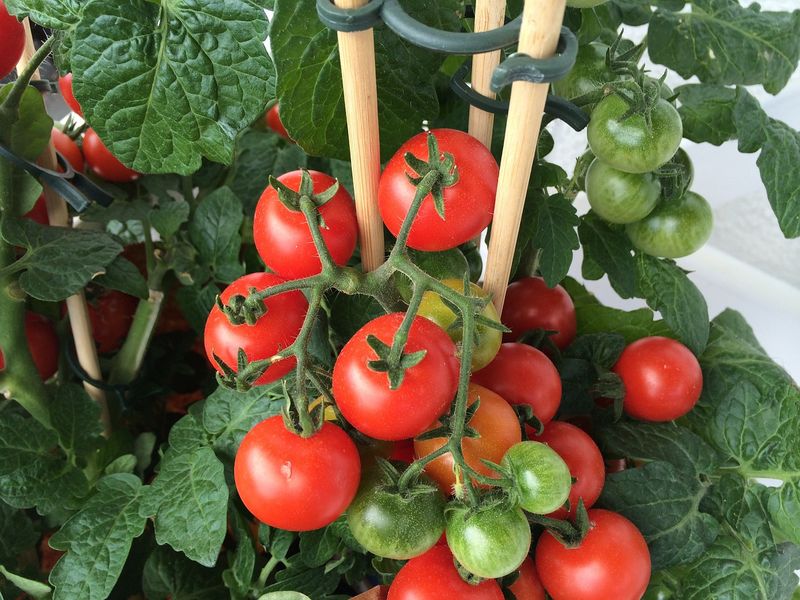
Cherry tomato plants grow surprisingly large and heavy when loaded with fruit, and without support, they’ll sprawl across the ground.
Letting plants sprawl invites problems like pest damage, disease, and rotting fruit, plus it takes up much more garden space. California gardeners can maximize their harvests and keep plants healthier by providing sturdy support from the beginning.
Staking or caging also makes harvesting easier because you can see and reach all the tomatoes.
Tomato cages are popular because they’re easy to use and provide support all around the plant.
Choose tall, sturdy cages at least five feet high because cherry tomato plants can easily reach six feet or more in California’s long growing season. Flimsy cages will bend or collapse under the weight of a productive plant.
Install cages at planting time to avoid disturbing roots later, pushing them several inches into the soil for stability.
Staking involves driving a strong stake into the ground next to each plant and tying the main stem to it as the plant grows. This method works beautifully in California gardens and allows excellent air circulation, which helps prevent fungal issues.
Use soft ties or strips of fabric to secure stems without cutting into them. As plants grow taller, add new ties every eight to ten inches.
Some California gardeners build trellises or use string support systems for rows of cherry tomatoes.
These methods work especially well in raised beds or intensive planting areas where space is limited. Whatever support system you choose, install it early and make it strong.
Well-supported plants stay healthier, produce more fruit, and make your California garden look neat and organized throughout the growing season.
6. Mulch Around Plants To Conserve Water And Control Weeds
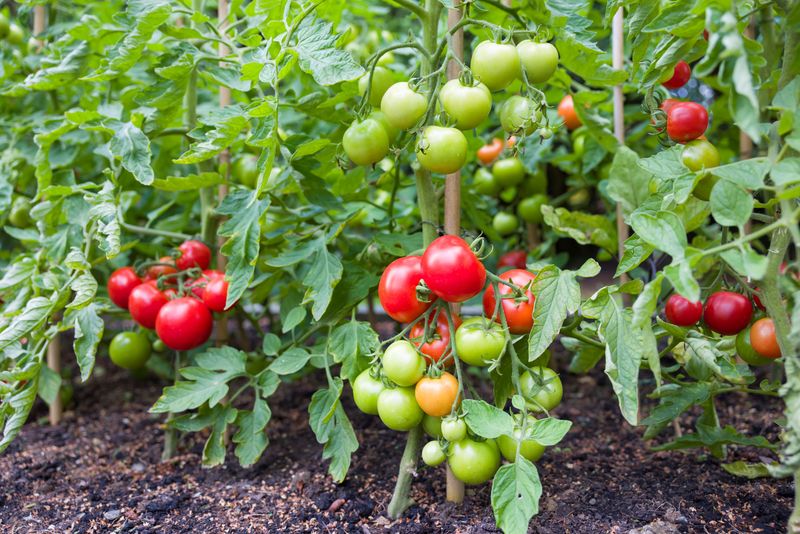
Mulching is one of the smartest moves California gardeners can make for their cherry tomatoes.
A layer of organic material spread around your plants acts like a protective blanket, keeping soil cooler during hot days and warmer during cool nights. It also dramatically reduces water evaporation, which is crucial in California’s dry climate where every drop counts.
Beyond temperature and moisture control, mulch suppresses weeds that compete with your tomatoes for nutrients and water.
Straw, shredded leaves, grass clippings, and wood chips all make excellent mulch for California tomato gardens. Apply a layer two to three inches thick around each plant, keeping mulch a few inches away from the stem to prevent rot and pest problems.
As organic mulch breaks down over the season, it adds nutrients and organic matter to your soil, improving its structure and fertility. This ongoing soil improvement is especially valuable in California’s often-poor native soils.
Mulch also prevents soil from splashing onto lower leaves during watering, which can spread soil-borne diseases. Clean foliage stays healthier throughout the season, and healthier plants produce more tomatoes.
In California’s coastal areas where mornings can be foggy, good air circulation around the base of plants helps everything dry out quickly, and mulch contributes to this by keeping soil from becoming muddy.
Apply mulch after the soil has warmed up in spring, usually a few weeks after transplanting. Cold soil under mulch can slow plant growth early in the season. Once California’s warm weather arrives, mulch becomes your best friend for maintaining consistent soil conditions.
Refresh your mulch layer midseason if it has decomposed significantly, and you’ll enjoy healthier plants and bigger cherry tomato harvests with less effort.
7. Harvest Frequently To Encourage More Production
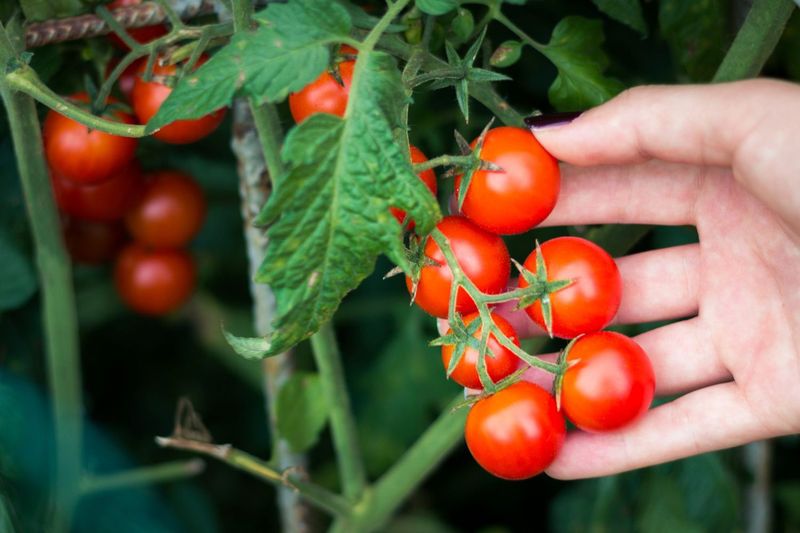
Here’s a secret many beginning gardeners don’t know: the more cherry tomatoes you pick, the more your plants will produce.
Plants have a biological drive to create seeds, and once fruit ripens fully on the vine, the plant thinks its job is done. Regular harvesting tricks the plant into making more flowers and fruit to fulfill its reproductive mission.
California’s long growing season means you can keep this productive cycle going for months with consistent picking.
Check your cherry tomato plants every two to three days during peak season because these little fruits ripen quickly in California’s warm weather. Ripe cherry tomatoes should come off the vine easily with a gentle twist. If you have to pull hard, they’re not quite ready.
Color is your best ripeness indicator; most varieties turn deep red, golden yellow, or dark purple when fully ripe, depending on the type you’re growing.
Don’t worry about picking tomatoes slightly early if you need to. Cherry tomatoes picked when they just start changing color will continue ripening on your kitchen counter and still taste delicious.
This is helpful during California’s hottest weeks when fruit can get sunburned or overripe quickly on the vine. Bringing them in at the first blush of color protects your harvest.
Frequent harvesting also lets you spot problems early, like pest damage or disease. Walking through your California garden every few days with a harvest basket becomes a pleasant routine that keeps you connected to your plants.
You’ll notice when they need water, when pests appear, and when it’s time to add support ties.
This regular attention, combined with frequent picking, results in healthier plants that produce cherry tomatoes continuously from early summer well into fall across most of California.