Plant These Seeds Outdoors In South Carolina This Winter For An Early Garden Harvest
Winter might feel like the wrong time to plant, but in South Carolina, it can actually give you a big head start on your garden. While others wait for spring, smart gardeners are already getting seeds into the ground.
Plant now, harvest sooner, it really works. The mild winter weather makes it possible for certain seeds to grow strong roots before warm days arrive.
Imagine picking fresh vegetables weeks before everyone else. With the right timing and the right seeds, you can enjoy an earlier, healthier harvest.
Your winter garden can do more than you think. Whether you’re new to gardening or have years of experience, this simple step can boost your results.
A little winter effort brings big spring rewards. Let’s explore which seeds you should plant outdoors this winter in South Carolina.
1. Snap Peas
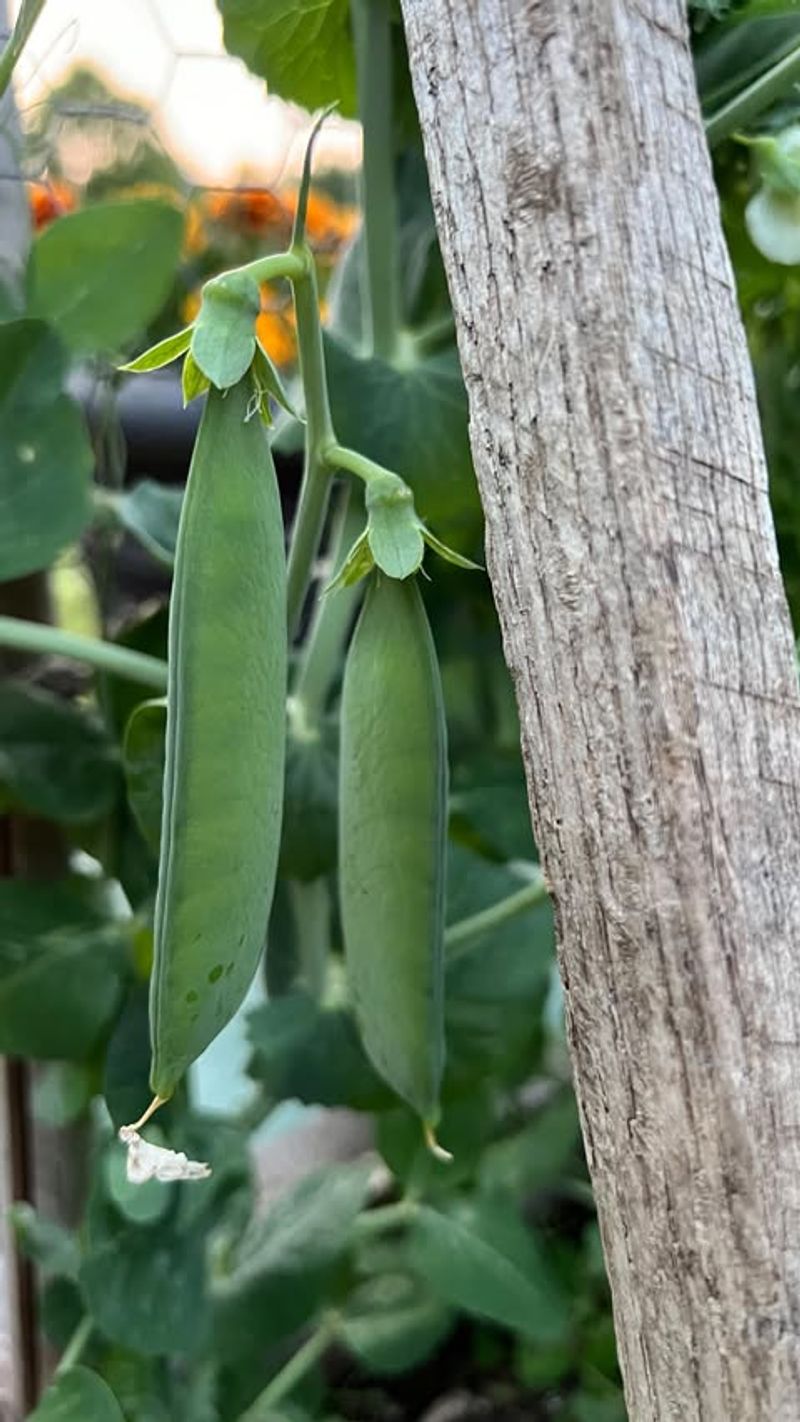
Nothing beats the crisp sweetness of snap peas picked fresh from your garden, and winter planting in South Carolina gives you the perfect chance to enjoy them early.
Snap peas are one of the most rewarding vegetables to grow during the cooler months because they thrive in temperatures between 40 and 70 degrees Fahrenheit.
The plants establish themselves slowly through winter, developing deep root systems that support heavy production when temperatures warm up in early spring.
Plant snap pea seeds directly in the ground from December through February across most of South Carolina. Choose a sunny spot with well-draining soil, and add compost to give your peas the nutrients they need.
Space seeds about two inches apart and one inch deep, then provide a trellis or support system since most varieties grow several feet tall. The vines will climb as they grow, making harvest easier and keeping the pods clean.
Snap peas can handle light frosts without any problem, which makes them ideal for South Carolina winters. Water regularly but don’t overdo it, as soggy soil can cause problems with germination.
Within 60 to 70 days of planting, you’ll start seeing flowers that quickly turn into edible pods.
The best part about snap peas is that you can eat the entire pod, shell and all, making them a convenient and nutritious addition to salads, stir-fries, or just as a crunchy snack straight from the vine.
Harvest your snap peas when the pods are plump but before they get too large and tough. Regular picking encourages the plants to produce more pods, extending your harvest period.
South Carolina gardeners often get several weeks of continuous harvest before warm weather causes the plants to decline.
2. Lettuce
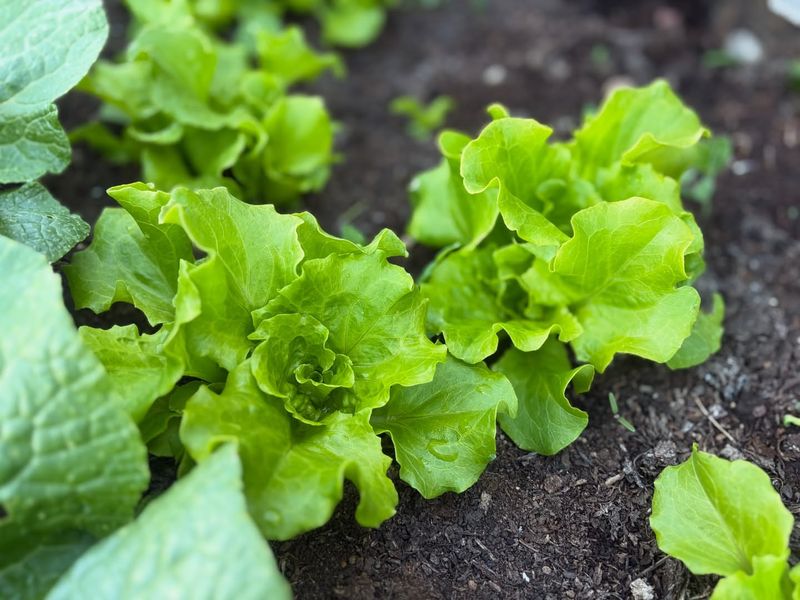
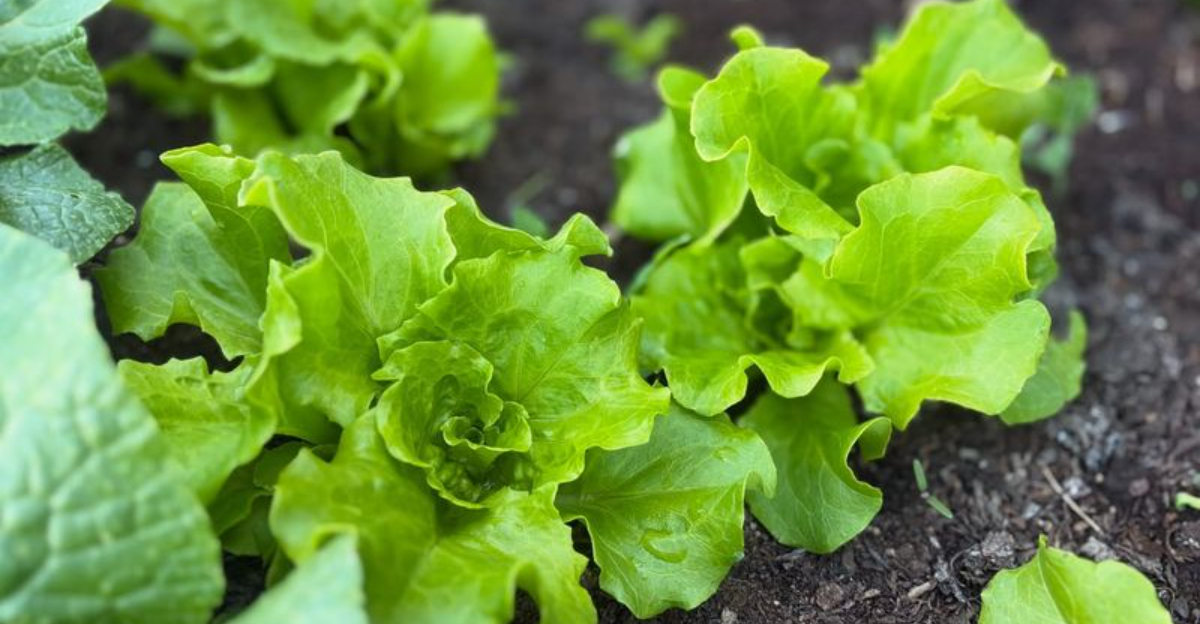
Few things taste better than salad made from lettuce you grew yourself, and winter is actually the ideal time to plant it in South Carolina. Lettuce struggles in hot weather but absolutely loves the cool temperatures that South Carolina experiences from December through March.
You can choose from many varieties including butterhead, romaine, leaf lettuce, and crisphead types, each offering different flavors and textures for your salads.
Sow lettuce seeds directly into prepared garden beds or containers starting in late fall and continuing through winter. The seeds are tiny, so mix them with sand to help spread them evenly, then barely cover them with soil since they need some light to germinate.
Your South Carolina Garden Changes Every Week. Your Plan Should Too.
Gardening in South Carolina changes quickly throughout the season. Every Friday you’ll receive a simple weekly plan showing exactly what to plant, prune, fertilize, harvest, and protect so you never miss the right timing.
Keep the soil consistently moist but not waterlogged. Lettuce seedlings will emerge within a week or two, depending on soil temperature and weather conditions in your area of South Carolina.
One great strategy is succession planting, where you sow new lettuce seeds every two weeks throughout winter. This approach ensures you have a continuous supply of tender leaves rather than one big harvest all at once.
Lettuce grows quickly in South Carolina’s mild winters, often ready to harvest in just 30 to 50 days depending on the variety. You can pick individual outer leaves as the plant grows or harvest the entire head at once.
Protect your lettuce from the occasional hard freeze by covering plants with row covers or old sheets when temperatures are predicted to drop below 25 degrees. Most South Carolina winters are mild enough that this won’t be necessary often.
Lettuce planted in winter tends to be sweeter and less bitter than spring or summer crops because the cool weather slows down the production of compounds that cause bitterness.
3. Spinach
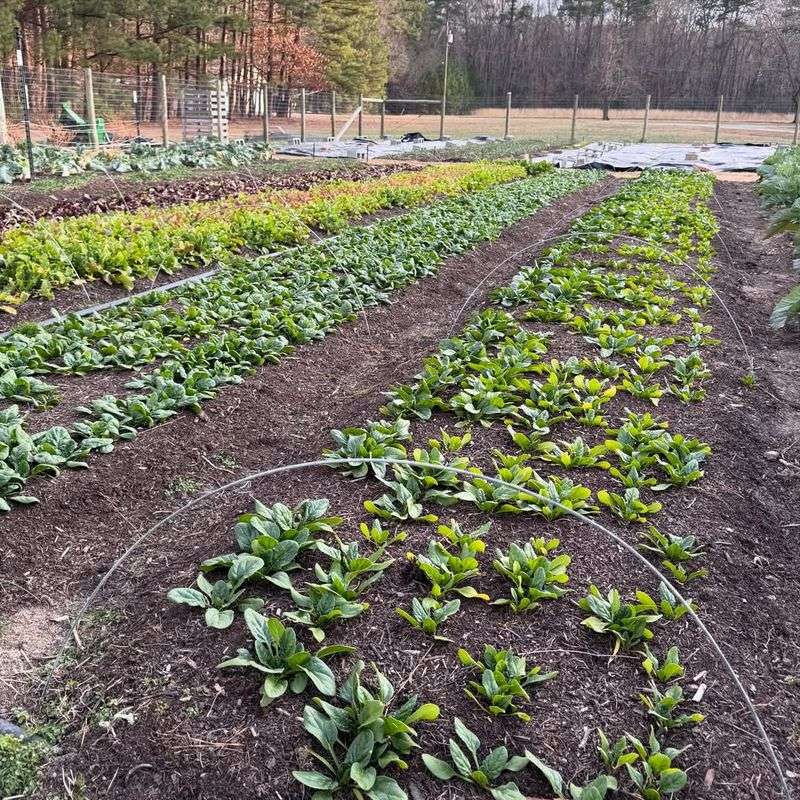
Spinach stands out as one of the toughest leafy greens you can grow during South Carolina winters, handling cold temperatures that would damage many other vegetables.
This nutrient-packed powerhouse actually develops better flavor when grown in cool weather, making it perfect for winter planting.
Gardeners across South Carolina can enjoy fresh spinach from their winter gardens with minimal effort and maximum reward.
Direct seed spinach into your garden beds between November and February for best results. The seeds germinate best when soil temperatures are between 40 and 70 degrees, which describes most South Carolina winter days perfectly.
Plant seeds about half an inch deep and two inches apart in rows spaced 12 to 18 inches apart. Spinach develops a deep taproot, so prepare your soil well by loosening it to at least eight inches deep and mixing in compost or aged manure.
Water your spinach regularly to keep the soil evenly moist, especially during the drier parts of South Carolina winters. The plants will grow slowly at first, establishing their root systems before putting energy into leaf production.
Once temperatures start warming in late winter and early spring, growth accelerates rapidly. You can begin harvesting outer leaves when they reach a usable size, typically around 40 to 50 days after planting, or wait and cut the entire plant at the base.
Spinach tolerates frost exceptionally well, often surviving temperatures in the low 20s without protection. Some gardeners in South Carolina even report that a light frost makes their spinach taste sweeter.
The key to success is planting early enough that plants establish before the coldest part of winter arrives, then enjoying steady growth as days gradually lengthen and warm.
4. Carrots
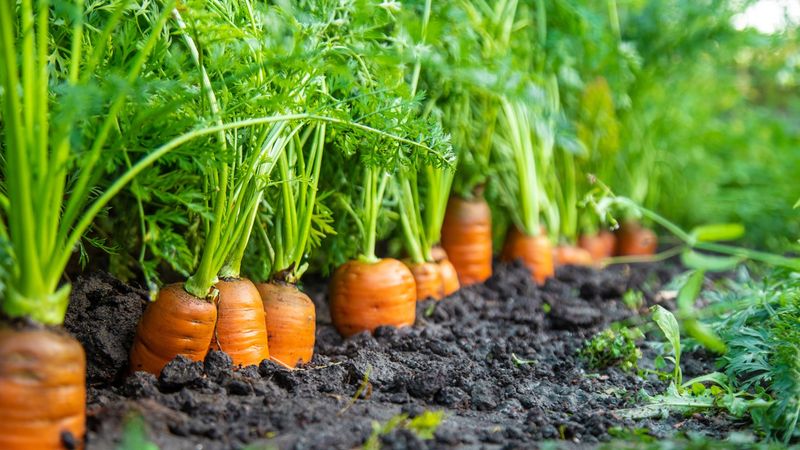
Carrots might surprise you as a winter planting option, but they’re actually one of the best vegetables to sow during South Carolina’s cooler months. Cool soil temperatures help carrots develop their characteristic sweet flavor, and the slower growth during winter produces tender, crisp roots.
Many experienced South Carolina gardeners swear that their winter-grown carrots taste better than those planted in spring or fall.
Prepare your carrot bed carefully because these root vegetables need loose, rock-free soil to develop straight, uniform roots. Remove stones, break up clumps, and work the soil to a depth of at least 12 inches.
Mix in compost or well-rotted organic matter, but avoid fresh manure which can cause carrots to fork and twist.
Sow carrot seeds directly in the garden from December through February, planting them about a quarter inch deep and spacing them one to two inches apart.
Carrot seeds are notoriously slow to germinate, sometimes taking two to three weeks when soil is cool. Keep the soil surface consistently moist during this period by watering gently with a fine spray.
Once seedlings emerge, thin them to about three inches apart to give each carrot room to develop properly. The thinned seedlings can go into salads or compost.
Mulching around carrot plants helps retain moisture and regulate soil temperature during South Carolina’s variable winter weather.
Carrots mature in 60 to 80 days depending on the variety, with smaller types ready sooner than large storage carrots. You can start harvesting when the carrot tops reach about half an inch in diameter, or leave them in the ground longer for larger roots.
South Carolina’s mild winters allow you to harvest carrots gradually over several weeks rather than all at once.
5. Radishes
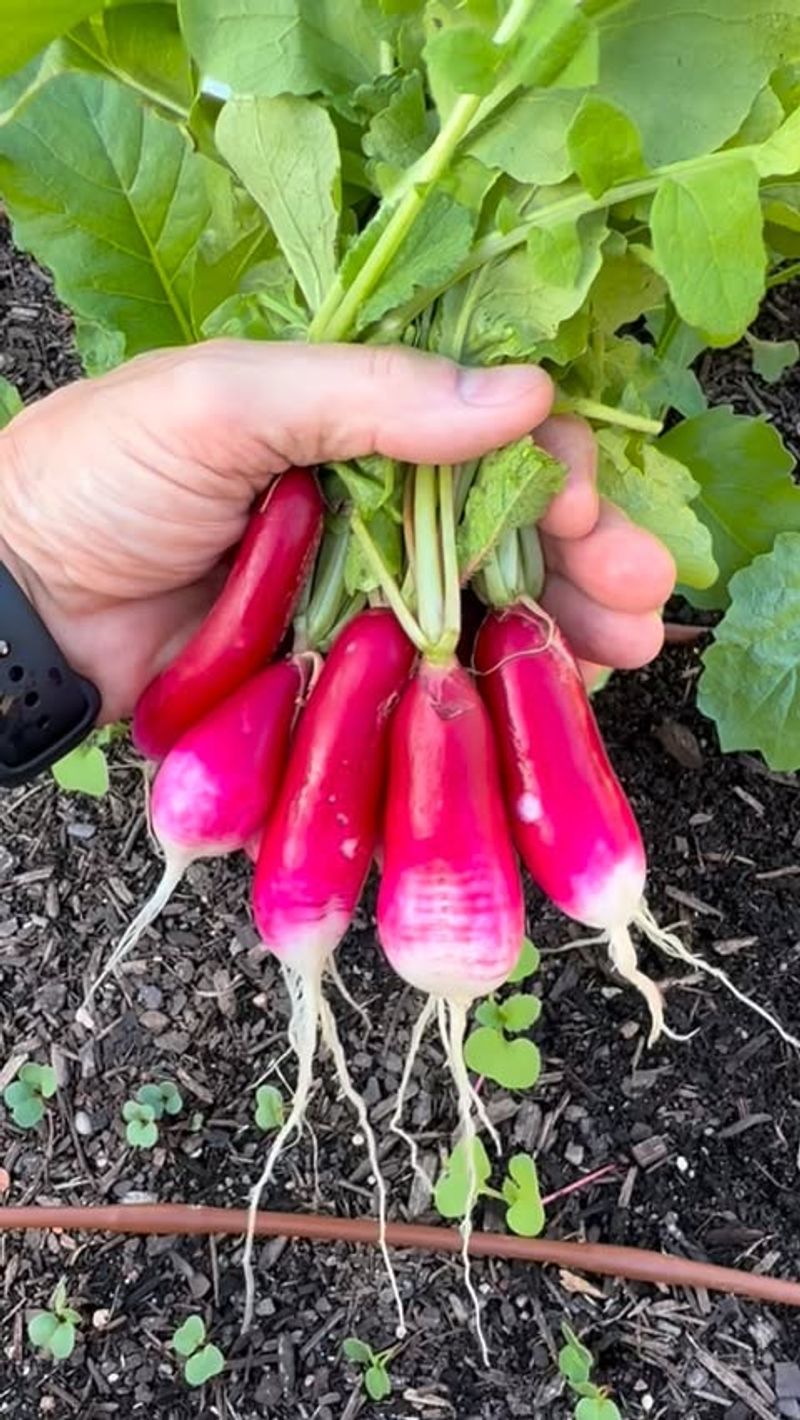
When you want quick results from your winter garden, radishes deliver faster than almost any other vegetable. These spicy little roots zoom from seed to harvest in as little as 25 days, making them perfect for impatient gardeners or for filling gaps between slower-growing crops.
Radishes actually prefer the cool temperatures that South Carolina experiences during winter, developing crisp texture and zesty flavor that hot weather prevents.
Planting radishes couldn’t be simpler, which makes them an excellent choice for beginning gardeners or for getting kids involved in winter gardening. Scatter seeds directly in the garden bed or plant them in rows about half an inch deep and one inch apart.
You can plant radishes anytime from November through March in most parts of South Carolina. The seeds germinate quickly, often sprouting within just three to seven days when conditions are right.
Radishes need consistent moisture to develop properly, so water regularly throughout their short growing period. Irregular watering causes radishes to become woody or develop a strong, unpleasant flavor.
The fast growth means you can succession plant every week or two throughout winter, ensuring a steady supply of fresh radishes for salads, snacks, and garnishes. Thin seedlings to about two inches apart once they emerge to give each radish room to form a nice round root.
Harvest radishes as soon as they reach usable size, typically when the root is about an inch in diameter. Leaving them in the ground too long causes them to become pithy and overly spicy.
South Carolina winters are perfect for radishes because the cool temperatures slow their tendency to bolt, or go to seed prematurely.
Try different varieties including traditional red radishes, white icicle types, or colorful watermelon radishes for variety in your winter harvest.
6. Kale
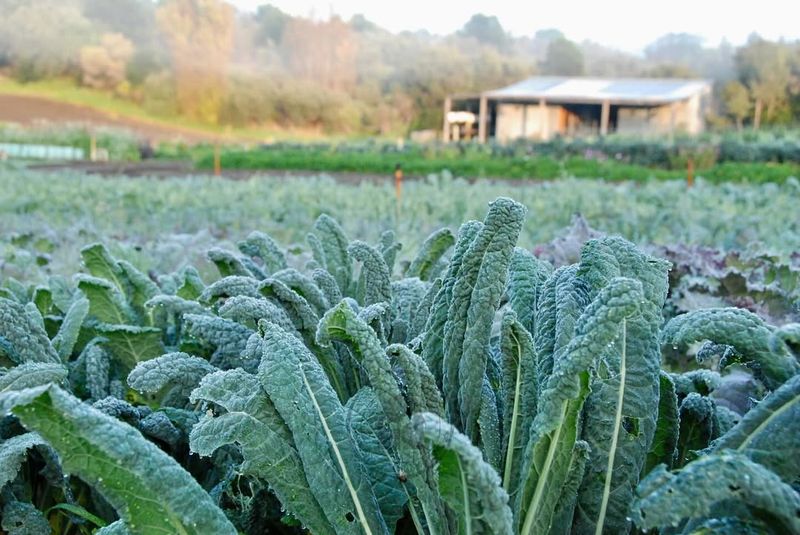
Ask any experienced South Carolina gardener about winter vegetables, and kale will likely top their list of recommendations.
This superfood green actually improves in flavor after exposure to frost, developing a sweeter taste that makes it more appealing even to people who normally avoid leafy greens.
Kale’s incredible cold tolerance and nutritional value make it a winter garden essential across all regions of South Carolina.
Start kale seeds indoors about six weeks before your planned transplant date, or direct seed into the garden from November through January. Plant seeds about half an inch deep, spacing them 12 to 18 inches apart in rows two feet apart.
Kale develops into substantial plants that need room to spread, so resist the temptation to crowd them. The plants establish slowly during the coldest parts of winter but pick up speed as temperatures moderate in late winter and early spring.
Choose from several kale varieties including curly types, dinosaur or lacinato kale, and ornamental varieties that add color to your winter garden. All types grow well in South Carolina winters and provide similar nutritional benefits.
Water kale regularly and mulch around plants to conserve moisture and suppress weeds. The plants can handle temperatures well below freezing, often surviving dips into the teens without any damage.
Some South Carolina gardeners report harvesting kale throughout the entire winter without any protection.
Begin harvesting kale leaves when they reach usable size, typically about 60 days after planting. Take outer leaves first, allowing the center of the plant to continue producing new growth.
This harvest method extends your kale production for months. The leaves are perfect for salads when young and tender, or cook larger leaves for soups, stir-fries, and side dishes.
7. Arugula
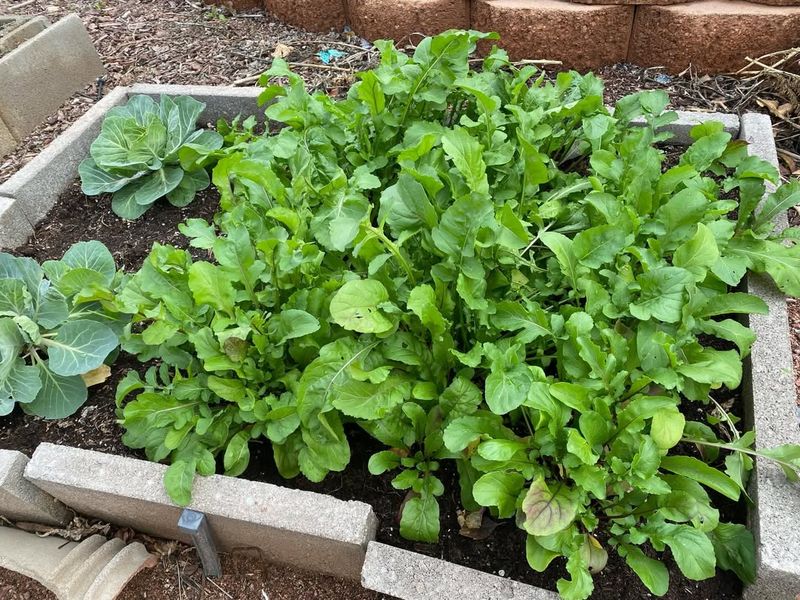
Arugula brings a peppery kick to winter salads that you just can’t get from store-bought greens, and it grows so easily in South Carolina winters that even first-time gardeners achieve success.
This fast-growing green thrives in the exact temperature range that South Carolina provides from December through March, making it one of the most reliable cool-season crops.
The distinctive flavor adds interest to mixed green salads and makes a bold statement when used alone.
Scatter arugula seeds directly in prepared garden beds or wide containers anytime from late fall through late winter.
The small seeds should be planted about a quarter inch deep and one inch apart, though many gardeners simply broadcast them across a prepared bed and lightly rake them in.
Arugula germinates quickly in South Carolina’s cool soil, usually sprouting within five to seven days. Thin seedlings to about four inches apart once they develop their first true leaves.
One of arugula’s best features is its incredible speed from seed to harvest, often ready to eat in just 30 to 40 days. You can start harvesting individual leaves even sooner, as soon as they reach two to three inches long.
The younger leaves offer a milder, more delicate flavor while mature leaves pack more peppery punch. South Carolina gardeners can succession plant arugula every two weeks throughout winter for a continuous supply of fresh greens.
Arugula handles light frosts without any issues, though a hard freeze below 25 degrees may damage leaves. Most South Carolina winters are mild enough that protection is rarely needed.
Keep the soil consistently moist but not soggy, and provide afternoon shade if you’re planting late in the season when temperatures start warming. Hot weather causes arugula to bolt and become too bitter to enjoy, but winter planting avoids this problem entirely.