7 Dangerous Garden Plants In Pennsylvania That Can Damage Your Skin
Your garden may look peaceful, but some plants hiding in Pennsylvania yards can actually harm your skin. From painful rashes to burning reactions, the danger isn’t always easy to spot.
Pretty doesn’t always mean safe. Many common plants can cause irritation just by brushing against them or touching their sap.
One quick touch can lead to days of discomfort. Knowing what to avoid can protect you, your kids, and even your pets while working outdoors.
Pennsylvania’s climate allows several toxic or irritating plants to grow easily, which makes awareness even more important. Your garden should be a place to relax, not a place to get hurt.
With a little knowledge, you can stay safe and enjoy your outdoor space with confidence. Smart gardeners protect their skin before problems start. Let’s take a closer look at the dangerous garden plants you should watch out for.
1. Poison Ivy
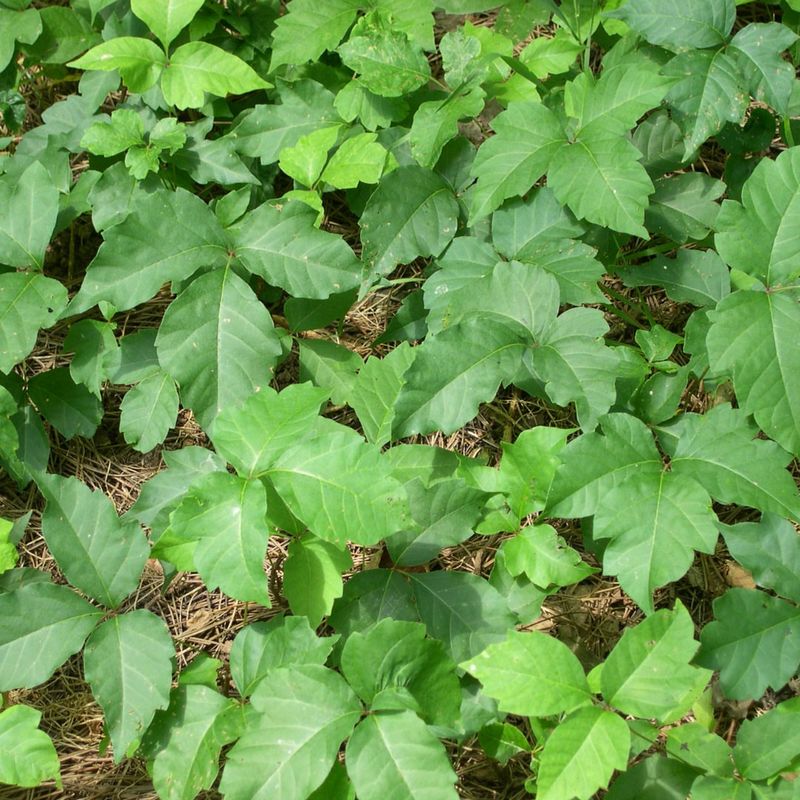
Wandering through Pennsylvania woodlands or even your own backyard can bring you face-to-face with one of the most notorious skin irritants in North America. Poison ivy grows wild throughout the entire state, thriving in forests, parks, and residential gardens.
This plant contains urushiol, an oily substance that causes severe allergic reactions in about 85% of people who touch it.
The distinctive three-leaflet pattern helps identify poison ivy, though the leaves change color with the seasons. In spring, the leaves appear reddish, turning green in summer and brilliant orange or red in fall.
The plant can grow as a vine climbing trees or as a low shrub along the ground. White berries appear in late summer and fall, providing another identifying feature.
Contact with any part of the plant, including stems, roots, and leaves, can trigger a reaction. The urushiol oil sticks to skin, clothing, tools, and even pet fur, spreading easily to anyone who touches contaminated surfaces.
Symptoms typically appear within 12 to 48 hours after exposure, starting with redness and itching that develops into painful, oozing blisters.
Washing the affected area with soap and cool water immediately after contact can reduce the severity of the reaction. However, once the rash develops, it can last two to three weeks.
Pennsylvania residents should learn to recognize poison ivy in all its forms and teach children to avoid it. Wearing long sleeves, pants, and gloves when working in areas where poison ivy grows provides important protection.
If you need to remove poison ivy from your property, consider hiring professionals who have proper protective equipment and disposal methods.
2. Giant Hogweed
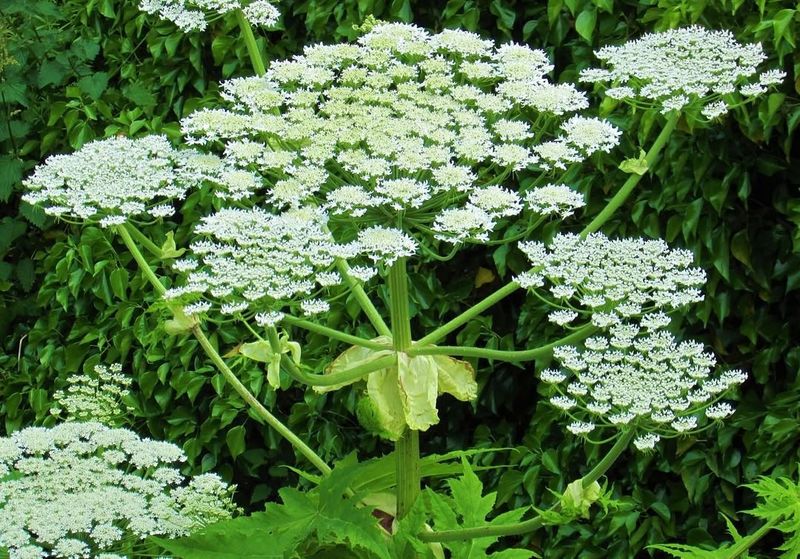
Standing up to 14 feet tall with white umbrella-shaped flower clusters, giant hogweed looks impressive but poses extreme danger to anyone who touches it.
This invasive plant has been spreading across Pennsylvania, particularly in the western and central regions of the state.
The sap contains toxic chemicals called furanocoumarins that cause severe skin damage when exposed to sunlight.
Giant hogweed resembles a supersized version of Queen Anne’s lace, with thick stems covered in purple blotches and coarse white hairs. The leaves can grow up to five feet wide, and the plant produces thousands of seeds that spread easily.
Your Pennsylvania Garden Changes Every Week. Your Plan Should Too.
Gardening in Pennsylvania changes quickly throughout the season. Every Friday you’ll receive a simple weekly plan showing exactly what to plant, prune, fertilize, harvest, and protect so you never miss the right timing.
Pennsylvania authorities consider it a noxious weed and encourage residents to report sightings to help track its spread.
The real danger occurs when skin comes into contact with the sap and then receives sun exposure. This combination causes phytophotodermatitis, a condition that creates painful blisters and burns that can last for months.
The affected skin often develops dark purple or black scars that can persist for years. Even small amounts of sap can cause serious reactions, and the burns can be severe enough to require medical treatment.
Never attempt to cut down or remove giant hogweed yourself. The plant is so dangerous that Pennsylvania environmental agencies recommend calling professionals for removal.
If you accidentally touch giant hogweed, wash the area immediately with soap and cold water, keep it covered and away from sunlight, and seek medical attention. Children should be taught to stay far away from this plant.
Gardeners across Pennsylvania need to be able to identify giant hogweed and understand that its attractive appearance hides a serious threat to skin health.
3. Wild Parsnip
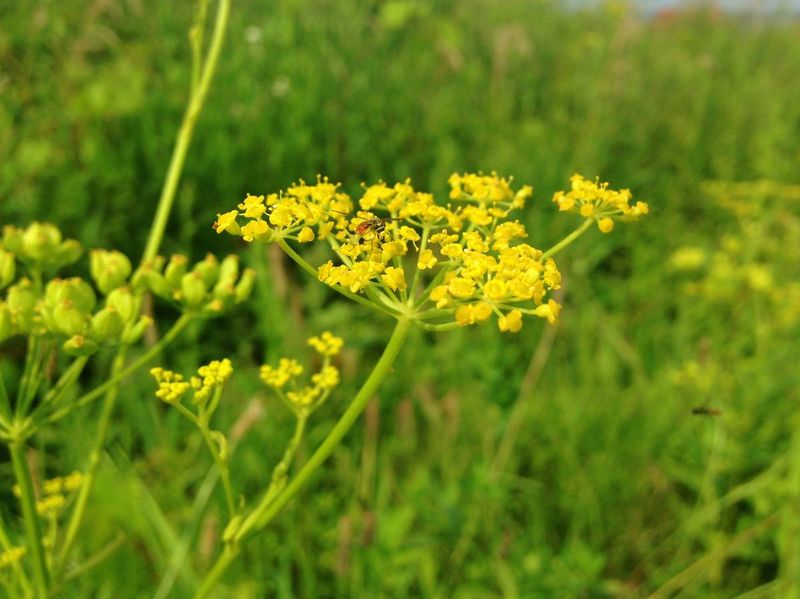
Yellow flowers that look cheerful and harmless line roadsides and fields throughout Pennsylvania, but wild parsnip is anything but innocent. This plant has become increasingly common across the state, growing in disturbed areas, meadows, and along highways.
Like giant hogweed, wild parsnip contains furanocoumarins in its sap that cause severe skin reactions when combined with sunlight.
Wild parsnip grows two to five feet tall with yellow-green flowers arranged in flat-topped clusters. The leaves are compound with toothed edges, and the stems are grooved and hollow.
Many people mistake it for harmless wildflowers or edible plants, which leads to accidental contact. The plant is actually related to cultivated parsnips grown for food, but the wild version is much more dangerous to touch.
Brushing against wild parsnip while hiking, mowing, or gardening can transfer sap to your skin without you even noticing. Within 24 to 48 hours of sun exposure, the affected area develops redness, burning sensations, and painful blisters.
The blisters can be severe and often leave dark marks on the skin that take months or even years to fade completely.
Pennsylvania residents should be especially careful during late spring and summer when wild parsnip is actively growing and producing sap. Wearing protective clothing, including long sleeves and gloves, helps prevent contact when working in areas where the plant grows.
If sap gets on your skin, wash it off immediately with soap and water, cover the area to block sunlight, and apply sunscreen to the affected spot for several weeks.
Teaching kids to recognize and avoid wild parsnip is important, especially since the yellow flowers might seem attractive to curious children exploring outdoors.
4. Stinging Nettle
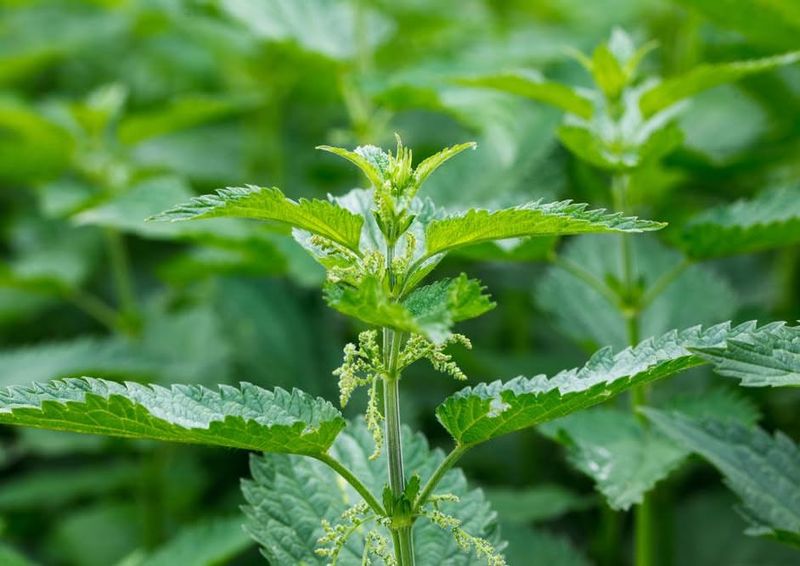
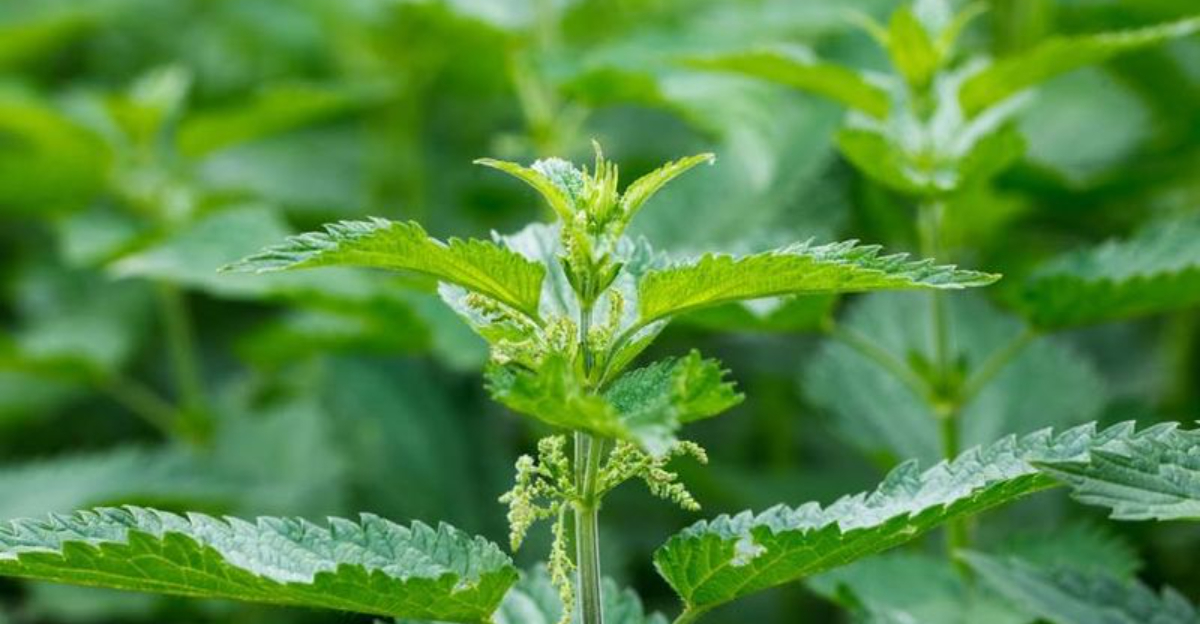
Brushing against this plant delivers an instant painful reminder of why it earned its name. Stinging nettle grows abundantly in Pennsylvania, favoring moist areas near streams, in woodlands, and along shaded garden edges.
The entire plant is covered with tiny hollow hairs that act like hypodermic needles, injecting irritating chemicals into skin upon contact.
The leaves are heart-shaped with toothed edges and grow opposite each other along square stems. Stinging nettle can reach three to seven feet in height and produces small greenish flowers in drooping clusters.
Despite its painful sting, many foragers actually seek out young nettle plants for cooking, as the leaves are edible and nutritious once properly prepared.
The moment skin touches stinging nettle, the tiny hairs break off and release a mixture of chemicals including histamine, acetylcholine, and formic acid.
This creates an immediate burning, stinging sensation followed by redness, swelling, and a rash that can last several hours or even days.
The pain is sharp and unmistakable, often compared to being stung by multiple bees at once.
Fortunately, the reaction to stinging nettle is usually temporary and less severe than reactions to plants like poison ivy. Washing the area with soap and water helps remove the irritating hairs.
Applying a paste of baking soda and water or using over-the-counter anti-itch creams can provide relief. Interestingly, dock plants often grow near stinging nettle in Pennsylvania, and rubbing dock leaves on the sting has been a traditional remedy for generations.
When working in gardens or hiking through Pennsylvania wilderness areas where stinging nettle grows, wearing gloves and long pants prevents most accidental contact.
If you choose to harvest nettles for food, use gloves and handle them carefully until they have been cooked, which neutralizes the stinging compounds.
5. Poison Sumac
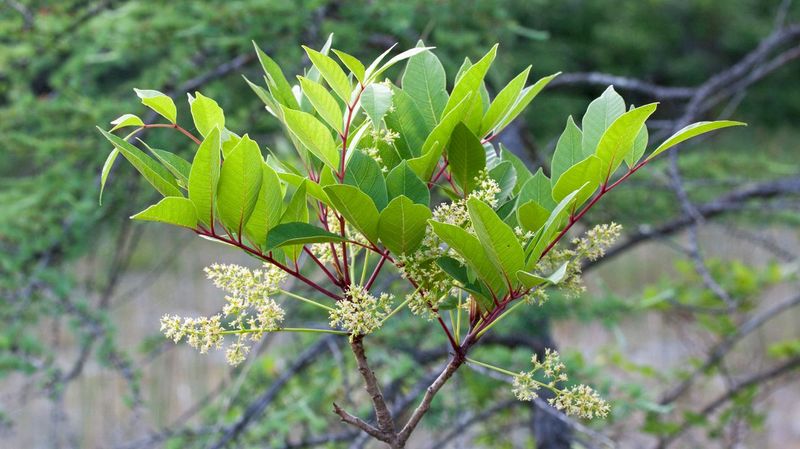
Deep in Pennsylvania wetlands and swampy areas grows a shrub that causes even worse skin reactions than poison ivy. Poison sumac prefers wet, boggy conditions and is less common than poison ivy, but anyone who encounters it faces a more severe and widespread rash.
The plant contains the same urushiol oil as poison ivy but in higher concentrations, making it extremely potent.
Poison sumac grows as a woody shrub or small tree, reaching up to 20 feet tall. The leaves are compound with seven to 13 smooth-edged leaflets arranged in pairs along a central stem.
In fall, the leaves turn brilliant shades of orange, red, and yellow, making the plant attractive but still dangerous. Drooping clusters of white or gray berries help distinguish poison sumac from harmless sumac varieties, which have red berries.
Contact with poison sumac causes the same type of allergic reaction as poison ivy, but the rash is typically more severe and covers larger areas of skin. The itching can be intense, and the blisters may ooze and spread across the body.
Because poison sumac grows in wet areas where people might not expect to find toxic plants, accidental exposure often catches people by surprise.
Pennsylvania hikers and nature enthusiasts should be especially cautious when exploring wetlands and swampy regions where poison sumac thrives. Learning to identify the plant by its compound leaves and white berries helps avoid contact.
If you do touch poison sumac, wash the affected area immediately with soap and cool water. Remove and wash any clothing that may have contacted the plant. Severe reactions may require prescription medications from a doctor.
Because poison sumac is less common than poison ivy in Pennsylvania, many people are unfamiliar with it, making education about this dangerous plant especially important for anyone spending time in wetland environments.
6. Buttercup
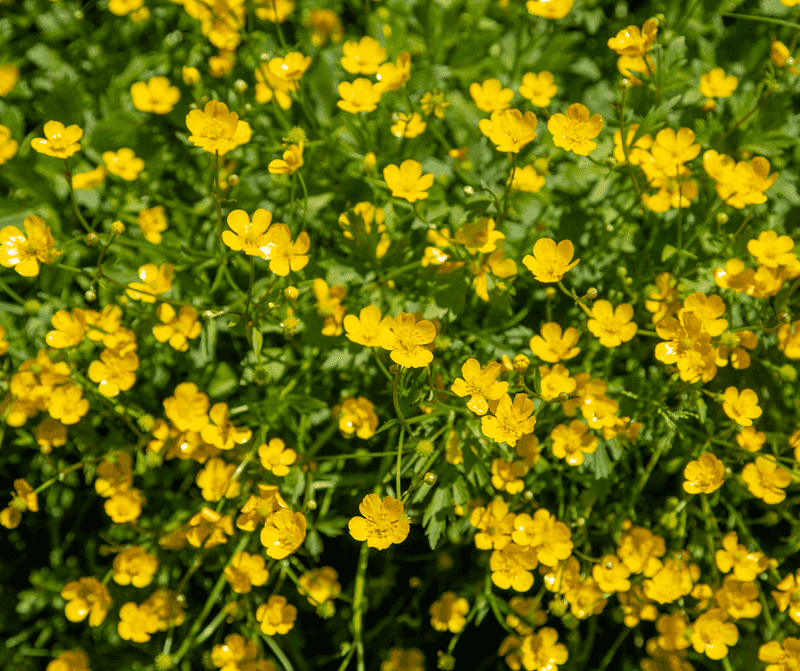
Those cheerful yellow flowers dotting Pennsylvania lawns and meadows hide a surprising secret. Buttercups are common throughout the state, growing in gardens, fields, and along roadsides.
While they look innocent and pretty, all parts of the plant contain a toxic compound called ranunculin that can irritate skin and cause uncomfortable reactions.
Several species of buttercup grow in Pennsylvania, but they share similar characteristics including bright yellow, shiny petals and deeply divided leaves. The flowers typically have five petals and bloom from spring through summer.
Many gardeners consider buttercups to be weeds because they spread quickly and can take over lawns and garden beds.
When plant tissues are crushed or broken, ranunculin converts to protoanemonin, a toxic oil that irritates skin. Handling buttercups, especially when pulling them from gardens or crushing the stems and leaves, can cause redness, itching, and small blisters.
The reaction is usually milder than poison ivy but can still be uncomfortable. People with sensitive skin are more likely to experience symptoms.
Children who pick buttercups to make flower chains or bouquets might develop mild rashes on their hands and fingers. The reaction typically appears within a few hours of contact and resolves on its own within a day or two.
Washing hands after handling buttercups prevents the irritating oils from spreading to other parts of the body. Pennsylvania gardeners who need to remove buttercups from their yards should wear gloves to protect their skin.
While buttercups are not as dangerous as poison ivy or giant hogweed, they serve as a good reminder that even common, pretty plants can cause skin irritation. Teaching children to wash their hands after playing with wildflowers helps prevent reactions.
If a rash does develop from buttercup contact, washing the area with soap and water and applying a soothing lotion usually provides relief.
7. Rue
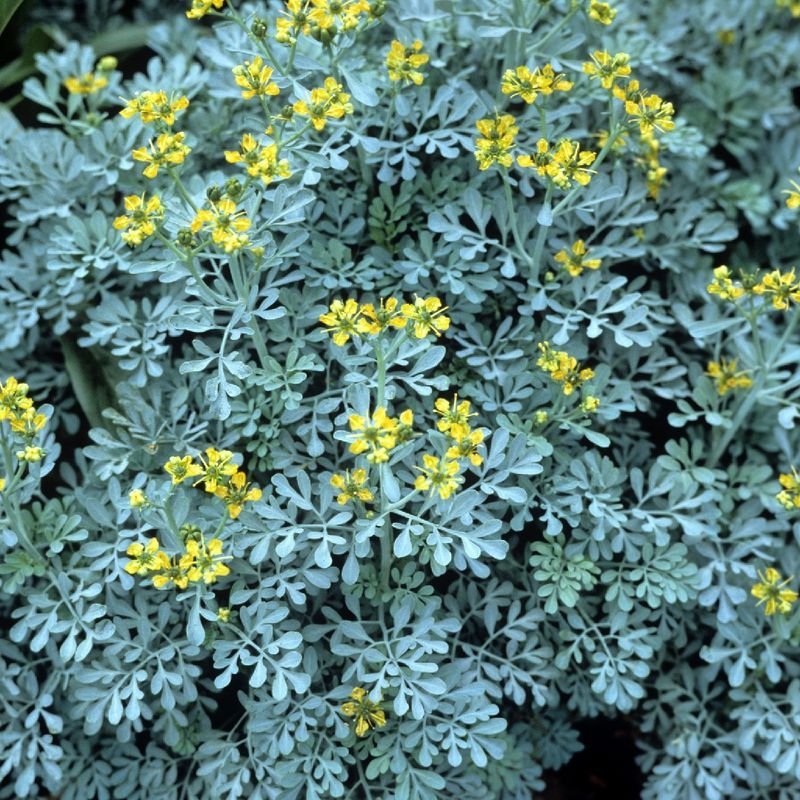
Garden enthusiasts in Pennsylvania often plant rue for its attractive blue-green foliage and historical significance as a traditional herb. However, this seemingly harmless garden plant can cause serious skin damage when handled improperly.
Rue contains furanocoumarins, the same type of chemicals found in giant hogweed and wild parsnip, making it dangerous when sap contacts skin that is then exposed to sunlight.
Rue grows as a compact perennial herb with deeply divided, blue-gray leaves that have a strong, somewhat unpleasant odor when crushed. Small yellow flowers appear in summer, and the plant typically reaches two to three feet in height.
Gardeners historically grew rue for medicinal purposes and as an ornamental plant, and it remains popular in herb gardens across Pennsylvania.
Touching rue plants, especially on sunny days, can lead to phytophotodermatitis. The sap transfers to skin, and when ultraviolet light hits the affected area, a chemical reaction occurs that damages skin cells.
Within 24 hours, painful blisters and burns appear, often worse than a typical sunburn. The blisters can be severe, and the skin may develop dark discoloration that persists for months.
Pennsylvania gardeners who grow rue should take precautions when pruning, harvesting, or handling the plant. Wearing gloves and long sleeves provides essential protection, and working with rue on cloudy days or in the evening reduces the risk of sun-activated reactions.
If rue sap gets on your skin, wash it off immediately with soap and water, then keep the affected area covered and protected from sunlight for at least 48 hours.
Many people who have grown rue for years without problems suddenly develop a reaction, so even experienced gardeners should remain cautious.
Consider whether rue is worth the risk, especially if children play in your Pennsylvania garden. Safer alternative herbs can provide similar ornamental value without the danger of severe skin burns.