12 Veggie And Herb Seeds Georgia Gardeners Can Start Outdoors This Winter
Georgia’s mild winters give gardeners an opportunity most states don’t get, especially when soil stays workable while other regions are frozen solid.
That window makes winter planting feel risky at first, but it often pays off faster than expected.
Many gardeners wait for spring out of habit, even though several veggie and herb seeds handle Georgia’s winter conditions without trouble.
Cool temperatures, steady moisture, and fewer pests actually create a calmer start for certain seeds once they’re in the ground. Growth begins slowly but steadily, without the stress spikes that come later in the season.
Those early starts quietly shift the entire gardening timeline.
By the time spring truly arrives, these plants already have a head start that’s hard to catch up to.
What feels unusual at first often becomes one of the most reliable planting habits Georgia gardeners keep returning to.
1. Spinach
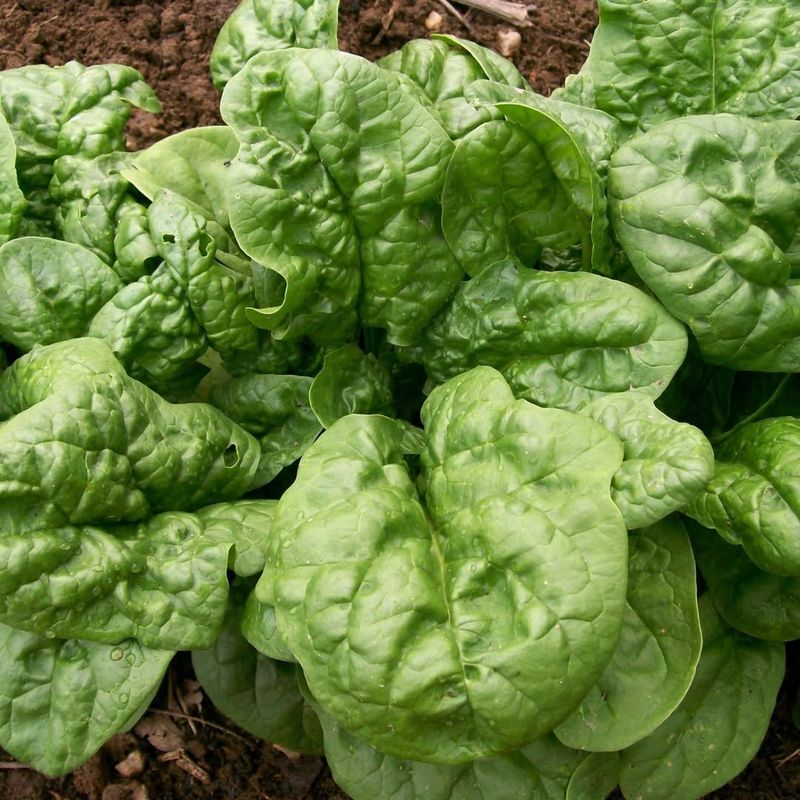
Cold weather brings out the best flavor in this leafy green, making it sweeter and more tender than summer-grown varieties. Georgia gardeners benefit from planting spinach seeds directly in the ground during late fall and winter months.
The plants handle frost beautifully and actually prefer cooler temperatures over heat.
Seeds germinate quickly when soil temperatures range between 35 and 45 degrees Fahrenheit. You can expect tiny seedlings to emerge within one to two weeks after planting.
Space your seeds about two inches apart in rows, then thin them as they grow to give each plant room to develop.
Consistent moisture helps spinach establish strong roots during Georgia’s winter season. Water regularly but avoid overwatering, which can lead to fungal issues in cooler weather.
A light layer of mulch protects seedlings from temperature fluctuations and helps retain soil moisture.
Harvest begins when leaves reach a usable size, usually within 40 to 50 days from planting. Pick outer leaves first to encourage continued growth from the center of the plant.
This cut-and-come-again method extends your harvest period throughout winter and into early spring.
Choosing cold-hardy varieties gives you better results in Georgia gardens. Bloomsdale and Tyee are excellent options that withstand freezing temperatures without damage.
These varieties produce abundant leaves even when temperatures drop below freezing at night.
2. Kale

Nutritional powerhouses thrive when temperatures drop, and this hardy green proves that point perfectly. Georgia’s winter climate creates ideal conditions for growing kale from seed outdoors.
Frost actually improves the taste by converting starches into sugars, resulting in sweeter, more flavorful leaves.
Direct sowing works wonderfully for kale in our state’s mild winters. Plant seeds about half an inch deep and space them three to four inches apart in rows.
Germination occurs within five to ten days when soil temperatures stay above 40 degrees Fahrenheit.
Sturdy stems develop as seedlings mature, creating plants that stand up to winter weather. Thin your seedlings to 12 inches apart once they reach a few inches tall.
This spacing allows air circulation and prevents crowding as plants grow larger throughout the season.
Regular harvesting encourages new leaf production and keeps plants productive for months. Start picking outer leaves when they reach six to eight inches long.
Your Georgia Garden Changes Every Week. Your Plan Should Too.
Gardening in Georgia changes quickly throughout the season. Every Friday you’ll receive a simple weekly plan showing exactly what to plant, prune, fertilize, harvest, and protect so you never miss the right timing.
The center of the plant continues producing fresh growth as long as you avoid removing too many leaves at once.
Varieties like Winterbor and Lacinato perform exceptionally well in Georgia gardens. Both types tolerate freezing temperatures and continue growing even after snowfall.
Their curly or flat leaves add visual interest to winter garden beds while providing nutritious harvests.
3. Collard Greens
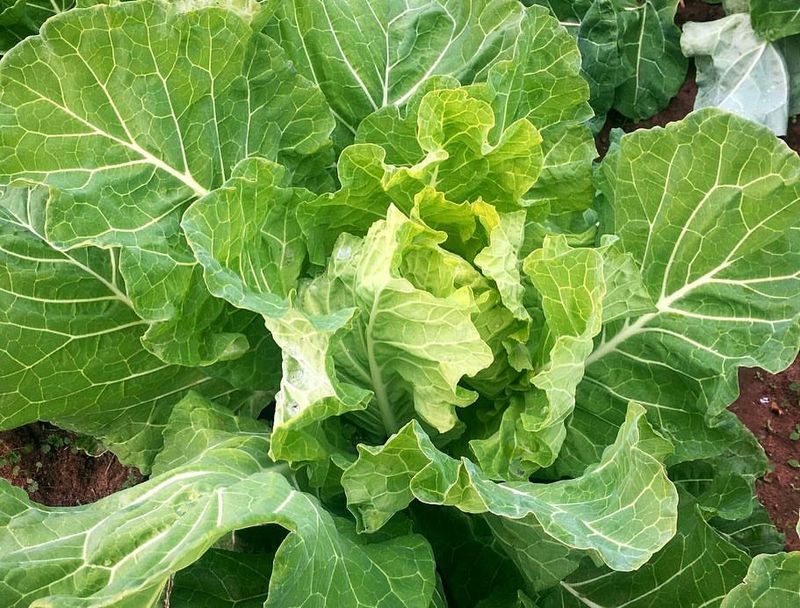
Southern gardens wouldn’t be complete without this traditional favorite that thrives in cooler months. Collard greens have deep roots in Georgia’s agricultural heritage and grow exceptionally well when planted during winter.
The plants develop better flavor and texture when exposed to light frosts and cool temperatures.
Sowing seeds outdoors in late fall gives you a steady supply of fresh greens throughout winter. Plant seeds about half an inch deep and space them three inches apart initially.
Germination happens within seven to ten days when conditions are right.
Strong seedlings emerge quickly and tolerate temperature swings common in Georgia winters. Thin plants to 18 inches apart as they grow to accommodate their eventual size.
Collards develop into large, leafy plants that need adequate space for proper air circulation and light exposure.
Harvesting can begin when leaves reach usable size, typically 60 to 75 days after planting. Remove lower leaves first, allowing the plant to continue producing new growth from the top.
This method provides continuous harvests for several months during the cold season.
Georgia and Vates are popular varieties that handle freezing temperatures without trouble. Both produce large, smooth leaves perfect for traditional Southern cooking.
These cold-hardy types maintain quality even when temperatures dip into the twenties overnight.
4. Mustard Greens
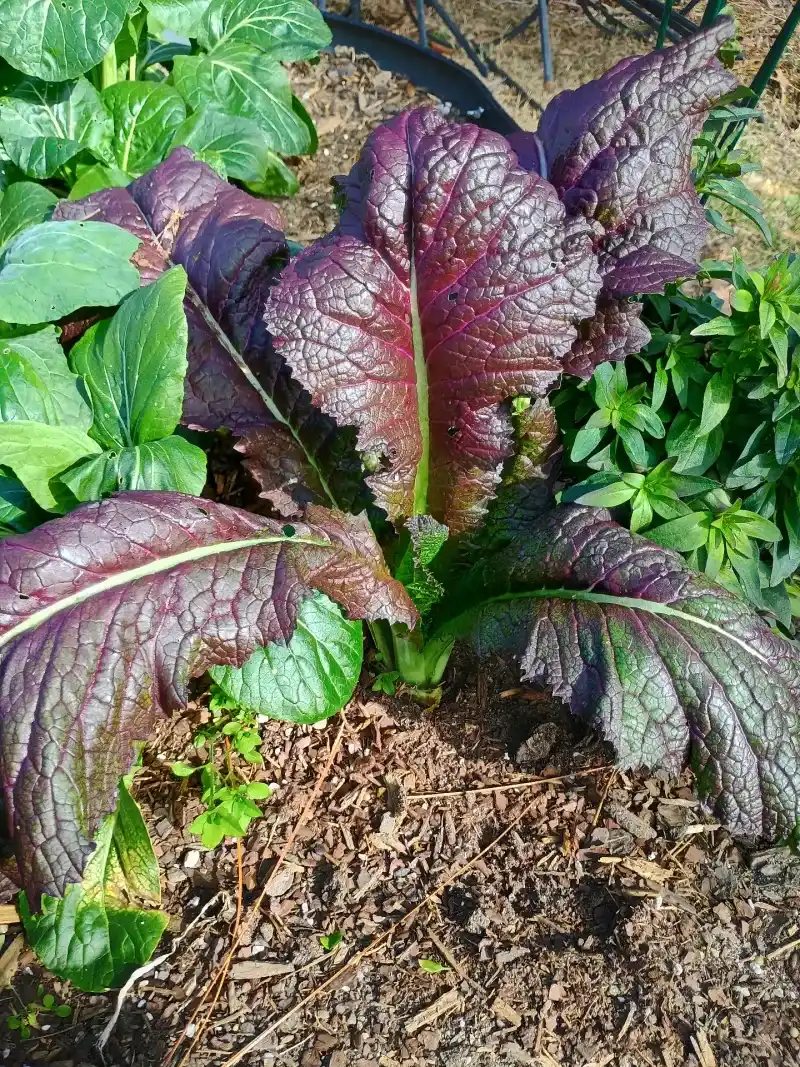
Peppery flavors intensify in cold weather, making this fast-growing green a winter garden favorite. Mustard greens germinate and grow quickly, providing one of the earliest harvests among cold-season crops.
Georgia gardeners appreciate how easily these plants adapt to fluctuating winter temperatures.
Seeds sprout rapidly when sown directly into prepared garden beds during fall and winter. Plant them about a quarter inch deep and space seeds two inches apart in rows.
Expect to see seedlings emerge within four to seven days under favorable conditions.
Quick growth means you’ll have harvestable leaves sooner than many other winter vegetables. Thin seedlings to six inches apart once they develop their first true leaves.
This spacing gives each plant enough room to produce abundant foliage without competing for nutrients.
Tender young leaves offer the mildest flavor and best texture for fresh eating. Begin harvesting when leaves reach four to six inches long, usually within 30 to 40 days from planting.
The outer leaves can be picked continuously while the plant keeps producing new growth from the center.
Varieties such as Southern Giant Curled and Red Giant perform wonderfully in Georgia’s winter climate. Both types tolerate cold temperatures and provide beautiful, flavorful leaves for salads and cooking.
Their distinctive appearances add color and texture to winter garden spaces.
5. Turnips
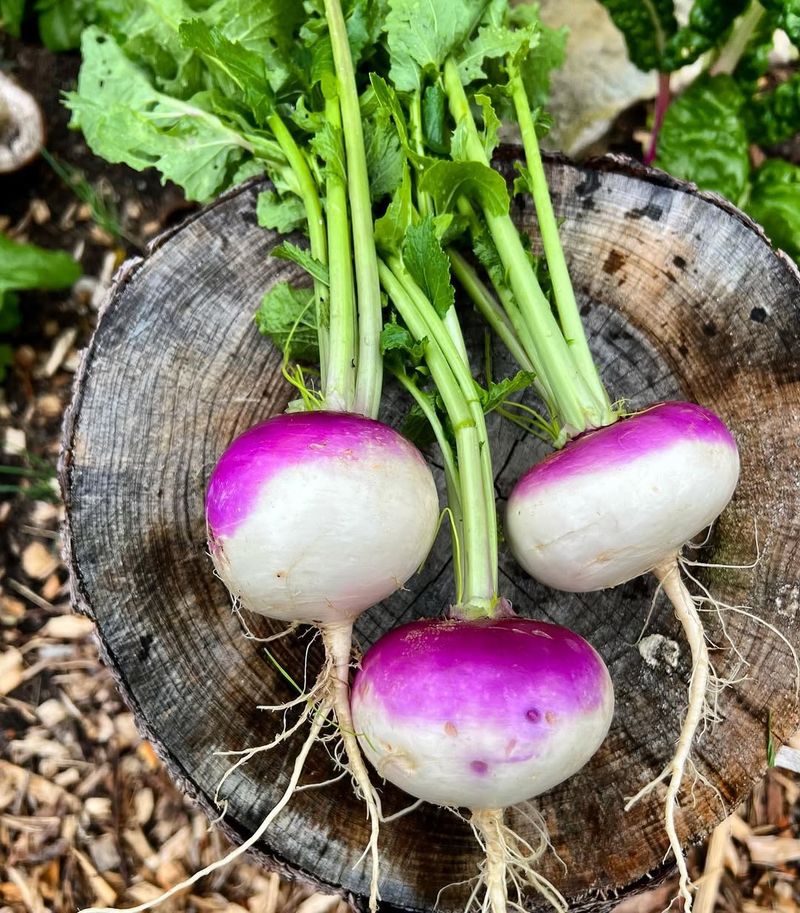
Dual-purpose crops give you two harvests from one planting effort. Turnips provide both nutritious greens and tasty roots, making them excellent choices for Georgia winter gardens.
Cool temperatures produce sweeter, less bitter roots compared to those grown in summer heat.
Broadcast seeding or row planting both work well for establishing turnip crops. Sow seeds about half an inch deep and space them two inches apart if planting in rows.
Germination typically occurs within five to eight days when soil temperatures remain above 40 degrees.
Developing roots need consistent moisture to grow tender and mild-flavored. Water regularly throughout the growing season, especially during dry winter periods common in Georgia.
Uneven watering can cause roots to become woody or develop strong, unpleasant flavors.
Greens become ready for harvest first, usually within 30 days after planting. Pick outer leaves as needed while allowing the roots to continue developing underground.
Roots reach harvest size around 50 to 60 days, depending on the variety and growing conditions.
Purple Top White Globe is a classic variety that performs reliably in Georgia gardens. Tokyo Cross offers faster maturity and produces smooth, white roots.
Both varieties handle cold weather beautifully and provide excellent yields throughout the winter months.
6. Radishes
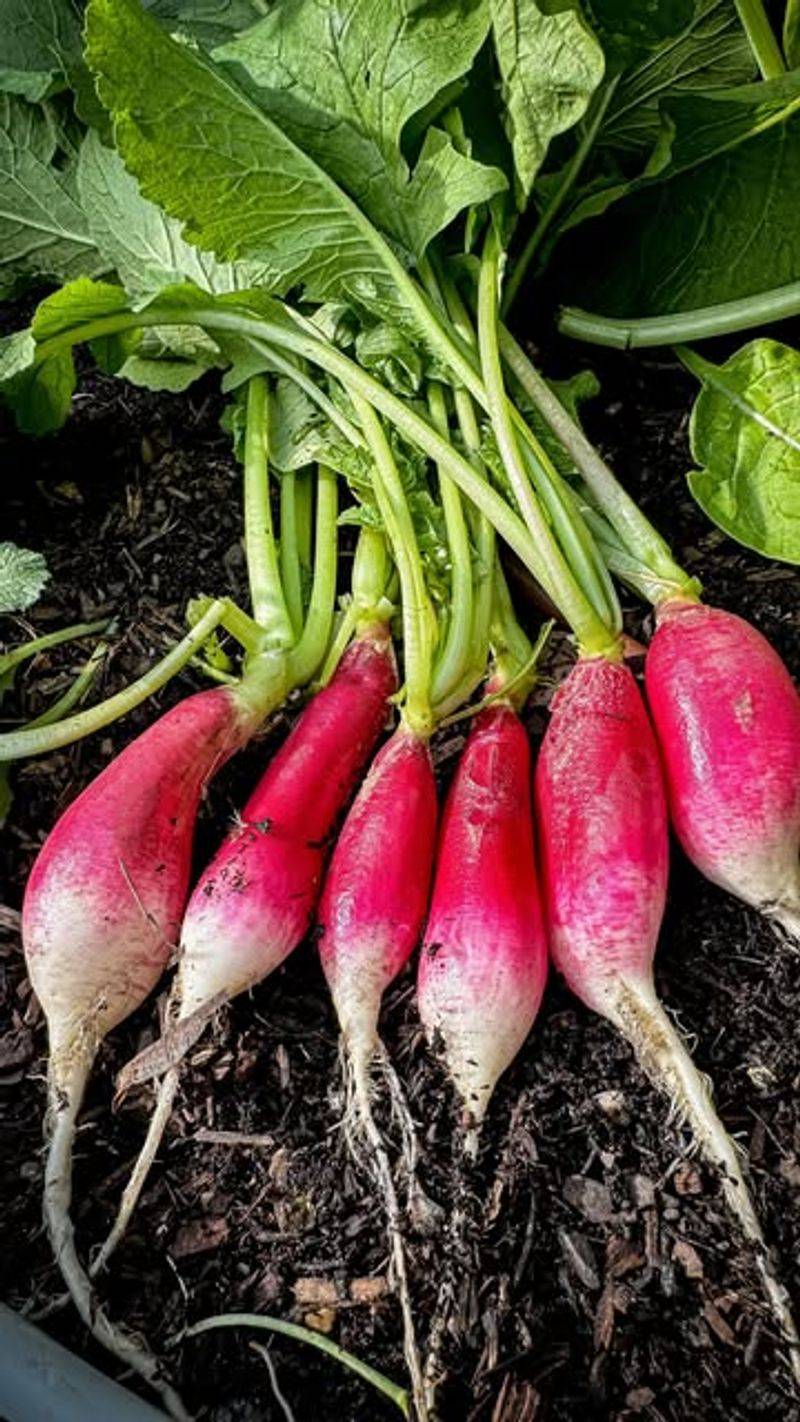
Lightning-fast maturity makes this crop perfect for impatient gardeners and quick winter harvests. Radishes grow from seed to table in as little as three to four weeks under ideal conditions.
Georgia’s cool winter temperatures create the perfect environment for producing crisp, mild-flavored roots.
Direct seeding is the only successful method for growing radishes since they don’t transplant well. Sow seeds half an inch deep and space them one inch apart in rows or broadcast them across beds.
Germination happens quickly, with seedlings appearing within three to five days.
Rapid growth requires consistent moisture and fertile soil for best results. Water regularly to keep soil evenly moist but not waterlogged.
Dry conditions or irregular watering causes roots to become pithy, woody, or excessively spicy.
Harvesting should happen promptly when roots reach full size to maintain quality. Most varieties are ready to pull within 25 to 30 days from planting.
Leaving radishes in the ground too long results in tough, hollow, or overly pungent roots.
Cherry Belle and French Breakfast are reliable varieties for Georgia winter gardens. Easter Egg provides colorful roots in shades of pink, purple, red, and white.
All these types tolerate cold weather and produce excellent crops when planted from late fall through winter.
7. Carrots
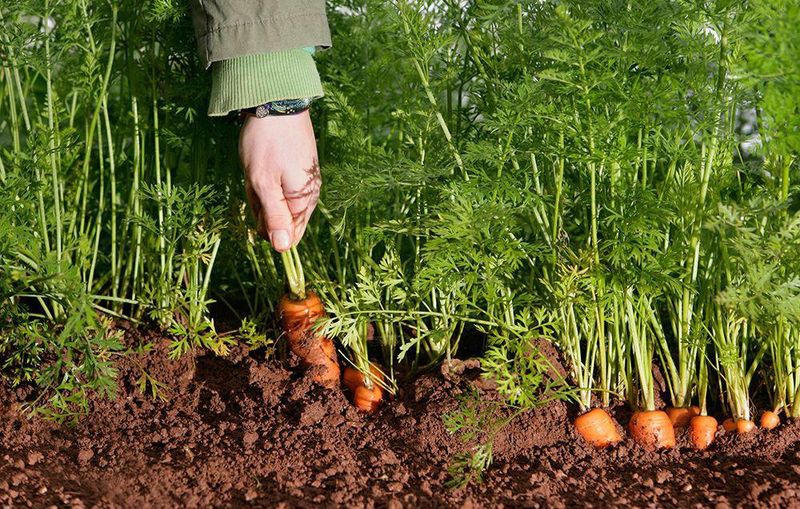
Sweet, crunchy roots develop exceptional flavor when grown in cool weather conditions. Carrots actually taste better after exposure to light frosts, which trigger sugar production in the roots.
Georgia gardeners can successfully grow carrots throughout winter by choosing appropriate varieties and planting times.
Slow germination is normal for carrot seeds, so patience pays off during establishment. Sow seeds about a quarter inch deep and space them one inch apart in rows.
Expect seedlings to emerge within 10 to 21 days, depending on soil temperature and moisture levels.
Loose, well-prepared soil is essential for producing straight, well-formed roots. Remove rocks, clumps, and debris before planting to prevent forked or twisted carrots.
Heavy or compacted soil causes roots to grow short, stubby, or misshapen.
Thinning seedlings to proper spacing ensures each carrot has room to develop fully. Thin to three inches apart once seedlings reach two inches tall.
This spacing allows roots to grow without crowding and competing for nutrients.
Harvesting can begin once roots reach usable size, typically 60 to 75 days after planting. Carrots can remain in Georgia garden soil throughout winter and be harvested as needed.
Cold temperatures actually improve their sweetness and storage quality over time.
8. Beets

Earthy sweetness intensifies when these colorful roots mature in cool soil temperatures. Beets thrive in Georgia’s winter climate and provide both nutritious greens and flavorful roots from a single planting.
Cool weather prevents the roots from developing the woody texture common in summer-grown crops.
Each beet seed is actually a cluster containing multiple seeds, resulting in several seedlings per planting spot. Sow seed clusters about half an inch deep and space them two inches apart in rows.
Germination occurs within seven to 14 days when soil temperatures remain above 40 degrees.
Thinning becomes necessary since multiple seedlings emerge from each seed cluster. Remove extra seedlings when they’re two inches tall, leaving the strongest one in each spot.
Thin to three to four inches apart to allow proper root development.
Greens can be harvested early while roots continue growing underground. Pick a few outer leaves from each plant when they reach four to six inches long.
This provides an early harvest without compromising root development.
Roots reach maturity around 50 to 70 days after planting, depending on variety and conditions. Detroit Dark Red and Golden Beet are excellent choices for Georgia winter gardens.
Both varieties tolerate cold temperatures and produce tender, sweet roots perfect for roasting or pickling.
9. Onions From Seed
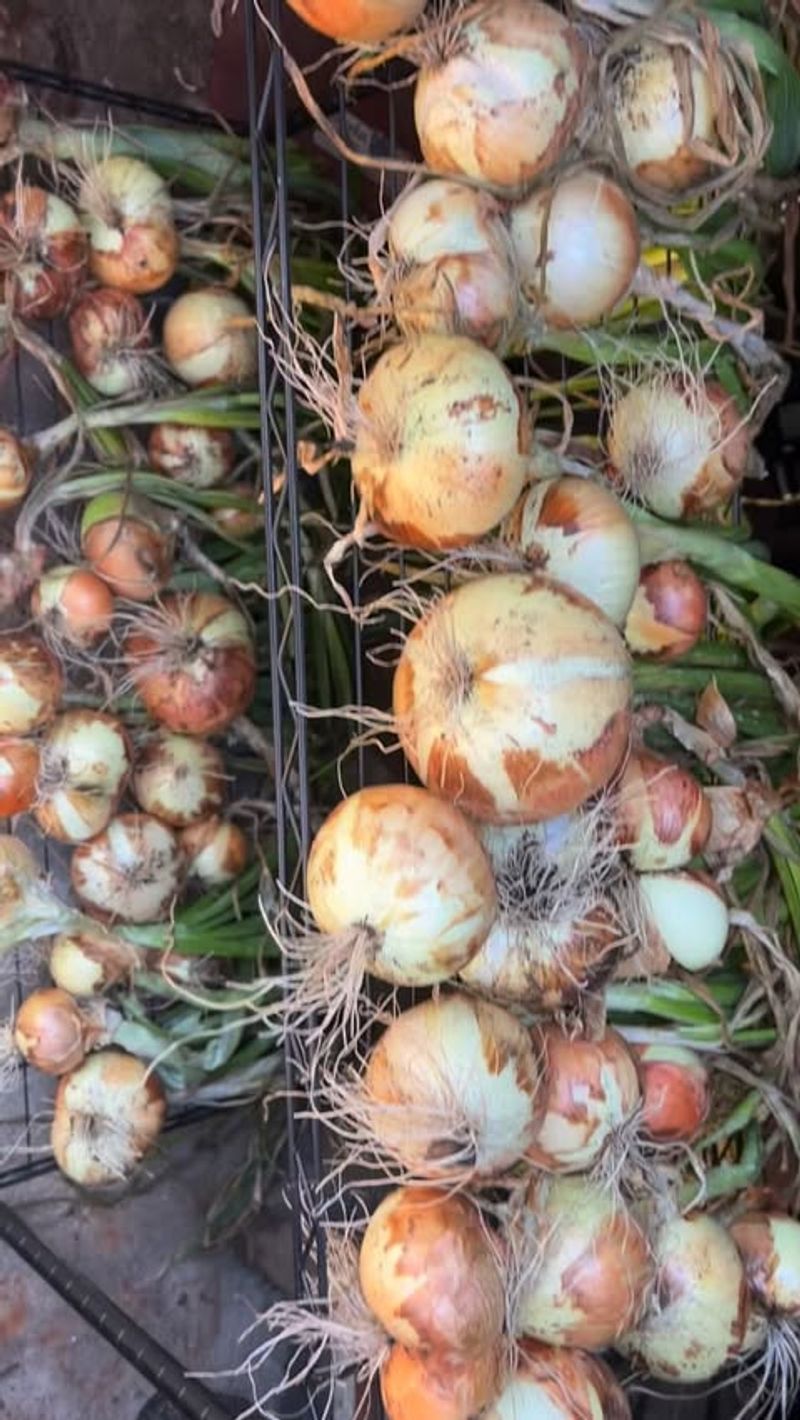
Growing from seed requires more patience than planting sets but offers greater variety selection. Starting onion seeds outdoors during Georgia’s winter allows plants to establish strong root systems before warm weather arrives.
Cool temperatures promote healthy vegetative growth without triggering premature bulbing.
Sow seeds about a quarter inch deep and space them one inch apart in rows. Germination takes seven to 14 days under favorable conditions.
Seedlings emerge as thin, grass-like shoots that gradually thicken as they mature.
Consistent moisture and fertility support steady growth throughout the establishment period. Water regularly to keep soil evenly moist but not saturated.
Onions have shallow root systems that dry out quickly in Georgia’s sometimes unpredictable winter weather.
Thinning seedlings to proper spacing is crucial for developing good-sized bulbs later. Thin to four inches apart once seedlings are well-established.
The thinned seedlings make excellent green onions for fresh use in cooking.
Short-day varieties are best suited for Georgia’s latitude and climate conditions. Texas 1015Y and Candy are reliable short-day types that bulb properly in our region.
These varieties form bulbs when day length reaches 10 to 12 hours, which occurs naturally in our late spring.
Bulbing begins in late spring after plants experience sufficient cool weather and day-length triggers. Harvest occurs in late spring or early summer when tops begin to fall over naturally.
10. Cilantro
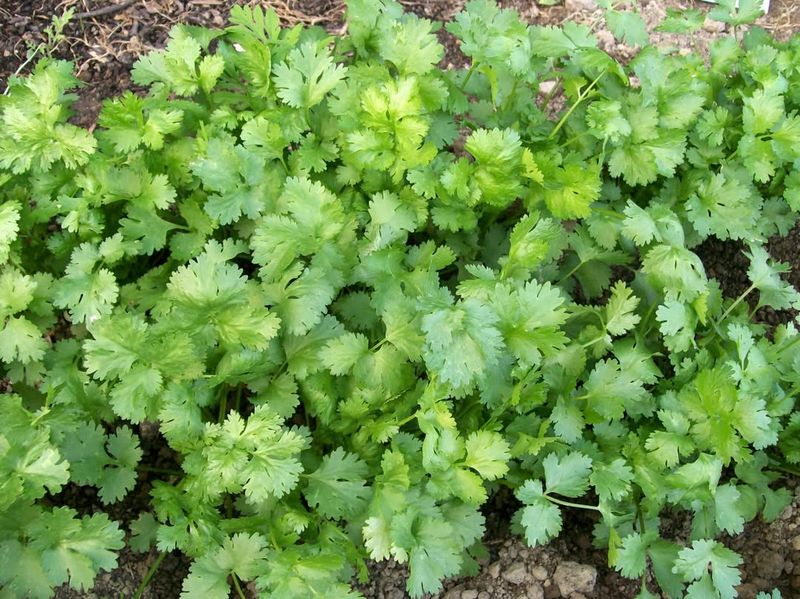
Fresh, distinctive flavor is most easily achieved when this herb grows in cool weather conditions. Cilantro quickly bolts and goes to seed in warm temperatures, making winter the ideal planting time in Georgia.
Cool weather produces lush, flavorful foliage perfect for fresh culinary use.
Direct sowing works best since cilantro develops a taproot that doesn’t transplant well. Plant seeds about a quarter inch deep and space them two inches apart.
Germination occurs within seven to 10 days when soil temperatures range between 50 and 68 degrees.
Successive plantings every two to three weeks ensure a continuous supply throughout winter. Cilantro has a relatively short harvest window before flowering begins.
Multiple plantings compensate for this tendency and provide fresh leaves over an extended period.
Harvesting can begin when plants reach six inches tall, usually within 40 to 50 days. Cut outer stems and leaves, leaving the center to continue producing new growth.
Frequent harvesting delays flowering and extends the productive period.
Slow-bolt varieties like Long Standing and Santo resist flowering longer than standard types. These varieties are particularly valuable for Georgia gardeners who want extended harvests.
Even slow-bolt types eventually flower, so plan for succession plantings to maintain supply.
11. Parsley
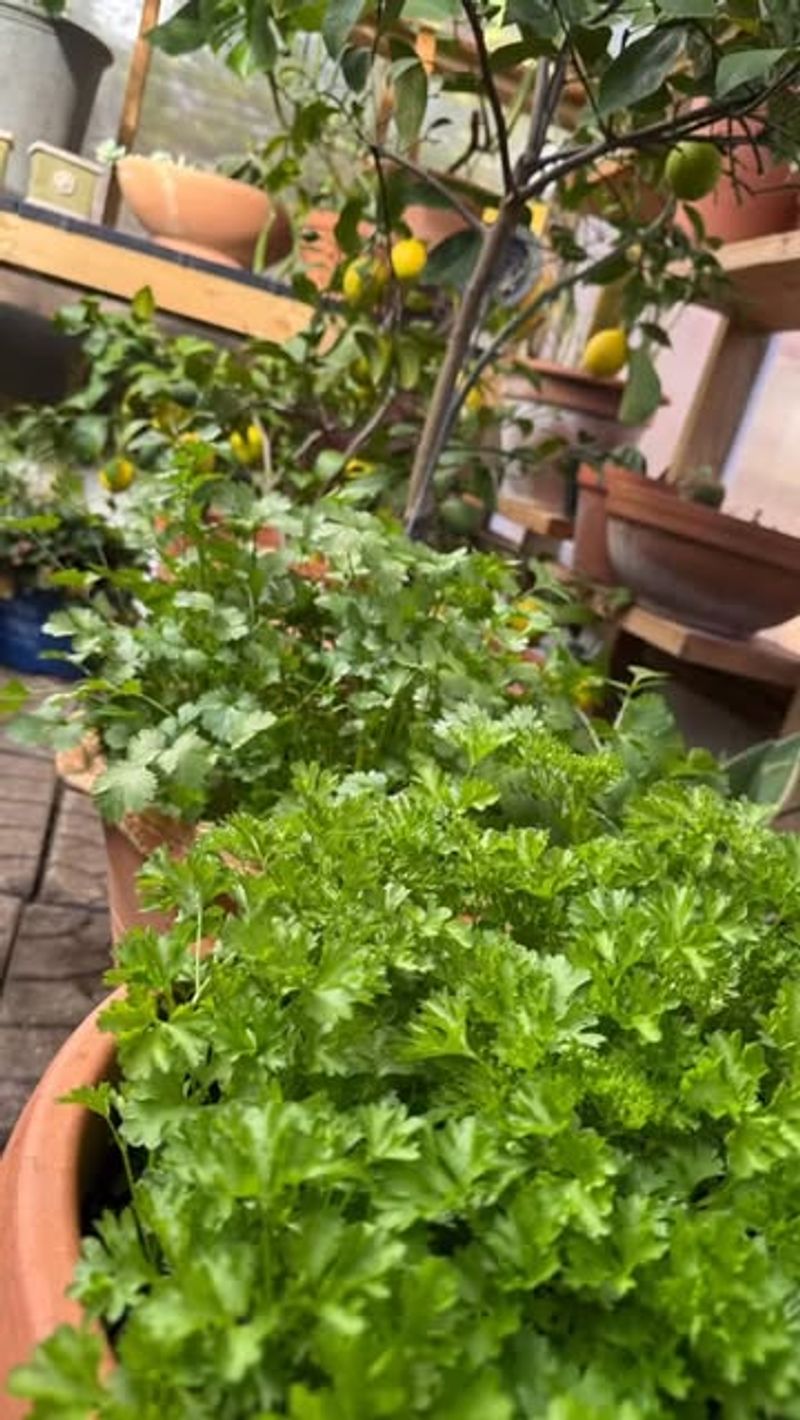
Versatile flavor and attractive foliage make this herb a valuable addition to winter gardens. Parsley tolerates cold weather beautifully and continues growing throughout Georgia’s mild winters.
Both flat-leaf and curly varieties thrive when planted from seed during the cooler months.
Slow germination is characteristic of parsley seeds, requiring patience during establishment. Sow seeds about a quarter inch deep and keep soil consistently moist.
Seedlings may take 14 to 28 days to emerge, depending on soil temperature and moisture.
Soaking seeds overnight before planting can speed up germination slightly. Some gardeners find this step helpful, though it’s not absolutely necessary for success.
Consistent moisture is more important than pre-soaking for reliable germination.
Thinning seedlings to six inches apart allows each plant adequate space for development. Parsley forms a rosette of leaves that gradually expands as the plant matures.
Proper spacing ensures good air circulation and prevents crowding as plants grow larger.
Harvesting outer stems encourages continued production from the center of the plant. Cut stems at the base rather than picking individual leaves for better regrowth.
Parsley remains productive throughout winter and into spring before eventually flowering in warm weather.
Flat-leaf Italian parsley offers stronger flavor preferred for cooking, while curly types provide attractive garnishes. Both varieties perform equally well in Georgia winter gardens.
12. Dill
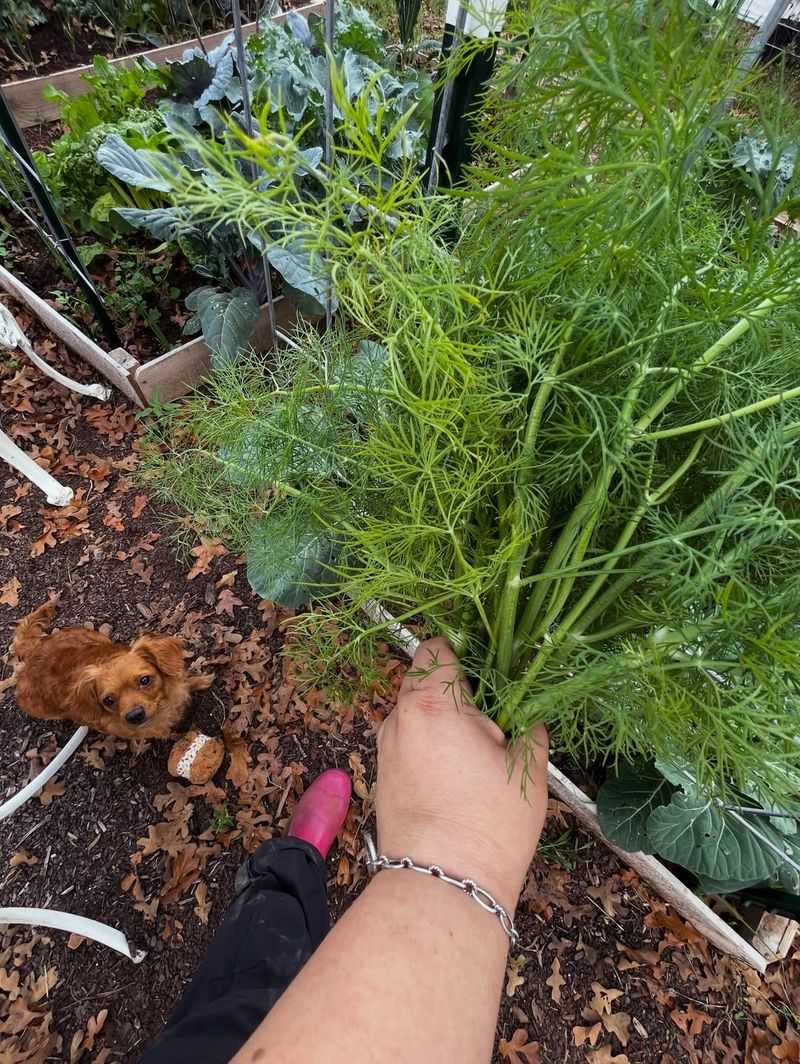
Feathery foliage and distinctive taste make this herb popular for both cooking and pickling. Dill grows quickly in cool weather and produces abundant, aromatic leaves throughout Georgia’s winter months.
Cold temperatures actually enhance the flavor and prevent the rapid flowering common in warm conditions.
Direct seeding is necessary since dill develops a long taproot that resents transplanting. Sow seeds about a quarter inch deep and space them six inches apart.
Germination happens within seven to 14 days once soil temperatures rise into the 50s.
Tall, delicate stems benefit from protection from strong winds common in winter. Plant dill in a sheltered location or provide support if needed.
The plants can reach two to three feet tall and may topple in exposed, windy Georgia garden spots.
Harvesting fresh leaves can begin when plants reach eight inches tall. Snip foliage as needed, taking care not to remove too much at once.
The plant continues producing new growth as long as you avoid cutting it back too severely.
Successive plantings every three weeks maintain a steady supply of fresh dill throughout winter. Individual plants have a limited productive period before flowering.
Multiple plantings ensure you always have young, productive plants available for harvest.
Bouquet and Fernleaf are compact varieties suitable for Georgia gardens. Both types produce abundant foliage and resist bolting in cool weather better than some other varieties.