How Oregon Gardeners Prepare Their Greenhouses Before March
Even though spring feels far away, March is just around the corner, and for Oregon gardeners with greenhouses, now is the time to get things ready.
Preparing a greenhouse before the busy planting season helps ensure that seedlings, herbs, and vegetables start strong and stay healthy.
Winter can leave greenhouses a little messy, with leftover plant debris, dust, and moisture that encourage pests or disease. Taking time to clean, organize, and check equipment now saves headaches later.
Checking ventilation, repairing any broken panels, and making sure irrigation systems are working properly sets the stage for a smooth growing season.
By planning ahead and giving the greenhouse some TLC in late winter, Oregon gardeners can start seeds on time, protect delicate plants from cold snaps, and maximize space for vegetables, flowers, and herbs.
A little prep now means a more productive, stress-free spring and a greenhouse full of thriving, happy plants.
1. Deep Clean All Glass And Plastic Surfaces
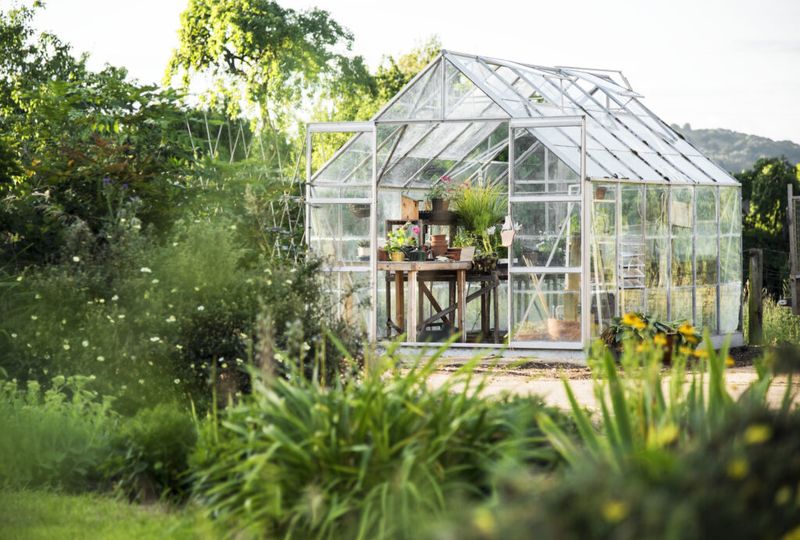
Months of winter grime, moss, and algae can block precious sunlight from reaching your plants. Oregon winters are cloudy enough without dirty greenhouse panels making things worse.
Grab a bucket of warm water, add a splash of vinegar or mild soap, and get scrubbing. Both inside and outside surfaces need attention.
Use a soft brush or sponge to avoid scratching the material. Pay special attention to corners and edges where buildup hides.
Clean panels can increase light transmission by up to 30 percent, which makes a real difference for seedlings that need every ray they can get.
After washing, rinse everything thoroughly with clean water. Soap residue can leave streaks that block light just like dirt does.
Some gardeners use a squeegee to speed up drying and prevent water spots.
Check for cracks or damage while you clean. Small cracks can turn into big problems when spring winds pick up.
Mark any trouble spots with tape so you remember to fix them next.
A sparkling clean greenhouse means stronger, healthier plants right from the start. Your seedlings will thank you with vigorous growth when March arrives.
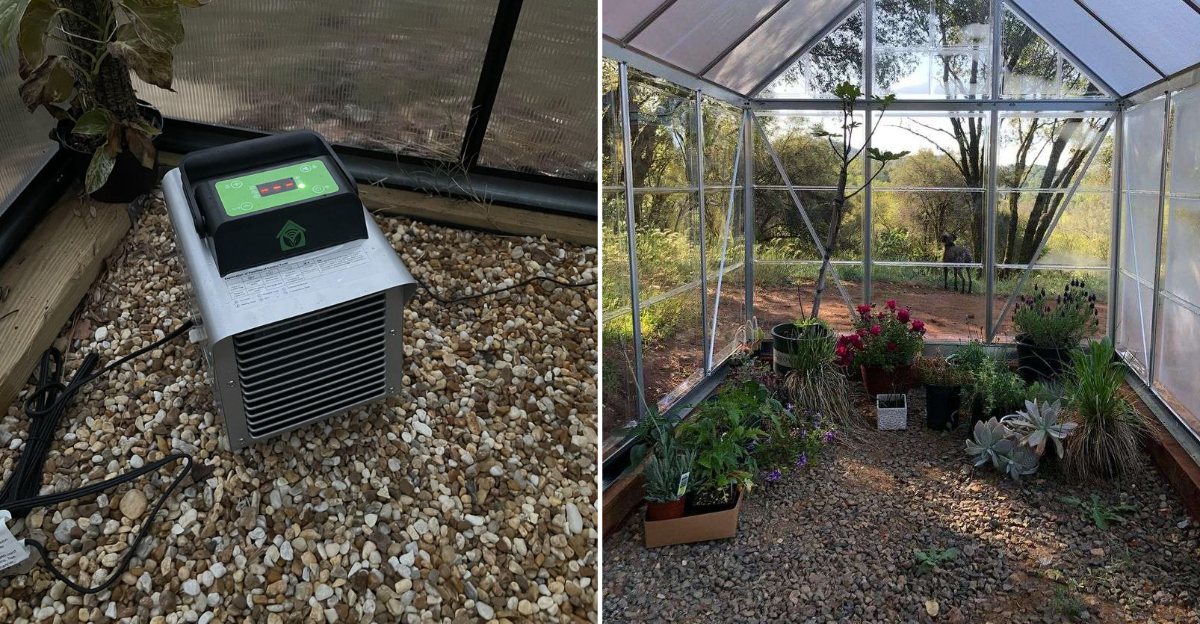
2. Test And Repair Heating Systems
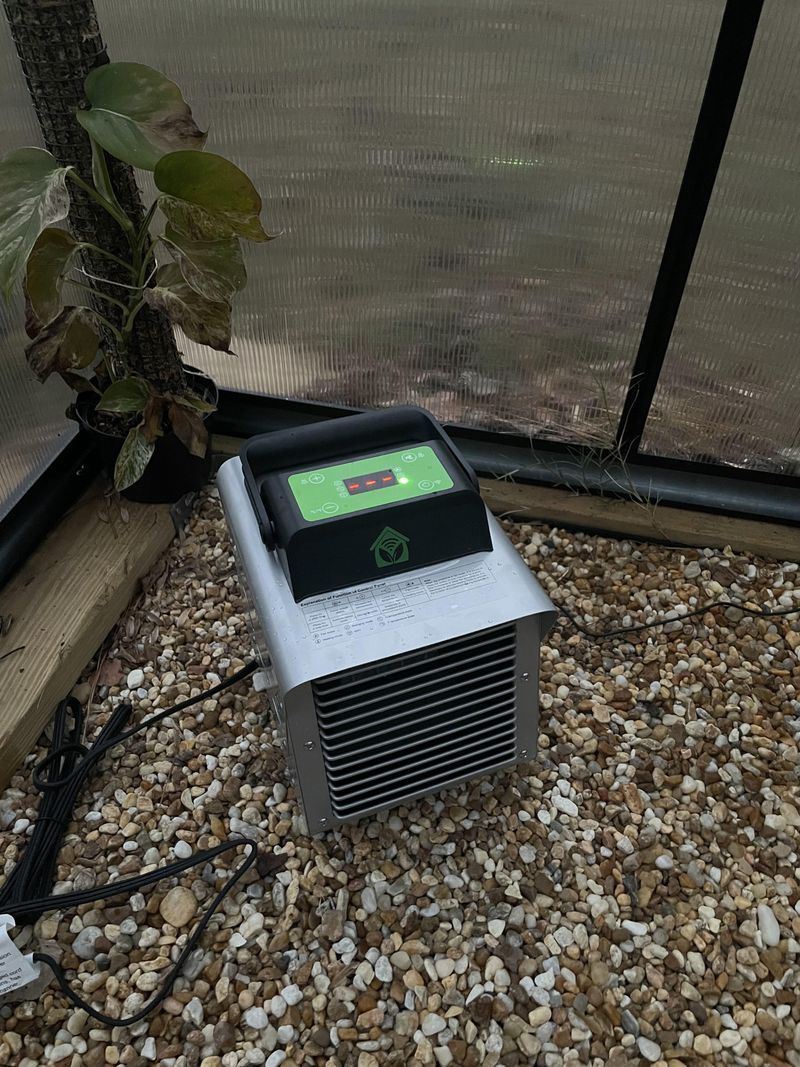
March nights in Oregon can still drop below freezing, especially in the valleys and higher elevations. Your greenhouse heater needs to work perfectly when temperatures plunge.
Test it now, not when your tender tomato starts are shivering in the cold.
Turn on your heating system and watch how it performs. Does it reach the temperature you set?
Does it cycle on and off properly? Listen for strange noises that might signal a problem brewing.
Check thermostats and temperature sensors to make sure they give accurate readings. A faulty sensor might tell your heater everything is fine while your plants freeze.
Replace batteries if your thermostat uses them.
Inspect fuel lines, electrical connections, and vents for any signs of wear or damage. Clean dust and debris from heaters and fans so they run efficiently.
Propane heaters need clear burners, and electric models need clean coils.
Consider adding a backup thermometer that you can check manually. Technology fails sometimes, and a simple backup can save your plants.
Your Oregon Garden Changes Every Week. Your Plan Should Too.
Gardening in Oregon changes quickly throughout the season. Every Friday you’ll receive a simple weekly plan showing exactly what to plant, prune, fertilize, harvest, and protect so you never miss the right timing.
Some gardeners keep a small emergency heater on hand just in case their main system quits at the worst possible moment.
3. Organize And Sanitize Growing Benches
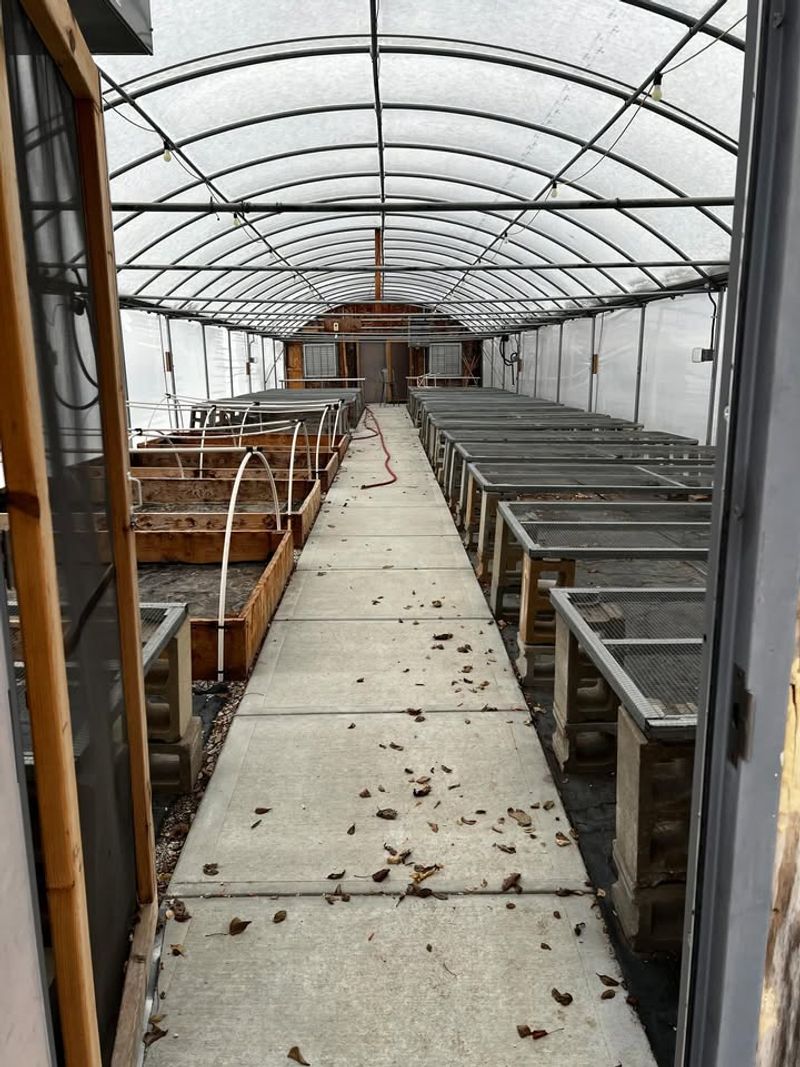
Old soil, plant debris, and spilled water create the perfect home for diseases and pests. Your growing benches took a beating last season, and now they need a fresh start.
Empty everything off the benches and sweep away loose dirt and dead leaves.
Mix up a sanitizing solution using one part bleach to nine parts water. Wipe down all bench surfaces, legs, and supports.
This simple step eliminates fungus spores, bacteria, and insect eggs that might be lurking there waiting to attack your new seedlings.
Let the benches air dry completely before putting anything back. Moisture trapped under pots and trays encourages mold and rot.
While surfaces dry, take time to organize your supplies and throw away anything broken or used up.
Arrange your benches to maximize space and airflow. Plants need room to breathe, and you need room to work.
Group similar plants together so you can water and care for them efficiently.
Label shelves or sections if you plan to grow different plant types. Organization saves time and prevents mistakes like overwatering succulents or underwatering lettuce.
Clean, organized benches make the whole growing process smoother and more enjoyable.
4. Check And Improve Ventilation Systems
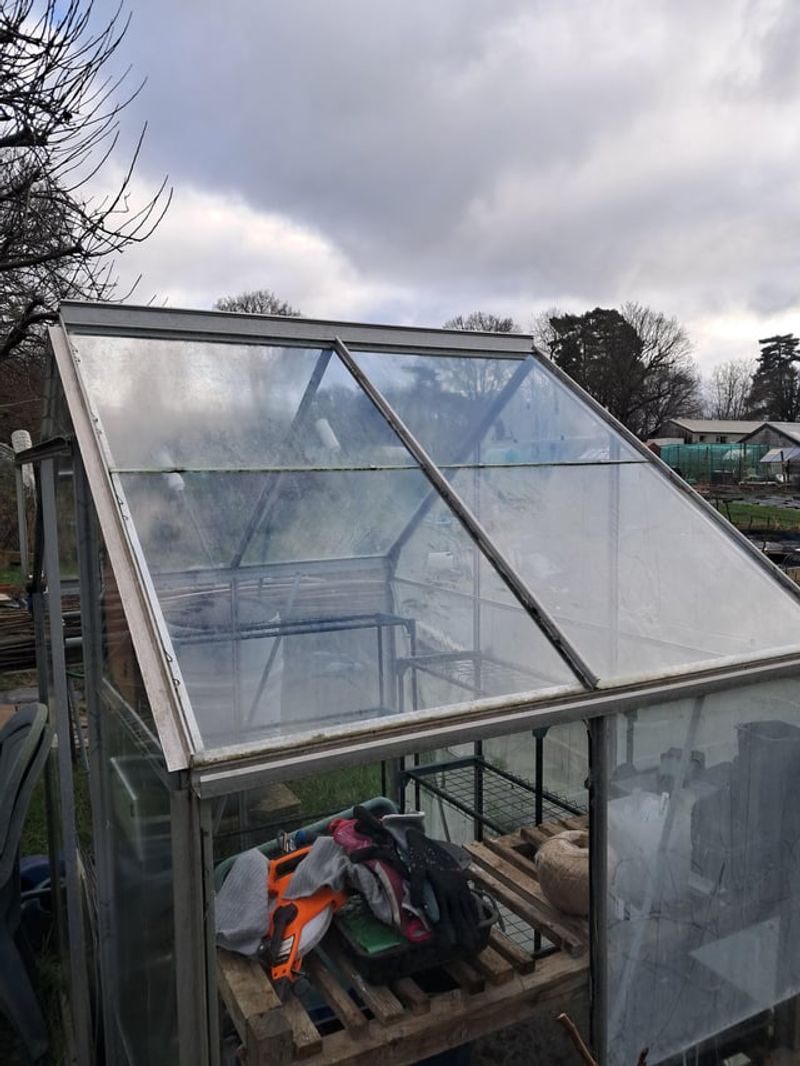
Proper airflow prevents diseases, controls temperature, and keeps plants healthy. Stuffy greenhouses breed problems, especially when spring sunshine starts heating things up fast.
Your ventilation system needs to work smoothly before you fill the space with plants.
Test all vents, windows, and automatic openers to make sure they move freely. Lubricate hinges and mechanisms that seem stiff or sticky.
Automatic vent openers can seize up over winter, leaving you with a greenhouse that overheats on the first warm day.
Clean or replace any screens that keep insects out but let air flow through. Torn screens invite pests inside where they can munch on your seedlings.
Check that doors seal properly when closed but open wide enough for good cross-ventilation.
Consider adding circulation fans if you notice dead air spots where moisture hangs around. Moving air helps prevent fungal diseases and strengthens plant stems.
Position fans to create gentle movement without blasting plants directly.
Walk through your greenhouse on a mild day and feel where air moves and where it stagnates. Adjust your setup based on what you notice.
Good ventilation might be invisible, but its effects on plant health are crystal clear.
5. Inspect And Seal Structural Gaps
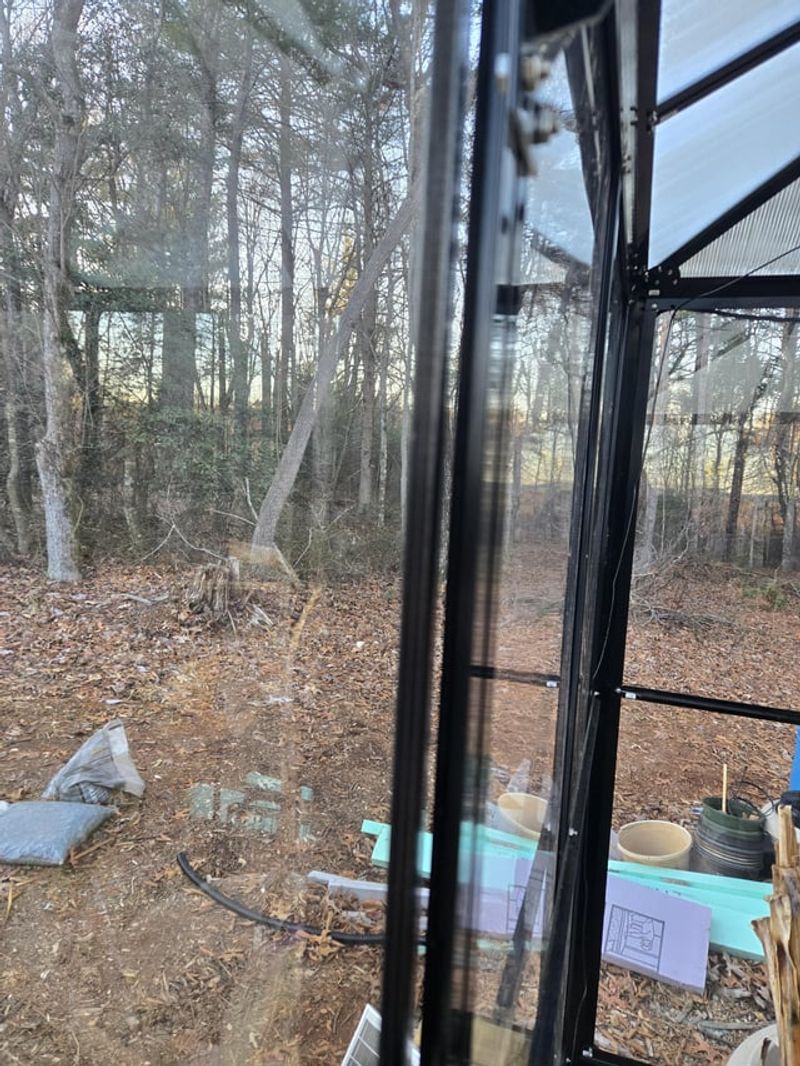
Tiny gaps and cracks let cold air sneak in and warm air escape. Over an Oregon winter, structures shift and seals break down.
Before March winds arrive, walk around your greenhouse and look carefully at every joint, corner, and connection.
Run your hand along edges and seams to feel for drafts. Cold spots mean air is getting through where it should not.
Check where the greenhouse meets its foundation, where panels connect, and around doors and vents.
Use weatherstripping tape or caulk to seal small gaps. For larger openings, you might need foam insulation or replacement panels.
Pay attention to corners where two walls meet, as these spots often develop leaks.
Look up at the roof and ridge areas where heat escapes most easily. Warm air rises, and if your roof has gaps, your heating costs will soar.
Seal these spots carefully without blocking necessary ventilation.
Do not forget the door threshold and bottom edges. Cold air pools near the ground and can seep in through surprisingly small openings.
A tight greenhouse holds temperature better, uses less energy, and protects plants more effectively. Your heating system will work less hard, and your plants will grow better.
6. Prepare Soil Mixes And Growing Media
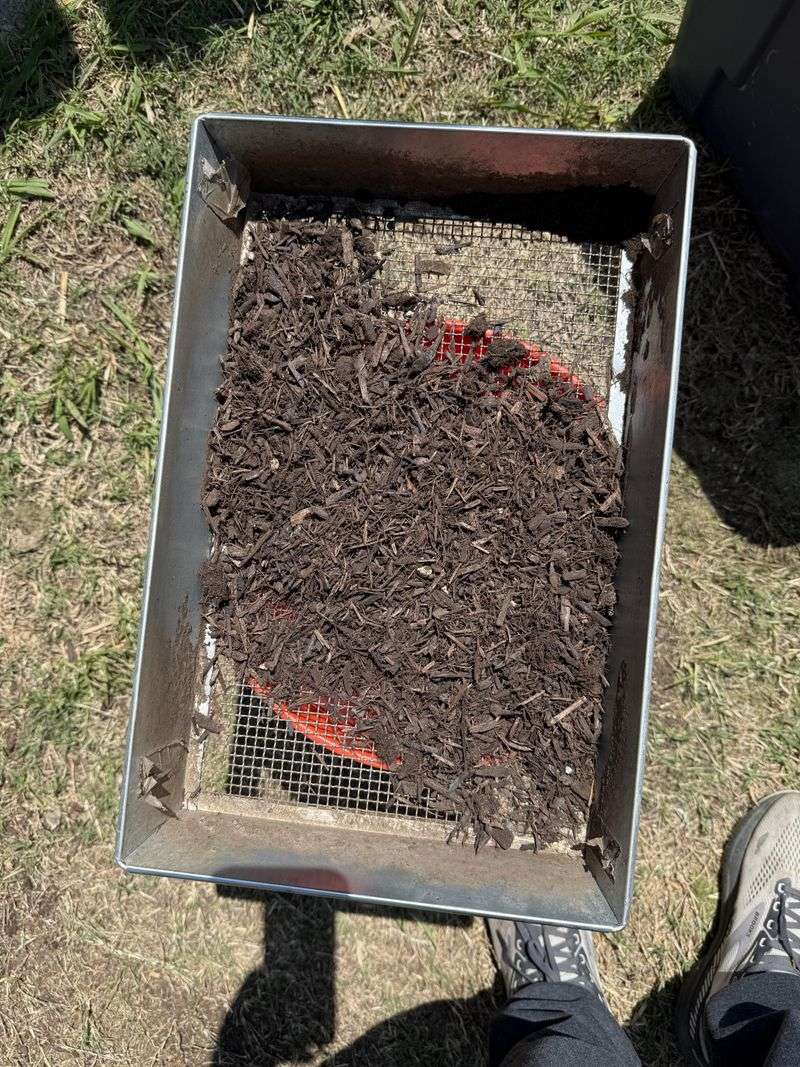
March planting happens fast once it starts. Having your soil mixes ready now means you can pot seeds the moment conditions are right.
Oregon gardeners know that waiting until the last minute leads to rushed work and forgotten ingredients.
Gather your components now: peat moss or coco coir, perlite or vermiculite, compost, and any amendments you like to add. Store everything in a dry spot where it stays workable.
Frozen or soaking wet soil mix is no fun to handle.
Mix up batches for different purposes. Seed starting mix should be light and fine.
Transplant mix can be heavier with more nutrients. Having separate mixes ready saves time and helps plants thrive at each growth stage.
Label your containers clearly so you grab the right mix when you need it. Store mixed soil in covered bins or bags to keep it clean and prevent it from drying out completely.
Slightly moist mix is easier to work with than bone-dry material.
Consider mixing in some slow-release fertilizer or mycorrhizae to give plants an extra boost. Preparing soil ahead means you can focus on the fun part when March arrives: planting seeds and watching them sprout.
Your future self will appreciate the preparation.
7. Set Up Irrigation And Watering Systems
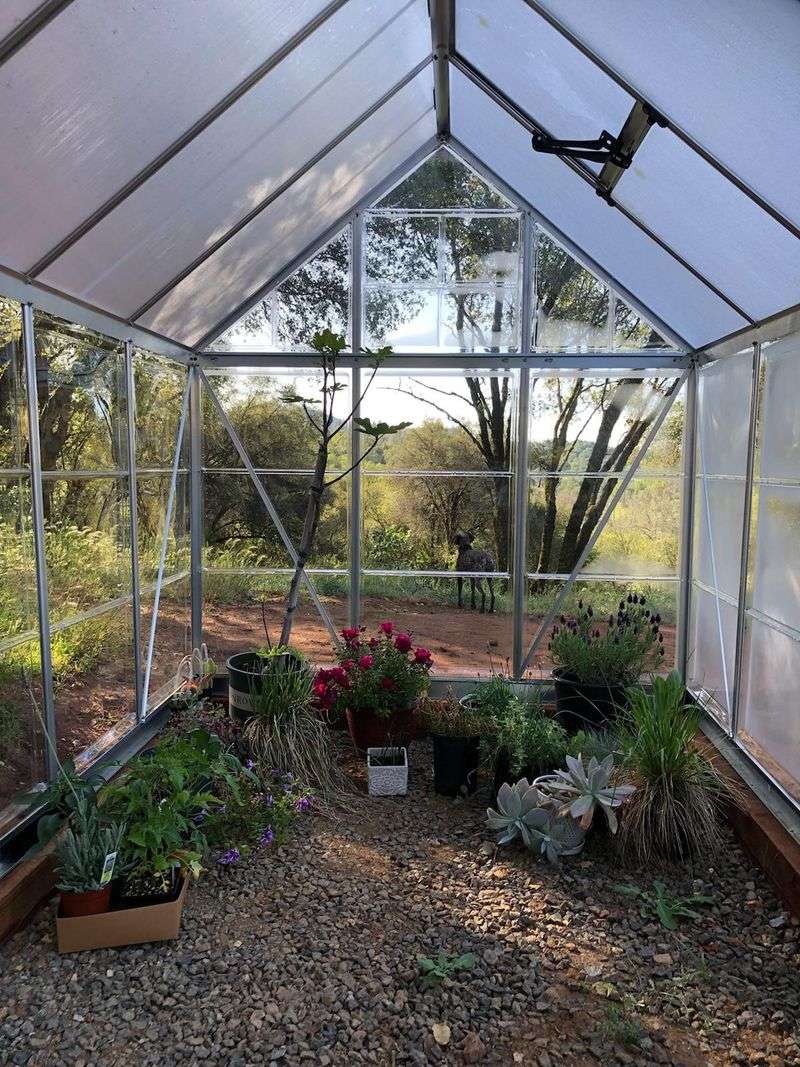
Consistent watering makes the difference between thriving seedlings and struggling ones. Before your greenhouse fills with plants, get your watering system in perfect working order.
Check hoses for cracks, leaks, or stiff spots that might burst under pressure.
Test all nozzles, sprayers, and drip emitters to make sure water flows evenly. Clogged emitters create dry spots where plants suffer.
Clean or replace any parts that do not perform well. Flush your lines to clear out debris that accumulated over winter.
If you use automatic timers, replace batteries and verify that programming still works correctly. Test run the system and watch for any problems.
Adjust spray patterns and flow rates to match what your plants will need.
Position hoses and lines where you can reach them easily but where they will not trip you up. Coil extra hose neatly and secure it out of the way.
Set up a watering wand or can for hand watering plants that need special attention.
Consider adding a water source inside the greenhouse if you do not have one. Hauling water from outside gets old fast, especially in Oregon rain.
A simple spigot or rain barrel connection makes watering much more convenient and helps you stay consistent.
8. Stock Up On Essential Supplies
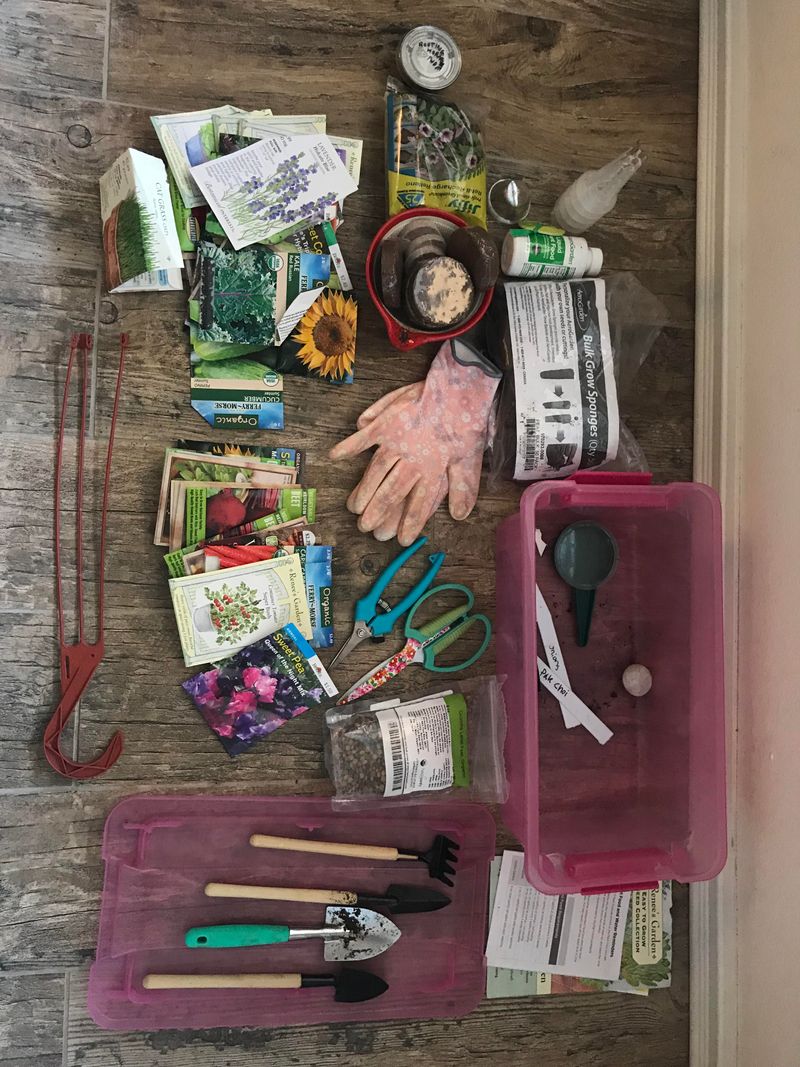
Running out of pots or labels in the middle of planting is frustrating. Take inventory now and order what you need before the spring rush hits.
Garden centers get picked over fast once March arrives, and online orders take time to arrive.
Count your seed trays, pots, and cell packs. Check that you have enough labels and markers that actually work.
Old markers dry out and leave you guessing what you planted where. Stock up on fresh ones.
Make sure you have enough stakes, ties, and support materials for plants that will need them later. Tomatoes and peppers grow fast once they start, and you will want supports ready.
Gather row covers or shade cloth if you use them.
Check your supply of fertilizers, pest controls, and soil amendments. Organic options sometimes take longer to source, so plan ahead.
Verify that products have not expired and still work effectively.
Organize everything in one spot where you can find it easily. Searching for supplies wastes time and breaks your concentration.
Label shelves or bins so family members can help or so you can grab what you need quickly. Being fully stocked means you can focus on growing instead of shopping.