10 Vegetables Colorado Gardeners Grow For Faster Harvests
Colorado’s short growing season turns patience into a real challenge, especially when spring warms slowly and fall temperatures drop before gardens feel finished. That pressure quietly shapes which vegetables succeed and which never quite catch up.
Some vegetables naturally move faster once planted, handling Colorado’s cool nights and sudden weather shifts without stalling.
The best choices don’t just tolerate the climate, they take advantage of it. They push steady growth early and reach harvest before weather has a chance to interfere.
Gardeners who prioritize faster harvests often notice results much earlier than expected.
That early success changes how the entire season feels, making the garden seem more productive instead of rushed.
By the time slower crops are still stretching into midseason, these vegetables have already earned their space.
1. Radishes
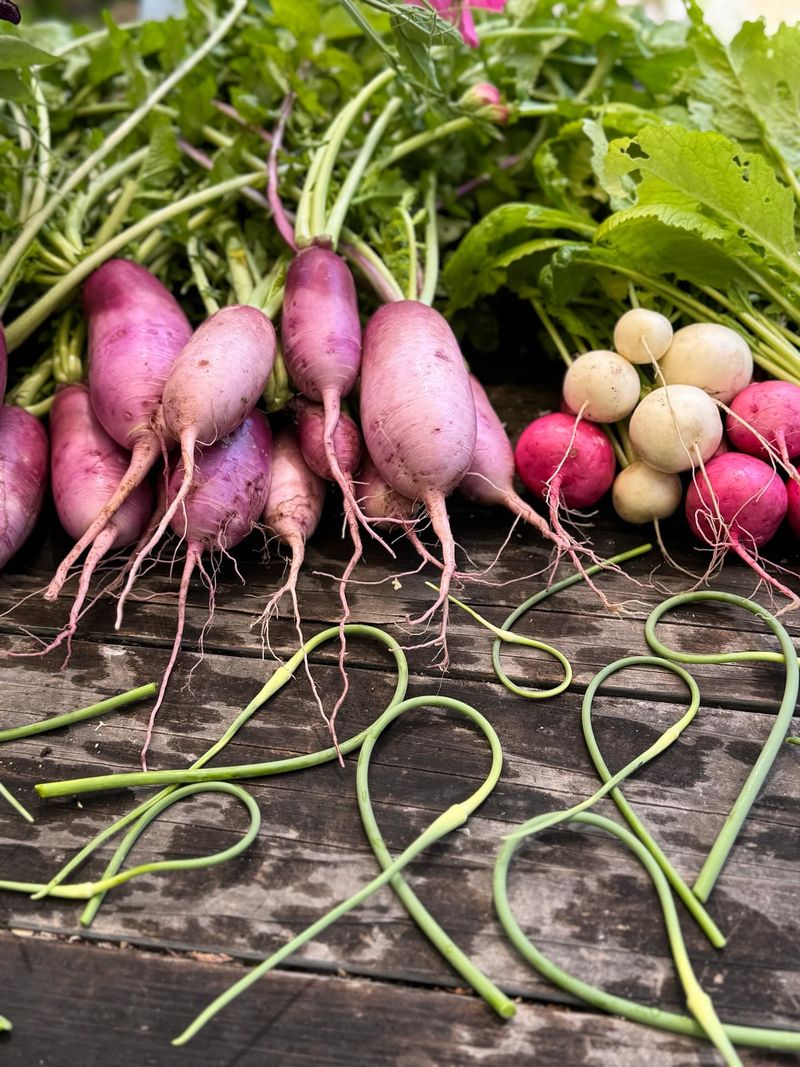
Quick results make this root vegetable incredibly satisfying for beginners and experienced gardeners alike. Most varieties reach full maturity in just three to four weeks, making them one of the speediest crops you can plant in Colorado soil.
Their ability to germinate rapidly means you’ll see green shoots popping up within days of sowing seeds.
Cool spring temperatures across the state create ideal conditions for radish growth. They prefer temperatures between 50 and 65 degrees Fahrenheit, which matches Colorado’s early spring and fall weather patterns perfectly.
Plant them as soon as the ground becomes workable in March or April for your first harvest.
Succession planting works wonderfully with radishes throughout the growing season. Sow new seeds every two weeks to maintain a continuous supply of crisp, peppery roots.
This strategy ensures you’ll have fresh radishes available from spring through early summer.
Different varieties offer unique flavors and appearances to keep your meals interesting. Cherry Belle produces classic round red radishes, while French Breakfast features an oblong shape with red and white coloring.
Easter Egg radishes come in multiple colors including pink, purple, and white.
Soil preparation makes a significant difference in radish quality and growth speed. Loose, well-draining soil allows roots to expand without resistance or deformities.
Mix in compost before planting to provide nutrients and improve soil texture for better results.
2. Lettuce
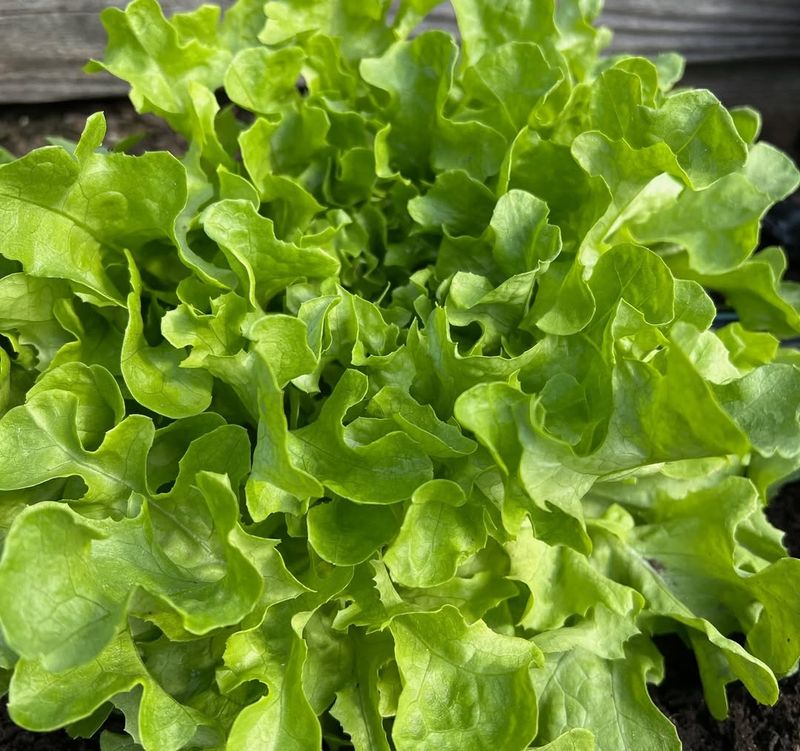
Crisp greens straight from the garden taste infinitely better than store-bought options. Leaf lettuce varieties mature in as little as 30 days, giving Colorado gardeners quick access to fresh salad ingredients.
The cool mountain climate provides perfect growing conditions that many warmer regions simply cannot match.
Multiple harvests from the same plants make lettuce incredibly productive. Cut outer leaves while allowing the center to continue growing, a technique called cut-and-come-again harvesting.
This method extends your harvest period by several weeks and maximizes yield from limited garden space.
Starting seeds indoors gives you an early jump on the growing season. Begin sowing lettuce seeds four to six weeks before the last expected frost date in your Colorado location.
Transplant seedlings outdoors when they have at least two sets of true leaves.
Heat tolerance varies significantly among lettuce varieties, affecting summer production. Choose heat-resistant types like Jericho or Muir for late spring planting across the state.
Your Colorado Garden Changes Every Week. Your Plan Should Too.
Gardening in Colorado changes quickly throughout the season. Every Friday you’ll receive a simple weekly plan showing exactly what to plant, prune, fertilize, harvest, and protect so you never miss the right timing.
These varieties bolt more slowly when temperatures rise, extending your harvest window into warmer months.
Shade cloth becomes valuable during Colorado’s intense summer sun exposure. Providing afternoon shade helps lettuce plants stay cool and prevents premature bolting.
A simple structure with 30 to 50 percent shade cloth works perfectly for this purpose.
3. Spinach
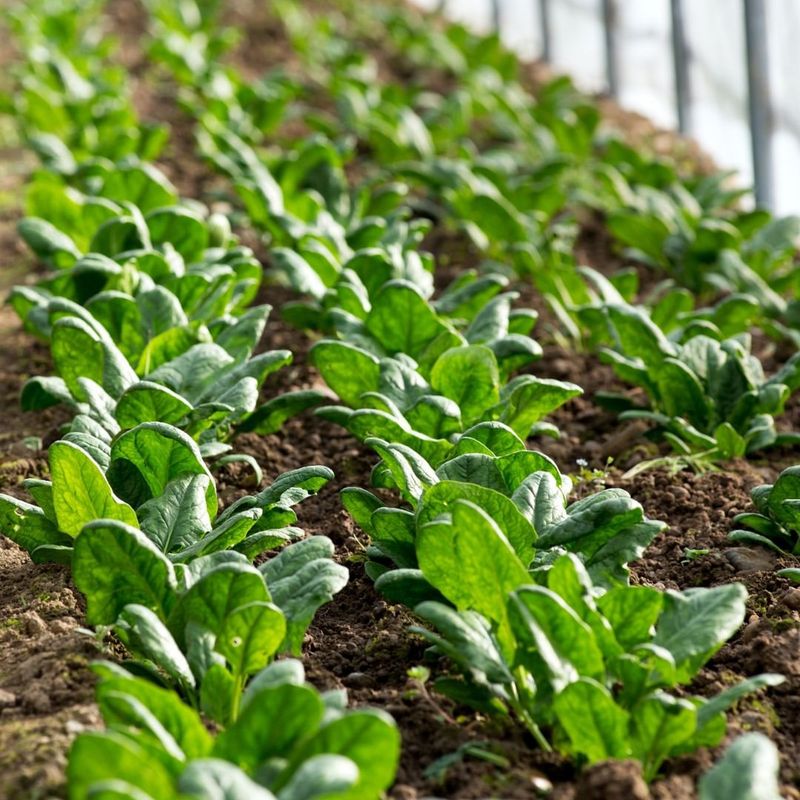
Nutrient-dense leaves packed with vitamins and minerals make this vegetable a garden favorite. Baby spinach reaches harvest size in approximately 30 days, while full-sized leaves take around 40 to 50 days.
Colorado’s cool spring and fall temperatures create optimal conditions for vigorous, healthy growth.
Cold tolerance allows spinach to survive light frosts and even light snow. Plant seeds as soon as soil can be worked in early spring, sometimes as early as March in lower elevations.
This hardy nature makes spinach one of the first fresh vegetables you can harvest each year.
Bolt-resistant varieties help extend your harvest season into warmer weather. Tyee and Space are excellent choices for Colorado gardens because they tolerate heat better than standard varieties.
These selections give you extra weeks of production before plants go to seed.
Direct seeding works best for spinach since it develops a taproot that dislikes transplanting. Sow seeds half an inch deep and about two inches apart in rows.
Thin seedlings to four inches apart once they establish to give each plant adequate growing room.
Soil pH affects spinach growth and nutrient uptake significantly. Aim for a pH between 6.5 and 7.0 for optimal results in Colorado gardens.
Test your soil and amend with lime if needed to reach the ideal range.
Consistent moisture proves essential for tender, flavorful leaves rather than tough, bitter ones. Water deeply but infrequently to encourage strong root development.
Mulch around plants helps retain moisture and keeps soil temperatures cool during warm spells.
4. Arugula
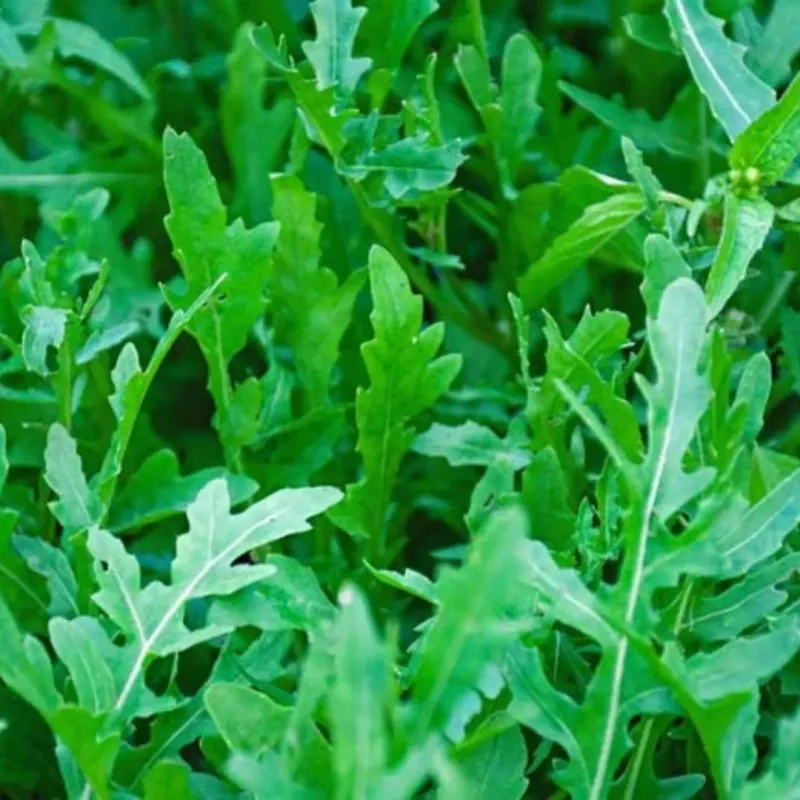
Peppery flavor adds excitement to salads, sandwiches, and countless other dishes. This fast-growing green reaches harvest size in just 30 to 40 days, making it perfect for impatient Colorado gardeners.
The distinctive taste intensifies as leaves mature, allowing you to harvest at different stages for varied flavor profiles.
Cold hardiness makes arugula an excellent choice for early spring and late fall planting. Seeds germinate in soil temperatures as low as 40 degrees Fahrenheit, enabling very early sowing across the state.
Light frosts actually improve flavor by making leaves sweeter and less bitter.
Multiple cuttings from the same plants maximize productivity throughout the season. Harvest outer leaves when they reach three to four inches long, leaving the center intact.
Plants continue producing new leaves for several weeks with this cut-and-come-again approach.
Heat causes arugula to bolt quickly, limiting summer production in Colorado gardens. Plan your main plantings for spring and fall when temperatures stay moderate.
If growing in summer, provide shade cloth or plant in naturally shaded areas for better results.
Rich, well-draining soil produces the most tender and flavorful leaves. Amend beds with compost before planting to boost fertility and improve soil structure.
Arugula grows quickly and needs readily available nutrients to develop properly.
Watering consistency affects both flavor and texture significantly in Colorado’s dry climate. Keep soil evenly moist but not soggy to produce mild, tender leaves.
Drought stress makes arugula excessively spicy and tough, reducing its culinary appeal.
5. Green Onions
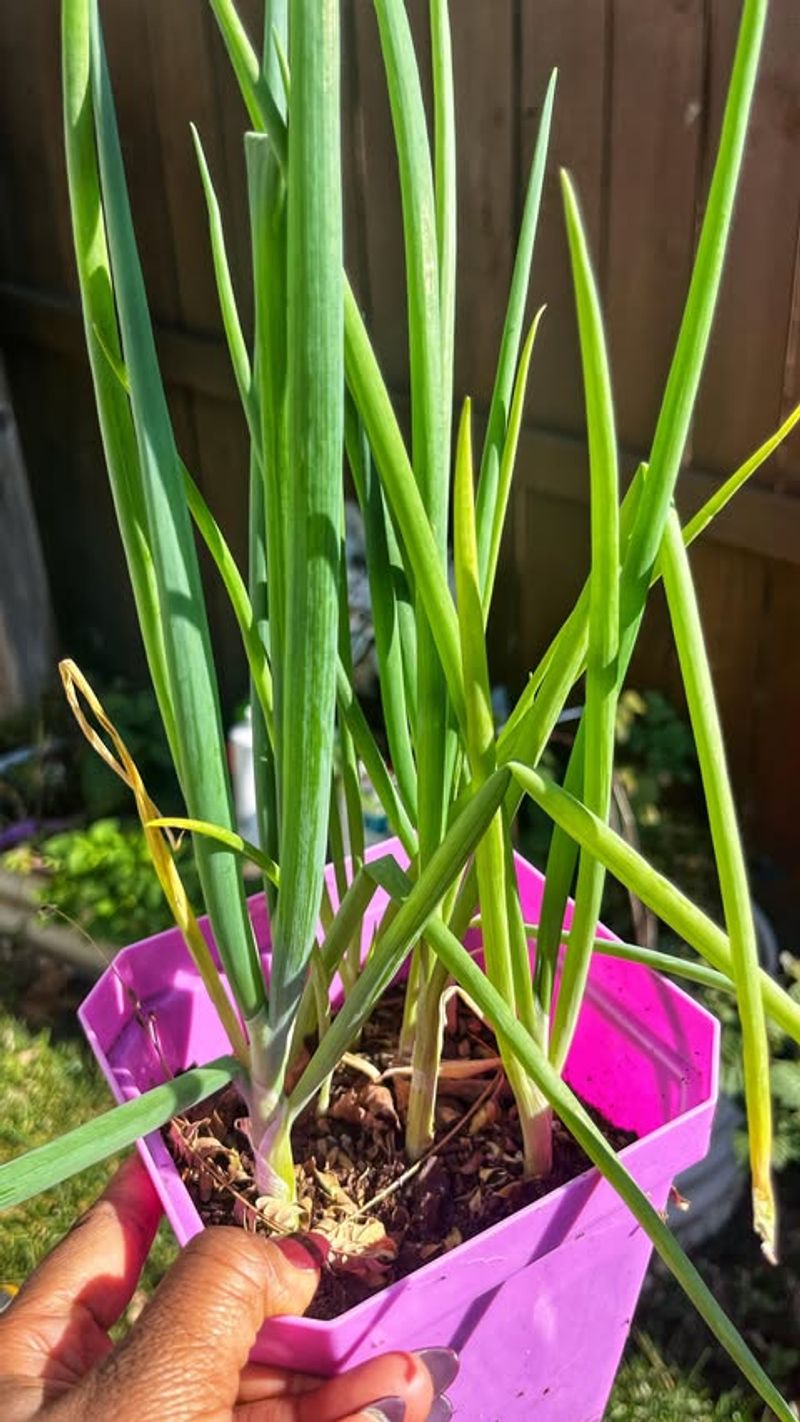
Mild flavor and crisp texture make these alliums indispensable in countless recipes. Green onions, also called scallions, reach usable size in approximately 60 days from seed or much faster from sets.
Colorado gardeners appreciate their versatility and ability to tolerate various weather conditions throughout the growing season.
Starting from sets dramatically reduces time to harvest compared to seeds. Plant onion sets in early spring as soon as the ground becomes workable across the state.
You can begin harvesting green tops in as little as three weeks using this method.
Regrowing from kitchen scraps provides an endless supply with minimal effort. Place root ends in water until new growth appears, then transplant to soil.
This technique works perfectly for Colorado gardeners who want continuous harvests without replanting.
Cool-season nature means green onions thrive during Colorado’s spring and fall months. They tolerate light frosts and continue growing when many other vegetables slow down.
This hardiness makes them reliable producers even during unpredictable weather patterns.
Well-draining soil prevents rot and encourages healthy root development. Amend heavy clay soils with compost or sand to improve drainage before planting.
Green onions prefer soil pH between 6.0 and 7.0 for optimal nutrient uptake.
6. Baby Carrots
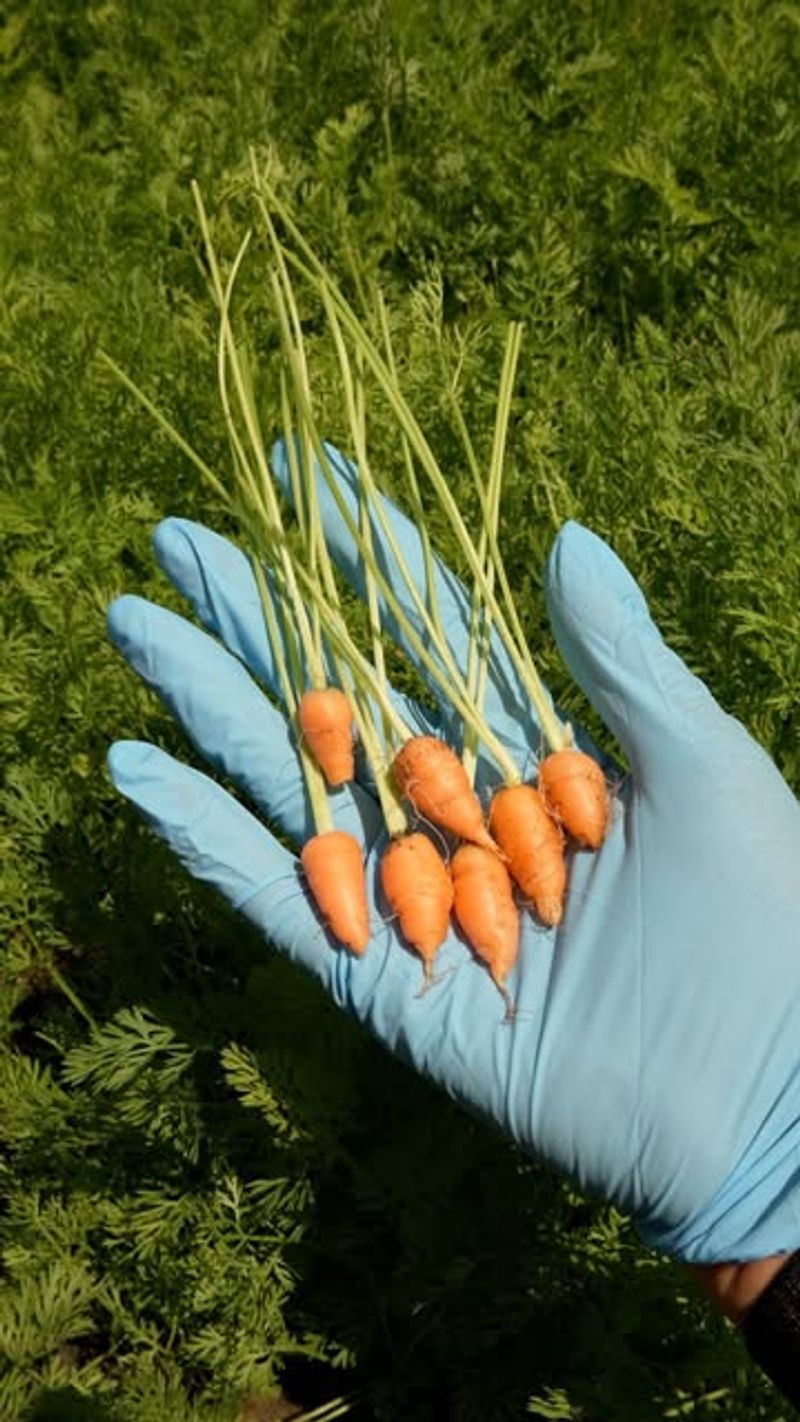
Sweet, tender roots harvested young offer superior flavor compared to full-sized varieties. Baby carrots reach harvest size in 50 to 60 days, significantly faster than standard carrots.
Colorado’s loose, well-draining soils in many areas provide ideal conditions for straight, uniform root development.
Shorter roots require less soil depth, making them perfect for raised beds or containers. Choose varieties specifically bred for baby size like Little Finger or Babette.
These cultivars develop quickly and maintain sweetness even at small sizes.
Loose soil preparation proves critical for preventing forked or twisted roots. Remove rocks and break up clumps thoroughly before sowing seeds across your Colorado garden.
Mix in sand or aged compost to improve soil texture if you have heavy clay.
Direct seeding works best since carrots dislike transplanting due to sensitive taproots. Sow seeds thinly, about quarter-inch deep in rows spaced 12 inches apart.
Germination takes one to three weeks depending on soil temperature and moisture.
Thinning seedlings ensures each carrot has space to develop properly without crowding. Space plants one to two inches apart once they reach two inches tall.
Use thinned baby greens in salads for added nutrition and zero waste.
Consistent moisture throughout the growing season produces the sweetest, most tender carrots. Irregular watering causes splitting or woody texture that reduces eating quality.
Mulch helps maintain even soil moisture during Colorado’s variable weather patterns.
7. Beets
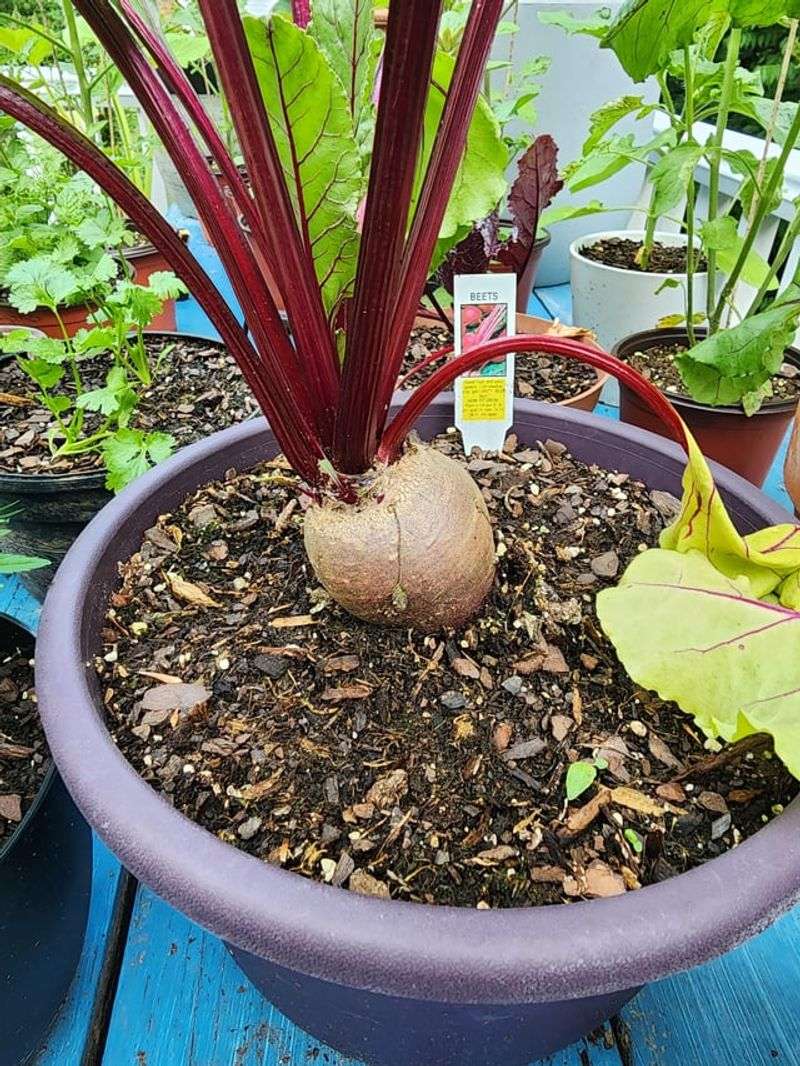
Earthy sweetness and vibrant color make beets a garden standout for Colorado growers. Baby beets reach harvest size in approximately 50 days, while full-sized roots take 60 to 70 days.
Both roots and greens offer culinary value, effectively giving you two vegetables from one planting effort.
Cool-season preference means beets perform best during Colorado’s spring and fall months. Plant seeds as soon as soil can be worked in early spring for your first harvest.
The second planting in late summer produces autumn crops with superior flavor and sweetness.
Seed clusters contain multiple seeds, requiring thinning for proper spacing and development. Each wrinkled seed ball produces two to four seedlings that compete if left untouched.
Thin to three inches apart when seedlings reach two inches tall for best results.
Soil pH significantly affects beet growth and can cause problems if too acidic. Aim for pH between 6.0 and 7.5 for optimal nutrient availability across your Colorado garden.
Add lime if soil tests reveal acidity below 6.0 for better performance.
Consistent moisture proves essential for tender roots rather than tough, woody ones. Water regularly to keep soil evenly moist throughout the growing season.
Drought stress causes roots to develop fibrous texture and concentrates earthy flavors unpleasantly.
8. Turnips
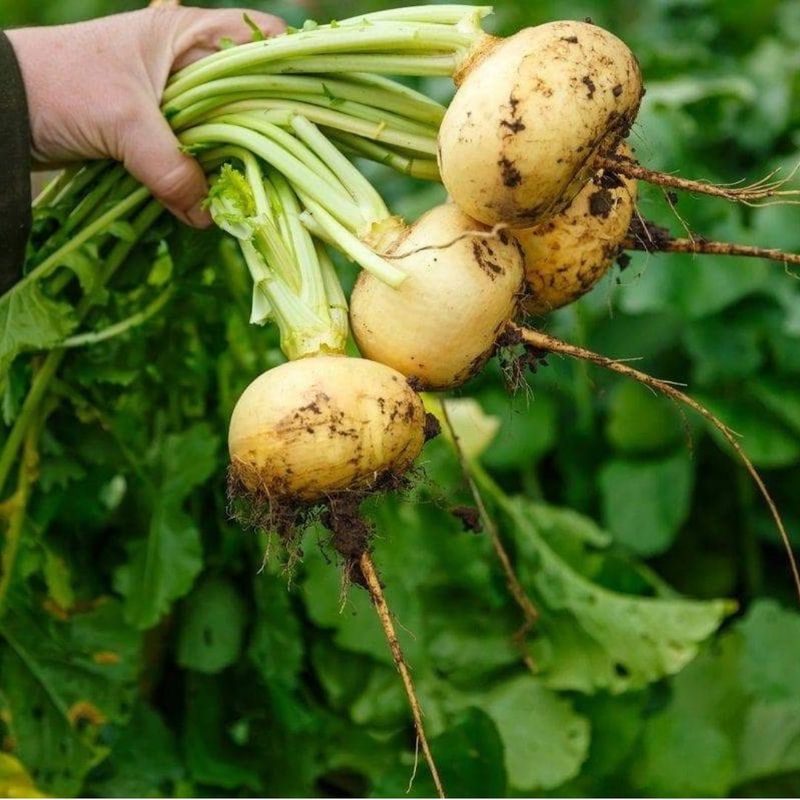
Versatile roots and greens provide multiple harvests from a single planting effort. Turnips mature quickly, with baby roots ready in 30 to 40 days and full-sized roots in 50 to 60 days.
Colorado’s cool spring and fall temperatures create perfect conditions for sweet, mild-flavored roots rather than hot, bitter ones.
Dual-purpose nature makes turnips exceptionally productive for limited garden space. Harvest tender young greens for cooking while roots continue developing below ground.
This approach maximizes yield and provides varied nutrition from one crop.
Cool weather improves turnip flavor dramatically by reducing bitterness and increasing sweetness. Plant in early spring or late summer for the best-tasting roots across the state.
Frost actually enhances flavor, making fall crops particularly delicious in Colorado gardens.
Fast germination gets turnips off to a quick start compared to many vegetables. Seeds sprout in just three to seven days when soil temperatures reach 40 degrees or higher.
This rapid emergence allows very early spring planting in most Colorado locations.
Loose, well-draining soil encourages uniform root development without deformities. Remove rocks and work in compost before planting to improve soil structure.
Heavy clay soils benefit from sand addition to prevent waterlogging and root rot.
Thinning seedlings prevents overcrowding that leads to poor root formation. Space plants three to four inches apart once they develop true leaves.
Use thinned greens in salads or stir-fries for nutritious, peppery flavor.
9. Swiss Chard
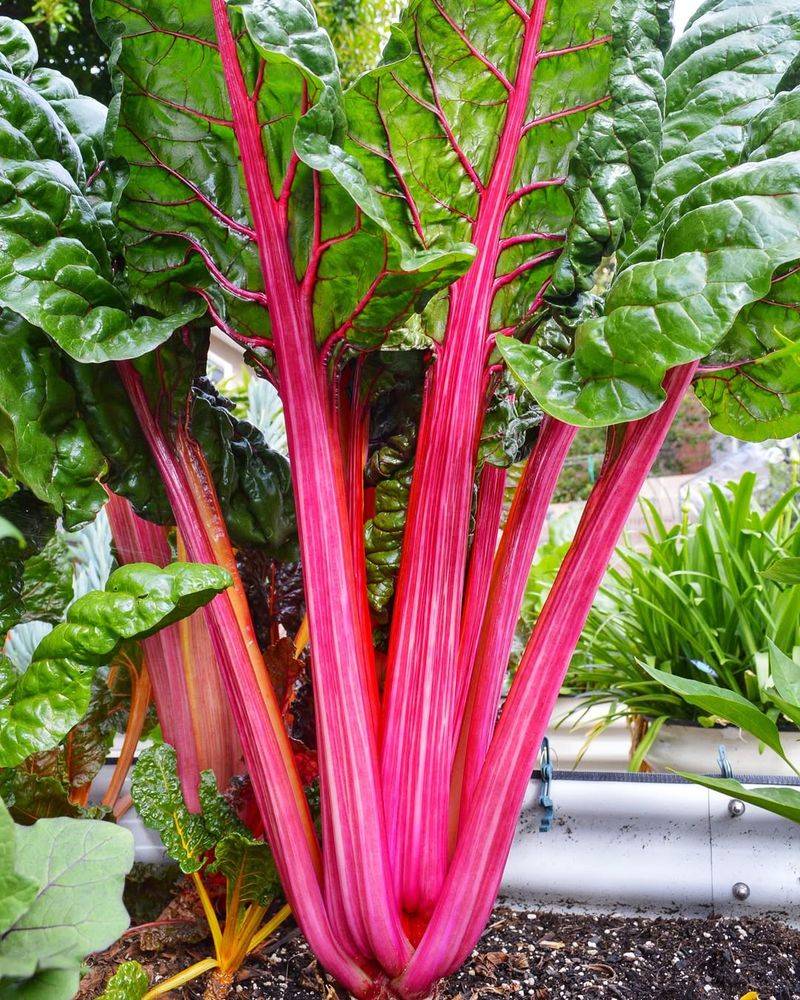
Colorful stems and nutritious leaves make this green both beautiful and productive. Swiss chard reaches first harvest in approximately 50 to 60 days from seeding.
Colorado gardeners value its heat tolerance and ability to produce continuously throughout the entire growing season.
Cut-and-come-again harvesting provides months of fresh greens from the same plants. Remove outer leaves when they reach six to eight inches long, leaving the center growing point intact.
New leaves continue emerging from the center for weeks of extended production.
Rainbow varieties add ornamental value while providing the same nutritional benefits. Bright Light features stems in yellow, orange, pink, red, and white that brighten any garden.
These colorful types taste identical to traditional green-stemmed varieties but create visual interest across your Colorado landscape.
Heat tolerance allows Swiss chard to thrive during summer when other greens struggle. Unlike lettuce and spinach that bolt in heat, chard continues producing vigorously.
This makes it invaluable for filling the gap between spring and fall cool-season crops.
Nutrient-rich soil produces the most vigorous plants with tender, flavorful leaves. Incorporate compost or aged manure before planting to boost fertility.
Side-dress with additional compost midseason to maintain strong growth throughout Colorado’s long summer.
Regular watering proves essential for preventing tough, bitter leaves. Keep soil consistently moist but not waterlogged for best flavor and texture.
Drought stress causes leaves to become fibrous and unpleasantly strong-tasting.
Frost tolerance extends the harvest season well into fall and sometimes beyond. Mature plants withstand light frosts that would damage more tender vegetables.
Mulch heavily around plants for protection that allows harvesting into early winter in some Colorado areas.
10. Bush Beans
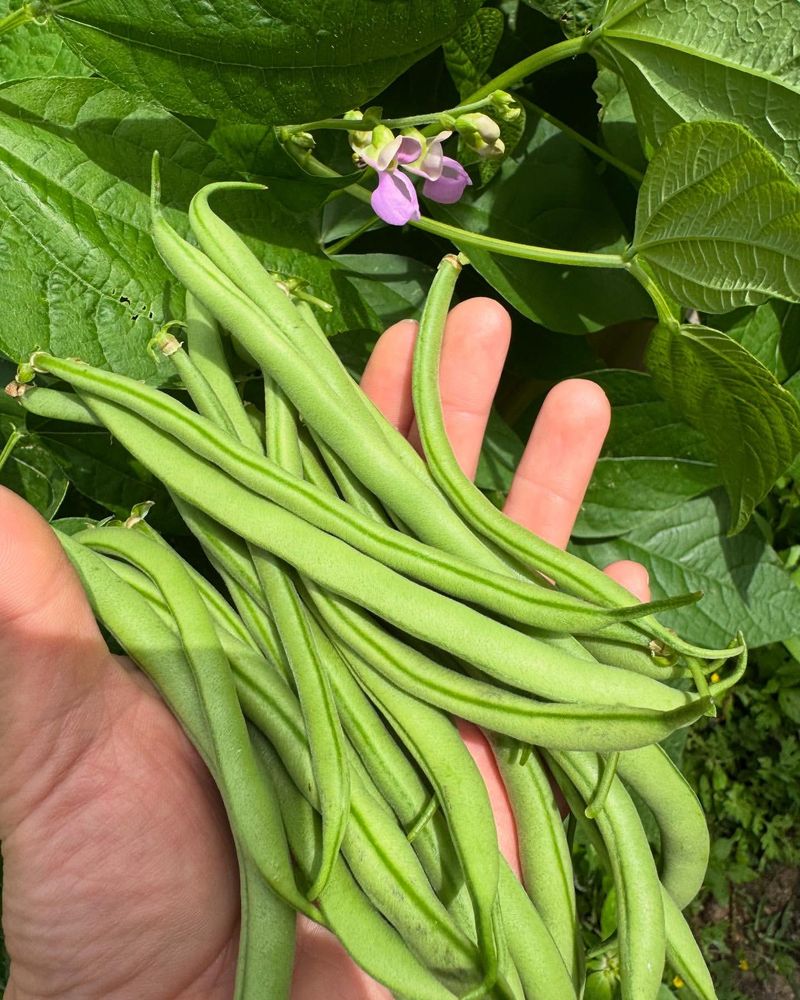
Compact plants produce generous yields without requiring trellising or staking support. Bush beans mature in 50 to 60 days, providing quick harvests during Colorado’s short growing season.
Their determinate growth habit means most pods ripen within a concentrated period, perfect for preserving or fresh eating.
Warm soil requirements mean beans need later planting than cool-season vegetables. Wait until soil temperatures reach at least 60 degrees Fahrenheit before sowing seeds across the state.
Planting too early in cold soil causes poor germination and seed rot.
Nitrogen-fixing abilities actually improve soil fertility for future crops. Beans form symbiotic relationships with beneficial bacteria that convert atmospheric nitrogen into usable forms.
Leave roots in the ground after harvest to decompose and release stored nitrogen.
Direct seeding works best since beans dislike transplanting and root disturbance. Plant seeds one inch deep and three inches apart in rows.
Germination occurs quickly, usually within seven to ten days when soil temperatures are adequate.
Multiple varieties offer different pod colors, shapes, and flavors for diverse harvests. Provider produces reliable green pods in Colorado’s variable conditions.
Royal Burgundy features striking purple pods that turn green when cooked.
Consistent moisture during flowering and pod development ensures the best yields. Water deeply when soil feels dry an inch below the surface.
Avoid overhead watering that spreads disease; use drip irrigation or soaker hoses instead.