These Indoor Plant Care Mistakes Catch Many California Homeowners Off Guard
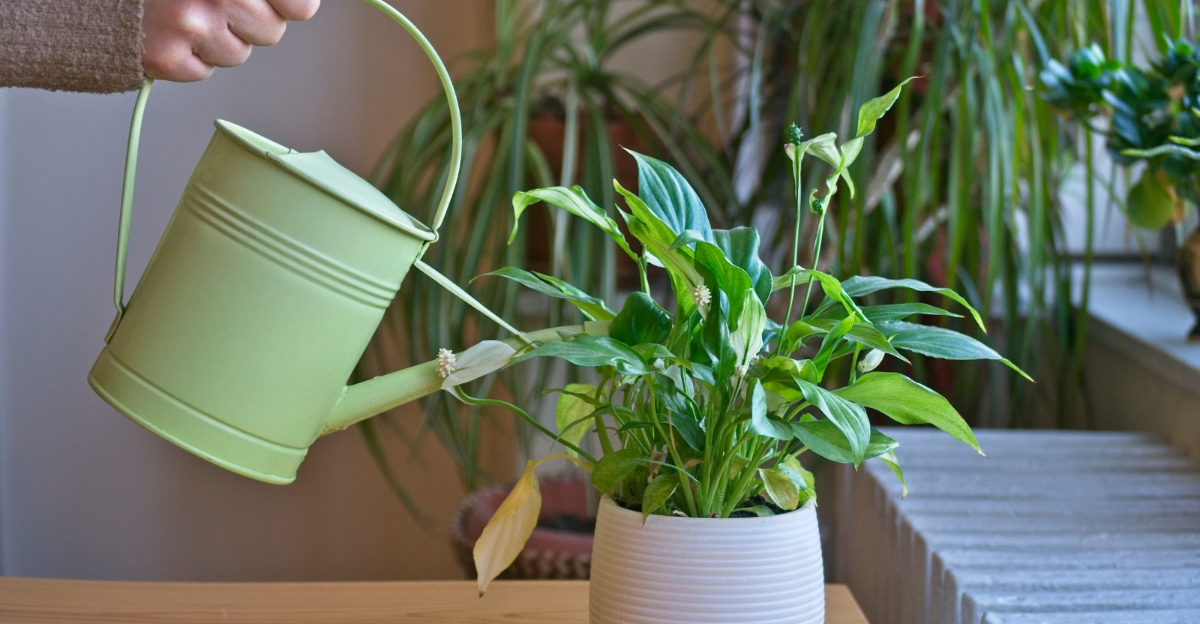
Indoor plants often look fine in California homes right up until they suddenly don’t, which is what makes the most common care mistakes so frustrating.
Bright light, dry air, and mild winters create conditions that seem plant-friendly but quietly cause problems over time.
Many homeowners assume indoor plants fail because of bad luck or sensitive varieties, not everyday care habits.
California’s indoor environment encourages certain routines that actually work against long-term plant health. These mistakes don’t cause immediate damage, which is why they’re easy to miss at first.
Leaves usually show stress only after weeks of repeating the same pattern.
By then, the issue feels confusing because nothing obvious changed.
That’s why so many California homeowners get caught off guard by plant problems that were quietly building the whole time.
1. Watering On A Fixed Schedule Instead Of Checking Soil
Many plant owners set a routine and stick to it, watering every Sunday or twice a week without thinking twice. Plants don’t operate on human schedules, though, and their thirst changes constantly based on temperature, light, and growth cycles.
What worked in March might be too much in November, and what feels right during a cool week can leave roots soggy when the heat returns.
California’s weather swings make rigid watering schedules especially risky. A warm Santa Ana wind can dry out soil in a day, while a foggy coastal morning keeps moisture locked in for much longer.
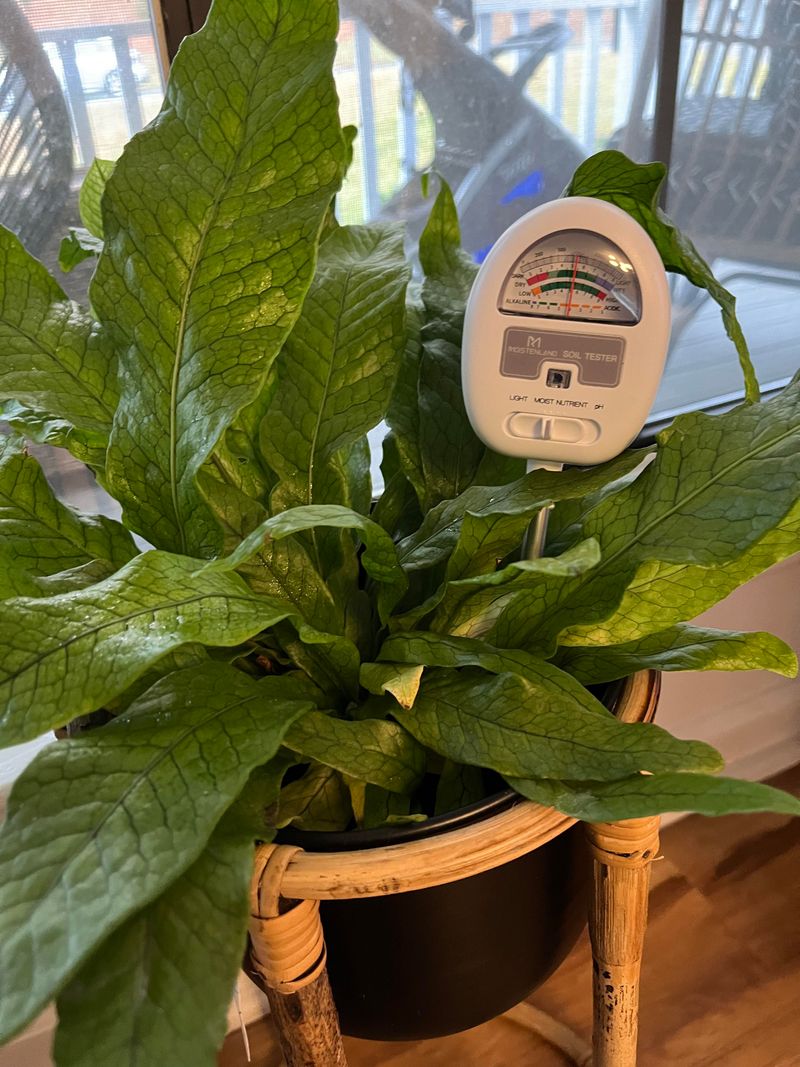
Poking a finger into the soil tells you what the plant actually needs right now, not what a calendar says it should need.
Overwatering causes more houseplant problems than almost anything else. Roots sitting in wet soil can’t breathe, and they start to rot, turning mushy and brown.
Leaves might yellow, droop, or develop soft spots, and the damage often shows up weeks after the watering mistake happened.
Different plants have different preferences, too.
Succulents want their soil to dry out completely between drinks, while ferns prefer consistently moist conditions.
Checking the soil with your fingertip or a moisture meter helps you respond to what each plant is telling you instead of guessing.
California’s indoor environments shift quickly, so flexibility matters more than consistency.
A potted monstera near a sunny window in San Diego will need water more often than the same plant in a dim Oakland apartment. Learning to read soil moisture takes the guesswork out and keeps roots healthy year-round.
2. Ignoring How Strong California Sun Can Be Indoors
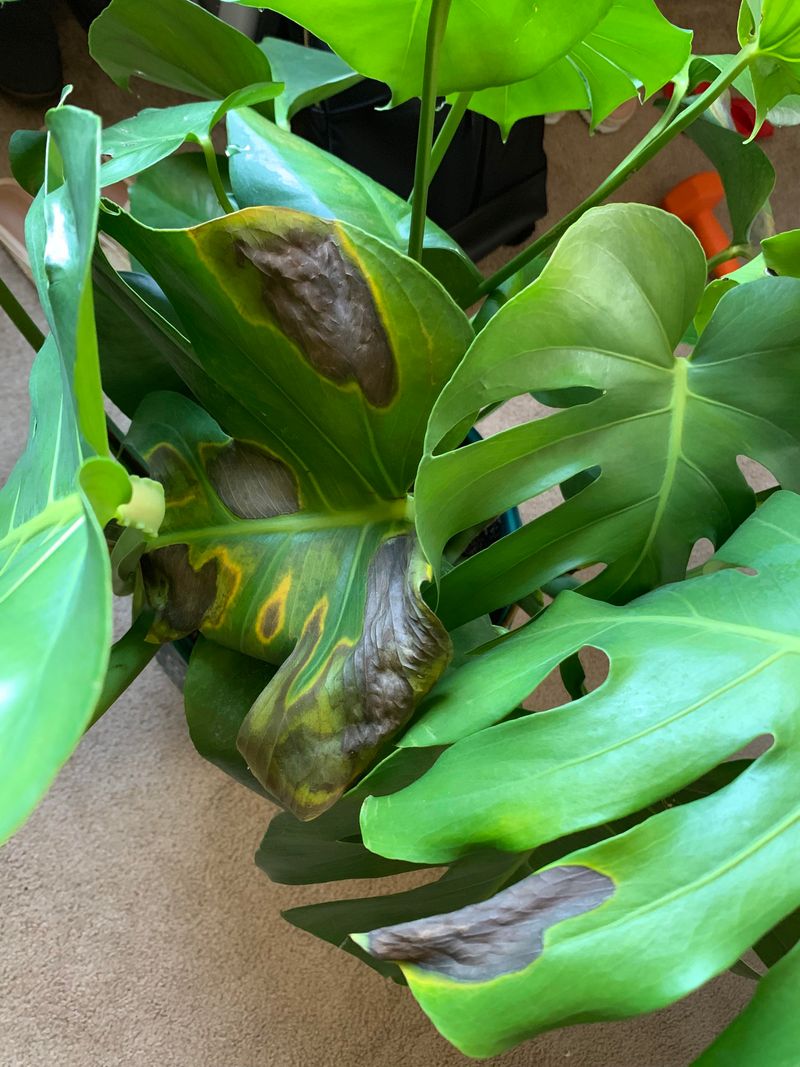
Sunlight in California feels different than in many other states, even when you’re standing inside your home. The intensity can surprise people who move here from cloudier climates, and houseplants feel that difference just as much as people do.
A south-facing window in Los Angeles delivers far more UV power than the same window orientation in Seattle, and leaves that would thrive there can scorch here in hours.
Indoor light levels vary wildly depending on where you live in the state. Coastal fog softens morning sun in San Francisco, while inland valleys blast windows with relentless afternoon heat.
Your California Garden Changes Every Week. Your Plan Should Too.
Gardening in California changes quickly throughout the season. Every Friday you’ll receive a simple weekly plan showing exactly what to plant, prune, fertilize, harvest, and protect so you never miss the right timing.
Even north-facing windows in Southern California can be brighter than east-facing windows in many other regions, catching plant owners off guard when their supposedly low-light plants start showing crispy brown edges.
Sunburn on houseplants looks like pale, bleached patches or dark brown spots that appear suddenly.
The damage happens fast, sometimes in a single afternoon if a plant gets moved too close to unfiltered glass.
Once a leaf burns, it won’t recover, though the plant can grow new, healthy foliage if you adjust its placement quickly.
Sheer curtains or blinds help filter harsh rays without blocking all the light. Moving plants a few feet back from the window also reduces intensity while still providing plenty of brightness.
California sunshine is a gift for plant growth, but it needs to be managed thoughtfully to avoid turning that gift into a problem.
3. Placing Plants Too Close To Hot Windows
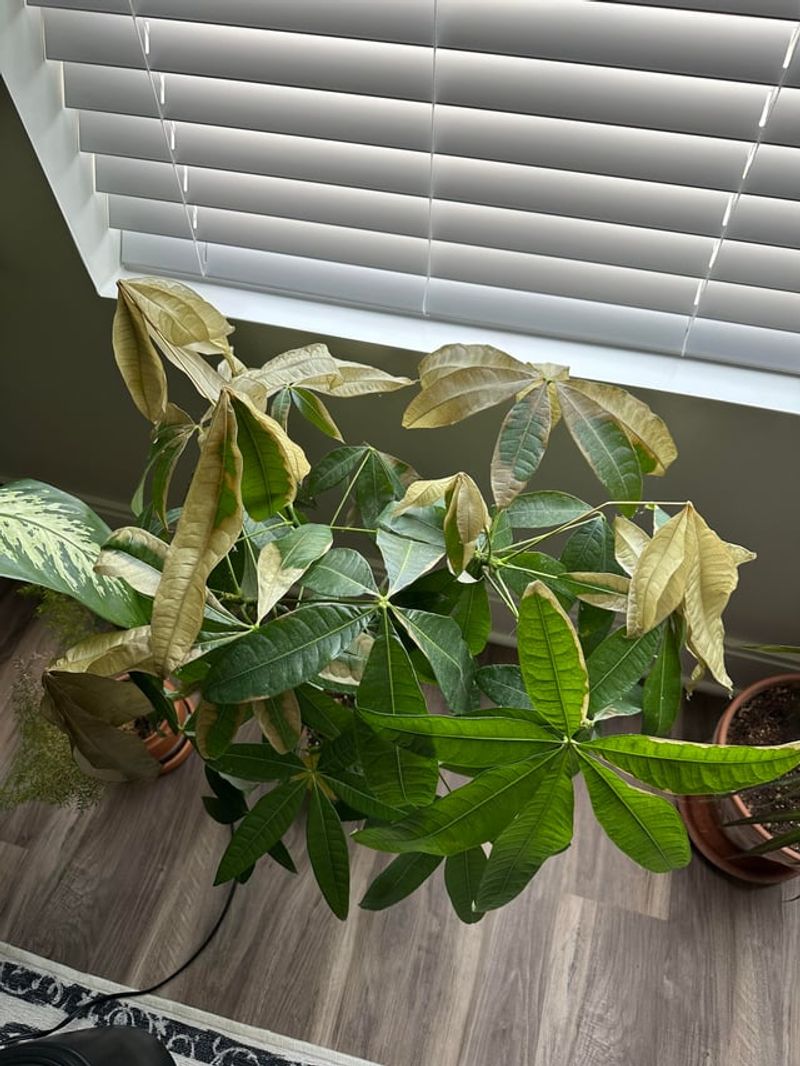
Windows in California homes can turn into ovens during the warmer months, radiating heat that feels intense even a foot away.
Glass magnifies and traps warmth, creating microclimates that feel nothing like the rest of the room.
A plant sitting directly on a sunny windowsill might experience temperatures 15 or 20 degrees higher than the air just a few feet back, and that kind of stress adds up quickly.
Roots are especially vulnerable to overheating when pots sit against hot glass. Dark-colored containers absorb even more heat, baking the soil and damaging delicate root hairs.
Plastic pots can get so warm they’re uncomfortable to touch, and the plants inside suffer silently as their root systems struggle to function properly.
Leaves pressed against hot windows can develop heat damage that looks different from sunburn.
The tissue might turn papery, curl inward, or develop a grayish, dried-out appearance.
Some plants respond by dropping leaves altogether, trying to reduce the surface area exposed to stress.
Spacing plants a safe distance from the glass helps them enjoy bright light without the temperature extremes. Placing a small fan nearby improves air circulation, which cools leaves and prevents heat from building up in one spot.
California’s abundant sunshine is wonderful for photosynthesis, but positioning plants thoughtfully ensures they benefit without suffering.
Even heat-loving tropicals have limits, and windowsill temperatures can exceed what most houseplants tolerate comfortably.
Observing how warm a spot gets during peak sun hours helps you make smarter placement choices that keep foliage lush and green.
4. Forgetting That Indoor Air Dries Out Quickly
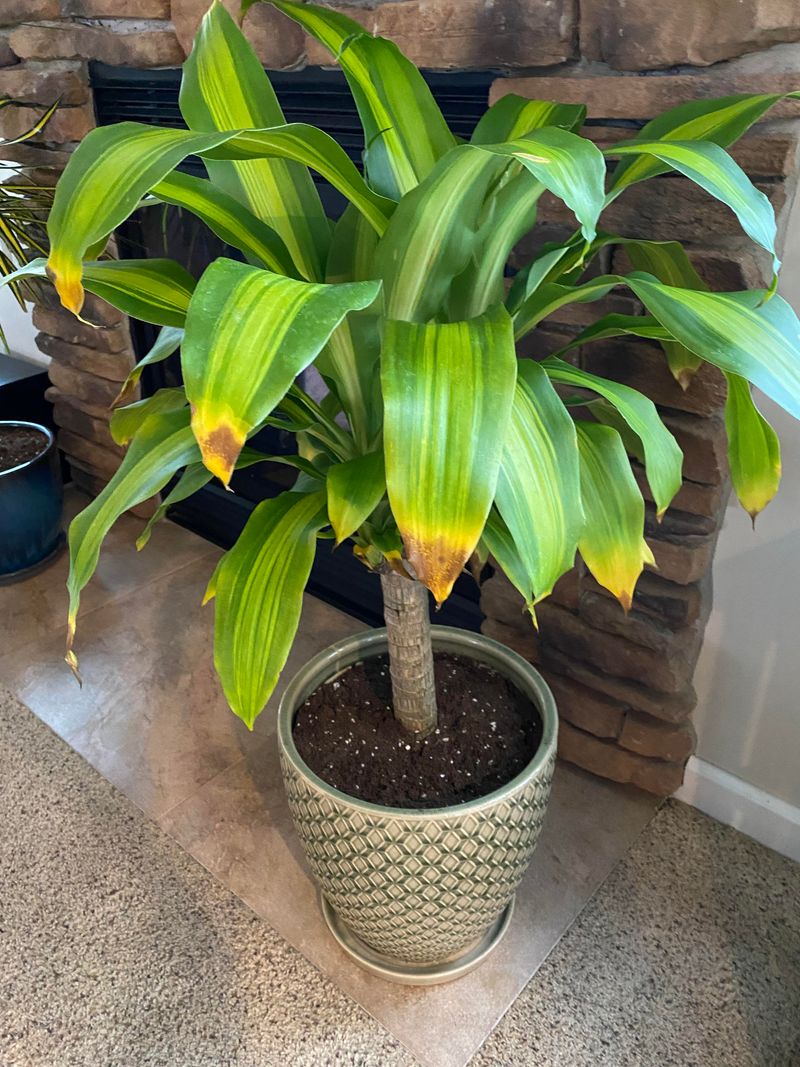
California’s low humidity surprises many plant owners, especially those who assume indoor air stays naturally moist.
The state’s dry climate means indoor humidity often drops well below what many tropical houseplants prefer, sometimes hovering around 20 or 30 percent.
Air conditioning and heating systems pull even more moisture out, leaving the air feeling crisp and plants struggling to keep their leaves hydrated.
Browning leaf tips are one of the earliest signs that humidity is too low. The edges turn crispy and papery, even when the soil has plenty of water.
Some plants respond by curling their leaves inward, trying to reduce the surface area exposed to the dry air. Over time, this stress can slow growth and make foliage look dull and lifeless.
Grouping plants together creates a small humidity bubble as they release moisture through their leaves. Placing a shallow tray of water with pebbles underneath pots adds moisture to the air without making the soil soggy.
Misting can provide temporary relief, but it’s not a long-term solution since the water evaporates quickly in California’s dry indoor environments.
Bathrooms and kitchens tend to have higher humidity than other rooms, making them good spots for moisture-loving plants like ferns and calatheas.
A small humidifier can make a huge difference, especially during the drier months when indoor air feels particularly harsh.
Paying attention to humidity helps plants maintain healthy, vibrant foliage instead of constantly battling crispy edges and drooping leaves.
5. Using Pots Without Proper Drainage
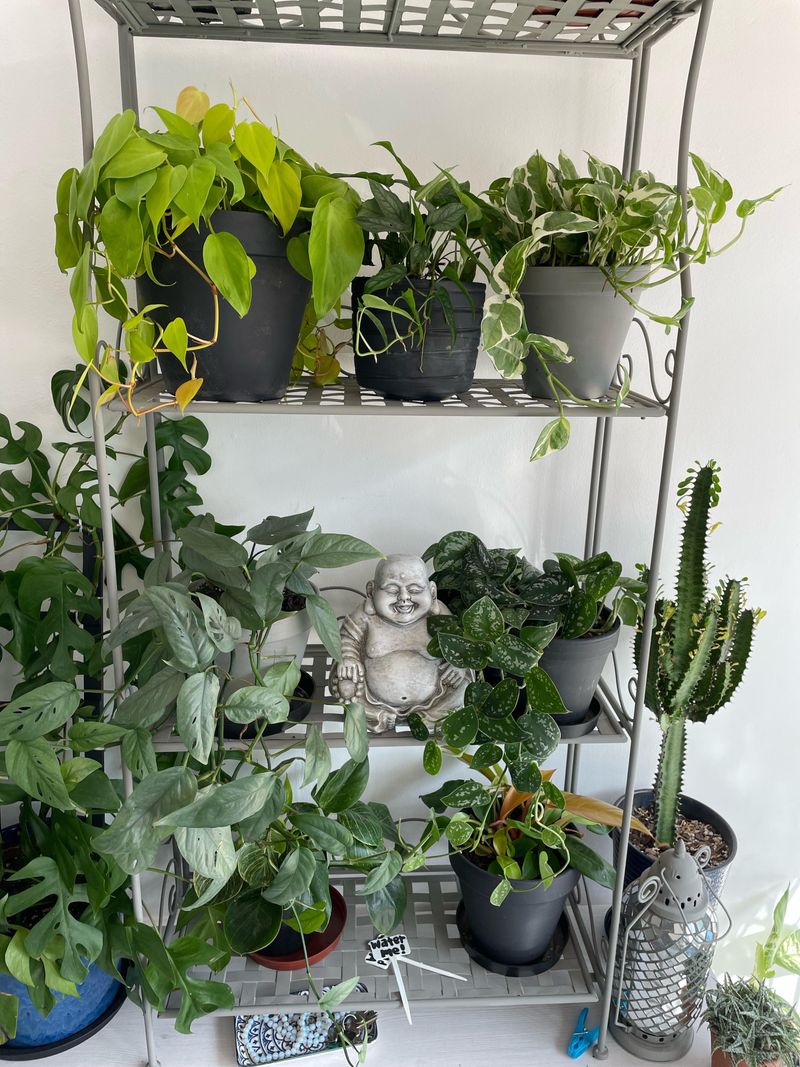
Drainage holes seem like a small detail, but they’re one of the most important features a pot can have. Without a way for excess water to escape, soil stays saturated, trapping moisture around roots and cutting off oxygen.
Even careful watering can lead to problems when there’s nowhere for the extra water to go, and roots begin to suffocate in the soggy conditions.
California’s variable watering needs make drainage even more critical.
A pot without holes might seem fine during a cool, foggy week, but a sudden heatwave can tempt you to water more, and that’s when trouble starts.
Water pools at the bottom, creating a swampy environment that roots can’t tolerate for long.
Root rot develops when roots sit in waterlogged soil, turning them soft, dark, and mushy. The plant can’t absorb nutrients or water properly, even though the soil is wet.
Leaves might wilt, yellow, or drop, and the whole plant starts to decline in a way that feels confusing since you’ve been watering regularly.
Drilling holes in ceramic or plastic pots is an easy fix if you love a container that lacks drainage.
Using a layer of rocks at the bottom doesn’t solve the problem, though, since water still has nowhere to escape.
A saucer underneath catches runoff and protects surfaces, but it’s important to empty it so roots don’t sit in standing water.
Choosing pots with drainage from the start saves a lot of headaches and keeps roots healthy in California’s unpredictable indoor climates.
6. Leaving Plants In Old, Compacted Soil
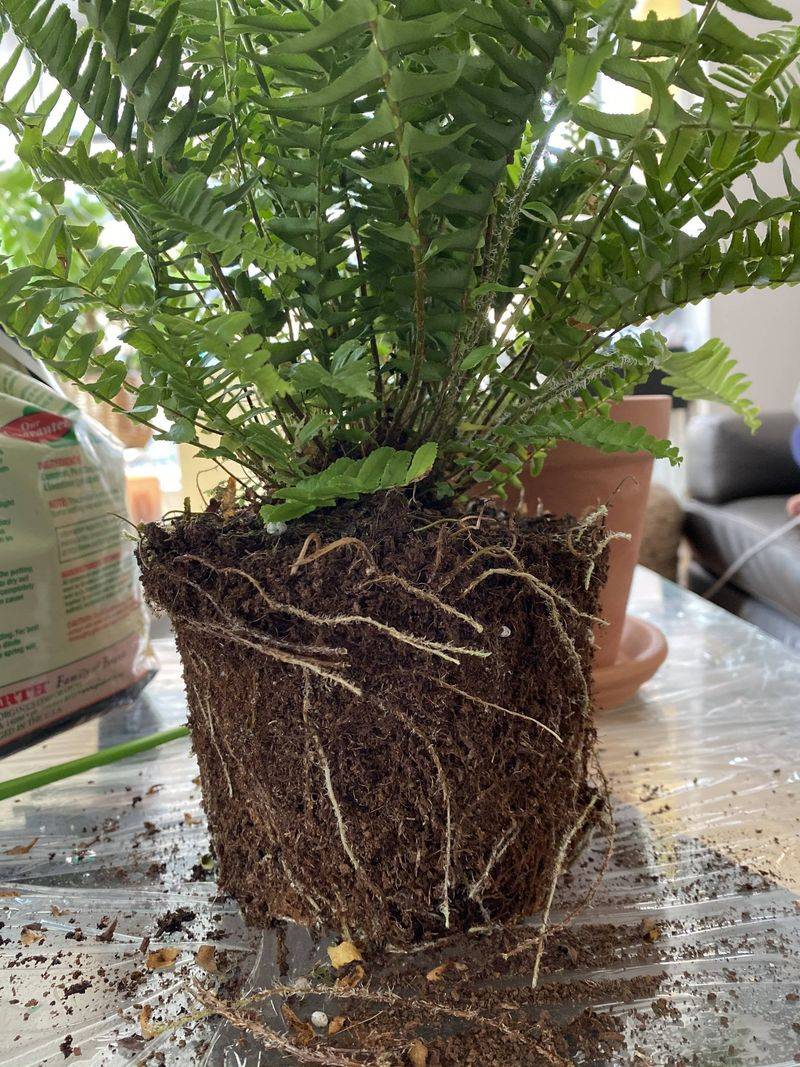
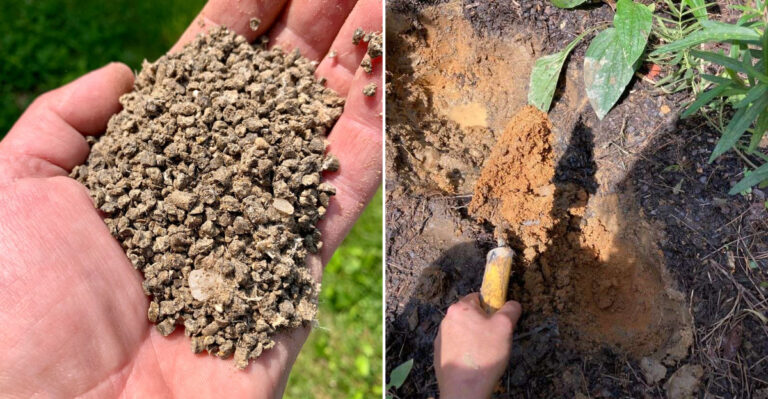
Potting soil doesn’t last forever, even though it might look fine on the surface. Over time, organic matter breaks down, particles compress, and the soil loses its ability to hold air and drain water properly.
What started as fluffy, well-aerated mix can turn into a dense, hard mass that roots struggle to penetrate and water runs right through without soaking in.
California’s dry air speeds up soil degradation in some ways, causing organic components to break down and compact faster.
Salts from tap water and fertilizers can also build up over time, creating crusty white deposits on the soil surface and around the pot’s rim.
These salts can interfere with nutrient uptake and stress roots, even when everything else seems right.
Roots grow best in soil that’s loose and airy, with plenty of space for oxygen to reach them.
Compacted soil suffocates roots, limiting their ability to absorb water and nutrients.
Plants in old soil often show stunted growth, pale leaves, and a general lack of vigor, even when they’re watered and fed regularly.
Repotting every year or two refreshes the soil and gives roots room to spread. Gently loosening the root ball and shaking off old soil helps plants settle into fresh mix more easily.
California’s warm growing season is a great time to repot, giving plants plenty of time to recover and establish themselves before cooler weather arrives.
Fresh soil makes a noticeable difference in plant health, improving drainage, aeration, and nutrient availability all at once.
7. Overfeeding During Slow Growth Periods
Fertilizer seems like plant food, so it’s tempting to think more is always better. Plants don’t work that way, though, and they only use nutrients when they’re actively growing.
During slower periods, excess fertilizer just sits in the soil, building up to levels that can actually harm roots and foliage.
California’s mild winters mean some houseplants keep growing year-round, but many still slow down as daylight hours shorten.
A fiddle leaf fig that grows like crazy in summer might barely put out new leaves in December, even in a sunny San Diego apartment.
Feeding it the same amount during that slow period overwhelms the plant with nutrients it can’t process.
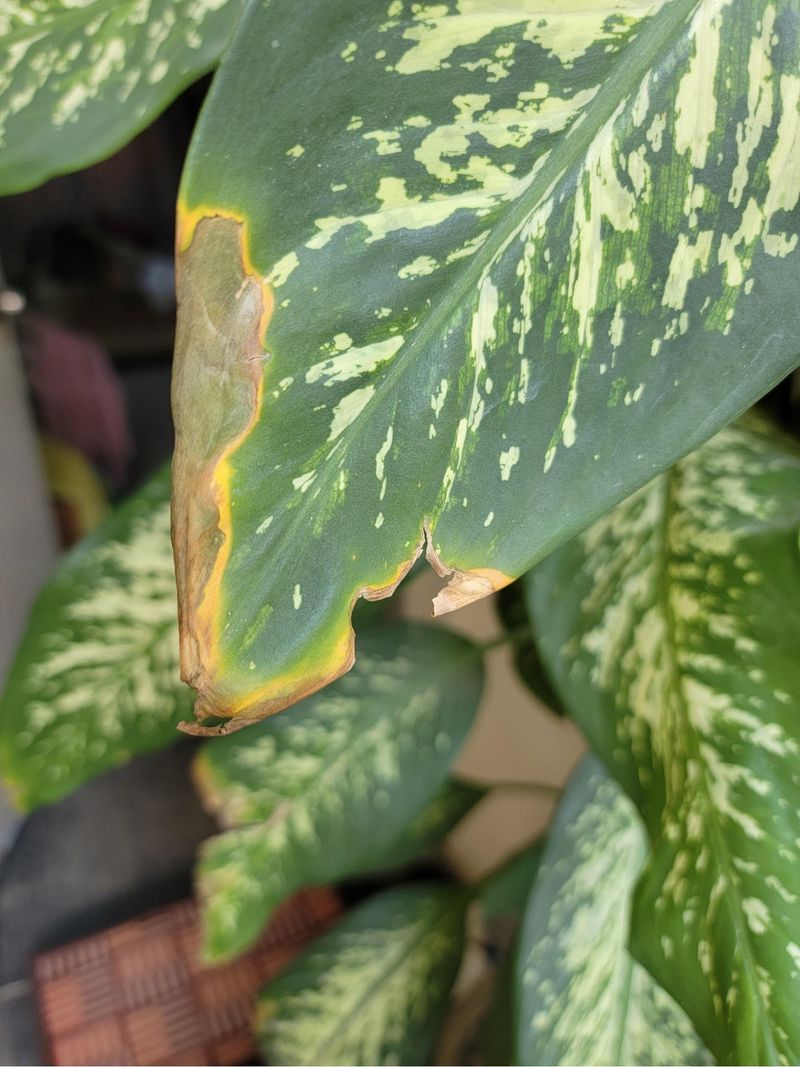
Salt buildup from too much fertilizer shows up as crispy brown leaf edges, yellowing, or stunted growth. The soil might develop a white, crusty layer on top, and roots can become damaged by the concentrated salts.
Flushing the soil with plain water helps wash away some of the excess, but prevention is easier than fixing the problem later.
Most houseplants benefit from fertilizer during their active growing season, typically spring and summer in California.
Cutting back or stopping feeding in fall and winter gives plants a rest and prevents salt accumulation.
Using a diluted fertilizer at half strength reduces the risk of overfeeding while still providing the nutrients plants need.
Matching fertilizer to growth patterns keeps plants healthy without overwhelming them, and it’s a simple adjustment that makes a big difference over time.
8. Not Adjusting Care Between Seasons
California’s seasons feel subtle compared to other parts of the country, but houseplants notice the shifts even when people don’t.
Daylight hours change, temperatures fluctuate, and indoor heating or cooling patterns shift, all of which affect how plants grow and what they need.
Sticking to the same care routine year-round ignores these changes and can leave plants stressed or struggling.
Summer in California often means longer days, brighter light, and warmer temperatures that encourage vigorous growth. Plants use more water and nutrients during this time, and they might need watering twice as often as they do in winter.
A pothos that thrived on weekly watering in January might start wilting between drinks by July if you don’t adjust.
Winter brings shorter days and cooler temperatures, even in Southern California. Growth slows, and plants use less water and fertilizer.
Overwatering during this period is a common mistake, since soil takes longer to dry out and roots can easily become waterlogged. Cutting back on watering frequency and skipping fertilizer helps plants rest and stay healthy until spring.
Coastal areas experience more dramatic seasonal shifts in fog and humidity, while inland regions see bigger temperature swings.
Paying attention to how your specific environment changes helps you adjust care in ways that match what plants are experiencing. California’s year-round growing potential is wonderful, but it requires flexibility and observation to make the most of it without stressing your green friends.
9. Waiting Too Long To Address Early Stress Signs
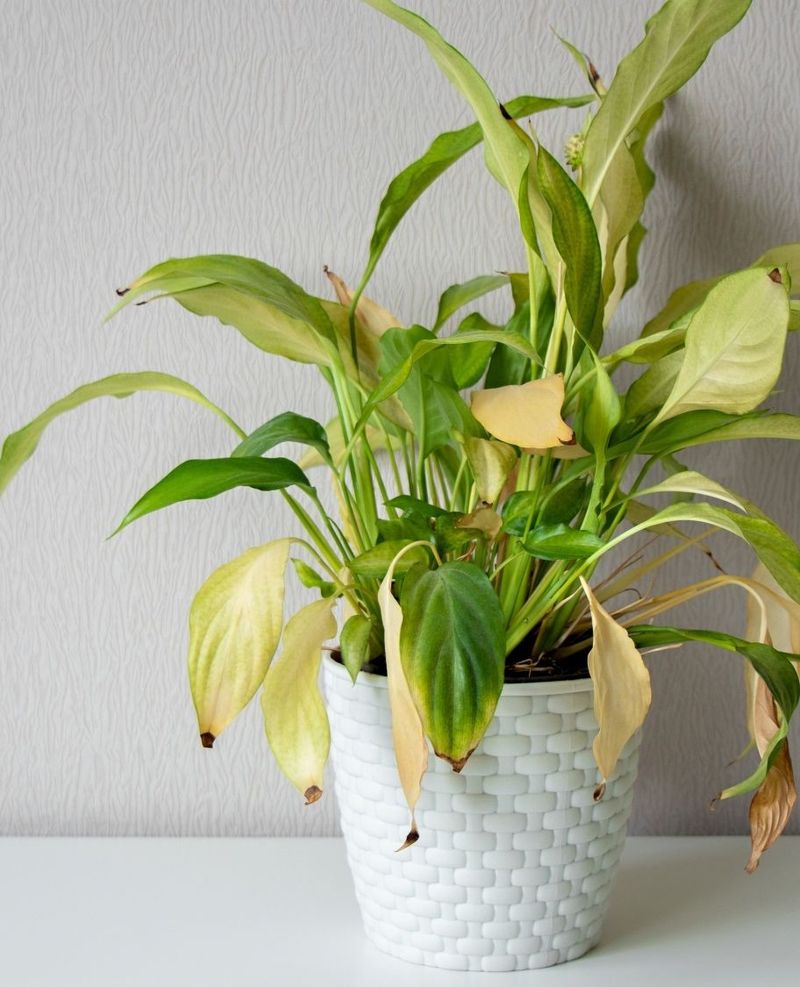
Plants communicate through their leaves, stems, and growth patterns, but the signals are easy to miss if you’re not paying close attention.
A slight droop, a single yellowing leaf, or a few brown tips might seem like no big deal, but they’re often early warnings that something’s wrong. Ignoring these small signs gives problems time to grow, turning a simple fix into a much bigger challenge.
California’s fast-changing indoor conditions mean plant stress can escalate quickly. A spider mite infestation that starts with a few tiny webs can spread to multiple plants in a week.
Checking plants regularly, even just a quick glance while watering, helps you spot changes before they become serious.
Looking at the undersides of leaves, feeling the soil, and noticing growth patterns all provide clues about plant health. A plant that suddenly stops growing or develops spots deserves immediate attention, not a wait-and-see approach.
Many problems are reversible if you act fast. Moving a sunburned plant away from the window, adjusting watering, or treating pests early can stop damage in its tracks.
Waiting too long often means more leaves affected, weaker overall health, and a longer recovery period.
California’s plant-friendly climate gives houseplants a great environment to bounce back, but only if you give them the help they need when stress first appears.