7 Arizona Plants That Should Be Pruned In January (And 3 You Should Skip)
Arizona’s mild winters make January pruning feel optional, which is exactly why so many plants get cut at the wrong time without anyone realizing the damage that can follow.
What looks like harmless cleanup can quietly set certain plants back for the entire year.
Many gardeners assume winter pruning rules work the same everywhere, forgetting how differently Arizona plants respond to timing.
Some plants actually benefit from a January cut in this climate, pushing stronger growth once temperatures rise. Others react badly, losing buds or struggling to recover once spring arrives.
The tricky part is that both groups can look perfectly fine in winter. That’s why pruning mistakes here often don’t show up until months later.
Knowing which Arizona plants should be pruned now, and which ones are better left alone, can make a noticeable difference once the growing season begins.
1. Roses
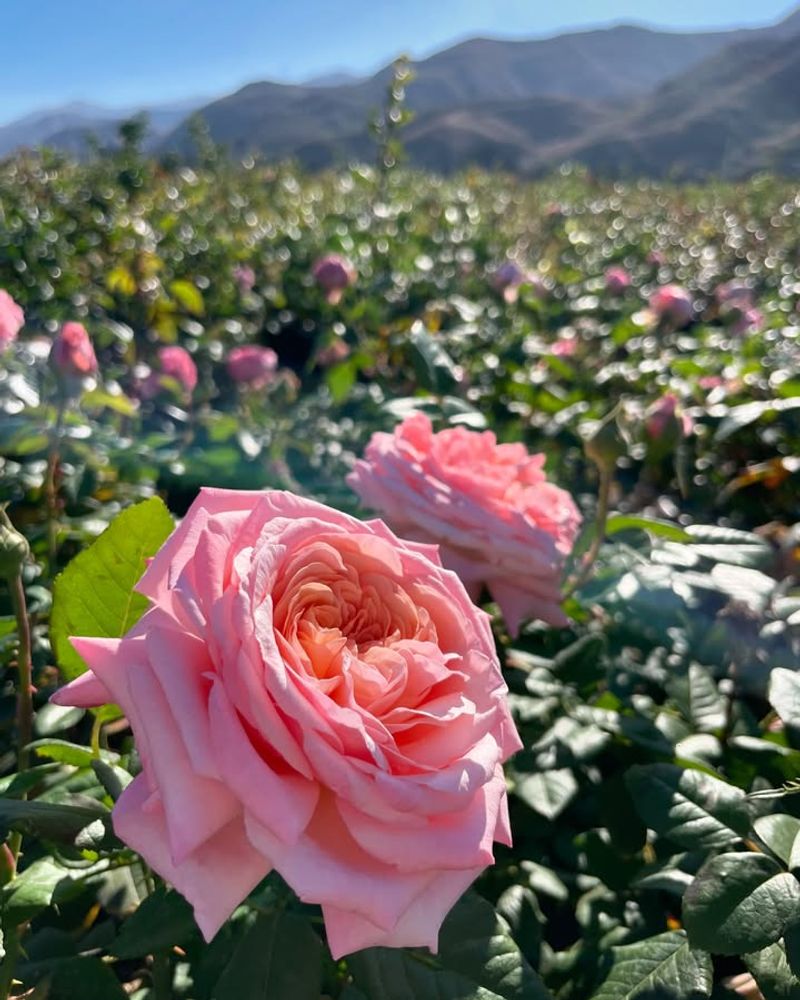
Cold-season pruning gives Arizona gardens a quiet advantage, shaping stronger rose plants long before buds and blooms begin to form.
Winter pruning helps remove weak canes, improves airflow, and guides roses into stronger shapes before Arizona’s intense heat returns each season again.
January timing matters because pruning too late can trigger soft growth that struggles once dry winds and rising temperatures arrive across much Arizona. Start by cutting out weak, damaged, or crossing canes, which reduces disease pressure and prevents rubbing wounds from forming over time.
Shortening healthy canes also redirects energy toward fresh buds, encouraging fuller plants and better bloom spacing later in the season for roses.
In Arizona gardens, most rose varieties benefit from moderate pruning rather than severe cuts, which can stress plants under rapid sun exposure after winter.
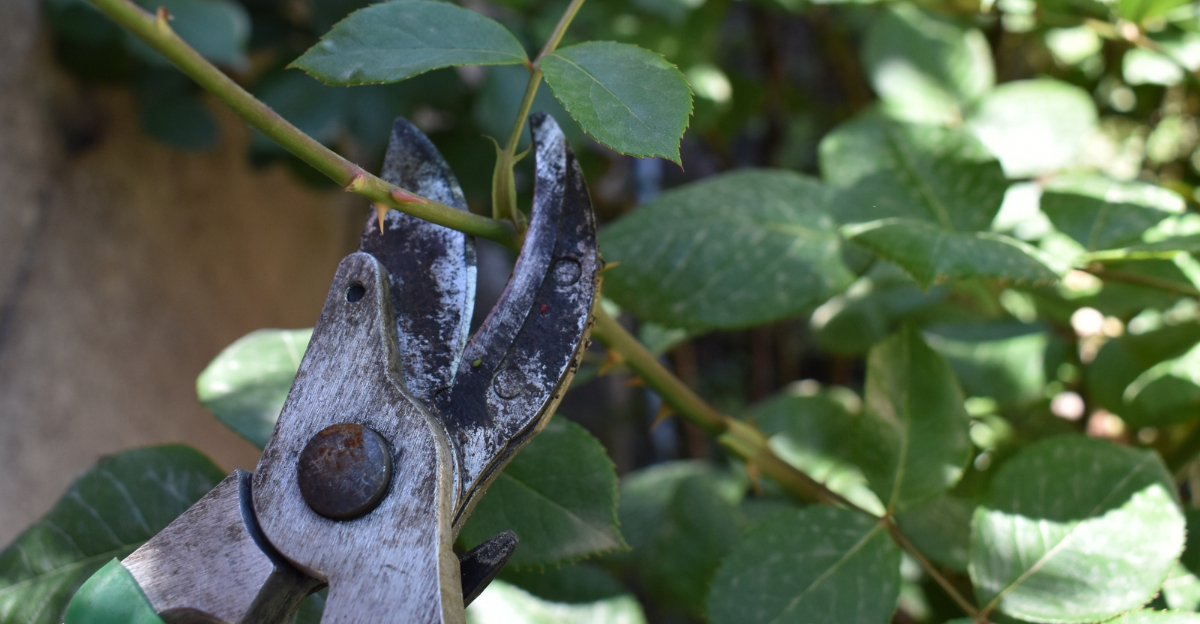
Clean, sharp tools matter here, since smooth cuts heal faster and lower the chance of pests moving into stems during winter.
Once pruning is finished, roses look bare for a moment, but that pause signals renewal rather than trouble for Arizona growers statewide.
Handled thoughtfully, January rose pruning builds a sturdy framework that supports heavy blooms and keeps plants balanced through the demanding months ahead there.
2. Desert Willow
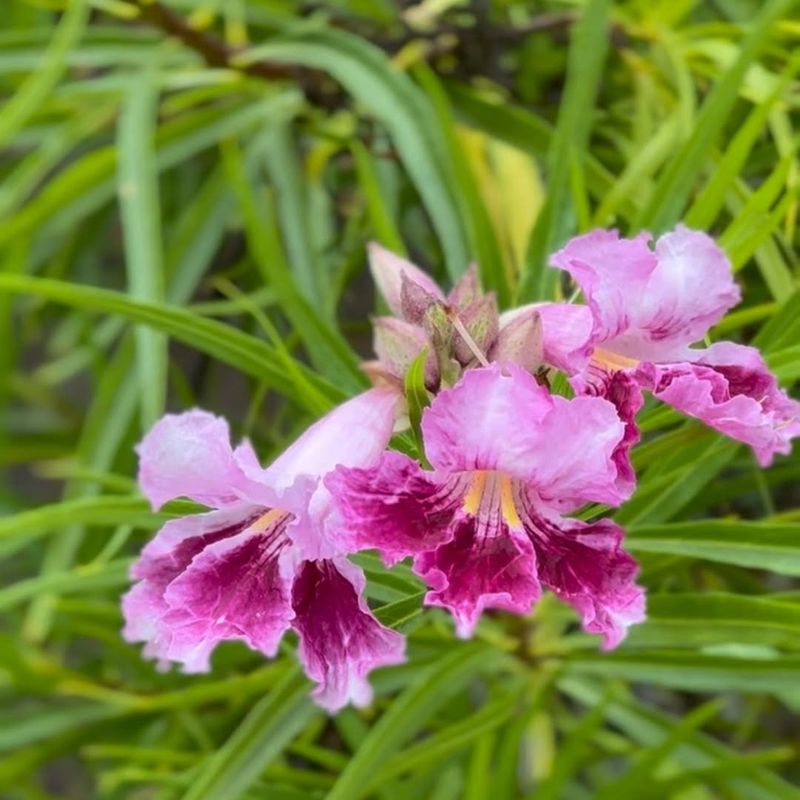
January is an ideal time to prune this tree in Arizona because it rests during winter and responds well before spring growth begins.
Pruning now helps shape the canopy, remove awkward branches, and guide future growth without interrupting flowering later in the year.
Arizona’s mild winters allow careful cuts without stressing the tree, making January a dependable window for structural work.
Opening the canopy improves airflow and light penetration, which supports healthier branching once warmer temperatures arrive.
In desert landscapes, controlling structure is especially important because unmanaged growth can become top heavy or uneven over time.
Gardeners should focus on removing crossing limbs, low hanging branches, and thin interior growth that crowds the center.
Cleaning up old seed pods and stray shoots also improves appearance and keeps the tree looking intentional rather than wild. Avoid heavy cutting, since this tree blooms on new growth and responds best to light, thoughtful pruning in Arizona yards.
Your Arizona Garden Changes Every Week. Your Plan Should Too.
Gardening in Arizona changes quickly throughout the season. Every Friday you’ll receive a simple weekly plan showing exactly what to plant, prune, fertilize, harvest, and protect so you never miss the right timing.
Handled correctly in January, pruning encourages balanced form, steadier growth, and better flowering performance throughout the long Arizona growing season while keeping maintenance simple and predictable year after year.
3. Texas Ranger
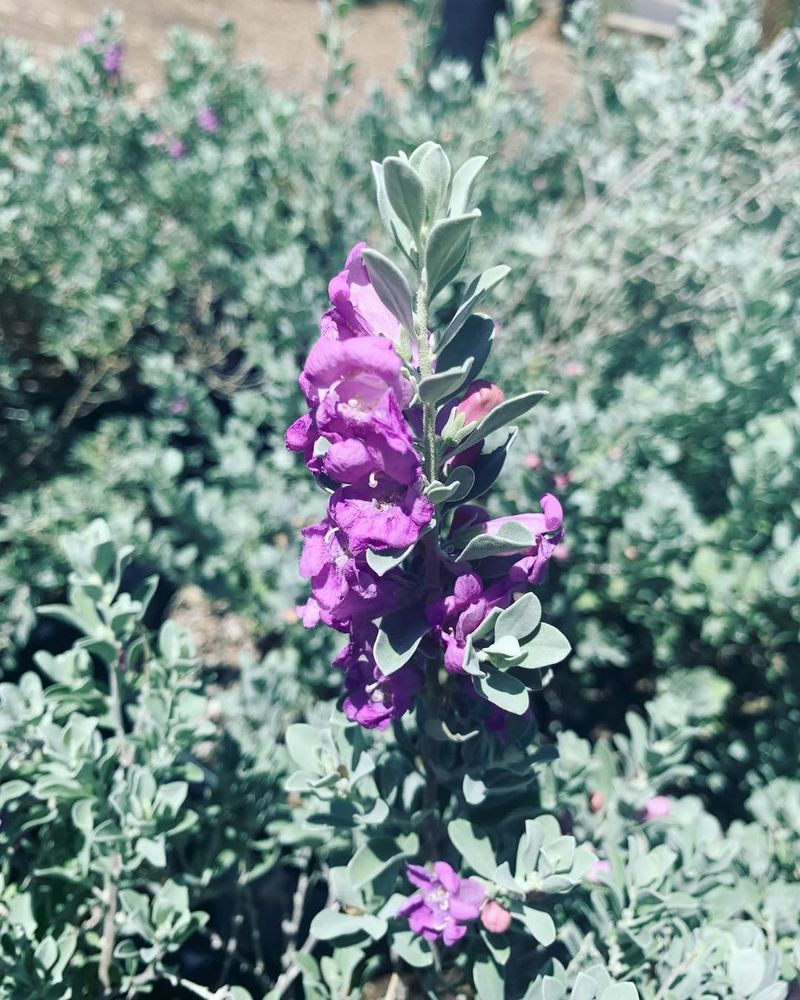
In January, Texas Ranger should only be cleaned up by removing damaged or non-viable branches, while shaping and size reduction are best saved for warmer months.
Leaving interior growth intact protects the shrub’s natural structure while airflow adjustments are better handled once active growth resumes.
Wind exposure matters in desert yards, which is why structural corrections are best delayed until warmer months when recovery is faster and more predictable.
Clean cuts using sharp tools heal more evenly in dry air and shifting temperatures common to Arizona winters for woody shrubs overall. Heavy reshaping is avoided here, with attention placed on balance and structure rather than forcing dramatic visual change too soon for long term health.
Handled at the right moment, Texas Ranger enters the growing season tidy, resilient, and far easier to maintain through heat waves, intense sun, drought.
4. Bougainvillea

Cool winter conditions across Arizona slow growth enough to make pruning decisions clearer before vines surge again.
This timing reduces stress while letting gardeners shape structure without triggering soft shoots too early.
Bougainvillea responds best during this pause, since heavy flowering wood stays easy to see and manage.
Pruning now helps control size, keeping long canes from overtaking fences, walls, and nearby plantings later.
Removing tangled or rubbing growth improves airflow and light penetration once warmer days return.
Arizona sun and wind can strain weak stems, so selective thinning now prevents problems as growth accelerates.
Clean angled cuts matter in dry winter air, helping trimmed areas recover evenly through temperature swings. Heavy shaping is avoided, focusing instead on balance and guiding form rather than forcing dramatic change.
Handled at the right moment, this vine enters spring with a more orderly structure and more reliable flowering.
That early attention helps it move through heat, bright sun, and recurring drought cycles without constant corrective pruning later in the season.
Careful winter planning sets clear expectations for shape, spacing, and how the vine should grow across fences, walls, or supports.
With consistent structure in place, Arizona landscapes stay cleaner, require less ongoing work, and avoid the visual clutter that builds up when growth is left unchecked year after year.
5. Grapevines
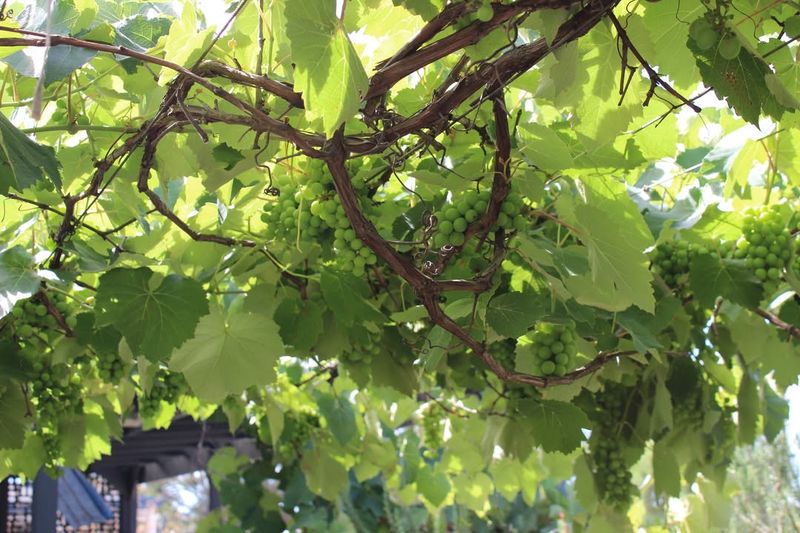
Winter dormancy across Arizona creates a narrow window where structure is visible and long term vine management decisions become far easier to judge clearly.
Instead of reacting to rapid growth, this period allows deliberate shaping that sets up healthier spacing and cleaner form before the season accelerates.
Grapevines respond especially well now, because dormant canes reveal which growth produced fruit and which growth only adds congestion.
Cutting back excess canes prevents overcrowding, keeping sunlight exposure balanced once leaves return and clusters begin forming later. Proper spacing also improves airflow, which matters in Arizona where stagnant heat can quickly stress tightly packed vine growth.
Pruning during dormancy helps direct energy toward productive wood rather than sprawling length that complicates trellises and support systems.
Attention usually focuses on retaining strong main canes while removing thin, misplaced, or overly tangled growth from previous seasons.
Clean cuts are important, since smooth pruning points recover more predictably through temperature swings common in desert winters.
Handled correctly, grapevines enter spring organized, easier to train, and better prepared for steady fruit development throughout Arizona’s long, demanding growing season.
This early structure reduces midseason corrections, supports consistent vine training, and keeps maintenance predictable for growers managing multiple plants statewide annually.
6. Deciduous Fruit Trees
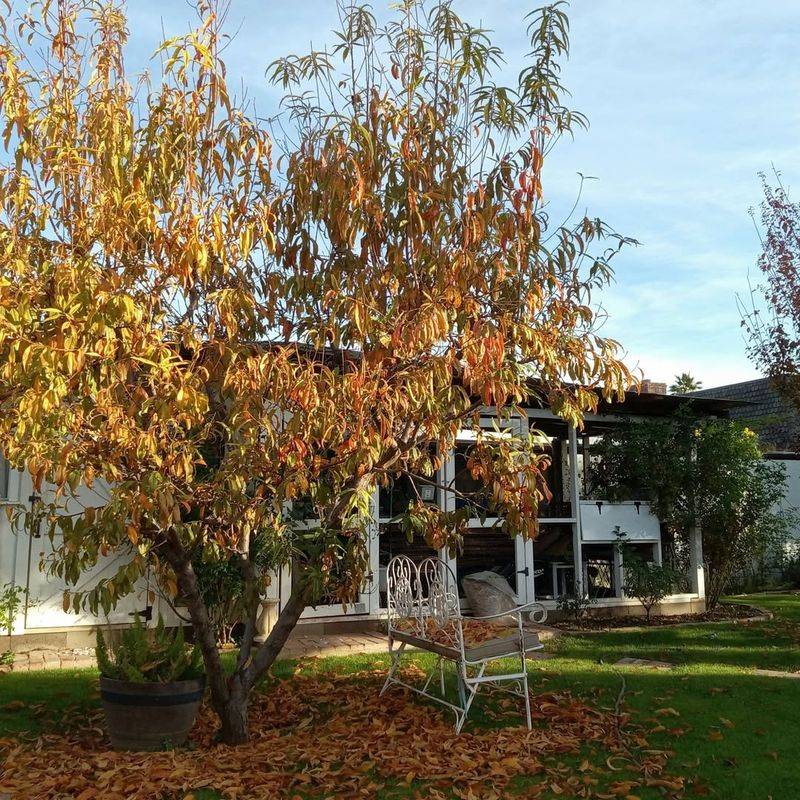
Dormant winter weeks across Arizona offer a rare chance to evaluate tree structure without leaves hiding spacing or branch problems.
Growth pauses enough to allow thoughtful decisions that influence balance long before buds respond to warming days ahead.
Deciduous fruit trees benefit from this timing, since pruning now clarifies which limbs support fruiting and which crowd light access.
Removing excess interior growth opens the canopy and helps sunlight reach developing branches once the season advances steadily.
Airflow improves when congestion is reduced, limiting moisture buildup during early warmth common in many Arizona regions.
Structural pruning also prevents branches from competing for space as fruit weight increases later in the year. Gardeners focus on shaping strong framework limbs while shortening unproductive shoots from previous seasons.
Clean cuts recover more evenly during dry winter conditions. Sharp tools prevent unnecessary stress on woody tissue.
Handled early, this pruning sets clear structure before growth resumes. That foundation makes fruit trees easier to guide and manage as the season progresses.
7. Mulberry
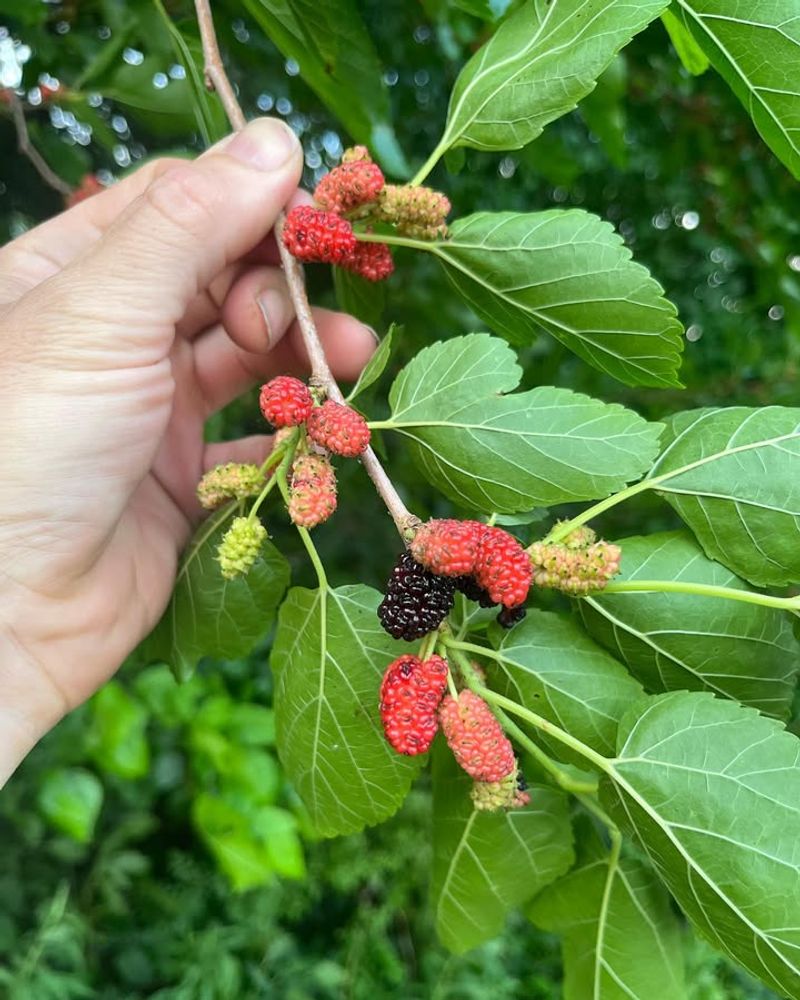
Fast growth is what usually turns this tree into a problem plant in Arizona yards when structure is ignored early and branches stretch faster than expected.
During dormancy, the full framework is visible without foliage, making it easier to judge spacing, height, and balance before new growth complicates every correction.
Mulberry responds well to winter pruning because cuts made now guide future growth instead of forcing constant trimming once warm weather accelerates expansion.
Reducing height at this stage prevents long limbs from becoming top heavy or unstable. Thinning crowded interior branches improves light movement and reduces stress as growth fills out quickly.
Arizona wind places pressure on extended branches, so shortening poorly positioned growth early helps prevent strain and uneven load distribution.
Attention usually stays on shaping strong main limbs rather than chasing symmetry, which keeps the tree functional, stable, and easier to manage long term.
Clean cuts using sharp tools recover more evenly during dry winter conditions with frequent temperature shifts.
With structure set early, mulberry maintains predictable growth through the season and avoids repeated corrective pruning later across residential landscapes statewide year after year consistently overall.
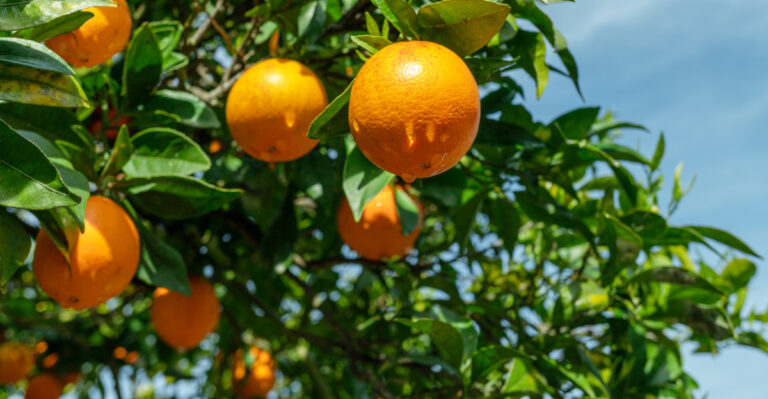
8. Citrus Trees
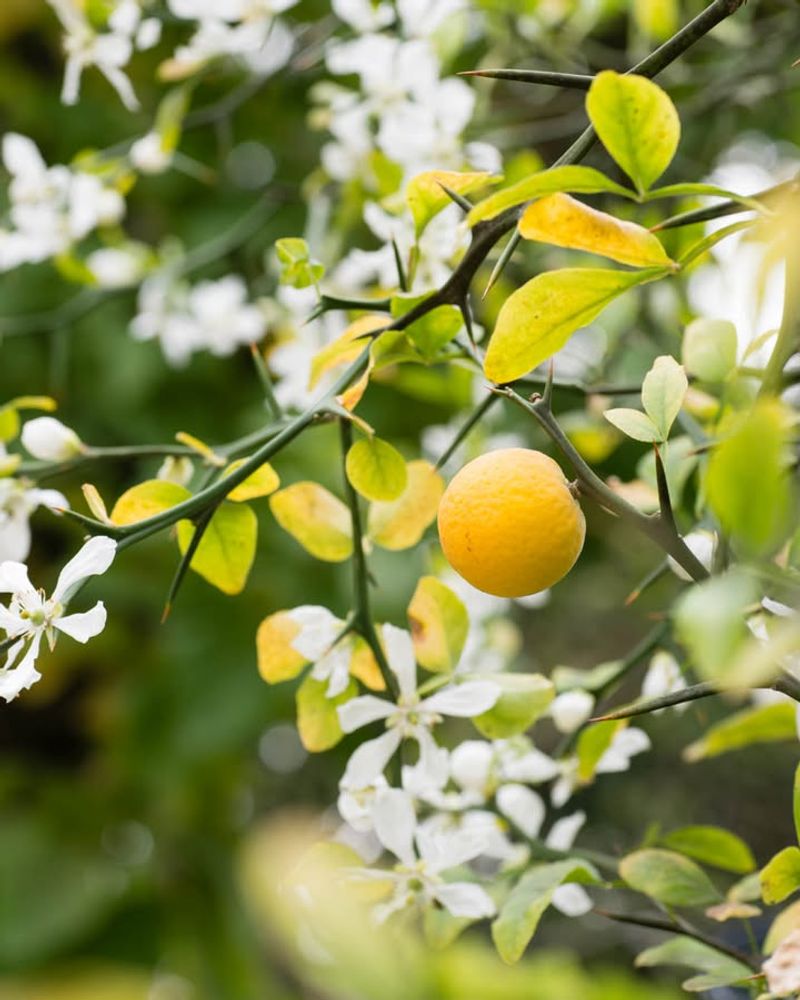
During January, growth may look paused on the surface, but internal activity continues quietly at branch tips, which makes winter pruning a poor choice because those outer sections hold future flowering and fruit development that the plant is already preparing with careful timing.
Even light trimming at this time forces energy to shift away from natural seasonal preparation. It also slows progress once warmer temperatures arrive and growth accelerates across the canopy.
Because citrus does not enter deep dormancy, exposed cuts respond poorly to cooler weather, drying winds, and sudden temperature swings that are common during winter months in many regions.
The natural winter structure protects sensitive tissues that play a role in spring performance, so removing growth early often causes uneven response later when conditions finally stabilize.
What looks like excess branching in January frequently balances itself once active growth resumes, making early cuts unnecessary and sometimes counterproductive.
Pruning now also removes visual cues that become clearer once new growth begins, increasing the chance of incorrect decisions that affect long-term structure.
Waiting allows the plant to signal which branches truly need attention through visible growth patterns. Spring conditions support faster recovery and cleaner regrowth after careful adjustments are made.
Leaving citrus untouched through January preserves long-term balance, productivity, and consistency across seasons and changing weather patterns.
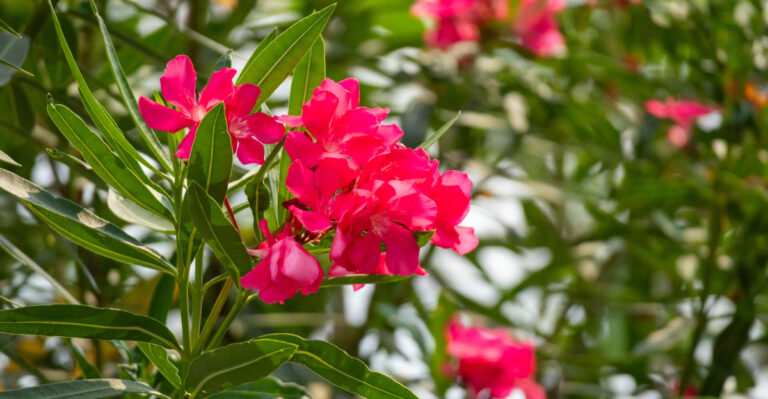
9. Oleander
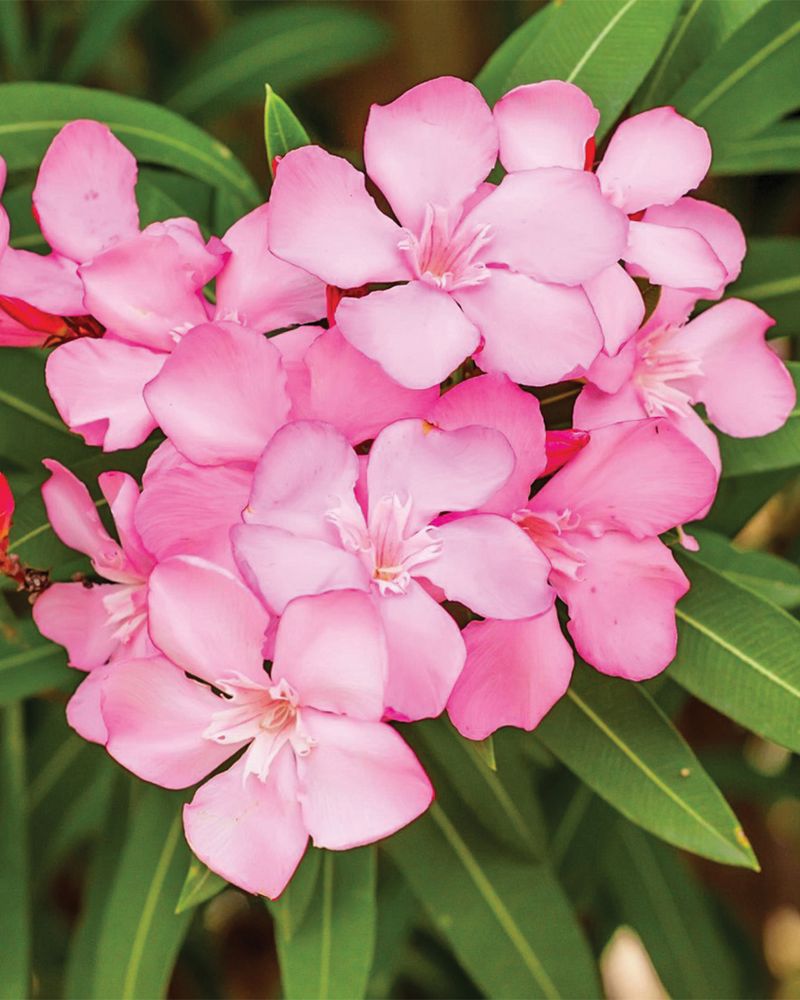
Winter pruning disrupts natural timing because flowering potential depends on existing growth that forms well before spring warmth signals expansion across the plant and surrounding landscape with seasonal patterns.
During cooler months, internal processes continue quietly, meaning trimming forces energy toward recovery instead of preparation for seasonal performance that develops later under stable conditions.
Branches that appear excessive in January often support balance later, especially once temperatures rise and growth begins spreading evenly across available space and light exposure.
Because this shrub does not pause completely, cuts made too early can lead to uneven structure once active growth resumes under stronger light and longer days.
Natural winter form protects important growth points that influence how flowering develops later in the season and determines overall visual density.
Removing branches now often eliminates sections already designated for future visual impact and overall symmetry across the mature plant.
Cool conditions also slow response, making recovery less predictable when adjustments happen too early in the year for this type of shrub.
Waiting until after flowering provides clearer signals about which areas truly need shaping for size control and structure.
Allowing oleander to remain untouched through January preserves rhythm, structure, and reliable seasonal results gardeners expect time.
10. Spring-Blooming Shrubs
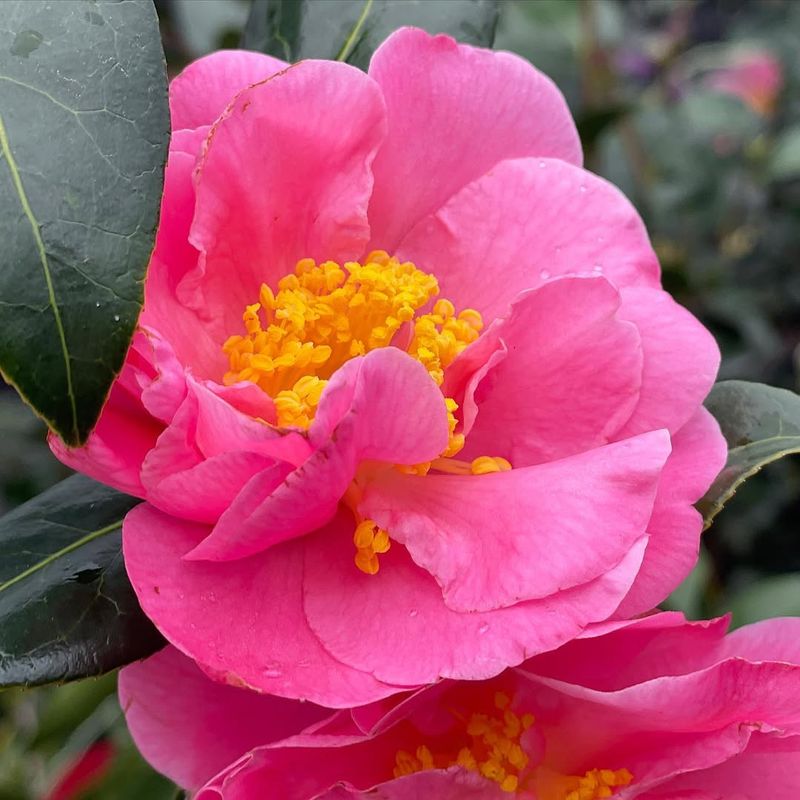
Even though January feels quiet, spring-blooming shrubs are quietly holding buds that will become flowers, so cutting any branches now can accidentally remove blooms that would brighten the garden once temperatures rise.
Some branches might look overgrown or messy, but those same stems are often critical for airflow and balance, which helps the shrub stay healthy and ensures flowers open evenly in spring.
Most of these shrubs set buds on last year’s wood, so trimming now can remove the parts that will produce the showy blooms everyone looks forward to. The loss often isn’t visible until it’s too late.
Energy stored in dormant buds quietly supports both branch growth and flowering, and cutting at the wrong time forces the plant to redirect resources toward recovery instead of preparing for the season.
Keeping the natural structure during winter helps maintain even branch distribution, supports strong stems, and allows flowers to appear across the shrub instead of only on one side.
Waiting until after flowering gives a clear picture of which branches actually need shaping, which avoids accidental removal of blooms and makes pruning much more effective.
Following the plant’s natural rhythm ensures buds develop properly and flowers open consistently throughout the season, which keeps the shrub healthy and visually balanced.
By leaving the shrub untouched in January, gardeners protect buds, preserve structure, and ensure the seasonal display will be full, vibrant, and impressive.
Patience during this dormant period guarantees that flowers have the space, light, and energy they need to flourish beautifully once spring arrives.