8 Soils North Carolina Gardeners Use For Strong Vegetable Growth
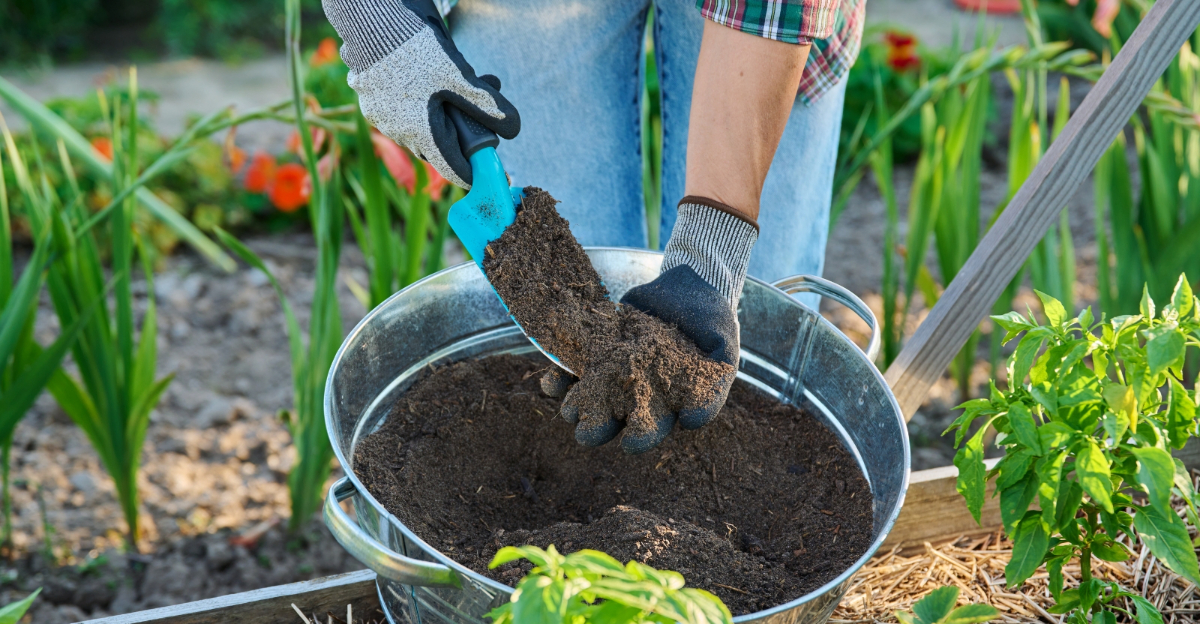
North Carolina vegetable beds often begin the season looking strong and full of promise, only to slow down weeks later in ways that feel confusing because nothing above ground clearly explains what’s happening.
In most cases, the real issue has already been decided underground, where roots are reacting to soil conditions they can’t push through or adjust to.
Watering more often or adding fertilizer usually feels like the logical fix, but those efforts rarely help when the soil itself is working against healthy root development.
Certain soil types consistently support stronger, faster vegetable growth across the state by balancing moisture, airflow, and structure in a way roots can move through without stress.
These soils allow nutrients to stay available while still draining well enough to handle North Carolina’s heavy rain and sudden heat shifts.
Other soil types compact easily, drain too quickly, or trap moisture at the wrong time, quietly slowing growth even when care feels consistent. Those limitations often go unnoticed until plants stall or struggle to size up properly.
Once soil is matched to how vegetables actually grow in North Carolina, steady progress replaces guesswork and growth stops feeling unpredictable.
1. Loamy Garden Soil
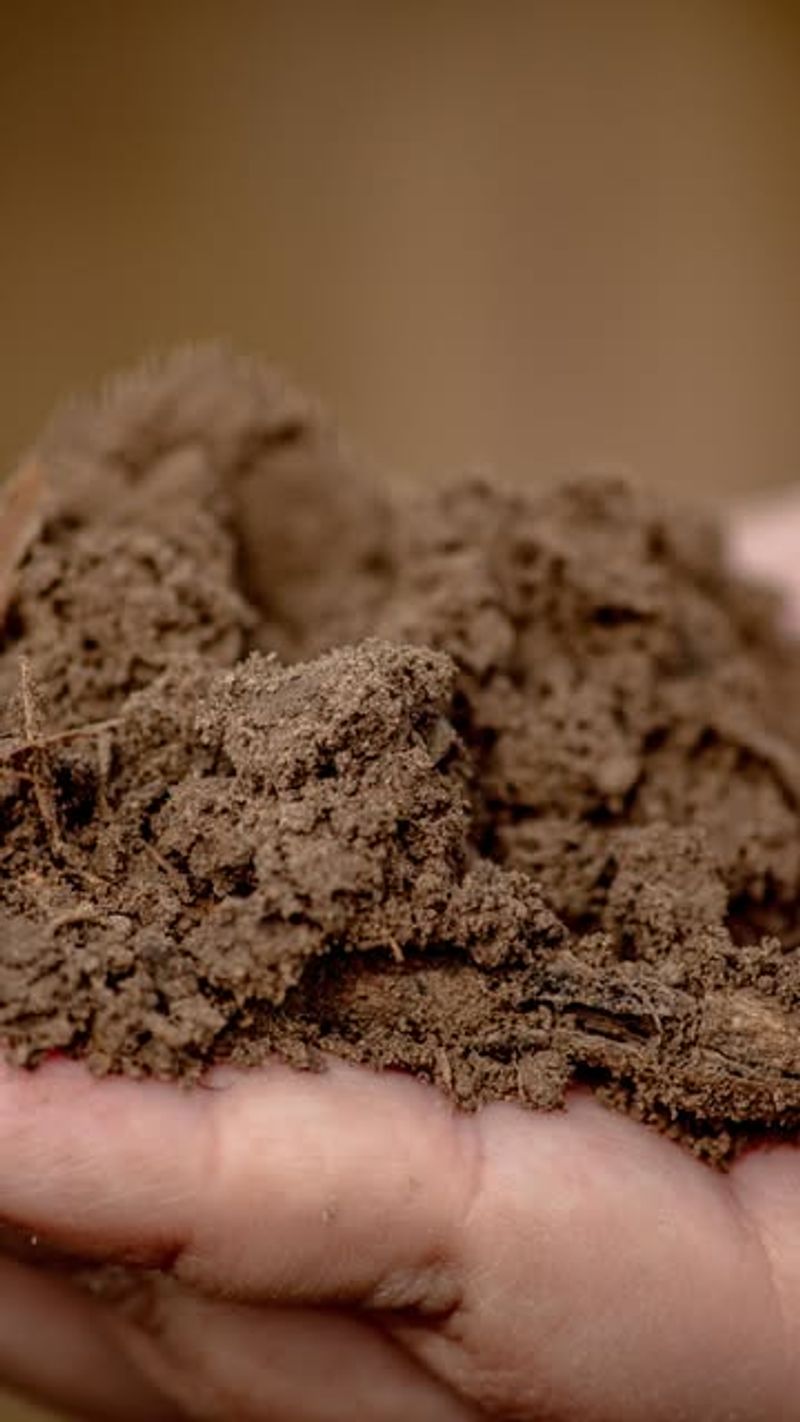
Perfect balance makes all the difference when you’re trying to grow anything successfully. Loamy garden soil combines sand, silt, and clay in just the right proportions to create an ideal growing environment for most vegetables.
North Carolina gardeners appreciate how this type holds moisture without becoming waterlogged or compacted.
Roots can spread easily through loamy textures, reaching nutrients and water with minimal resistance. This characteristic becomes especially important during our hot summer months when plants need consistent hydration.
The structure also allows excess water to drain away, preventing root rot and fungal issues.
Many experienced growers in the Piedmont region swear by loamy soil for tomatoes, peppers, and squash. The nutrient-holding capacity means fertilizers don’t wash away as quickly as they would in sandier mixes.
You’ll notice healthier leaf color and stronger stems when your vegetables have access to this balanced medium.
Crumbly texture indicates good loam quality when you squeeze a handful. It should hold together briefly but break apart with gentle pressure.
Adding organic matter annually helps maintain the perfect consistency that makes loamy soil so valuable for vegetable production throughout the state.
In North Carolina gardens, loamy soil also warms up at a steady pace in spring, helping vegetables establish roots without stress.
That balanced texture supports beneficial microbes that improve nutrient availability over time.
With consistent care, loamy soil continues to perform well season after season, even under the pressure of heavy summer planting.
2. Compost-Enriched Soil
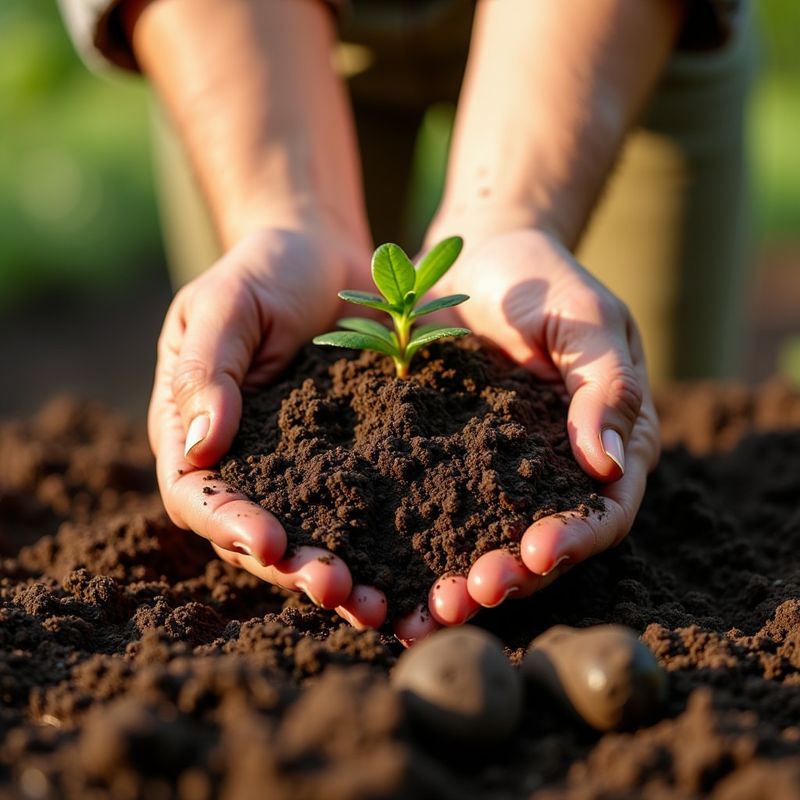
Nutrient density reaches impressive levels when decomposed organic material gets mixed into your growing beds. Compost-enriched soil provides a slow-release feeding system that vegetables can tap into throughout their entire growth cycle.
Gardens across North Carolina benefit from the microbial activity that thrives in compost-amended ground.
Earthworms multiply rapidly in these enriched conditions, creating channels that improve aeration and drainage. Their castings add even more fertility to an already nutrient-packed medium.
Your North Carolina Garden Changes Every Week. Your Plan Should Too.
Gardening in North Carolina changes quickly throughout the season. Every Friday you’ll receive a simple weekly plan showing exactly what to plant, prune, fertilize, harvest, and protect so you never miss the right timing.
This living ecosystem supports plant health in ways that synthetic fertilizers simply cannot replicate.
Leafy greens like lettuce, kale, and spinach respond particularly well to compost-enriched growing environments. The nitrogen content supports vigorous leaf production without causing the bitterness that can result from chemical fertilizers.
Root vegetables also develop better flavor profiles when grown in naturally enriched soil.
Local gardeners often create their own compost using kitchen scraps, yard waste, and fallen leaves. The finished product transforms ordinary soil into a powerhouse medium that produces exceptional harvests.
Regular applications keep soil structure loose and friable while maintaining optimal pH levels for vegetable cultivation.
Compost-enriched soil also improves moisture balance, holding enough water for steady growth while still draining well after heavy North Carolina rains.
Plants grown in compost-amended beds tend to handle heat stress better because their roots have consistent access to nutrients and oxygen.
Over time, repeated compost use builds resilient soil that supports strong harvests season after season without relying on constant fertilizer inputs.
3. Sandy Loam Soil
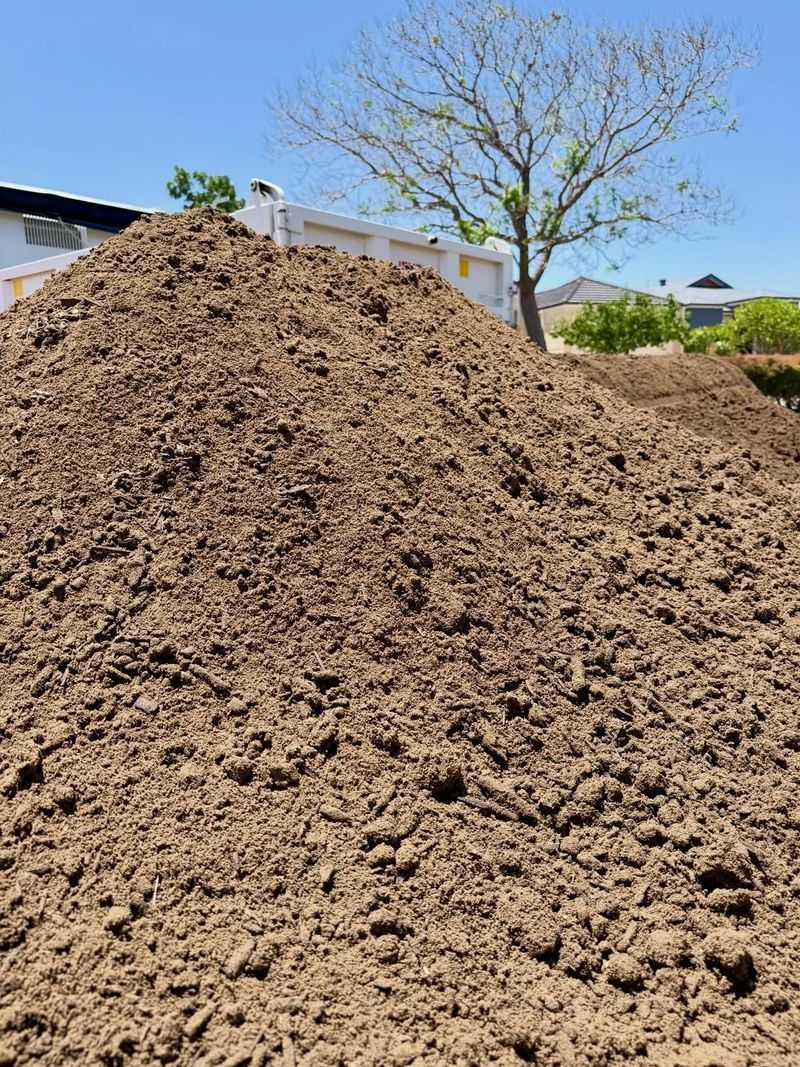
Quick drainage becomes essential when you’re dealing with heavy rainfall or frequent watering schedules. Sandy loam soil contains more sand particles than standard loam, creating a faster-draining medium that prevents waterlogged conditions.
Coastal North Carolina gardeners often work with naturally sandy soils that need only slight amendments to become productive vegetable beds.
Root crops like carrots, radishes, and beets thrive in sandy loam because they can push through the loose texture without becoming deformed. The lack of compaction allows these vegetables to develop their characteristic shapes and sizes.
Early warming in spring gives sandy loam an advantage for getting transplants established ahead of schedule.
Organic matter additions help sandy loam retain moisture and nutrients more effectively. Without these amendments, water and fertilizers can pass through too quickly, leaving plants thirsty and hungry.
A yearly top-dressing of compost or aged manure transforms sandy loam into an incredibly productive growing medium.
Hand-weeding becomes much easier in sandy loam compared to heavier clay-based soils. Roots pull out cleanly without breaking, making garden maintenance less time-consuming.
The workability of this soil type appeals to both beginning and experienced vegetable growers throughout the state.
Sandy loam also reduces the risk of root diseases that thrive in soggy soil.
Plants recover faster after heavy storms because excess moisture drains away instead of pooling around roots.
With regular organic matter, sandy loam supports steady growth while staying easy to manage all season long.
4. Raised Bed Soil Mix
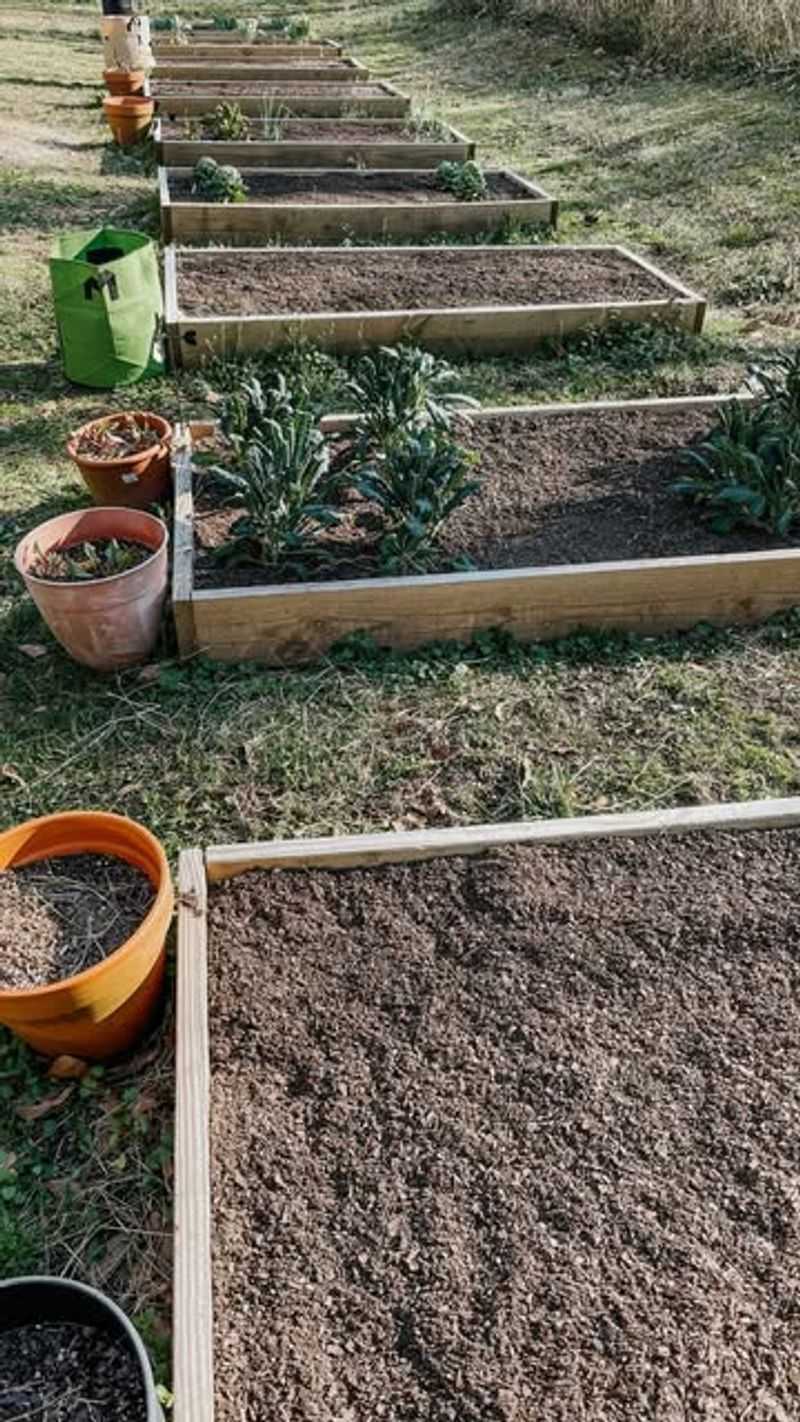
Custom blending gives you complete control over the growing environment your vegetables experience. Raised bed soil mix typically combines topsoil, compost, and other amendments in carefully measured ratios.
North Carolina gardeners use these specialized blends to overcome challenges presented by native soil conditions.
Superior drainage results from the elevated position and engineered composition of raised bed mixes. Water moves through the profile efficiently while roots access oxygen needed for healthy development.
This becomes particularly valuable during periods of excessive rainfall common in spring and late summer.
Temperature control improves in raised beds because the soil warms faster in early spring and cools gradually in fall. Extended growing seasons mean more harvests of cool-season crops like broccoli, cauliflower, and Brussels sprouts.
The controlled environment also reduces soil-borne disease pressure that can plague in-ground gardens.
Pre-mixed products are available at garden centers, but many experienced growers prefer creating their own blends. A common formula combines equal parts topsoil, compost, and peat moss or coconut coir.
This mixture provides excellent structure, fertility, and water retention for intensive vegetable production in beds of any size.
Raised bed soil mixes also reduce compaction over time, allowing roots to spread freely without hitting dense layers that slow growth.
Vegetables grown in these custom blends often show more consistent sizing and healthier foliage because nutrients stay evenly distributed throughout the bed.
With routine compost refreshes, raised bed soil remains productive for years, making it a reliable option for intensive vegetable gardening across North Carolina.
5. Aged Manure–Amended Soil
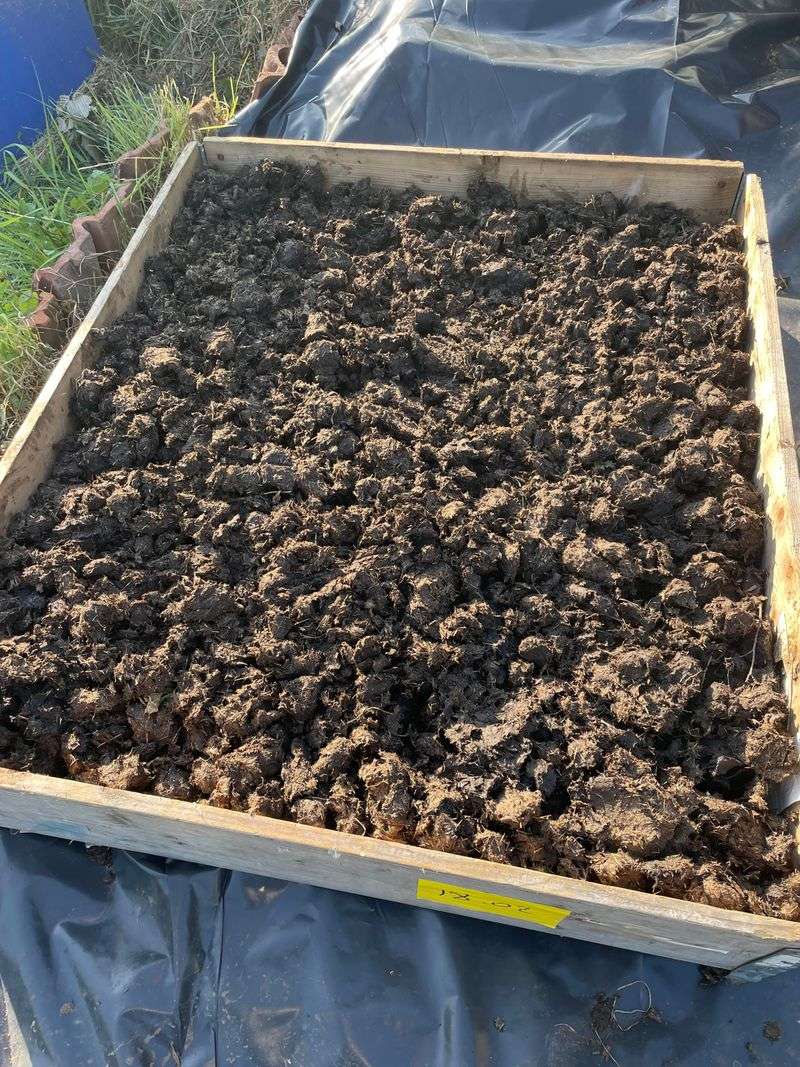
Livestock waste transforms into gardening gold after proper decomposition removes harmful pathogens and excess salts. Aged manure-amended soil delivers concentrated nutrition that hungry vegetable plants crave during peak growth periods.
Rural areas of North Carolina provide ready access to horse, cow, and chicken manure from local farms.
Nitrogen levels spike when manure gets incorporated, promoting lush foliage and robust stem development. Phosphorus and potassium content also increases, supporting flowering and fruit production in crops like tomatoes, peppers, and eggplants.
The slow-release nature prevents nutrient burn that can occur with fresh manure applications.
Soil structure improves dramatically as manure breaks down and integrates with existing particles. The organic matter increases water-holding capacity while maintaining adequate drainage.
Beneficial microorganisms multiply in manure-enriched environments, creating a thriving soil food web.
Proper aging requires at least six months to a year before manure becomes safe for vegetable gardens. Fresh manure can contain harmful bacteria and may burn plant roots with concentrated ammonia.
Composting accelerates the aging process while eliminating weed seeds and reducing odor concerns for suburban and urban gardeners.
Well-aged manure continues feeding plants gradually as the season progresses.
Vegetables grown in manure-amended soil often show deeper color and stronger overall vigor.
When managed carefully, this amendment supports long-term soil health rather than a short burst of growth.
6. Clay Soil Improved With Organic Matter

Heavy, dense earth presents challenges that seem overwhelming until you understand how to work with its natural characteristics. Clay soil improved with organic matter becomes one of the most fertile and productive mediums available to vegetable gardeners.
Many areas of North Carolina feature red clay that benefits tremendously from strategic amendments.
Particle size in clay is incredibly small, creating tight spaces that hold water and nutrients exceptionally well. The downside involves poor drainage and difficult workability when clay lacks organic content.
Adding compost, aged leaves, or other organic materials breaks up the dense structure and creates air pockets.
Transformation happens gradually as organic matter decomposes and integrates with clay particles. Patience pays off because improved clay soil retains fertility better than sandy or loamy alternatives.
The mineral content naturally present in clay provides trace elements that vegetables need for optimal health.
Working clay soil when it’s too wet causes compaction that can last for years. Waiting until moisture levels drop to the ideal range prevents this problem.
The squeeze test helps determine readiness: soil should form a ball but crumble when poked, not remain sticky or wet.
Once amended properly, clay soil supports steady growth because nutrients stay available instead of washing away after heavy rains.
Vegetables grown in improved clay often develop stronger stems and deeper root systems that handle North Carolina heat with less stress.
With consistent organic additions and careful timing, clay soil shifts from frustrating to dependable, rewarding gardeners who take the long-term approach.
7. Leaf Mold–Conditioned Soil

Fall foliage creates an abundant free resource that many gardeners overlook in their quest for perfect growing conditions. Leaf mold-conditioned soil incorporates decomposed leaves that have broken down into a dark, crumbly material resembling rich humus.
North Carolina’s deciduous forests provide endless supplies of leaves each autumn for this purpose.
Moisture retention improves significantly when leaf mold gets mixed into existing soil. The spongy texture absorbs water during rainfall or irrigation, then releases it slowly as plants need it.
This buffering effect helps vegetables survive dry spells without constant watering.
Fungal activity dominates the decomposition process that creates leaf mold, unlike bacterial-driven compost. These beneficial fungi form networks that help plant roots access nutrients and water more efficiently.
The resulting soil ecosystem supports healthier, more resilient vegetable plants throughout the growing season.
Creating leaf mold requires minimal effort compared to traditional composting methods. Simply pile fallen leaves in an out-of-the-way corner and let time do the work.
After one to two years, the leaves transform into a valuable soil conditioner that costs nothing but improves garden performance dramatically.
Leaf mold also helps loosen compacted ground, making garden beds easier to work while improving airflow and root expansion below the surface.
Vegetable roots grow deeper and spread more evenly in soil enriched with decomposed leaves, which supports stronger plants during heat and dry stretches.
With repeated use year after year, leaf mold gradually builds a stable, moisture-smart soil that performs consistently across North Carolina vegetable gardens.
8. Well-Draining Potting Soil For Containers
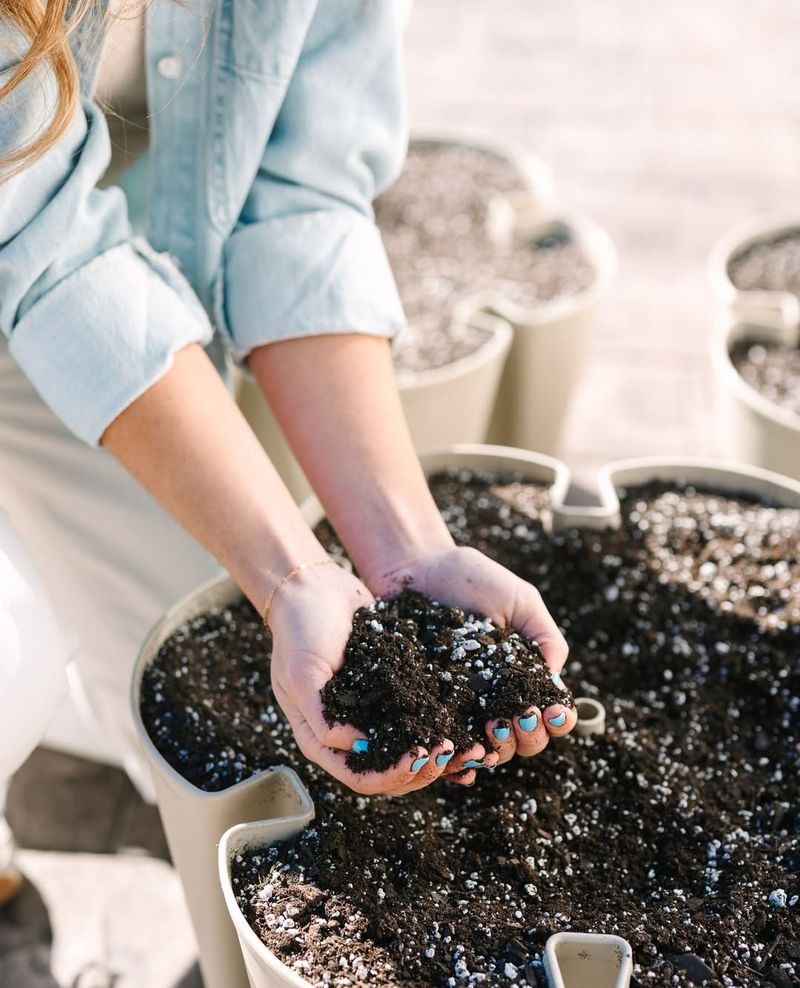
Space limitations don’t have to prevent you from enjoying fresh homegrown vegetables throughout the season. Well-draining potting soil for containers provides the specialized characteristics needed for successful pot cultivation.
Urban and suburban North Carolina gardeners rely on container growing when yard space is limited or nonexistent.
Lightweight composition makes potting soil easy to move and reduces stress on balconies, decks, and patios. The reduced weight comes from ingredients like peat moss, coconut coir, and perlite rather than heavy topsoil.
This engineered blend drains quickly while retaining enough moisture to prevent constant watering.
Soilless mixes eliminate concerns about soil-borne diseases and weed seeds that plague traditional garden beds. Starting with a sterile medium gives vegetables a clean slate for healthy development.
The controlled environment of containers also allows precise fertilizer management for optimal nutrition.
Container drainage becomes critical because excess water has nowhere to go except through bottom holes. Potting soil formulated for vegetables includes ingredients that prevent compaction even after repeated watering cycles.
Refreshing containers with new potting soil each season maintains optimal growing conditions and prevents nutrient depletion.
Potting soil also warms faster than in-ground soil, helping container vegetables establish roots quickly during cooler North Carolina spring weather.
Plants grown in high-quality potting mixes often show more uniform growth because water and nutrients distribute evenly through the container profile.
With consistent watering and feeding, well-draining potting soil supports productive container harvests from early planting through the end of the growing season.