10 Wildflower Seeds To Start In Georgia Gardens This January
January planting sounds wrong to a lot of people, yet Georgia’s winter rarely behaves the way the calendar suggests, leaving soil workable and conditions surprisingly cooperative when other states are locked down.
Wildflower success here isn’t decided in spring, it’s decided by when seeds meet the ground while competition is low and moisture patterns are steady.
Georgia’s mild winter stretches allow certain seeds to germinate gradually without fighting heat stress, aggressive weeds, or sudden dry spells that hit later in the season. That slower beginning often leads to stronger plants once growth accelerates.
Waiting until spring feels safer, but it often forces young seedlings into harsher conditions right away. Seeds started in January avoid that bottleneck entirely.
That difference shows up months later, when wildflowers grow thicker, bloom longer, and feel far more reliable across Georgia gardens.
1. California Poppies
Bright orange and yellow blooms make this wildflower a standout choice for any garden bed. Georgia gardeners love how easy these flowers are to grow, especially when you start them in January.
The seeds need cool soil to germinate properly, which is why winter planting works so well.
Your garden will benefit from the cheerful colors these poppies bring once spring arrives. They don’t require much attention after planting, making them ideal for beginners.
Just scatter the seeds over prepared soil and lightly press them down without covering them completely.
Sunlight is essential for California poppies to flourish in Georgia’s climate. Choose a spot that gets at least six hours of direct sun each day.
These flowers can handle dry conditions once established, so you won’t need to water them constantly.
Drainage matters more than you might think with these vibrant bloomers. Heavy clay soil common in parts of Georgia can cause problems if it stays too wet.
Mix in some sand or compost to improve drainage before planting your seeds.
January temperatures in Georgia provide the perfect cold stratification these seeds need. This natural process helps break down the seed coat, allowing for better germination.
You’ll see sprouts emerging as temperatures start warming up in late winter.
2. Plains Coreopsis
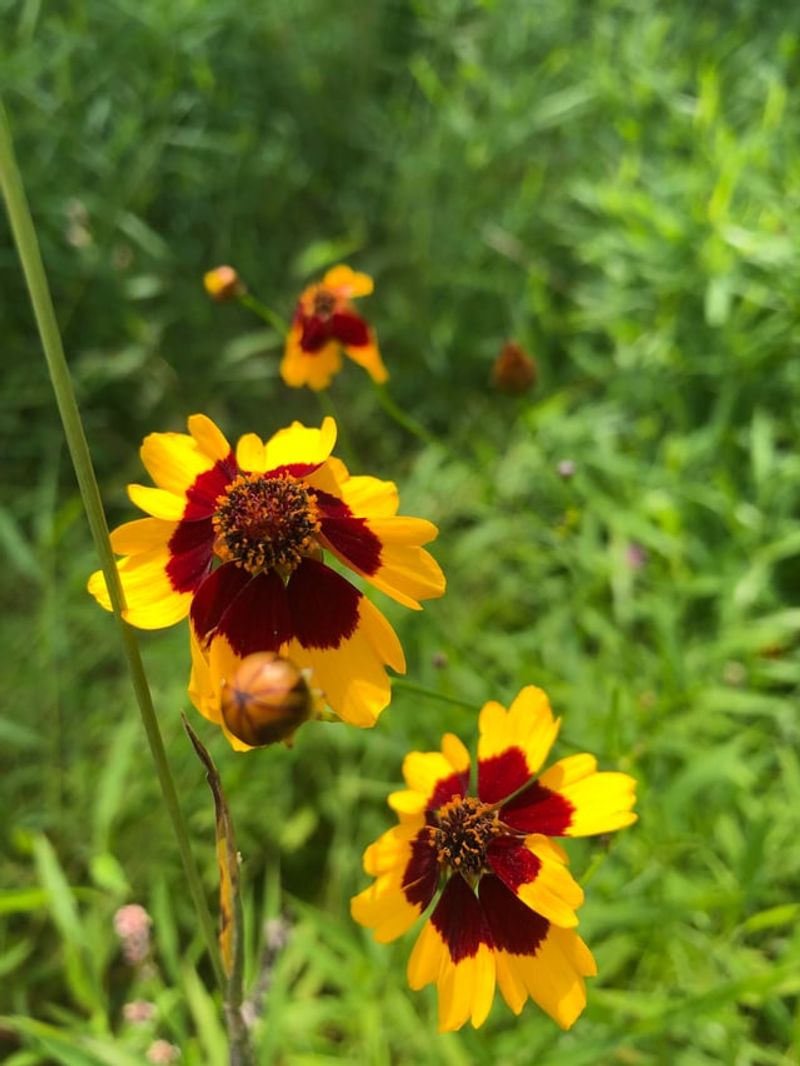
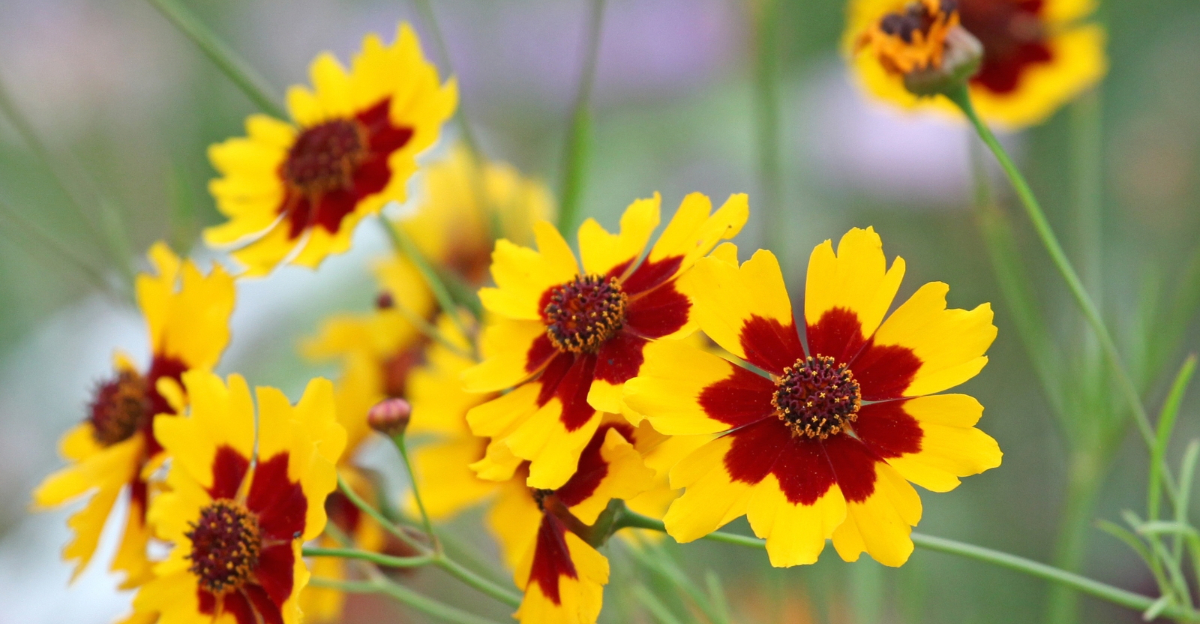
Golden-yellow petals with reddish centers create a stunning display that Georgia gardeners cherish. This native wildflower thrives in southern conditions and handles heat better than many other species.
January planting gives the seeds time to settle in before the growing season really takes off.
Soil preparation doesn’t need to be complicated for Plains Coreopsis to succeed. Average garden soil works just fine, and these flowers actually prefer lean conditions over rich, fertilized beds.
Too many nutrients can lead to excessive foliage with fewer blooms.
Water requirements are minimal once these plants establish themselves in your Georgia landscape. They’re drought-tolerant and can survive dry spells without looking stressed.
During the first few weeks after planting, keep the soil slightly moist to encourage germination.
Full sun exposure brings out the best in Plains Coreopsis flowers. They’ll produce more blooms and stronger stems when planted in bright, sunny locations.
Your Georgia Garden Changes Every Week. Your Plan Should Too.
Gardening in Georgia changes quickly throughout the season. Every Friday you’ll receive a simple weekly plan showing exactly what to plant, prune, fertilize, harvest, and protect so you never miss the right timing.
Shady spots can cause leggy growth and reduced flowering throughout the season.
Georgia’s native pollinators recognize Plains Coreopsis as a valuable food source. Butterflies, bees, and other beneficial insects flock to these cheerful yellow blooms.
Planting them in January means you’re preparing a pollinator buffet for spring and summer.
3. Black-Eyed Susan
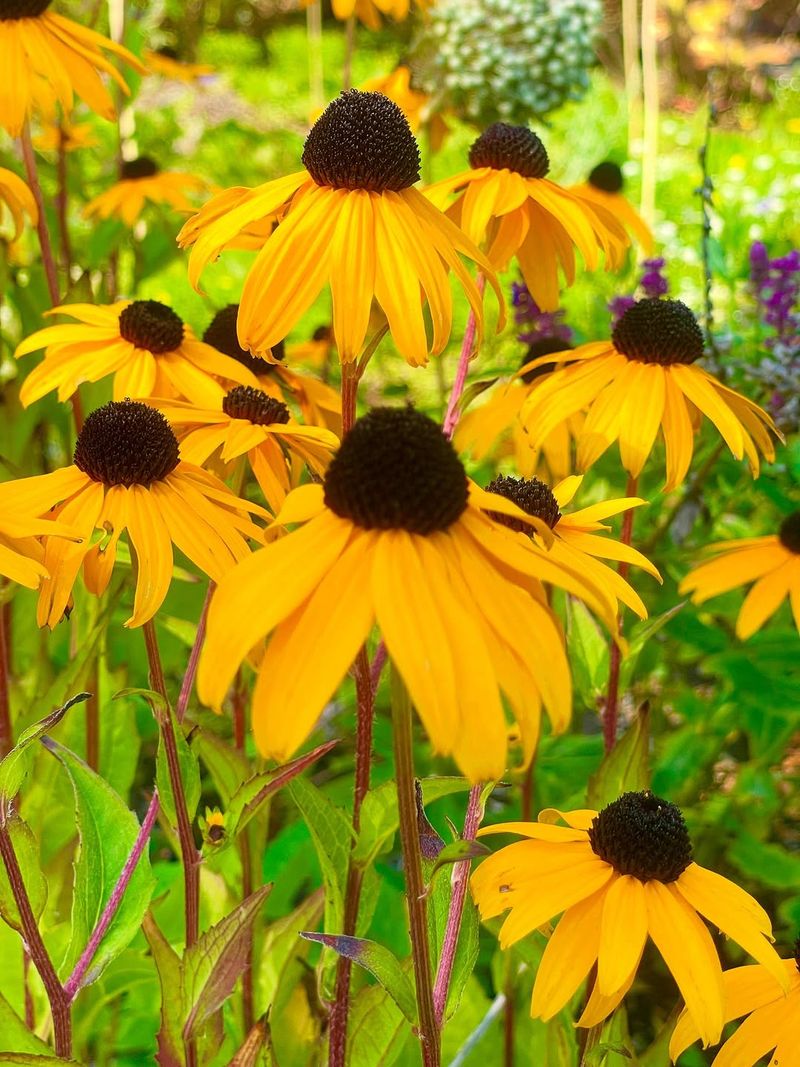
Cheerful golden petals surrounding dark brown centers make this wildflower instantly recognizable. Georgia gardens come alive with color when Black-Eyed Susans start blooming in late spring.
January is the perfect month to get these seeds started for a spectacular summer show.
Adaptability is one of the strongest traits of Black-Eyed Susans in Georgia landscapes. They grow well in various soil types, from sandy to clay-heavy ground.
As long as drainage is decent, these flowers will establish themselves without much fuss.
Sunlight needs are straightforward for Black-Eyed Susans to perform their best. They prefer full sun but can tolerate partial shade in Georgia’s hot summers.
More sun typically means more blooms and sturdier plants overall.
Watering can be minimal once these wildflowers get established in your garden. They handle dry conditions remarkably well, making them suitable for low-maintenance landscapes.
During germination, keep the soil consistently moist but never soggy.
Georgia’s climate suits Black-Eyed Susans perfectly, as they’re native to the southeastern United States. They’ve adapted to the region’s weather patterns over thousands of years.
This natural advantage makes them more reliable than non-native species.
4. Blanket Flower
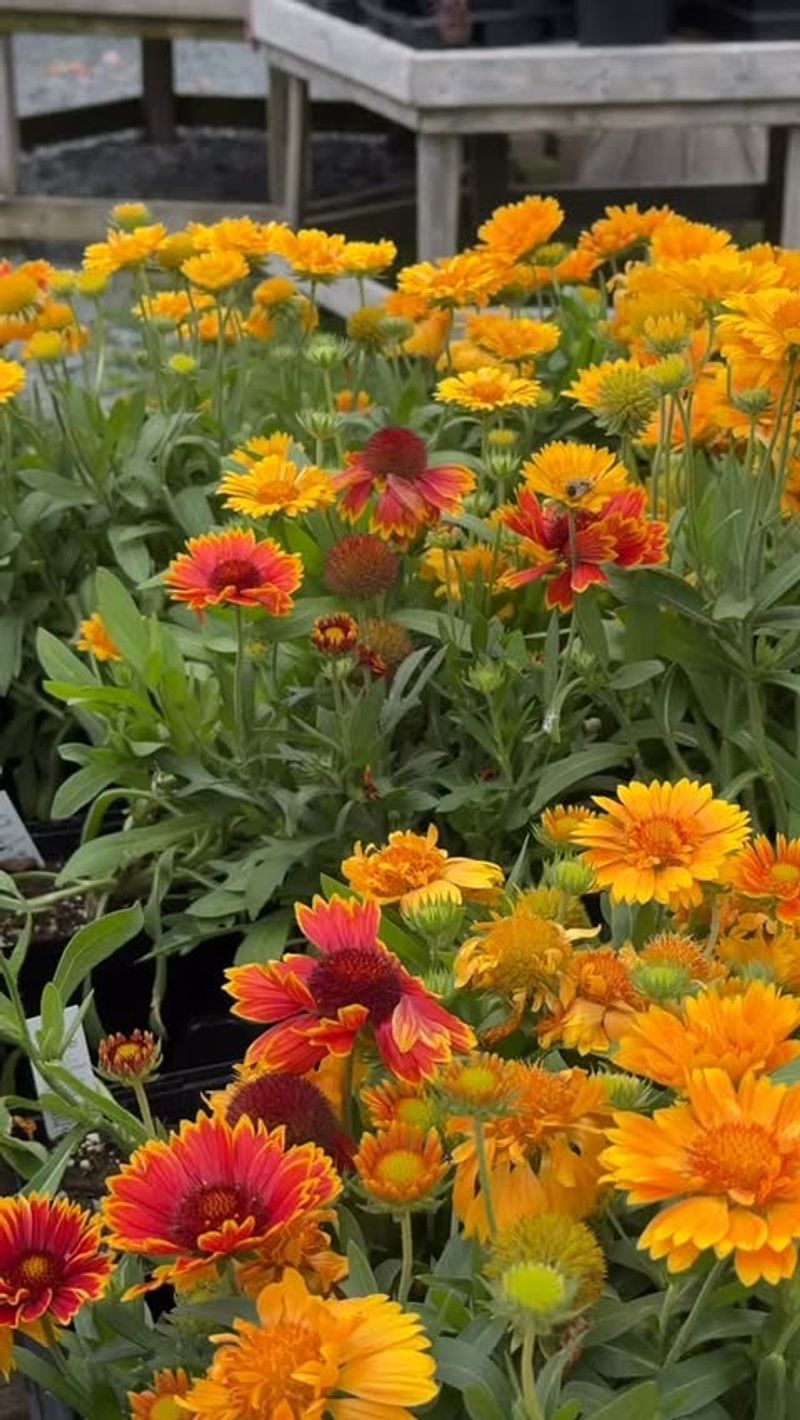
Fiery red and yellow blooms create a warm, welcoming atmosphere in any Georgia garden. Blanket Flowers bring southwestern charm to southern landscapes with their bold color combinations.
Starting seeds in January gives these perennials time to develop strong root systems before summer heat arrives.
Drought tolerance makes Blanket Flowers particularly valuable in Georgia’s sometimes unpredictable climate. Once established, they can go weeks without supplemental watering.
This trait saves time and resources while still providing beautiful blooms throughout the growing season.
Soil preferences lean toward well-drained, sandy conditions for optimal Blanket Flower performance. Heavy clay soil common in parts of Georgia needs amendment with sand or compost.
Good drainage prevents root problems that can shorten the life of these otherwise hardy plants.
Full sun exposure is essential for maximum blooming and plant vigor. Georgia gardeners should choose the sunniest spots available for Blanket Flowers.
Shade causes weak, floppy growth and significantly reduces flower production.
Blooming begins in late spring and continues until frost in many Georgia locations. The long flowering period provides constant color and nectar for pollinators.
Removing spent blooms encourages even more flowers to develop throughout summer.
Height typically reaches 12 to 18 inches, creating a compact, bushy appearance. This makes Blanket Flowers suitable for front borders, rock gardens, or container plantings.
Their mounding habit fills spaces nicely without overwhelming nearby plants.
5. Cornflower
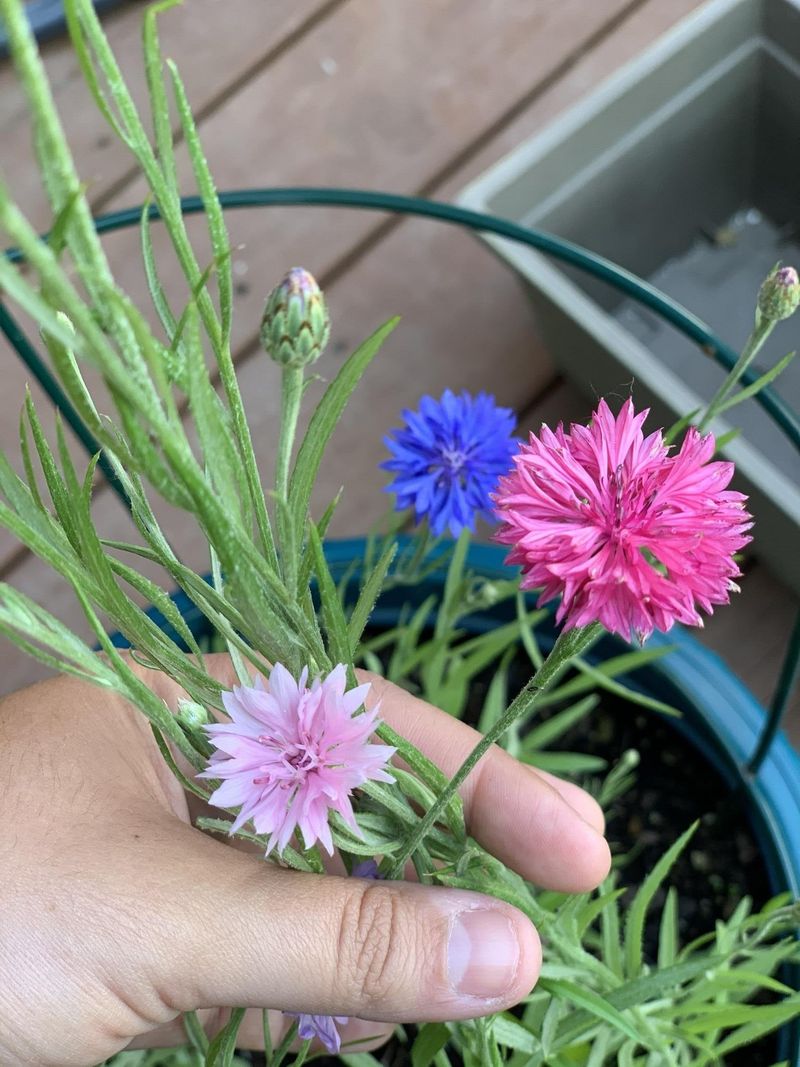
True blue flowers are rare in the plant world, making Cornflowers especially valuable. Georgia gardens gain a cool, calming color when these wildflowers bloom in spring.
January planting allows the seeds to experience the cold period they need for best germination rates.
Easy cultivation makes Cornflowers perfect for beginning gardeners across Georgia. They don’t demand special soil conditions or complicated care routines.
Simply scatter seeds in prepared garden beds and nature handles most of the work.
Cool-season growth patterns mean Cornflowers perform best when started in winter months. Georgia’s mild January temperatures provide ideal conditions for seed germination.
The plants develop strong roots during cool weather, preparing them for spring blooming.
Sunlight requirements are moderate, with Cornflowers accepting full sun or partial shade. In Georgia’s intense summer heat, some afternoon shade can actually benefit these flowers.
Morning sun with afternoon protection often produces the healthiest plants.
Water needs are average during the growing season for Cornflowers in Georgia. Keep soil evenly moist but not waterlogged, especially during germination and early growth.
Established plants tolerate short dry periods better than constantly wet conditions.
6. Larkspur
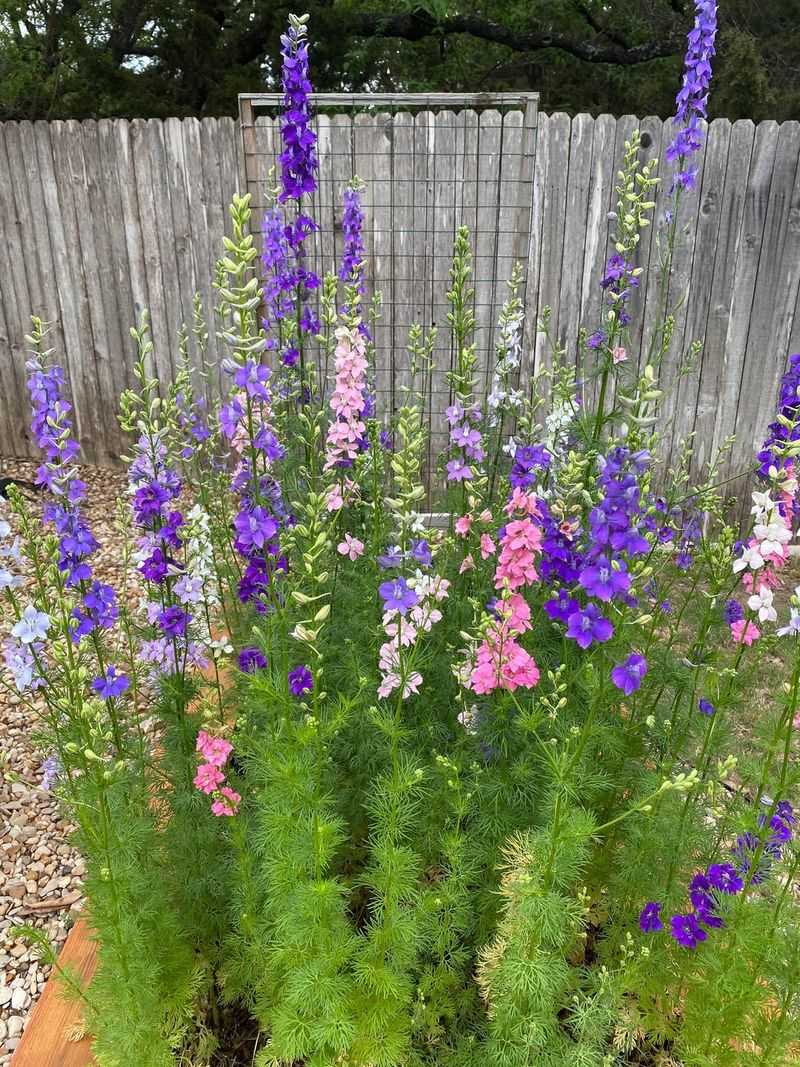
Tall spikes of purple, pink, blue, and white flowers create vertical interest in Georgia gardens. Larkspur adds height and elegance to wildflower plantings when started in January.
The cool-season nature of these flowers makes winter planting essential for success.
Cold stratification requirements mean Larkspur seeds actually need winter temperatures to germinate properly. Georgia’s January weather provides this naturally when seeds are sown outdoors.
Trying to plant them in spring often results in poor germination and weak plants.
Soil preparation should include organic matter to help retain moisture for Larkspur. These flowers prefer slightly richer soil than many other wildflowers.
Mix compost into garden beds before planting seeds for best results across Georgia.
Full sun locations produce the tallest, most flower-laden Larkspur plants. Georgia gardeners should choose spots with at least six hours of direct sunlight daily.
Some afternoon shade is acceptable, especially in the hottest parts of the state.
Staking becomes necessary as Larkspur grows tall in Georgia gardens. The flower spikes can reach 3 to 4 feet, making them prone to toppling in wind.
Install supports early so plants grow around them naturally.
Bloom time occurs in late spring to early summer across most of Georgia. The flowers appear when many other wildflowers are just getting started.
This creates interest and color during the transition period between spring and summer.
7. Sweet Peas
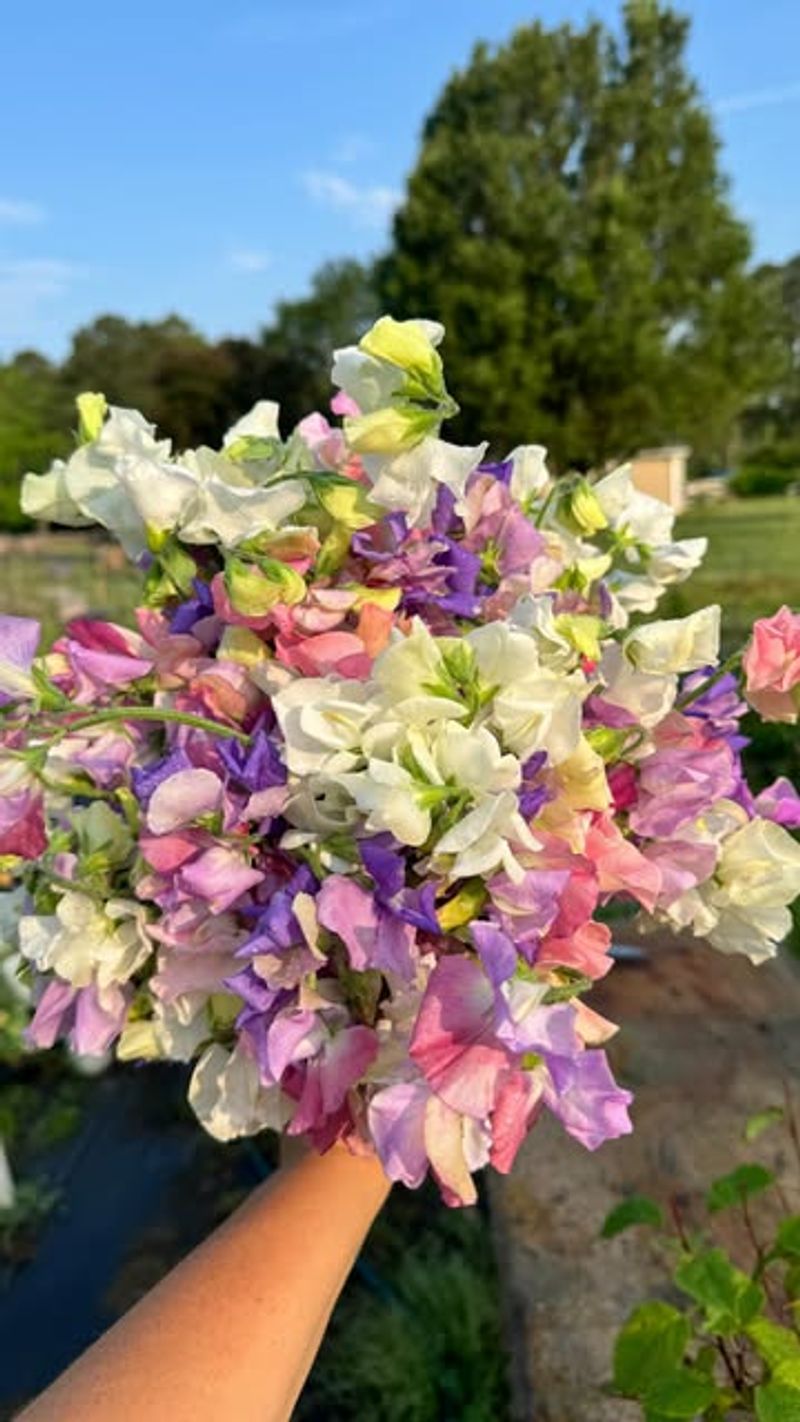
Fragrant blooms in pastel shades make Sweet Peas a romantic addition to Georgia gardens. The climbing vines need support structures but reward gardeners with abundant flowers.
January planting is crucial because these cool-season favorites struggle in hot weather.
Climbing habits mean Sweet Peas need trellises, fences, or other supports in Georgia landscapes. Plan your planting location with this in mind before sowing seeds.
The vines can reach 6 feet or more, creating beautiful vertical displays.
Soil enrichment helps Sweet Peas perform at their best throughout the growing season. Add compost or aged manure to planting areas before sowing seeds.
These flowers appreciate richer soil than many drought-tolerant wildflowers.
Cool temperatures are essential for Sweet Pea success in Georgia. Starting seeds in January allows plants to establish before heat arrives.
Once summer temperatures consistently exceed 85 degrees, Sweet Peas typically stop blooming and decline.
Sunlight preferences lean toward full sun in northern Georgia and partial shade farther south. The cooler your location, the more sun these flowers can handle.
In hotter areas, afternoon shade helps extend the blooming season.
Watering needs are consistent throughout the growing period for Sweet Peas. Keep soil evenly moist but not soggy, especially during flowering.
Dry conditions cause buds to drop and reduce overall bloom production in Georgia gardens.
8. Bachelor’s Buttons
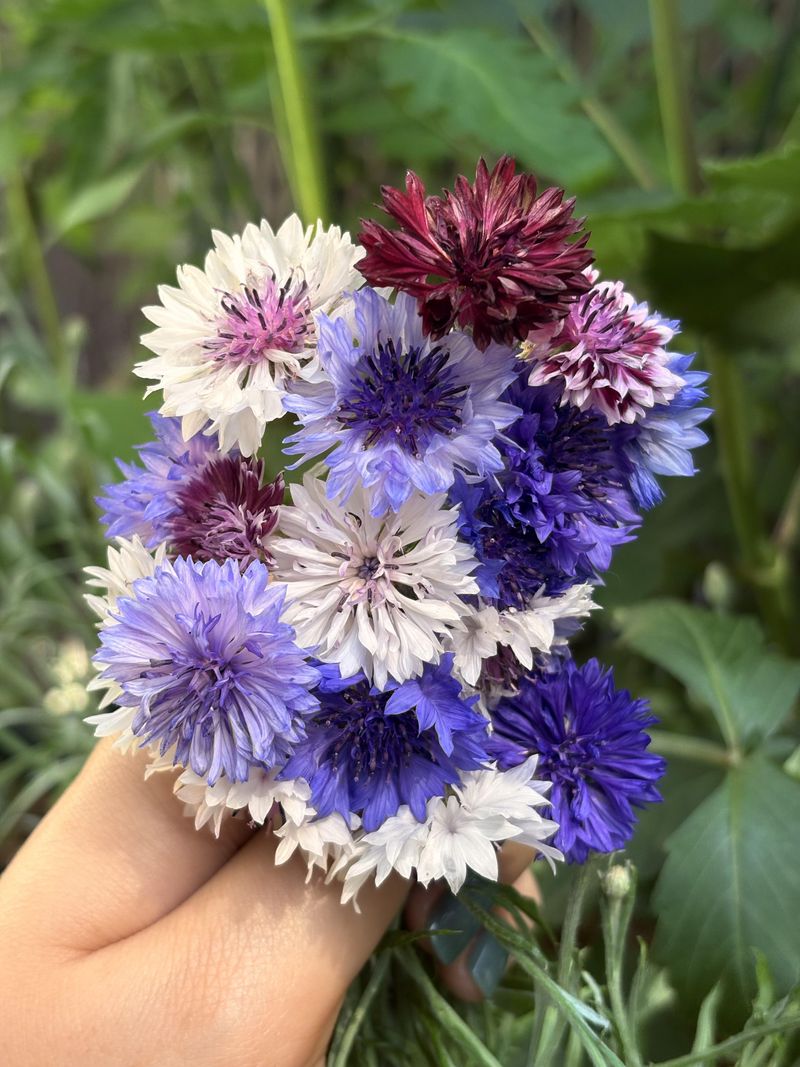
Charming blue, pink, and white flowers create a cottage garden atmosphere in Georgia landscapes. Bachelor’s Buttons are among the easiest wildflowers to grow from seed.
January planting gives these cool-season bloomers the start they need for spectacular spring displays.
Carefree growth habits make Bachelor’s Buttons perfect for low-maintenance Georgia gardens. They don’t need fertilizing, frequent watering, or special attention.
Simply plant them in decent soil and enjoy the results as spring arrives.
Direct seeding works best for Bachelor’s Buttons rather than transplanting seedlings. Scatter seeds over prepared garden beds in January and lightly rake them in.
The seeds will germinate when conditions become favorable in late winter.
Full sun produces the most abundant flowering in Georgia’s climate. These wildflowers can tolerate some light shade but bloom less prolifically.
Choose the sunniest available spots for best results throughout the growing season.
Drought tolerance develops once Bachelor’s Buttons establish themselves in the garden. Young seedlings need consistent moisture, but mature plants handle dry spells.
This makes them suitable for Georgia’s sometimes unpredictable spring rainfall patterns.
Cutting gardens benefit from generous plantings of Bachelor’s Buttons across Georgia. The flowers are excellent for fresh bouquets and also dry well.
Harvest stems when flowers are fully open for either fresh or dried arrangements.
9. Lupine
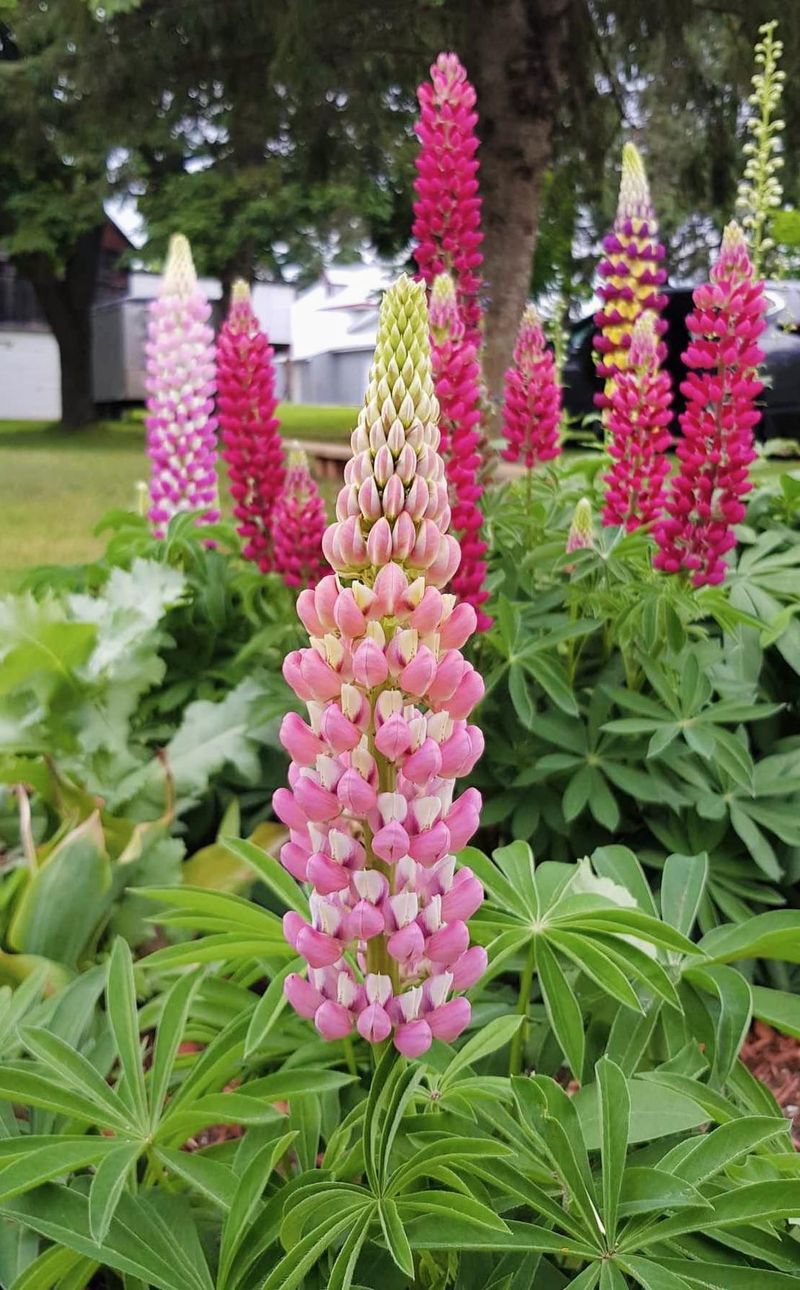
Spectacular flower spikes in jewel tones transform Georgia gardens into showpieces. Lupine brings drama and vertical interest to wildflower plantings.
January sowing gives these special flowers the cold treatment they require for germination success.
Scarification improves germination rates significantly with Lupine seeds. Nick the hard seed coat with a file or sandpaper before planting.
This allows moisture to penetrate and triggers the germination process more reliably in Georgia conditions.
Soil preferences lean toward slightly acidic conditions for Lupine in Georgia. Most Georgia soil naturally tends acidic, which works perfectly.
Avoid adding lime or other alkaline amendments where you plan to grow these flowers.
Cool-season growth patterns mean Lupine performs best with winter or early spring planting. Georgia’s January temperatures provide ideal conditions for seed germination.
The plants develop during cool months and bloom in late spring before heat arrives.
Full sun to partial shade works well for Lupine across different parts of Georgia. In northern areas, full sun is fine.
Southern gardeners might provide afternoon shade to protect plants from intense heat.
Water requirements are moderate to high during Lupine’s active growing season. Keep soil consistently moist but never waterlogged.
Good drainage is essential because wet roots can cause problems despite the plants’ need for moisture.
10. Poppies
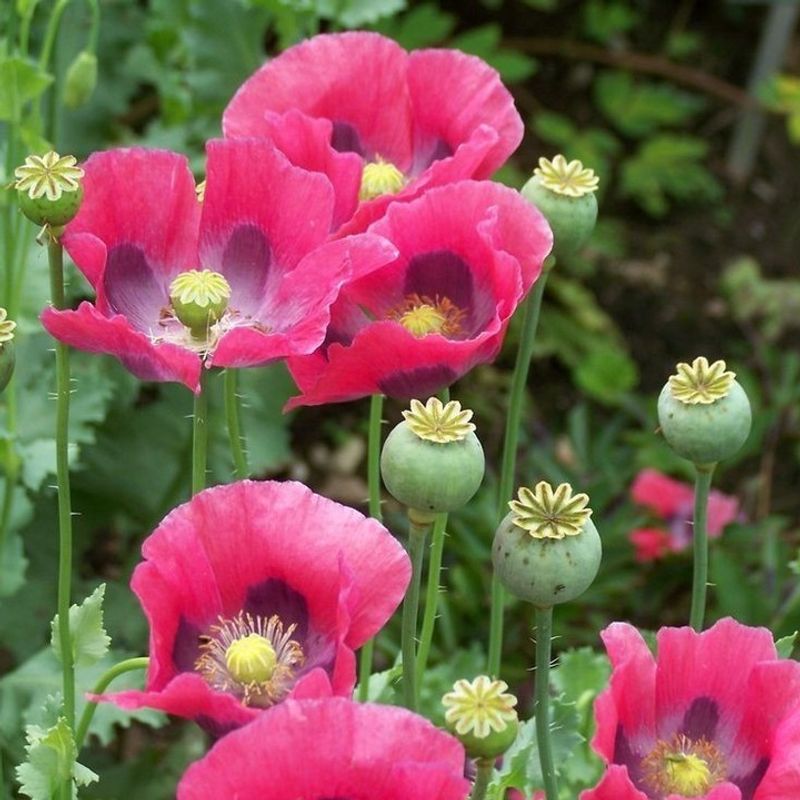
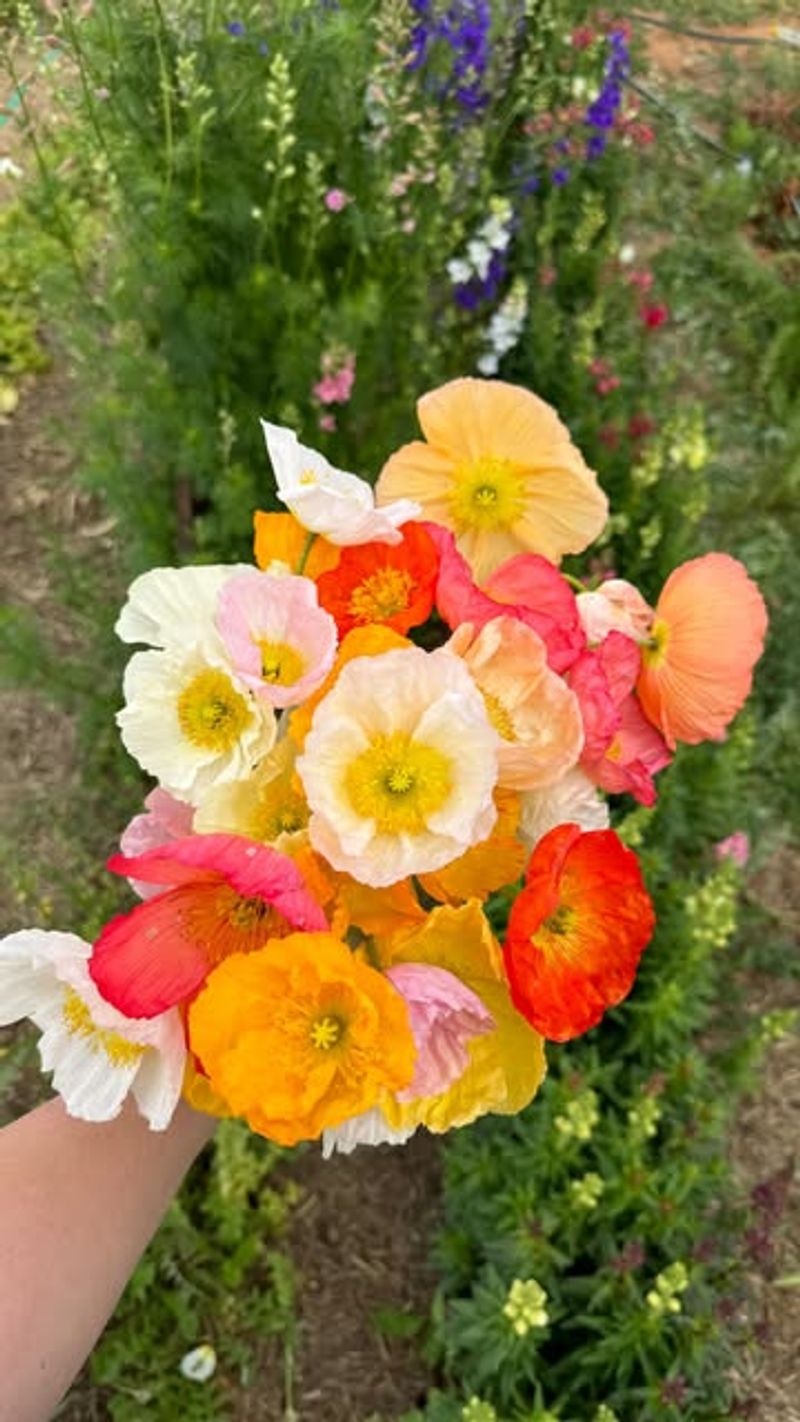
Delicate, papery petals in vivid colors make poppies unforgettable in Georgia gardens. These wildflowers bring an ethereal quality to landscapes when they bloom in spring.
January planting allows seeds to experience the temperature fluctuations they need for successful germination.
Various species offer different characteristics for Georgia gardeners to choose from. Shirley poppies provide pastel shades while Oriental poppies deliver bold, saturated colors.
Consider what color scheme fits your garden vision when selecting seeds.
Direct seeding is essential because poppies dislike transplanting in Georgia conditions. Scatter seeds where you want them to grow permanently.
Trying to move established plants usually results in failure and disappointment.
Sunlight needs are straightforward for most poppy varieties across Georgia. Full sun produces the best flowering and strongest plants.
Some light afternoon shade is acceptable in the hottest parts of the state.
Soil drainage matters more than fertility when growing poppies in Georgia. They tolerate poor soil but cannot survive in waterlogged conditions.
Sandy or amended clay soil works well as long as water doesn’t collect.
Bloom time is relatively short but spectacular when poppies flower in Georgia. The display typically lasts 2 to 3 weeks in late spring.
Plant other flowers nearby to provide color after poppies finish their show.