How To Water Succulents During Arizona’s Dry Climate
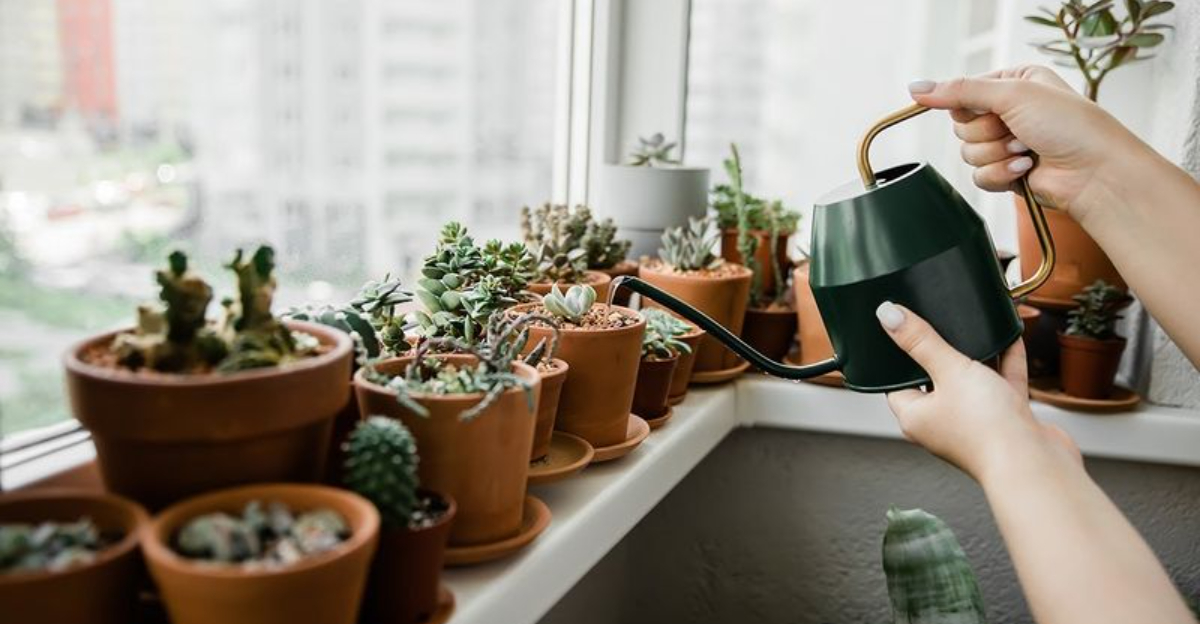
Watering succulents in Arizona can feel tricky, especially with the intense sun and dry air. Too much water can rot the roots, while too little can leave your plants shriveled and weak.
One wrong move can ruin a healthy succulent. Arizona’s desert climate means your watering routine needs to be smarter, not heavier.
More water isn’t always better. With the right timing and simple techniques, you can keep your succulents plump, colorful, and thriving all year long.
Happy succulents start with smart watering habits. Whether your plants live indoors or outside, small adjustments can make a huge difference.
Your desert plants don’t have to struggle. Let’s break down the best ways to water succulents properly in Arizona’s dry climate.
1. Understand The Soak And Dry Method
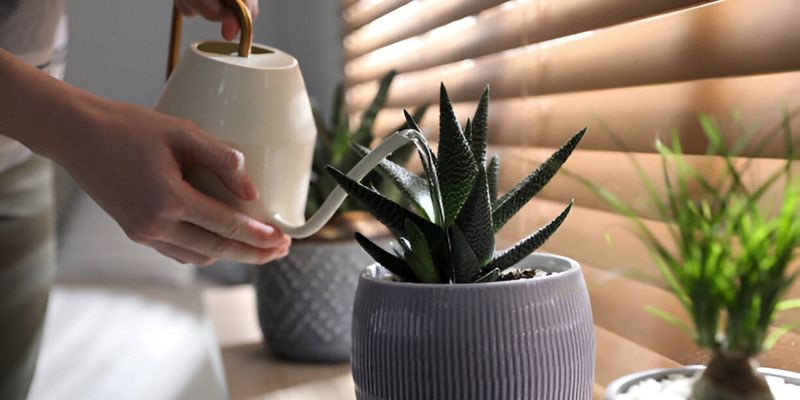
Succulents have evolved to survive long periods without water, storing moisture in their thick leaves and stems. In Arizona’s dry climate, mimicking their natural desert environment means watering deeply but infrequently.
The soak and dry method is the gold standard for succulent care, and it’s surprisingly simple once you get the hang of it.
When you water, drench the soil completely until water runs out of the drainage holes at the bottom of the pot. This ensures the roots get a thorough drink and encourages them to grow deeper and stronger.
After watering, wait until the soil is completely dry before watering again. In Arizona, this might mean watering every 7 to 14 days during the hot summer months, but only once every 3 to 4 weeks in the cooler winter.
To check if your succulent needs water, stick your finger about an inch into the soil. If it feels dry, it’s time to water.
If it’s still moist, wait a few more days. Arizona’s low humidity means soil dries out faster than in other climates, so you might water more often than gardeners in humid areas.
Avoid misting your succulents, as this only wets the surface and doesn’t reach the roots. Shallow watering encourages weak, shallow root systems that can’t support healthy growth.
The soak and dry method strengthens your plants and helps them withstand Arizona’s intense heat. Remember, succulents are built to handle drought, so when in doubt, err on the side of underwatering.
Overwatering is the number one cause of succulent problems, especially in Arizona’s desert conditions.
2. Adjust Watering Frequency By Season
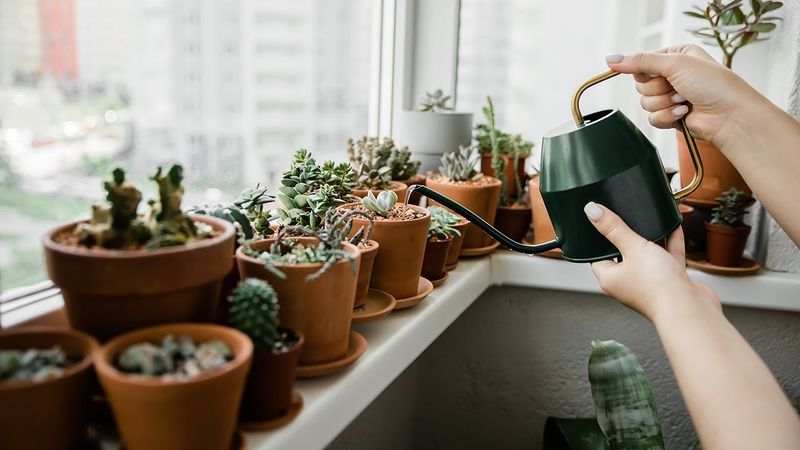
Arizona’s climate swings between blazing hot summers and surprisingly cool winters, and your succulents notice the difference. During summer, when temperatures soar above 100 degrees, your plants are actively growing and using more water.
They’ll need more frequent watering to stay healthy and hydrated. In contrast, winter brings cooler temperatures that slow down growth, meaning your succulents need far less water.
From May through September, Arizona’s summer heat can be brutal. Your succulents might need watering every week or even twice a week if they’re in small pots or exposed to full sun.
Watch for signs like slightly wrinkled leaves, which indicate your plant is thirsty. However, don’t panic at the first sign of stress.
Your Arizona Garden Changes Every Week. Your Plan Should Too.
Gardening in Arizona changes quickly throughout the season. Every Friday you’ll receive a simple weekly plan showing exactly what to plant, prune, fertilize, harvest, and protect so you never miss the right timing.
Succulents are tough and can handle a little drought better than too much water.
When fall and winter arrive in Arizona, temperatures drop and your succulents enter a semi-dormant phase. During this time, they need much less water, sometimes only once a month or even less.
Overwatering during winter is a common mistake that can lead to root rot and other problems. The cooler air and reduced sunlight mean the soil stays moist longer, so always check before watering.
Pay attention to rainfall too. Arizona does get monsoon storms in late summer, which can drench your outdoor succulents.
After a good rain, skip your regular watering schedule and let the soil dry out naturally. Adjusting your watering routine by season keeps your succulents thriving year-round in Arizona’s ever-changing climate.
3. Choose Pots With Proper Drainage
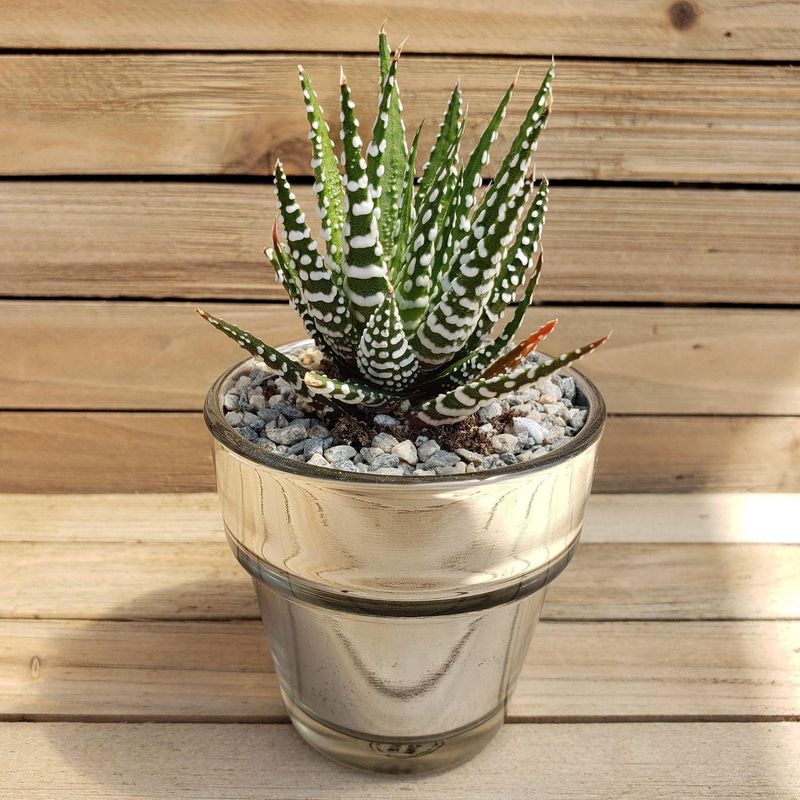
Drainage is absolutely critical when growing succulents in Arizona. Even though the climate is dry, using pots without drainage holes is a recipe for disaster.
When water can’t escape, it pools at the bottom and creates a soggy environment that suffocates roots. In Arizona’s heat, this problem can escalate quickly, turning a healthy plant into a mushy mess in just days.
Always choose pots with at least one drainage hole at the bottom. Terracotta pots are especially popular for succulents because they’re porous and allow excess moisture to evaporate through the sides.
This helps prevent overwatering, which is especially helpful for beginners. Ceramic and plastic pots work too, as long as they have proper drainage.
If you fall in love with a decorative pot without holes, use it as a cover pot and keep your succulent in a smaller pot with drainage inside.
In Arizona, where the sun beats down relentlessly, dark-colored pots can heat up quickly and stress your plants. Lighter-colored pots reflect heat and keep the roots cooler.
Consider this when choosing containers, especially for outdoor succulents. The size of the pot matters too.
Small pots dry out faster in Arizona’s dry air, which means more frequent watering. Larger pots hold moisture longer, which can be beneficial during the hottest months.
Adding a layer of gravel or small rocks at the bottom of the pot doesn’t improve drainage, contrary to popular belief. Instead, it creates a water table that can harm roots.
Focus on using well-draining soil and pots with holes for the best results in Arizona’s demanding climate.
4. Use Well-Draining Soil Mix
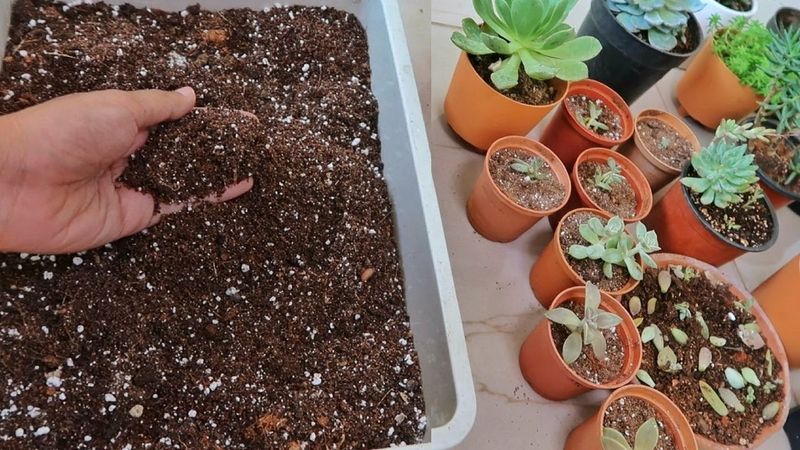
Regular potting soil holds too much moisture for succulents, especially in Arizona where you need soil that dries out quickly. Succulents thrive in gritty, well-draining soil that allows water to flow through easily and air to reach the roots.
Creating or buying the right soil mix is one of the most important steps for successful succulent care in the desert.
Commercial cactus and succulent soil mixes are widely available at garden centers throughout Arizona and work well for most plants. These mixes typically contain a blend of organic matter and inorganic materials like perlite, pumice, or coarse sand.
The inorganic materials create air pockets and prevent the soil from compacting, which helps water drain quickly. If you want to make your own mix, combine regular potting soil with an equal amount of perlite or pumice for excellent results.
In Arizona’s intense heat, soil can dry out extremely fast, especially in small pots or outdoor containers. While well-draining soil is essential, you don’t want it to dry out so quickly that your succulents can’t absorb enough water.
Finding the right balance takes some experimentation. If your soil dries out in just a day or two, add a bit more organic matter. If it stays wet for more than a week, add more perlite or sand.
Avoid using garden soil or heavy clay-based soils, as these retain too much moisture and can suffocate succulent roots. Arizona’s native soil is often very alkaline and clay-heavy, so always use a proper succulent mix in containers.
The right soil makes watering easier and helps your plants stay healthy even during Arizona’s hottest, driest months.
5. Water In The Morning Or Evening
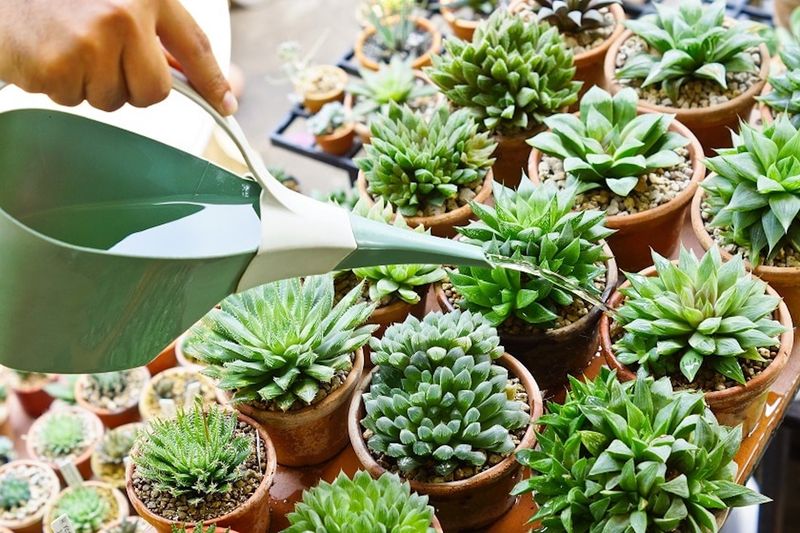
Timing matters when watering succulents in Arizona’s extreme heat. Watering during the hottest part of the day can shock your plants and cause the water to evaporate before it reaches the roots.
Early morning or evening watering gives your succulents the best chance to absorb moisture before the sun gets too intense.
Morning watering is generally the best choice for Arizona gardeners. The cooler temperatures allow water to soak into the soil and reach the roots without rapid evaporation.
As the day heats up, any excess moisture on the leaves or soil surface will evaporate quickly, reducing the risk of fungal problems. Morning watering also gives your plants a fresh drink to help them handle the day’s heat.
This is especially important during Arizona’s brutal summer months when afternoon temperatures can exceed 110 degrees.
Evening watering is another option, particularly if mornings are too rushed or you forget. However, be cautious about watering too late in the day.
If moisture sits on the leaves or soil overnight, it can create conditions for rot or fungal growth.
In Arizona’s dry climate, this is less of a concern than in humid areas, but it’s still worth considering. Aim to water a few hours before sunset so any excess moisture can evaporate.
Avoid watering in the middle of the day when the sun is at its peak. The intense Arizona heat can cause water droplets on leaves to act like tiny magnifying glasses, potentially burning the plant tissue.
Additionally, water evaporates so quickly that your succulents won’t get the full benefit. Stick to morning or evening watering for the healthiest, happiest plants.
6. Monitor For Signs Of Over Or Underwatering
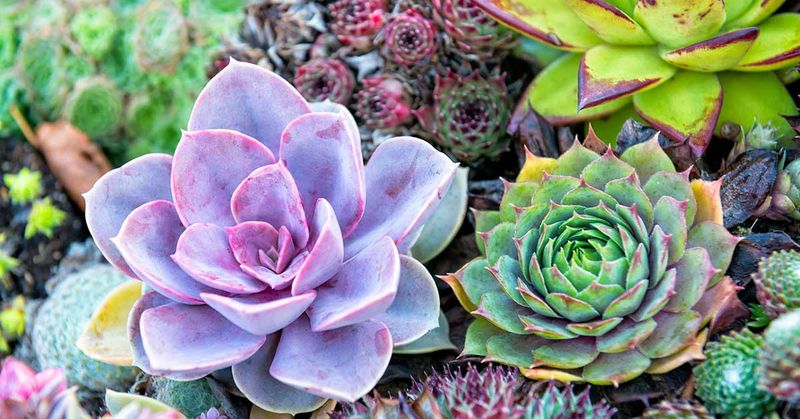
Learning to read your succulents is one of the most valuable skills for Arizona gardeners. Plants communicate their needs through subtle changes in appearance, and catching problems early can save your succulents from serious damage.
Both overwatering and underwatering have distinct symptoms, and knowing the difference is crucial in Arizona’s challenging climate.
Overwatering is the most common problem, even in dry Arizona. Signs include soft, mushy leaves that may turn yellow or translucent.
The leaves might fall off at the slightest touch, and you may notice a foul smell from the soil, indicating root rot. Overwatered succulents often look swollen and bloated rather than plump and healthy.
If you suspect overwatering, stop watering immediately and let the soil dry out completely. You may need to repot the plant in fresh, dry soil if the roots are damaged.
Underwatering shows up differently. Leaves become wrinkled, shriveled, or deflated-looking, starting from the bottom of the plant and working up.
The plant may look droopy or weak, and leaves might develop brown, crispy edges. In Arizona’s dry heat, underwatering can happen quickly, especially with outdoor succulents in small pots. If you catch it early, a good deep watering will usually revive your plant within a day or two.
Pay attention to your specific plants and their individual needs. Some succulents are more drought-tolerant than others, and different varieties have different watering requirements.
Keep notes on your watering schedule and observe how your plants respond. Arizona’s climate can be tough on succulents, but with careful observation and adjustments, you’ll develop an intuition for when your plants need water.