7 Ways To Propagate A Lipstick Plant In Arizona That Will Make Spring Explode With Growth
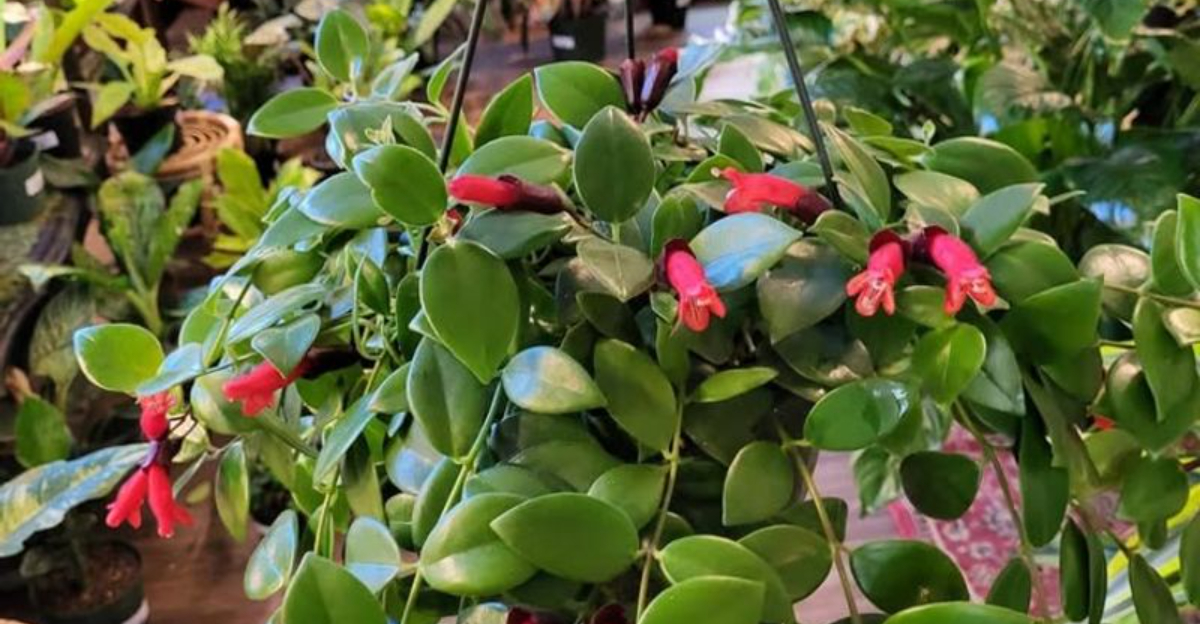
Lipstick plants are a favorite for Arizona gardeners, prized for their bright tubular flowers and lush foliage. Propagating them correctly now can ensure a burst of growth and vibrant blooms when spring arrives.
Start propagation today and enjoy a show-stopping plant in just a few months. These techniques include stem cuttings, leaf propagation, layering, and proper care for soil, light, and moisture.
Arizona gardeners know that timing, healthy parent plants, and consistent attention make the difference between slow growth and a thriving, flowering plant. Following these steps helps new lipstick plants develop strong roots and abundant foliage.
Healthy propagation now sets the stage for a spectacular spring display. Homeowners who apply these methods can expand their collection, create gifts for friends, or simply enjoy fuller, more vibrant plants in the coming season.
Propagate your lipstick plant successfully and watch your garden explode with color.
1. Stem Cuttings In Water
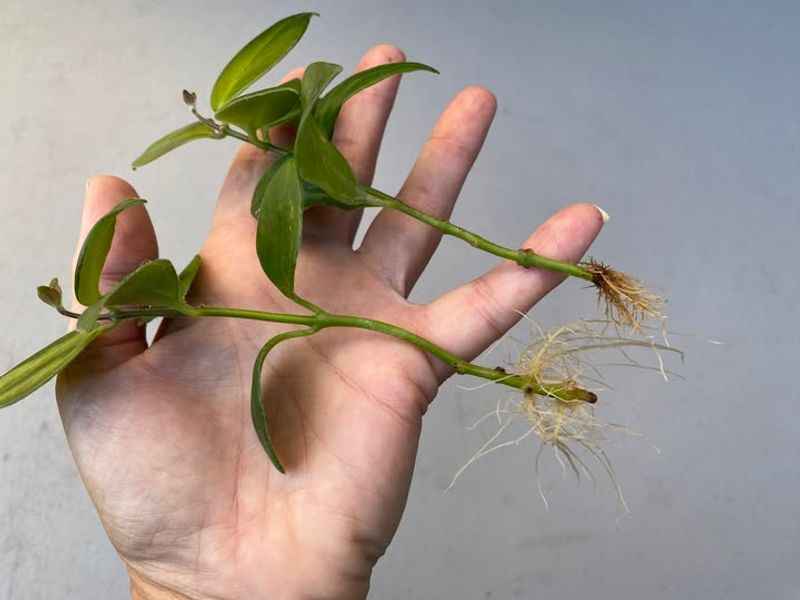
Water propagation is one of the most satisfying methods because you can watch roots appear right before your eyes.
Start by selecting a healthy vine from your lipstick plant and snip a cutting that measures about four to six inches long, making sure it has at least two or three sets of leaves.
Remove the bottom leaves so they won’t rot in the water, leaving only the top foliage intact. Place your cutting in a clear glass or jar filled with room-temperature water, positioning it so the nodes are submerged but the leaves stay above the waterline.
Set the container in a bright spot with indirect sunlight, like a windowsill that doesn’t get harsh afternoon rays. Change the water every few days to keep it fresh and prevent bacteria from forming.
Within two to four weeks, you’ll notice tiny white roots emerging from the nodes, and once they reach about an inch or two in length, your cutting is ready to pot. Arizona’s dry air can cause water to evaporate quickly, so check the level daily and top it off as needed.
This method is gentle, forgiving, and perfect for beginners who want to see every stage of root development unfold.
2. Stem Cuttings In Soil
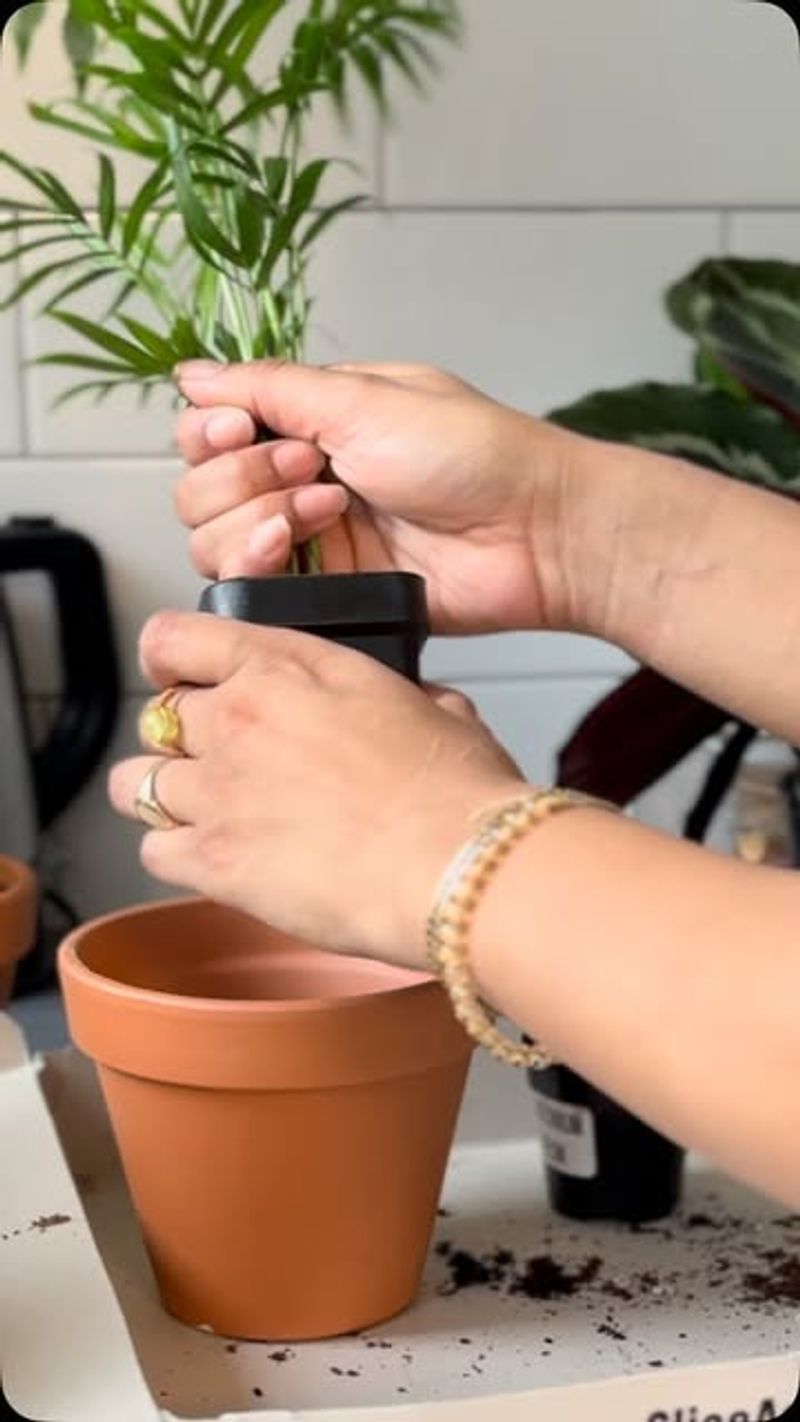
Planting cuttings directly into soil is a classic approach that encourages strong, robust root systems from the start.
Choose a healthy stem about four to six inches long and make a clean cut just below a node using sharp, sterilized scissors or pruning shears.
Dip the cut end into rooting hormone powder or gel, which helps stimulate faster root growth and boosts your success rate in Arizona’s arid indoor conditions.
Prepare a small pot with well-draining potting mix, ideally a blend designed for succulents or houseplants that won’t hold too much moisture. Insert the cutting about an inch or two deep into the soil, then gently firm the mix around it to hold it upright.
Water lightly to settle the soil, but avoid soaking it completely, as too much moisture can lead to rot.
Place your pot in a shaded spot on your patio or a bright indoor location away from direct sun, which can scorch tender new growth. Keep the soil slightly moist but never soggy, checking it every few days with your finger.
Your Arizona Garden Changes Every Week. Your Plan Should Too.
Gardening in Arizona changes quickly throughout the season. Every Friday you’ll receive a simple weekly plan showing exactly what to plant, prune, fertilize, harvest, and protect so you never miss the right timing.
Roots typically form within three to six weeks, and once you see new leaves sprouting, you’ll know your cutting has taken hold and is ready to flourish.
3. Tip Cuttings For Faster Rooting
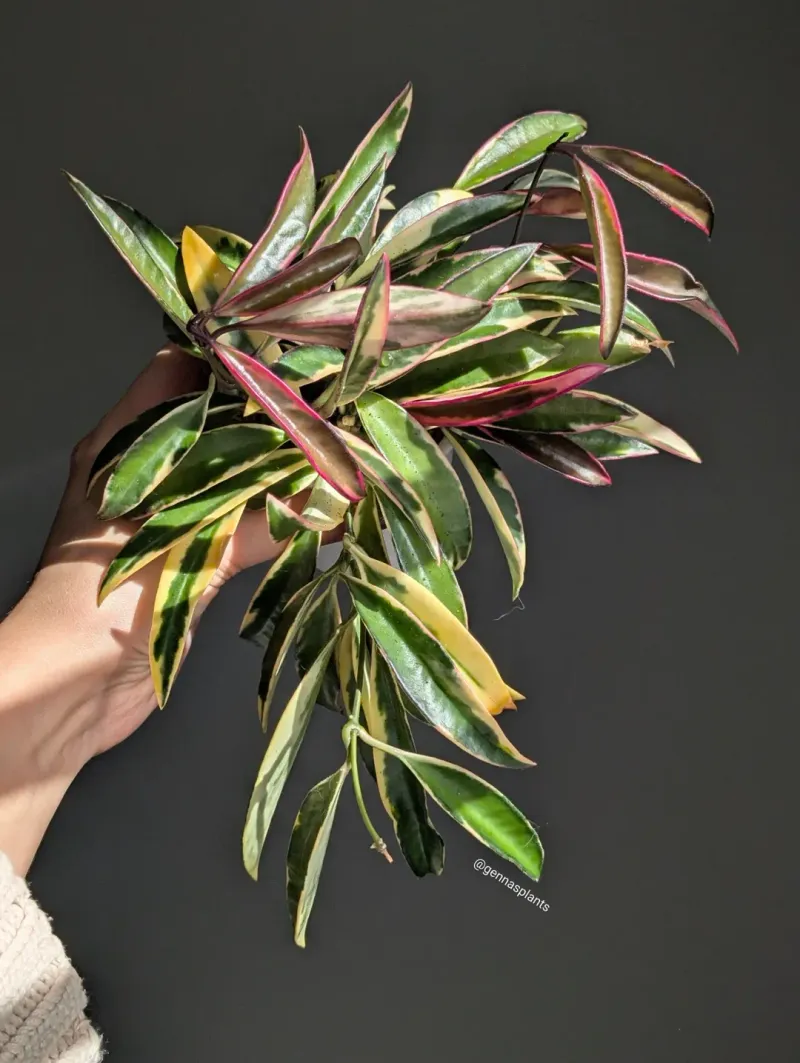
Snipping just the soft, fresh tip of a lipstick plant vine is a shortcut to speedy root development and bushier future growth.
Tip cuttings are the youngest, most tender parts of the plant, and they contain active growth hormones that help them establish roots much faster than older, woodier sections.
Select a vine tip that’s about three to four inches long and has several vibrant green leaves clustered at the end. Make your cut just below a node, then remove the lowest set of leaves to expose the area where roots will emerge.
You can propagate tip cuttings in either water or soil, but many gardeners find that soil produces sturdier plants that adapt more quickly once transplanted. If using soil, dip the cut end in rooting hormone and plant it in a small pot with a light, airy potting mix.
Keep the soil evenly moist and place the pot in bright, indirect light, avoiding Arizona’s intense midday sun that can stress delicate new growth. Within two to three weeks, you’ll often see new leaves unfurling at the tip, a sign that roots are forming below the surface.
Tip cuttings not only root faster but also encourage the plant to branch out, creating a fuller, more lush appearance that makes your lipstick plant look absolutely spectacular.
4. Layering On The Parent Plant
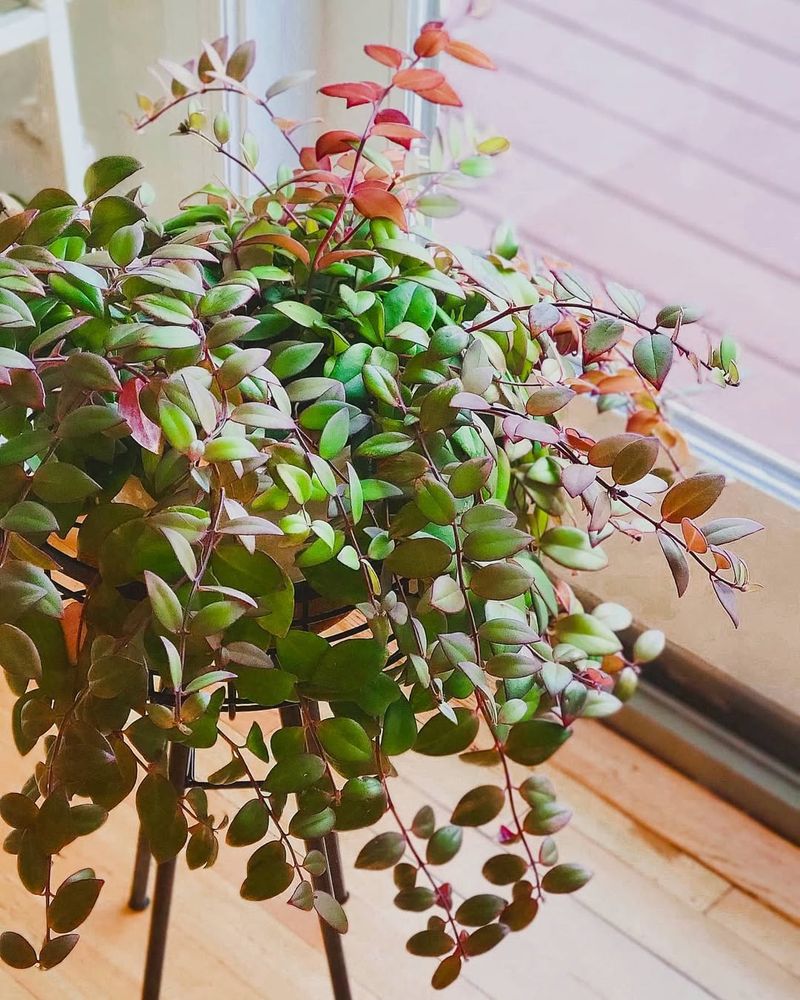
Air layering is a clever technique that lets a vine develop roots while still receiving nutrients and water from the mother plant, making it nearly foolproof.
Choose a long, healthy vine that can easily reach the soil in a nearby pot or the same container as the parent plant. Select a section with a node or two, and gently pin it down into the soil using a small U-shaped wire, a hairpin, or even a small stone to hold it in place.
Make sure the node is in direct contact with the soil, as this is where the roots will emerge, and keep the rest of the vine attached to the parent plant.
Water the soil regularly to keep it slightly moist, and within a few weeks, you’ll notice roots beginning to form at the pinned section. Arizona’s warm spring temperatures accelerate this process, so check progress every week or so.
Once the new roots are well-established and you see fresh growth appearing, you can carefully cut the vine from the parent plant and either leave it in the same pot or transplant it to a new container.
This method is incredibly low-risk because the cutting continues to receive support from the parent until it’s fully independent, making it a wonderful choice for gardeners who want guaranteed results without any guesswork.
5. Division Of Crowded Plants
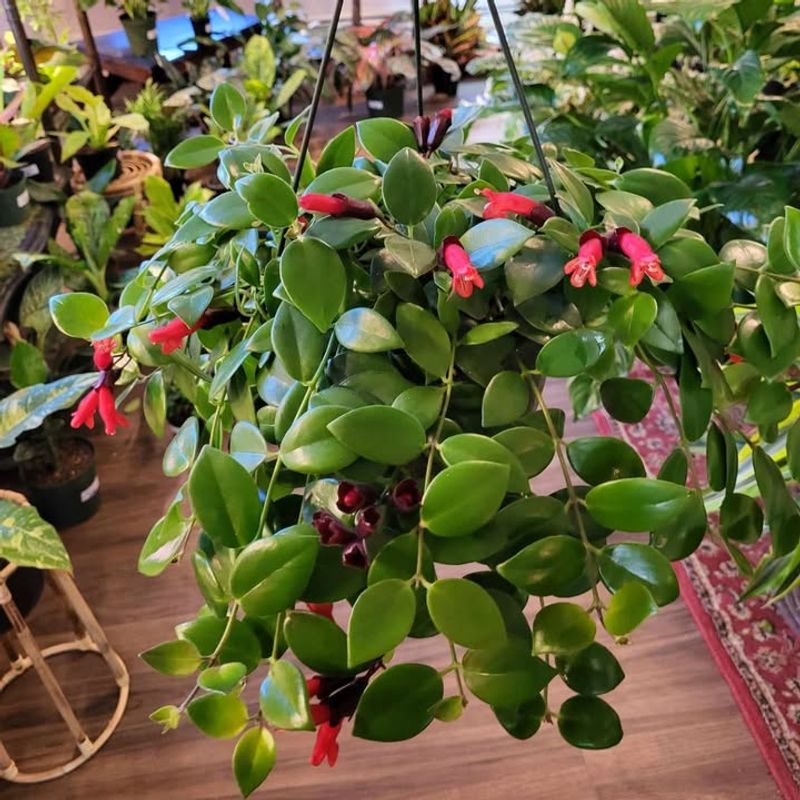
When your lipstick plant has grown into a thick, crowded mass of vines and roots, dividing it is a fantastic way to create multiple plants and give each section room to thrive.
Carefully remove the entire plant from its pot, then gently shake off excess soil so you can see the root structure clearly. Look for natural separations where stems and roots have formed distinct clumps, and use your hands or a clean knife to tease them apart.
Each division should have a good amount of roots and several healthy stems to ensure it can survive on its own. Pot each new clump into its own container with fresh, well-draining potting mix, and water thoroughly to help the roots settle into their new home.
Place the newly divided plants in a bright spot with indirect light, and avoid fertilizing for a few weeks to let them adjust without added stress.
Division not only multiplies your plant collection but also rejuvenates the parent plant by giving it more space and fresh soil to grow into.
Arizona’s warm spring weather is ideal for this process because the plants recover quickly and begin producing new growth almost immediately.
You’ll be amazed at how vigorous and lush each divided section becomes, transforming one overgrown pot into a whole family of thriving lipstick plants.
6. Using Rooting Hormone Powder Or Gel
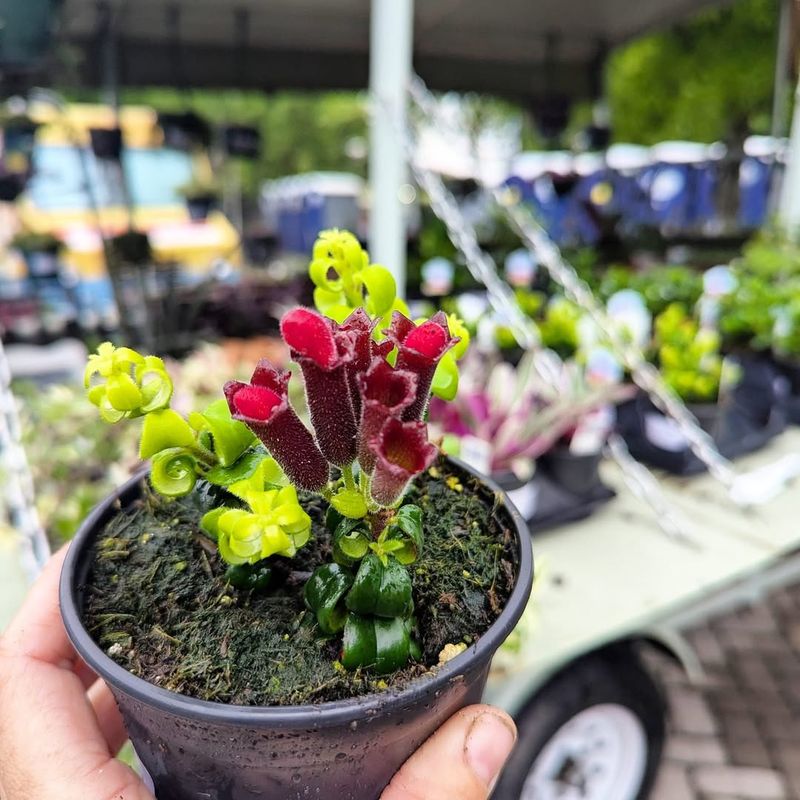
Rooting hormone is a gardener’s secret weapon, especially in Arizona’s dry indoor environments where cuttings can struggle to develop roots without a little extra help.
Available in powder or gel form, rooting hormone contains natural or synthetic auxins that stimulate root cell growth and dramatically improve your success rate.
Before planting a cutting in soil or even placing it in water, dip the cut end into the hormone, making sure the node area is well-coated. Tap off any excess powder or gel, then proceed with your preferred propagation method, whether that’s soil, water, or layering.
The hormone works by encouraging the plant to focus its energy on root development rather than top growth, which means you’ll see results faster and with stronger, more resilient roots.
This is particularly helpful in Arizona, where low humidity and warm indoor temperatures can slow down the rooting process.
You can find rooting hormone at most garden centers or online, and a small container will last for many propagation projects since you only need a tiny amount per cutting.
Some formulas also include fungicides to prevent rot, which is a bonus when working with moisture-sensitive plants like lipstick vines.
Using rooting hormone isn’t mandatory, but it’s a simple step that gives your cuttings a serious advantage and boosts your confidence as you expand your indoor garden.
7. Maintaining Humidity For Root Development
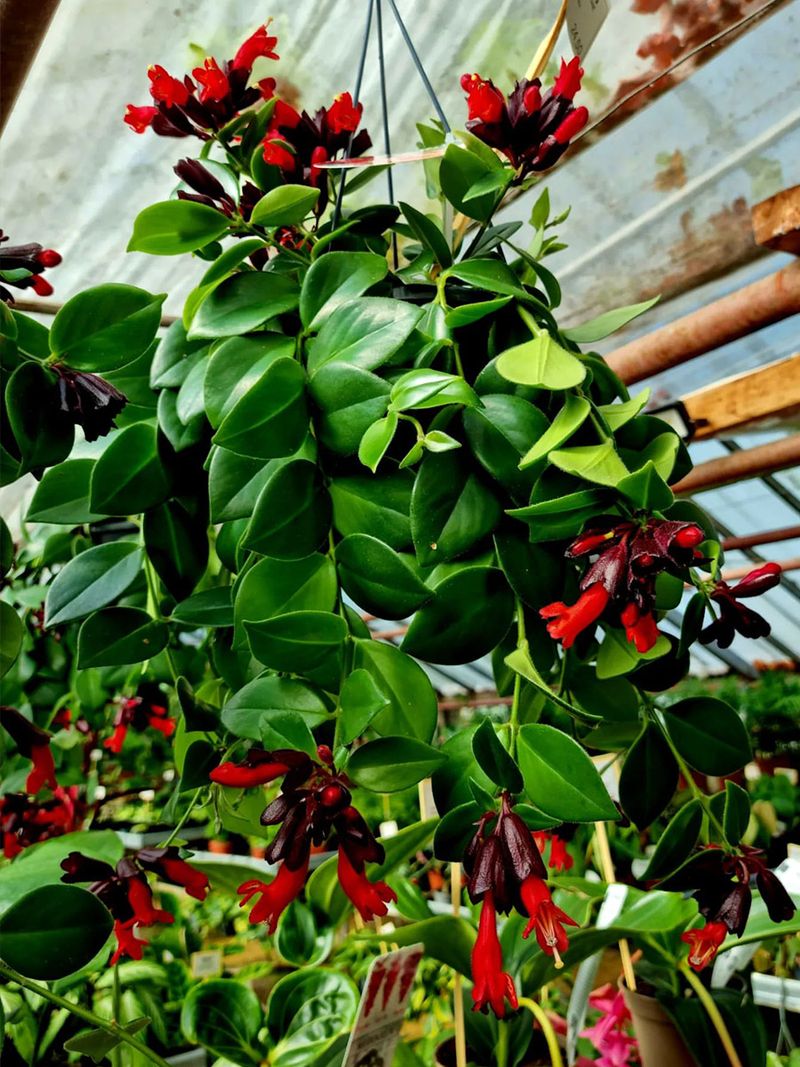
Humidity is the secret ingredient that keeps cuttings happy and prevents them from drying out before roots have a chance to form.
Arizona’s desert air can be especially challenging for delicate new cuttings, so creating a mini greenhouse environment is essential for success.
You can use a clear plastic propagation dome, a large ziplock bag, or even an inverted plastic bottle to cover your cuttings and trap moisture around them.
If using a bag, make sure it doesn’t touch the leaves by propping it up with sticks or stakes, and poke a few small holes to allow some air circulation while still maintaining high humidity.
Place your covered cuttings in a warm, bright spot with indirect light, and check them every few days to ensure the soil stays slightly moist and condensation is forming inside the cover.
This humid microclimate mimics the tropical conditions lipstick plants love and encourages roots to develop quickly and vigorously.
You can also place cuttings in naturally humid areas of your home, like a bathroom with a window or near a humidifier, which works especially well during Arizona’s dry spring months.
Once roots are established and new growth appears, gradually remove the cover over a few days to acclimate the plant to normal indoor humidity.
This simple step makes a world of difference and transforms even the trickiest cuttings into thriving, healthy plants.